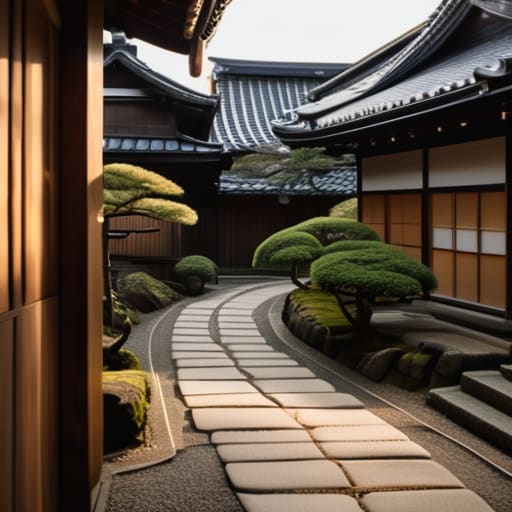
I was sitting on a damp wooden bench near the Higashi Chaya district last Tuesday, watching a light drizzle settle into the cobblestones, when I realized something. Most guidebooks treat kanazawa culture like a museum exhibit—something static, precious, and tucked behind velvet ropes. They’ll point you toward the gold leaf workshops and the grand tea houses, but they miss the rhythmic pulse of the city that actually makes it work. To me, the real soul of this place isn’t found in a polished souvenir shop; it’s in the way the local bus lines weave through the narrow lanes and how the scent of cedar hangs in the air after a rainstorm.
I’m not here to give you a checklist of monuments or a list of overpriced tea ceremonies that feel more like performances than experiences. Instead, I want to show you how to navigate the functional beauty of this city. I’ll guide you through the quiet, unscripted moments—the small workshops, the transit routes that lead to hidden gardens, and the unassuming corners where the city truly breathes. This is about understanding the logic and the grace of Kanazawa, stripped of the tourist hype.
Table of Contents
Tracing Edo Period Samurai History Through Silent Streets
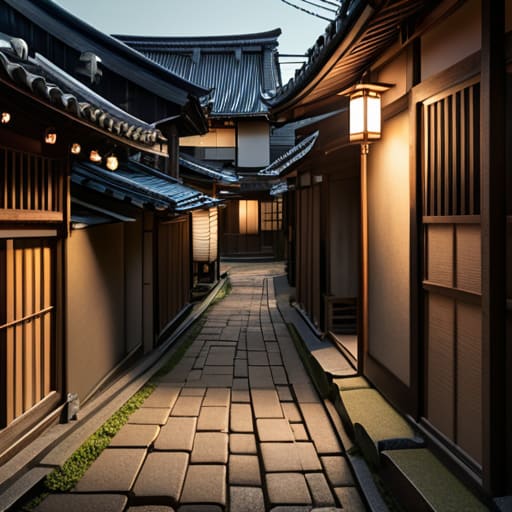
To understand the weight of the Kaga Hyakumangoku heritage, one must step away from the main thoroughfares and follow the narrow, winding veins of the Nagamachi district. Here, the earthen walls and private canals don’t just serve as scenery; they are the structural remnants of a rigid social hierarchy. As I walk these paths, sketching the way the shadows fall against the mud-plastered fences in my notebook, I am struck by how the city’s layout still honors the defensive logic of the Edo period samurai history. There is a deliberate, quiet strength in these streets that modern urban planning rarely achieves.
Moving deeper into the residential quarters, the atmosphere shifts from defensive to refined. You begin to notice the subtle nuances of the Higashi Chaya district architecture, where the wooden lattices and low-slung eaves suggest a life lived with meticulous intention. It isn’t about the grandiosity of a castle, but rather the disciplined elegance found in the way a gate is positioned or how a stone path guides the foot. In these silent corners, the city doesn’t shout its past; it whispers it through the texture of the wood and the stillness of the air.
The Living Breath of Traditional Japanese Gold Leaf Crafts
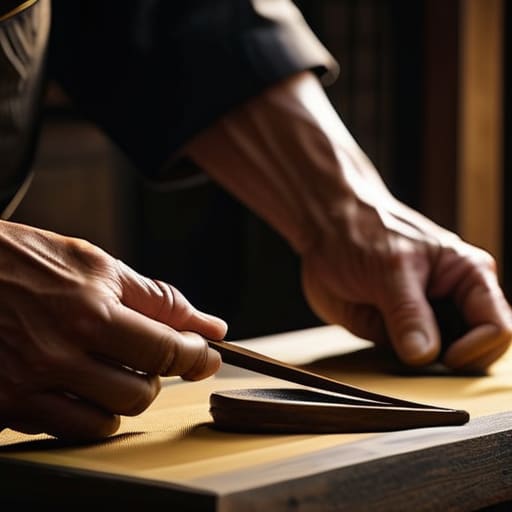
I found myself ducking into a narrow workshop tucked away from the main thoroughfares, drawn by the silence that seems to exist only in places where precision is a way of life. Here, the air felt different—still, focused, and heavy with the scent of aged wood and mineral pigments. I watched a craftsman work with a delicacy that made my own hands feel clumsy; he was applying layers of gold so thin they seemed more like breath than metal. This is the heart of traditional Japanese gold leaf crafts, a process that demands a level of patience most modern logistics-driven minds can’t even fathom.
It isn’t just about the shimmer or the spectacle. To see the gold applied to a lacquerware bowl or a delicate fan is to witness the enduring legacy of the Kaga Hyakumangoku heritage. It is a slow, deliberate art form that refuses to be rushed by the frantic pace of the digital age. As I sat there, sketching the way the light caught the edge of a gold-dusted tray in my notebook, I realized that this craft is the city’s way of preserving its own rhythm against the tide of the modern world.
Navigating the Nuances: A Logistics Approach to Kanazawa’s Soul
- Prioritize the bus over the taxi; the Kanazawa Loop Bus is the city’s circulatory system, and watching the passengers move through the stops gives you a much better sense of the local rhythm than being chauffeured in a private car.
- Seek the “Ma” (negative space) in the tea districts; rather than rushing to the most famous tea houses, find the small, unnamed stone paths between the main thoroughfares where the silence actually allows you to hear the city breathe.
- Treat the Higashi Chaya district like a map to be decoded, not a photo op; arrive just as the sun begins to dip to catch the shifting light on the wooden lattices, which reveals more about the architecture than any midday sun ever could.
- Carry a physical notebook for the small details; the subtle variations in gold leaf application or the specific way a garden gate is weathered are details that a digital camera often flattens, but a hand-drawn sketch preserves.
- Respect the quietude of the temples by observing the local practitioners; don’t just look at the structures, but watch how the locals interact with the space—it is in their measured movements that the true culture resides.
The Essence of Kanazawa
To understand Kanazawa, one must look past the surface-level aesthetics and observe the continuity of its craftsmanship, where gold leaf is not a mere souvenir but a living link to the city’s historical identity.
The city’s true character is revealed in its quietude; the historical weight of the samurai districts is felt most deeply in the stillness of the side streets rather than the crowded tourist hubs.
A meaningful journey through this city requires a logistical patience—the willingness to slow down, navigate its winding paths, and appreciate how tradition and modern life coexist in a delicate, functional balance.
The Geometry of Tradition
Kanazawa doesn’t shout its history from the rooftops; it whispers it through the precise alignment of a tea house garden and the steady, rhythmic hand of a craftsman working gold leaf. To understand this city, you must stop looking at the monuments and start looking at the continuity of its motion.
Rurik Salonen
The Quiet Resonance of Kanazawa
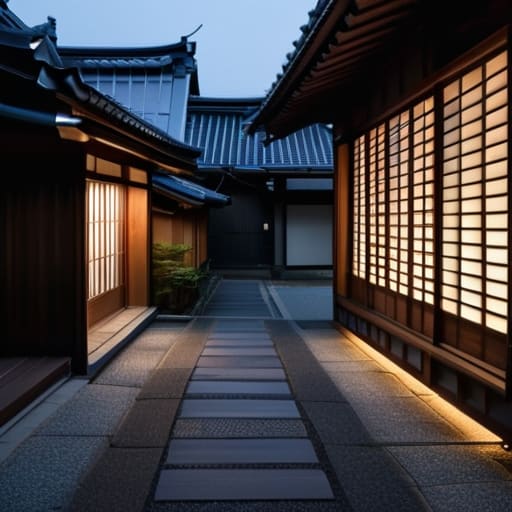
As I sit here at a small corner café, sketching the intersection of a narrow lane and a modern transit line in my notebook, the essence of Kanazawa becomes clear. It is not merely a collection of preserved samurai districts or the shimmering surface of gold leaf; it is the way these elements exist in a delicate, functional equilibrium. From the disciplined shadows of the Edo-period streets to the meticulous precision of the local artisans, the city demonstrates a mastery of continuity. You see it in the way the old world doesn’t just sit behind glass for tourists, but continues to breathe through the daily rhythms of its people.
If there is one thing my years in logistics taught me, it is that the most complex systems are often the most beautiful when they operate with silent efficiency. Kanazawa is a masterclass in that kind of grace. Do not rush through this city looking for the next landmark to photograph. Instead, allow yourself to slow down. Look for the beauty in the way a craftsman’s hands move, or the way the light hits a stone path after a light rain. When you stop chasing the highlights, you finally begin to understand the soul of the place.
Frequently Asked Questions
How can I best navigate the city's bus network to find those quieter, less-trodden neighborhoods away from the main tourist hubs?
To find the stillness, you must bypass the Kanazawa Loop Bus. It’s efficient, certainly, but it follows the tourist pulse too closely. Instead, I prefer the local Hokutetsu lines. I grab a paper map—there’s a tactile clarity to it—and look for routes heading toward the periphery, like the outskirts of Teramachi. Sit near the window, watch the stops change from crowded hubs to quiet residential corners, and disembark where the bus feels most like a lifeline for locals.
Beyond the major craft workshops, are there small, local studios where I can observe the daily rhythm of traditional artisans at work?
You won’t find them in the glossy brochures, but if you wander the narrow arteries of the Higashi Chaya district during the mid-morning lull, you’ll see them. Look for the unmarked wooden doors tucked behind the main thoroughfares. I often find myself pausing near the smaller lacquerware workshops; there is a profound, rhythmic stillness in watching an artisan work. It’s not a performance for tourists, but a quiet, disciplined dialogue between hand and material.
What are the best times of day to experience the historical districts without the distraction of large crowds?
If you want to catch the Higashi Chaya district before the tour buses arrive, aim for the first light of dawn. There is a specific, heavy stillness around 6:00 AM that feels almost sacred. Alternatively, I find the blue hour—just after sunset—to be quite revealing. Once the day-trippers retreat, the lanterns flicker on, and the streets reclaim a quiet, rhythmic dignity that the midday crowds tend to obscure.
