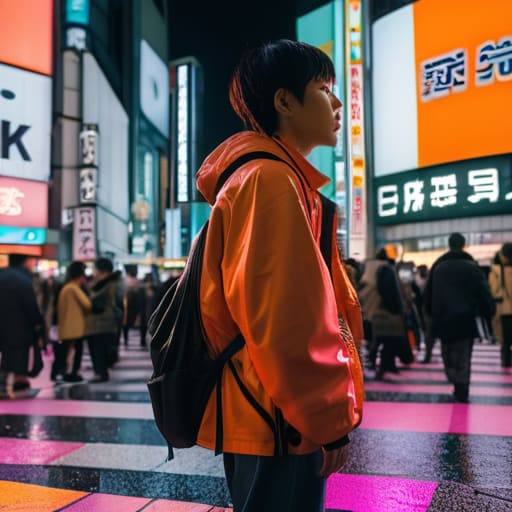
I was sitting in a cramped, fluorescent-lit corner of Shinjuku Station last Tuesday, watching a sea of commuters move with the precision of a well-oiled machine, when it hit me. Most people approach tokyo solo travel as if they are trying to conquer a mountain of neon and noise, rushing from one overpriced landmark to the next just to say they were there. They treat the city like a checklist, missing the very soul of the place because they are too busy fighting the crowds. If you are looking for a guide on how to navigate the most crowded intersections in the world without losing your mind, you’ve come to the wrong place.
My goal here is simple: I want to show you how to actually breathe in this city. I won’t be wasting your time with “must-see” tourist traps or the glossy, sanitized versions of Japan you see in travel brochures. Instead, I will share the logistical realities and the quiet, functional beauty I’ve discovered through my lens—from the subtle rhythm of the subway lines to the hidden backstreets where the city’s true character resides. This is about meaningful observation, not just movement.
Table of Contents
A Tokyo Public Transport Guide for Foreigners
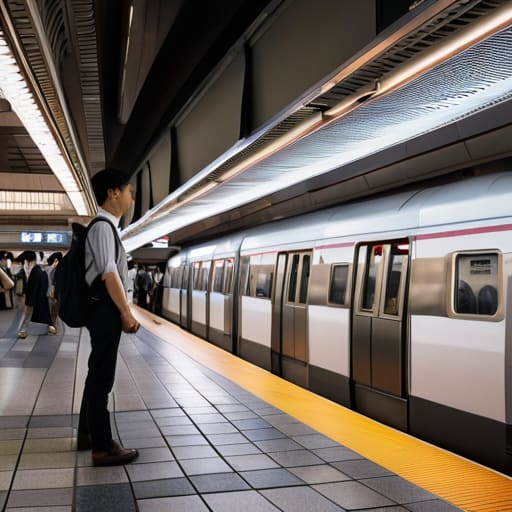
To the uninitiated, the Shinjuku station labyrinth can feel less like a transit hub and more like a test of character. I’ve spent my career untangling complex supply chains, yet even I find myself pausing to consult my notebook when the sheer volume of commuters begins to swell. If you are navigating Tokyo alone as a tourist, my first piece of advice is to abandon the idea of a paper map. Instead, embrace the digital precision of Google Maps or Navitime, but keep your eyes up. The real skill lies in reading the floor markings and the subtle flow of the crowd; if you fight the current, you will only exhaust yourself.
Efficiency here is a quiet art form. I recommend securing a Suica or Pasmo card immediately—it is the singular key to seamless movement across various private and municipal lines. While many search for a comprehensive Tokyo public transport guide for foreigners, the reality is much simpler: follow the colors, respect the silence on the carriages, and remember that the most interesting parts of the city often lie at the end of the smaller, local lines rather than the major arteries.
Finding Sanctuary in Best Neighborhoods for Solo Travelers
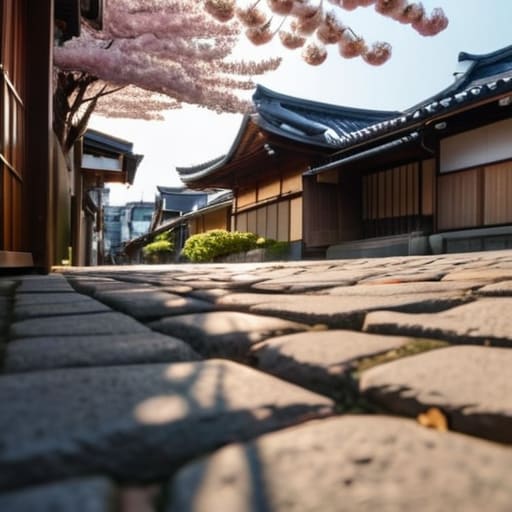
If you find the frenetic energy of Shinjuku overwhelming, I suggest retreating toward the quieter, more residential pockets of the city. For me, Yanaka is an essential stop; it feels like a different era entirely, with its narrow alleys and temple grounds that invite slow, observant walks. It is one of the best neighborhoods for solo travelers in Tokyo if you are looking to escape the digital noise. Similarly, Shimokitazawa offers a gentler, bohemian pace, perfect for losing yourself in vintage shops without the pressure of a crowd.
When you settle into these areas, you’ll notice that the city is designed for the individual. I often find myself tucked into a small, wooden counter in a neighborhood izakaya, practicing a bit of solo dining etiquette in Japan by simply observing the quiet rhythm of the room. There is no shame in eating alone here; in fact, there is a certain dignity in it. Whether you are seeking affordable accommodation in Tokyo for a long stay or just a place to sketch in your notebook, these pockets of calm provide the necessary breathing room to truly understand the city’s soul.
The Logistical Nuances: Five Observations for the Solo Navigator
- Master the art of the IC card immediately. Don’t waste your cognitive energy fumbling with paper tickets at a machine when you’re already feeling the weight of the crowd; a Suica or Pasmo card is the silent rhythm that keeps your movement fluid and your mind focused on the scenery rather than the fare.
- Embrace the solitary dining culture of the counter seat. In Tokyo, eating alone isn’t a sign of loneliness; it is a specialized way of life. Look for the small ramen shops or yakitori stalls where the seating is oriented toward a counter—it turns a meal into a quiet, observant ritual rather than a social obligation.
- Use the “Station-to-Station” mental map. When navigating, don’t just look at the destination; look at the transfer points. The most interesting, quiet pockets of the city often reveal themselves in the transition between major hubs like Shinjuku and the smaller, residential stations on the Chuo line.
- Carry a portable power bank, but prioritize a physical map or notebook. While digital tools are indispensable for real-time transit updates, there is a certain grounding that comes from looking up from a screen and actually seeing the street signs and the way the light hits the narrow alleyways.
- Learn the cadence of the “Quiet Car” etiquette. Solo travel requires a heightened awareness of your surroundings. In the trains, silence is a shared respect. Observe the local flow—the way people tuck their bags, the hushed tones, the lack of wasted motion—and you will find that you aren’t just traveling through the city, you are moving in sync with it.
The Logistics of Solitude
Master the transit network early; understanding the flow of the lines is the only way to move through the city with intention rather than anxiety.
Seek out the “in-between” spaces—the small neighborhood shrines and quiet side streets—where the city’s true character resides away from the tourist crowds.
Embrace the rhythm of solo travel by allowing yourself the time to observe the details, rather than rushing to meet a checklist of landmarks.
The Solitude of the System
“Solo travel in Tokyo isn’t an act of isolation; it is a deliberate choice to stop performing for others and finally start observing the clockwork of the world.”
Rurik Salonen
The Quiet Art of Being Alone
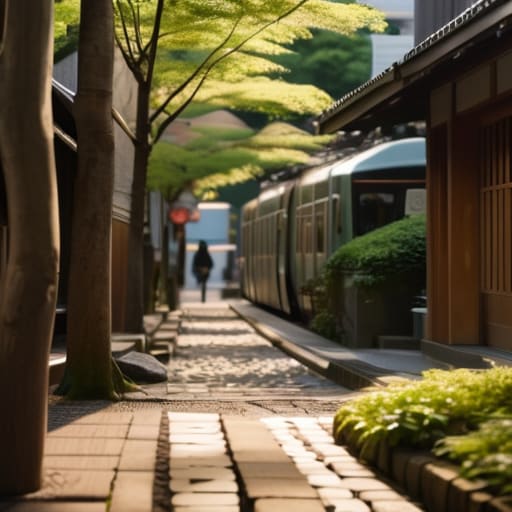
Navigating Tokyo on your own is less about mastering a map and more about mastering your own curiosity. We have discussed how the precision of the transit system serves as your lifeline, and how selecting the right neighborhood—the right logistical anchor—can turn a daunting metropolis into a series of manageable, intimate encounters. Whether you are deciphering the complexities of a Suica card or finding a moment of stillness in a Yanaka side street, remember that the city is designed to function with a predictable, rhythmic grace. If you respect its systems and allow yourself the space to wander, the friction of solo travel begins to dissolve into a seamless, meditative flow.
In my years of managing moving parts across the globe, I learned that the most efficient systems are often the most beautiful when you stop to look at them. Tokyo is no different. Do not rush to see everything; instead, strive to feel the breath of the city in the gaps between the scheduled trains and the quiet hum of a late-night konbini. Solo travel here is not a challenge to be overcome, but an invitation to observe. When you stop trying to conquer the city, you finally give it the chance to reveal its true, unvarnished self to you.
Frequently Asked Questions
How do I manage the logistics of navigating the complex subway transfers when I'm traveling alone without a constant guide?
Don’t let the sheer scale of the Shinjuku or Oedo lines intimidate you. I’ve learned that the secret lies in preparation rather than panic. Invest in a Suica or Pasmo card immediately; removing the friction of ticket machines changes your entire mental state. More importantly, learn to read the floor markings and overhead signage. They are the city’s silent conductors. If you feel lost, find a station staff member—they are masters of their domain.
Are there specific areas in Tokyo where I can find quiet, solo-friendly dining options that don't feel overwhelming?
If you find the roar of Shinjuku overwhelming, head toward Yanaka or Kagurazaka. Yanaka retains a “shitamachi” soul—narrow lanes and small, family-run eateries where a single diner is the norm, not the exception. Kagurazaka offers something different: winding cobblestone alleys tucked away from the main thoroughfares. In these pockets, the dining experience slows down. You aren’t just eating; you’re observing the quiet, intentional mechanics of a neighborhood that refuses to rush.
What are the practicalities of carrying analog photography gear through the city while staying mobile on public transit?
In my experience, mobility is a game of weight distribution. I avoid bulky camera bags; they’re a liability on a crowded Chuo Line. Instead, I use a small, unassuming sling bag that sits tight against my hip. It keeps my Leica accessible but out of the way of commuters. I carry only two lenses and a single roll of film at a time. If you’re fighting the rush hour crush, less is always more.
