Author: Rurik Salonen

  • Navigating Apartment Living in Japanese Cities

    Navigating Apartment Living in Japanese Cities

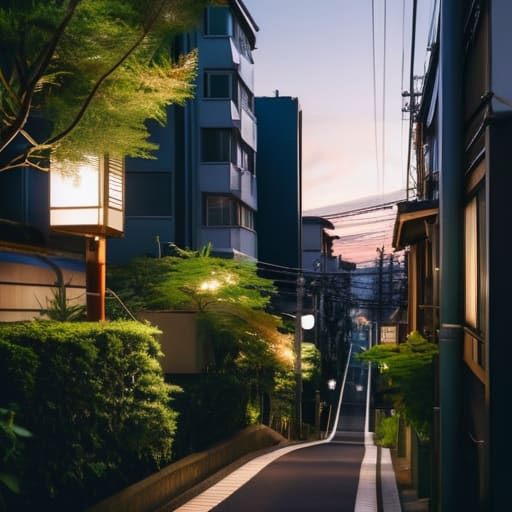
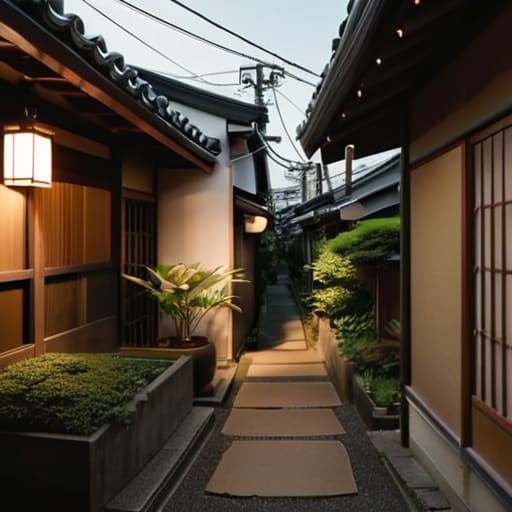
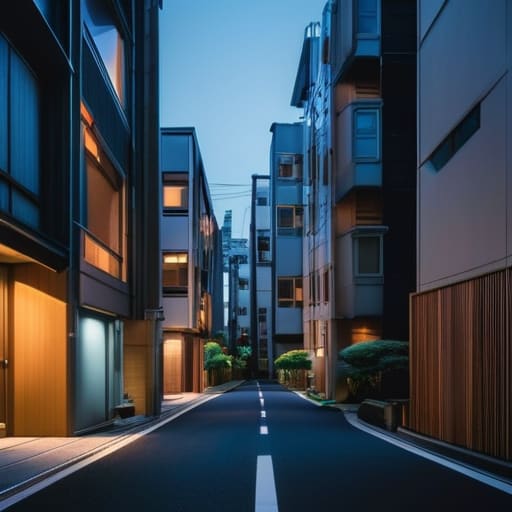
    I remember standing on a rain-slicked platform in Setagaya, clutching a heavy roll of 35mm film and staring at a floor plan that made absolutely no sense to a man trained in global logistics. The agent had promised me a “modern urban sanctuary,” but what I found was a shoebox-sized unit where the kitchen sink was practically sharing a pillow with the bed. Most people approach apartment living in japan through a lens of romanticized minimalism or polished real estate brochures, but they rarely account for the friction of reality—the thinness of the walls, the peculiar logic of the storage alcoves, or the way a single misplaced step can make a room feel claustrophobic.

    I have no interest in selling you a dream of effortless Zen. Instead, I want to pull back the curtain on the actual mechanics of finding a home in these dense metropolitan grids. My goal is to provide you with a logistical blueprint for navigating the complexities of leases, layouts, and neighborhood rhythms. We aren’t going to chase the neon lights; we are going to find the functional truth of how to inhabit these spaces without losing your sense of peace.

    Table of Contents

    Deciphering the Mansion vs Apartment Japan Divide
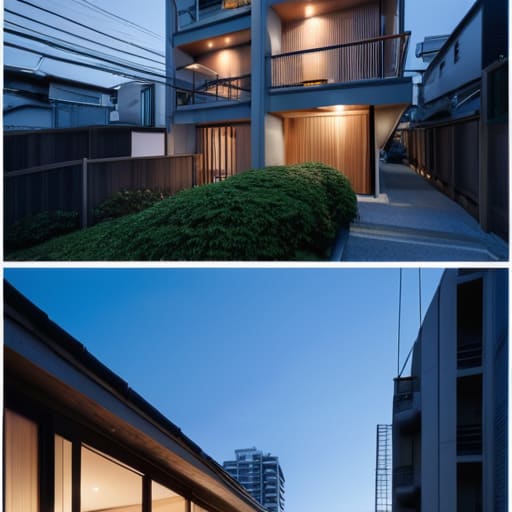
    Deciphering the Mansion vs Apartment Japan Divide.

    One of the first hurdles you encounter when studying the urban layout of a city like Osaka is the linguistic nuance of its residential structures. In the West, we use the word “apartment” as a catch-all, but in Japan, the distinction between a mansion and an apāto is a matter of structural integrity and social signaling. To the uninitiated, a “mansion” sounds like a sprawling estate, but in reality, it refers to a multi-story, reinforced concrete building—sturdier, quieter, and generally more expensive. An apāto, conversely, is often a lighter, two-story wooden or steel structure.

    Choosing between them isn’t just about the budget; it’s about how you intend to exist within the city’s density. If you value a sense of seclusion from the street-level hum, a concrete mansion offers a much-needed buffer. However, if you are looking to experience the more intimate, rhythmic pulse of a residential side street, the smaller apāto provides that direct connection. Understanding the mansion vs apartment japan distinction is the first step in deciding which version of the city you want to call home.

    The Quiet Rituals of the Japanese Apartment Rental Process
    The Quiet Rituals of the Japanese Apartment Rental Process.

    Navigating the paperwork for a new home in Japan feels less like a simple transaction and more like a complex logistical operation. There is a certain gravity to the japanese apartment rental process; it requires a level of patience and precision that my years in supply chain management prepared me for, though I still find the sheer volume of stamps and guarantees a bit daunting. You aren’t just signing a lease; you are entering into a social contract. Between the initial guarantor requirements and the non-refundable key money, the process demands a disciplined approach to one’s finances and a deep respect for the local norms.

    Once the keys are finally in hand, the real work begins. Moving into a space that feels intentionally scaled requires a shift in mindset. I’ve found that success here relies heavily on mastering the art of spatial economy. It isn’t just about buying less; it is about selecting compact furniture for small apartments that serves a dual purpose without cluttering your visual field. In these tight quarters, every centimeter must earn its keep, or the room will quickly begin to feel like it is closing in on you.

    The Logistics of Domesticity: Five Essentials for the Urban Resident

    • Prioritize the proximity of the station over the square footage of the unit. In my experience, the most efficient way to live in a city like Tokyo is to ensure your daily commute is a predictable, short walk; a few extra meters of living space are rarely worth the mental tax of a long, disorganized trek to the platform.
    • Inspect the soundproofing with a critical ear before signing any contract. The thin walls of many older “apartments” can turn a neighbor’s late-night television or the hum of a washing machine into a constant, intrusive presence that disrupts the quiet rhythm of your own home.
    • Learn the unspoken geography of your building’s waste disposal rules. Every neighborhood and even every building has its own rigid, almost surgical way of sorting recyclables and combustibles; failing to master this small logistical detail is the quickest way to alienate yourself from your neighbors.
    • Factor the hidden costs of “management fees” and “renewal fees” into your initial budget. It is easy to look at the monthly rent and think you have found a bargain, but the true cost of Japanese housing lies in these periodic, administrative adjustments that can catch a newcomer off guard.
    • Look for the presence of a “lockers” or a dedicated bicycle area in the building’s layout. In dense urban environments, space is a premium, and having a designated, secure spot for your belongings prevents the clutter of city life from encroaching on your limited indoor sanctuary.

    Essential Realities for the Urban Resident

    Understand that a “mansion” in Japan is a matter of structural integrity and scale, not a luxury penthouse; choosing between one and a standard apartment is a logistical decision about how you intend to inhabit the city’s density.

    Prepare for a rental process that functions more like a formal contract than a casual agreement, where the upfront costs and the necessity of a guarantor are the gatekeepers to your new neighborhood.

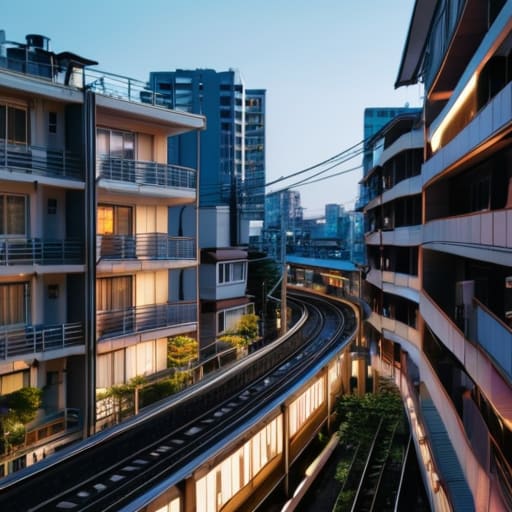
    Look beyond the square footage to the layout and the transit proximity, as the true quality of your daily life will be determined by how seamlessly your home integrates into the rhythm of the local rail lines.

    ## The Geometry of Living

    To live in a Japanese apartment is to accept a certain disciplined economy of space; it is less about the square footage you occupy and more about how gracefully you can integrate your life into the quiet, rhythmic constraints of the city.

    Rurik Salonen

    The Geometry of Home
    The Geometry of Home in Japanese housing.

    Navigating the complexities of the Japanese rental market requires more than just a budget; it demands an appreciation for the nuances that define your daily existence. From distinguishing the structural integrity of a mansion from the more modest, communal atmosphere of a standard apartment, to weathering the bureaucratic storm of initial fees and guarantor requirements, every decision is a logistical piece of a larger puzzle. You are not merely signing a contract; you are selecting the specific coordinates from which you will observe the city’s ebb and flow. Understanding these distinctions ensures that your transition from visitor to resident is built upon a foundation of clarity rather than confusion.

    Ultimately, finding a place to live in Japan is about more than square footage or proximity to the Yamanote Line. It is about finding that specific, quiet corner where the chaos of the metropolis fades into a manageable hum. Whether you find yourself in a sun-drenched studio in Setagaya or a compact unit tucked away in an Osaka side street, remember that the true character of a home is revealed in the small, rhythmic details: the way the light hits the floor at dusk, or the predictable cadence of the neighbors passing your door. Once you find your rhythm, the city ceases to be a labyrinth and finally begins to feel like home.

    Frequently Asked Questions

    How much of a buffer should I realistically set aside for those initial, heavy upfront costs like key money and agency fees?

    In my years managing logistics, I learned that the most dangerous mistake is underestimating the initial load. For Japanese housing, you aren’t just paying rent; you are paying for entry. I always advise setting aside four to five times the monthly rent as a baseline. Between reikin (key money), agency fees, and the inevitable deposit, the upfront cost is a heavy lift. Don’t let a tight budget catch you off guard when the paperwork arrives.

    What are the practical implications of living in a "wooden" structure versus a concrete one when it comes to noise and insulation?

    The distinction between a wooden mokuzou and a concrete RC structure is more than just a matter of architecture; it’s the difference between feeling the city’s pulse and being insulated from it. In a wooden building, you’ll hear the neighbor’s footsteps and the distant rumble of the Yamanote line. While wood offers a certain warmth, concrete provides a necessary silence. If you value your solitude, prioritize reinforced concrete to truly buffer the urban chaos.

    How do I navigate the nuances of garbage disposal rules and the specific etiquette required by my neighbors in a high-density building?

    In a dense building, your relationship with your neighbors is often mediated by the communal trash station. It sounds trivial, but in Japan, it is a vital social contract. I’ve learned that precision matters: follow the color-coded bags and strict schedules to the letter. Mismanaging your waste isn’t just a chore; it’s a disruption of the neighborhood’s collective rhythm. Respect the rules, and you’ll find a quiet, unspoken harmony with those living just inches away.
  • Understanding the Tokyo Rental Market

    Understanding the Tokyo Rental Market

    I remember sitting in a cramped, windowless real estate office in Shinjuku last autumn, staring at a spreadsheet that seemed to defy the laws of logic. The agent was smiling, pointing at a “modern studio” that was essentially a glorified closet, while charging a premium for its proximity to a station that’s perpetually under construction. Most people approach the tokyo rental market as if they’re navigating a chaotic labyrinth without a map, letting the glossy brochures and aggressive brokers dictate their lifestyle. They get caught up in the neon hype of Shibuya or the prestige of Minato, completely missing the fact that a home isn’t a status symbol—it’s your logistical basecamp.

    I have no interest in selling you a dream of high-rise luxury that leaves your bank account empty and your nerves frayed. Instead, I want to show you how to read the city like a professional. My goal is to strip away the industry jargon and help you find the functional beauty of a well-placed apartment near a reliable transit artery. We are going to look past the superficial glitz to understand how location, transit flow, and neighborhood rhythm actually dictate your quality of life.

    Table of Contents

    Finding Rhythm Through Average Rent in Central Tokyo

    Finding Rhythm Through Average Rent in Central Tokyo.

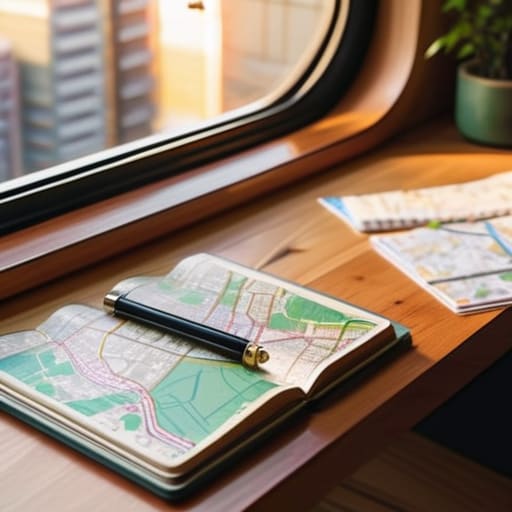
    When you sit down with your notebook to map out a potential life in this city, the numbers are often the first thing that demand your attention. Navigating the average rent in central Tokyo can feel less like a simple calculation and more like solving a complex logistical puzzle. You quickly realize that price isn’t just about square footage; it’s about the efficiency of the proximity to the rail lines. A studio in Minato might command a premium that feels steep, but when you factor in the time saved by being steps away from the Yamanote loop, the math begins to shift.

    However, the sticker price is rarely the final word. One of the most jarring aspects for those new to the landscape is the weight of upfront costs. To truly understand the financial flow, you must look into key money and security deposits in Japan, which can often equal several months of rent before you even turn the key in the lock. It’s a heavy initial investment, but once you grasp the rhythm of these transactions, the city’s housing system starts to feel less like an obstacle and more like a well-oiled, albeit expensive, machine.

    Best Neighborhoods for Expats in Tokyo and Quiet Commutes

    Best Neighborhoods for Expats in Tokyo and Quiet Commutes

    When I look at a map of the Tokyo rail network, I don’t just see lines; I see the lifeblood that dictates where a person can truly settle. For those new to the city, finding the best neighborhoods for expats in Tokyo often involves a delicate balancing act between proximity to work and the need for a sanctuary. Areas like Ebisu or Nakameguro offer a sophisticated, walkable charm, but they come with a premium. If you prefer a slower cadence, looking slightly further out along the Chuo or Den-en-toshi lines can yield a much more peaceful existence without sacrificing connectivity.

    The transition from scouting locations to signing a lease is where the logistics get complicated. You will quickly realize that Japanese rental culture explained in textbooks often fails to capture the nuance of the actual process. Between navigating the complexities of key money and security deposits in Japan and securing reliable guarantor companies for foreign renters, the administrative load can feel heavy. It requires a methodical approach—much like managing a supply chain—to ensure you aren’t just renting a space, but integrating into a functional part of the city’s rhythm.

    • Learn to read the transit map before the real estate map. A lower rent price in a district like Nerima or Itabashi means nothing if the commute to your office adds ninety minutes of friction to your day; always prioritize the efficiency of the line over the square footage of the room.
    • Budget for the “hidden” upfront costs that aren’t listed in the monthly rent. Between key money (reikin), security deposits, and agency fees, you aren’t just paying for a room—you are paying for the privilege of entry, often costing two to four months of rent before you even move a single box.
    • Don’t overlook the “Guarantor” hurdle. Most landlords require a Japanese guarantor, and while rental companies now offer guarantee services for a fee, having a clear understanding of these third-party requirements will save you weeks of administrative headache.
    • Inspect the “functional” details during your walkthrough. In my experience, a beautiful view is secondary to the practicalities: check the age of the air conditioning unit, the noise insulation between walls, and the proximity of the nearest 24-hour convenience store.
    • Embrace the “one-room” lifestyle with intention. In Tokyo, space is a premium commodity, so look for apartments designed with smart storage rather than sheer volume; a well-organized 25-square-meter studio is far more livable than a cluttered 40-square-meter relic.

    The Logistical Reality of Living in Tokyo

    Don’t let a low rent price in a distant suburb fool you; always calculate your true cost by factoring in the time and mental fatigue of a long commute on the Chuo or Odakyu lines.

    Prioritize proximity to a station on a major loop or transit artery over square footage, as the efficiency of your daily movement dictates the quality of your life in this city.

    Look beyond the flashy real estate listings and seek out the “middle ground” neighborhoods—those quiet pockets just one or two stops away from the chaos, where the city’s rhythm is steady rather than frantic.

    ## The Geometry of Living

    “When people ask me about the cost of living in Tokyo, they usually start with a spreadsheet of yen and square meters. But a rental isn’t just a line item in a budget; it’s a trade-off between the speed of the city and the stillness of your home. You aren’t just paying for a roof; you’re paying for how much of the chaos you’re willing to let through your front door.”

    Rurik Salonen

    Finding Your Place in the Machine

    Finding Your Place in the Machine.

    Navigating the Tokyo rental market is rarely about finding the cheapest square footage; it is about calculating the logistical cost of your daily life. As we have discussed, the decision involves a delicate balance between the premium prices of central hubs like Minato and the strategic, quieter advantages of neighborhoods tucked further along the Chuo or Odakyu lines. You must weigh the convenience of a direct commute against the peace found in a residential pocket where the subway rhythm is a gentle hum rather than a constant roar. Ultimately, your choice should reflect a calculated harmony between your budget and the way you intend to move through this vast, interconnected organism.

    At the end of the day, do not let the sheer scale of the city or the complexity of its lease structures intimidate you. Tokyo is a place of infinite layers, and sometimes the most rewarding way to live is to find that one small, unremarkable street that feels like it was built just for you. Look past the glossy real estate brochures and focus on the functional beauty of a well-placed station or a quiet corner park. If you approach your search with patience and a keen eye for detail, you won’t just find an apartment; you will find the exact spot where you can finally begin to breathe alongside the city.

    Frequently Asked Questions

    How do the initial move-in costs, like key money and agency fees, actually impact my long-term monthly budget?

    It’s easy to get blinded by the monthly rent figure, but in Tokyo, the upfront “sticker shock” is real. Between key money (reikin), agency fees, and deposits, you might spend three to five months’ worth of rent before even turning a key. I view this as a massive, one-time capital expenditure. If you can’t absorb that hit without draining your emergency fund, you’ll find yourself living too frugally to actually enjoy the city you moved here to see.

    Is it more practical to prioritize proximity to a major hub like Shinjuku, or should I look for a smaller place further out on a less crowded line?

    It’s a classic logistical trade-off: time versus space. If you prioritize a hub like Shinjuku, you’re buying convenience, but you’re also paying a premium for the noise and the crush of the morning rush. Personally, I find more value in moving one or two stops out on a quieter line. You gain breathing room in your apartment and a more predictable commute, allowing you to actually observe the city rather than just surviving it.

    What are the specific logistical hurdles I should expect when trying to secure a lease as a foreign resident without a Japanese guarantor?

    The logistical friction is real. Without a Japanese guarantor, you’ll likely face the “guarantor company” hurdle—an extra layer of bureaucracy where you pay a fee to a third party to vouch for you. It’s a necessary transaction, but expect more paperwork and potentially higher upfront costs. You also need to be prepared for the “reikai” or key money; without a local tie, landlords often view you as a higher logistical risk.

  • The Experience of Living in Kanazawa

    The Experience of Living in Kanazawa

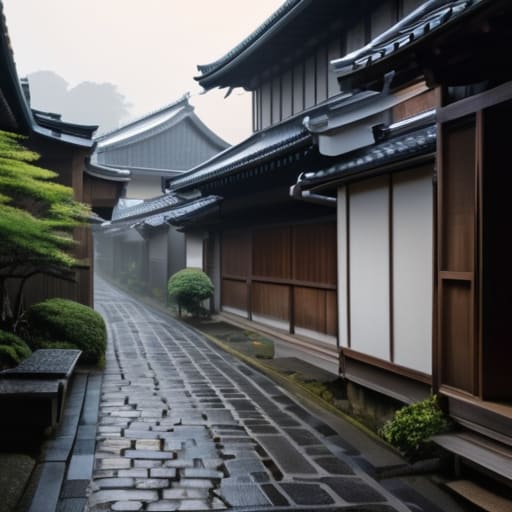
    I remember sitting on a wooden bench near the Kenrokuen gardens last November, watching the mist roll off the mountains while the rhythmic clack-clack of a passing local bus echoed through the damp air. Most travel brochures will try to sell you on the idea of living in Kanazawa as a seamless, postcard-perfect dream of samurai heritage and tea ceremonies. But they ignore the reality of the logistics—the way the heavy snow dictates your daily movement, or how the city’s true character isn’t found in the crowded museum corridors, but in the quiet efficiency of its narrowest side streets.

    I’m not here to sell you a fantasy or a curated list of tourist traps. If you are seriously considering living in Kanazawa, you need to understand the structural bones of the city, from the reliability of the bus networks to the subtle social rhythms of the neighborhoods. My goal is to provide a grounded, practical roadmap for navigating this life. I will skip the hype and focus on the functional details—the things you actually need to know to find your own steady rhythm in this remarkable place.

    Table of Contents

    Mapping the Transit Lines of Kanazawa Expat Life

    Mapping the Transit Lines of Kanazawa Expat Life

    To understand the logistics of moving to Ishikawa prefecture, one must first master the Kanazawa Loop Bus. In my years managing supply chains, I learned that a system is only as good as its predictability, and here, the transit rhythm dictates the pace of your entire day. Unlike the overwhelming, multi-layered sprawl of Tokyo, the bus lines here act as the city’s circulatory system, connecting the modern hubs to the more delicate, historical quarters. I often find myself sitting by the window, sketching the route in my notebook, noting how the transit lines serve as the invisible threads that bind the modern resident to the ancient city.

    Navigating these routes is more than just a way to get from point A to point B; it is a way to gauge the Kanazawa cost of living and the accessibility of your daily needs. If you reside near the Kenrokuen garden neighborhood, you are positioned perfectly to witness the city’s transition through the seasons, but you must be prepared for the logistical reality of the local weather. I’ve found that the most successful way to settle in is to stop viewing the bus schedule as a constraint and instead see it as a steady, reliable heartbeat that guides your integration into the local way of life.

    The Realities of Moving to Ishikawa Prefecture

    The Realities of Moving to Ishikawa Prefecture.

    Transitioning from the hyper-efficient logistics hubs of Tokyo to the more deliberate pace of the Hokuriku region requires a fundamental shift in perspective. Moving to Ishikawa prefecture isn’t merely a change of address; it is a recalibration of your internal clock. While the infrastructure is remarkably reliable, you quickly learn that life here is dictated by the weather and the seasons rather than a rigid corporate schedule. I’ve found that the Kanazawa seasonal lifestyle demands a certain level of preparedness—a sturdy umbrella and a willingness to find beauty in the grey, misty mornings that define the Sea of Japan coast.

    The financial logistics are also worth noting. While the Kanazawa cost of living is generally more manageable than the megalopolises, you are essentially investing in a different kind of wealth: access to culture. You aren’t just paying for square footage; you are positioning yourself near the heartbeat of Japanese traditional arts Kanazawa is so famous for. There is a quiet, understated dignity to living in a historic Japanese city, provided you are ready to trade the neon-lit convenience of the city center for the more nuanced, slow-burning rhythms of a community rooted in craft and tradition.

    The Logistics of Settling In: Five Practical Observations

    • Master the Hokuriku Shinkansen rhythm early. While the city feels intimate, your connection to the rest of Japan depends on understanding the timing of the high-speed lines; don’t just rely on local buses, as knowing when the heavy-hitters arrive will dictate your entire sense of regional mobility.
    • Invest in a high-quality, waterproof shell. I’ve learned through years of observing weather patterns that Kanazawa’s “snow country” reputation isn’t just about the winter; the damp, heavy mist of the rainy season can settle into your bones if you aren’t prepared for the constant humidity.
    • Learn the geography of the local markets, not just the tourist districts. To truly live here, you need to know where the daily catch arrives at the Omicho Market and which small grocers stock the seasonal vegetables that define Ishikawa’s culinary identity.
    • Respect the silence of the residential pockets. The beauty of this city lies in its quietude, and as an expat, you’ll find that the most successful integration comes from observing the unspoken rules of noise and movement in the narrow streets surrounding the temples.
    • Keep a physical notebook for your local observations. Digital maps are efficient, but they lack the nuance of a hand-drawn sketch of a new bus route or a note on a hidden cafe’s opening hours; in a city that values tradition, the tactile act of recording your surroundings helps you anchor yourself to the landscape.

    The Essentials of Settling into Kanazawa

    Prioritize your proximity to the Hokuriku transit nodes; in a city like this, your quality of life is dictated by how easily you can navigate the rain and the seasonal shifts via the local bus networks.

    Look past the polished veneer of the Higashi Chaya district to find the true rhythm of the city in the smaller, residential pockets where the local commerce actually sustains itself.

    Prepare for a logistical shift in pace; moving to Ishikawa requires trading the high-octane efficiency of a global hub for a more deliberate, seasonal way of managing your daily movements.

    The Logistics of Belonging

    “Moving to Kanazawa isn’t a matter of simply changing your coordinates on a map; it is a slow recalibration of your internal clock to match the deliberate, seasonal pulse of a city that refuses to be rushed.”

    Rurik Salonen

    The Final Coordinates

    Finding The Final Coordinates in Kanazawa.

    Settling in Kanazawa is rarely about a grand, sweeping gesture; it is a series of small, logistical adjustments. We have looked at how the prefecture demands a certain level of practical preparedness, from navigating the seasonal shifts of Ishikawa to mastering the local transit rhythms that dictate your daily movement. Moving here isn’t a matter of simply changing your address, but of recalibrating your internal clock to match a city that values steady, predictable flow over the frantic pace of Tokyo. You must respect the infrastructure, embrace the slower pace of the bus lines, and accept that the environment will occasionally demand more of you than a typical urban transplant might expect.

    Ultimately, Kanazawa reveals itself to those willing to look past the surface-level charm of its gold leaf and tea houses. If you approach this city with a sense of purposeful observation, you will find that its true value lies in the quiet efficiency of its streets and the way the light hits the canals at dusk. Don’t rush to see everything at once. Instead, let the city reveal its layers to you, one station and one narrow alleyway at a time. When you stop trying to conquer the map and start learning to breathe with the city, you will realize that you haven’t just moved to a new place—you have finally found your rhythm.

    Frequently Asked Questions

    How does the seasonal shift in Kanazawa affect the daily logistics of navigating the city, particularly during the heavy snow months?

    When the heavy snow settles over Ishikawa, the city’s rhythm changes entirely. The logistics of daily life shift from speed to caution. I’ve learned that while the bus lines remain remarkably reliable, the walking distances between stops feel much longer when you’re navigating slush and ice. You have to plan your routes with more buffer time and, more importantly, better footwear. The quiet beauty of a snow-covered Higashi Chaya is lovely, but it demands a slower, more deliberate pace.

    For someone used to the constant motion of Tokyo or Osaka, how difficult is it to find a reliable community or social rhythm in a more traditional prefecture like Ishikawa?

    The transition is a shock to the system, much like switching from a high-speed freight line to a local branch track. In Tokyo, community is accidental—you are part of a crowd. In Ishikawa, it is intentional. You won’t find your rhythm in a neon-lit hub, but in the slow, repetitive cadence of the neighborhood shotengai or a local workshop. It takes patience to navigate these social layers, but the stability is worth the effort.

    Beyond the main bus routes, how manageable is it to explore the more remote, quiet corners of the prefecture without a personal vehicle?

    It requires a certain patience, a willingness to trade speed for observation. Without a car, you become reliant on the local bus networks and the occasional seasonal train, which can be sparse in the more rugged reaches of Noto or the mountains. You’ll find yourself planning your days around fixed timetables—much like managing a supply chain. It isn’t always efficient, but there is a quiet reward in those slow, deliberate journeys to the prefecture’s edges.

  • Advice for Solo Travelers in Tokyo

    Advice for Solo Travelers in Tokyo

    I was sitting in a cramped, fluorescent-lit corner of Shinjuku Station last Tuesday, watching a sea of commuters move with the precision of a well-oiled machine, when it hit me. Most people approach tokyo solo travel as if they are trying to conquer a mountain of neon and noise, rushing from one overpriced landmark to the next just to say they were there. They treat the city like a checklist, missing the very soul of the place because they are too busy fighting the crowds. If you are looking for a guide on how to navigate the most crowded intersections in the world without losing your mind, you’ve come to the wrong place.

    My goal here is simple: I want to show you how to actually breathe in this city. I won’t be wasting your time with “must-see” tourist traps or the glossy, sanitized versions of Japan you see in travel brochures. Instead, I will share the logistical realities and the quiet, functional beauty I’ve discovered through my lens—from the subtle rhythm of the subway lines to the hidden backstreets where the city’s true character resides. This is about meaningful observation, not just movement.

    Table of Contents

    A Tokyo Public Transport Guide for Foreigners

    A Tokyo Public Transport Guide for Foreigners.

    To the uninitiated, the Shinjuku station labyrinth can feel less like a transit hub and more like a test of character. I’ve spent my career untangling complex supply chains, yet even I find myself pausing to consult my notebook when the sheer volume of commuters begins to swell. If you are navigating Tokyo alone as a tourist, my first piece of advice is to abandon the idea of a paper map. Instead, embrace the digital precision of Google Maps or Navitime, but keep your eyes up. The real skill lies in reading the floor markings and the subtle flow of the crowd; if you fight the current, you will only exhaust yourself.

    Efficiency here is a quiet art form. I recommend securing a Suica or Pasmo card immediately—it is the singular key to seamless movement across various private and municipal lines. While many search for a comprehensive Tokyo public transport guide for foreigners, the reality is much simpler: follow the colors, respect the silence on the carriages, and remember that the most interesting parts of the city often lie at the end of the smaller, local lines rather than the major arteries.

    Finding Sanctuary in Best Neighborhoods for Solo Travelers

    Finding Sanctuary in Best Neighborhoods for Solo Travelers

    If you find the frenetic energy of Shinjuku overwhelming, I suggest retreating toward the quieter, more residential pockets of the city. For me, Yanaka is an essential stop; it feels like a different era entirely, with its narrow alleys and temple grounds that invite slow, observant walks. It is one of the best neighborhoods for solo travelers in Tokyo if you are looking to escape the digital noise. Similarly, Shimokitazawa offers a gentler, bohemian pace, perfect for losing yourself in vintage shops without the pressure of a crowd.

    When you settle into these areas, you’ll notice that the city is designed for the individual. I often find myself tucked into a small, wooden counter in a neighborhood izakaya, practicing a bit of solo dining etiquette in Japan by simply observing the quiet rhythm of the room. There is no shame in eating alone here; in fact, there is a certain dignity in it. Whether you are seeking affordable accommodation in Tokyo for a long stay or just a place to sketch in your notebook, these pockets of calm provide the necessary breathing room to truly understand the city’s soul.

    The Logistical Nuances: Five Observations for the Solo Navigator

    • Master the art of the IC card immediately. Don’t waste your cognitive energy fumbling with paper tickets at a machine when you’re already feeling the weight of the crowd; a Suica or Pasmo card is the silent rhythm that keeps your movement fluid and your mind focused on the scenery rather than the fare.
    • Embrace the solitary dining culture of the counter seat. In Tokyo, eating alone isn’t a sign of loneliness; it is a specialized way of life. Look for the small ramen shops or yakitori stalls where the seating is oriented toward a counter—it turns a meal into a quiet, observant ritual rather than a social obligation.
    • Use the “Station-to-Station” mental map. When navigating, don’t just look at the destination; look at the transfer points. The most interesting, quiet pockets of the city often reveal themselves in the transition between major hubs like Shinjuku and the smaller, residential stations on the Chuo line.
    • Carry a portable power bank, but prioritize a physical map or notebook. While digital tools are indispensable for real-time transit updates, there is a certain grounding that comes from looking up from a screen and actually seeing the street signs and the way the light hits the narrow alleyways.
    • Learn the cadence of the “Quiet Car” etiquette. Solo travel requires a heightened awareness of your surroundings. In the trains, silence is a shared respect. Observe the local flow—the way people tuck their bags, the hushed tones, the lack of wasted motion—and you will find that you aren’t just traveling through the city, you are moving in sync with it.

    The Logistics of Solitude

    Master the transit network early; understanding the flow of the lines is the only way to move through the city with intention rather than anxiety.

    Seek out the “in-between” spaces—the small neighborhood shrines and quiet side streets—where the city’s true character resides away from the tourist crowds.

    Embrace the rhythm of solo travel by allowing yourself the time to observe the details, rather than rushing to meet a checklist of landmarks.

    The Solitude of the System

    “Solo travel in Tokyo isn’t an act of isolation; it is a deliberate choice to stop performing for others and finally start observing the clockwork of the world.”

    Rurik Salonen

    The Quiet Art of Being Alone

    The Quiet Art of Being Alone, Tokyo.

    Navigating Tokyo on your own is less about mastering a map and more about mastering your own curiosity. We have discussed how the precision of the transit system serves as your lifeline, and how selecting the right neighborhood—the right logistical anchor—can turn a daunting metropolis into a series of manageable, intimate encounters. Whether you are deciphering the complexities of a Suica card or finding a moment of stillness in a Yanaka side street, remember that the city is designed to function with a predictable, rhythmic grace. If you respect its systems and allow yourself the space to wander, the friction of solo travel begins to dissolve into a seamless, meditative flow.

    In my years of managing moving parts across the globe, I learned that the most efficient systems are often the most beautiful when you stop to look at them. Tokyo is no different. Do not rush to see everything; instead, strive to feel the breath of the city in the gaps between the scheduled trains and the quiet hum of a late-night konbini. Solo travel here is not a challenge to be overcome, but an invitation to observe. When you stop trying to conquer the city, you finally give it the chance to reveal its true, unvarnished self to you.

    Frequently Asked Questions

    How do I manage the logistics of navigating the complex subway transfers when I'm traveling alone without a constant guide?

    Don’t let the sheer scale of the Shinjuku or Oedo lines intimidate you. I’ve learned that the secret lies in preparation rather than panic. Invest in a Suica or Pasmo card immediately; removing the friction of ticket machines changes your entire mental state. More importantly, learn to read the floor markings and overhead signage. They are the city’s silent conductors. If you feel lost, find a station staff member—they are masters of their domain.

    Are there specific areas in Tokyo where I can find quiet, solo-friendly dining options that don't feel overwhelming?

    If you find the roar of Shinjuku overwhelming, head toward Yanaka or Kagurazaka. Yanaka retains a “shitamachi” soul—narrow lanes and small, family-run eateries where a single diner is the norm, not the exception. Kagurazaka offers something different: winding cobblestone alleys tucked away from the main thoroughfares. In these pockets, the dining experience slows down. You aren’t just eating; you’re observing the quiet, intentional mechanics of a neighborhood that refuses to rush.

    What are the practicalities of carrying analog photography gear through the city while staying mobile on public transit?

    In my experience, mobility is a game of weight distribution. I avoid bulky camera bags; they’re a liability on a crowded Chuo Line. Instead, I use a small, unassuming sling bag that sits tight against my hip. It keeps my Leica accessible but out of the way of commuters. I carry only two lenses and a single roll of film at a time. If you’re fighting the rush hour crush, less is always more.

  • Finding Authentic Udon Noodle Shops

    Finding Authentic Udon Noodle Shops

    The steam rising from a heavy iron pot in a basement station stall is far more honest than any Michelin-starred menu I’ve ever encountered. I remember sitting in a cramped, wood-paneled shop near Shinjuku Station last Tuesday, watching the rhythmic, almost mechanical precision of the chef as he pulled thick strands of dough. Most travelers waste their time hunting for “premium” experiences that are nothing more than overpriced marketing, but the true essence of the city is found in these unassuming udon noodle shops. It is in the salt of the broth and the calculated simplicity of the service that you actually feel the pulse of the neighborhood.

    I have no interest in guiding you toward the tourist traps or the flashy, Instagram-ready storefronts that prioritize aesthetics over substance. Instead, I intend to share the logistical reality of finding the best bowls, tucked away in the transit arteries where the locals actually eat. My goal is to provide a map of functional excellence—the kind of places where the noodles are perfect, the price is fair, and the chaos of the metropolis finally fades into the background.

    Table of Contents

    Tracing the Authentic Japanese Dashi Broth Through Quiet Alleys

    Tracing the Authentic Japanese Dashi Broth Through Quiet Alleys

    Tracing the Authentic Japanese Dashi Broth Through Quiet Alleys

    To understand the soul of a bowl, one must first understand the liquid foundation. I’ve learned that the true test of a kitchen isn’t found on a flashy menu, but in the clarity of its soup. I spent a Tuesday afternoon drifting through the backstreets of Osaka, away from the neon glare, searching for that specific, umami-rich depth that defines an authentic Japanese dashi broth. In a small, wood-paneled shop near the station, I found it: a broth so clean and intentional it felt like the distilled essence of the sea, crafted from kombu and katsuobushi with a precision that reminded me of my old logistics spreadsheets.

    There is a rhythmic logic to how these flavors interact. As I sat on a stool that had likely seen decades of commuters, I realized that the best places for handmade noodles are rarely the ones with the longest queues of tourists. Instead, they are the spots where the steam settles into the grain of the wood, and the broth carries a weight that lingers long after the meal. It is a quiet, sensory dialogue between the maker and the ingredients, far removed from the frantic pace of the main thoroughfares.

    The Sanuki Udon Style and the Rhythm of the City

    The Sanuki Udon Style and the Rhythm of the City.

    To understand the Sanuki udon style, one must first understand the concept of tension. Unlike the softer, more delicate noodles found in Tokyo, the Sanuki variety is defined by its koshi—that resilient, springy bite that resists the teeth just enough to demand your full attention. I remember sitting in a small, unpretentious shop near a busy station in Osaka, watching the chef work. There is a rhythmic, almost industrial precision to the way they knead the dough, a physical manifestation of the city’s own relentless pace.

    When you are searching for the best places for handmade noodles, don’t look for gold leaf or polished lacquer. Look for the steam rising from a communal pot and the sound of heavy wooden paddles hitting the counter. The texture is everything; a truly great noodle should feel like a structural element of the meal, providing a sturdy foundation for the broth. It is a functional beauty, much like a well-designed transit map—efficient, purposeful, and deeply satisfying when it works exactly as intended.

    • Follow the crowd, but only the right kind; look for the salarymen congregating near major transit hubs during the lunch rush—their efficiency is a reliable indicator of quality and speed.
    • Ignore the neon-lit storefronts on the main thoroughfares; the most profound flavors are usually found in the basement levels of older buildings or down narrow, unlit passages that require a bit of intentional wandering.
    • Watch the steam, not the menu; a shop that maintains a steady, rhythmic flow of vapor from its boiling vats suggests a kitchen that respects the constant, vital cycle of the broth.
    • Bring cash and a sense of patience; many of the most authentic, family-run establishments operate on a simplified, analog system that doesn’t care for the complexities of modern digital payments.
    • Observe the texture of the noodles before you even taste them; a truly superior shop will have a specific, elastic resistance that speaks to the precision of their water temperature and timing.

    Lessons from the Steam and the Sidewalk

    True culinary character isn’t found on the main thoroughfares, but in the narrow, unmapped capillaries of the city where the broth is kept constant and the crowds are thin.

    To understand the soul of a meal, one must observe the logistics of its service—the rhythmic, efficient movement of the shop staff is as vital to the experience as the texture of the noodles.

    Don’t rush the process; the best udon requires a willingness to slow your pace and match the quiet, steady tempo of the local neighborhood.

    ## The Logistics of Comfort

    “A great udon shop doesn’t need a grand entrance; it needs a precise rhythm—the steady steam of the pot, the practiced movement of the chef, and a broth so clear it feels like the city has finally stopped rushing long enough to let you breathe.”

    Rurik Salonen

    The Last Grain of Flour

    The Last Grain of Flour in udon.

    As I sit here at a small wooden counter, watching the steam rise from a final bowl, I realize that finding the perfect udon is less about a specific recipe and more about recognizing a pattern. We have traced the journey from the delicate, smoky depths of a well-aged dashi to the vigorous, rhythmic textures of Sanuki-style noodles that mirror the city’s own pulse. Whether it is a standing stall near a bustling Shinjuku station or a quiet shop tucked behind a residential block, the common thread is a commitment to the fundamental elements: water, flour, and time. These shops are the unseen gears that keep the urban machine running, providing a moment of stillness amidst the constant motion of the metropolitan sprawl.

    Ultimately, my search for the perfect bowl has taught me that the most profound experiences aren’t found in the grand, neon-lit tourist hubs, but in the quiet, functional spaces between them. A city reveals its true character not through its skyscrapers, but through the humble rituals of its people and the consistent quality of its simplest comforts. Next time you find yourself navigating the labyrinth of the subway, I encourage you to step off the beaten path and follow your senses. Don’t just look for a meal; look for the breath of the city hidden in a narrow alleyway, waiting to be discovered in a single, steaming bowl of noodles.

    Frequently Asked Questions

    How can I tell if an udon shop is a local favorite rather than a tourist trap just by looking at the storefront?

    Don’t look for English menus or polished glass. Look for the rhythm of the crowd. A true local spot usually has a functional, unpretentious storefront—often just a heavy noren curtain and a few worn wooden stools. I look for the “salaryman flow”: if you see office workers eating quickly and quietly at midday, or elderly locals lingering over a single bowl, you’ve found the real thing. If it looks too curated, it’s likely for tourists.

    Is there a specific time of day when the broth is at its freshest, or does the quality fluctuate between lunch and dinner?

    In my experience, the broth tends to find its peak rhythm during the late morning, just before the lunch rush hits. Around 11:00 AM, the dashi has had time to settle and deepen, yet it hasn’t been diluted by the constant reheating required during a frantic midday service. While dinner offers a certain warmth, there is a clarity to the morning broth—a precision in flavor—that mirrors the quiet efficiency of the city waking up.

    What should I look for in the texture of the noodles if I want to experience the true difference between regional styles?

    To truly grasp the regional divide, you have to look past the broth and focus on the “koshi”—the resistance of the noodle. In Kagawa, where Sanuki style reigns, you’re looking for a firm, elastic snap that pushes back against your teeth. It should feel springy, almost bouncy. Contrast that with the softer, more delicate textures found in Tokyo; there, the noodles are meant to yield gracefully, absorbing the dashi rather than fighting it.

  • Discovering Japanese Cities on Foot

    Discovering Japanese Cities on Foot

    I was sitting on a wooden bench in a narrow alleyway in Shimokitazawa last Tuesday, listening to the distant, rhythmic hum of the Odakyu Line, when it hit me how much we miss. Most people approach city walks in japan as if they are completing a checklist of neon lights and crowded intersections, chasing the same three landmarks that every guidebook insists are “essential.” They treat the urban landscape like a museum exhibit rather than a living, breathing organism. But if you only look at the monuments, you’re essentially looking at the skin of the city while completely ignoring its heartbeat.

    I have no interest in selling you a curated tour of tourist traps or overpriced districts. Instead, I want to show you how to navigate the logistical beauty of the streets through the eyes of someone who appreciates the functional elegance of a well-designed transit hub and the quiet dignity of a residential side street. My goal is to provide you with a blueprint for finding the soul of a place—not through the hype, but through the subtle patterns of movement and the small, overlooked corners that define the true Japanese urban experience.

    Table of Contents

    Navigating Japan on Foot the Truth in the Transit Arteries

    Most travelers approach a new city by looking up at the skyscrapers, but I’ve always found that you learn more by looking down at the floor markings and the flow of the crowds. To truly understand the mechanics of a metropolis, you have to master the art of navigating Japan on foot through its most complex hubs. I often find myself standing in the middle of Shinjuku Station, not as a lost tourist, but as an observer of a grand, human machine. There is a specific, rhythmic logic to how the commuters pivot around corners and merge into escalators; it is a choreographed dance of efficiency that most people ignore in their rush to get somewhere else.

    Once you step away from the primary arteries, the real discovery begins. I prefer to seek out the quiet friction where the massive transit lines meet the residential fringes. While many search for the best walking routes in Tokyo to see the neon lights, I am more interested in the transition zones—the places where the concrete gives way to narrow, weathered lanes. This is where the city’s true character resides, tucked away in the spaces between the scheduled stops.

    The Best Walking Routes in Tokyo Beyond the Neon Glow

    The Best Walking Routes in Tokyo Beyond the Neon Glow.

    Most people arrive in Tokyo and immediately surrender to the sensory overload of Shibuya or Shinjuku. They chase the neon, but they miss the city’s actual breath. If you want to find the best walking routes in Tokyo, you have to head toward the edges where the skyscrapers yield to something more human. I find myself drawn to the Yanaka district. It’s one of the few places where the post-war reconstruction didn’t completely erase the old bones of the city. Walking through Yanaka feels like watching a slow-motion film; the scale is intimate, and the rhythm is dictated by the pace of elderly residents and the quiet hum of neighborhood shrines rather than the frantic pulse of a terminal station.

    For those who find beauty in structure, I suggest a route through the residential pockets of Setagaya. This is where Japanese urban architecture photography truly comes to life—not in the grand monuments, but in the way a narrow lane curves around a single, well-tended hydrangea bush or how a modern concrete wall meets a weathered wooden gate. It is in these quiet transitions that you understand the true logic of the metropolis.

    The Logistical Essentials: A Few Practical Truths for the Urban Wanderer

    • Invest in a physical transit map or a reliable offline digital one. Relying solely on live GPS can be deceptive in the dense, multi-level labyrinths of Shinjuku or Umeda; sometimes, you need to understand the structural logic of the station to find your way out.
    • Carry a small, lightweight towel and a portable power bank. The sheer volume of walking required to truly see a city will drain your energy and your phone’s battery, and the humidity in the narrow alleys can be unforgiving.
    • Learn the etiquette of the “quiet corner.” When you find that small, tucked-away shrine or a tiny neighborhood cafe, respect the stillness. These are the lungs of the city, and your presence should be as unobtrusive as possible.
    • Don’t fear the wrong turn. In my experience, the most interesting architectural details and the most authentic local life are found when you accidentally step off the main thoroughfare and into a residential side street.
    • Keep your feet in good condition with high-quality, broken-in footwear. You aren’t just strolling; you are navigating a complex, high-friction environment of concrete, stairs, and cobblestones. Your gear is your most vital piece of logistics.

    Lessons from the Pavement

    Stop chasing the landmarks; the true character of a Japanese city reveals itself in the transition zones—the narrow alleys between train stations and the quiet residential streets that sit just one block away from the chaos.

    Treat the transit map as your primary guide to urban anatomy, using the rhythm of the rail lines to dictate your pace and understand the logistical flow of the metropolitan life.

    Carry the tools of observation, whether it’s a camera or a notebook, because you cannot truly understand how a city breathes if you are only looking through a smartphone screen.

    The Scale of a City

    Most travelers measure a city by the height of its skyscrapers, but I’ve learned that you only truly understand the scale of a place when you’re walking the narrow, unmapped gaps between them—the places where the transit lines end and the actual life of the neighborhood begins.

    Rurik Salonen

    The Final Turn of the Map

    The Final Turn of the Map.

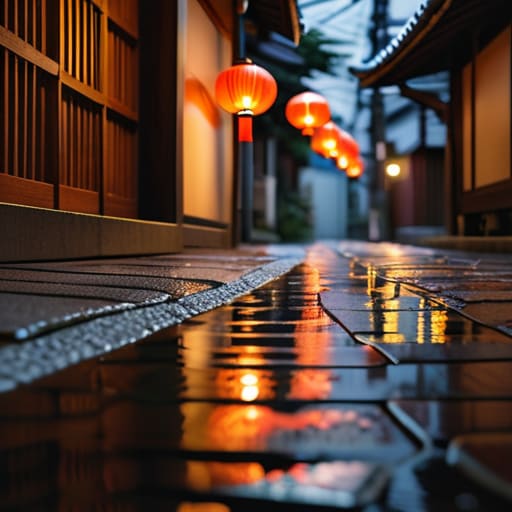
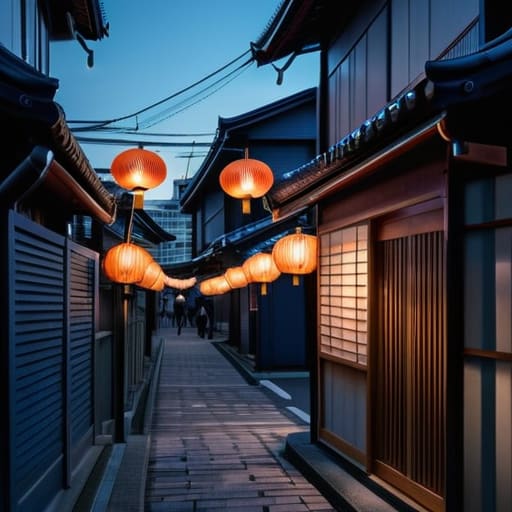
    As you prepare to step out of the station and into the fray, remember that a successful journey through Japan’s urban landscape isn’t measured by the number of landmarks you photograph, but by the nuance of your observations. We have looked at how the efficiency of the transit arteries provides the skeleton of the city, and how the quiet side streets offer its soul. Whether you are tracing the intricate connections of the Yamanote Line or losing yourself in the narrow, lantern-lit alleys of an Osaka neighborhood, keep your eyes lowered to the details. It is in the rhythm of the commuters and the sudden silence of a tucked-away shrine that the true map of the city reveals itself.

    In the end, traveling is less about the destination and more about the logistics of presence. Don’t rush to catch the next express train just because you can; instead, allow yourself the luxury of a slow walk through a concrete corridor that feels entirely your own. Let your footsteps dictate the pace, and let the city teach you its secrets in its own time. If you approach these streets with a steady gaze and a willing heart, you will find that Japan doesn’t just show you its sights—it invites you to understand its breath.

    Frequently Asked Questions

    How can I manage my walking pace and route planning without relying solely on digital maps that often miss the smaller, more meaningful alleys?

    I’ve learned that over-reliance on a screen creates a kind of tunnel vision. To find those hidden veins, I carry a physical map and my notebook. I plot the major transit hubs first, then allow myself “buffer zones”—intentional, unmapped stretches between destinations. If an alley looks interesting, I follow it. I set a slower pace, treating my route as a living logistical puzzle rather than a race to a coordinate.

    What are the best times of day to explore these quiet urban corners if I want to avoid the crushing rush of the morning and evening commutes?

    If you want to see the city breathe without being suffocated by it, aim for the mid-morning window, roughly between 10:00 AM and noon. The early commuters have cleared out, and the lunchtime rush hasn’t yet surged. Alternatively, the late afternoon, around 3:00 PM, offers a similar lull. I find that the light during these hours is also much kinder to my film stock, casting long, soft shadows through the narrow alleys.

    Which specific types of footwear or practical gear would you recommend for someone intending to spend several hours navigating the varied textures of Tokyo's side streets?

    Forget the fashion-forward sneakers you see in Shibuya. If you’re going to spend six hours navigating the transition from smooth subway tiles to the uneven, rain-slicked cobblestones of Yanaka, your feet will pay the price for poor planning. I opt for a high-quality, broken-in leather walking shoe with substantial arch support and a grippy rubber sole. Also, carry a small, lightweight umbrella; Tokyo’s microclimates can shift as quickly as a train schedule.

  • Experiencing the Energy of Shibuya Crossing

    Experiencing the Energy of Shibuya Crossing

    I stood on the edge of the curb last Tuesday, my Leica hanging heavy against my chest, watching the light change. Most tourists treat shibuya crossing like a frantic obstacle course to be conquered or a neon backdrop for a staged selfie, but they miss the actual mechanics of the place. They see the noise, the flashing screens, and the sheer volume of bodies, yet they fail to notice the invisible choreography that prevents a total logistical collapse. To the uninitiated, it looks like chaos; to me, it looks like a perfectly timed, high-density flow of human capital that requires nothing less than absolute, unspoken cooperation.

    I’m not here to tell you which overpriced cafe has the best view of the scramble, nor am I interested in feeding the hype machine. Instead, I want to show you how to actually observe this intersection without getting swept away by the tide. I will provide you with a practical framework for navigating the crowd, finding the quiet vantage points that most people overlook, and understanding the rhythmic pulse that makes this intersection the heartbeat of Tokyo. We are going to look past the neon and find the functional beauty hidden in the rush.

    Table of Contents

    The Rhythms of the Tokyo Pedestrian Scramble

    The Rhythms of the Tokyo Pedestrian Scramble.

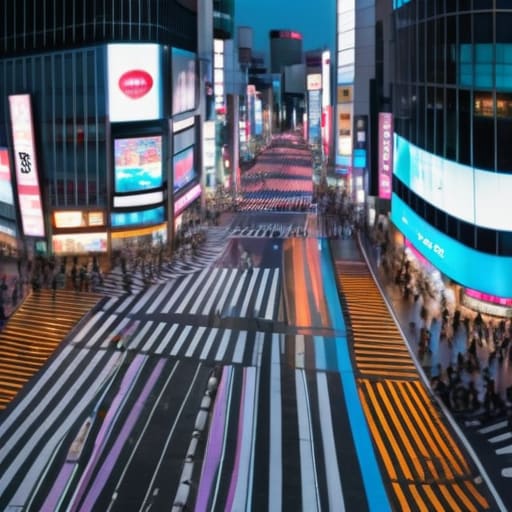
    To truly understand the mechanics of this intersection, you have to stop looking at it as a mere obstacle and start seeing it as a choreographed event. When the lights change, the wave of humanity doesn’t just collide; it flows. I often stand near the Hachiko statue location, watching the initial surge of commuters. There is a brief, breathless moment of tension before the mass settles into a steady, rhythmic drift. It is a masterclass in unspoken social coordination, a phenomenon where hundreds of strangers navigate inches of personal space without a single collision.

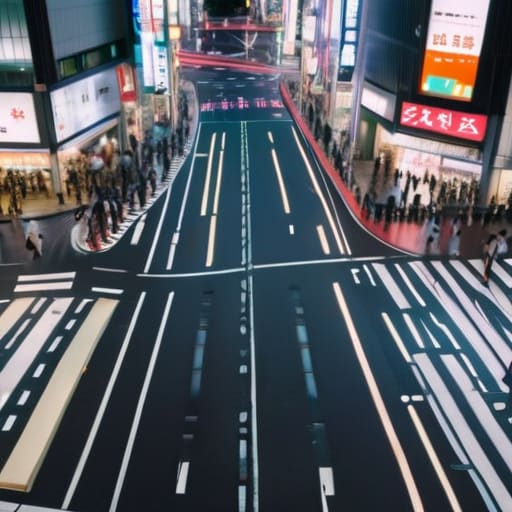
    For those hunting for the best views of Shibuya Crossing, the temptation is to head straight for the glass-walled cafes. However, I prefer the perspective from the slightly elevated walkways of the surrounding buildings. From there, the Tokyo pedestrian scramble ceases to be a chaotic scramble and becomes a geometric pattern—a living, breathing map of human intent. I find myself sketching the way the lines of movement intersect, noting how the frantic energy of the street level eventually dissolves into the more predictable, quieter arteries of the Shibuya district.

    Finding Stillness Near the Hachiko Statue Location

    Finding Stillness Near the Hachiko Statue Location.

    Most visitors gravitate toward the Hachiko statue location to snap a quick photo of the bronze dog before being swept away by the current of the crowd. They see the statue as a mere waypoint, a landmark to meet friends before diving into the neon-soaked Shibuya nightlife and culture. But if you step just a few paces back, away from the immediate orbit of the commuters, you can find a strange, localized stillness. I often sit on the periphery, opening my notebook to sketch the way the light hits the pavement, watching how the frantic energy of the Tokyo pedestrian scramble seems to dissipate the moment it hits the shadows of the nearby building alcoves.

    There is a specific, quiet dignity in observing this chaos from a distance. While others are hunting for the best views of Shibuya Crossing from high-rise windows, I prefer these ground-level pockets of calm. It is in these small, overlooked gaps between the movement that you truly feel the city’s friction. I find that the most rewarding Tokyo urban photography spots aren’t the ones that capture the grand spectacle, but rather the ones that catch a single, weary salaryman pausing for breath amidst the tide.

    Logistical Notes for Navigating the Scramble

    • Avoid the immediate perimeter of the Hachiko exit if you are looking for clarity; the bottleneck there is a logistical nightmare. Instead, find a seat in a second-story cafe with a clear line of sight to observe the flow from a distance.
    • Timing is everything. If you want to capture the movement without being swept away, aim for the mid-morning lull on a weekday. The rhythm is still present, but the sheer volume of bodies is much more manageable for a steady hand.
    • Don’t just look at the street level. The true geometry of the crossing is revealed from above. I often find that the most interesting patterns emerge when you look at how the crowds intersect with the surrounding architecture.
    • Keep your eyes on the ground and the people, not the screens. The neon lights are designed to distract you from the actual mechanics of the city. To understand the crossing, you have to watch the micro-adjustments people make to avoid contact.
    • If you are carrying film gear, stay mindful of your periphery. The momentum of the crowd is relentless, and once the light turns green, the “scramble” becomes a physical force that doesn’t care for a slow-moving photographer.

    Observations from the Scramble

    Don’t let the scale of the crossing overwhelm you; instead, watch for the micro-moments of coordination that prevent the chaos from becoming actual disorder.

    The true character of Shibuya isn’t found in the center of the intersection, but in the immediate transition from the neon noise to the quiet, narrow arteries that branch off nearby.

    To understand the city’s pulse, look past the landmarks and focus on the flow—how the mass of people moves, pauses, and breathes in unison with the light signals.

    The Logistics of Motion

    Most see a chaotic intersection, but when you watch closely, Shibuya is actually a masterclass in unspoken coordination; it is thousands of individual trajectories momentarily intersecting, only to dissolve back into the city’s arteries without a single collision.

    Rurik Salonen

    The Quiet After the Scramble

    The Quiet After the Scramble in Shibuya.

    As I sit here in a small cafe overlooking the intersection, watching the lights fade into the evening, the lessons of Shibuya become clear. We have looked at the mechanical precision of the pedestrian scramble and the unexpected pockets of silence that exist just steps away from the Hachiko exit. It is easy to view this place as nothing more than a logistical bottleneck or a tourist spectacle, but when you look closer, you see a masterclass in human coordination. Shibuya isn’t just a crossroads; it is a living demonstration of how millions of individual trajectories can intersect without ever truly colliding, provided there is an underlying rhythm to follow.

    Ultimately, my time spent observing this corner of Tokyo has reinforced my belief that the soul of a city isn’t found in its loudest moments, but in its functional grace. You don’t need to stand in the middle of the fray to understand it; sometimes, the best way to witness the pulse of a metropolis is to find a steady vantage point and simply watch. Whether you are navigating a complex subway transfer or wandering through a crowded plaza, remember to look for the patterns. There is a profound, quiet beauty to be found in the way the world moves, if only you are patient enough to truly see it.

    Frequently Asked Questions

    Is there a specific time of day when the crossing feels less like a chaotic surge and more like a functional piece of urban choreography?

    If you want to see the machinery of the city working without the overwhelming friction of the rush, aim for the mid-morning lull, around 10:30 AM. By then, the frantic salaryman surge has subsided, and the midday tourist wave hasn’t yet crested. It is a window of clarity where the crossing stops feeling like a collision and begins to look like a well-oiled system—a quiet, rhythmic movement that reveals the true logic of the scramble.

    Beyond the main scramble, where can I find a vantage point that allows for observing the flow without being swept up in the crowd?

    If you want to observe the flow without becoming part of it, avoid the street-level frenzy. I often head to the second floor of the Shibuya Mark City building or find a quiet corner in one of the higher-floor cafes overlooking the intersection. From there, the chaos loses its aggression and becomes a study in logistics—a mesmerizing, synchronized pattern of movement that reveals the city’s true mechanical grace.

    How do the surrounding transit connections influence the sudden shifts in pedestrian density during the morning and evening rushes?

    The density shifts are a direct byproduct of the station’s geometry. Shibuya is a massive pressure valve. During the morning rush, the outbound lines from the Yamanote and Den-en-toshi lines act like arteries, pumping commuters from the subterranean platforms up to the surface. In the evening, the flow reverses, but it’s more chaotic; the sheer volume of people exiting the gates creates a momentary bottleneck that spills directly into the scramble, turning the intersection into a staging area for the city’s massive, evening exhale.

  • The Lifestyle of Living in Yokohama

    The Lifestyle of Living in Yokohama

    I remember sitting on a wooden bench near Yamashita Park last Tuesday, watching the salt spray catch the light as a freight train rattled in the distance. Most people see Yokohama as just a scenic extension of Tokyo—a place to visit for a weekend stroll or a quick dinner by the water. But they miss the mechanical heartbeat of the city. They talk about the glamour of the Minato Mirai skyline, yet they completely overlook the logistical reality of actually living in Yokohama. To truly understand this place, you have to look past the polished glass of the waterfront and find the grit in the transit connections and the quiet, functional rhythms of the residential wards.

    I’m not here to sell you on a postcard fantasy or a list of the trendiest cafes in Motomachi. My goal is to provide a grounded perspective on what it actually takes to navigate this urban landscape, from the efficiency of the local rail lines to the subtle nuances of neighborhood life. I will share the practical, unvarnished details that a guidebook won’t tell you, focusing on how the city actually functions for those who call it home.

    Table of Contents

    The Pulse of the Rails Navigating Transportation in Yokohama City

    The Pulse of the Rails Navigating Transportation in Yokohama City

    To understand the mechanics of this city, you have to start with the tracks. In my years of logistics, I learned that a city’s health is mirrored in its movement, and transportation in Yokohama city is no exception. Unlike the frantic, almost overwhelming kinetic energy of Tokyo, the rail networks here feel more deliberate. The Minatomirai Line, in particular, offers a seamless glide through the more modern sectors, connecting the bustling commercial hubs to the quieter residential pockets with a precision that I find deeply satisfying.

    However, if you are looking to settle here, you shouldn’t just look at the lines on a map; you must look at the flow of the commuters. When comparing the Yokohama vs Tokyo lifestyle, the difference becomes clear at the station gates. Tokyo is a sprint, but Yokohama is a steady, rhythmic walk. I often find myself sitting in a corner of a station platform, sketching the junction points in my notebook, observing how the locals navigate the transitions between the JR lines and the private railways. It is in these small, efficient hand-offs that you truly begin to grasp the city’s tempo.

    Choosing Your Corner the Best Neighborhoods in Yokohama

    Choosing Your Corner the Best Neighborhoods in Yokohama.

    Selecting a place to settle isn’t just about a postal code; it’s about finding the specific frequency at which you want to live. If you are coming from the frantic, neon-soaked density of the capital, you will likely find the Yokohama vs Tokyo lifestyle to be a welcome relief. In Minato Mirai, the atmosphere is polished and purposeful, defined by sweeping views and modern Yokohama waterfront amenities that cater to a more structured, professional rhythm. It is efficient, yes, but sometimes it lacks that sense of lived-in history I tend to look for when I’m out with my Leica.

    For those seeking something more grounded, Naka Ward offers a different kind of complexity. Here, the streets narrow and the layers of the city become visible in the small, family-run shops tucked between larger developments. It is a central hub, making the transportation in Yokohama city incredibly easy to navigate, yet it retains a certain grit. While the cost of living in Yokohama Japan can fluctuate significantly depending on how close you want to be to the bay, I have found that the most rewarding corners are often those that balance accessibility with a sense of quiet, local permanence.

    The Logistical Nuances: Five Practical Realities of Life in Yokohama

    • Master the hierarchy of the commuter lines early on. While the Minatomirai line is the city’s shining artery, living here means understanding the subtle differences between the JR lines and the private railways like the Tokyu or Keikyu. A well-placed apartment near a specific transfer point can save you twenty minutes of walking every single day.
    • Respect the rhythm of the waterfront. The bay area offers a sense of scale that can be overwhelming if you aren’t prepared for it. When choosing your daily routes, balance the wide-open, breezy promenades with the sheltered, narrow streets of the older districts to avoid feeling swallowed by the maritime wind.
    • Learn the language of the local supermarkets over the convenience stores. As a retiree, I’ve found that the real soul of a neighborhood—and its economy—is found in the small, independent grocers tucked away from the main stations. They offer better quality and a much more grounded connection to the community than any Lawson ever could.
    • Invest in a quality pair of walking shoes, not for the exercise, but for the terrain. Yokohama is a city of slopes and sudden staircases, particularly as you move away from the flat coastal plains. Your feet will tell you more about the city’s layout than any digital map ever will.
    • Don’t overlook the importance of “buffer zones.” In a city that balances intense industrial logistics with high-end residential living, you want to find a home that sits in the quiet pockets between the major hubs. Look for the streets that sit just one or two blocks away from the station noise; that is where the city actually breathes.

    Final Observations on the Yokohama Flow

    Don’t just look at a map; study the transit lines to understand how the city’s different personalities connect.

    Prioritize proximity to a local station over proximity to a major landmark to ensure your daily life remains seamless.

    Seek out the quiet, residential pockets between the main hubs to find the true, unhurried character of the city.

    ## The Geometry of Urban Living

    “Living in Yokohama isn’t about the grand view from the Minato Mirai skyline; it’s about the quiet satisfaction of a perfectly timed transfer at Sakuragicho, and the way the city’s frantic energy softens into something manageable once you step off the main thoroughfare and into a neighborhood that knows how to breathe.”

    Rurik Salonen

    The Final Logistical Check

    The Final Logistical Check in Yokohama.

    Deciding to settle in Yokohama is ultimately a decision about how you want to experience the friction and flow of daily life. We have looked at the intricate web of the rail lines that keep this city moving and the distinct character of its various neighborhoods, from the bustling hubs to the more secluded residential pockets. Whether you find yourself drawn to the high-efficiency corridors of the Minato Mirai area or the slower, more deliberate pace of the older districts, the key is to match your personal rhythm to the spatial logic of the city. It is a delicate balance of accessibility and intimacy, a place where the infrastructure serves the individual just as much as the collective.

    As I sit here in a small cafe, sketching the intersection of two transit lines in my notebook, I am reminded that a home is more than just a coordinate on a map. It is the collection of small, predictable moments—the way the light hits the station platform at dusk, or the quiet stillness of a side street after the commuters have cleared. Yokohama doesn’t demand your attention with loud, neon gestures; instead, it invites you to observe the subtle mechanics of its existence. If you are willing to look past the surface, you will find that this city doesn’t just house you; it teaches you how to breathe alongside it.

    Frequently Asked Questions

    How does the cost of living in Yokohama compare to the density and pace of central Tokyo?

    It’s a trade-off of space versus speed. In central Tokyo, you’re paying a premium for sheer proximity to the chaos, often living in a concrete box just to be near the pulse. Yokohama offers a reprieve. You’ll find more breathing room and a slightly more manageable cost of living, without sacrificing much in the way of connectivity. It’s a more measured pace—less of a frantic sprint, more of a steady, functional stride.

    For someone who values quiet, which areas offer the best balance between urban accessibility and true residential stillness?

    If you’re looking to escape the constant hum of the Minato Mirai skyline without losing your connection to the city, I’d suggest looking toward the hills of Midori Ward or the quieter stretches of Isogo. These areas offer a rare equilibrium. You can still hop on a train and be in the heart of the action within twenty minutes, yet when you return home, the only sound is the wind through the trees.

    How reliable is the local infrastructure for managing daily logistics, such as grocery access and smaller neighborhood amenities?

    In Yokohama, the logistics of daily life are remarkably seamless, though they require a shift in mindset. You won’t find massive, sprawling supermarkets on every corner, but rather a dense network of highly efficient, smaller hubs. Whether it’s a specialized greengrocer or a local shotengai (shopping street), everything is scaled to the pedestrian. For a man used to managing complex supply chains, there is a quiet satisfaction in how predictably these local amenities serve the neighborhood.

  • The Art of Japanese Tempura

    The Art of Japanese Tempura

    I remember sitting in a cramped, steam-filled kitchen in an alleyway off Osaka’s Dotonbori district, watching a master chef work. There was no frantic energy, no heavy-handed seasoning, and certainly no reliance on the high-tech gadgets you see advertised in glossy magazines today. Most people approach tempura frying techniques as if they are solving a complex mathematical equation or following a rigid, industrial manual, but they miss the fundamental truth of the process. They focus too much on the equipment and not enough on the rhythm of the heat. They treat the oil like a tool rather than a living environment that requires constant, subtle adjustment.

    I have no interest in peddling culinary myths or selling you on expensive, unnecessary kitchenware. Instead, I want to share what I have gathered from years of observing the quiet, functional precision of Japanese masters and my own attempts to replicate that balance at home. We are going to strip away the noise and focus on the essential mechanics—the temperature, the aeration of the batter, and the timing. My goal is to provide you with a grounded, practical framework for mastering these tempura frying techniques so you can find that same fleeting, perfect crunch in your own kitchen.

    Table of Contents

    Seeking Truth in Perfect Tempura Batter Consistency

    Seeking Truth in Perfect Tempura Batter Consistency

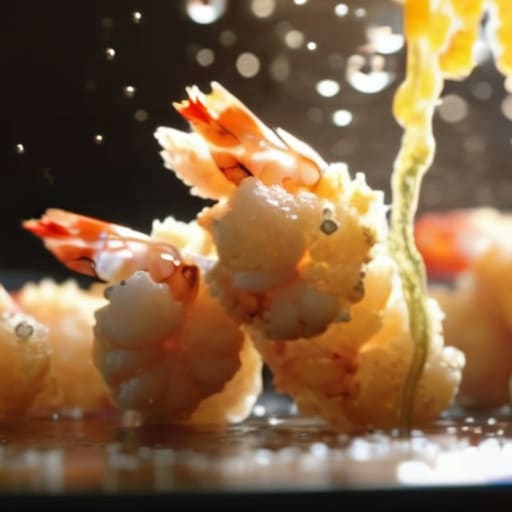
    In my years of managing logistics, I learned that the smallest deviation in a single component can disrupt an entire global network. The same principle applies to the bowl of batter sitting before me in a dim kitchen in Osaka. To find the perfect tempura batter consistency, one must resist the urge to overwork the mixture. I’ve watched many eager cooks whisk their ingredients into a smooth, uniform paste, but that is a mistake. You want lumps. You want streaks of unmixed flour. When the cold water meets the flour, it should feel more like a marriage of opposites than a seamless union; the goal is to keep the gluten development to an absolute minimum.

    If the batter is too heavy or too well-mixed, you lose that ethereal, lace-like quality that defines the craft. Instead, you end up with something dense and sodden. Achieving crispy tempura texture relies on this delicate imbalance—a structural fragility that allows the steam to escape rapidly once it hits the oil. It is much like the efficiency of a well-timed transit transfer: if the components aren’t precisely timed and slightly imperfect, the whole system fails to breathe.

    The Essential Temperature for Deep Frying Tempura

    The Essential Temperature for Deep Frying Tempura.

    In my years managing logistics, I learned that a system is only as reliable as its most volatile variable. In the kitchen, that variable is heat. You cannot simply set a dial and walk away; you must listen to the oil. When discussing the temperature for deep frying tempura, most amateurs aim for a static number, but the reality is far more fluid. I find that the oil should sit somewhere between 170°C and 180°C, a range that requires constant, watchful stewardship.

    If the oil drops even slightly below this threshold, the batter loses its structural integrity, leading to the heavy, sodden mess of preventing oily tempura from becoming a failed mission. Conversely, if the heat spikes, you sear the exterior before the center has even begun to steam. I often think of it like the ebb and flow of a Tokyo subway line during rush hour—there is a precise, kinetic energy required to keep everything moving smoothly. To master achieving crispy tempura texture, one must respect this thermal equilibrium, treating the oil not as a tool, but as a living environment.

    The Logistics of the Fry: Five Nuances for the Patient Cook

    • Keep your ingredients, especially the shrimp or seasonal vegetables, bone-chillingly cold; the thermal shock between the icy core and the hot oil is what creates that momentary, structural tension in the crust.
    • Treat your flour with a light touch, mixing it only until the lumps appear and then stopping; overworking the batter is a logistical error that develops gluten, turning a crisp lace into a heavy, bread-like shroud.
    • Master the art of the ‘oil whisper’ by monitoring the sound of the bubbles; a frantic, violent hiss suggests the temperature has plummeted, while a gentle, steady murmur indicates the oil is ready to receive the batter.
    • Avoid the temptation to crowd the vessel, as dropping too many pieces at once is like a bottleneck in a shipping terminal—it drops the oil temperature instantly and leaves the food greasy instead of crisp.
    • Use a fine-mesh strainer to skim the spent bits of batter from the surface between batches; those small, charred fragments are debris that will burn and impart a bitter, unwanted soot to your clean work.

    The Logistics of the Perfect Fry

    Consistency is found in the cold; keep your batter chilled to prevent gluten development, ensuring that light, airy texture rather than a heavy, bread-like coating.

    Precision matters more than intuition; maintain a steady oil temperature between 170°C and 180°C to ensure the moisture evaporates instantly, leaving behind a crisp shell instead of a sodden mess.

    Respect the rhythm of the oil; avoid overcrowding the vessel, as dropping too many pieces at once disrupts the thermal equilibrium and compromises the integrity of the entire batch.

    The Logistics of the Perfect Crunch

    “Mastering tempura is less about following a recipe and more about managing a delicate, thermal equilibrium; it is the art of ensuring the heat penetrates the core without disrupting the fragile, airy architecture of the crust.”

    Rurik Salonen

    The Final Layer of Precision

    The Final Layer of Precision in tempura.

    Mastering tempura is less about following a rigid recipe and more about managing a series of delicate, interconnected variables. We have discussed the necessity of a light, ice-cold batter to prevent gluten development and the critical importance of maintaining a steady oil temperature to ensure that crisp, airy texture. When you balance the viscosity of the mixture with the precise heat of the oil, you move beyond mere cooking and into the realm of technical execution. It is a logistical dance—one where the timing of the dip and the heat of the vat must align perfectly to prevent the dreaded oil-soaked crust.

    Ultimately, I find that the most profound lessons aren’t found in the loud, bustling kitchens, but in the quiet patience required to get it right. Much like sketching a complex subway map or waiting for the perfect light to hit a narrow alleyway in Shinjuku, cooking tempura demands a disciplined observation of the small things. Do not rush the process or grow impatient with the heat. Instead, lean into the rhythm of the fry, listen to the sound of the bubbling oil, and respect the subtle nuances that transform a simple meal into a moment of pure, functional beauty.

    Frequently Asked Questions

    How can I tell if the oil has reached its peak temperature without relying solely on a thermometer?

    The wooden chopstick method is my preferred way to gauge the heat. I don’t trust a digital readout as much as I trust my own senses. Dip a clean wooden chopstick into the oil; if small, steady bubbles begin to dance around the wood—not a violent boil, but a quiet, rhythmic agitation—the temperature is holding steady. It’s much like watching the subtle shift in light through a lens; you have to feel the timing.

    Is there a way to maintain that delicate, airy texture if I am frying multiple pieces in a single batch?

    The danger in a crowded pot is the sudden, sharp drop in temperature. When you drop multiple pieces of cold seafood into the oil at once, the thermal equilibrium shatters. To maintain that airy lightness, I recommend working in smaller, deliberate intervals. If you must batch them, ensure your oil is slightly higher than your target temperature before the first piece hits. Think of it as managing a flow; never overwhelm the system.

    What is the best method for managing the residual heat in the oil to prevent the batter from becoming heavy or greasy?

    The secret lies in managing the momentum of the heat. Much like a well-timed transit transfer, you cannot simply stop; you must transition. As your batch nears completion, pull the pot slightly away from the direct flame or lower the burner to a whisper. This prevents the oil from spiking and overcooking the core, which leads to that dreaded grease trap. Let the temperature settle naturally, ensuring the oil remains a steady, quiet companion to the fry.

  • The Development of Smart Cities in Japan

    The Development of Smart Cities in Japan

    I was sitting in a small, dimly lit cafe in Shinjuku last Tuesday, sketching the intricate knot of the Yamanote line in my notebook, when I realized how much the glossy brochures get wrong. Most people look at the concept of japan smart cities and see a neon-soaked fever dream of flying drones and sentient skyscrapers—a high-tech spectacle designed for a sci-fi movie. But after thirty years of managing global logistics, I’ve learned that true efficiency isn’t loud or flashy. It’s found in the silent, invisible synchronization of a city that works so well you almost forget it’s doing anything at all.

    I’m not here to sell you on the utopian hype or the expensive gadgets that promise to revolutionize your life. Instead, I want to walk you through the actual mechanics of how these urban centers are evolving. I will show you where the technology actually meets the pavement and where it’s just expensive window dressing. My goal is to help you see the real pulse of the grid, focusing on how these advancements affect the daily rhythm of the streets and the quiet, functional beauty of a truly optimized life.

    Table of Contents

    Society 50 Japan Where Humanity Meets the Machine

    Society 50 Japan Where Humanity Meets the Machine

    In my years managing supply chains, I always viewed technology as a tool for efficiency—a way to shave seconds off a delivery or cents off a margin. But walking through the newer districts of Tokyo, I realize that Society 5.0 Japan isn’t just about optimization; it is about a fundamental shift in how we inhabit space. It is the attempt to weave the digital and physical worlds so tightly together that the friction of urban life begins to dissolve. I watched a young woman use a mobile interface to coordinate a seamless transition between a self-driving shuttle and a walking path, a perfect example of how smart mobility solutions are being designed to serve the individual rather than just the grid.

    There is a quiet dignity in this integration. It isn’t the loud, neon-soaked futurism you see in cinema. Instead, it is found in the way sensors embedded in the pavement manage energy loads or how data flows silently to prevent congestion before it even begins. We are moving toward a model of sustainable urban development Japan is uniquely positioned to lead, where the machine doesn’t replace the human experience, but rather clears the path for it.

    Digital Twin Technology Cities Mapping the Urban Soul

    Digital Twin Technology Cities Mapping the Urban Soul

    I spent my career looking at spreadsheets of cargo manifests and shipping routes, trying to predict where a bottleneck might occur before it actually did. Now, as I sit in a small café in Minato, I realize that Japan is doing something far more profound with that same predictive logic. Through digital twin technology cities, urban planners aren’t just looking at static maps; they are creating living, breathing virtual replicas of the metropolis. These models ingest real-time data from thousands of sensors, allowing the city to simulate everything from flood risks to the sudden surge of commuters during a typhoon.

    It isn’t just about cold data, though. There is a quiet elegance in how these digital shadows inform sustainable urban development Japan is striving for. By running simulations of energy consumption and traffic flow within these virtual twins, the city can optimize its resources before a single physical change is made. I watched a group of engineers yesterday discussing how a virtual model could refine smart mobility solutions, ensuring that automated shuttles move through the streets without disrupting the natural pedestrian rhythm. It is a way of perfecting the machine so that the human experience remains uninterrupted.

    • Look beyond the screens. The true success of a smart city isn’t found in a flashy app, but in the way the automated logistics reduce the noise and congestion on your street level.
    • Embrace the transit integration. Use the digital layers to your advantage; the seamless handoff between high-speed rail and autonomous last-mile shuttles is where the efficiency of Japan truly shines.
    • Seek the quiet zones. Even in a hyper-connected district, the most well-designed smart cities preserve “analog pockets”—small, tech-free parks designed to prevent urban burnout.
    • Observe the data in the streets. Watch how smart lighting and sensor-driven waste management systems work silently in the background; they are the invisible heartbeat of a functional metropolis.
    • Trust the rhythm, but stay observant. While the algorithms optimize the flow of people, don’t let the efficiency blind you to the small, human details that make a neighborhood feel like home.

    The Human Cost of Efficiency

    Smart city technology in Japan isn’t about replacing the human element, but rather creating a silent, invisible scaffolding that allows the social fabric to function without friction.

    True urban intelligence is found in the seamless integration of data—not in the gadgets themselves—ensuring that the city’s “breathing” remains steady even as the population shifts.

    As we map the urban soul through digital twins, we must ensure the technology serves to preserve the quiet, analog corners of life rather than smoothing them into sterile, characterless grids.

    The Invisible Architecture

    “A true smart city isn’t defined by the glow of a thousand sensors, but by the quiet, frictionless way a city respects its citizens’ time—where the technology retreats into the background so the human rhythm can finally take center stage.”

    Rurik Salonen

    The Human Element in the High-Tech Grid

    The Human Element in the High-Tech Grid.

    As I sit in a small café near Shinjuku station, watching the data-driven efficiency of the city unfold, it becomes clear that Japan’s smart city evolution is not merely a collection of sensors and automated logistics. We have looked at how Society 5.0 attempts to bridge the gap between the digital and the physical, and how digital twins allow planners to simulate the very breath of the streets. These technologies are not replacing the urban experience; they are refining the infrastructure that allows us to live more harmoniously. Whether it is a more precise transit schedule or a more responsive energy grid, the goal remains the same: to reduce the friction of modern existence so that the quiet beauty of the city can finally be seen.

    Ultimately, a city is more than its throughput or its connectivity metrics. Even as we integrate more intelligence into our sidewalks and subways, we must remember that the soul of a metropolis is found in the spaces between the data points. A smart city should not be a sterile laboratory, but a living, breathing organism that respects its own history. As I pack my film camera and close my notebook, I am reminded that the most successful technology is the kind that becomes invisible, leaving us free to simply observe the world as it was meant to be experienced.

    Frequently Asked Questions

    How much of this high-tech integration is actually visible to the average pedestrian, or is it all hidden behind the scenes in the infrastructure?

    It’s a bit of both, really. Most of the heavy lifting—the data flows and the predictive logistics—happens in the invisible layers, much like the silent currents of a supply chain. But you see the results in the friction-less reality of the streets. It’s in the way a digital signage board updates instantly to guide you around a delay, or how a seamless payment at a vending machine feels less like a transaction and more like a natural extension of your stride.

    As these cities become more automated and data-driven, what happens to the quiet, unmapped corners that give a neighborhood its character?

    That is the question that keeps me sketching in my notebook late into the evening. There is a real danger that in our rush to optimize every square meter, we accidentally engineer out the soul of a neighborhood. If every alleyway is mapped and every shortcut is calculated by an algorithm, we lose the serendipity of getting lost. A city needs its friction—those unoptimized, quiet gaps where the data fails and the real human story begins.

    Is there a risk that the pursuit of perfect efficiency might strip away the organic, slightly messy human element that makes Tokyo and Osaka so captivating?

    That is the central tension of my travels. There is a legitimate danger in optimizing the friction out of a city. I’ve spent my career chasing efficiency, but I know that a perfectly streamlined system can feel sterile, like a museum after hours. If we automate every detour and sanitize every alleyway, we risk losing the “beautiful mess”—the unplanned encounter or the tucked-away ramen shop—that gives Tokyo and Osaka their soul.