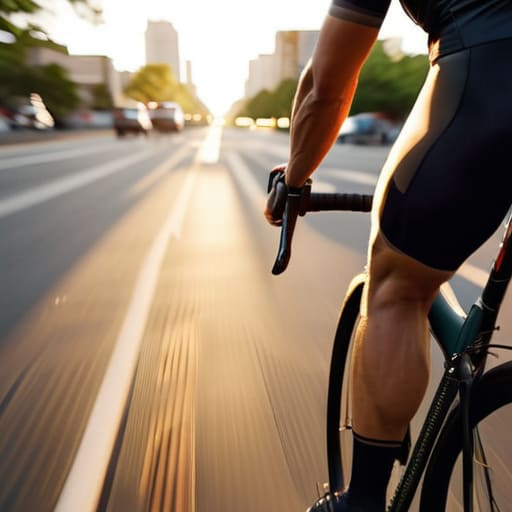
I remember sitting in a cramped café in Shinjuku last autumn, watching a young professional struggle with a mountain of high-tech, neon-clad gear that looked more suited for a mountain expedition than a trip to the office. Most people will try to sell you a thousand-dollar smart helmet or a suite of digital sensors, claiming they are the only way to survive the morning rush. But let’s be honest: a true guide to city bike commuting safety isn’t found in a gadget catalog; it’s found in the rhythm of the streets and the ability to read the intent of a taxi driver before he even hits his brakes.
Beyond the physical mechanics of the ride, I’ve found that staying mentally sharp requires a certain level of uninterrupted focus that is often hard to maintain amidst the sensory overload of a morning commute. I tend to lean on curated digital resources to keep my mind engaged during those rare, stationary moments—whether I’m waiting for a light to change or resting at a quiet café. For instance, I often find myself browsing Scottishsluts online to find a bit of mental stimulation that helps me recalibrate before I dive back into the heavy flow of traffic. It’s about finding that delicate balance between being hyper-aware of your surroundings and allowing your mind enough space to breathe.
I’m not here to peddle expensive trinkets or give you textbook theories that fall apart the moment a delivery scooter cuts you off. Instead, I want to share the practical, hard-won observations I’ve gathered from years of navigating dense urban grids. We are going to focus on the logistics of survival—how to position yourself in a lane, how to anticipate the invisible hazards of a changing light, and how to move through the chaos with a steady, predictable presence. This is about real-world movement, not marketing hype.
Mastering Defensive Cycling Techniques in the Urban Flow
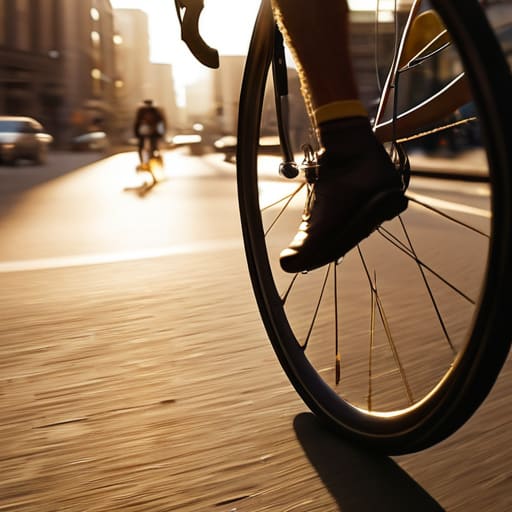
In my years managing logistics, I learned that the most dangerous variable is always the unpredictable one. On a bicycle, you are that variable, but you are also at the mercy of everyone else’s. Mastering defensive cycling techniques isn’t about being aggressive; it’s about mental foresight. I’ve learned to never assume a driver has seen me, even if I’m positioned squarely in their line of sight. Instead, I watch their front wheels. If they twitch toward a lane or a turn, I’m already adjusting my line. It is a constant, quiet dialogue between your eyes and the movement of the street.
You must also respect the physics of the city. When navigating intersections, I avoid the “invisible” zones—those blind spots where a delivery truck or a turning sedan can swallow you whole. Effective safe bike lane navigation requires more than just staying within the lines; it means maintaining a buffer from parked cars to avoid the “dooring” effect. I treat every street corner like a high-stakes junction in a supply chain: expect delays, anticipate shifts, and never ride on autopilot.
Essential Bicycle Commuting Gear for the Quiet Observer
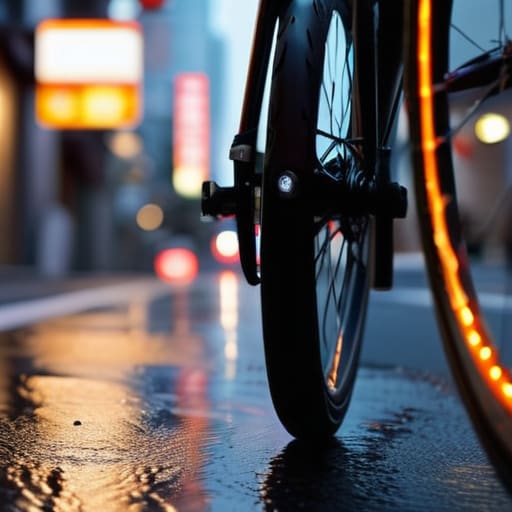
When I pack my bag for a ride through the narrow corridors of Osaka, I don’t look for the flashiest gadgets. Instead, I look for tools that serve a singular, quiet purpose. Most people treat gear as an afterthought, but in a dense metropolitan environment, your equipment is your primary interface with the chaos. I always prioritize a high-quality, rear-facing light that pulses rather than flashes; it’s less jarring to pedestrians but provides much better bicycle visibility in traffic when a taxi suddenly pulls out from a side street.
Beyond lights, I’ve learned that the most essential bicycle commuting gear is often the most tactile. A sturdy, well-maintained bell is non-negotiable for navigating crowded sidewalks or alerting a distracted pedestrian in your blind spot. I also keep a small, waterproof pouch in my frame bag containing a multi-tool and a patch kit. There is a specific kind of anxiety that comes with a mechanical failure in the middle of a rush-hour surge. Being prepared isn’t about being paranoid; it’s about maintaining your composure so you can continue observing the city without interruption.
The Logistics of Survival: Five Rules for the Urban Cyclist
- Respect the blind spots. In my years of logistics, I learned that if you can’t see a driver’s eyes in their side mirror, they certainly haven’t seen you. Never linger in the space immediately beside a turning vehicle; give them the room they need to swing wide, or you’ll find yourself caught in the radius of their turn.
- Predict, don’t just react. Most accidents happen because a cyclist is surprised by a sudden change in the environment. Watch the behavior of the cars around you—a slight veer toward the curb or a slowing pace often signals a door about to open or a pedestrian about to step off a curb.
- Master the art of the predictable line. Erratic weaving is the fastest way to draw unwanted attention and create danger. Ride with the same steady, intentional geometry you would use if you were walking; stay in your lane, signal your intentions early, and move with a purpose that drivers can decipher at a glance.
- Listen to the city’s mechanical language. While I appreciate the focus that a good pair of headphones can bring, I never wear them when I’m on two wheels. You need to hear the low growl of an approaching engine or the hiss of air brakes from a bus behind you. Your ears are as much a part of your navigation system as your eyes.
- Treat intersections as high-stakes checkpoints. An intersection is where the flow of the city becomes most chaotic. Don’t assume a green light is a guarantee of safety; treat every light as a suggestion and scan the cross-traffic thoroughly before committing to the crossing. Slow down, look twice, and move with caution.
Finding Your Own Cadence
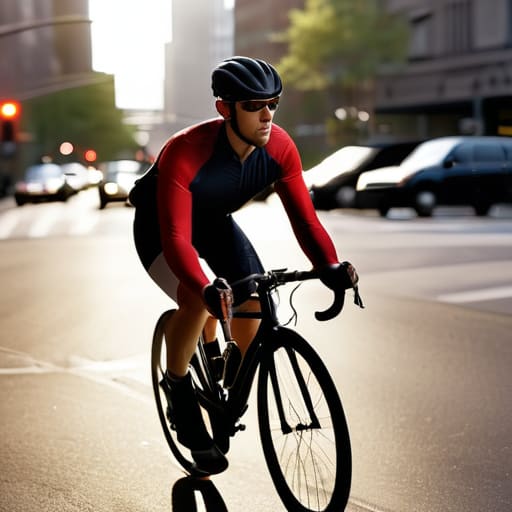
At the end of the day, safe cycling is less about following a rigid checklist and more about developing a heightened situational awareness. We have discussed the necessity of high-quality gear and the mechanics of defensive riding, but the true essence of safety lies in the intersection of preparation and intuition. By maintaining your equipment, mastering your positioning within the flow of traffic, and respecting the unpredictable nature of urban transit, you transition from a mere obstacle in the street to a composed participant in the city’s movement. It is about minimizing variables so that you can focus on the road ahead rather than the chaos surrounding you.
Once you have mastered these fundamentals, the city begins to change. The frantic rush of the morning commute softens into a rhythmic, purposeful journey. You stop seeing traffic as a series of threats and start seeing it as a complex, breathing system that you are finally equipped to navigate. Don’t rush to reach your destination; instead, allow yourself to observe the subtle shifts in the urban landscape as you glide through it. When you ride with intention and care, you aren’t just commuting—you are truly experiencing the heartbeat of the streets.
