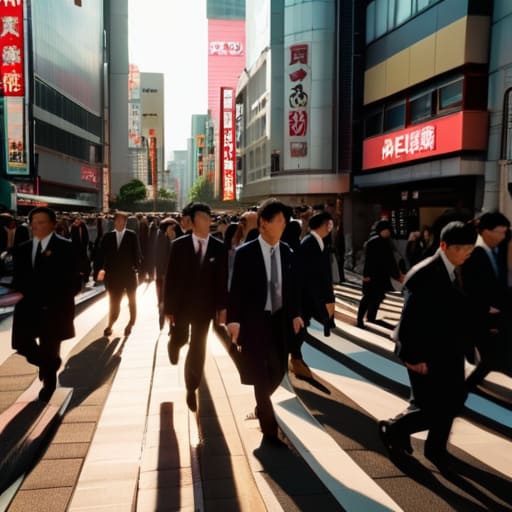
I remember standing at the edge of the Shibuya Scramble during a light drizzle, clutching my Leica and feeling utterly paralyzed. It wasn’t the sheer volume of people that unnerved me, but the invisible, high-speed geometry of it all. Most guidebooks will tell you that walking etiquette in Japan is a rigid set of complicated rules you need to memorize like a textbook, but that’s a complete misconception. In reality, it isn’t about following a manual; it’s about sensing the unspoken flow of a thousand moving parts. If you approach it as a series of chores, you’ll spend your entire trip feeling like a glitch in a perfectly tuned machine.
I’m not here to give you a lecture on formal politeness or a list of social taboos that will only make you more self-conscious. Instead, I want to share what I’ve learned from decades of observing how these cities actually function. I will show you how to read the sidewalk, respect the rhythm of the crowd, and navigate the streets with a sense of quiet confidence. My goal is to help you stop being an obstacle and start becoming a seamless part of the urban landscape.
Table of Contents
- Finding Your Flow Walking on the Left vs Right in Japan
- Respecting the Shared Path Japanese Sidewalk Behavior and Respect
- The Small Nuances of the Path: Five Observations from the Sidewalk
- The Quiet Lessons of the Urban Path
- The Geometry of Respect
- The Quiet Art of Moving Together
- Frequently Asked Questions
Finding Your Flow Walking on the Left vs Right in Japan
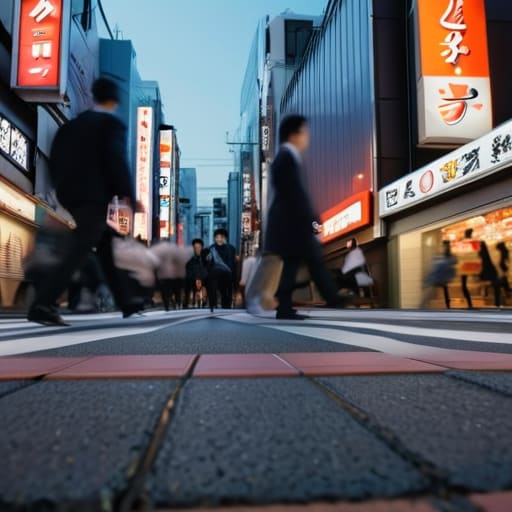
In my years of managing supply chains, I learned that even the most complex systems rely on a predictable flow. The same logic applies to a sidewalk in Shinjuku. When it comes to walking on the left vs right in Japan, you’ll notice a subtle, unspoken choreography. While there isn’t a heavy-handed law enforcing it, the general consensus leans toward keeping to the left to ensure a steady stream of movement. If you find yourself drifting toward the center of the path, you’ll feel the immediate, gentle pressure of the crowd adjusting around you. It is less about confrontation and more about maintaining the collective momentum.
This discipline extends seamlessly to the vertical transit of the city. If you are looking for the proper etiquette for using escalators in Japan, look to the feet of those around you. In Tokyo, the standard is to stand on the left, leaving the right side clear for those in a hurry. It’s a small, functional detail, but observing these nuances is how you truly practice Japanese sidewalk behavior and respect. By aligning yourself with the existing current, you stop being an obstacle and start becoming part of the city’s natural pulse.
Respecting the Shared Path Japanese Sidewalk Behavior and Respect
In my years managing supply chains, I learned that any system—no matter how massive—fails without a shared understanding of movement. The same is true for the sidewalks of Shinjuku or Osaka. It isn’t just about following a set of rigid rules; it is about a collective commitment to not being the obstacle. When you observe the way locals navigate a crowded thoroughfare, you realize that Japanese sidewalk behavior and respect are rooted in a subtle, unspoken awareness of the person standing just inches away from you.
This awareness extends to the way we occupy space. I’ve found that the most common friction point for travelers isn’t a lack of knowledge, but a lack of spatial mindfulness. Whether you are pausing to consult a map or stepping aside to check your camera settings, doing so in the middle of a high-traffic lane disrupts the local flow. To truly practice proper public space manners in Japan, you must learn to step into the margins. By pulling over to a doorway or a corner before stopping, you honor the momentum of the city, allowing the crowd to pass by like a river around a stone.
The Small Nuances of the Path: Five Observations from the Sidewalk
- Watch the tempo of the crowd. In cities like Tokyo, walking isn’t just movement; it’s a coordinated flow. If you find yourself slowing down to check a map or a camera setting, step toward the edge of the path. Breaking the cadence of a moving crowd is like a hiccup in a well-oiled machine.
- Master the art of the quiet transition. When moving from a busy thoroughfare into a smaller side street or a shop, try to keep your volume and your physical presence contained. The Japanese concept of wa, or harmony, extends to how much space you occupy—both audibly and physically.
- Respect the invisible boundaries of the commute. If you are walking near transit hubs, avoid stopping dead in your tracks to take a photo. I’ve learned that if I need to capture a shot with my Leica, I find a recessed corner or a quiet alcove first. Never become an obstacle in a high-traffic artery.
- Be mindful of the “scent” of your presence. This isn’t just about hygiene, but about the overall sensory impact you have on those around you. In the tight, shared spaces of urban sidewalks, strong perfumes or loud, sudden movements can disrupt the calm atmosphere that many locals work hard to maintain.
- Navigate the stairs with intention. When using escalators, there is a standard rhythm—usually standing on one side to allow others to pass on the other. It’s a small logistical detail, but observing these unspoken rules is the quickest way to signal that you aren’t just a visitor, but a respectful observer of the local order.
The Quiet Lessons of the Urban Path
Observe before you act; the most efficient way to navigate a new sidewalk is to spend a few minutes watching the local cadence rather than rushing in.
Treat the sidewalk as a shared logistical system where your personal momentum should never disrupt the collective flow of the crowd.
Small gestures of spatial awareness—a slight step aside or a momentary pause—are the unspoken languages that keep a dense city breathing smoothly.
The Geometry of Respect
“In my years managing supply chains, I learned that the most efficient systems aren’t the loudest; they are the ones where every moving part respects the space of the next. Walking through a Japanese city feels much the same—it is a quiet, collective agreement to move in harmony, ensuring that the flow of the crowd never becomes a collision of egos.”
Rurik Salonen
The Quiet Art of Moving Together
At its core, navigating a Japanese sidewalk is less about memorizing a set of rigid laws and more about understanding a shared social contract. Whether you are mindful of which side of the path to keep, managing your pace to avoid obstructing the flow, or simply keeping your phone tucked away while in motion, you are participating in a larger, collective effort. It is a system built on micro-adjustments—the small, almost invisible concessions we make to ensure that the person walking behind us or beside us can pass without friction. When we respect these unspoken rules of the street, we aren’t just being polite; we are honoring the efficiency that makes these massive urban machines function so beautifully.
As I sit in a small café near Shinjuku Station, watching the tide of commuters move past the window, I am reminded that travel is at its best when we stop being mere observers and start becoming part of the scenery. Don’t view etiquette as a barrier to your exploration, but rather as a way to deepen your connection to the places you visit. When you learn to walk with the rhythm of the city rather than against it, the streets stop feeling like obstacles and start feeling like a home. To walk well is to truly see the soul of a city.
Frequently Asked Questions
How should I handle it when a crowded sidewalk forces me to break the usual flow of traffic?
When the crowd thickens, the logic of the lane often dissolves. Don’t fight it; fighting the current only creates friction. Instead, treat it like a logistics problem: find the path of least resistance. Slow your pace, keep your movements small, and use subtle eye contact or a slight nod to signal your intent when passing. It’s not about sticking to a line; it’s about maintaining a steady, predictable rhythm that lets everyone else pass smoothly.
Is there a specific etiquette for walking while using a smartphone or looking at a map?
The digital tether can be a dangerous thing in a city that moves with such purpose. I’ve learned the hard way that stopping dead in the middle of a sidewalk to squint at a map is like dropping an anchor in a busy shipping lane. If you must consult your phone, step into a doorway or against a wall. Find a pocket of stillness; don’t force the crowd to flow around you.
What is the unspoken rule for walking in groups when navigating narrow streets or busy stations?
When you’re moving through a crowded Shinjuku station or a narrow alley in Osaka, a group shouldn’t act like a moving wall. The unspoken rule is to maintain a single-file formation or, at the very least, keep a tight, compact footprint. If you’re walking side-by-side, you’re effectively a roadblock. I’ve learned it’s best to let the faster current of the city pass you by; tuck in, stay close to your companions, and yield the center line.
