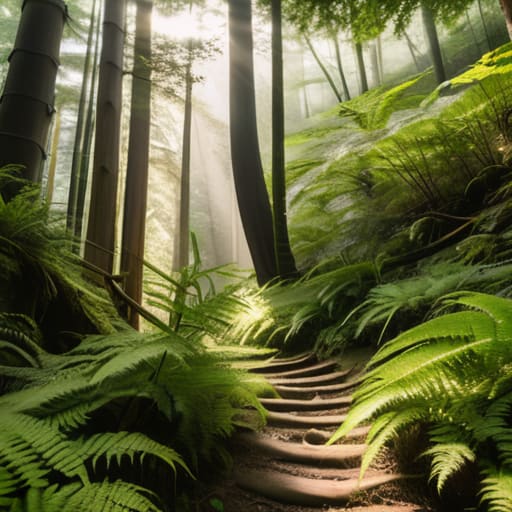
I remember sitting on the Keio Line last Tuesday, watching the commuters blur past the window, and thinking about how most people approach a mount takao hike like they’re checking a box on a frantic tourist itinerary. They swarm the cable car, snap a dozen identical photos of the temple, and call it a day, completely missing the rhythmic machinery of the mountain itself. To me, the real magic isn’t found in the crowded summit viewpoints or the overpriced souvenir stalls; it’s in the way the air temperature drops as you move away from the station and the specific, damp scent of cedar that settles in the higher elevations.
I’m not here to sell you on a postcard version of nature. Instead, I want to show you how to navigate the trails with a sense of purpose and observation. I will walk you through the logistical realities of the different paths—from the paved convenience of the main routes to the more silent, winding arteries that allow the mountain to actually breathe. If you’re looking for a guide that values the quiet truth of the terrain over the loud hype of a guidebook, you’ve come to the right place.
Table of Contents
The Rhythm of the Rails Keio Line Access to Mount Takao
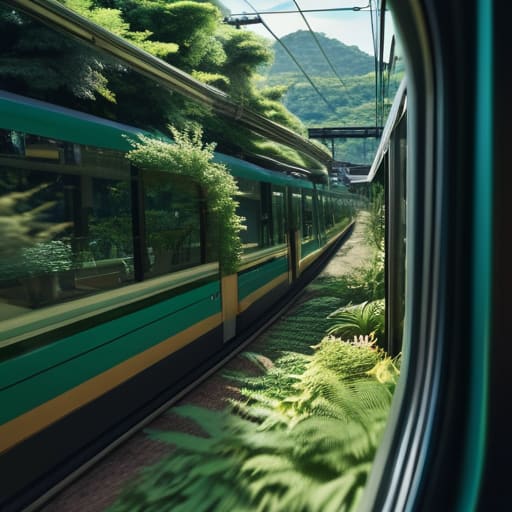
The journey begins long before you set foot on the dirt path. For me, the transition from the steel-and-glass density of Shinjuku to the greenery of western Tokyo is best felt through the steady cadence of the Keio Line. There is a certain logistical elegance to the Keio Line access to Mount Takao; it is a streamlined artery that moves thousands with a precision that would have made my old supply chain clients weep with envy. As the train pushes past the suburban sprawl, the urban noise begins to soften, replaced by the rhythmic clatter of tracks that signal you are nearing the edge of the metropolitan machine.
I find that the best way to gauge the mountain’s energy is to observe the commuters at Takaosanguchi Station. If you are looking for hiking near Tokyo for beginners, this transit link is your lifeline. I often sit by the window, sketching the changing landscape in my notebook, watching the concrete give way to the first hints of cedar and maple. It isn’t just a commute; it is a gradual decompression, a necessary buffer between the chaos of the city and the stillness of the forest.
Finding Your Pace Takao San Hiking Routes for Every Soul
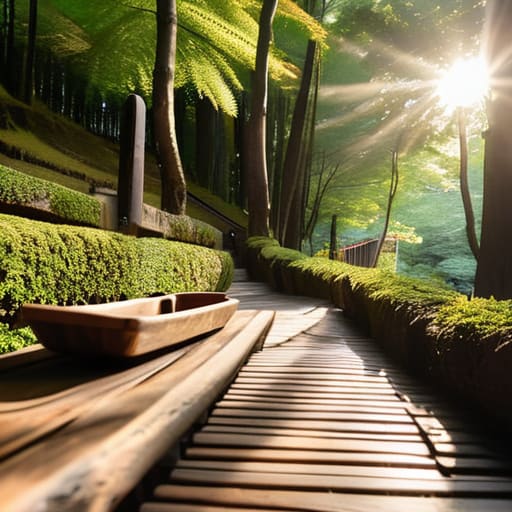
Once you step off the platform at Takaosanguchi, the sheer variety of the mountain begins to reveal itself. Most visitors instinctively gravitate toward Trail 1, which is essentially the Mount Takao temple trail. It is paved, well-lit, and lined with small stalls selling roasted chestnuts—perfect if you are looking for hiking near Tokyo for beginners or simply want a steady, predictable ascent. It’s efficient, much like a well-oiled supply chain, but it lacks the grit that some might crave.
If you prefer to lose the crowds, I suggest veering toward the more rugged paths like Trail 6. This route winds through a shaded ravine where the air feels noticeably cooler and the sound of the city is replaced by the trickle of mountain streams. For those seeking the most striking visual shifts, timing your trek with the Mount Takao seasonal foliage is essential; the transformation of the canopy is a logistical marvel of nature. Whether you want the ease of a temple walk or the solitude of a forest path, the mountain offers a way to move that respects your own internal tempo.
The Logistics of the Ascent: Practicalities for the Observant Traveler
- Leave the heavy gear behind; the Keio Line makes this an accessible trip, so pack light and focus on a single, reliable pair of broken-in walking shoes.
- Timing is everything in a city that never stops, so aim to hit the trail before 9:00 AM to witness the mountain before the midday crowds disrupt its natural rhythm.
- Carry more water than you think you need, but keep it in a reusable bottle to minimize the plastic waste that inevitably litters the more popular paths.
- Keep a small amount of cash on hand; while Tokyo is increasingly digital, the small, weathered shrines and local tea stalls tucked into the forest often prefer the tactile reliability of yen.
- Bring a physical map or a notebook; digital signals can be temperamental under the heavy canopy, and there is a certain clarity found in sketching your own path as you move.
The Logistics of a Quiet Ascent
Don’t rush the transit; the transition from the Keio Line’s steady rhythm to the mountain’s stillness is where the real shift in perspective happens.
Choose your path based on your internal tempo rather than a guidebook—the crowded trails offer movement, but the lesser-known paths offer the silence you actually came for.
Look past the souvenir stalls at the base; the true character of Takao is found in the small, moss-covered details and the way the air changes as you climb higher.
The Geometry of the Ascent
Most people see a hike as a struggle against the incline, but if you watch closely, the mountain is actually a series of deliberate transitions—from the rhythmic mechanical hum of the Keio Line to the heavy, damp silence of the cedar groves. You don’t just climb Takao; you settle into its cadence.
Rurik Salonen
The Quiet Descent
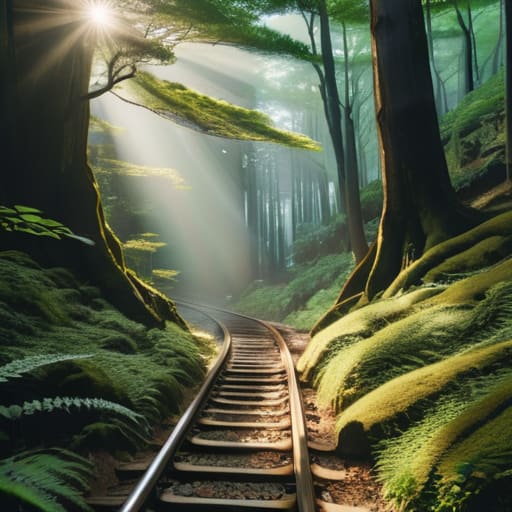
As I sit here on the Keio Line, watching the urban sprawl of Tokyo slowly dissolve into the deepening greens of the Tama Hills, I find myself reflecting on the sheer logistical elegance of this journey. Whether you chose the steady, well-trodden path of Route 1 or sought the more solitary, rugged climbs through the cedar groves, the goal remains the same: to step outside the relentless machinery of the city. We’ve looked at the transit that brings us here, the various paths that dictate our physical exertion, and the way the mountain offers a necessary counterweight to the metropolitan rush. It is a well-oiled system, from the station platforms to the mountain trails, designed to move people from chaos to clarity.
In the end, a hike up Mount Takao isn’t just about the elevation gain or the view from the summit; it is about the transition. It is about that specific moment when the hum of the city is replaced by the rhythmic crunch of gravel and the wind moving through the canopy. Don’t rush to reach the top just to say you did it. Instead, pay attention to the small, unseen textures of the trail—the way the light hits a mossy stone or how the air cools as you ascend. That is where the true character of the mountain resides, waiting for those willing to slow down and actually see it.
Frequently Asked Questions
Is the cable car actually worth the detour if I'm looking for a more meditative, quiet ascent?
If you’re seeking silence, stay away from the cable car. It’s efficient, certainly, but it’s a mechanical shortcut that bypasses the very texture of the mountain. To truly feel the ascent, you need the steady rhythm of your own footsteps on the dirt paths. The cable car is for those rushing toward a view; the trails are for those who want to inhabit the space between the trailhead and the temple.
How much should I factor in for the transition from the Keio Line station to the actual trailhead?
Don’t let the short distance fool you; it’s the transition that matters. Once you step off the Keio Line at Takaosanguchi, you’re looking at a brisk ten-minute walk to the base. I usually budget about 500 to 800 yen for the trek between the station and the trailhead, mostly for the small street-side vendors selling tea or snacks. It’s a minor logistical cost, but those few minutes of walking are where the city’s noise finally begins to fade.
What is the best time to head out if I want to avoid the crowds and find those small, quiet corners of the mountain?
If you want to find the mountain’s true pulse, you have to beat the morning rush. I aim to be on the Keio Line before the first major wave of commuters even reaches Takaosanguchi. Aim for a 6:30 AM departure. By the time the midday crowds arrive, you’ll have already found those moss-slicked paths and quiet shrines where the air still feels untouched. Silence is a logistical advantage; use it.
