Category: Japan

  • How Urban Recycling Works in Japan

    How Urban Recycling Works in Japan

    I was standing on a narrow sidewalk in Setagaya last Tuesday, staring at a collection of translucent bags with the same intensity I used to reserve for complex supply chain bottlenecks. Most travel guides will tell you that urban recycling japan is a seamless, almost spiritual experience of civic duty, but they fail to mention the sheer, quiet anxiety of standing before a cluster of bins, wondering if your PET bottle is sufficiently rinsed or if you’ve just committed a minor social sin. It isn’t about grand environmental gestures; it is about the unspoken choreography of the neighborhood, a system where a single misplaced milk carton can feel like a disruption in the local rhythm.

    I’m not here to give you a sanitized lecture on sustainability or a list of lofty ideals. Instead, I want to pull back the curtain on the actual, granular reality of how these systems function on the ground. I will share the practical, no-nonsense logistics of navigating waste separation in a high-density city, from decoding the color-coded schedules to understanding the subtle social cues that keep a neighborhood running smoothly. This is about finding the functional truth beneath the surface.

    Table of Contents

    Mastering the Rhythm of Neighborhood Collection Schedules

    Mastering the Rhythm of Neighborhood Collection Schedules.

    Living in a dense metropolitan area like Tokyo requires more than just a map; it requires an understanding of the invisible clockwork that keeps the streets clean. I’ve learned that you cannot simply toss a bag out when it’s full. Instead, you must learn the neighborhood collection schedules as if they were subway timetables. Every district operates on its own precise cadence, and missing a window by even an hour can result in your waste sitting on the curb for an entire week.

    I often find myself sitting in a small park near my temporary residence, watching the locals prepare their morning bins. It is a disciplined ritual. You quickly realize that mastering garbage disposal rules in Tokyo is less about following laws and more about respecting the communal flow. There is a clear, almost meditative distinction between burnable vs non-burnable waste, and the way residents sort their items reflects a deep-seated social contract. To live here is to participate in this quiet, synchronized dance of order and cleanliness.

    The Nuance of Burnable vs Non Burnable Waste

    The Nuance of Burnable vs Non Burnable Waste

    I spent years optimizing supply chains where “efficiency” was a metric on a spreadsheet, but in a Tokyo residential ward, efficiency is a civic duty felt in the hands. The distinction between burnable vs non-burnable waste isn’t just a matter of convenience; it is a rigid, almost meditative discipline. I remember sitting in a small cafe in Setagaya, watching a neighbor carefully separate a broken ceramic mug from a pile of food scraps. There is no room for error here. If you misclassify a piece of glass as burnable, you aren’t just making a mistake; you are disrupting the entire local flow.

    The complexity deepens when you encounter the specific plastic recycling regulations Japan enforces. It isn’t enough to simply toss a PET bottle into a bin. You must remove the label, rinse the container, and ensure the cap is accounted for separately. It requires a level of mindfulness that most Western cities lack. To the uninitiated, it feels like a chore, but as I’ve learned through my lens, there is a certain quiet dignity in this meticulousness. It is how the city maintains its equilibrium.

    The Logistical Nuances: Small Habits for a Seamless Stay

    • Invest in a few sturdy, collapsible bins for your living space; trying to manage the strict separation of PET bottles, cans, and paper in a single small trash bag is a recipe for logistical failure.
    • Always rinse your food containers thoroughly before disposal; a single smear of sauce can turn a recyclable plastic tray into “burnable” waste in the eyes of a meticulous neighborhood collector.
    • Keep a digital copy or a printed sheet of your specific ward’s collection calendar taped to your fridge; in Japan, missing the designated morning for “PET bottles” means that waste sits for another week, and the rhythm of the street demands punctuality.
    • Learn the specific etiquette for PET bottles—remove the plastic cap and the label separately; it is a small, repetitive motion, but it is the fundamental unit of respect within the local waste ecosystem.
    • When in doubt, observe the neighbors; if you see a specific type of translucent bag being used on a certain morning, take note of the texture and color, as these visual cues are the unspoken language of the local collection system.

    Lessons from the Curb: Three Essentials for the Urban Observer

    Respect the local cadence by treating collection schedules not as mere rules, but as the heartbeat of the neighborhood; being out of sync is more than a mistake, it’s a disruption of the local order.

    Precision is your best tool, so take the time to master the distinction between burnable and non-burnable waste to avoid the subtle social friction that comes from improper sorting.

    Look beyond the utility of the system to see the collective discipline it represents; understanding these small, repetitive rituals is how you truly begin to grasp the functional soul of a Japanese city.

    ## The Logistics of Care

    “In my years managing global freight, I learned that efficiency is often loud and chaotic, but true order is quiet. In Japan, you see this in the way a single, perfectly sorted plastic bottle represents a silent, collective contract between a citizen and their city—a small, disciplined act of maintenance that keeps the entire urban machine breathing.”

    Rurik Salonen

    The Logic of the Little Things

    The Logic of the Little Things: Japan.

    Navigating Japan’s waste protocols can feel like a complex logistics puzzle at first, especially when you are staring at a dozen different categories of plastic and paper in a tiny apartment. However, once you grasp the fundamental mechanics—respecting the strict collection schedules, mastering the distinction between burnable and non-burnable goods, and understanding the specific cleaning requirements for containers—the friction disappears. It is no longer a chore, but a predictable system that keeps the city functioning. When you align yourself with these local rhythms, you stop being a disruptive outsider and start becoming a seamless part of the urban fabric.

    As I sit in a small park in Setagaya, watching the morning light hit the neatly organized collection points, I am reminded that a city’s health isn’t just found in its grand architecture or high-speed rails. It is found in these invisible, disciplined habits. There is a profound, quiet dignity in the way millions of people participate in this collective effort to keep their shared spaces pristine. To truly understand a place, you must learn to respect its smallest rules. In the end, true urban harmony isn’t about the big gestures; it is about the meticulous care we show for the things we leave behind.

    Frequently Asked Questions

    What should I do with larger items like a broken chair or a bicycle that don't fit into the standard bag system?

    You can’t simply leave a broken chair by the curb; in Japan, that’s a logistical error that breaks the neighborhood’s unspoken contract. These are “sodai gomi”—oversized items. You’ll need to contact your local ward office or municipal center to schedule a specific collection. There is usually a small fee, paid via a sticker purchased at a convenience store. It’s a slow, deliberate process, but it preserves the order I’ve come to admire.

    How do I handle the specific rules for PET bottles and cans if I'm staying in a short-term rental or an Airbnb?

    When staying in an Airbnb, you won’t have the luxury of a neighborhood’s ingrained routine, so clarity is your best tool. Most hosts will leave a printed guide, but don’t rely solely on it. I’ve found it best to look for the specific bins in the unit; if they are unlabeled, take a photo of the local collection sign from the building’s entrance. For PET bottles, always peel the label and rinse them—it’s a small courtesy that keeps the system moving smoothly.

    Are there any common mistakes a visitor might make that could cause friction with the local neighbors?

    The most frequent friction arises from timing and visibility. In my years managing logistics, I learned that a breakdown in the schedule is a breakdown in the system. If you leave your bags out on the wrong day, or even a few hours too late, you aren’t just being messy; you’re disrupting a finely tuned local flow. It draws pests and creates a visual clutter that neighbors find deeply disrespectful to the shared space.

  • Observing Pedestrian Culture in Japanese Cities

    Observing Pedestrian Culture in Japanese Cities

    I was standing on a street corner in Shinjuku last Tuesday, watching a sea of commuters surge toward the station, when it hit me how much the travel brochures get wrong. They’ll tell you that japan pedestrian safety is a given, a passive byproduct of a polite culture, as if it’s some magical, untouchable aura. But after thirty years in logistics, I know better; safety isn’t a feeling, it’s a system of moving parts. It’s not just about the lack of cars or the bright crossing signals; it’s about the unspoken, highly efficient choreography of thousands of people navigating narrow alleys and massive intersections without ever colliding.

    I’m not here to give you a list of polite platitudes or tell you to “just watch where you’re going.” Instead, I want to pull back the curtain on the functional mechanics of the sidewalk. I’ll share what I’ve observed from my notebooks—the subtle cues of the local flow, the logic behind the street layouts, and the small, practical details that ensure you move through these cities with the same steady rhythm as a local. This is about understanding the ground beneath your feet so you can focus on the view.

    Table of Contents

    Mastering Scramble Crossing Safety and Urban Flow

    Mastering Scramble Crossing Safety and Urban Flow

    Standing at the edge of Shibuya, you aren’t just looking at a street; you are looking at a massive, living logistical puzzle. When the lights turn green, the surge of humanity can feel overwhelming, but there is a profound logic to the chaos. To navigate this successfully, you have to respect the unspoken rhythm of the crowd. I’ve found that the secret to scramble crossing safety isn’t about speed, but about maintaining a steady, predictable pace. If you hesitate or make sudden, erratic movements, you disrupt the flow of hundreds of others who are moving with a singular, collective purpose.

    It is a masterclass in pedestrian-friendly urban design. Despite the sheer volume of people, there is a remarkable lack of friction. You’ll notice that even in these high-density zones, people instinctively adhere to a subtle walking etiquette in Japan, yielding space without a single word being exchanged. I often sit on a nearby bench with my notebook, watching how the lanes of movement form and dissolve. It’s a reminder that even in the most frantic intersections, order prevails when everyone respects the shared space.

    The Unspoken Rhythm of Walking Etiquette in Japan

    The Unspoken Rhythm of Walking Etiquette in Japan

    There is a subtle, almost invisible choreography to moving through a Japanese sidewalk that my logistics brain finds endlessly fascinating. It isn’t just about following the rules; it’s about a collective respect for personal space and momentum. You’ll notice that people rarely bump into one another, even in the narrowest alleys of Shinjuku. This isn’t by accident, but rather a byproduct of a deeply ingrained walking etiquette in Japan that prioritizes the flow of the group over the impulse of the individual. If you stop abruptly to check your camera settings or consult a map, you’ll feel the immediate, polite pressure of the crowd shifting around you like water around a stone.

    I’ve spent many afternoons observing how the pedestrian-friendly urban design facilitates this grace. The sidewalks are wide, predictable, and remarkably well-maintained, allowing for a seamless transition between bustling commercial zones and quiet residential side streets. Unlike the chaotic intersections I navigated in my younger years, the movement here feels intentional. You aren’t just a traveler navigating an obstacle course; you are part of a synchronized system that values order and quiet efficiency above all else.

    • Respect the “Yellow Line” Mentality. In my years of logistics, I learned that boundaries exist for a reason. On Japanese sidewalks and station platforms, the lines painted on the ground aren’t mere suggestions; they are the invisible architecture that keeps the flow from turning into a collision. Stay behind them, and you’ll find the crowd moves around you like water around a stone.
    • The Silent Signal of the Crosswalk. Even when the light turns green, don’t assume the street belongs to you immediately. There is a brief, heavy moment of transition where vehicles are still clearing the intersection. Watch the eyes of the drivers and the movement of the lead pedestrians; if they are hesitant, you should be too.
    • Mind the “Small Space” Etiquette. Japan’s urban density means your personal bubble is often much smaller than what you’re used to. When walking through narrow alleys in Osaka or crowded Shinjuku corridors, keep your bag tucked close to your body and avoid sudden, erratic stops. A sudden halt in a high-traffic artery is the quickest way to disrupt the entire local system.
    • Listen for the Auditory Cues. Safety isn’t just visual. The chime of a departing train, the specific melody of a pedestrian crossing signal, or the polite, rhythmic announcements at a subway station—these are your most reliable data points. If you’re wearing headphones, keep the volume low enough to hear the environment breathing around you.
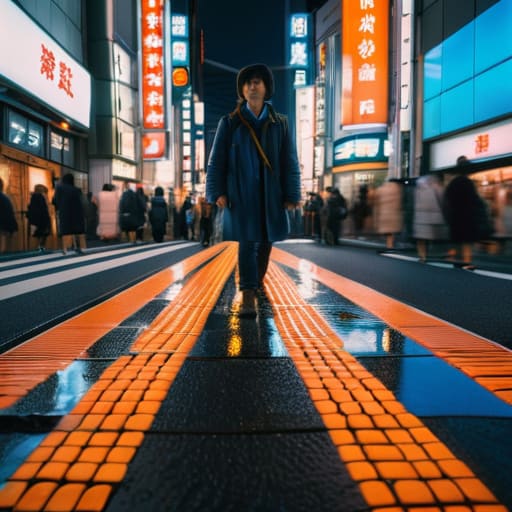
    • Trust the Tactile Paving. You’ll notice those bright yellow, textured tiles embedded in the sidewalks. They aren’t just for accessibility; they are a constant, tactile map of the city’s safe passages. Following these paths often leads you through the most logically sound and well-maintained routes, away from the unpredictable edges of the street.

    Observations from the Sidewalk

    Respect the unspoken flow; in a city that breathes through its movement, the greatest safety tool is your ability to observe and mirror the steady, predictable rhythm of the locals.

    Pay attention to the subtle cues of the street, from the specific timing of pedestrian signals to the way crowds naturally part, as these small details prevent you from becoming a friction point in the urban machine.

    Embrace a mindset of quiet awareness rather than constant vigilance; safety in Japan isn’t about avoiding danger, but about understanding the seamless logic of the environment around you.

    The Geometry of Movement

    “Safety in a Japanese city isn’t found in a handbook of rules, but in the quiet, collective awareness of every person on the sidewalk; it is a shared understanding that to move through a space is to respect the invisible lines of everyone else moving through it.”

    Rurik Salonen

    The Quiet Logic of the Street

    The Quiet Logic of the Street.

    Ultimately, navigating Japan’s urban landscape isn’t about memorizing a list of prohibitions or fearing the heavy flow of traffic. It is about recognizing that safety here is a shared responsibility, woven into the very fabric of how people move. Whether you are deciphering the complex choreography of a Shibuya scramble or simply learning to respect the subtle cues of walking etiquette on a narrow Osaka side street, you are participating in a larger system of mutual respect. By understanding the rhythm of the crosswalks and the unspoken rules of the sidewalk, you move from being a mere observer to a seamless part of the city’s mechanical grace.

    As I sit in a small cafe overlooking a busy intersection, sketching the convergence of lines in my notebook, I am reminded that the most profound way to experience a culture is to move through it with intention. Safety in Japan is more than just avoiding accidents; it is an invitation to slow down and observe the meticulous care that goes into every public interaction. Don’t rush through your journey just to reach a destination. Instead, embrace the order, trust the systems, and allow yourself to find the quiet, functional beauty that exists when a million people move together in perfect, silent harmony.

    Frequently Asked Questions

    How do I navigate the sudden changes in street level or the frequent stairs found in older, less modernized urban pockets?

    In the older quarters—the narrow alleys of Yanaka or the steep slopes of Shinsekai—the seamless logic of the subway fades. You’ll encounter sudden stone stairs or uneven pavement that demand your full attention. I’ve learned to stop looking at my phone and start looking at the ground. My rule is simple: embrace the verticality. If the slope looks daunting, look for the small, tucked-away elevators or the subtle ramps hidden near temple entrances.

    Are there specific times of day or particular neighborhoods where the predictable flow of pedestrian movement tends to break down?

    If you’re looking for where the rhythm falters, look to the fringes of Shinjuku or Shibuya during the evening rush. Around 6:00 PM, the synchronized flow gives way to a more frantic, jagged energy as salarymen surge toward the stations. You’ll also find the predictability dissolves in the narrow, winding alleys of Golden Gai; there, the logistics of movement become a squeeze, requiring much more manual navigation than the wide, orderly boulevards.

    How much should I rely on my own observations of local movement versus following the explicit signage and traffic lights?

    Signage is your foundation, but observation is your intuition. In my years managing logistics, I learned that a map tells you where the lines are, but the flow tells you where the reality lies. Always follow the lights—they are the structural logic of the city—but watch the people. If a crowd is pausing before a signal changes, or shifting toward a specific exit, they are reading the city’s subtle cues. Trust the signs for safety, but trust the rhythm for movement.

  • The Experience of Living in Kanazawa

    The Experience of Living in Kanazawa

    I remember sitting on a wooden bench near the Kenrokuen gardens last November, watching the mist roll off the mountains while the rhythmic clack-clack of a passing local bus echoed through the damp air. Most travel brochures will try to sell you on the idea of living in Kanazawa as a seamless, postcard-perfect dream of samurai heritage and tea ceremonies. But they ignore the reality of the logistics—the way the heavy snow dictates your daily movement, or how the city’s true character isn’t found in the crowded museum corridors, but in the quiet efficiency of its narrowest side streets.

    I’m not here to sell you a fantasy or a curated list of tourist traps. If you are seriously considering living in Kanazawa, you need to understand the structural bones of the city, from the reliability of the bus networks to the subtle social rhythms of the neighborhoods. My goal is to provide a grounded, practical roadmap for navigating this life. I will skip the hype and focus on the functional details—the things you actually need to know to find your own steady rhythm in this remarkable place.

    Table of Contents

    Mapping the Transit Lines of Kanazawa Expat Life

    Mapping the Transit Lines of Kanazawa Expat Life

    To understand the logistics of moving to Ishikawa prefecture, one must first master the Kanazawa Loop Bus. In my years managing supply chains, I learned that a system is only as good as its predictability, and here, the transit rhythm dictates the pace of your entire day. Unlike the overwhelming, multi-layered sprawl of Tokyo, the bus lines here act as the city’s circulatory system, connecting the modern hubs to the more delicate, historical quarters. I often find myself sitting by the window, sketching the route in my notebook, noting how the transit lines serve as the invisible threads that bind the modern resident to the ancient city.

    Navigating these routes is more than just a way to get from point A to point B; it is a way to gauge the Kanazawa cost of living and the accessibility of your daily needs. If you reside near the Kenrokuen garden neighborhood, you are positioned perfectly to witness the city’s transition through the seasons, but you must be prepared for the logistical reality of the local weather. I’ve found that the most successful way to settle in is to stop viewing the bus schedule as a constraint and instead see it as a steady, reliable heartbeat that guides your integration into the local way of life.

    The Realities of Moving to Ishikawa Prefecture

    The Realities of Moving to Ishikawa Prefecture.

    Transitioning from the hyper-efficient logistics hubs of Tokyo to the more deliberate pace of the Hokuriku region requires a fundamental shift in perspective. Moving to Ishikawa prefecture isn’t merely a change of address; it is a recalibration of your internal clock. While the infrastructure is remarkably reliable, you quickly learn that life here is dictated by the weather and the seasons rather than a rigid corporate schedule. I’ve found that the Kanazawa seasonal lifestyle demands a certain level of preparedness—a sturdy umbrella and a willingness to find beauty in the grey, misty mornings that define the Sea of Japan coast.

    The financial logistics are also worth noting. While the Kanazawa cost of living is generally more manageable than the megalopolises, you are essentially investing in a different kind of wealth: access to culture. You aren’t just paying for square footage; you are positioning yourself near the heartbeat of Japanese traditional arts Kanazawa is so famous for. There is a quiet, understated dignity to living in a historic Japanese city, provided you are ready to trade the neon-lit convenience of the city center for the more nuanced, slow-burning rhythms of a community rooted in craft and tradition.

    The Logistics of Settling In: Five Practical Observations

    • Master the Hokuriku Shinkansen rhythm early. While the city feels intimate, your connection to the rest of Japan depends on understanding the timing of the high-speed lines; don’t just rely on local buses, as knowing when the heavy-hitters arrive will dictate your entire sense of regional mobility.
    • Invest in a high-quality, waterproof shell. I’ve learned through years of observing weather patterns that Kanazawa’s “snow country” reputation isn’t just about the winter; the damp, heavy mist of the rainy season can settle into your bones if you aren’t prepared for the constant humidity.
    • Learn the geography of the local markets, not just the tourist districts. To truly live here, you need to know where the daily catch arrives at the Omicho Market and which small grocers stock the seasonal vegetables that define Ishikawa’s culinary identity.
    • Respect the silence of the residential pockets. The beauty of this city lies in its quietude, and as an expat, you’ll find that the most successful integration comes from observing the unspoken rules of noise and movement in the narrow streets surrounding the temples.
    • Keep a physical notebook for your local observations. Digital maps are efficient, but they lack the nuance of a hand-drawn sketch of a new bus route or a note on a hidden cafe’s opening hours; in a city that values tradition, the tactile act of recording your surroundings helps you anchor yourself to the landscape.

    The Essentials of Settling into Kanazawa

    Prioritize your proximity to the Hokuriku transit nodes; in a city like this, your quality of life is dictated by how easily you can navigate the rain and the seasonal shifts via the local bus networks.

    Look past the polished veneer of the Higashi Chaya district to find the true rhythm of the city in the smaller, residential pockets where the local commerce actually sustains itself.

    Prepare for a logistical shift in pace; moving to Ishikawa requires trading the high-octane efficiency of a global hub for a more deliberate, seasonal way of managing your daily movements.

    The Logistics of Belonging

    “Moving to Kanazawa isn’t a matter of simply changing your coordinates on a map; it is a slow recalibration of your internal clock to match the deliberate, seasonal pulse of a city that refuses to be rushed.”

    Rurik Salonen

    The Final Coordinates

    Finding The Final Coordinates in Kanazawa.

    Settling in Kanazawa is rarely about a grand, sweeping gesture; it is a series of small, logistical adjustments. We have looked at how the prefecture demands a certain level of practical preparedness, from navigating the seasonal shifts of Ishikawa to mastering the local transit rhythms that dictate your daily movement. Moving here isn’t a matter of simply changing your address, but of recalibrating your internal clock to match a city that values steady, predictable flow over the frantic pace of Tokyo. You must respect the infrastructure, embrace the slower pace of the bus lines, and accept that the environment will occasionally demand more of you than a typical urban transplant might expect.

    Ultimately, Kanazawa reveals itself to those willing to look past the surface-level charm of its gold leaf and tea houses. If you approach this city with a sense of purposeful observation, you will find that its true value lies in the quiet efficiency of its streets and the way the light hits the canals at dusk. Don’t rush to see everything at once. Instead, let the city reveal its layers to you, one station and one narrow alleyway at a time. When you stop trying to conquer the map and start learning to breathe with the city, you will realize that you haven’t just moved to a new place—you have finally found your rhythm.

    Frequently Asked Questions

    How does the seasonal shift in Kanazawa affect the daily logistics of navigating the city, particularly during the heavy snow months?

    When the heavy snow settles over Ishikawa, the city’s rhythm changes entirely. The logistics of daily life shift from speed to caution. I’ve learned that while the bus lines remain remarkably reliable, the walking distances between stops feel much longer when you’re navigating slush and ice. You have to plan your routes with more buffer time and, more importantly, better footwear. The quiet beauty of a snow-covered Higashi Chaya is lovely, but it demands a slower, more deliberate pace.

    For someone used to the constant motion of Tokyo or Osaka, how difficult is it to find a reliable community or social rhythm in a more traditional prefecture like Ishikawa?

    The transition is a shock to the system, much like switching from a high-speed freight line to a local branch track. In Tokyo, community is accidental—you are part of a crowd. In Ishikawa, it is intentional. You won’t find your rhythm in a neon-lit hub, but in the slow, repetitive cadence of the neighborhood shotengai or a local workshop. It takes patience to navigate these social layers, but the stability is worth the effort.

    Beyond the main bus routes, how manageable is it to explore the more remote, quiet corners of the prefecture without a personal vehicle?

    It requires a certain patience, a willingness to trade speed for observation. Without a car, you become reliant on the local bus networks and the occasional seasonal train, which can be sparse in the more rugged reaches of Noto or the mountains. You’ll find yourself planning your days around fixed timetables—much like managing a supply chain. It isn’t always efficient, but there is a quiet reward in those slow, deliberate journeys to the prefecture’s edges.

  • The Development of Smart Cities in Japan

    The Development of Smart Cities in Japan

    I was sitting in a small, dimly lit cafe in Shinjuku last Tuesday, sketching the intricate knot of the Yamanote line in my notebook, when I realized how much the glossy brochures get wrong. Most people look at the concept of japan smart cities and see a neon-soaked fever dream of flying drones and sentient skyscrapers—a high-tech spectacle designed for a sci-fi movie. But after thirty years of managing global logistics, I’ve learned that true efficiency isn’t loud or flashy. It’s found in the silent, invisible synchronization of a city that works so well you almost forget it’s doing anything at all.

    I’m not here to sell you on the utopian hype or the expensive gadgets that promise to revolutionize your life. Instead, I want to walk you through the actual mechanics of how these urban centers are evolving. I will show you where the technology actually meets the pavement and where it’s just expensive window dressing. My goal is to help you see the real pulse of the grid, focusing on how these advancements affect the daily rhythm of the streets and the quiet, functional beauty of a truly optimized life.

    Table of Contents

    Society 50 Japan Where Humanity Meets the Machine

    Society 50 Japan Where Humanity Meets the Machine

    In my years managing supply chains, I always viewed technology as a tool for efficiency—a way to shave seconds off a delivery or cents off a margin. But walking through the newer districts of Tokyo, I realize that Society 5.0 Japan isn’t just about optimization; it is about a fundamental shift in how we inhabit space. It is the attempt to weave the digital and physical worlds so tightly together that the friction of urban life begins to dissolve. I watched a young woman use a mobile interface to coordinate a seamless transition between a self-driving shuttle and a walking path, a perfect example of how smart mobility solutions are being designed to serve the individual rather than just the grid.

    There is a quiet dignity in this integration. It isn’t the loud, neon-soaked futurism you see in cinema. Instead, it is found in the way sensors embedded in the pavement manage energy loads or how data flows silently to prevent congestion before it even begins. We are moving toward a model of sustainable urban development Japan is uniquely positioned to lead, where the machine doesn’t replace the human experience, but rather clears the path for it.

    Digital Twin Technology Cities Mapping the Urban Soul

    Digital Twin Technology Cities Mapping the Urban Soul

    I spent my career looking at spreadsheets of cargo manifests and shipping routes, trying to predict where a bottleneck might occur before it actually did. Now, as I sit in a small café in Minato, I realize that Japan is doing something far more profound with that same predictive logic. Through digital twin technology cities, urban planners aren’t just looking at static maps; they are creating living, breathing virtual replicas of the metropolis. These models ingest real-time data from thousands of sensors, allowing the city to simulate everything from flood risks to the sudden surge of commuters during a typhoon.

    It isn’t just about cold data, though. There is a quiet elegance in how these digital shadows inform sustainable urban development Japan is striving for. By running simulations of energy consumption and traffic flow within these virtual twins, the city can optimize its resources before a single physical change is made. I watched a group of engineers yesterday discussing how a virtual model could refine smart mobility solutions, ensuring that automated shuttles move through the streets without disrupting the natural pedestrian rhythm. It is a way of perfecting the machine so that the human experience remains uninterrupted.

    • Look beyond the screens. The true success of a smart city isn’t found in a flashy app, but in the way the automated logistics reduce the noise and congestion on your street level.
    • Embrace the transit integration. Use the digital layers to your advantage; the seamless handoff between high-speed rail and autonomous last-mile shuttles is where the efficiency of Japan truly shines.
    • Seek the quiet zones. Even in a hyper-connected district, the most well-designed smart cities preserve “analog pockets”—small, tech-free parks designed to prevent urban burnout.
    • Observe the data in the streets. Watch how smart lighting and sensor-driven waste management systems work silently in the background; they are the invisible heartbeat of a functional metropolis.
    • Trust the rhythm, but stay observant. While the algorithms optimize the flow of people, don’t let the efficiency blind you to the small, human details that make a neighborhood feel like home.

    The Human Cost of Efficiency

    Smart city technology in Japan isn’t about replacing the human element, but rather creating a silent, invisible scaffolding that allows the social fabric to function without friction.

    True urban intelligence is found in the seamless integration of data—not in the gadgets themselves—ensuring that the city’s “breathing” remains steady even as the population shifts.

    As we map the urban soul through digital twins, we must ensure the technology serves to preserve the quiet, analog corners of life rather than smoothing them into sterile, characterless grids.

    The Invisible Architecture

    “A true smart city isn’t defined by the glow of a thousand sensors, but by the quiet, frictionless way a city respects its citizens’ time—where the technology retreats into the background so the human rhythm can finally take center stage.”

    Rurik Salonen

    The Human Element in the High-Tech Grid

    The Human Element in the High-Tech Grid.

    As I sit in a small café near Shinjuku station, watching the data-driven efficiency of the city unfold, it becomes clear that Japan’s smart city evolution is not merely a collection of sensors and automated logistics. We have looked at how Society 5.0 attempts to bridge the gap between the digital and the physical, and how digital twins allow planners to simulate the very breath of the streets. These technologies are not replacing the urban experience; they are refining the infrastructure that allows us to live more harmoniously. Whether it is a more precise transit schedule or a more responsive energy grid, the goal remains the same: to reduce the friction of modern existence so that the quiet beauty of the city can finally be seen.

    Ultimately, a city is more than its throughput or its connectivity metrics. Even as we integrate more intelligence into our sidewalks and subways, we must remember that the soul of a metropolis is found in the spaces between the data points. A smart city should not be a sterile laboratory, but a living, breathing organism that respects its own history. As I pack my film camera and close my notebook, I am reminded that the most successful technology is the kind that becomes invisible, leaving us free to simply observe the world as it was meant to be experienced.

    Frequently Asked Questions

    How much of this high-tech integration is actually visible to the average pedestrian, or is it all hidden behind the scenes in the infrastructure?

    It’s a bit of both, really. Most of the heavy lifting—the data flows and the predictive logistics—happens in the invisible layers, much like the silent currents of a supply chain. But you see the results in the friction-less reality of the streets. It’s in the way a digital signage board updates instantly to guide you around a delay, or how a seamless payment at a vending machine feels less like a transaction and more like a natural extension of your stride.

    As these cities become more automated and data-driven, what happens to the quiet, unmapped corners that give a neighborhood its character?

    That is the question that keeps me sketching in my notebook late into the evening. There is a real danger that in our rush to optimize every square meter, we accidentally engineer out the soul of a neighborhood. If every alleyway is mapped and every shortcut is calculated by an algorithm, we lose the serendipity of getting lost. A city needs its friction—those unoptimized, quiet gaps where the data fails and the real human story begins.

    Is there a risk that the pursuit of perfect efficiency might strip away the organic, slightly messy human element that makes Tokyo and Osaka so captivating?

    That is the central tension of my travels. There is a legitimate danger in optimizing the friction out of a city. I’ve spent my career chasing efficiency, but I know that a perfectly streamlined system can feel sterile, like a museum after hours. If we automate every detour and sanitize every alleyway, we risk losing the “beautiful mess”—the unplanned encounter or the tucked-away ramen shop—that gives Tokyo and Osaka their soul.

  • Exploring the Lifestyle in Fukuoka

    Exploring the Lifestyle in Fukuoka

    I was sitting at a cramped, wooden counter in a Nakasu yatai stall last Tuesday, the scent of rich tonkotsu broth cutting through the humid evening air, when I realized something. Most travel guides treat Fukuoka like a mere pitstop on the way to Tokyo or Osaka, a secondary thought for those who lack the time for the “big” cities. But they miss the point entirely. You don’t understand fukuoka city life by glancing at a neon-lit skyline or rushing through a curated tourist loop; you understand it when you feel the specific, rhythmic hum of a city that has mastered the art of being simultaneously compact and boundless.

    I have no interest in feeding you a list of polished landmarks or overpriced gift shops. Instead, I want to show you how this city actually breathes. My goal is to pull back the curtain on the logistical elegance and the quiet, unscripted moments that define the local experience. We will look past the hype to find the functional beauty in the transit connections, the local markets, and those narrow side streets where the city’s true character resides. This isn’t a guide for the hurried; it is for those who want to truly see.

    Table of Contents

    Navigating the Pulse Subway Lines and Best Neighborhoods in Fukuoka.

    To understand how this city moves, you have to look past the surface-level tourist maps and study the Kuko and Nanakuma lines. They are the arteries of the prefecture, pumping people through the central hubs with a precision that even my old logistics firms would have envied. I find myself spending a lot of time sitting in the station corners, sketching how the flow shifts during the evening rush. If you want to find the best neighborhoods in Fukuoka, start by observing where the commuters step off the train with a sense of purpose rather than exhaustion.

    Tenjin serves as the dense, electric heart, but for those seeking a different tempo, the area around Ohori Park offers a necessary reprieve. It is a masterclass in urban greenery in Fukuoka, where the wide, circular paths around the lake provide a rhythmic counterpoint to the concrete intensity of the business districts. Moving toward the coast, the pace slows even further, transitioning into a more relaxed, maritime atmosphere. It is in these shifts—from the high-speed transit of Hakata to the quiet, shaded walks near the water—that you truly begin to feel the city’s breath.

    Finding Stillness Amidst the Urban Greenery in Fukuoka

    Finding Stillness Amidst the Urban Greenery in Fukuoka.

    Even in a city that moves with such efficient momentum, there are moments where the gears seem to slow down. I often find myself seeking out the urban greenery in Fukuoka when the sensory input of the central districts becomes too dense. Ohori Park is the most obvious choice, but it isn’t just a park; it is a masterclass in urban planning. Watching the sunlight hit the water while the perimeter path maintains a steady, rhythmic flow of joggers and elderly walkers reminds me of the delicate balance required to keep a metropolis from feeling suffocating.

    For those considering the long-term rhythm of living in Kyushu, Japan, these pockets of stillness are essential. I recently spent an afternoon tucked away near the Maizuru Park area, sketching the way the ancient stone walls of the ruins interact with the seasonal foliage. It is in these shaded, quiet transitions between the concrete and the canopy that you truly sense the city’s breath. It isn’t about the grand scale of the skyline, but rather the way the city makes room for a moment of uninterrupted reflection.

    The Logician’s Guide to Living Fukuoka

    • Don’t let the Yatai stalls intimidate you; they aren’t just for tourists. The real magic happens when you find a stall tucked slightly away from the main Hakata strip, where the steam from the ramen bowls creates a private sanctuary amidst the evening noise.
    • Master the rhythm of the Nishitetsu Line early on. Much like the logistics chains I used to manage, the efficiency here is predictable, but you’ll find the most character in the small, unplanned stops between the major hubs.
    • Carry a physical map or a dedicated notebook for the smaller bus routes. While the digital apps are functional, they often miss the subtle nuances of the local neighborhood loops that connect the residential quiet to the urban center.
    • Learn the etiquette of the “quiet corner.” In Fukuoka, as in much of Japan, there is a silent social contract regarding space. Respecting the stillness in a crowded cafe or a local park is how you truly integrate into the city’s breathing pattern.
    • Observe the flow of the Tenjin district during the transition from workday to evening. There is a specific, measured shift in the city’s energy—a logistical handoff from the professional world to the social one—that is worth watching from a corner window.

    The Quiet Logistics of Fukuoka

    To truly grasp the city, look past the neon of Tenjin and study the flow of the Kuko Line; the rhythm of the commuters tells you more about Fukuoka’s soul than any guidebook ever could.

    The real magic lies in the transition between spaces—where the dense urban grid of the business districts softens into the unexpected, shaded stillness of a neighborhood park.

    Don’t rush to the major landmarks; instead, allow yourself the luxury of getting lost in the side streets, where the city’s true character is found in its smallest, most functional details.

    The Efficiency of a Living Organism

    Fukuoka doesn’t demand your attention with neon theatrics; instead, it reveals itself in the seamless transition from a crowded subway platform to the hushed, salt-scented stillness of a coastal alleyway. It is a city that works with a quiet, rhythmic precision.

    Rurik Salonen

    The Quiet Rhythm of the South

    The Quiet Rhythm of the South.

    Looking back at the maps I’ve sketched and the routes I’ve traced, it becomes clear that Fukuoka is defined by its balance. It isn’t just the efficiency of the subway lines connecting the bustling hubs of Tenjin and Hakata, nor is it merely the relief found within the city’s green lungs. Rather, it is the way these elements work in tandem to create a functional, breathable urban organism. You find the city’s true character in the intersections of movement and stillness—where the frantic energy of a transit hub gives way to the deliberate, slow pace of a neighborhood park or a hidden side street.

    As I pack my film rolls and close my notebook, I am reminded that a city is never a finished product; it is a continuous, living process. Fukuoka doesn’t demand your attention with loud, neon-soaked spectacles; instead, it invites you to observe the subtle mechanics of its daily life. My advice is simple: don’t rush to see everything. Instead, allow yourself to get lost in the cadence of the streets. If you listen closely enough to the hum of the city, you might just find that it is telling you exactly where it belongs.

    Frequently Asked Questions

    How does the flow of the city change between the morning rush and the late-night food stalls?

    The transition is stark. In the morning, Fukuoka is a machine of precision—a silent, synchronized rush of commuters moving through the subway with singular purpose. But as the sun sets, that rigid efficiency dissolves. The city’s breath slows and warms. The clinical energy of the business districts gives way to the steam and laughter of the yatai stalls. It’s a shift from the logistics of movement to the logistics of connection.

    Beyond the major parks, where can one find the most authentic, quiet pockets of local life?

    To find the real Fukuoka, you have to step away from the main thoroughfares and look for the shotengai—the traditional shopping streets. I often find myself wandering through the smaller, residential arteries near Ohori or tucked behind the Hakata bustle. Look for the tiny, family-run coffee shops or the neighborhood shrines where the only sound is the soft hum of a passing scooter. That’s where the city’s true rhythm resides.

    Is the city’s layout intuitive enough for someone who prefers walking over using the transit system?

    If you’re a walker, Fukuoka is remarkably forgiving. Unlike the sprawling, disjointed chaos of some mega-cities, Fukuoka possesses a certain logical compactness. The city center feels breathable; you can drift from the neon hum of Tenjin to the waterfront without feeling swallowed by the architecture. However, I wouldn’t recommend skipping the transit entirely. While the core is walkable, the city’s true character lies in those pockets just beyond a comfortable stroll, where the rhythm shifts.

  • Tips for Urban Photography in Japan

    Tips for Urban Photography in Japan

    I was standing on a platform at Shinjuku Station last Tuesday, watching a young man struggle with a tripod three sizes too large for the crowd, desperately trying to frame a shot of the neon skyline. It struck me then how much we miss when we chase the spectacle. Most people think urban photography japan is about chasing the blinding lights of Shibuya or the towering steel of Roppongi, but that’s just surface-level noise. To me, the real story isn’t found in the grand gestures of a skyscraper; it’s in the rhythmic geometry of a subway transfer or the way a single streetlamp hits a damp alleyway in Osaka at 2:00 AM.

    I’m not here to sell you on expensive gear or the “must-visit” tourist traps that yield nothing but cliché shots. Instead, I want to share what I’ve learned from decades of navigating complex systems and looking for the quiet, functional beauty in the chaos. I will show you how to find the unseen pulse of the city through a lens, focusing on the logistics of light, timing, and the small, overlooked corners where a city truly breathes.

    Table of Contents

    Capturing Japanese Urban Life Through Quiet Transitions

    Capturing Japanese urban life through quiet transitions.

    There is a specific, fleeting magic found in the moments between destinations. Most people focus their lenses on the grand scale of a skyscraper, but I have always found more substance in the transitions—the way a commuter pauses under a dim streetlamp or the way shadows stretch across a platform during the evening rush. To truly master capturing Japanese urban life, one must learn to look for these pauses. It is in these quiet intervals that the city’s true rhythm reveals itself, far away from the frantic energy of the main thoroughfares.

    When I am out with my Leica, I often find myself drawn to the periphery of the major hubs. While many seek out the high-octane cyberpunk cityscape photography found in the center of Shinjuku, I prefer the secondary streets where the light is softer and more intentional. I look for the intersection of mechanical precision and human fatigue. There is a profound, understated beauty in a single, rain-slicked alleyway reflecting a distant vending machine glow; it tells a much more honest story of the city than any neon-drenched skyline ever could.

    The Shinjuku Neon Lighting Techniques of a Living City

    The Shinjuku Neon Lighting Techniques of a Living City.

    Most people approach Shinjuku with the intent to capture the spectacle, chasing the high-contrast glow of the Kabukicho district as if they are hunting for a scene from a movie. They want that immediate, saturated cyberpunk cityscape photography look that dominates social media feeds. But after years of managing complex moving parts, I’ve learned that the best way to handle light is not to fight it, but to understand its flow. Instead of aiming directly at the brightest sign, I often position myself so the neon spills onto the wet asphalt or catches the edge of a passing commuter’s umbrella.

    When I’m out with my Leica, I find that the most compelling Shinjuku neon lighting techniques involve finding the shadows between the glows. It’s in those pockets of darkness—where a crimson sign bleeds into a damp alleyway—that the city feels most alive. If you are looking for true Japanese street photography aesthetics, stop trying to illuminate everything. Let the darkness exist; it provides the necessary structure for the light to actually mean something.

    The Logistics of the Lens: Five Practical Approaches to the Japanese Street

    • Respect the unspoken rhythm of the crowd. In cities like Osaka, movement is a choreographed dance; if you stand too abruptly in a high-traffic thoroughfare to frame a shot, you aren’t just being an inconvenience, you are breaking the flow. Find a stationary vantage point—a corner of a station mezzanine or a quiet bench—and let the city come to you.
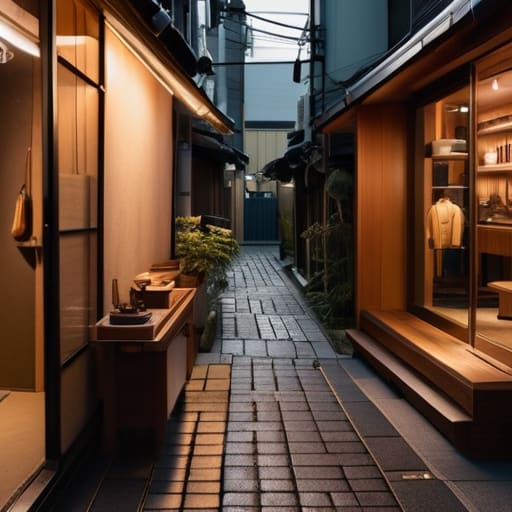
    • Embrace the blue hour for tonal depth. While the neon of Shinjuku is a magnet, the period just after sunset offers a more nuanced palette. The way the twilight interacts with the functional, cool-toned LED streetlights creates a sophisticated contrast that better reflects the organized, quiet efficiency I’ve always admired in Japanese urban design.
    • Use your transit maps as a compositional guide. I often find that the geometric precision of subway signage and the leading lines of railway tracks provide a perfect structural framework for a photograph. Don’t just look at the subjects; look at the grid that contains them.
    • Prioritize the textures of the mundane. A weathered vending machine in a narrow alleyway or the damp sheen of asphalt after a light rain tells a more honest story of Japan than a polished temple shot. Look for the “wabi-sabi” in the functional details—the chipped paint on a utility pole or the way light hits a rusted shutter.
    • Master the art of the silent shutter. If you are shooting with a digital setup, keep your settings discreet. There is a certain dignity in capturing a moment without announcing your presence. A heavy camera and loud clicking can disrupt the very stillness you are trying to document.

    Lessons from the Lens: Finding Order in the Chaos

    Stop chasing the landmarks; the true character of a Japanese city is found in the liminal spaces—the subway platforms at dusk, the narrow passageways between skyscrapers, and the way light hits a wet pavement in an alleyway.

    Master the interplay of light and shadow rather than just the brightness of the neon; understanding how the artificial glow of Shinjuku interacts with the deep shadows of the side streets is what separates a snapshot from a photograph.

    Approach your photography like a logistical map; look for the patterns, the rhythmic flow of the crowds, and the functional beauty of the transit systems to tell a story of how the city actually breathes.

    ## The Logistics of a Moment

    “A camera is less a tool for capturing light and more a tool for documenting the choreography of a city; you aren’t just photographing a street corner, you are photographing the precise, silent intersection where human intent meets urban design.”

    Rurik Salonen

    The Final Frame

    Capturing urban elegance in The Final Frame.

    As I sit in a small cafe near Umeda, looking back through my recent rolls of film, I realize that capturing the essence of Japan requires more than just a sharp lens and a steady hand. We have discussed the technical dance of managing the harsh, electric glare of Shinjuku’s neon and the delicate art of finding composition within the rhythmic transitions of the transit system. Whether you are chasing the high-contrast energy of a crowded intersection or the muted, somber tones of a subway platform at dawn, the goal remains the same: to document the functional elegance that keeps these massive urban machines running.

    Ultimately, your camera is merely a tool to help you slow down and actually see the world. Don’t get caught up in the pursuit of the perfect, postcard-ready shot that everyone else has already taken. Instead, look for the friction between the old and the new, the way a single shaft of light hits a concrete pillar, or the quiet dignity of a commuter lost in thought. If you learn to listen to the city’s pulse through your viewfinder, you will find that the most profound stories are often written in the details most people walk right past.

    Frequently Asked Questions

    How do you manage to capture clean, intentional shots in crowded stations without disrupting the flow of commuters?

    It comes down to respect for the flow. In my logistics days, we called it minimizing friction. I never plant my feet in the center of a corridor; I find a structural pillar or a corner where the movement naturally bends around me. I set my camera, steady my breathing, and wait. You aren’t there to interrupt the commute, but to observe it. If you become part of the scenery, the city will let you stay.

    Which specific film stocks or color profiles do you find best capture the particular blue-hour light of a Tokyo evening?

    For that specific blue-hour transition, I always lean toward Fujifilm Superia. It has a natural tendency to handle those cool, cyan-heavy tones without making the shadows feel muddy. If I’m looking for something more cinematic and deliberate, I’ll reach for Kodak Portra 400; its ability to preserve skin tones amidst the deepening indigo of a Tokyo twilight is unmatched. It provides a warmth that balances the city’s inevitable chill.

    When exploring the smaller alleys, how do you balance the desire for candid street photography with the need to remain respectful of local privacy?

    It is a delicate calibration, much like managing a complex supply chain where every movement affects the whole. I never aim my lens directly at a face; I look for the silhouette, the hands, or the way a shadow falls across a doorway. If I feel I’ve intruded, I offer a small, polite nod and a smile. In Japan, respect is the baseline. If you capture the atmosphere rather than the individual, you preserve the dignity of the moment.

  • Understanding Etiquette on Japanese Public Transport

    Understanding Etiquette on Japanese Public Transport

    I was sitting in Shinjuku Station last Tuesday, watching a sea of commuters flow through the gates with the precision of a well-oiled machine, when I realized how much most guidebooks get wrong. They treat japan public transport etiquette like a rigid set of commandments to be memorized, a heavy burden of “dos and don’ts” that makes travelers feel like they’re walking through a minefield. But after thirty years of managing complex logistics, I’ve learned that it isn’t about following a list of strict rules; it’s about recognizing the flow. It is a silent, collective agreement to respect the shared space of a stranger.

    I’m not here to give you a lecture or a list of polite phrases you’ll never use. Instead, I want to pull back the curtain on the actual mechanics of the commute. I will share the practical, hard-won observations I’ve gathered from years of navigating these rails, focusing on the unspoken nuances that turn a stressful journey into a seamless part of your exploration. You won’t find any fluff here—just the grounded reality of how to move through these cities with confidence and quiet respect.

    Table of Contents

    The Silent Language of Etiquette for Subway Commuters

    The Silent Language of Etiquette for Subway Commuters.

    Once you descend into the subterranean labyrinth of Tokyo or Osaka, you realize that the silence isn’t an absence of sound, but a presence of discipline. To master the etiquette for subway commuters, one must first understand that the train car is a shared, sacred space of transition. I often find myself watching the commuters; there is a profound, almost rhythmic grace in how they navigate the crush of a morning rush. The most vital rule is the unspoken pact regarding japanese train phone usage. You will rarely see a passenger engaged in a loud conversation; instead, phones are kept on silent, and if a call must be taken, it is handled with a hushed, apologetic tone or deferred until the next station.

    It is this commitment to avoiding noise on public transit that allows the city to function without descending into chaos. Even in a packed carriage, the air feels heavy with a collective desire for privacy. Whether you are standing near the doors or seated in the designated areas, maintaining a small physical and auditory footprint is the mark of a seasoned traveler.

    Avoiding Noise on Public Transit to Preserve the Peace

    Avoiding Noise on Public Transit to Preserve the Peace.

    There is a specific kind of tension that occurs when a single, sharp sound punctures the collective stillness of a commuter car. I’ve sat in many of these carriages, Leica camera resting on my lap, watching how a sudden burst of video audio or a loud conversation causes a subtle, synchronized tightening in the shoulders of everyone nearby. In Japan, avoiding noise on public transit isn’t just about being polite; it is an act of social preservation. It is the understanding that your personal space should not infringe upon the mental space of the stranger sitting next to you.
    When it comes to japanese train phone usage, the unspoken rule is absolute: your device should be a silent companion. Setting your phone to “manner mode” is the bare minimum. I’ve found that the most seamless travelers are those who treat the train as a shared sanctuary of focus. Whether you are navigating a local line or observing the more structured shinkansen boarding rules on a long-haul journey, the goal remains the same: to move through the city without leaving a sonic footprint.

    The Unspoken Mechanics of the Commute

    • Master the art of the queue. In my years of logistics, I learned that efficiency is born from order, not speed. At any platform in Tokyo or Osaka, you will see painted lines indicating exactly where to stand. Respect these markers; they are the foundation of a smooth flow that prevents the chaos of a bottleneck.
    • Mind your physical footprint. The aisles of a train are shared, limited real estate. If you are carrying a large backpack, the polite move is to swing it around to your front or place it on the overhead rack. It’s a small gesture, but it prevents you from inadvertently bumping into a neighbor in a crowded car.
    • Respect the priority zones. The priority seats aren’t just designated areas; they are a social contract. While they are there for the elderly, pregnant, or disabled, the true etiquette lies in your awareness. If the car is crowded, offering your seat is a silent, dignified way to contribute to the collective well-being.
    • Keep your digital presence contained. A smartphone is a useful tool, but it can easily become a source of friction. If you must take a call, wait until you reach the station platform. Within the carriage, your screen should be a private affair, not a distraction to those sitting beside you.
    • Navigate the gates with intention. When using your IC card, approach the ticket gates with a clear sense of direction. Fumbling at the turnstile creates a ripple effect of delays behind you. A steady, purposeful pace is the greatest courtesy you can offer to the thousands of people moving in sync with you.

    The Essentials of Urban Respect

    Mastery of the quiet commute isn’t just about following rules; it’s about recognizing that your personal space ends where another passenger’s peace begins.

    Treat the transit system as a shared sanctuary by keeping your digital footprint—from phone calls to loud music—strictly contained within your own personal bubble.

    Observe the unspoken flow of the station; true efficiency and respect are found in how you navigate exits, queues, and boarding patterns without disrupting the collective rhythm.

    ## The Unspoken Social Contract

    “In the rush of a Tokyo morning, etiquette isn’t a set of restrictive rules; it is a collective, silent agreement to grant every stranger the dignity of their own space, even when there isn’t a single inch of it to be found.”

    Rurik Salonen

    The Flow of the City

    The Flow of the City in transit.

    Navigating the transit networks of Tokyo or Osaka requires more than just a working IC card and a decent map; it demands a fundamental shift in how you occupy space. By mastering the nuances of volume control, respecting the designated seating hierarchies, and maintaining the unspoken sanctity of the shared cabin, you transition from a mere observer to a participant in the city’s delicate ecosystem. It is about more than just following rules to avoid a reprimand; it is about recognizing that every small gesture of restraint—a lowered voice, a tucked-away backpack, a quiet phone—contributes to the seamless efficiency that keeps these massive urban engines running without friction.

    As I sit by the window of a moving Yamanote line train, watching the blur of neon and concrete pass by, I am reminded that these etiquette protocols are the invisible threads holding the metropolis together. When we respect the silence, we aren’t just being polite; we are allowing the city to breathe. I encourage you to look beyond the logistics of your journey and embrace the quiet dignity of the commute. If you can learn to move in harmony with the crowd, you will find that the most profound way to understand Japan is not by shouting your presence, but by finding your rhythm within its steady, respectful pulse.

    Frequently Asked Questions

    How should I handle the etiquette of boarding and exiting trains when the platforms are extremely crowded during rush hour?

    When the platforms swell during rush hour, the chaos can feel overwhelming, but there is a logic to it. Stand behind the yellow tactile paving and wait for the exiting crowd to clear before you even think about stepping forward. Once the doors open, let the passengers off first; it’s a simple rule of flow. Find your spot in the designated queue areas. Efficiency in these moments isn’t about speed—it’s about maintaining the order that keeps the whole system breathing.

    Are there specific unspoken rules regarding where to stand or sit if I am carrying large luggage or a camera bag?

    When you’re carrying a heavy camera bag or a suitcase, the goal is to minimize your footprint. I always try to find a corner or stand near the ends of the carriage to avoid blocking the flow of commuters. If you’re sitting, keep your luggage on your lap or between your feet. Never let a bag occupy an empty seat next to you; in a city this dense, every seat is a shared resource.

    What is the proper way to navigate the complex etiquette of priority seating for the elderly or those with disabilities?

    Priority seating isn’t just about a designated area; it’s about a shared awareness. In my years of logistics, I learned that efficiency relies on knowing when to step aside. When you see someone needing that space—whether they are elderly, disabled, or even a pregnant woman—don’t wait for an awkward moment of eye contact. Simply stand, offer a small, polite nod, and vacate the seat. It’s a quiet, seamless gesture that keeps the city’s rhythm steady.

  • Studying Traditional Architecture in Kyoto

    Studying Traditional Architecture in Kyoto

    I was sitting on a low wooden bench in a corner of Gion last Tuesday, the smell of damp cedar and rain-slicked stone heavy in the air, when I realized most people are looking at the wrong things. They flock to the massive, gilded temples, snapping photos of the gold leaf and the crowds, thinking they’ve captured the essence of the city. But to me, the true soul of kyoto traditional architecture isn’t found in the grand spectacles; it’s in the rhythmic geometry of a weathered machiya eaves or the way a sliding shoji screen manages the light of a fading afternoon. It’s in the functional, quiet logic of how these structures have breathed alongside the seasons for centuries.

    I’m not here to sell you a postcard or a list of the most “Instagrammable” shrines. My goal is to strip away the tourist veneer and look at the structural integrity and intentionality behind these ancient designs. I want to show you how to read the bones of the city—the joinery, the spatial flow, and the subtle transitions between shadow and light. We are going to look past the hype to find the quiet, functional beauty that actually defines this place.

    Table of Contents

    Machiya Townhouse Design and the Citys Pulse

    Machiya Townhouse Design and the Citys Pulse.

    Walking through the narrow streets of Gion or Shimogyo, you realize that the city isn’t just a collection of buildings; it is a rhythmic arrangement of wood and shadow. The machiya townhouse design serves as the primary heartbeat of this urban rhythm. These long, narrow dwellings were never meant to be grand monuments; they were functional responses to the constraints of a dense, merchant-driven society. I often find myself pausing to sketch how these structures lean into one another, creating a continuous, textured wall that defines the streetscape.

    There is a profound logic to how they breathe. Unlike the sprawling estates of the nobility, these homes utilize japanese wooden structure techniques to manage both space and climate, channeling air through internal courtyards to maintain a steady temperature. It is a masterclass in logistical efficiency. Even the way the dark timber contrasts against the pale plaster of a nearby kura storehouse architecture tells a story of a city built on durability and careful resource management. To understand Kyoto, you must look past the bright storefronts and study the way these wooden bones support the weight of history.

    The Logic of Japanese Wooden Structure Techniques

    The Logic of Japanese Wooden Structure Techniques.

    There is a profound, mathematical elegance to the way these buildings stand. In my years managing global logistics, I learned that any system—no matter how complex—relies on the integrity of its smallest connections. The same is true here. Unlike the rigid, bolted steel of modern skyscrapers, japanese wooden structure techniques rely on a sophisticated system of interlocking joints. These joints, or kigumi, allow the timber to breathe and shift slightly during an earthquake, absorbing kinetic energy rather than fighting it. It is a masterclass in resilience through flexibility.

    When I sit in a quiet courtyard, sketching the joinery in my notebook, I am struck by the absence of nails. Every beam and pillar is held in place by a silent, tension-based logic. This isn’t just about aesthetics; it is a functional response to a humid, seismic environment. You see this same structural honesty reflected in the heavy, protective weight of kura storehouse architecture, where thick plaster walls meet precision-cut wood. To understand these buildings is to understand that strength is not always found in hardness, but in the way individual parts work in concert to maintain a delicate, lasting equilibrium.

    Reading the Grain: Five Ways to Observe Kyoto’s Built Legacy

    • Look for the ‘Koshi’ lattices. Don’t just see them as decorative woodwork; observe how these narrow wooden slats manage the delicate balance between privacy for the inhabitants and the necessary airflow required for a timber-heavy city.
    • Pay attention to the threshold of the ‘Engawa’. This veranda isn’t just a porch; it is a functional buffer zone, a transitional space that mediates the temperature and the light between the controlled interior and the unpredictable elements of the garden.
    • Follow the rooflines. Instead of looking at the buildings as singular units, notice how the heavy, sweeping curves of the ceramic tiles work in concert to shed heavy seasonal rains while creating a rhythmic, visual continuity across the entire district.
    • Seek out the ‘Tsuboniwa’. In the dense urban layout of Kyoto, the true genius lies in the tiny courtyard gardens. These are not mere luxuries; they are the lungs of the townhouse, engineered to pull light and air into the deepest, darkest parts of the structure.
    • Watch the way light hits the weathered timber. The beauty of Kyoto architecture isn’t found in pristine, polished surfaces, but in the patina of aged wood that has survived centuries of humidity and sun—it is a visual record of the city’s endurance.

    The Lessons Left in the Timber

    True architectural beauty in Kyoto isn’t found in grand, isolated monuments, but in the functional rhythm of the Machiya, where design serves the dual purpose of private living and urban integration.

    The longevity of these structures is a testament to a sophisticated, interlocking logic of wood and joinery that respects the material’s natural movement rather than fighting against it.

    To truly understand the city, one must look past the surface aesthetics and appreciate how the spatial organization of these buildings manages the delicate balance between public street life and private sanctuary.

    ## The Silent Geometry of the Past

    “When you look closely at a Kyoto eavesline, you aren’t just seeing wood and joinery; you are seeing a century of calculated decisions made to balance the weight of the rain against the lightness of the breeze.”

    Rurik Salonen

    The Silent Geometry of Kyoto

    The Silent Geometry of Kyoto architecture.

    Looking back at the structural logic of these buildings, it becomes clear that Kyoto’s architecture is more than just an aesthetic choice; it is a masterclass in functional endurance. From the way a Machiya manages the flow of light and air through its narrow footprint, to the ingenious joinery that allows a wooden frame to sway with the earth rather than fight it, every element serves a purpose. These structures were never meant to be static monuments. Instead, they represent a sophisticated understanding of how to live in harmony with the seasons and the constraints of a dense urban environment. When you study the way these timber skeletons hold their ground, you see the true blueprint of resilience that has allowed this city to breathe through centuries of change.

    As I sit here in a small corner cafe, sketching the intersection of a tiled roof and a weathered wooden beam, I am reminded that the most profound lessons aren’t found in the grand temples. They are found in the way a simple eaves-line directs the rain or how a sliding screen subtly alters the privacy of a room. To truly see Kyoto, you must learn to look past the surface and appreciate the quiet intelligence of its design. It is a reminder that even in our modern, high-speed world, there is immense value in building things that are meant to last, meant to adapt, and meant to be understood by those willing to slow down and listen.

    Frequently Asked Questions

    How do these historic wooden structures actually hold up against Kyoto's intense humidity and seasonal rains?

    It’s a matter of breathing. These structures aren’t fighting the humidity; they’re designed to live with it. The deep eaves of a Machiya act like a functional umbrella, shedding heavy rains far from the foundation. Meanwhile, the porous nature of the timber and the strategic placement of floor vents allow air to circulate constantly. It is a passive, elegant system of ventilation that prevents rot by ensuring the wood never stays stagnant.

    Beyond the aesthetic, what practical role did the specific layout of these machiya play in the daily logistics of a merchant family?

    The layout was a masterclass in functional zoning. The mise-niwa—that narrow earthen corridor—acted as a logistical artery, allowing goods to flow from the street to the inner storage without disrupting the family’s private quarters. It separated the public commercial space from the domestic life, ensuring that a merchant could manage inventory and customer flow with surgical precision. In a machiya, efficiency isn’t just a preference; it is built into the very floorboards.

    Are there specific neighborhoods where these traditional building techniques are still being actively preserved, or is it mostly limited to museum-like districts?

    It isn’t just a museum act, though parts of Gion certainly feel curated. If you want to see these techniques breathing, head to Nishijin. It’s a weaver’s district where the machiya aren’t just relics; they are functional workspaces. You’ll see the same timber joinery holding up active workshops. It’s less about polished perfection and more about the grit of a living neighborhood that still relies on its historical bones to function.

  • Experiencing the Seasonal Shifts in Japanese Cities

    Experiencing the Seasonal Shifts in Japanese Cities

    I remember standing on a crowded platform at Shinjuku Station last November, watching the light hit the platform just right as the temperature took that sudden, sharp dip. It wasn’t the cherry blossoms or the fiery maples that struck me; it was the way the entire city’s mechanical rhythm seemed to recalibrate. People don’t just change their clothes; they change their gait, their silence, and even the way they navigate the turnstiles. Most guidebooks try to sell you a postcard version of japan seasonal changes, focusing on the grand, expensive spectacles that everyone crowds around with their smartphones. But if you only look for the highlights, you miss the way the city actually breathes.

    I have no interest in selling you a fantasy or a curated list of tourist traps. Instead, I want to show you how to read the logistics of the seasons—from the way the humidity dictates the flow of a Tokyo afternoon to the specific, quiet stillness of a Kyoto winter morning. My goal is to provide you with a grounded, practical framework for understanding these transitions, so you can find the functional beauty in the shifts that most travelers simply walk right past.

    Table of Contents

    Deciphering the Japan Climate by Month

    Deciphering the Japan Climate by Month chart.

    When I look at a calendar, I don’t see mere dates; I see a logistical shift in how the city operates. If you are trying to map out the japan climate by month, forget the generic weather charts. Instead, watch the crowds. From March to May, the sudden influx of travelers chasing the cherry blossoms creates a specific kind of friction in the transit hubs—a frantic, beautiful energy. However, if you prefer a more measured pace, the transition from late October into November offers a clarity that is hard to match. In my experience, the choice between spring vs autumn in japan often comes down to whether you want to witness a rebirth or a graceful, quiet descent.

    The summer months, however, require a different kind of preparation. The humidity in Osaka during July can feel heavy, almost physical, like navigating a supply chain with a broken link. This is also when you must keep a keen eye on the weather reports for typhoon season in japan, as the sudden shifts in wind and rain can reroute even the most disciplined itinerary. It is a period of intensity, but it is also when the local rhythm is most visceral.

    Finding the Best Time to Visit Japan

    Finding the Best Time to Visit Japan

    When people ask me for the best time to visit Japan, they are usually looking for a postcard—cherry blossoms or fiery maples. But if you want to understand the logistical flow of the country, you have to look deeper than the aesthetics. For me, the choice often comes down to a debate of spring vs autumn in Japan. Spring offers that fleeting, ethereal energy, but it is crowded and often unpredictable. Autumn, however, provides a certain structural clarity; the air is steady, the visibility for photography is unmatched, and the transit systems feel slightly more rhythmic as the summer rush subsides.

    You must also account for the variables that don’t make it into the glossy brochures. If you are planning a trip during the late summer, you have to respect the reality of typhoon season in Japan. It isn’t just about the rain; it’s about how the entire archipelago shifts its tempo, moving from the frantic pace of August into a more cautious, indoor-focused existence. I find that the most rewarding trips are those where you plan around these natural cycles, allowing the weather to dictate your itinerary rather than fighting against it.

    The Logistical Realities of Seasonal Shifts

    • Don’t rely on a weather app for the nuance of the day. In the transition from spring to summer, the humidity doesn’t just rise; it settles into the concrete of the city. I’ve learned to pack lightweight, breathable layers that can handle a sudden downpour or a sudden spike in the afternoon heat without making me feel sluggish.
    • Watch the transit flow to gauge the season. When the cherry blossoms peak, the stations around Ueno or Shinjuku become a different kind of beast entirely. If you want to avoid the crush, plan your movements for the early morning or late evening when the crowds are still finding their rhythm.
    • Respect the “Tsuyu” season. The rainy season in June isn’t just a series of showers; it’s a shift in the very atmosphere of the streets. I always keep a sturdy, compact umbrella in my bag—not for the rain itself, but for the way it changes the way people navigate the narrow alleys of Osaka.
    • Timing your meals is part of the seasonal logistics. The Japanese have mastered the art of shun—eating ingredients at their absolute peak. When the seasons shift, the menus in small, local eateries change overnight. Don’t look for the same dish year-round; look for what the season is demanding.
    • Prepare for the temperature swings of the shoulder months. Moving from the crisp air of October into the biting winds of November requires more than just a heavy coat. I find that a well-placed scarf and a reliable pair of walking shoes are the most functional tools for navigating the thermal shifts of a metropolitan autumn.

    The Logistical Reality of the Seasons

    Forget the idealized postcards; understand that seasonal shifts in Japan are best felt through the changing density of the crowds and the subtle adjustments in the rhythm of the city’s transit hubs.

    Plan your itinerary around the climate’s practical impact—the humidity of a Tokyo summer demands a different kind of endurance than the crisp, efficient clarity of a mountain winter.

    The most rewarding moments aren’t found in the peak tourist windows, but in the transitional “shoulder” periods when the weather is steady and the city breathes with a more predictable, quiet grace.

    The Pulse of the Seasons

    You don’t measure the changing seasons in Japan by a calendar or a weather report; you measure them by the way the light hits the platform at Shinjuku Station or the subtle shift in the weight of a commuter’s coat as the humidity finally breaks.

    Rurik Salonen

    The Rhythm of the Return

    The Rhythm of the Return in Japan.

    Ultimately, choosing when to visit Japan isn’t just a matter of checking a weather forecast or avoiding a typhoon season; it is about deciding which version of the country you wish to encounter. Whether you are navigating the humid, electric energy of a Tokyo summer or seeking the stark, organized stillness of a Hokkaido winter, each window of time offers a different logistical and sensory experience. You must weigh the crowds of the cherry blossom peak against the logistical ease of the shoulder seasons. There is no single “correct” month, only the month that aligns with your own pace and what you are willing to endure to see the light hit the temples just right.

    As I sit here in a small cafe near Shinjuku, watching the commuters move with their usual, practiced precision, I am reminded that the seasons are the true architects of this nation. They dictate the flow of people, the availability of the finest seasonal ingredients, and the very color of the streets. Don’t get too caught up in the pursuit of a perfect, postcard-ready moment. Instead, aim to find the quiet, functional beauty that exists in the transition itself. If you learn to read the subtle shifts in the city’s breath, you will find that Japan is never truly the same place twice.

    Frequently Asked Questions

    How do the seasonal shifts actually impact the efficiency and crowd density of the major transit hubs like Shinjuku or Umeda?

    The shift is felt most acutely in the friction of movement. During the cherry blossom rush or the autumn foliage peaks, hubs like Shinjuku become pressurized vessels; the sheer volume of tourists disrupts the usual, rhythmic flow of the commuter pulse. In contrast, the humid summer months see a different kind of strain—not from numbers, but from the sluggishness of people navigating the heat. Efficiency isn’t just about speed; it’s about how the crowd breathes.

    Beyond the obvious cherry blossoms and autumn leaves, are there specific, quieter months where the urban landscape feels most authentic?

    If you want to see the city without the performative rush of the tourist seasons, look toward late February or early June. In February, there is a stark, quiet dignity to the streets; the air is sharp, and the crowds thin out, leaving the transit hubs feeling strangely cavernous and honest. June brings the rainy season, which I find quite beautiful. The pavement turns dark and reflective, and the city seems to settle into a slower, more rhythmic breath.

    How much should I account for the sudden, heavy humidity of the summer months when planning my walking routes through the city?

    You have to plan for the humidity as if it were a physical barrier. In Tokyo, the air between June and August doesn’t just surround you; it weighs on you. I never schedule more than two hours of heavy walking in the midday heat. Instead, I map my routes to hug the underground passages and department store basements. Use the transit hubs as your cooling stations. If you don’t build these “breathing gaps” into your itinerary, the city will exhaust you before you’ve even seen its soul.

  • Managing Luggage While Traveling in Japan

    Managing Luggage While Traveling in Japan

    I remember standing on the platform at Shinjuku Station during rush hour, my knuckles white against the handle of a heavy suitcase, feeling the sheer, suffocating weight of a thousand commuters surging around me. It was a moment of pure logistical failure. Most travel guides will tell you that Japan’s transit is a marvel of efficiency, but they rarely mention how a single oversized bag can turn a seamless journey into a stressful obstacle course of narrow turnstiles and crowded aisles. When it comes to traveling with luggage japan, the difference between a meditative exploration of the city and a frantic struggle for survival often comes down to how you manage your gear before you even step foot on the train.

    I have no interest in giving you a list of shiny tourist traps or overpriced concierge services you don’t actually need. Instead, I want to share the practical, field-tested methods I’ve gathered from years of navigating these dense urban arteries. I will show you how to leverage the existing infrastructure to keep your hands free, so you can focus on the quiet, functional beauty of the streets rather than the burden on your shoulders. This is about moving through the country with intention, not just luggage.

    Table of Contents

    Navigating the Shinkansen Oversized Baggage Policy.

    There is a certain elegance to the Shinkansen—the way the bullet train slices through the landscape with surgical precision. But that precision comes with a set of expectations, particularly regarding your gear. I’ve learned the hard way that the Shinkansen oversized baggage policy isn’t just a suggestion; it’s a logistical framework you must respect to keep the flow of the station seamless. If your suitcase exceeds the combined dimensions of 160 centimeters, you cannot simply tuck it into an overhead rack and hope for the best. You must reserve a specific seat with an oversized baggage area.

    I find that attempting to bypass these Japan railway luggage rules only creates friction for yourself and the commuters around you. If you haven’t booked that specific space, you might find yourself facing a surcharge or, worse, a frantic scramble to find room in a crowded carriage. For those of us who prefer to move through the stations with a sense of lightness, I often suggest looking into luggage forwarding services Japan offers. It is far more rewarding to sit by the window with nothing but a camera bag, watching the mountains blur past, rather than wrestling with a heavy trunk in a narrow aisle.

    Smart Luggage Management Japan Mastering the Transit Flow

    Smart Luggage Management Japan Mastering the Transit Flow

    Efficiency in a city as dense as Tokyo isn’t just about speed; it’s about minimizing friction. When I’m moving between districts, I’ve learned that the greatest obstacle to a seamless journey is often the sheer volume of what we carry. To truly master smart luggage management Japan, you have to stop thinking like a tourist and start thinking like a commuter. This means avoiding the temptation to lug a massive trunk through a crowded Shinjuku station during rush hour. Instead, I rely heavily on luggage forwarding services Japan (known locally as Takkyubin) to move my main bags from one hotel to the next. It is a small price to pay for the freedom to walk through a quiet neighborhood with nothing but a small camera bag.

    If you find yourself stuck with more gear than expected, don’t try to power through the crowds. I often look for large suitcase storage Tokyo offers in the form of highly organized coin lockers or specialized baggage counters near major hubs. These facilities are lifelines; they allow you to shed the weight of your belongings and focus on the rhythm of the streets rather than the strain on your shoulders.

    The Logistics of Lightness: Five Rules for the Efficient Traveler

    • Prioritize the Takkyubin service above all else. There is no sense in wrestling a heavy suitcase through a crowded Shinjuku station when you can have it whisked away from your hotel in Tokyo and waiting for you in an Osaka apartment by tomorrow morning. It is the single most effective way to decouple your mobility from your belongings.
    • Invest in a high-quality, compact carry-on for your daily excursions. I often find that my larger trunk stays tucked away in the hotel corner, while I navigate the narrowest alleys of Yanaka with nothing but a slim bag. The less you carry on your person, the more you actually see.
    • Map your route around elevators, not just stairs. While the Japanese transit system is a marvel of engineering, the sheer volume of commuters can turn a flight of stairs into a bottleneck. Check the station maps in my notebook beforehand to identify the most seamless vertical transitions; it saves both time and physical energy.
    • Use coin lockers strategically, but don’t rely on them as a permanent solution. They are perfect for a few hours of exploring a neighborhood without being tethered to your gear, but they are finite. Always check the size requirements on the machine before you commit, as a large suitcase can be a frustrating mismatch for a standard locker.
    • Pack for the “last mile” of your journey. Whether it is a sudden downpour or a long walk from a suburban station, having a lightweight, packable layer or a sturdy umbrella in your day bag prevents a minor logistical hiccup from derailing your entire afternoon of observation.

    Essential Logistics for a Seamless Journey

    Prioritize the Takkyubin services to move your heavy suitcases between hotels, allowing you to navigate the narrow, winding streets of Kyoto or Osaka with nothing but a camera bag and your notebook.

    Always book your Shinkansen seats with oversized baggage area reservations in advance; in a system built on precision, trying to improvise with large bags is a recipe for unnecessary friction.

    Keep your most essential items—documents, a light jacket, and your transit card—in a small, manageable daypack so you aren’t constantly wrestling with a large suitcase during short transfers or subway hops.

    The Weight of the Journey

    “A suitcase shouldn’t be an anchor that keeps you tethered to the main thoroughfares; if you manage your logistics with intention, your luggage becomes nothing more than a silent companion, allowing you to slip unnoticed into the quiet, narrow alleys where the true pulse of the city resides.”

    Rurik Salonen

    The Art of Moving Lightly

    The Art of Moving Lightly in Japan.

    Ultimately, mastering your luggage in Japan is less about the gear you carry and more about the logistical foresight you apply to your journey. By respecting the Shinkansen’s oversized baggage rules and leaning into the efficiency of Takkyubin services, you remove the friction that often turns a grand adventure into a series of stressful maneuvers. You aren’t just moving suitcases from point A to point B; you are managing your own energy and flow within a complex, high-speed system. When you treat your belongings as part of the transit equation rather than an obstacle, the entire country opens up to you.
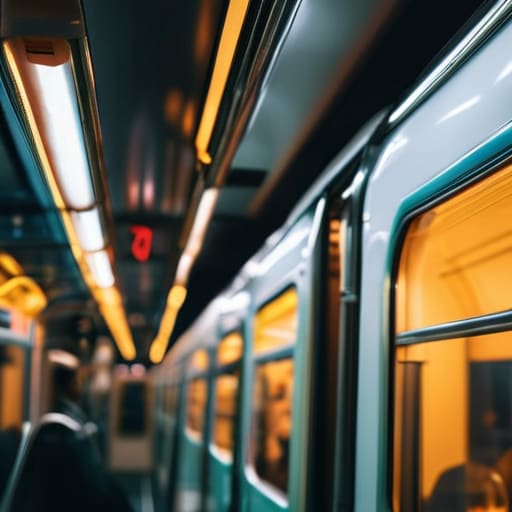
    As I sit in a small cafe near Shinjuku station, watching the steady, rhythmic pulse of commuters, I am reminded that the best way to experience a city is to be unburdened by it. Don’t let the weight of your possessions dictate the boundaries of your exploration. When you travel with intention and a sense of order, you find that the city stops being a labyrinth to be conquered and starts being a living, breathing entity to be understood. Leave the heavy lifting to the professionals, and save your strength for noticing the quiet details—the way the light hits a narrow alleyway or the precise silence of a departing train.

    Frequently Asked Questions

    How do I actually book the oversized luggage seats on the Shinkansen without causing a scene at the station?

    Don’t wait until you’re standing at the ticket machine, staring at a sea of commuters. The trick is to book the “Seat with Oversized Baggage Area” directly through the Smart EX app or at a Midori-no-madoguchi ticket office. When you select your seat, look for that specific designation. It’s a simple logistical step that saves you from the awkwardness of trying to squeeze a large suitcase into a crowded vestibule mid-journey.

    Is it worth the cost to use Takkyubin for a single overnight stay, or should I just stick to lockers?

    If it’s just one night, the math usually favors a coin locker. For a single overnight stay, the cost of Takkyubin—plus the time spent coordinating the drop-off and pick-up—rarely justifies the expense. I’ve found that finding a sturdy, large-sized locker at a major hub is far more efficient. It keeps your belongings immediately accessible and avoids the logistical friction of managing delivery windows when you’re trying to catch a specific train.

    What are the limitations of the coin lockers in smaller, older stations when I'm trying to move between cities?

    In the older, smaller stations, you’ll find that the logistics aren’t always as seamless as they are in Shinjuku or Osaka. These stations often lack the vast arrays of modern, sensor-driven lockers. You might find only a handful of small units, often sized for nothing more than a daypack, leaving no room for a standard suitcase. If you’re planning a transit through these quieter hubs, don’t bank on finding a locker; plan to use a forwarding service instead.