Category: Japan

  • Studying Traditional Architecture in Kyoto

    Studying Traditional Architecture in Kyoto

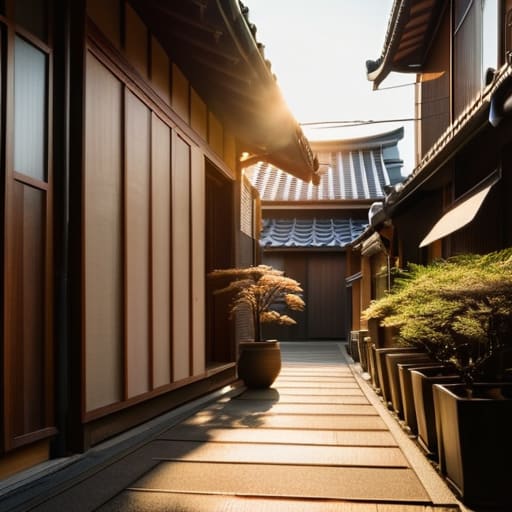
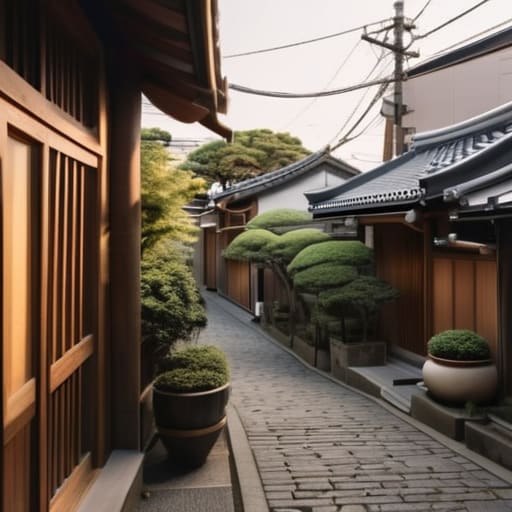
    I was sitting on a low wooden bench in a corner of Gion last Tuesday, the smell of damp cedar and rain-slicked stone heavy in the air, when I realized most people are looking at the wrong things. They flock to the massive, gilded temples, snapping photos of the gold leaf and the crowds, thinking they’ve captured the essence of the city. But to me, the true soul of kyoto traditional architecture isn’t found in the grand spectacles; it’s in the rhythmic geometry of a weathered machiya eaves or the way a sliding shoji screen manages the light of a fading afternoon. It’s in the functional, quiet logic of how these structures have breathed alongside the seasons for centuries.

    I’m not here to sell you a postcard or a list of the most “Instagrammable” shrines. My goal is to strip away the tourist veneer and look at the structural integrity and intentionality behind these ancient designs. I want to show you how to read the bones of the city—the joinery, the spatial flow, and the subtle transitions between shadow and light. We are going to look past the hype to find the quiet, functional beauty that actually defines this place.

    Table of Contents

    Machiya Townhouse Design and the Citys Pulse
    Machiya Townhouse Design and the Citys Pulse.

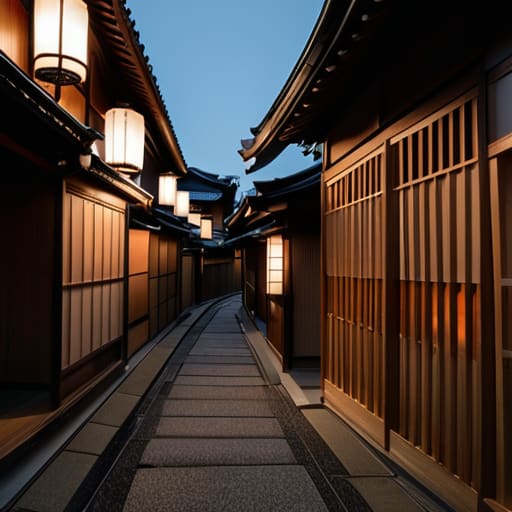
    Walking through the narrow streets of Gion or Shimogyo, you realize that the city isn’t just a collection of buildings; it is a rhythmic arrangement of wood and shadow. The machiya townhouse design serves as the primary heartbeat of this urban rhythm. These long, narrow dwellings were never meant to be grand monuments; they were functional responses to the constraints of a dense, merchant-driven society. I often find myself pausing to sketch how these structures lean into one another, creating a continuous, textured wall that defines the streetscape.

    There is a profound logic to how they breathe. Unlike the sprawling estates of the nobility, these homes utilize japanese wooden structure techniques to manage both space and climate, channeling air through internal courtyards to maintain a steady temperature. It is a masterclass in logistical efficiency. Even the way the dark timber contrasts against the pale plaster of a nearby kura storehouse architecture tells a story of a city built on durability and careful resource management. To understand Kyoto, you must look past the bright storefronts and study the way these wooden bones support the weight of history.

    The Logic of Japanese Wooden Structure Techniques

    The Logic of Japanese Wooden Structure Techniques.

    There is a profound, mathematical elegance to the way these buildings stand. In my years managing global logistics, I learned that any system—no matter how complex—relies on the integrity of its smallest connections. The same is true here. Unlike the rigid, bolted steel of modern skyscrapers, japanese wooden structure techniques rely on a sophisticated system of interlocking joints. These joints, or kigumi, allow the timber to breathe and shift slightly during an earthquake, absorbing kinetic energy rather than fighting it. It is a masterclass in resilience through flexibility.

    When I sit in a quiet courtyard, sketching the joinery in my notebook, I am struck by the absence of nails. Every beam and pillar is held in place by a silent, tension-based logic. This isn’t just about aesthetics; it is a functional response to a humid, seismic environment. You see this same structural honesty reflected in the heavy, protective weight of kura storehouse architecture, where thick plaster walls meet precision-cut wood. To understand these buildings is to understand that strength is not always found in hardness, but in the way individual parts work in concert to maintain a delicate, lasting equilibrium.

    Reading the Grain: Five Ways to Observe Kyoto’s Built Legacy

    • Look for the ‘Koshi’ lattices. Don’t just see them as decorative woodwork; observe how these narrow wooden slats manage the delicate balance between privacy for the inhabitants and the necessary airflow required for a timber-heavy city.
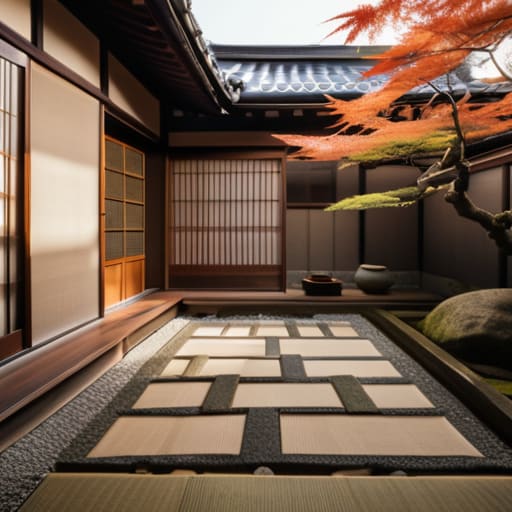
    • Pay attention to the threshold of the ‘Engawa’. This veranda isn’t just a porch; it is a functional buffer zone, a transitional space that mediates the temperature and the light between the controlled interior and the unpredictable elements of the garden.
    • Follow the rooflines. Instead of looking at the buildings as singular units, notice how the heavy, sweeping curves of the ceramic tiles work in concert to shed heavy seasonal rains while creating a rhythmic, visual continuity across the entire district.
    • Seek out the ‘Tsuboniwa’. In the dense urban layout of Kyoto, the true genius lies in the tiny courtyard gardens. These are not mere luxuries; they are the lungs of the townhouse, engineered to pull light and air into the deepest, darkest parts of the structure.
    • Watch the way light hits the weathered timber. The beauty of Kyoto architecture isn’t found in pristine, polished surfaces, but in the patina of aged wood that has survived centuries of humidity and sun—it is a visual record of the city’s endurance.

    The Lessons Left in the Timber

    True architectural beauty in Kyoto isn’t found in grand, isolated monuments, but in the functional rhythm of the Machiya, where design serves the dual purpose of private living and urban integration.

    The longevity of these structures is a testament to a sophisticated, interlocking logic of wood and joinery that respects the material’s natural movement rather than fighting against it.

    To truly understand the city, one must look past the surface aesthetics and appreciate how the spatial organization of these buildings manages the delicate balance between public street life and private sanctuary.

    ## The Silent Geometry of the Past

    “When you look closely at a Kyoto eavesline, you aren’t just seeing wood and joinery; you are seeing a century of calculated decisions made to balance the weight of the rain against the lightness of the breeze.”

    Rurik Salonen

    The Silent Geometry of Kyoto
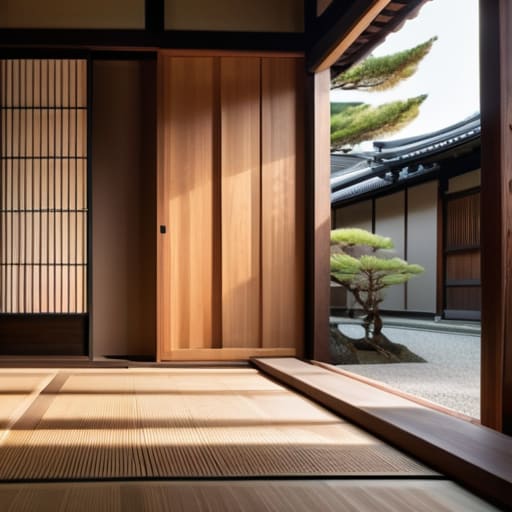
    The Silent Geometry of Kyoto architecture.

    Looking back at the structural logic of these buildings, it becomes clear that Kyoto’s architecture is more than just an aesthetic choice; it is a masterclass in functional endurance. From the way a Machiya manages the flow of light and air through its narrow footprint, to the ingenious joinery that allows a wooden frame to sway with the earth rather than fight it, every element serves a purpose. These structures were never meant to be static monuments. Instead, they represent a sophisticated understanding of how to live in harmony with the seasons and the constraints of a dense urban environment. When you study the way these timber skeletons hold their ground, you see the true blueprint of resilience that has allowed this city to breathe through centuries of change.

    As I sit here in a small corner cafe, sketching the intersection of a tiled roof and a weathered wooden beam, I am reminded that the most profound lessons aren’t found in the grand temples. They are found in the way a simple eaves-line directs the rain or how a sliding screen subtly alters the privacy of a room. To truly see Kyoto, you must learn to look past the surface and appreciate the quiet intelligence of its design. It is a reminder that even in our modern, high-speed world, there is immense value in building things that are meant to last, meant to adapt, and meant to be understood by those willing to slow down and listen.

    Frequently Asked Questions

    How do these historic wooden structures actually hold up against Kyoto's intense humidity and seasonal rains?

    It’s a matter of breathing. These structures aren’t fighting the humidity; they’re designed to live with it. The deep eaves of a Machiya act like a functional umbrella, shedding heavy rains far from the foundation. Meanwhile, the porous nature of the timber and the strategic placement of floor vents allow air to circulate constantly. It is a passive, elegant system of ventilation that prevents rot by ensuring the wood never stays stagnant.

    Beyond the aesthetic, what practical role did the specific layout of these machiya play in the daily logistics of a merchant family?

    The layout was a masterclass in functional zoning. The mise-niwa—that narrow earthen corridor—acted as a logistical artery, allowing goods to flow from the street to the inner storage without disrupting the family’s private quarters. It separated the public commercial space from the domestic life, ensuring that a merchant could manage inventory and customer flow with surgical precision. In a machiya, efficiency isn’t just a preference; it is built into the very floorboards.

    Are there specific neighborhoods where these traditional building techniques are still being actively preserved, or is it mostly limited to museum-like districts?

    It isn’t just a museum act, though parts of Gion certainly feel curated. If you want to see these techniques breathing, head to Nishijin. It’s a weaver’s district where the machiya aren’t just relics; they are functional workspaces. You’ll see the same timber joinery holding up active workshops. It’s less about polished perfection and more about the grit of a living neighborhood that still relies on its historical bones to function.
  • Experiencing the Seasonal Shifts in Japanese Cities

    Experiencing the Seasonal Shifts in Japanese Cities

    I remember standing on a crowded platform at Shinjuku Station last November, watching the light hit the platform just right as the temperature took that sudden, sharp dip. It wasn’t the cherry blossoms or the fiery maples that struck me; it was the way the entire city’s mechanical rhythm seemed to recalibrate. People don’t just change their clothes; they change their gait, their silence, and even the way they navigate the turnstiles. Most guidebooks try to sell you a postcard version of japan seasonal changes, focusing on the grand, expensive spectacles that everyone crowds around with their smartphones. But if you only look for the highlights, you miss the way the city actually breathes.

    I have no interest in selling you a fantasy or a curated list of tourist traps. Instead, I want to show you how to read the logistics of the seasons—from the way the humidity dictates the flow of a Tokyo afternoon to the specific, quiet stillness of a Kyoto winter morning. My goal is to provide you with a grounded, practical framework for understanding these transitions, so you can find the functional beauty in the shifts that most travelers simply walk right past.

    Table of Contents

    Deciphering the Japan Climate by Month

    Deciphering the Japan Climate by Month chart.

    When I look at a calendar, I don’t see mere dates; I see a logistical shift in how the city operates. If you are trying to map out the japan climate by month, forget the generic weather charts. Instead, watch the crowds. From March to May, the sudden influx of travelers chasing the cherry blossoms creates a specific kind of friction in the transit hubs—a frantic, beautiful energy. However, if you prefer a more measured pace, the transition from late October into November offers a clarity that is hard to match. In my experience, the choice between spring vs autumn in japan often comes down to whether you want to witness a rebirth or a graceful, quiet descent.

    The summer months, however, require a different kind of preparation. The humidity in Osaka during July can feel heavy, almost physical, like navigating a supply chain with a broken link. This is also when you must keep a keen eye on the weather reports for typhoon season in japan, as the sudden shifts in wind and rain can reroute even the most disciplined itinerary. It is a period of intensity, but it is also when the local rhythm is most visceral.

    Finding the Best Time to Visit Japan

    Finding the Best Time to Visit Japan

    When people ask me for the best time to visit Japan, they are usually looking for a postcard—cherry blossoms or fiery maples. But if you want to understand the logistical flow of the country, you have to look deeper than the aesthetics. For me, the choice often comes down to a debate of spring vs autumn in Japan. Spring offers that fleeting, ethereal energy, but it is crowded and often unpredictable. Autumn, however, provides a certain structural clarity; the air is steady, the visibility for photography is unmatched, and the transit systems feel slightly more rhythmic as the summer rush subsides.

    You must also account for the variables that don’t make it into the glossy brochures. If you are planning a trip during the late summer, you have to respect the reality of typhoon season in Japan. It isn’t just about the rain; it’s about how the entire archipelago shifts its tempo, moving from the frantic pace of August into a more cautious, indoor-focused existence. I find that the most rewarding trips are those where you plan around these natural cycles, allowing the weather to dictate your itinerary rather than fighting against it.

    The Logistical Realities of Seasonal Shifts

    • Don’t rely on a weather app for the nuance of the day. In the transition from spring to summer, the humidity doesn’t just rise; it settles into the concrete of the city. I’ve learned to pack lightweight, breathable layers that can handle a sudden downpour or a sudden spike in the afternoon heat without making me feel sluggish.
    • Watch the transit flow to gauge the season. When the cherry blossoms peak, the stations around Ueno or Shinjuku become a different kind of beast entirely. If you want to avoid the crush, plan your movements for the early morning or late evening when the crowds are still finding their rhythm.
    • Respect the “Tsuyu” season. The rainy season in June isn’t just a series of showers; it’s a shift in the very atmosphere of the streets. I always keep a sturdy, compact umbrella in my bag—not for the rain itself, but for the way it changes the way people navigate the narrow alleys of Osaka.
    • Timing your meals is part of the seasonal logistics. The Japanese have mastered the art of shun—eating ingredients at their absolute peak. When the seasons shift, the menus in small, local eateries change overnight. Don’t look for the same dish year-round; look for what the season is demanding.
    • Prepare for the temperature swings of the shoulder months. Moving from the crisp air of October into the biting winds of November requires more than just a heavy coat. I find that a well-placed scarf and a reliable pair of walking shoes are the most functional tools for navigating the thermal shifts of a metropolitan autumn.

    The Logistical Reality of the Seasons

    Forget the idealized postcards; understand that seasonal shifts in Japan are best felt through the changing density of the crowds and the subtle adjustments in the rhythm of the city’s transit hubs.

    Plan your itinerary around the climate’s practical impact—the humidity of a Tokyo summer demands a different kind of endurance than the crisp, efficient clarity of a mountain winter.

    The most rewarding moments aren’t found in the peak tourist windows, but in the transitional “shoulder” periods when the weather is steady and the city breathes with a more predictable, quiet grace.

    The Pulse of the Seasons

    You don’t measure the changing seasons in Japan by a calendar or a weather report; you measure them by the way the light hits the platform at Shinjuku Station or the subtle shift in the weight of a commuter’s coat as the humidity finally breaks.

    Rurik Salonen

    The Rhythm of the Return

    The Rhythm of the Return in Japan.

    Ultimately, choosing when to visit Japan isn’t just a matter of checking a weather forecast or avoiding a typhoon season; it is about deciding which version of the country you wish to encounter. Whether you are navigating the humid, electric energy of a Tokyo summer or seeking the stark, organized stillness of a Hokkaido winter, each window of time offers a different logistical and sensory experience. You must weigh the crowds of the cherry blossom peak against the logistical ease of the shoulder seasons. There is no single “correct” month, only the month that aligns with your own pace and what you are willing to endure to see the light hit the temples just right.

    As I sit here in a small cafe near Shinjuku, watching the commuters move with their usual, practiced precision, I am reminded that the seasons are the true architects of this nation. They dictate the flow of people, the availability of the finest seasonal ingredients, and the very color of the streets. Don’t get too caught up in the pursuit of a perfect, postcard-ready moment. Instead, aim to find the quiet, functional beauty that exists in the transition itself. If you learn to read the subtle shifts in the city’s breath, you will find that Japan is never truly the same place twice.

    Frequently Asked Questions

    How do the seasonal shifts actually impact the efficiency and crowd density of the major transit hubs like Shinjuku or Umeda?

    The shift is felt most acutely in the friction of movement. During the cherry blossom rush or the autumn foliage peaks, hubs like Shinjuku become pressurized vessels; the sheer volume of tourists disrupts the usual, rhythmic flow of the commuter pulse. In contrast, the humid summer months see a different kind of strain—not from numbers, but from the sluggishness of people navigating the heat. Efficiency isn’t just about speed; it’s about how the crowd breathes.

    Beyond the obvious cherry blossoms and autumn leaves, are there specific, quieter months where the urban landscape feels most authentic?

    If you want to see the city without the performative rush of the tourist seasons, look toward late February or early June. In February, there is a stark, quiet dignity to the streets; the air is sharp, and the crowds thin out, leaving the transit hubs feeling strangely cavernous and honest. June brings the rainy season, which I find quite beautiful. The pavement turns dark and reflective, and the city seems to settle into a slower, more rhythmic breath.

    How much should I account for the sudden, heavy humidity of the summer months when planning my walking routes through the city?

    You have to plan for the humidity as if it were a physical barrier. In Tokyo, the air between June and August doesn’t just surround you; it weighs on you. I never schedule more than two hours of heavy walking in the midday heat. Instead, I map my routes to hug the underground passages and department store basements. Use the transit hubs as your cooling stations. If you don’t build these “breathing gaps” into your itinerary, the city will exhaust you before you’ve even seen its soul.

  • Managing Luggage While Traveling in Japan

    Managing Luggage While Traveling in Japan

    I remember standing on the platform at Shinjuku Station during rush hour, my knuckles white against the handle of a heavy suitcase, feeling the sheer, suffocating weight of a thousand commuters surging around me. It was a moment of pure logistical failure. Most travel guides will tell you that Japan’s transit is a marvel of efficiency, but they rarely mention how a single oversized bag can turn a seamless journey into a stressful obstacle course of narrow turnstiles and crowded aisles. When it comes to traveling with luggage japan, the difference between a meditative exploration of the city and a frantic struggle for survival often comes down to how you manage your gear before you even step foot on the train.

    I have no interest in giving you a list of shiny tourist traps or overpriced concierge services you don’t actually need. Instead, I want to share the practical, field-tested methods I’ve gathered from years of navigating these dense urban arteries. I will show you how to leverage the existing infrastructure to keep your hands free, so you can focus on the quiet, functional beauty of the streets rather than the burden on your shoulders. This is about moving through the country with intention, not just luggage.

    Table of Contents

    Navigating the Shinkansen Oversized Baggage Policy.

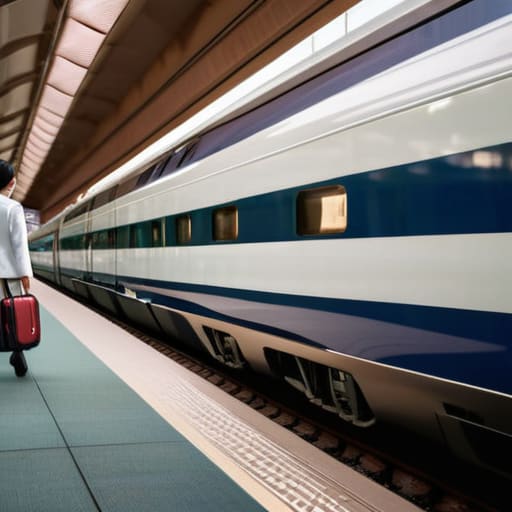
    There is a certain elegance to the Shinkansen—the way the bullet train slices through the landscape with surgical precision. But that precision comes with a set of expectations, particularly regarding your gear. I’ve learned the hard way that the Shinkansen oversized baggage policy isn’t just a suggestion; it’s a logistical framework you must respect to keep the flow of the station seamless. If your suitcase exceeds the combined dimensions of 160 centimeters, you cannot simply tuck it into an overhead rack and hope for the best. You must reserve a specific seat with an oversized baggage area.

    I find that attempting to bypass these Japan railway luggage rules only creates friction for yourself and the commuters around you. If you haven’t booked that specific space, you might find yourself facing a surcharge or, worse, a frantic scramble to find room in a crowded carriage. For those of us who prefer to move through the stations with a sense of lightness, I often suggest looking into luggage forwarding services Japan offers. It is far more rewarding to sit by the window with nothing but a camera bag, watching the mountains blur past, rather than wrestling with a heavy trunk in a narrow aisle.

    Smart Luggage Management Japan Mastering the Transit Flow

    Smart Luggage Management Japan Mastering the Transit Flow

    Efficiency in a city as dense as Tokyo isn’t just about speed; it’s about minimizing friction. When I’m moving between districts, I’ve learned that the greatest obstacle to a seamless journey is often the sheer volume of what we carry. To truly master smart luggage management Japan, you have to stop thinking like a tourist and start thinking like a commuter. This means avoiding the temptation to lug a massive trunk through a crowded Shinjuku station during rush hour. Instead, I rely heavily on luggage forwarding services Japan (known locally as Takkyubin) to move my main bags from one hotel to the next. It is a small price to pay for the freedom to walk through a quiet neighborhood with nothing but a small camera bag.

    If you find yourself stuck with more gear than expected, don’t try to power through the crowds. I often look for large suitcase storage Tokyo offers in the form of highly organized coin lockers or specialized baggage counters near major hubs. These facilities are lifelines; they allow you to shed the weight of your belongings and focus on the rhythm of the streets rather than the strain on your shoulders.

    The Logistics of Lightness: Five Rules for the Efficient Traveler

    • Prioritize the Takkyubin service above all else. There is no sense in wrestling a heavy suitcase through a crowded Shinjuku station when you can have it whisked away from your hotel in Tokyo and waiting for you in an Osaka apartment by tomorrow morning. It is the single most effective way to decouple your mobility from your belongings.
    • Invest in a high-quality, compact carry-on for your daily excursions. I often find that my larger trunk stays tucked away in the hotel corner, while I navigate the narrowest alleys of Yanaka with nothing but a slim bag. The less you carry on your person, the more you actually see.
    • Map your route around elevators, not just stairs. While the Japanese transit system is a marvel of engineering, the sheer volume of commuters can turn a flight of stairs into a bottleneck. Check the station maps in my notebook beforehand to identify the most seamless vertical transitions; it saves both time and physical energy.
    • Use coin lockers strategically, but don’t rely on them as a permanent solution. They are perfect for a few hours of exploring a neighborhood without being tethered to your gear, but they are finite. Always check the size requirements on the machine before you commit, as a large suitcase can be a frustrating mismatch for a standard locker.
    • Pack for the “last mile” of your journey. Whether it is a sudden downpour or a long walk from a suburban station, having a lightweight, packable layer or a sturdy umbrella in your day bag prevents a minor logistical hiccup from derailing your entire afternoon of observation.

    Essential Logistics for a Seamless Journey

    Prioritize the Takkyubin services to move your heavy suitcases between hotels, allowing you to navigate the narrow, winding streets of Kyoto or Osaka with nothing but a camera bag and your notebook.

    Always book your Shinkansen seats with oversized baggage area reservations in advance; in a system built on precision, trying to improvise with large bags is a recipe for unnecessary friction.

    Keep your most essential items—documents, a light jacket, and your transit card—in a small, manageable daypack so you aren’t constantly wrestling with a large suitcase during short transfers or subway hops.

    The Weight of the Journey

    “A suitcase shouldn’t be an anchor that keeps you tethered to the main thoroughfares; if you manage your logistics with intention, your luggage becomes nothing more than a silent companion, allowing you to slip unnoticed into the quiet, narrow alleys where the true pulse of the city resides.”

    Rurik Salonen

    The Art of Moving Lightly

    The Art of Moving Lightly in Japan.

    Ultimately, mastering your luggage in Japan is less about the gear you carry and more about the logistical foresight you apply to your journey. By respecting the Shinkansen’s oversized baggage rules and leaning into the efficiency of Takkyubin services, you remove the friction that often turns a grand adventure into a series of stressful maneuvers. You aren’t just moving suitcases from point A to point B; you are managing your own energy and flow within a complex, high-speed system. When you treat your belongings as part of the transit equation rather than an obstacle, the entire country opens up to you.

    As I sit in a small cafe near Shinjuku station, watching the steady, rhythmic pulse of commuters, I am reminded that the best way to experience a city is to be unburdened by it. Don’t let the weight of your possessions dictate the boundaries of your exploration. When you travel with intention and a sense of order, you find that the city stops being a labyrinth to be conquered and starts being a living, breathing entity to be understood. Leave the heavy lifting to the professionals, and save your strength for noticing the quiet details—the way the light hits a narrow alleyway or the precise silence of a departing train.

    Frequently Asked Questions

    How do I actually book the oversized luggage seats on the Shinkansen without causing a scene at the station?

    Don’t wait until you’re standing at the ticket machine, staring at a sea of commuters. The trick is to book the “Seat with Oversized Baggage Area” directly through the Smart EX app or at a Midori-no-madoguchi ticket office. When you select your seat, look for that specific designation. It’s a simple logistical step that saves you from the awkwardness of trying to squeeze a large suitcase into a crowded vestibule mid-journey.

    Is it worth the cost to use Takkyubin for a single overnight stay, or should I just stick to lockers?

    If it’s just one night, the math usually favors a coin locker. For a single overnight stay, the cost of Takkyubin—plus the time spent coordinating the drop-off and pick-up—rarely justifies the expense. I’ve found that finding a sturdy, large-sized locker at a major hub is far more efficient. It keeps your belongings immediately accessible and avoids the logistical friction of managing delivery windows when you’re trying to catch a specific train.

    What are the limitations of the coin lockers in smaller, older stations when I'm trying to move between cities?

    In the older, smaller stations, you’ll find that the logistics aren’t always as seamless as they are in Shinjuku or Osaka. These stations often lack the vast arrays of modern, sensor-driven lockers. You might find only a handful of small units, often sized for nothing more than a daypack, leaving no room for a standard suitcase. If you’re planning a transit through these quieter hubs, don’t bank on finding a locker; plan to use a forwarding service instead.

  • Observing Urban Design in Osaka

    Observing Urban Design in Osaka

    I was sitting on a weathered wooden bench near the Namba station exit last Tuesday, watching the tide of commuters surge through the turnstiles, when it hit me. Most travel guides treat osaka urban design as if it were merely a collection of bright neon lights and towering skyscrapers meant to dazzle the senses. They push the spectacle, but they completely ignore the connective tissue—the way the narrow, winding streets of the old districts stitch themselves into the modern transit hubs. If you only look at the landmarks, you aren’t actually seeing the city; you’re just looking at its costume.

    I’m not here to give you a curated list of tourist traps or a lecture on architectural theory. Instead, I want to walk you through the city as I see it: through the lens of functional elegance and the quiet logic of its layout. I’ll show you how to read the rhythm of the subway lines and find those hidden, breathing spaces that most people walk right past. This is about understanding how the city actually works, stripped of the hype and focused on the truth in the details.

    Table of Contents

    Transit Oriented Development Osaka the Citys Circulatory System

    Transit Oriented Development Osaka the Citys Circulatory System

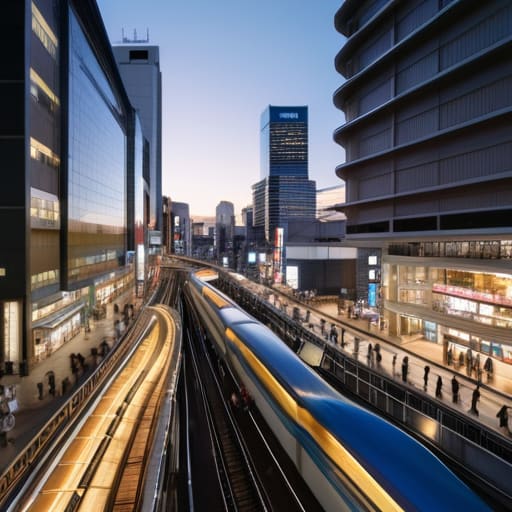
    I spent three decades looking at supply chains as abstract flows of data and cargo, but standing on a platform at Umeda, you realize that a city’s true efficiency is measured in human movement. Osaka doesn’t just have a subway; it has a heartbeat. The city’s approach to transit-oriented development in Osaka is a masterclass in spatial logic. Instead of sprawling outward in a disorganized mess, the density clings to the rail lines, creating these high-functioning hubs where life, commerce, and movement intersect seamlessly. It is a deliberate, rhythmic way of living that minimizes the friction between where you are and where you need to be.

    When I sit in a corner cafe near a major terminal, I don’t just see commuters; I see the mechanical elegance of Japanese metropolitan infrastructure in action. There is a profound sense of order in how the heavy rail connects the dense commercial core to the periphery. It reminds me of a well-oiled machine where every gear, no matter how small, has a specific purpose. This isn’t just about getting from point A to point B; it is about a structural philosophy that treats movement as the lifeblood of the urban organism.

    Tracing the Historical Urban Evolution of Osaka

    Tracing the Historical Urban Evolution of Osaka.

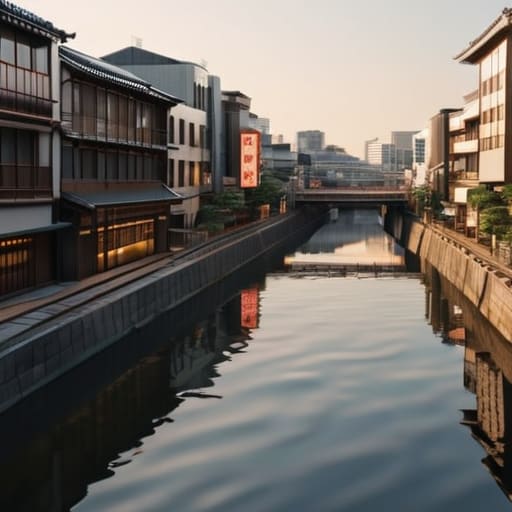
    To understand how the city functions today, I find it necessary to look back at how its bones were first laid. Osaka wasn’t built by accident; it was engineered by the water. For centuries, the city’s identity was tied to its canals, a complex network that allowed goods to flow directly into the heart of the merchant district. This wasn’t just commerce; it was the original blueprint for what we now recognize as Japanese metropolitan infrastructure. When I sit by the old waterworks, I don’t just see stagnant canals; I see the skeletal remains of a logistical masterpiece that prioritized movement and accessibility long before the first subway line was ever conceived.

    As the decades progressed, the city’s focus shifted from these internal arteries toward the horizon. The historical urban evolution of Osaka is marked by a slow, deliberate pivot toward the sea. What began as a series of merchant hubs has transformed into a massive undertaking of land reclamation and industrial expansion. Watching the way the city stretches toward the coast, you realize that Osaka is never truly “finished.” It is a living organism that constantly renegotiates its boundaries, moving from the rigid canal structures of the Edo period toward the expansive, modern ambitions of the coast.

    • Look for the “Micro-Scale” Harmony: Don’t just study the skyscrapers; observe how the massive transit hubs bleed into tiny, two-lane alleys. The real design success in Osaka is how the city manages to maintain human-scale intimacy right next to industrial-scale efficiency.
    • Master the Verticality: In Osaka, urban design isn’t just horizontal; it’s a layered experience. Pay attention to how retail, dining, and transit are stacked vertically. To understand the city, you have to learn to navigate its floors, not just its streets.
    • Follow the Pedestrian Arteries: The most efficient movement isn’t always on the main roads. Seek out the elevated walkways and underground passages. These aren’t just shortcuts; they are the intentional, climate-controlled veins that allow the city to breathe without the friction of surface traffic.
    • Observe the Functional Repurposing: Notice how old industrial footprints are being woven into new residential zones. Osaka doesn’t always tear down to build anew; it adapts. Look for the way old canal remnants or warehouse structures are integrated into modern layouts.
    • Study the Flow of “Ma”: In my notebook, I often sketch the spaces between the buildings. In Osaka, the “empty” space is rarely wasted. Even in high-density areas, there is a calculated rhythm to the setbacks and public alcoves that prevents the urban environment from feeling suffocating.

    The Essence of Osaka's Urban Fabric

    True urban efficiency isn’t found in grand monuments, but in the seamless, rhythmic way the transit network feeds the city’s daily life.

    To understand Osaka, one must look past the neon lights and observe the historical layers where old waterworks and narrow alleys meet modern steel.

    The city’s strength lies in its ability to balance high-density movement with small, functional pockets of quiet that allow the urban spirit to breathe.

    The Geometry of Motion

    “Most people see Osaka as a frantic collision of neon and noise, but if you look closer at the way the rail lines intersect with the narrowest of side streets, you see a masterclass in functional grace; it is a city that doesn’t just host people, it moves them with a quiet, rhythmic precision.”

    Rurik Salonen

    The Geometry of Living

    Osaka's urban design: The Geometry of Living.

    Looking back at the layers we have peeled away, it becomes clear that Osaka’s design is not merely a collection of steel, concrete, and asphalt. It is a living, breathing organism. From the way the transit-oriented developments act as the city’s vital arteries to the historical echoes left by its water-based past, every element serves a purpose. The city manages to balance the sheer, overwhelming scale of a global commercial hub with a structural logic that prioritizes movement and accessibility. It is this marriage of historical evolution and modern logistical efficiency that prevents the urban sprawl from feeling aimless, turning what could be chaos into a highly synchronized dance of human activity.

    As I sit here in a small café near Umeda, sketching the convergence of three different rail lines in my notebook, I am reminded that the true essence of a city is rarely found in its grandest monuments. Instead, it lives in the seamless transition from a crowded station to a hushed, narrow street. To understand Osaka, you must learn to appreciate the functional beauty of its design—the way it facilitates millions of lives without losing its sense of place. Don’t just pass through these streets; observe them. When you stop looking for the spectacle and start looking for the underlying rhythm, you will finally see how a city truly breathes.

    Frequently Asked Questions

    How does the city manage to preserve those narrow, quiet alleyways while simultaneously pushing for such high-density, transit-heavy development?

    It’s a delicate balancing act, really. Osaka operates on a principle of extreme compartmentalization. The city pushes its density vertically and along the transit corridors, concentrating the heavy lifting of commerce and movement into massive, high-efficiency hubs. This allows the “in-between” spaces—those narrow, winding alleys—to remain untouched by the pressure of redevelopment. They exist in the shadows of the skyscrapers, preserved because they serve a different, more human scale of living.

    Beyond the major subway lines, how do the smaller, local bus routes and pedestrian walkways bridge the gap between the massive hubs and the residential neighborhoods?

    The massive hubs are the heart, but the local buses and narrow walkways are the capillaries. While the subways handle the heavy lifting, it’s the local bus routes—often winding through tight, residential corridors—that actually deliver you to your doorstep. I’ve found that the real magic happens when you step off the main artery and onto these pedestrian paths. They bridge the gap, turning a daunting metropolis into a series of manageable, human-scaled neighborhoods.

    In what ways has the shift from an industrial-focused layout to a modern service-oriented city changed the way public spaces are utilized in the downtown core?

    The shift has been profound. Where we once saw heavy-duty loading docks and grit-covered warehouses, we now find pedestrianized plazas and “pocket parks” designed for stillness. The downtown core has transitioned from a place of pure throughput—moving goods from point A to B—to a space for human presence. We’ve traded the roar of industry for the hum of cafes and shared walkways, turning what were once functional transit arteries into social lungs.

  • Finding Nightlife in the Streets of Tokyo

    Finding Nightlife in the Streets of Tokyo

    Most travel blogs will try to sell you on the neon-soaked madness of Roppongi or the overpriced, velvet-rope clubs of Shibuya, promising a “once-in-a-lifetime” sensory overload. But if you’ve ever stood on a crowded platform at Shinjuku Station at midnight, watching the rhythmic, mechanical precision of the last trains depart, you know that Tokyo’s true energy isn’t found in a loud bassline or a tourist trap. A generic tokyo nightlife guide will tell you where to spend the most money, but it rarely tells you where the city actually breathes after the sun goes down.

    I’m not interested in the hype, and neither should you be. In the pages ahead, I’m stripping away the glossy distractions to offer a more functional perspective on how this city unwinds. I will guide you through the dim, lantern-lit izakayas tucked behind freight lines and the quiet, single-seat jazz bars where the only sound is the pour of a whiskey. This isn’t a list of landmarks; it is a logistical map to the city’s soul, designed for those who prefer substance over spectacle.

    Table of Contents

    Navigating the Roar of the Roppongi Nightlife Scene.

    If you want to witness the sheer, unbridled kinetic energy of the city, you head to Roppongi. Unlike the more curated atmosphere of other neighborhoods, the roppongi nightlife scene operates on a different frequency—it is loud, international, and unapologetically dense. As I walked through the district last Tuesday, the sheer logistics of the crowds felt like a massive, moving organism. It is a place where the polished glass of high-end clubs meets the grit of street-level energy, and for many, it represents the quintessential experience when searching for the best districts for nightlife in Tokyo.

    However, a man of my temperament often finds the central roar a bit overwhelming. To find balance, I look for the edges of the district. Just a few blocks away from the main thoroughfares, you can find small, dimly lit spaces that offer a reprieve from the neon. I’ve found that the most rewarding moments come when you slip away from the clubs to find a quiet corner for late night dining Tokyo style. There is a certain dignity in finding a small, tucked-away spot where the clinking of glasses replaces the heavy bass of the streets.

    Finding Quiet Truths in Hidden Cocktail Bars Tokyo

    Finding Quiet Truths in Hidden Cocktail Bars Tokyo

    If Roppongi is the city’s loud, insistent heartbeat, then the small, unmarked doors of Ginza and Shimokitazawa are its steady, rhythmic breath. I’ve always found that the most profound observations aren’t made under strobe lights, but over the condensation on a heavy crystal glass. To find the true hidden cocktail bars Tokyo has to offer, you must learn to ignore the glowing signage and instead look for the narrow staircases tucked between concrete monoliths. These spaces operate on a different clock, one governed by the precise pour of a master bartender rather than the frantic energy of a club.

    Stepping into one of these sanctuaries requires a certain level of unspoken respect. There is a specific rhythm to the room; it is a place for listening as much as drinking. While many travelers focus on a standard Shibuya nightlife guide to find the crowds, I prefer the silence of a six-seat bar where the only sound is the ice cracking in a shaker. Here, the chaos of the metropolis dissolves, replaced by a singular, focused craftsmanship that reveals the city’s most intimate truths.

    The Logistics of the After-Hours: A Few Practical Rules for the Night

    • Respect the last train’s schedule as if it were a hard deadline in a supply chain; once the Yamanote Line stops humming around midnight, your options shift from efficient transit to expensive taxis or the long, contemplative walk back to your hotel.
    • Always carry a small amount of physical yen tucked away in a separate pocket, because while Tokyo is increasingly digital, those dim, tucked-away basement bars often still rely on the tactile reality of cash.
    • Observe the crowd before you commit; a line snaking around a corner in Shinjuku isn’t always a sign of quality—sometimes it’s just a bottleneck—so look for the establishments where the rhythm of the patrons matches the atmosphere you’re seeking.
    • Learn the subtle etiquette of the “Otoshi”—the small appetizer served at the start of a seated bar experience—and understand that it is a standard part of the service, a small tax for the seat and the atmosphere.
    • Use the quiet intervals between the heavy surges of nightlife to notice the city’s mechanics; the way a street sweeper moves through a Shibuya alley at 2:00 AM tells you more about the city’s discipline than any guidebook ever could.

    Lessons from the Tokyo Night

    Don’t mistake volume for vitality; the most profound urban experiences often happen in the low-lit corners far from the neon glare of the major hubs.

    Respect the rhythm of the city by learning the transit schedules, as the final train is the true heartbeat that dictates when a district shifts from chaos to quiet.

    Approach nightlife with a logistical mindset—plan for the transitions between districts, but leave enough room in your itinerary to wander into the unplanned alleys.

    The Rhythm of the Night

    Most people mistake the neon glare of Shinjuku for the city’s soul, but Tokyo’s true character reveals itself only when the crowds thin—in the low hum of a basement jazz bar or the precise, rhythmic click of a heel on a deserted subway platform at midnight.

    Rurik Salonen

    The Final Descent

    Tokyo nightlife during The Final Descent.

    As the last trains begin their rhythmic, nightly exodus toward the suburbs, you realize that Tokyo’s nightlife isn’t a single entity, but a series of distinct, overlapping frequencies. We’ve moved from the high-decibel, high-stakes energy of Roppongi’s international corridors to the hushed, amber-lit intimacy of those tucked-away cocktail dens. Whether you find yourself caught in the neon slipstream of a major district or sitting solo at a wooden counter in a nameless alleyway, you are witnessing the city’s essential duality. Understanding these spaces requires more than just a map; it requires the willingness to transition between the roar of the crowd and the silence of a well-poured drink.

    Ultimately, the most profound way to experience Tokyo after dark is to stop treating the night as a checklist of destinations. Don’t just aim for the most famous club or the most highly-rated lounge; instead, let the city’s complex transit veins guide you toward the unexpected. There is a certain grace in the way the city winds down, a quiet efficiency that reveals itself only when you stop rushing. If you keep your eyes open and your pace steady, you’ll find that the true soul of Tokyo isn’t found in the spectacle, but in the unseen transitions between the light and the shadow.

    Frequently Asked Questions

    How do I navigate the complex last-train schedules to ensure I'm not stranded in a district like Shinjuku after midnight?

    The logistics of a Tokyo night depend entirely on the clock. Once the clock strikes midnight, the city’s arteries begin to constrict. I never rely on memory; I use the Google Maps interface or the Jorudan app to track real-time departures. In Shinjuku, the sheer volume of commuters can mask the urgency. My rule is simple: aim to be at the platform twenty minutes before the final departure. If you miss it, find a way to a 24-hour manga cafe.

    Are there specific etiquette rules I should follow when entering these smaller, more intimate cocktail bars to avoid disrupting the atmosphere?

    In these smaller spaces, volume is your greatest adversary. When you step inside, treat the silence like a fragile piece of glass. Avoid loud greetings; a simple, respectful nod to the bartender is enough. Keep your phone on silent—the glow of a screen can be incredibly intrusive in a dim room. Most importantly, observe the rhythm of the room. If the patrons are deep in quiet conversation, mirror that restraint. Respect the stillness.

    Which neighborhoods offer the best balance between vibrant energy and the ability to find a quiet corner to reflect?

    If you’re looking for that equilibrium, I always find myself gravitating toward Shimokitazawa. It possesses a rhythmic, bohemian energy that avoids the frantic, commercial pulse of Shinjuku. You can spend an hour lost in the narrow, winding streets and vintage shops, yet within a few blocks, you’ll find a small, dimly lit jazz kissa or a quiet corner cafe. It’s a neighborhood that breathes at a human pace, allowing for both connection and contemplation.

  • Exploring the Unique Cafe Culture in Japan

    Exploring the Unique Cafe Culture in Japan

    I was sitting in a cramped, neon-lit shop in Shibuya last Tuesday, watching a group of tourists struggle to navigate a menu of overly complicated, “Instagrammable” matcha lattes that cost more than a decent lunch. It struck me then how much the true essence of japanese cafe culture has been obscured by the pursuit of the aesthetic. People travel halfway across the world to find a moment of peace, only to end up in a loud, overpriced social media backdrop that feels entirely hollow. They are looking for a connection to the city, but they are settling for a carefully curated facade.

    I have no interest in chasing trends or documenting what is merely trendy. Instead, I want to show you how to find the heartbeat of the city through its most functional, quiet spaces. In the following pages, I will guide you away from the hype and toward the authentic kissaten and neighborhood haunts where the coffee is strong and the silence is respected. This isn’t a guide to the most photographed spots; it is a map to the hidden rhythms of urban life, told through the lens of someone who prefers substance over spectacle.

    Table of Contents

    Tracing the Kissaten History and Tradition

    Tracing the Kissaten History and Tradition.

    To understand the modern landscape, one must first look backward at the roots of the kissaten history and tradition. Long before the arrival of sleek, high-speed espresso machines and the frantic energy of third-wave coffee, these establishments served as the quiet sanctuaries of the Showa era. They weren’t designed for the “grab-and-go” efficiency I spent my career optimizing in logistics; rather, they were built for lingering. In these dimly lit spaces, the ritual of brewing became a form of secular meditation, a slow-motion counterweight to Japan’s rapid industrialization.

    You can still see the subtle japanese tea ceremony influence in how a master barista handles a siphon or a pour-over. It is a disciplined, almost rhythmic movement that honors the ingredient. Unlike the loud, themed concept cafes in Tokyo that demand your attention with neon and noise, the traditional kissaten relies on a certain restraint. There is a profound, unspoken respect for the silence between the pours, a way of treating a simple cup of black coffee with the same gravity one might afford a formal ceremony.

    Zen Aesthetic in Coffee Shops and Stillness

    Zen Aesthetic in Coffee Shops and Stillness

    There is a specific kind of silence found in these spaces that feels less like an absence of noise and more like a deliberate presence. It isn’t the sterile, hollow quiet of a modern office, but rather a weighted stillness. You see it in the way a shop might utilize a single, unadorned wooden counter or the way light is permitted to fall across a textured plaster wall. This zen aesthetic in coffee shops isn’t about emptiness for the sake of fashion; it is about creating a vacuum where the frantic pace of the Shinjuku crowds cannot reach you.

    I often find myself sitting for an hour, simply watching the steam rise from a ceramic cup. There is a profound japanese tea ceremony influence woven into the very fabric of these establishments—a respect for the singular moment and the ritual of preparation. Even in the more modern iterations of the city, there is a lingering commitment to intentionality. Whether it is the precise placement of a spoon or the deliberate choice of a low-slung chair, the goal remains the same: to provide a sanctuary where the mind can finally settle.

    • Respect the silence of the space. In a traditional kissaten, the low hum of conversation is part of the atmosphere, not an invitation to be loud. I’ve found that observing the local etiquette—keeping your voice low and your phone muted—is the fastest way to earn the respect of the proprietor and the regulars.
    • Look for the signs of craftsmanship, not just the menu. Don’t just order “coffee.” Look at the pour-over technique, the weight of the ceramic cup, and the way the light hits the steam. If a shop feels like it’s curated rather than manufactured, you’ve found a place worth your time.
    • Embrace the solitary seat. While the West often views cafes as social hubs, many Japanese establishments are designed for the individual. Don’t feel the need to fill an empty chair with a companion; there is a profound, meditative clarity to be found in sitting alone with nothing but a notebook and a single cup.
    • Understand the concept of “single-purpose” excellence. Many of the best spots don’t try to do everything. A shop that only serves coffee and a single type of seasonal cake is often far superior to a multipurpose bistro. Follow the specialists.
    • Time your visits around the city’s rhythm. To truly see how a cafe breathes, visit during the mid-afternoon lull. The morning rush is a logistical necessity, but the quiet hour between 2:00 PM and 4:00 PM is when the soul of the shop actually reveals itself.

    Lessons from the Slow Pour

    Seek out the kissaten not for a caffeine fix, but to witness the deliberate, unhurried choreography of service that defines old-world Japan.

    Understand that the true value of a cafe lies in its ability to act as a structural pause—a necessary buffer between the frantic transit of the street and the stillness of the self.

    Look past the modern aesthetic to find the soul of a neighborhood in its smallest, most functional spaces, where tradition is preserved in the steam of a siphon brewer.

    The Architecture of Stillness

    “A modern cafe is often a place of transit, but the traditional kissaten is a destination of pause; it is where the city’s frantic logistics finally yield to the simple, deliberate ritual of a single pour-over.”

    Rurik Salonen

    The Final Sip

    A peaceful Japanese cafe, The Final Sip.

    To truly understand the Japanese cafe, one must look past the convenience of a quick caffeine fix and appreciate the layers of intention built into every cup. We have traced the lineage from the storied, wood-paneled kissaten that act as anchors of history, to the modern spaces that masterfully apply Zen principles to create pockets of absolute stillness. It is a delicate balance of heritage and design, where the ritual of the pour is just as vital as the bean itself. These spaces are not merely businesses; they are carefully curated sanctuaries designed to facilitate a specific kind of human presence.

    As I sit here, sketching the intersection of a narrow alleyway in Shimokitazawa, I am reminded that the best way to experience a city is to stop fighting its momentum and start observing its pauses. You don’t need a map to find these places; you only need the patience to look for the door that seems slightly out of step with the rushing crowd. Whether it is the scent of dark roast or the rhythmic clink of a ceramic spoon, these moments offer a profound clarity that the neon lights can never provide. Seek out the quiet corners, and you might just find the city’s true heartbeat.

    Frequently Asked Questions

    How do I distinguish between a modern specialty coffee shop and a traditional kissaten when I'm walking through a new neighborhood?

    Look for the sensory cues. A specialty shop usually signals itself with bright light, minimalist wood, and the sharp, acidic aroma of light-roast beans. It feels efficient, almost clinical. A kissaten, however, breathes differently. You’ll see heavy velvet curtains, dim amber lighting, and the scent of dark, oily roasts mingling with old paper. If the music is jazz playing softly from a vintage speaker rather than a curated playlist, you’ve found the tradition.

    Is there a particular etiquette or unspoken code of conduct I should follow to avoid disrupting the stillness of these spaces?

    In these spaces, silence is a shared resource. I’ve learned that the unspoken rule is simple: minimize your footprint. Keep your voice to a low murmur, and if you’re using a phone, keep it on silent. Most importantly, respect the “tempo” of the shop. If a patron is tucked away with a book, they aren’t just drinking coffee; they are occupying a private moment. Observe, stay quiet, and let the stillness remain unbroken.

    Are there specific regions outside of Tokyo or Osaka where the old-school coffee house culture remains more intact?

    If you want to see the old-school culture breathing without the metropolitan rush, head toward Kanazawa. It possesses a certain preserved dignity that Tokyo lacks. The city’s narrow streets house several venerable coffee houses that feel untouched by the frantic pace of modern logistics. Similarly, parts of Kyoto—away from the main temple circuits—offer a slower, more deliberate rhythm. There, the kissaten isn’t just a business; it is a steady, unhurried anchor of the neighborhood.

  • Adopting a Minimalist Lifestyle in Japan

    Adopting a Minimalist Lifestyle in Japan

    I was sitting in a cramped, third-generation tea shop in Yanaka last Tuesday, watching a young man meticulously arrange three ceramic cups on a plain wooden table. It struck me how much the modern internet has distorted the concept of a minimalist lifestyle japan; people treat it like a high-end aesthetic, a collection of expensive white furniture and empty, sterile rooms that look good on a screen but feel utterly lifeless. They mistake emptiness for minimalism, when true simplicity isn’t about what you throw away, but about the intentionality of what you choose to keep.

    I’m not here to sell you on a curated lifestyle of beige linen and overpriced Zen decor. Instead, I want to pull back the curtain on how this philosophy actually functions within the high-density, high-speed reality of Japanese urban living. I will share what I’ve observed through my lens—and my notebook—about how to find functional beauty in small spaces and how to navigate the chaos of a metropolis without letting the clutter of the world seep into your mind. This is about practicality, not just aesthetics.

    Table of Contents

    Tracing the Ma Concept in Minimalism

    Tracing the Ma Concept in Minimalism.

    To understand the true essence of Japanese minimalism, one must look past the mere absence of objects and look toward the space between them. This is the ma concept in minimalism—the intentional use of void. During my years in logistics, I learned that a warehouse choked with excess is useless; it is the empty lanes that allow for flow and efficiency. In a Tokyo apartment, this principle transforms a cramped room into a sanctuary. It isn’t just about the furniture you own, but the breathable distance you maintain between the items that remain.

    When I sit in a small tea house in Yanaka, I see how this concept dictates the layout. It isn’t a lack of design, but a precise calibration of presence. This is where the wabi-sabi aesthetic principles intersect with daily life, teaching us to find beauty in the imperfect and the unadorned. By embracing the void, you aren’t just clearing a shelf; you are creating a stage for the light to move and for the mind to settle. It is the difference between a room that feels empty and a room that feels purposeful.

    Finding Stillness Through Danshari Decluttering Method

    Finding Stillness Through Danshari Decluttering Method

    I remember sitting in a cramped, third-floor apartment in Setagaya, watching the afternoon light shift across a single, empty wooden stool. In my old life, managing global logistics, “excess” was a failure of efficiency. Here, I realized that excess is a failure of the spirit. This is where the danshari decluttering method moves beyond mere tidying; it is a psychological shedding. It isn’t just about throwing things away to save space, but about the intentional refusal to be anchored by the unnecessary.

    When you apply this philosophy to living with less in Tokyo, the physical transformation of a room is secondary to the mental clarity it provides. In these high-density urban corridors, space is the ultimate luxury. By embracing the principles of refusal and separation, you stop treating your possessions as trophies and start seeing them as tools. You begin to curate your environment with the same precision I once used to optimize a shipping route, ensuring that every object present serves a distinct, meaningful purpose.

    The Logistics of Less: Practical Habits for a Leaner Life

    • Respect the footprint of your belongings. In a Tokyo apartment, every square centimeter is a precious resource; I’ve learned that if an object doesn’t serve a clear, functional purpose or offer a profound sense of calm, it is simply occupying space that should belong to your own breathing room.
    • Adopt the rhythm of the seasonal shift. Minimalism in Japan isn’t a static state, but a rotation; try organizing your life around the changing seasons, bringing out only what is necessary for the current climate, which prevents the heavy, stagnant accumulation of “just in case” items.
    • Invest in quality over volume. My years in logistics taught me that the cheapest route often leads to the most waste; instead of buying five mediocre tools or garments, find one well-crafted piece that is designed to endure, much like the timeless architecture of a quiet neighborhood shrine.
    • Curate your sensory environment. Minimalism extends beyond what you own to what you consume; practice being selective with the noise, the light, and the information you let into your personal space, ensuring your home remains a sanctuary rather than a cluttered terminal of distractions.
    • Embrace the beauty of the empty vessel. Don’t feel the need to fill every corner of a room or every gap in your schedule; leaving intentional “white space” in your physical environment and your daily transit allows for the unexpected moments of clarity that make city living meaningful.

    The Logistical Essence of Japanese Minimalism

    Minimalism in Japan is less about the absence of things and more about the intentionality of space; it is the functional application of ‘Ma’ that allows a room—and a mind—to breathe.

    True decluttering through ‘Danshari’ is not a mere cleaning chore, but a disciplined psychological shift that prioritizes long-term mental clarity over the temporary impulse of consumption.

    To find the heart of this lifestyle, one must look past the aesthetic trends and observe the quiet, efficient systems in daily life, from the way a small apartment is organized to the seamless flow of a morning commute.

    ## The Logistics of Less

    “I’ve spent my life calculating the efficiency of moving goods across oceans, but in Japan, I’ve learned that true efficiency isn’t about how much you can move—it’s about how little you actually need to carry to feel whole.”

    Rurik Salonen

    The Quiet Architecture of a Life Well-Lived

    The Quiet Architecture of a Life Well-Lived.

    Reflecting on these principles, it becomes clear that Japanese minimalism is far more than a mere aesthetic choice or a way to tidy a living room. It is a structural approach to existence. By understanding the concept of Ma—the intentional space between things—and applying the disciplined layers of Danshari, we move beyond simple decluttering. We begin to see that by removing the excess, we aren’t just creating empty space; we are creating room for the essential. Whether it is the way a single piece of pottery sits on a wooden shelf or the way a transit station manages the flow of thousands of souls without a hint of chaos, the lesson remains the same: purpose is found in what remains when the noise is stripped away.

    As I sit here in a small cafe near Umeda, watching the rain blur the edges of the city, I am reminded that finding this rhythm requires patience. You cannot force a sense of calm any more than you can force a film exposure to be perfect. It is a process of constant, gentle recalibration. I encourage you not to view minimalism as a destination or a rigid set of rules to follow, but rather as a lens through which you view your own world. Seek out those quiet, functional beauties in your own daily transit. When you stop chasing the clutter of the “more,” you might finally find the clarity of the “enough.”

    Frequently Asked Questions

    How does the intense spatial constraint of a Tokyo apartment actually dictate the way people choose their belongings?

    In Tokyo, space isn’t just a luxury; it’s a hard boundary. When you’re living in a footprint no larger than a shipping container, every object must justify its existence. You don’t buy things for how they look on a shelf; you buy them for their utility and their ability to fold, stack, or vanish. It forces a brutal, necessary honesty upon your possessions. If it doesn’t serve a dual purpose, it’s simply dead weight.

    Is the pursuit of minimalism in Japan a spiritual practice for most, or is it simply a practical response to high urban density?

    It is rarely one or the other; in Japan, the practical and the spiritual are often two sides of the same coin. Living in a high-density metropolis like Tokyo necessitates a certain spatial discipline—you simply cannot thrive amidst excess when every square meter is precious. However, this necessity has birthed a profound philosophy. What began as a logistical requirement for urban survival has evolved into a way of finding mental clarity amidst the city’s relentless friction.

    Beyond the home, how does the concept of minimalism manifest in the way Japanese transit and public spaces are designed?

    It’s not just about the interiors of homes; you see it in the very bones of the city. Look at a Tokyo station platform. There is a deliberate, almost surgical precision to the way lines are painted and how people queue. It isn’t just efficiency; it’s the removal of visual noise to facilitate movement. Even the signage is stripped of excess, ensuring that in a sea of millions, the path remains intuitive and calm.

  • Discovering City Secrets Through Walking Tours

    Discovering City Secrets Through Walking Tours

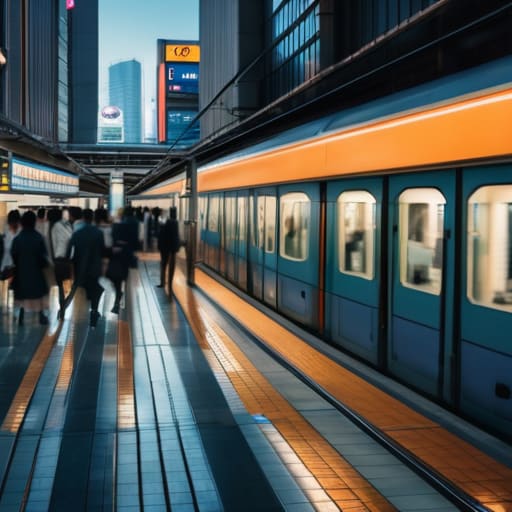
    I was sitting on a wooden bench near Shinjuku Station last Tuesday, watching a group of tourists shuffle aimlessly through a sea of commuters, clutching glossy brochures like life rafts. They were looking for the “authentic Japan” promised by every shiny advertisement, yet they were completely blind to the rhythmic precision of the crowd or the quiet tea shop tucked behind the vending machines. Most commercial japan walking tours are designed to feed you a sanitized, high-speed version of history that feels more like a theme park than a living city. They prioritize the monumental over the meaningful, leaving you with a collection of photos but very little actual understanding of how the streets beneath your feet actually function.
    I have no interest in selling you a scripted performance. Instead, I want to show you how to navigate the urban labyrinth with purpose. In the following pages, I’ll share my personal observations on how to structure your own explorations, focusing on the logistical flow and the hidden, quiet corners that most guides simply overlook. This isn’t about checking boxes; it is about learning to read the city’s pulse through its transit lines and its narrowest alleys.

    Table of Contents

    Finding the Pulse Through the Best Walking Routes in Tokyo

    Finding the Pulse Through the Best Walking Routes in Tokyo.

    To truly understand Tokyo, you have to abandon the idea of the city as a single entity and start seeing it as a collection of interconnected cells. When I look for the best walking routes in Tokyo, I don’t look for the brightest lights; I look for the transition points where the roar of the Yamanote Line fades into the hum of a residential side street. A perfect morning might begin in the Yanaka district, where the scale of the buildings remains human and the pace of life feels tethered to something much older than the skyscrapers of Shinjuku.

    If you are planning a more structured journey, I often suggest a walking tour itinerary Japan that prioritizes the rhythm of the neighborhoods over the density of the crowds. For instance, moving from the refined, quiet lanes of Daikanyama toward the more utilitarian, industrial edges of Meguro allows you to witness how the city’s logistics and lifestyle intertwine. It is in these stretches—between the polished storefronts and the narrow, functional alleys—that you find the true, unvarnished pulse of the metropolis.

    Exploring Japanese Neighborhoods on Foot to Find Hidden Breathings

    Exploring Japanese Neighborhoods on Foot to Find Hidden Breathings

    To truly understand a city, you have to step away from the main thoroughfares where the tourists congregate. I’ve found that exploring Japanese neighborhoods on foot is the only way to witness the subtle shifts in rhythm that define urban life. In places like Yanaka or Shimokitazawa, the frantic energy of the metropolis dissolves into something much more manageable. Here, the scent of incense from a small neighborhood shrine mingles with the aroma of a local coffee shop, creating a sensory map that no guidebook can accurately replicate.

    While many travelers opt for structured walking tours for solo travelers Japan to ensure they don’t miss the “important” sights, I prefer to let my feet dictate the pace. There is a profound, quiet dignity in the way a narrow residential street in Setagaya functions—the precise way a shopkeeper sweeps their doorstep or the silent efficiency of a local bus stop. These are the small, functional details that reveal how a community actually sustains itself. When you stop rushing toward a destination, you finally start to see how the city breathes.

    Logistical Essentials for the Observant Walker

    • Prioritize the transit-to-foot ratio. Don’t try to walk across Shinjuku; use the subway to get to the correct district first, then let your feet do the work within a three-kilometer radius. It preserves your energy for the details that actually matter.
    • Invest in a physical map or a dedicated offline navigation tool. Relying solely on a live GPS can make you a passive passenger in your own journey; looking at a map forces you to understand the spatial logic and the way neighborhoods connect.
    • Pack for the rhythm of the city, not just the weather. A lightweight, waterproof layer and broken-in walking shoes are non-negotiable. If your feet are protesting, you’ll stop looking at the architecture and start looking at your feet.
    • Carry a small, dedicated notebook. There is a specific kind of clarity that comes from sketching a junction or jotting down the name of a quiet alleyway that a digital photo simply cannot capture. It forces a slower, more intentional pace.
    • Learn the “exit strategy” for major stations. In cities like Tokyo or Osaka, the exit you choose dictates the entire character of your walk. Spend five minutes at the station concourse observing the flow of people before you commit to a direction.

    The Logistics of a Meaningful Journey

    Prioritize the rhythm of the transit lines over the checklist of monuments; the most authentic insights into a city’s character are often found in the quiet intervals between major stations.

    Embrace the slow pace of walking to observe the functional details—the narrow alleys, the local shopfronts, and the subtle shifts in neighborhood energy—that a tour bus will always bypass.

    Use your own observations to map the city’s breath, looking past the neon distractions to find the steady, quiet beauty in the way a community actually operates day-to-day.

    The Logic of the Labyrinth

    A walking tour shouldn’t be a checklist of shrines and souvenirs; it should be a study of movement. When you step off the main thoroughfare and let the transit lines guide you into the quiet capillaries of a neighborhood, that is when you stop seeing Japan as a postcard and start seeing it as a living, breathing organism.

    Rurik Salonen

    The Rhythms of the Road

    Exploring The Rhythms of the Road.

    As we have seen, the true essence of Japan is rarely found in the shadow of a skyscraper or the middle of a tourist thoroughfare. Whether you are navigating the complex, rhythmic interchanges of Tokyo’s subway system or wandering through the quiet, residential arteries of an Osaka neighborhood, the goal remains the same: to observe. By prioritizing walking tours that emphasize local transit and backstreet navigation over the standard monument checklists, you gain a perspective that most travelers miss. We have explored how the movement of people and the layout of the streets tell a story far more compelling than any guidebook can capture. It is in these deliberate, slow-paced explorations that the logistical soul of the country truly reveals itself.

    My advice to you as you prepare your own itinerary is simple: leave room for the unplanned. Put down the digital map occasionally, open your notebook, and allow yourself to get slightly lost in the quiet, functional beauty of a side street. A city is not a museum to be viewed from behind glass; it is a living, breathing organism that requires your patience to understand. Don’t just visit Japan—learn to breathe with it. When you stop rushing toward the next landmark, you finally give the city the chance to speak to you.

    Frequently Asked Questions

    How much walking should I realistically prepare for if I want to see more than just the main tourist hubs?

    If you intend to move beyond the neon-lit corridors of Shinjuku or Shibuya, prepare to clock between fifteen and twenty kilometers a day. I’ve found that the real character of Tokyo or Osaka reveals itself only after you’ve left the main stations and begun navigating the labyrinthine side streets. It is demanding on the feet, certainly, but that physical exertion is the price of admission for seeing how a city truly breathes.

    Are there specific transit passes that make navigating between these different walking routes more efficient?

    In my years of managing logistics, I’ve learned that the right tool simplifies the chaos. For these routes, don’t bother with complex paper tickets. Get an IC card—Suica or Pasmo. They are seamless, tap-and-go essentials that work on almost every line. If you plan on heavy movement between Tokyo and Osaka, look into the JR Pass, but for local, rhythmic exploration, a simple, loaded IC card is the most elegant solution.
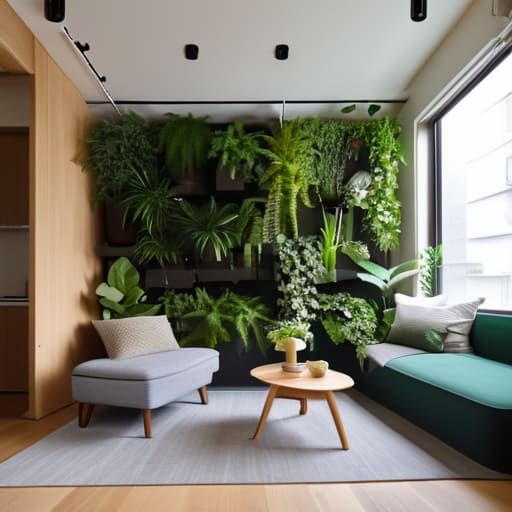
    Is it better to join a guided tour for historical context, or should I rely on my own observations and a good map?

    It depends on what you’re looking to extract from the city. If you want the dates, names, and political shifts that shaped a district, a guide is an efficient tool. But if you want to feel the city’s rhythm, I prefer my own pace. A map and a quiet afternoon allow you to notice the way a street narrows or how a station’s flow dictates the neighborhood’s energy. Use guides for facts; use yourself for the truth.

  • Guide to Living in a Tokyo Apartment

    Guide to Living in a Tokyo Apartment

    I remember sitting on a milk crate in a cramped, sixth-floor studio in Setagaya, the late afternoon sun hitting the dust motes dancing above my single, narrow desk. Through the thin walls, I could hear the muffled, rhythmic percussion of a neighbor’s sliding door and the distant, metallic sigh of the Odakyu line. Most travel guides will sell you a glossy fantasy of high-rise luxury and neon-soaked convenience, but they completely ignore the sensory reality of true Tokyo apartment living. They don’t tell you about the specific geometry of living in a space designed for efficiency rather than expansion, or the way you learn to navigate the delicate social contract of shared walls and narrow hallways.

    I’m not here to show you curated real estate brochures or list the most expensive zip codes. Instead, I want to offer a logistical breakdown of what it actually means to inhabit this city. We are going to look past the marketing fluff to understand the mechanics of space, the nuances of neighborhood transit, and how to find a functional sanctuary amidst the urban rush. This is about finding your own quiet corner in the machine.

    Table of Contents

    Navigating Tokyo Real Estate Trends From the Station Edge

    I have always found that if you want to understand the shifting tides of a city, you don’t look at the skyscrapers; you look at the commuters pouring out of the ticket gates. In my years of logistics, I learned that movement dictates value. Currently, Tokyo real estate trends are being dictated by the friction between convenience and cost. As the central hubs become increasingly congested, there is a palpable migration toward the periphery—not out of necessity alone, but as a calculated move toward breathing room.

    The data tells one story, but the streets tell another. I see more people opting for the efficiency of a 1K layout in neighborhoods that were once considered “too far” for the salaryman. There is a growing sophistication in how people handle these constraints. It isn’t just about surviving in a small box; it is a masterclass in minimalist interior design Japan has perfected. You see it in the way a single, well-placed shelf or a piece of compact furniture for studio flats can transform a cramped room into a functional sanctuary. People aren’t just renting space anymore; they are curating it.

    The Quiet Geometry of Living in a 1k Apartment

    The Quiet Geometry of Living in a 1k Apartment

    There is a specific, almost mathematical precision required when you are living in a 1K apartment. In my years of logistics, I learned that efficiency isn’t just about speed; it’s about the intelligent use of every cubic centimeter. When your entire world is contained within ten to fifteen square meters, you quickly realize that minimalist interior design Japan isn’t just an aesthetic choice—it is a survival strategy. Every object must earn its place on your floor.

    I find myself sketching the layout of these units in my notebook, marveling at how a single room can function as a kitchen, bedroom, and office simultaneously. It requires a disciplined approach to small space organization tips, such as utilizing verticality or choosing multifunctional pieces. You don’t just inhabit these rooms; you curate them. There is a profound, quiet satisfaction in finding the perfect balance where nothing feels cluttered, yet nothing feels empty. It is a lesson in intentionality that most people, rushing toward the next big monument, completely overlook.

    Practical Realities: Five Observations from the Ground

    • Prioritize the walk, not just the station. A five-minute walk from a major hub is a luxury, but pay attention to the route. I’ve learned that a steep incline or a poorly lit stretch of road between the station and your front door can turn a daily commute into a chore you’ll eventually resent.
    • Master the art of vertical storage. In a 1K, floor space is your most precious commodity. Don’t just look at the square footage; look at the walls. If there isn’t room for shelving that reaches toward the ceiling, you’ll find yourself living in a landscape of clutter rather than a curated sanctuary.
    • Learn to read the soundscape before signing a lease. A neighborhood can look serene on a Saturday afternoon, but the logistics of urban life change at night. Visit the street at 11:00 PM. You need to know if that “quiet corner” is actually adjacent to a late-night izakaya or a ventilation shaft for a nearby commercial kitchen.
    • Respect the shared boundaries of “Mansion” living. In Tokyo, you aren’t just renting a box; you are entering a delicate ecosystem of neighbors. Check the thickness of the walls and the placement of the utility meters. A well-managed building is defined by how effectively it manages the invisible lines between private and communal space.
    • Factor in the “Hidden” logistics of moving. The rent is only one part of the equation. Between the key money, the agency fees, and the mandatory fire insurance, the upfront cost of entry is a significant logistical hurdle. Budget for the friction of the transition, not just the monthly cost of the space.

    The Logistics of Living: Three Lessons from the Ground Up

    Proximity to the station is a trade-off, not just a convenience; you aren’t just paying for shorter walks, you are paying for the specific acoustic landscape and the pulse of the neighborhood that comes with it.

    Space in a 1K apartment is a puzzle of efficiency, where the quality of your life depends entirely on how well you respect the boundaries of your few square meters.

    To find the right home, look past the shiny brochures and observe the flow of the streets at dusk; a neighborhood’s true character is revealed in how its residents move between the transit hubs and their front doors.

    The Architecture of Intimacy

    “In a city of fourteen million, a Tokyo apartment isn’t just a square footage calculation; it is a carefully curated sanctuary where the boundary between the frantic pulse of the street and the stillness of one’s own thoughts is measured in mere centimeters of drywall.”

    Rurik Salonen

    Finding Your Own Center

    Finding Your Own Center in city living.

    Choosing a home in this sprawling megalopolis is rarely about finding the most square footage; it is an exercise in understanding the delicate balance between accessibility and solitude. We have looked at how the proximity to a transit hub dictates the pulse of your daily life, and how the compact, efficient geometry of a 1K unit requires a certain disciplined intentionality. Whether you are navigating the shifting tides of real estate trends or learning to find comfort within a few dozen square meters, remember that your apartment is more than just a logistical base of operations. It is the anchor point from which you experience the rest of the city.

    In the end, a Tokyo residence is less about the walls themselves and more about the rhythm they allow you to cultivate. You might find that the most profound sense of home comes not from a sprawling view, but from the way the morning light hits your desk or the predictable, comforting hum of the city settling into its evening groove. Don’t rush the process of settling in. Allow yourself the time to observe the patterns, to learn the local convenience store’s schedule, and to find that small, quiet corner where the chaos of the metropolis finally fades into the background.

    Frequently Asked Questions

    How much does the proximity to a major transit hub actually impact the daily noise levels and sense of privacy in a residential building?

    It’s a trade-off between convenience and a certain kind of stillness. If you’re within a five-minute walk of a major hub like Shinjuku or Shibuya, you aren’t just buying proximity; you’re buying a constant, low-frequency vibration. Even with double-paned glass, the city’s pulse leaks in. You gain time, but you lose that absolute privacy of silence. I’ve found that retreating just two or three stations further out offers a much more profound sense of seclusion.

    When evaluating a small-scale apartment, what are the subtle logistical cues that indicate whether a building is well-maintained or simply masking its age?

    Don’t let a fresh coat of paint deceive you; look at the joints. Check the seals around the windows and the caulking in the bathroom. If they are cracked or discolored, the building is struggling with moisture. Then, listen. A well-maintained building has a predictable, quiet mechanical hum. If you hear erratic clanging from the pipes or the elevator struggles with a rhythmic shudder, the internal logistics are failing, regardless of how clean the lobby looks.

    Is it truly possible to find a sense of stillness in a neighborhood that sits right on the edge of a high-traffic commercial district?

    It is, though it requires a certain discipline of observation. I’ve found that stillness isn’t the absence of noise, but the presence of a predictable rhythm. You might live mere steps from a neon-lit thoroughfare, yet find absolute silence behind a heavy, soundproofed door or down a narrow residential alleyway that the crowds simply overlook. It’s about finding those pockets where the city’s frantic pulse slows into a steady, manageable hum.

  • Practicing Urban Gardening in Japanese Apartments

    Practicing Urban Gardening in Japanese Apartments

    I was sitting on a cramped balcony in Setagaya last Tuesday, watching a neighbor meticulously prune a single, defiant bonsai-style tomato plant, when it hit me. Most people approach the idea of urban gardening japan as if they need a sprawling estate or a high-tech hydroponic laboratory to find success. They get lost in the marketing of expensive, oversized kits that have no business being in a Tokyo micro-apartment. They think they need to transform their entire living space, but that’s just noise. The real magic isn’t in the scale; it’s in the way a few well-placed ceramic pots can soften the harsh, industrial edges of a concrete skyline.

    I’m not here to sell you on some lifestyle fantasy or a list of overpriced gardening gadgets. My goal is to show you how to navigate the logistical reality of growing things in a landscape defined by limited square footage and rigid social etiquette. I’ll share what I’ve learned from observing the quiet, functional ways locals reclaim their small spaces. We’re going to focus on the practicalities—the soil, the light, and the subtle rhythms of the seasons—so you can find your own piece of quiet amidst the metropolitan rush.

    Table of Contents

    Growing Vegetables in Tokyo Apartments Life in Small Spaces

    Growing Vegetables in Tokyo Apartments Life in Small Spaces

    Living in a Tokyo apartment often feels like a lesson in extreme spatial efficiency. When you are working with a mere two square meters of concrete on a high-rise balcony, the old-school methods of sprawling garden beds simply won’t work. I’ve found that success here depends entirely on your ability to think vertically. Utilizing vertical gardening for small apartments isn’t just a clever trick; it is a necessity for anyone serious about harvesting more than a single sprig of shiso. I often see residents using tiered wooden shelving or hanging felt pockets to maximize every inch of sunlight that manages to filter between the skyscrapers.

    The logistics of it are quite precise. You cannot simply throw soil into a pot and hope for the best; the weight limits and drainage requirements in these buildings are strict. I’ve learned that investing in a few pieces of compact gardening tools Japan—specifically lightweight, ergonomic shears and long-necked watering cans—makes the process much more manageable. It is a quiet, disciplined ritual. There is something deeply grounding about tending to a tray of microgreens while the Yamanote Line hums in the distance, a small, private victory over the urban sprawl.

    Vertical Gardening for Small Apartments Reclaiming the Concrete

    Vertical Gardening for Small Apartments Reclaiming the Concrete

    When square footage becomes a luxury, you have to stop thinking in terms of floor space and start thinking in terms of volume. In my years managing logistics, I learned that efficiency is often about maximizing the vertical axis, and the same logic applies to a cramped Shibuya flat. I’ve noticed a growing trend of residents utilizing modular shelving and hanging felt pockets to turn a blank wall into a living tapestry. This approach to vertical gardening for small apartments isn’t just about aesthetics; it’s a calculated way to reclaim a sense of nature without tripping over your coffee table.

    The trick lies in the selection of your hardware and your flora. You won’t find much room for heavy ceramic pots here; instead, I recommend looking for compact gardening tools Japan has to offer—lightweight, stackable, and designed for precision. I often see locals pairing these systems with hardy japanese indoor plant varieties like shiso or even small varieties of ivy that thrive in the filtered light of a high-rise. It is a delicate, engineered balance, but when a single vine begins to curl around a metal rail, the concrete feels a little less cold.

    The Logistics of Micro-Greenery: Five Essentials for the Urban Plot

    • Respect the light cycles of the concrete canyon. In a city like Tokyo, your balcony isn’t just a porch; it’s a light-starved corridor. Before you buy a single seed, spend a week observing how the shadows of neighboring high-rises move across your space. You need to know exactly how many hours of actual sun you have, or you’ll find yourself fighting a losing battle against leggy, weak stems.
    • Master the art of the drainage ritual. When you’re gardening in a small apartment, water management is a matter of respect for your neighbors below. I’ve seen too many beautiful setups end in a mess of runoff through a balcony floor. Invest in high-quality, shallow saucers and perhaps a small, silent pump system if you’re working with vertical tiers.
    • Prioritize high-yield, low-footprint cultivars. If you only have a square meter of soil, don’t waste it on something sprawling and inefficient. Look for Japanese varieties specifically bred for container life—think compact shiso, dwarf tomatoes, or micro-greens. It’s about maximizing the caloric or sensory output per square inch of available space.
    • Embrace the seasonal rhythm of the Japanese calendar. The urban heat island effect can make a Tokyo summer feel more intense than the countryside, while the wind tunnels between buildings can chill a balcony in winter. Don’t fight the seasons; adapt your planting schedule to the specific micro-climate of your apartment’s elevation.
    • Curate your tools for minimal clutter. In a small living space, a shed is a luxury you don’t have. Keep a single, well-maintained kit: a sharp pair of micro-snips, a small hand trowel, and a precision watering can. There is a quiet dignity in having exactly what you need, and nothing more.

    The Lessons from the Concrete

    Success in a Japanese apartment isn’t about the size of your balcony, but the precision of your planning; treat your limited square footage like a high-efficiency logistics hub.

    Look upward rather than outward; verticality is the only way to bypass the spatial constraints of metropolitan living without sacrificing your greenery.

    Observe the micro-climates created by your building’s architecture, as the shadows of a neighboring skyscraper or the wind tunnel of a narrow alleyway will dictate what can actually survive.

    The Quiet Logic of a Balcony Garden

    “There is a profound, silent efficiency in watching a single tomato vine claim its territory on a cramped balcony; it is a small, deliberate rebellion against the overwhelming geometry of the city.”

    Rurik Salonen

    The Quiet Growth of the City

    The quiet growth of the city gardens.

    As I sit here in a small cafe in Shimokitazawa, sketching the way the light hits the nearby ivy, I am reminded that urban gardening in Japan is not about scale; it is about intentionality. We have explored how even the most cramped Tokyo apartment can become a productive ecosystem through clever vegetable cultivation and the strategic use of vertical space. Whether you are utilizing a single windowsill for shiso leaves or engineering a complex hydroponic system to reclaim a concrete balcony, you are participating in a larger, silent movement. It is a way of reclaiming the rhythm of the seasons from the relentless, mechanical pulse of the metropolis.

    Ultimately, these small patches of green do more than just provide a harvest; they offer a necessary friction against the speed of modern life. When you press your hands into the soil of a planter box suspended high above a subway line, you are finding a way to breathe alongside the city rather than just moving through it. Do not wait for a backyard that may never come. Start where you are, in the cracks and the corners, and watch how a little bit of life can transform a concrete box into a home.

    Frequently Asked Questions

    How do you manage the noise and vibration of the subway lines when trying to cultivate delicate plants on a balcony?

    It’s a common concern when you’re living mere meters from the Yamanote line. The rhythmic shudder of a passing train can unsettle a shallow pot. I’ve found that heavy, terracotta planters act as a natural dampener, absorbing much of that micro-vibration. For more delicate herbs, I suggest placing them on a thick rubber mat or a wooden riser. It creates a buffer, much like the shock absorbers on a freight truck, keeping the soil steady.

    Where can I find high-quality, specialized soil and seeds in a neighborhood that is mostly concrete and convenience stores?

    When you’re surrounded by nothing but Lawson and asphalt, you have to look for the outliers. Don’t bother with the convenience stores; their gardening stock is superficial. Instead, seek out the small, family-run home centers tucked into the side streets, or better yet, the specialized nurseries near the larger train hubs. If you find a shop that smells of damp earth rather than ozone, you’ve found your place. That’s where the real quality hides.

    How much sunlight can a typical Tokyo apartment actually provide, and how do you compensate for the shadow of the neighboring skyscrapers?

    It is the eternal struggle of the Tokyo gardener. Most apartments are caught in a permanent twilight, shadowed by the very skyscrapers that define the skyline. You might only get two or three hours of direct light, often concentrated in a narrow window. I’ve learned to compensate by leaning into the shade; think ferns, mosses, or even certain leafy greens. If you’re chasing sun-lovers, a small, high-output LED grow light becomes your most essential piece of logistics.