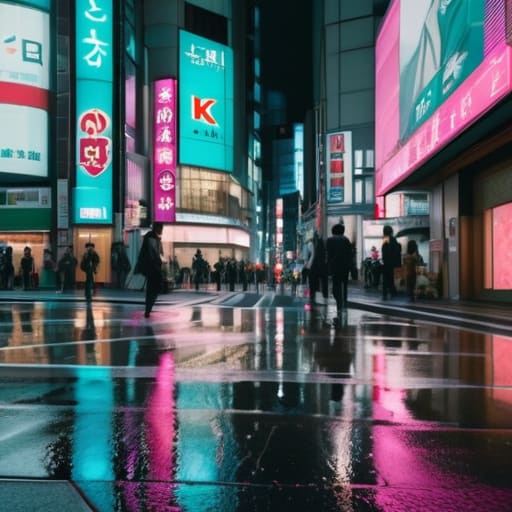
I was standing on a platform at Shinjuku Station last Tuesday, watching a sea of commuters move with a precision that would make a logistics manager weep, when I realized how much we get wrong about japan urban photography. Most people arrive here with a checklist of neon-soaked landmarks, convinced that the “soul” of the city is found in the blinding glare of a Shibuya crossing. They chase the saturation, looking for a cinematic spectacle that often feels more like a postcard than a reality. But if you only aim for the bright lights, you’re missing the actual heartbeat of the metropolis—the way the light hits a rusted handrail in a quiet station or the stillness of a narrow alleyway just after a rainstorm.
I’m not here to sell you on expensive lenses or the latest digital gimmicks. My goal is to share what I’ve learned from years of walking these streets with nothing but a film camera and a notebook. I want to show you how to look past the tourist traps to find the functional beauty in the chaos. We are going to focus on the rhythm of the transit systems and the quiet, shadowed corners where the real story of Japan lives.
Table of Contents
Finding Stillness in Tokyo Street Photography Locations
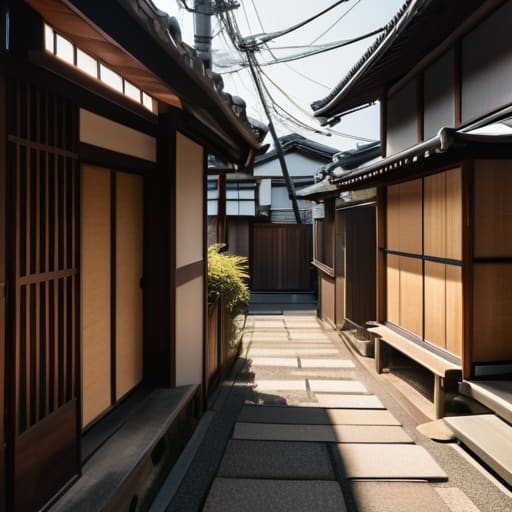
I’ve often found that the most profound images aren’t captured in the frantic scramble of a major intersection, but in the moments where the city seems to catch its breath. While many travelers rush toward the neon chaos of the scramble, I prefer to seek out the pockets of silence that define the true character of the metropolis. In the narrow residential lanes of Yanaka or the shadowed corridors of old Shitamachi, the Japanese urban architecture photography takes on a different weight. Here, the textures of weathered wood and the precise geometry of utility poles offer a stillness that the high-rise districts simply cannot provide.
When the sun dips below the skyline, the challenge shifts from finding space to managing light. I tend to avoid the predictable glare of the main thoroughfares, opting instead for the dim, amber-hued alleys of Golden Gai or the quiet underpasses of Yurakucho. This is where my focus shifts toward low light street photography gear and the patience required to wait for a single subject to break the gloom. There is a specific, quiet dignity in capturing a lone salaryman or a closed storefront under a flickering streetlamp; it is in these small, unscripted intervals that the city reveals its most honest face.
Capturing the Cyberpunk Aesthetic Japan Offers at Dusk
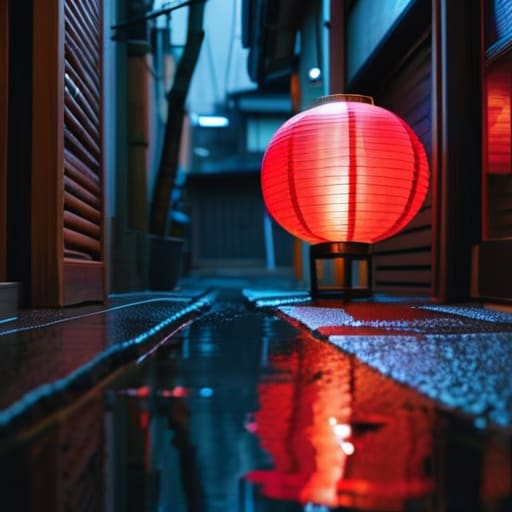
When the sun dips below the skyline, the city undergoes a structural transformation. The functional efficiency I spent my career admiring shifts into something more surreal. To capture the true cyberpunk aesthetic Japan offers, one must look past the primary neon signs and focus on how light bleeds into the damp pavement of narrow side streets. I often find that the most compelling shots aren’t found in the broad vistas, but in the way a single red lantern reflects off a puddle in a Shinjuku backalley, cutting through the heavy, blue-toned shadows of twilight.
For those attempting to document this transition, I recommend experimenting with long exposure cityscape techniques to soften the frantic movement of the crowds. While many flock to the main thoroughfares for quick snapshots, I prefer to find a steady vantage point overlooking a pedestrian bridge. This allows the light trails of the transit lines to weave through the heavy geometry of Japanese urban architecture photography, turning the city’s logistical skeleton into a glowing, interconnected web. It is in this intersection of light and steel that the city truly feels alive.
The Logistics of the Lens: Five Practical Disciplines
- Respect the silence of the transit system. When I’m shooting in a station, I keep my gear close and my movements quiet. There is a delicate social contract in Japanese public spaces; the moment you become a disruption to the flow of commuters, you lose the very authenticity you were trying to capture.
- Lean into the grain of the twilight. Rather than chasing the cleanest, sharpest digital sensor performance, I often look for the grit. The way light bleeds from a vending machine into a damp alleyway is much more evocative when you allow for a bit of textural imperfection.
- Study the maps before you pick up the camera. My habit of sketching subway layouts isn’t just a quirk; it’s a way to anticipate where light will hit a platform or where a crowd will bottleneck. A well-planned route saves your feet and ensures you aren’t just wandering aimlessly.
- Watch the shadows, not just the subjects. In a city as dense as Tokyo, the architecture creates incredible geometric patterns of light and dark. I find that waiting for a shadow to bisect a street corner often yields a more compelling composition than any bright neon sign ever could.
- Carry only the essentials. I’ve learned through years of logistics that excess weight is the enemy of observation. A single prime lens and a sturdy, unobtrusive camera allow you to blend into the urban fabric, making you a witness rather than a tourist.
Lessons from the Lens and the Rail
Stop chasing the landmarks; the true character of a Japanese city is revealed in the transitional spaces—the subway platforms, the narrow pedestrian corridors, and the way light hits a quiet vending machine corner at dusk.
Respect the rhythm of the environment by observing the flow of commuters and the silence of the side streets before you even lift your camera; a good photograph requires an understanding of the city’s logistical pulse.
Embrace the imperfections of the urban landscape, from the weathered textures of an old alleyway to the stark, functional geometry of a transit hub, as these details provide the authentic soul that polished tourist spots lack.
The Lens and the Logistics of Light
To photograph a Japanese city is not to capture its scale, but to document its precision—to find that singular, fleeting moment where the mechanical efficiency of a train station meets the soft, human stillness of a shadowed doorway.
Rurik Salonen
The Final Frame
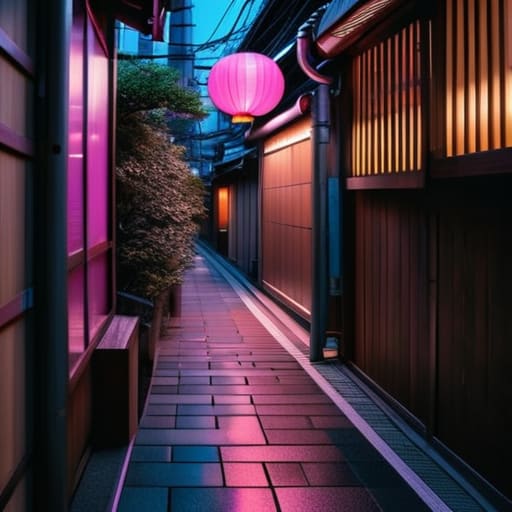
As I sit in a small cafe near Shinjuku Station, flipping through my latest rolls of film, I am reminded that urban photography in Japan is a study of contrasts. We have explored the way the neon-soaked dusk can mimic a digital future, yet we must never lose sight of the quiet, shadowed corners that provide the necessary counterweight to that sensory overload. Whether you are chasing the high-energy aesthetic of a cyberpunk cityscape or seeking the meditative stillness of a side street in Yanaka, the goal remains the same: to document the tension between the machine and the human spirit. It is about recognizing that the logistical precision of the transit systems and the organic chaos of the alleyways are two sides of the same coin.
If there is one thing my years in logistics taught me, it is that the most important details are often found in the transitions—the spaces between where we are and where we are going. Do not rush your walk through these cities. Put down the digital distractions, pick up your camera, and allow yourself to simply observe the rhythm of the street. You will find that the most profound images aren’t the ones that scream for attention, but the ones that whisper the truth of the city to those patient enough to listen.
Frequently Asked Questions
What kind of film stocks or camera settings do you recommend for capturing the low-light atmosphere of Tokyo's narrow alleys without losing the grain?
For these narrow, shadowed corridors, I lean heavily on Kodak Portra 800. It handles the artificial tungsten glow of those tiny izakayas with a warmth that digital sensors often flatten. If you’re shooting color, don’t fight the grain—embrace it; it adds a necessary texture to the grit. I typically keep my aperture wide, around f/2.8, to pull light from the darkness while maintaining a slight, moody softness in the background.
Are there specific etiquette or social norms I should be aware of when photographing commuters or people in more intimate urban spaces?
In my years navigating corporate corridors, I learned that respect is the most vital currency. In Japan, privacy is paramount. Avoid long lenses that feel intrusive; they strip away the dignity of the subject. If you find yourself capturing a commuter, keep your distance and stay unobtrusive. If someone notices you, a small, polite nod goes a long way. In those quiet, intimate alleys, remember: you are a guest in their lived reality.
How do you manage the logistical challenge of carrying heavy analog gear while navigating the crowded subway systems and long walks through the city?
It’s a constant negotiation between weight and utility. I’ve learned that overpacking is a logistical failure. I stick to a single, well-worn leather messenger bag—nothing with too many compartments to fumble through in a crowd. I prioritize my most reliable prime lens and a sturdy roll of film, leaving the heavy zooms at the hotel. On long days, I rely on the rhythm of the subway to rest my shoulders, treating every transit leg as a necessary pause.
