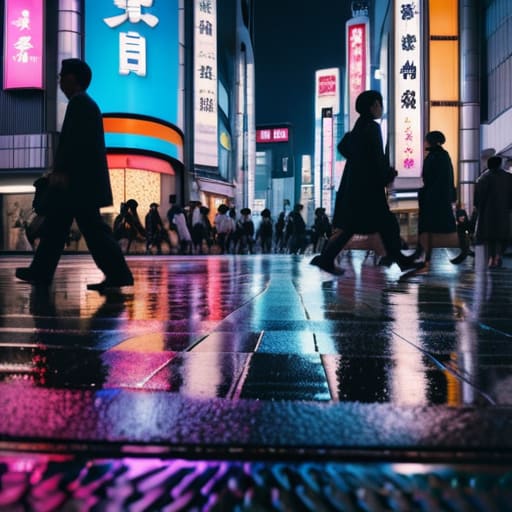
Most people approach a Tokyo travel guide looking for a checklist of neon-lit distractions, convinced that the city’s essence is found in the bright lights of Shibuya or the crowded shrines of Asakusa. They treat the metropolis like a series of monuments to be conquered, rather than a living, breathing organism. I’ve spent my life managing complex logistics, and if there is one thing I know, it is that the true mechanics of a system are never found in its flashy storefronts, but in the quiet, functional veins that keep it moving.
I am not here to sell you on the tourist traps or the overpriced, Instagram-ready photo ops. Instead, I want to offer you a different kind of map—one built on observation and efficiency. My goal is to guide you through the rhythmic pulse of the transit lines and the hidden, silent corners where the city actually reveals its character. This isn’t a guide for the hurried; it is a blueprint for anyone who wants to truly understand how Tokyo breathes.
Table of Contents
- Tracing the Arteries Essential Tokyo Transportation Tips
- Timing the Breath the Best Time to Visit Tokyo
- The Logistics of Presence: Five Ways to Navigate the City Without Losing Your Way
- The Logistics of Observation: Three Essentials for Your Journey
- The Logistics of Belonging
- The Final Connection
- Frequently Asked Questions
Tracing the Arteries Essential Tokyo Transportation Tips
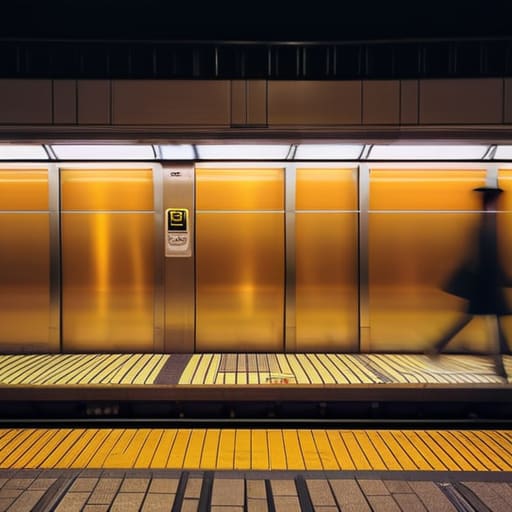
To understand Tokyo, you must first understand its circulatory system. Most people approach the subway as a hurdle to be cleared, but I see it as the city’s most honest expression of order. If you are building a tokyo itinerary for beginners, my first piece of advice is to secure a Suica or Pasmo card immediately. There is a certain friction in life when you are fumbling with individual tickets at a kiosk; a contactless card allows you to move with the same fluidity as the commuters themselves.
Don’t be intimidated by the sheer density of the maps. While the Yamanote Line is your reliable loop, the true character of the city reveals itself in the smaller, private lines that weave through the residential pockets. I often find that the most efficient way to navigate is to observe the floor markings and the directional flow of the crowds. For those seeking tokyo transportation tips that save both time and sanity, I suggest downloading a reliable transit app, but keep your eyes up. The signage is impeccable, and watching the rhythmic dance of the station transfers will teach you more about the city’s pulse than any guidebook ever could.
Timing the Breath the Best Time to Visit Tokyo
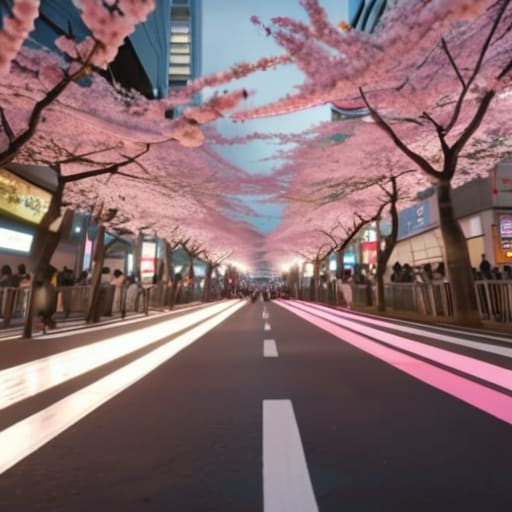
In my years managing logistics, I learned that timing is everything; a system is only as efficient as its capacity to handle the load. The same applies to Tokyo. If you are looking for the best time to visit Tokyo, you must decide whether you want to witness the city in its most vibrant, seasonal bloom or in its most disciplined, quiet state. Spring brings the cherry blossoms, certainly, but it also brings a crushing density of people that can make even the most seasoned traveler feel like a cog in an overtaxed machine.
For those of us who prefer to observe the city’s mechanics without the interference of massive crowds, I find the late autumn months to be unparalleled. There is a certain structural clarity to the air in November; the humidity drops, the light becomes sharper for photography, and the city seems to settle into a more predictable rhythm. If you are planning a tokyo itinerary for beginners, aim for these shoulder seasons. You will find that the transit systems are more breathable, and the small, quiet corners I tend to frequent remain far more accessible when the seasonal rush subsides.
The Logistics of Presence: Five Ways to Navigate the City Without Losing Your Way
- Prioritize the Suica or Pasmo card over single-ticket purchases. In my years of logistics, I learned that friction is the enemy of efficiency; having a pre-loaded IC card allows you to move through gates with a rhythmic fluidity that single tickets simply disrupt.
- Learn to read the “flow” of the escalators. It is more than just etiquette; it is a silent social contract. Observe where the locals stand and where they walk. Respecting these unspoken patterns is the quickest way to feel like a participant rather than an intruder.
- Don’t fear the dead ends in residential alleys. Some of my best shots with my Leica have come from the narrow passages between larger buildings, where the city’s scale shifts from overwhelming to intimate. The real character of Tokyo lives in these interstitial spaces.
- Use Google Maps for the route, but keep your eyes on the station signage. Digital tools are excellent for the “what” and “where,” but the physical signage—the color-coded lines and the tactile way the stations are organized—is how you actually learn the city’s anatomy.
- Pack for the transition, not just the destination. Tokyo is a city of micro-climates and sudden shifts in pace. A lightweight, waterproof layer and a sturdy pair of walking shoes are non-negotiable; you cannot observe the details of a city if you are preoccupied with your own discomfort.
The Logistics of Observation: Three Essentials for Your Journey
Prioritize the transit network over the tourist map; mastering the train lines is the only way to move through the city with purpose rather than panic.
Seek out the “in-between” moments, such as the quiet side streets of Yanaka or the early morning stillness of a temple, to find the city’s true character.
Match your itinerary to the city’s seasonal rhythm, understanding that the atmosphere of Tokyo shifts fundamentally with the light and the temperature.
The Logistics of Belonging
“A guidebook can tell you where the shrines are, but it won’t tell you how to sit still in a Ginza tea house or how to read the silent language of a Yamanote Line commuter; true travel isn’t about the destination, it’s about learning the rhythm of the city’s movement.”
Rurik Salonen
The Final Connection
Navigating a city as dense and complex as Tokyo requires more than just a map; it requires a willingness to adapt to its unique cadence. We have discussed the necessity of mastering the transit arteries that keep this metropolis moving and the importance of timing your arrival to avoid the overwhelming friction of peak seasons. Whether you are deciphering the intricate dance of the Yamanote Line or selecting the perfect window of weather for a walk through Ueno, remember that logistical preparation is the foundation of true freedom. By handling the mechanics of your travel with intention, you clear the mental space needed to actually see the city, rather than just surviving it.
In the end, I hope you find that Tokyo is not merely a collection of destinations, but a series of interconnected moments. Do not feel pressured to see every shrine or neon-lit corner on your list. Instead, I urge you to embrace the unplanned detour—the quiet alleyway that smells of roasted tea or the sudden, rhythmic stillness of a residential street at dusk. A city’s true character is rarely found in its grandest monuments, but in the small, functional details that most travelers overlook. Let the city reveal itself to you, one station and one quiet corner at a time.
Frequently Asked Questions
How do I navigate the complexity of the different private rail lines versus the JR lines without getting lost in the transfer loops?
The trick isn’t memorizing every line, but understanding the hierarchy. Think of the JR lines as the heavy freight arteries—broad, reliable, and connecting the major hubs. The private lines, like Odakyu or Keio, are more like specialized local couriers; they often offer more direct access to specific residential pockets or suburbs. Don’t fight the transfers. Instead, use your IC card as your compass and look for the color-coded signage; it’s the most efficient way to navigate the logic of the machine.
Are there specific neighborhoods that offer a more manageable pace for someone who prefers quiet corners over the neon-lit crowds?
If you find the neon glare of Shibuya overwhelming, I suggest turning your compass toward Yanaka or Kagurazaka. Yanaka still retains a certain “shitamachi” soul—low-rise buildings, narrow alleys, and a pace that feels human rather than mechanical. Kagurazaka, with its winding cobblestone paths, offers a sophisticated quietude. These aren’t just places to visit; they are pockets where the city’s frantic breathing slows down, allowing you to actually observe it.
Is it practical to rely solely on digital navigation, or is there a way to better understand the city's layout through its physical transit maps?
Digital maps are efficient, certainly, but they are a shallow way to see. Relying solely on a screen keeps your eyes down, disconnected from the city’s actual geometry. I prefer the station wall maps—those sprawling, colorful webs of interconnected lines. Studying them helps you grasp the hierarchy of the lines and the logic of the hubs. If you understand the physical map, you understand the city’s skeleton. Don’t just follow a blue dot; learn the grid.
