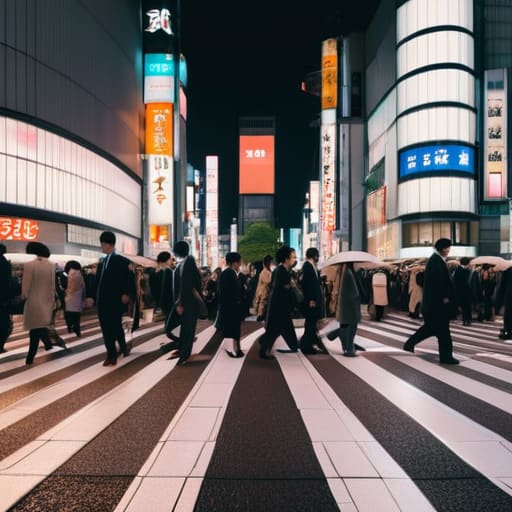
I was sitting in Shinjuku Station last Tuesday, watching the tide of commuters flow through the gates with a precision that would make any logistics manager weep with joy. There is a specific, heavy silence that settles over a packed Yamanote line car—a collective, unspoken agreement to occupy as little psychic space as possible. Most guidebooks will try to sell you a complicated list of do’s and don’ts, treating japanese urban etiquette like some impenetrable ritual you need a manual to survive. But they miss the point entirely. It isn’t about following a rigid set of rules; it is about recognizing the flow and finding your place within the city’s breathing rhythm.
I’m not here to give you a lecture on formal politeness or the nuances of bowing depth. Instead, I want to share what I’ve learned from years of observing these streets from the periphery, from the back of subway cars to the quietest side alleys of Osaka. I will provide you with a grounded, practical framework for navigating these spaces without feeling like an intruder. My goal is to help you move through Japan with the same quiet confidence as the locals, understanding the subtle cues that turn a chaotic metropolis into a perfectly synchronized machine.
Table of Contents
Etiquette on Japanese Trains Respecting the Shared Silence
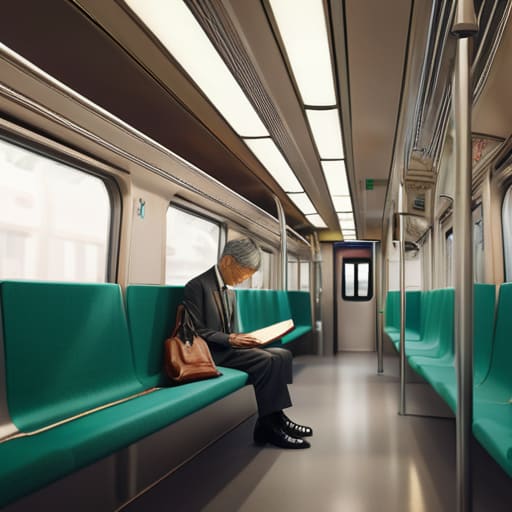
I’ve spent a fair amount of time sitting on the Yamanote line, watching the commuters drift in and out like clockwork. In my old life, logistics was about moving goods efficiently; here, it’s about moving people with a certain graceful restraint. When you step onto a carriage in Shinjuku, the first thing you notice isn’t the noise, but the absence of it. There is a profound sense of respectful behavior in Tokyo that manifests as a collective commitment to silence. It isn’t just about being quiet; it is about minimizing your physical and auditory footprint so as not to encroach on the personal space of the stranger sitting inches away from you.
Maintaining this equilibrium requires a keen awareness of the unspoken rules of Japanese cities. You’ll see it in the way people switch their phones to “manner mode” or the deliberate way they step back to let others exit before boarding. This isn’t mere politeness; it is a practical application of japanese social harmony concepts, where the individual’s needs are constantly weighed against the comfort of the group. To master etiquette on Japanese trains, one must learn to exist within the crowd without actually disturbing it.
Avoiding Public Disturbance in Japan the Art of Being Unseen
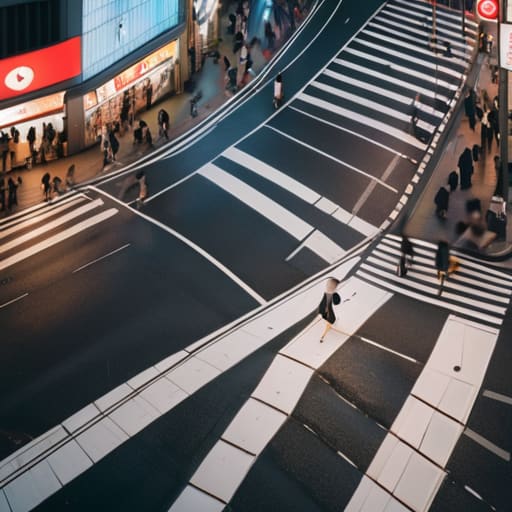
Once you step off the platform and into the street, the rules don’t disappear; they simply shift from silence to a subtle, choreographed dance of spatial awareness. In a city as dense as Tokyo, the goal isn’t to stand out, but to move with a certain fluidity that acknowledges others. I’ve spent many afternoons watching the crowds at Shibuya Crossing, and it strikes me how much effort goes into avoiding public disturbance in Japan. It isn’t about being rigid; it is about the grace of not being an obstacle. Whether you are navigating a narrow alleyway in Osaka or a crowded department store, there is a constant, subconscious negotiation of space.
This concept is deeply rooted in the broader japanese social harmony concepts—the idea that the collective well-being outweighs individual impulse. You see it in the way people tuck their shopping bags close to their sides or how a conversation is lowered to a near-whisper when passing a residential entrance. It is a quiet commitment to maintaining the equilibrium of the environment. To the untrained eye, it looks like mere politeness, but to me, it is the essential lubricant that allows a massive, high-velocity metropolis to function without grinding to a halt.
The Unspoken Geometry of Public Space
- Mind the threshold. When entering a shop or a small cafe, there is often a subtle line—sometimes physical, sometimes just felt—between the street and the sanctuary. Step inside with intention, keep your voice low, and allow the transition from the chaotic sidewalk to the quiet interior to happen naturally.
- Master the art of the queue. Whether you are waiting for a bus in Shinjuku or a bowl of ramen in Osaka, the line is sacred. It is a logistical masterpiece of order. Never cut, never hover impatiently; find your spot, stand straight, and trust that the system will move with its own quiet efficiency.
- Respect the spatial footprint. In crowded corridors or narrow alleys, your personal space is a shared responsibility. Keep your bag tucked close to your body and avoid wide, sweeping gestures. In a dense metropolis, being mindful of the physical space you occupy is the highest form of courtesy.
- Observe the rhythm of the trash. Japan has a peculiar relationship with waste; you will find remarkably few public bins, yet the streets remain spotless. Carry your small refuse with you until you return to your accommodation or find a bin near a convenience store. It is a small way of maintaining the city’s visual integrity.
- The etiquette of the meal. When dining in small, local eateries, remember that the space is often tight and the atmosphere intimate. Avoid long, loud phone calls at the table. Instead, focus on the meal and the immediate surroundings, honoring the craft of the cook and the quiet dignity of the other patrons.
The Quiet Essentials of Urban Harmony
Observe the unspoken boundaries of shared space; whether on a crowded Yamanote line or a narrow sidewalk, true respect lies in minimizing your physical and auditory footprint.
Master the art of situational awareness; a city breathes through its rhythms, and your role is to move with the flow rather than against it.
Prioritize the collective experience over individual convenience; in Japan, the most seamless way to navigate is to ensure your presence never becomes a disruption to the person standing next to you.
The Unseen Contract
In a city of millions, true politeness isn’t found in grand gestures, but in the deliberate, quiet effort to occupy as little space as possible—both physically and audibly—so that the collective rhythm remains undisturbed.
Rurik Salonen
The Unspoken Contract
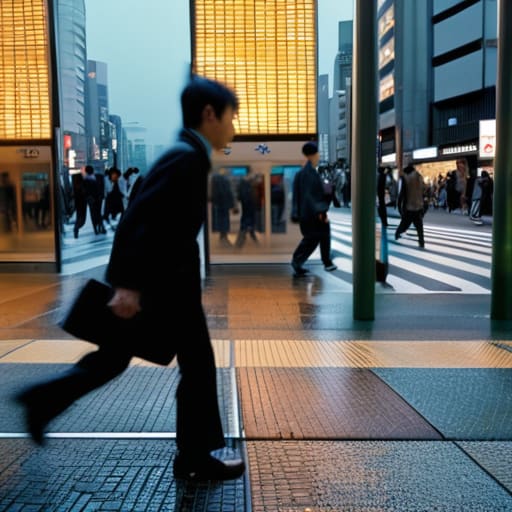
Ultimately, navigating the streets of Tokyo or Osaka isn’t about memorizing a rigid list of prohibitions; it is about recognizing the delicate balance of a high-density society. We have discussed the necessity of maintaining silence on the transit lines, the importance of managing one’s physical footprint in crowded spaces, and the subtle art of minimizing noise to ensure that the urban machinery continues to run without friction. When you master these small gestures—lowering your voice, tucking in your elbows, and respecting the flow of the crowd—you transition from being a mere observer to becoming a seamless part of the city’s movement. It is a matter of logistical empathy, ensuring that your presence does not disrupt the equilibrium of those around you.
As I sit in a small coffee shop overlooking a busy intersection, watching the commuters move with practiced precision, I am reminded that these rules are not meant to restrict us, but to liberate the collective experience. By practicing this quiet discipline, we allow the city to breathe, creating space for the small, beautiful moments that define a journey. Don’t view these social codes as obstacles to your exploration; instead, see them as the key to unlocking a deeper intimacy with the place. When you learn to move with the rhythm rather than against it, you stop being a tourist and start truly understanding how a city lives.
Frequently Asked Questions
How do I handle the etiquette of eating or drinking while walking through crowded districts like Shinjuku or Osaka?
In districts like Shinjuku, the flow of people is a delicate mechanism. To walk while eating is to disrupt that rhythm, often spilling or obstructing the path. My rule of thumb is simple: find a seat or stand near a vending machine or a small corner shop. If you must grab something quick, treat the storefront as your temporary station. It’s more respectful to the crowd—and your meal—to pause rather than drift through the current.
What are the unspoken rules regarding phone usage and personal space in small, local izakayas or neighborhood eateries?
In a cramped izakaya, your phone should remain a ghost. Pulling it out mid-meal breaks the fragile intimacy of the space. If you must take a call, step into the street; inside, the air is for conversation, not digital noise. As for personal space, it’s a matter of geometry. Don’t sprawl. Keep your elbows tucked and your belongings tight to your stool. Respect the squeeze, and the locals will welcome you.
Is there a specific way to navigate the flow of pedestrian traffic in major hubs like Shibuya Crossing without causing friction?
When you step into the surge at Shibuya, don’t try to fight the current; you’ll only exhaust yourself. Think of it like a fluid dynamics problem. Find the natural rhythm of the crowd and move with it, rather than against it. Keep your eyes slightly ahead to anticipate the shifts in momentum, and if you need to pause, step to the periphery immediately. In that chaos, the goal isn’t to lead, but to flow.
