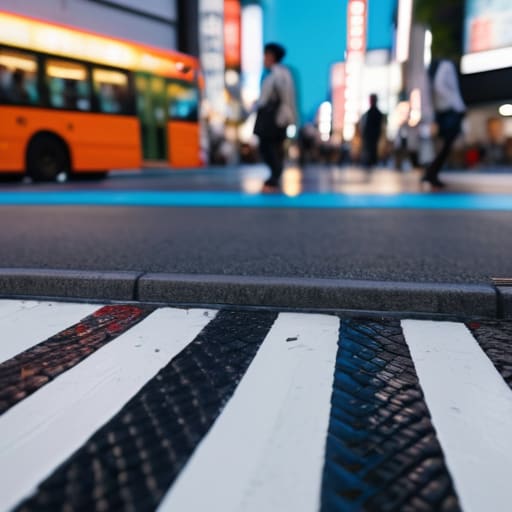
I was standing on a street corner in Shinjuku last Tuesday, watching a sea of commuters surge toward the station, when it hit me how much the travel brochures get wrong. They’ll tell you that japan pedestrian safety is a given, a passive byproduct of a polite culture, as if it’s some magical, untouchable aura. But after thirty years in logistics, I know better; safety isn’t a feeling, it’s a system of moving parts. It’s not just about the lack of cars or the bright crossing signals; it’s about the unspoken, highly efficient choreography of thousands of people navigating narrow alleys and massive intersections without ever colliding.
I’m not here to give you a list of polite platitudes or tell you to “just watch where you’re going.” Instead, I want to pull back the curtain on the functional mechanics of the sidewalk. I’ll share what I’ve observed from my notebooks—the subtle cues of the local flow, the logic behind the street layouts, and the small, practical details that ensure you move through these cities with the same steady rhythm as a local. This is about understanding the ground beneath your feet so you can focus on the view.
Table of Contents
Mastering Scramble Crossing Safety and Urban Flow
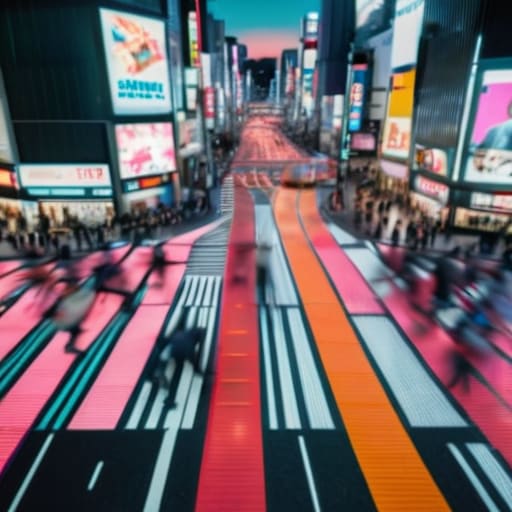
Standing at the edge of Shibuya, you aren’t just looking at a street; you are looking at a massive, living logistical puzzle. When the lights turn green, the surge of humanity can feel overwhelming, but there is a profound logic to the chaos. To navigate this successfully, you have to respect the unspoken rhythm of the crowd. I’ve found that the secret to scramble crossing safety isn’t about speed, but about maintaining a steady, predictable pace. If you hesitate or make sudden, erratic movements, you disrupt the flow of hundreds of others who are moving with a singular, collective purpose.
It is a masterclass in pedestrian-friendly urban design. Despite the sheer volume of people, there is a remarkable lack of friction. You’ll notice that even in these high-density zones, people instinctively adhere to a subtle walking etiquette in Japan, yielding space without a single word being exchanged. I often sit on a nearby bench with my notebook, watching how the lanes of movement form and dissolve. It’s a reminder that even in the most frantic intersections, order prevails when everyone respects the shared space.
The Unspoken Rhythm of Walking Etiquette in Japan
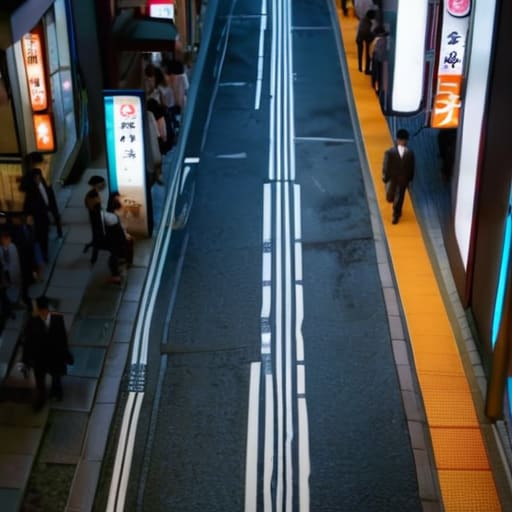
There is a subtle, almost invisible choreography to moving through a Japanese sidewalk that my logistics brain finds endlessly fascinating. It isn’t just about following the rules; it’s about a collective respect for personal space and momentum. You’ll notice that people rarely bump into one another, even in the narrowest alleys of Shinjuku. This isn’t by accident, but rather a byproduct of a deeply ingrained walking etiquette in Japan that prioritizes the flow of the group over the impulse of the individual. If you stop abruptly to check your camera settings or consult a map, you’ll feel the immediate, polite pressure of the crowd shifting around you like water around a stone.
I’ve spent many afternoons observing how the pedestrian-friendly urban design facilitates this grace. The sidewalks are wide, predictable, and remarkably well-maintained, allowing for a seamless transition between bustling commercial zones and quiet residential side streets. Unlike the chaotic intersections I navigated in my younger years, the movement here feels intentional. You aren’t just a traveler navigating an obstacle course; you are part of a synchronized system that values order and quiet efficiency above all else.
Navigating the Veins of the City: Five Practical Observances
- Respect the “Yellow Line” Mentality. In my years of logistics, I learned that boundaries exist for a reason. On Japanese sidewalks and station platforms, the lines painted on the ground aren’t mere suggestions; they are the invisible architecture that keeps the flow from turning into a collision. Stay behind them, and you’ll find the crowd moves around you like water around a stone.
- The Silent Signal of the Crosswalk. Even when the light turns green, don’t assume the street belongs to you immediately. There is a brief, heavy moment of transition where vehicles are still clearing the intersection. Watch the eyes of the drivers and the movement of the lead pedestrians; if they are hesitant, you should be too.
- Mind the “Small Space” Etiquette. Japan’s urban density means your personal bubble is often much smaller than what you’re used to. When walking through narrow alleys in Osaka or crowded Shinjuku corridors, keep your bag tucked close to your body and avoid sudden, erratic stops. A sudden halt in a high-traffic artery is the quickest way to disrupt the entire local system.
- Listen for the Auditory Cues. Safety isn’t just visual. The chime of a departing train, the specific melody of a pedestrian crossing signal, or the polite, rhythmic announcements at a subway station—these are your most reliable data points. If you’re wearing headphones, keep the volume low enough to hear the environment breathing around you.
- Trust the Tactile Paving. You’ll notice those bright yellow, textured tiles embedded in the sidewalks. They aren’t just for accessibility; they are a constant, tactile map of the city’s safe passages. Following these paths often leads you through the most logically sound and well-maintained routes, away from the unpredictable edges of the street.
Observations from the Sidewalk
Respect the unspoken flow; in a city that breathes through its movement, the greatest safety tool is your ability to observe and mirror the steady, predictable rhythm of the locals.
Pay attention to the subtle cues of the street, from the specific timing of pedestrian signals to the way crowds naturally part, as these small details prevent you from becoming a friction point in the urban machine.
Embrace a mindset of quiet awareness rather than constant vigilance; safety in Japan isn’t about avoiding danger, but about understanding the seamless logic of the environment around you.
The Geometry of Movement
“Safety in a Japanese city isn’t found in a handbook of rules, but in the quiet, collective awareness of every person on the sidewalk; it is a shared understanding that to move through a space is to respect the invisible lines of everyone else moving through it.”
Rurik Salonen
The Quiet Logic of the Street
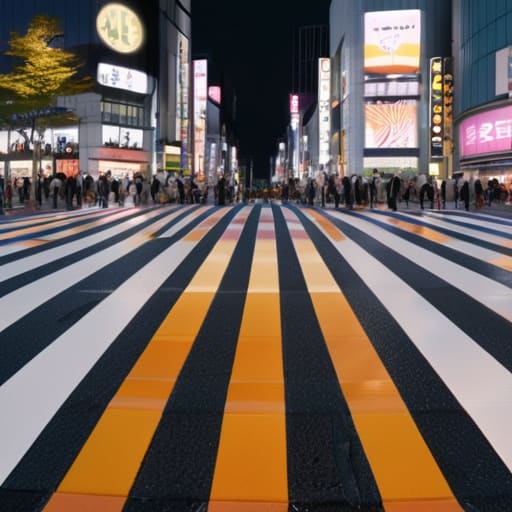
Ultimately, navigating Japan’s urban landscape isn’t about memorizing a list of prohibitions or fearing the heavy flow of traffic. It is about recognizing that safety here is a shared responsibility, woven into the very fabric of how people move. Whether you are deciphering the complex choreography of a Shibuya scramble or simply learning to respect the subtle cues of walking etiquette on a narrow Osaka side street, you are participating in a larger system of mutual respect. By understanding the rhythm of the crosswalks and the unspoken rules of the sidewalk, you move from being a mere observer to a seamless part of the city’s mechanical grace.
As I sit in a small cafe overlooking a busy intersection, sketching the convergence of lines in my notebook, I am reminded that the most profound way to experience a culture is to move through it with intention. Safety in Japan is more than just avoiding accidents; it is an invitation to slow down and observe the meticulous care that goes into every public interaction. Don’t rush through your journey just to reach a destination. Instead, embrace the order, trust the systems, and allow yourself to find the quiet, functional beauty that exists when a million people move together in perfect, silent harmony.
Frequently Asked Questions
How do I navigate the sudden changes in street level or the frequent stairs found in older, less modernized urban pockets?
In the older quarters—the narrow alleys of Yanaka or the steep slopes of Shinsekai—the seamless logic of the subway fades. You’ll encounter sudden stone stairs or uneven pavement that demand your full attention. I’ve learned to stop looking at my phone and start looking at the ground. My rule is simple: embrace the verticality. If the slope looks daunting, look for the small, tucked-away elevators or the subtle ramps hidden near temple entrances.
Are there specific times of day or particular neighborhoods where the predictable flow of pedestrian movement tends to break down?
If you’re looking for where the rhythm falters, look to the fringes of Shinjuku or Shibuya during the evening rush. Around 6:00 PM, the synchronized flow gives way to a more frantic, jagged energy as salarymen surge toward the stations. You’ll also find the predictability dissolves in the narrow, winding alleys of Golden Gai; there, the logistics of movement become a squeeze, requiring much more manual navigation than the wide, orderly boulevards.
How much should I rely on my own observations of local movement versus following the explicit signage and traffic lights?
Signage is your foundation, but observation is your intuition. In my years managing logistics, I learned that a map tells you where the lines are, but the flow tells you where the reality lies. Always follow the lights—they are the structural logic of the city—but watch the people. If a crowd is pausing before a signal changes, or shifting toward a specific exit, they are reading the city’s subtle cues. Trust the signs for safety, but trust the rhythm for movement.
