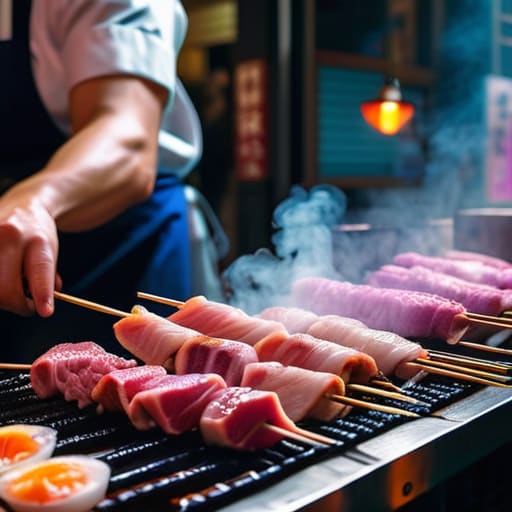
I remember standing under a rusted awning in an Osaka side street last November, the damp chill of the evening seeping through my coat. While the crowds were busy queuing for forty minutes at a neon-lit stall that looked more like a tourist trap than a kitchen, I found myself drawn to a tiny, windowless nook where a single man was turning yakitori over binchotan charcoal. There was no fanfare, no social media-ready presentation—just the rhythmic hiss of fat hitting embers and the scent of tare sauce caramelizing in the heat. It was in that precise, unglamorous moment that I realized most people completely misunderstand the essence of japanese street food; they chase the spectacle when they should be chasing the efficiency and the craft.
I have no interest in guiding you toward the overpriced, sanitized versions of these flavors that you’ll find in the major shopping malls. Instead, I want to show you how to read the city to find the real thing. In the following pages, I will provide a logistical map to the stalls that actually matter—the ones that rely on repetition and quality rather than hype. We are going to look past the bright lights to find the quiet, functional excellence that defines a true culinary corner of the city.
Table of Contents
The Takoyaki Street Food Culture of Osakas Backstreets
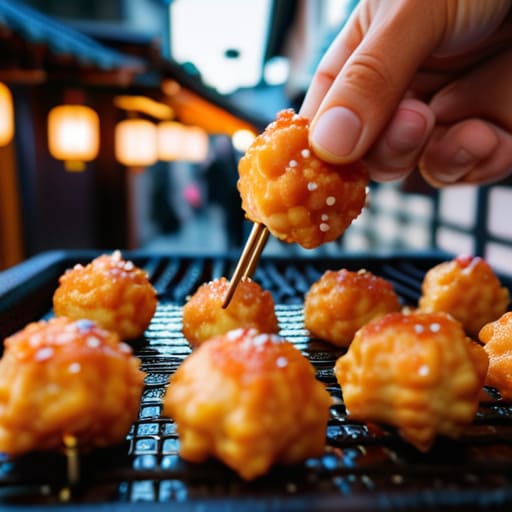
If Tokyo is a well-oiled machine, Osaka is its beating, slightly messy heart. While the capital prioritizes efficiency, Osaka thrives on a certain culinary spontaneity. To truly understand the takoyaki street food culture here, you have to step away from the neon-soaked main thoroughfares of Dotonbori and wander into the narrow, lantern-lit arteries of the backstreets. It is in these cramped spaces, where the air is thick with the scent of dashi and toasted batter, that the city’s true character reveals itself.
I found myself tucked into a corner stall near a quiet shrine last Tuesday, watching a vendor work with a speed that bordered on the surgical. He moved with a rhythmic, practiced grace, flipping the golden spheres with thin picks in a matter of seconds. There is no pretense here; it is just the heat of the iron, the steam rising into the evening air, and the communal ritual of eating something scaldingly hot while standing shoulder-to-shoulder with strangers. It isn’t just a snack; it is a masterclass in urban texture.
Finding Truth in Authentic Matcha Snacks and Seasonal Delights
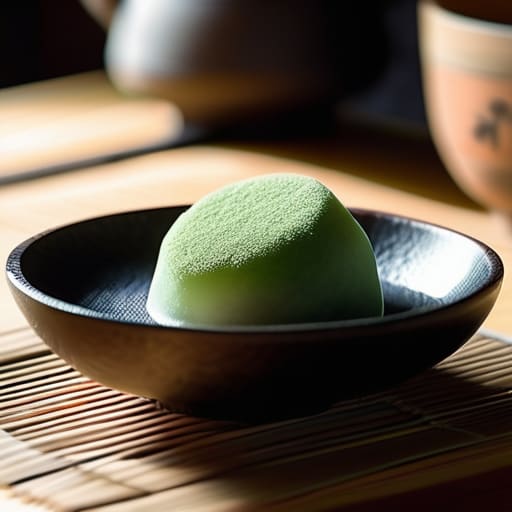
While Osaka offers the high-energy chaos of savory snacks, I find a different kind of rhythm when I seek out the more composed side of the palate. There is a specific, quiet discipline found in the preparation of authentic matcha snacks. I recently spent an afternoon in a small corner of Uji, watching a vendor whisk tea with a focus that felt almost liturgical. It wasn’t just about the flavor; it was about the economy of movement, a precision that reminded me of the streamlined logistics I used to manage. When you bite into a matcha-infused mochi, you aren’t just tasting green tea; you are tasting a centuries-old standard of quality that refuses to be rushed by the modern world.
As the seasons shift, so does the landscape of what is available on the street. I’ve learned to look for the seasonal street food specialties that signal a change in the air—the delicate sakura-flavored sweets in spring or the dense, roasted chestnuts of autumn. These aren’t mere trends; they are the city’s way of marking time. Finding these fleeting treats requires a certain level of patience, but the reward is a genuine connection to the local calendar that most tourists simply miss.
The Logistics of the Local Bite: How to Navigate the Food Stalls
- Follow the queue, not the crowd. In my years of logistics, I learned that a long line of locals is the most reliable indicator of a high-functioning supply chain of fresh ingredients. If you see a dozen salarymen standing in the rain for a single skewer, pay attention.
- Respect the rhythm of the stall. Most street food vendors operate with a practiced, mechanical efficiency. Don’t interrupt their flow by asking too many questions while they are mid-flip or mid-grill; observe their movements first, then place your order when there is a natural lull.
- Keep your hands free and your trash contained. Unlike the sprawling food courts of the West, Japanese street food is often consumed on the move or in very tight quarters. I always carry a small, reusable hand towel and a dedicated pocket for my napkin; leaving your used skewers on a public bench is a breach of the city’s unspoken social contract.
- Look for the “hidden” seasonal markers. The best snacks aren’t always the ones with the brightest neon signs, but the ones that change with the calendar. If you see a stall suddenly pivoting to chestnut-based sweets or a specific type of seasonal fish, it’s a sign of a vendor who respects the natural cycle of the market.
- Master the art of the small cash reserve. While Tokyo is modernizing, the true soul of street food—the small, tucked-away carts in Osaka’s alleys—often runs on a strictly analog system. I never step out without a dedicated pouch of yen; digital payments are fine for the department stores, but the real flavor is found in the coins.
Lessons from the Sidewalk
True flavor isn’t found in the bright neon signs of tourist hubs, but in the rhythmic, practiced motions of vendors who have occupied the same street corner for decades.
To eat well in a Japanese city, one must learn to observe the flow of the crowd; the best stalls are often those that serve the local commuters with quiet, efficient precision.
Street food is more than a quick meal; it is a sensory map of the season, where the ingredients tell you exactly when the city is breathing.
The Logistics of Flavor
To the casual observer, a street food stall is merely a vendor in a crowded thoroughfare, but to those who look closer, it is a masterclass in efficiency—a small, steaming engine of precision where every flick of the wrist and every measured pour of sauce serves to sustain the very rhythm of the city itself.
Rurik Salonen
The Rhythm of the Street
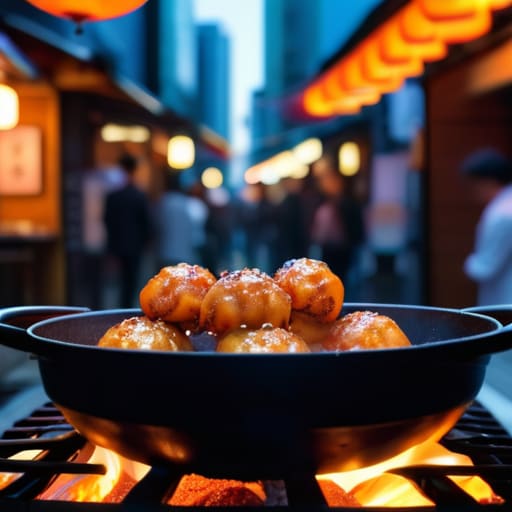
As I sit here in a quiet corner of a Shinjuku café, looking over my sketches and the notes scribbled in my leather notebook, the patterns of the day become clear. We have traced the path from the rhythmic, almost industrial precision of an Osaka takoyaki vendor to the quiet, seasonal reverence found in a single bowl of ceremonial matcha. Japanese street food is not merely a collection of snacks; it is a sophisticated logistical dance of heat, timing, and tradition. Whether it is the steam rising from a roadside stall or the delicate texture of a seasonal sweet, these flavors represent the true pulse of the city, providing a tangible connection to the people who keep these urban engines running.
Ultimately, I have found that the most profound way to understand Japan is to stop rushing toward the next landmark and instead lean into the small, sensory details of the street. When you slow down enough to notice the way a vendor handles their tools or the specific aroma of charcoal on a breeze, you begin to see how the city actually breathes. Don’t just eat to satisfy hunger; eat to observe the architecture of daily life. If you look closely enough, you will realize that the soul of a nation is often found in the simplest of gestures, served hot on a paper plate under the glow of a neon sign.
Frequently Asked Questions
How can I distinguish between a genuine local stall and a tourist-trap vendor in high-traffic areas like Dotonbori?
Look past the neon and the English-language signage. In places like Dotonbori, the tourist traps rely on spectacle; they want your eyes, not your appreciation. I’ve learned to look for the rhythm of the queue. A genuine stall usually draws a crowd of locals moving with purpose, not tourists holding selfie sticks. Watch the vendor’s hands. If there is a practiced, repetitive efficiency to their movements, you’ve found something real.
Are there specific etiquette or social rules I should follow when eating while walking through a crowded neighborhood?
In my years managing logistics, I learned that flow is everything. In Japan, the flow is sacred. Walking while eating is generally frowned upon; it’s considered disruptive to the rhythmic movement of the crowd. If you find a vendor you can’t resist, do as the locals do: find a small designated standing area or a quiet corner nearby. Eat, observe, and then move on. Respect the space, and the city will reveal its best secrets to you.
What are the best times of day to find the most authentic street food stalls without the overwhelming midday rush?
If you want to avoid the frantic midday surge, aim for the early evening, just as the sun dips and the lanterns begin to flicker. There is a specific, rhythmic transition around 5:00 PM where the salarymen are still moving with purpose, but the heavy lunch crowds have dissipated. It’s a window of calm. You can observe the vendors setting their stages with a quiet, practiced efficiency before the true evening chaos takes hold.
