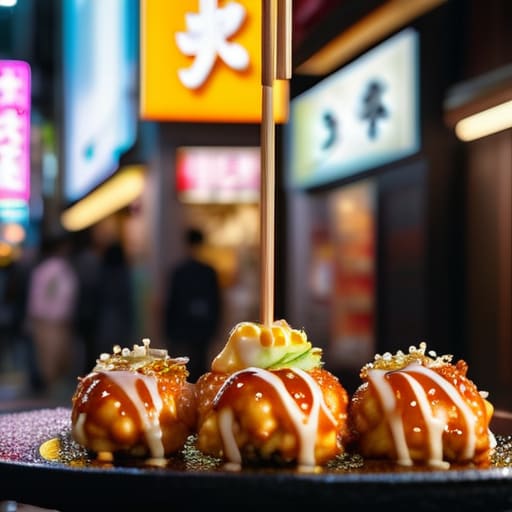
Most people arrive in this district expecting a neon-soaked buffet of endless options, only to find themselves trapped in a cycle of overpriced, lukewarm snacks designed more for Instagram feeds than for actual flavor. I’ve spent my career optimizing supply chains, and I can tell you that most of the hype surrounding shibuya street food is just inefficient marketing. You don’t need to wait in a forty-minute line for a “viral” crepe that tastes like cardboard and sugar; that’s not how you experience a city. The real substance isn’t found in the flashy storefronts overlooking the scramble, but in the unassuming steam rising from a corner stall where the proprietor has been perfecting the same recipe for thirty years.
I have no interest in chasing trends or feeding you the polished version of Tokyo you see in travel brochures. My goal here is to provide a logistical map of flavor, guiding you away from the tourist traps and toward the small, functional bites that actually define the neighborhood. I will show you exactly where to find the honest, quiet corners of Shibuya where the food is as steady and reliable as the subway lines themselves.
Table of Contents
- Decoding the Rhythms of Japanese Street Food Culture
- Finding the Best Snacks in Shibuyas Constant Motion
- Logistics of the Palate: A Few Practical Rules for Navigating Shibuya’s Bites
- The Logistics of Flavor: Lessons from the Shibuya Sidewalks
- The Logistics of Flavor
- The Quiet After the Rush
- Frequently Asked Questions
Decoding the Rhythms of Japanese Street Food Culture
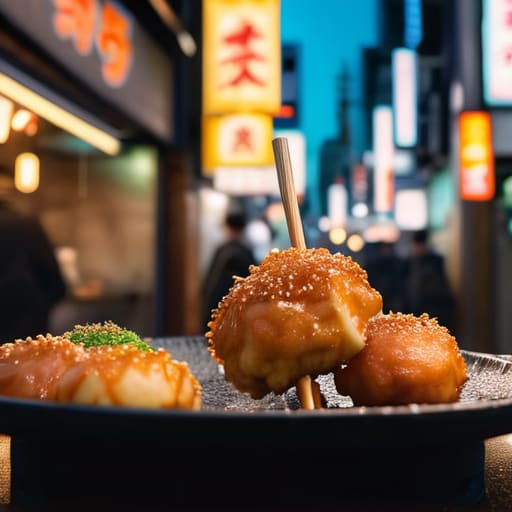
To understand the mechanics of eating on the move in Tokyo, one must first appreciate the unspoken choreography of the streets. It isn’t merely about hunger; it is about a highly efficient, almost ritualistic approach to consumption. In my years managing logistics, I learned that every system has a flow, and Japanese street food culture operates on a similar principle of precision. There is a specific etiquette to how a vendor handles a skewer or how a salaryman pauses for exactly three minutes to consume a hot takoyaki before disappearing back into the crowd.
When navigating the Shibuya food scene exploration, I find that the true character of the district reveals itself not in the flashy, multi-story restaurants, but in the way people congregate around small, steaming windows. You begin to see the patterns: the rhythmic tapping of chopsticks, the precise exchange of coins, and the way the scent of dashi drifts through the narrow corridors. To find the real soul of the area, you have to look past the neon-lit advertisements and observe the subtle, functional beauty of these micro-interactions. It is in these small, synchronized moments that the city truly breathes.
Finding the Best Snacks in Shibuyas Constant Motion
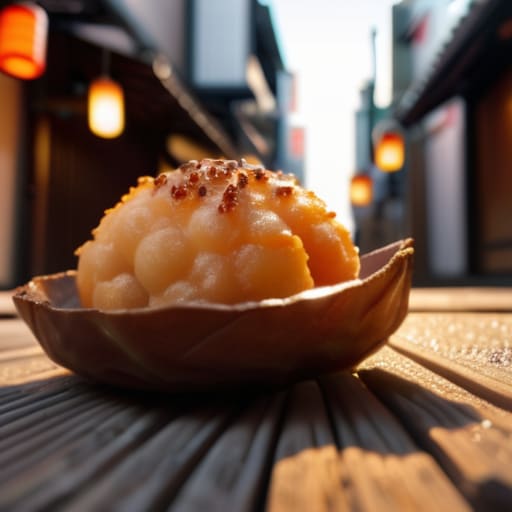
To find the true must-try Shibuya delicacies, one must learn to read the crowd like a logistics map. Most travelers gravitate toward the brightly lit storefronts near the Scramble, but those are often mere distractions. I’ve found that the real treasures emerge when you step away from the primary arteries and follow the scent of toasted soy or frying dough into the narrower capillaries of the district. It is in these transitions—moving from the massive, sweeping movements of the main thoroughfares into the sudden, quiet stillness of a side street—where the most authentic flavors reside.
Navigating this constant motion requires a certain patience. I often find myself pausing near a small stall, watching the ebb and flow of commuters, waiting for that specific moment when the rhythm shifts. My search for Shibuya hidden food gems isn’t about speed; it’s about observing which small windows have the longest queues of locals rather than tourists. Whether it is a perfectly charred skewer or a seasonal mochi, these bites offer a momentary anchor in an otherwise frantic urban landscape.
Logistics of the Palate: A Few Practical Rules for Navigating Shibuya’s Bites
- Look past the glowing signage of the main thoroughfares. The most efficient way to find quality is to observe the flow of the locals; if a stall has a steady, rhythmic queue of office workers or students, the supply chain of flavor is clearly functioning well.
- Carry small denominations of yen. While Japan is modernizing, the small, high-frequency transactions of street food stalls often prefer the tactile simplicity of coins and small notes over the friction of a digital tap.
- Master the art of the “standing eat.” In the narrow corridors of Shibuya, space is a premium commodity. Do not attempt to find a seat where none is intended; find a small corner or a designated standing area to respect the spatial flow of the street.
- Treat your trash with the same discipline you would a logistics manifest. Shibuya has a surprising scarcity of public bins; I find it best to carry a small, reusable bag in my pocket to manage any wrappers until I return to my accommodation.
- Embrace the seasonal shifts. Just as a supply chain reacts to global trends, Shibuya’s street food follows the calendar. If you see a vendor specializing in a single, seasonal ingredient—be it a specific type of chestnut or a summer-only shaved ice—engage with it immediately. The window of opportunity is often brief.
The Logistics of Flavor: Lessons from the Shibuya Sidewalks
Look past the neon signage and the crowds; the most authentic bites are often found in the periphery, tucked into the narrow gaps between the major thoroughfares.
Understanding the flow of the city helps you find the best food; observe where the locals pause for a quick bite, as their rhythm is a more reliable guide than any tourist map.
Treat street food as a study in efficiency and craft, where the beauty lies in the seamless way a vendor manages high demand within a tiny, functional footprint.
The Logistics of Flavor
“To the casual observer, a street food vendor in Shibuya is just another point of congestion in an already crowded artery; but to me, they are the vital valves of the city, releasing small, concentrated bursts of warmth and tradition into the frantic rush of the evening commute.”
Rurik Salonen
The Quiet After the Rush
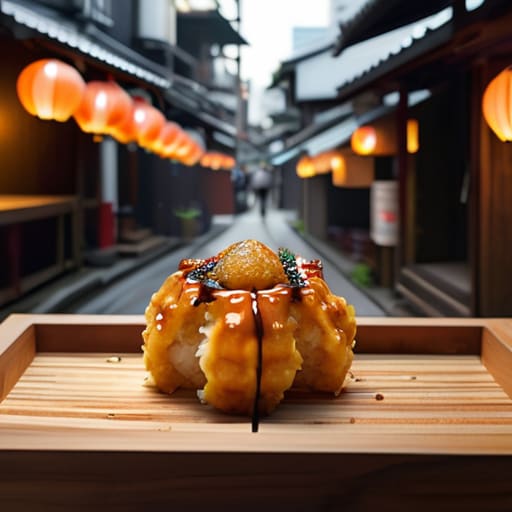
As I sit here on a wooden bench, the distant hum of the Yamanote line serving as a constant metronome, I realize that Shibuya’s food scene is more than just a collection of calories. It is a complex logistical dance of efficiency and tradition. We have moved from the high-energy chaos of the main thoroughfares to the more deliberate, seasoned flavors found in the hidden stalls and the carefully curated bites that define this district. Whether it was the precise heat of a takoyaki ball or the simple, honest comfort of a seasonal skewer, each morsel tells a story of a city that never stops moving, yet always finds a way to honor the ritual of the meal.
Ultimately, my time spent navigating these narrow corridors has taught me that the best way to experience Tokyo is to stop trying to conquer it. Don’t approach a city like a checklist of sights to be ticked off; approach it like a map waiting to be drawn. If you allow yourself to wander away from the neon glare and follow the scent of charcoal and steam, you will find that the true essence of Shibuya isn’t found in its landmarks, but in its unscripted moments. Keep your eyes open, your notebook ready, and trust the rhythm of the streets.
Frequently Asked Questions
Is it practical to carry cash for these small stalls, or has Shibuya's street food scene finally caught up with digital payments?
In my experience, despite the rapid digital integration of Tokyo, the old ways still hold weight in these narrow alleys. While many larger establishments and chain stalls have adopted Suica or PayPay, the true gems—the nameless stalls where the steam smells just right—often remain stubbornly cash-only. Don’t let a lack of yen stall your exploration. Keep a modest amount of small denominations tucked in your wallet; it’s the most efficient way to navigate the friction of the street.
How can I distinguish between the tourist-trap snacks near the Hachiko exit and the more authentic, local offerings tucked away in the side streets?
The Hachiko exit is a high-velocity zone, designed for throughput rather than depth. If the signage is neon, oversized, and translated into five languages, it’s built for the transient crowd. To find the real thing, look for the friction. Seek out the stalls where the menu is handwritten, where the queue consists of salarymen in suits, and where the steam rises in a narrow alleyway away from the main artery. Follow the quiet.
Are there specific times of day when the crowds thin out enough to actually enjoy a meal without feeling the pressure of the surrounding rush?
If you want to avoid the crushing weight of the rush, aim for the lull between 2:30 PM and 5:00 PM. The lunch-hour surge has dissipated, and the evening commuters haven’t yet flooded the arteries of the district. It is a quiet, suspended moment where the steam from a takoyaki stall feels less like a distraction and more like an invitation. You can actually sit, observe, and breathe before the neon pulse quickens again.
