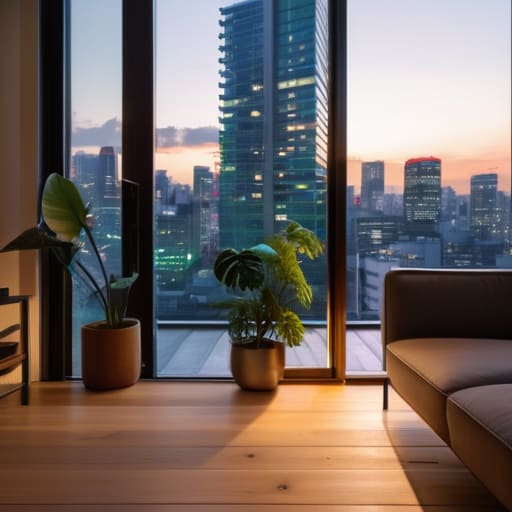
I remember sitting on a milk crate in a cramped, sixth-floor studio in Setagaya, the late afternoon sun hitting the dust motes dancing above my single, narrow desk. Through the thin walls, I could hear the muffled, rhythmic percussion of a neighbor’s sliding door and the distant, metallic sigh of the Odakyu line. Most travel guides will sell you a glossy fantasy of high-rise luxury and neon-soaked convenience, but they completely ignore the sensory reality of true Tokyo apartment living. They don’t tell you about the specific geometry of living in a space designed for efficiency rather than expansion, or the way you learn to navigate the delicate social contract of shared walls and narrow hallways.
I’m not here to show you curated real estate brochures or list the most expensive zip codes. Instead, I want to offer a logistical breakdown of what it actually means to inhabit this city. We are going to look past the marketing fluff to understand the mechanics of space, the nuances of neighborhood transit, and how to find a functional sanctuary amidst the urban rush. This is about finding your own quiet corner in the machine.
Table of Contents
Navigating Tokyo Real Estate Trends From the Station Edge
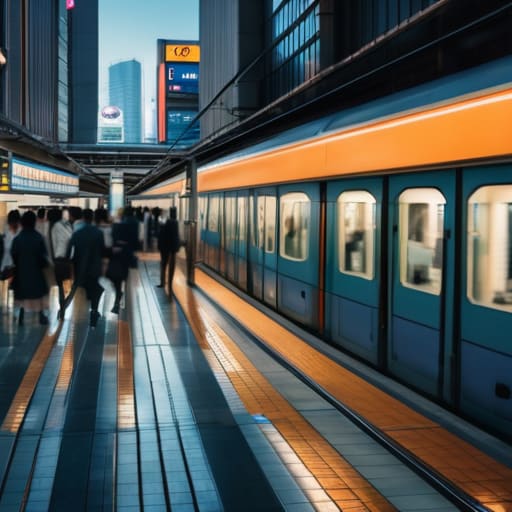
I have always found that if you want to understand the shifting tides of a city, you don’t look at the skyscrapers; you look at the commuters pouring out of the ticket gates. In my years of logistics, I learned that movement dictates value. Currently, Tokyo real estate trends are being dictated by the friction between convenience and cost. As the central hubs become increasingly congested, there is a palpable migration toward the periphery—not out of necessity alone, but as a calculated move toward breathing room.
The data tells one story, but the streets tell another. I see more people opting for the efficiency of a 1K layout in neighborhoods that were once considered “too far” for the salaryman. There is a growing sophistication in how people handle these constraints. It isn’t just about surviving in a small box; it is a masterclass in minimalist interior design Japan has perfected. You see it in the way a single, well-placed shelf or a piece of compact furniture for studio flats can transform a cramped room into a functional sanctuary. People aren’t just renting space anymore; they are curating it.
The Quiet Geometry of Living in a 1k Apartment
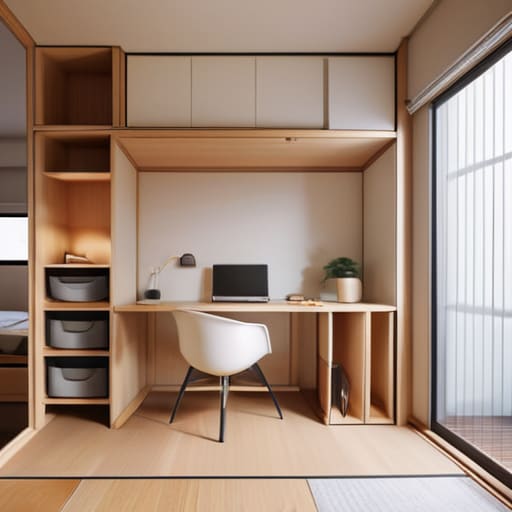
There is a specific, almost mathematical precision required when you are living in a 1K apartment. In my years of logistics, I learned that efficiency isn’t just about speed; it’s about the intelligent use of every cubic centimeter. When your entire world is contained within ten to fifteen square meters, you quickly realize that minimalist interior design Japan isn’t just an aesthetic choice—it is a survival strategy. Every object must earn its place on your floor.
I find myself sketching the layout of these units in my notebook, marveling at how a single room can function as a kitchen, bedroom, and office simultaneously. It requires a disciplined approach to small space organization tips, such as utilizing verticality or choosing multifunctional pieces. You don’t just inhabit these rooms; you curate them. There is a profound, quiet satisfaction in finding the perfect balance where nothing feels cluttered, yet nothing feels empty. It is a lesson in intentionality that most people, rushing toward the next big monument, completely overlook.
Practical Realities: Five Observations from the Ground
- Prioritize the walk, not just the station. A five-minute walk from a major hub is a luxury, but pay attention to the route. I’ve learned that a steep incline or a poorly lit stretch of road between the station and your front door can turn a daily commute into a chore you’ll eventually resent.
- Master the art of vertical storage. In a 1K, floor space is your most precious commodity. Don’t just look at the square footage; look at the walls. If there isn’t room for shelving that reaches toward the ceiling, you’ll find yourself living in a landscape of clutter rather than a curated sanctuary.
- Learn to read the soundscape before signing a lease. A neighborhood can look serene on a Saturday afternoon, but the logistics of urban life change at night. Visit the street at 11:00 PM. You need to know if that “quiet corner” is actually adjacent to a late-night izakaya or a ventilation shaft for a nearby commercial kitchen.
- Respect the shared boundaries of “Mansion” living. In Tokyo, you aren’t just renting a box; you are entering a delicate ecosystem of neighbors. Check the thickness of the walls and the placement of the utility meters. A well-managed building is defined by how effectively it manages the invisible lines between private and communal space.
- Factor in the “Hidden” logistics of moving. The rent is only one part of the equation. Between the key money, the agency fees, and the mandatory fire insurance, the upfront cost of entry is a significant logistical hurdle. Budget for the friction of the transition, not just the monthly cost of the space.
The Logistics of Living: Three Lessons from the Ground Up
Proximity to the station is a trade-off, not just a convenience; you aren’t just paying for shorter walks, you are paying for the specific acoustic landscape and the pulse of the neighborhood that comes with it.
Space in a 1K apartment is a puzzle of efficiency, where the quality of your life depends entirely on how well you respect the boundaries of your few square meters.
To find the right home, look past the shiny brochures and observe the flow of the streets at dusk; a neighborhood’s true character is revealed in how its residents move between the transit hubs and their front doors.
The Architecture of Intimacy
“In a city of fourteen million, a Tokyo apartment isn’t just a square footage calculation; it is a carefully curated sanctuary where the boundary between the frantic pulse of the street and the stillness of one’s own thoughts is measured in mere centimeters of drywall.”
Rurik Salonen
Finding Your Own Center
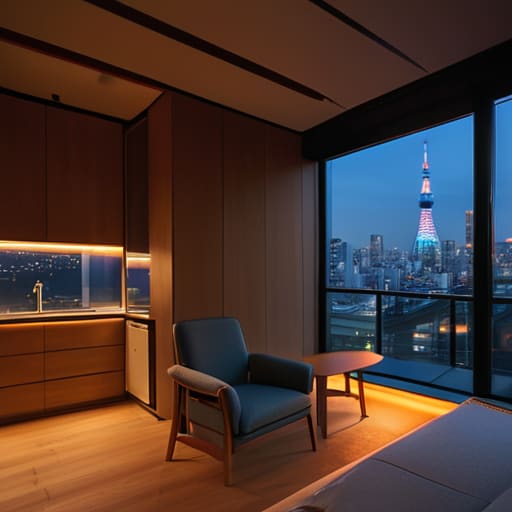
Choosing a home in this sprawling megalopolis is rarely about finding the most square footage; it is an exercise in understanding the delicate balance between accessibility and solitude. We have looked at how the proximity to a transit hub dictates the pulse of your daily life, and how the compact, efficient geometry of a 1K unit requires a certain disciplined intentionality. Whether you are navigating the shifting tides of real estate trends or learning to find comfort within a few dozen square meters, remember that your apartment is more than just a logistical base of operations. It is the anchor point from which you experience the rest of the city.
In the end, a Tokyo residence is less about the walls themselves and more about the rhythm they allow you to cultivate. You might find that the most profound sense of home comes not from a sprawling view, but from the way the morning light hits your desk or the predictable, comforting hum of the city settling into its evening groove. Don’t rush the process of settling in. Allow yourself the time to observe the patterns, to learn the local convenience store’s schedule, and to find that small, quiet corner where the chaos of the metropolis finally fades into the background.
Frequently Asked Questions
How much does the proximity to a major transit hub actually impact the daily noise levels and sense of privacy in a residential building?
It’s a trade-off between convenience and a certain kind of stillness. If you’re within a five-minute walk of a major hub like Shinjuku or Shibuya, you aren’t just buying proximity; you’re buying a constant, low-frequency vibration. Even with double-paned glass, the city’s pulse leaks in. You gain time, but you lose that absolute privacy of silence. I’ve found that retreating just two or three stations further out offers a much more profound sense of seclusion.
When evaluating a small-scale apartment, what are the subtle logistical cues that indicate whether a building is well-maintained or simply masking its age?
Don’t let a fresh coat of paint deceive you; look at the joints. Check the seals around the windows and the caulking in the bathroom. If they are cracked or discolored, the building is struggling with moisture. Then, listen. A well-maintained building has a predictable, quiet mechanical hum. If you hear erratic clanging from the pipes or the elevator struggles with a rhythmic shudder, the internal logistics are failing, regardless of how clean the lobby looks.
Is it truly possible to find a sense of stillness in a neighborhood that sits right on the edge of a high-traffic commercial district?
It is, though it requires a certain discipline of observation. I’ve found that stillness isn’t the absence of noise, but the presence of a predictable rhythm. You might live mere steps from a neon-lit thoroughfare, yet find absolute silence behind a heavy, soundproofed door or down a narrow residential alleyway that the crowds simply overlook. It’s about finding those pockets where the city’s frantic pulse slows into a steady, manageable hum.
