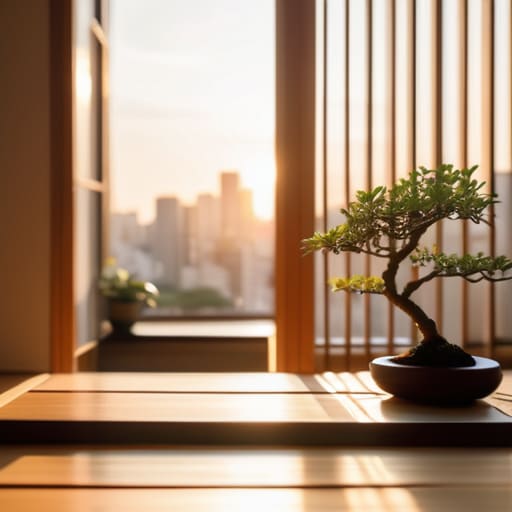
I remember standing on a rain-slicked platform in Setagaya, clutching a heavy roll of 35mm film and staring at a floor plan that made absolutely no sense to a man trained in global logistics. The agent had promised me a “modern urban sanctuary,” but what I found was a shoebox-sized unit where the kitchen sink was practically sharing a pillow with the bed. Most people approach apartment living in japan through a lens of romanticized minimalism or polished real estate brochures, but they rarely account for the friction of reality—the thinness of the walls, the peculiar logic of the storage alcoves, or the way a single misplaced step can make a room feel claustrophobic.
I have no interest in selling you a dream of effortless Zen. Instead, I want to pull back the curtain on the actual mechanics of finding a home in these dense metropolitan grids. My goal is to provide you with a logistical blueprint for navigating the complexities of leases, layouts, and neighborhood rhythms. We aren’t going to chase the neon lights; we are going to find the functional truth of how to inhabit these spaces without losing your sense of peace.
Table of Contents
Deciphering the Mansion vs Apartment Japan Divide
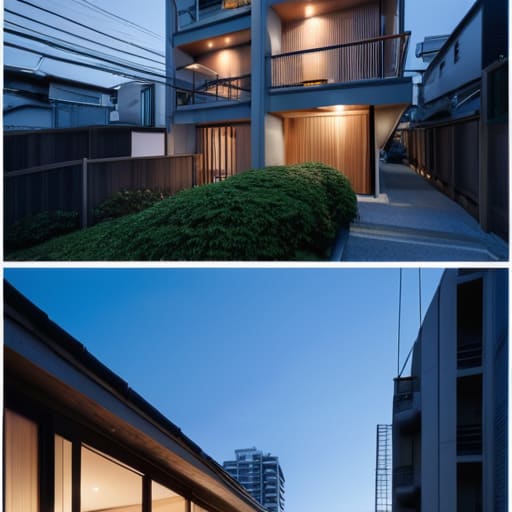
One of the first hurdles you encounter when studying the urban layout of a city like Osaka is the linguistic nuance of its residential structures. In the West, we use the word “apartment” as a catch-all, but in Japan, the distinction between a mansion and an apāto is a matter of structural integrity and social signaling. To the uninitiated, a “mansion” sounds like a sprawling estate, but in reality, it refers to a multi-story, reinforced concrete building—sturdier, quieter, and generally more expensive. An apāto, conversely, is often a lighter, two-story wooden or steel structure.
Choosing between them isn’t just about the budget; it’s about how you intend to exist within the city’s density. If you value a sense of seclusion from the street-level hum, a concrete mansion offers a much-needed buffer. However, if you are looking to experience the more intimate, rhythmic pulse of a residential side street, the smaller apāto provides that direct connection. Understanding the mansion vs apartment japan distinction is the first step in deciding which version of the city you want to call home.
The Quiet Rituals of the Japanese Apartment Rental Process
Navigating the paperwork for a new home in Japan feels less like a simple transaction and more like a complex logistical operation. There is a certain gravity to the japanese apartment rental process; it requires a level of patience and precision that my years in supply chain management prepared me for, though I still find the sheer volume of stamps and guarantees a bit daunting. You aren’t just signing a lease; you are entering into a social contract. Between the initial guarantor requirements and the non-refundable key money, the process demands a disciplined approach to one’s finances and a deep respect for the local norms.
Once the keys are finally in hand, the real work begins. Moving into a space that feels intentionally scaled requires a shift in mindset. I’ve found that success here relies heavily on mastering the art of spatial economy. It isn’t just about buying less; it is about selecting compact furniture for small apartments that serves a dual purpose without cluttering your visual field. In these tight quarters, every centimeter must earn its keep, or the room will quickly begin to feel like it is closing in on you.
The Logistics of Domesticity: Five Essentials for the Urban Resident
- Prioritize the proximity of the station over the square footage of the unit. In my experience, the most efficient way to live in a city like Tokyo is to ensure your daily commute is a predictable, short walk; a few extra meters of living space are rarely worth the mental tax of a long, disorganized trek to the platform.
- Inspect the soundproofing with a critical ear before signing any contract. The thin walls of many older “apartments” can turn a neighbor’s late-night television or the hum of a washing machine into a constant, intrusive presence that disrupts the quiet rhythm of your own home.
- Learn the unspoken geography of your building’s waste disposal rules. Every neighborhood and even every building has its own rigid, almost surgical way of sorting recyclables and combustibles; failing to master this small logistical detail is the quickest way to alienate yourself from your neighbors.
- Factor the hidden costs of “management fees” and “renewal fees” into your initial budget. It is easy to look at the monthly rent and think you have found a bargain, but the true cost of Japanese housing lies in these periodic, administrative adjustments that can catch a newcomer off guard.
- Look for the presence of a “lockers” or a dedicated bicycle area in the building’s layout. In dense urban environments, space is a premium, and having a designated, secure spot for your belongings prevents the clutter of city life from encroaching on your limited indoor sanctuary.
Essential Realities for the Urban Resident
Understand that a “mansion” in Japan is a matter of structural integrity and scale, not a luxury penthouse; choosing between one and a standard apartment is a logistical decision about how you intend to inhabit the city’s density.
Prepare for a rental process that functions more like a formal contract than a casual agreement, where the upfront costs and the necessity of a guarantor are the gatekeepers to your new neighborhood.
Look beyond the square footage to the layout and the transit proximity, as the true quality of your daily life will be determined by how seamlessly your home integrates into the rhythm of the local rail lines.
## The Geometry of Living
To live in a Japanese apartment is to accept a certain disciplined economy of space; it is less about the square footage you occupy and more about how gracefully you can integrate your life into the quiet, rhythmic constraints of the city.
Rurik Salonen
The Geometry of Home
Navigating the complexities of the Japanese rental market requires more than just a budget; it demands an appreciation for the nuances that define your daily existence. From distinguishing the structural integrity of a mansion from the more modest, communal atmosphere of a standard apartment, to weathering the bureaucratic storm of initial fees and guarantor requirements, every decision is a logistical piece of a larger puzzle. You are not merely signing a contract; you are selecting the specific coordinates from which you will observe the city’s ebb and flow. Understanding these distinctions ensures that your transition from visitor to resident is built upon a foundation of clarity rather than confusion.
Ultimately, finding a place to live in Japan is about more than square footage or proximity to the Yamanote Line. It is about finding that specific, quiet corner where the chaos of the metropolis fades into a manageable hum. Whether you find yourself in a sun-drenched studio in Setagaya or a compact unit tucked away in an Osaka side street, remember that the true character of a home is revealed in the small, rhythmic details: the way the light hits the floor at dusk, or the predictable cadence of the neighbors passing your door. Once you find your rhythm, the city ceases to be a labyrinth and finally begins to feel like home.
Frequently Asked Questions
How much of a buffer should I realistically set aside for those initial, heavy upfront costs like key money and agency fees?
In my years managing logistics, I learned that the most dangerous mistake is underestimating the initial load. For Japanese housing, you aren’t just paying rent; you are paying for entry. I always advise setting aside four to five times the monthly rent as a baseline. Between reikin (key money), agency fees, and the inevitable deposit, the upfront cost is a heavy lift. Don’t let a tight budget catch you off guard when the paperwork arrives.
What are the practical implications of living in a "wooden" structure versus a concrete one when it comes to noise and insulation?
The distinction between a wooden mokuzou and a concrete RC structure is more than just a matter of architecture; it’s the difference between feeling the city’s pulse and being insulated from it. In a wooden building, you’ll hear the neighbor’s footsteps and the distant rumble of the Yamanote line. While wood offers a certain warmth, concrete provides a necessary silence. If you value your solitude, prioritize reinforced concrete to truly buffer the urban chaos.
How do I navigate the nuances of garbage disposal rules and the specific etiquette required by my neighbors in a high-density building?
In a dense building, your relationship with your neighbors is often mediated by the communal trash station. It sounds trivial, but in Japan, it is a vital social contract. I’ve learned that precision matters: follow the color-coded bags and strict schedules to the letter. Mismanaging your waste isn’t just a chore; it’s a disruption of the neighborhood’s collective rhythm. Respect the rules, and you’ll find a quiet, unspoken harmony with those living just inches away.
