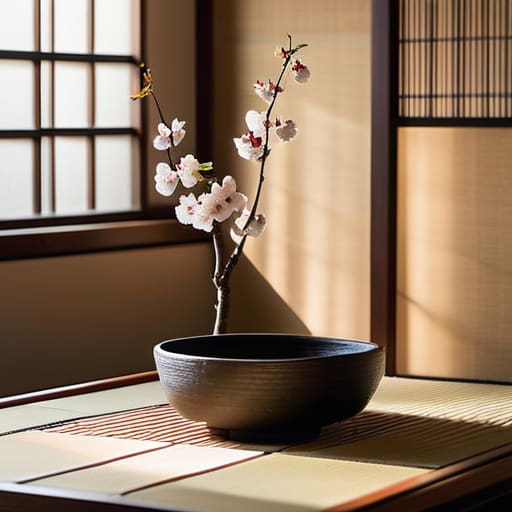
I was sitting in a cramped, fluorescent-lit convenience store near Shinjuku Station last Tuesday, watching a salaryman meticulously arrange a single bento box on a tiny counter. Most people look at “Japanese design aesthetics” and immediately think of expensive Zen gardens, high-end minimalist furniture, or those curated Instagram feeds that look more like a sterile hospital wing than a home. They get it wrong. They mistake emptiness for a lack of substance, when in reality, the true beauty lies in the way a space is organized to handle the friction of daily life. It isn’t about how much you can strip away; it’s about the intentionality of what remains.
I’m not here to sell you on a lifestyle brand or a collection of overpriced bamboo trinkets. My goal is to pull back the curtain on the practical mechanics of how these principles actually function in a crowded, breathing city. I want to show you how to spot the quiet logic behind the form—the kind of design that makes a small room feel expansive and a chaotic morning feel manageable. We’re going to look past the marketing hype and focus on the functional truth of how these spaces actually work.
Table of Contents
The Ma Concept of Negative Space and Breathing Room
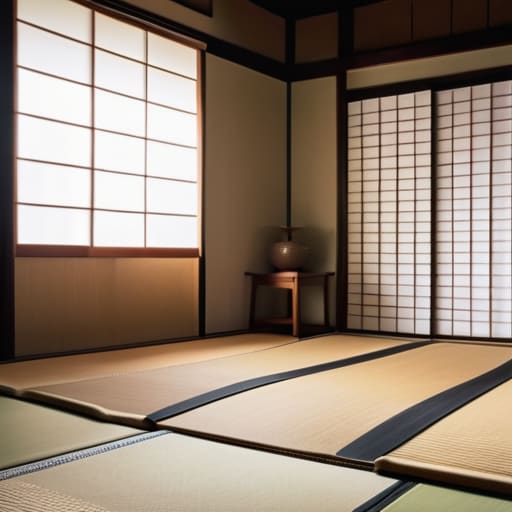
In my years managing supply chains, I learned that the most critical part of any system isn’t the cargo, but the buffer—the empty space that prevents a total collapse. This is exactly what I find when I sit in a quiet tea house in Kyoto. They call it ma, and it is much more than just an absence of objects. It is the intentional pause between notes in a song, or the deliberate gap between two pillars. While Western modernism often views an empty room as a void to be filled, the ma concept of negative space treats that emptiness as a functional, living element.
When I sketch the layout of a traditional machiya, I realize that the beauty doesn’t come from the furniture, but from the way the light hits the floorboards in the unoccupied center of the room. It provides a sense of structural breathing room that allows the mind to settle. This isn’t about a lack of substance; it is a disciplined choice to let the architecture speak through what isn’t there. In a world that feels increasingly cluttered and loud, these pockets of nothingness are where the true character of a space resides.
Zen Philosophy in Art and the Quietude of Form
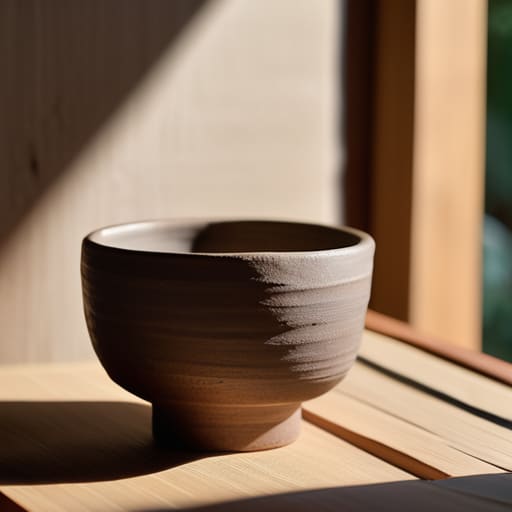
I found myself sitting in a small tea house near Yanaka yesterday, watching the way the light hit a single, unglazed ceramic bowl. There is a profound stillness in these objects that defies the frantic pace of the Shinjuku crowds just a few miles away. This isn’t merely about aesthetics; it is the practical application of zen philosophy in art. It’s a deliberate rejection of the superfluous. In my years in logistics, I learned that efficiency often comes from stripping away the non-essential, but here, the stripping away is spiritual. It is about finding a sense of purpose in the simplest of shapes.
Unlike the sharp, often clinical lines of Western modernism, there is a softness here—a way that traditional Japanese craftsmanship embraces the soul of the material. You see it in the grain of a cedar plank or the slight asymmetry of a hand-carved spoon. There is no attempt to force perfection or to mask the passage of time. Instead, there is a quiet acceptance of the organic. It’s a reminder that true order doesn’t require rigid control, but rather a deep, respectful harmony with the natural world.
The Practical Geometry of a Quiet Life
- Embrace the integrity of materials. In my years of managing supply chains, I learned that a component is only as good as its origin; the same applies to a room. Avoid the synthetic veneer. Seek out the grain of real cedar or the cool, honest weight of stone. When a material is allowed to be itself, the space stops trying so hard.
- Curate through subtraction, not addition. We often mistake clutter for comfort, but true order comes from knowing what to leave out. If an object doesn’t serve a functional purpose or offer a moment of genuine contemplation, it is merely noise. A room should have room to breathe.
- Respect the transition of light. I often find myself sitting in small cafes just watching how the afternoon sun hits a paper screen. Don’t rely on harsh, overhead lighting that flattens a room. Use soft, layered light—lanterns, low lamps, or filtered natural light—to create depth and shadow.
- Find beauty in the weathered and the worn. There is a certain dignity in a wooden table that has smoothed over decades of use. Don’t chase the sterile perfection of the brand-new; instead, look for pieces that possess a history. It gives a space a soul that a showroom simply cannot replicate.
- Align your objects with the flow of movement. Even in a small apartment, the way you place a chair or a low table dictates the “logistics” of your daily life. Design your surroundings to facilitate a natural, unhurried rhythm, ensuring that nothing obstructs the quiet path from one task to the next.
Lessons from the Quiet Details
Design isn’t about what you add to a room, but what you have the courage to leave out; true functionality relies on the breathing room provided by ma.
Look past the grand gestures and find the intention in the small things—the way a joint is fitted or a texture is chosen—as these details dictate the soul of a space.
To live with purpose is to embrace a certain restraint, favoring objects and layouts that serve a clear function while maintaining a sense of calm and order.
The Logic of the Unseen
“Most people look for beauty in the ornament, but after years of managing moving parts, I’ve learned that true elegance is found in the absence of friction—it’s the silent, intentional way a space allows you to simply exist within it.”
Rurik Salonen
The Architecture of Intention
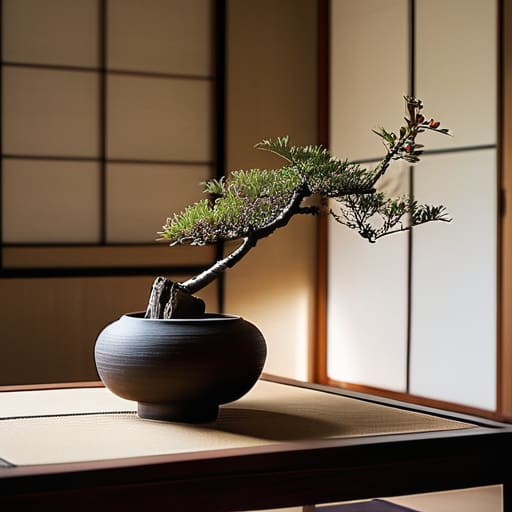
As I sit here in a small café near Shinjuku station, watching the commuters move with a practiced, rhythmic efficiency, I realize that these aesthetics are not merely decorative choices. We have explored how the concept of Ma provides the necessary silence between notes, and how Zen philosophy strips away the superfluous to reveal the soul of an object. Whether it is the deliberate void in a garden or the understated elegance of a single ceramic bowl, these principles work together to create a sense of purposeful stillness. It is a logistical triumph of the spirit—a way of organizing the chaos of existence into something that feels both inevitable and profoundly calm.
Ultimately, understanding Japanese design is less about memorizing terminology and more about changing your lens. It is an invitation to slow your pace, to stop rushing toward the next destination, and to actually notice the way light hits a paper screen or how a wooden joint fits perfectly without a single nail. If we look closely enough, we find that beauty doesn’t require volume or grandiosity to be felt. It lives in the quiet, intentional details that most people walk right past. My advice? Next time you find yourself in a crowded city, stop looking for the landmarks, and start looking for the breath.
Frequently Asked Questions
How do these principles translate to the cramped, high-density living of a modern Tokyo apartment?
It’s a question of efficiency versus clutter. In a twenty-square-meter apartment in Setagaya, you don’t fight the smallness; you embrace it through intentionality. It’s the application of Ma to your physical belongings. Instead of filling every corner, you choose a single, well-crafted chair or a solitary ceramic vase. By curating what remains, you allow the limited space to breathe, turning a cramped unit into a functional sanctuary rather than a storage locker.
Is there a practical way to apply the concept of 'Ma' to a workspace without it feeling empty or unfinished?
Think of Ma not as an absence, but as a deliberate buffer. In my old logistics days, a warehouse packed to the ceiling was a disaster; efficiency required air. Apply this to your desk by grouping your essentials—the pen, the notebook, the lamp—into a single, intentional cluster. Leave the rest of the surface bare. That emptiness isn’t “unfinished”; it’s the structural silence that allows your focus to actually land.
How can I distinguish between authentic traditional aesthetics and the commercialized versions often seen in tourist-heavy districts?
You look for the friction. In tourist hubs, everything is polished to a high, frictionless gloss—it’s designed to be consumed quickly. It lacks weight. Authentic aesthetics, however, embrace wabi-sabi; they welcome the slight irregularity of a hand-thrown tea bowl or the way moss settles into a stone lantern. If a space feels like it was built to be photographed rather than inhabited, it’s likely commercial. Real beauty in Japan is felt in the stillness, not the spectacle.
