Blog

  • Things to Do in Sendai

    Things to Do in Sendai

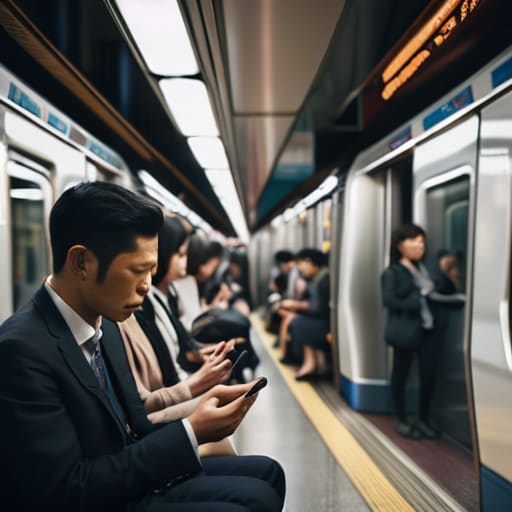
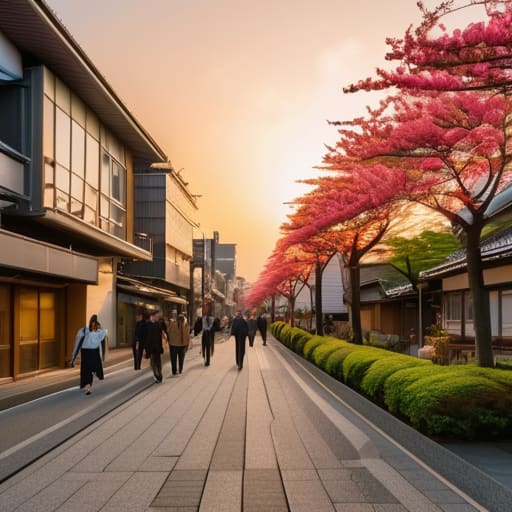
    I was sitting in a cramped, fluorescent-lit station near Sendai Station last Tuesday, watching a single salaryman methodically fold a newspaper while the wind whistled through the subway entrance. Most people looking for a sendai city guide are searching for a list of polished shrines and overpriced souvenir shops that feel more like tourist traps than actual living spaces. They want the curated, glossy version of Japan that exists in brochures, but that’s not how you actually understand a place. To me, the true character of this city isn’t found in the grand monuments, but in the way the greenery of the “City of Trees” interacts with the unseen logistics of its daily commuter flow.

    I have no interest in giving you a checklist of landmarks you could find on any generic travel site. Instead, I want to show you how to navigate the city’s bones—from the efficiency of its transit loops to the quiet, functional beauty of its backstreet eateries. My goal is to provide a no-nonsense roadmap that prioritizes the city’s actual rhythm over its marketing. We are going to look past the hype to find the quiet, breathing corners that make Sendai what it truly is.

    Table of Contents

    Navigating the Loople Transit Secrets for Tohoku Region Travel Tips.

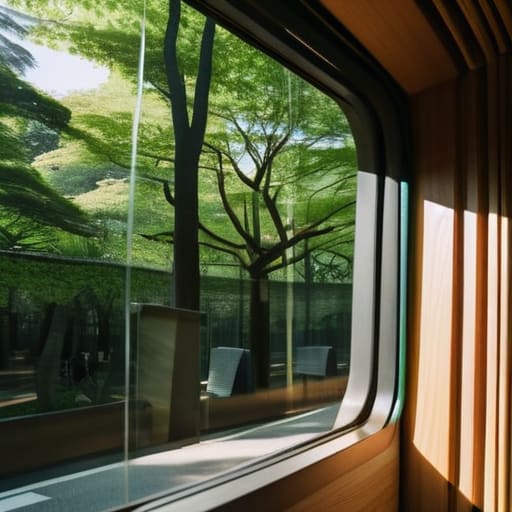
    Most visitors arrive at Sendai Station and immediately feel the pull of the high-speed Shinkansen, but if you want to understand the city’s circulatory system, you have to look toward the Loople Sendai bus. It is more than just a loop; it is a curated thread that stitches together the historical soul of the city with its modern outskirts. I often find myself sitting near the window with my notebook, tracing the route as it winds toward the Zuihoden Mausoleum history sites. There is a specific, rhythmic grace to how these buses navigate the narrow corridors between dense urban blocks and the sudden, lush expansions of the city’s greenery.

    When planning your itinerary, I suggest treating the Loople as your primary artery rather than just a shuttle. It connects the most essential Sendai sightseeing spots with a frequency that allows you to drift rather than rush. If you time your ride for the mid-morning, just after the initial commuter surge has subsided, you’ll find a quietude that makes the transit experience almost meditative. It is in these transitions—the shift from the steel-and-glass station to the cedar-lined paths of the mausoleum—that you truly begin to grasp the logistical elegance of the Tohoku region.

    Finding Stillness Within Sendai Urban Nature Parks
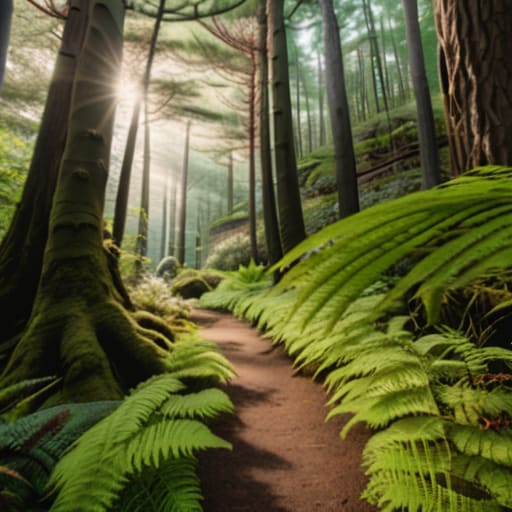
    Finding Stillness Within Sendai Urban Nature Parks.

    While the transit systems provide the city’s skeletal structure, the greenery acts as its lungs. I often find that the most profound way to understand Sendai is to step away from the neon-lit storefronts and retreat into its Sendai urban nature parks. Take, for instance, the stretch of woods surrounding the Zuihoden area. It isn’t just a collection of trees; it is a deliberate buffer against the frantic pace of modern life. I spent an hour yesterday simply watching the light filter through the cedar canopy, noting how the silence here feels heavy and intentional, a stark contrast to the rhythmic hum of the subway.

    If you are planning your itinerary, I suggest timing your visit to these spaces during the early morning. It is arguably the best time to visit Sendai if you want to witness the city in its most honest, unhurried state. There is a specific kind of clarity found in the dappled shadows of these parks—a stillness that allows you to reset before heading back into the urban flow. It’s in these quiet, green pockets that the true character of the Tohoku region reveals itself.

    Small Observations for a Smoother Sendai Experience

    • Don’t rely solely on the digital maps; the Sendai subway system is remarkably intuitive, but I’ve found that studying the physical station layouts helps you anticipate the flow of commuters before you even step onto the platform.
    • If you’re looking for authentic flavors, steer clear of the flashy restaurants near the station; instead, look for the narrow alleys in the Ichibancho area where the steam from a local izakaya tells you more about the quality than any guidebook could.
    • Carry a small, reusable bag for your convenience store finds; Sendai is a city of walking, and you’ll find yourself picking up small essentials more often than you expect while exploring the side streets.
    • Timing is everything when visiting the more popular sites; I prefer to arrive at the quiet temples just as the morning light hits the stone paths, before the midday rush disrupts the stillness I seek.
    • Learn the basic etiquette of the local transit; a little silence and respect for the personal space of others goes a long way in maintaining the orderly, functional rhythm that makes Sendai such a pleasant place to navigate.

    The Sendai Blueprint: Lessons in Urban Rhythm

    Don’t just use the Loople bus as a shuttle; use it as a vantage point to observe how the city’s historical layout dictates the modern flow of its people.

    True respite isn’t found in the crowded central plazas, but in the intentional, quiet pockets of greenery that the city planners have woven into the urban fabric.

    To understand Sendai, look past the major landmarks and study the small, functional details—the way a subway exit leads to a quiet alleyway, or how a park bench is positioned to face the morning light.

    ## The Architecture of Flow

    “A city like Sendai isn’t found in the glossy brochures; it’s found in the way the greenery softens the edges of the concrete and how the transit lines stitch the urban sprawl into something that actually feels human.”

    Rurik Salonen

    The Quiet Logic of Sendai
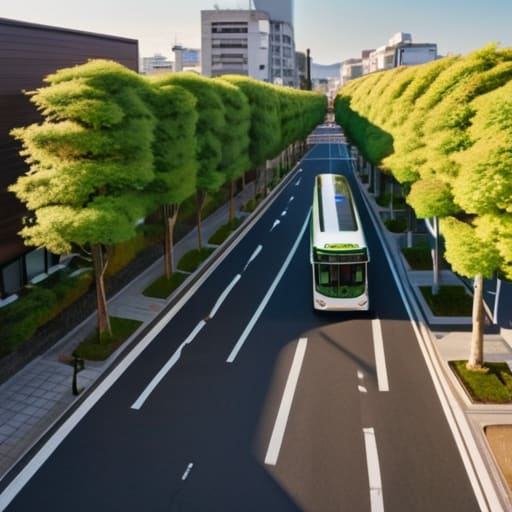
    The Quiet Logic of Sendai's urban design.

    As I sit here in a small cafe near the station, flipping through my notebook, I realize that Sendai isn’t a city that demands your attention through neon lights or grandiosity. Instead, it earns it through its meticulous organization and the way its green corridors weave seamlessly into the urban fabric. We’ve looked at how the Loople bus serves as the city’s circulatory system, and how the urban parks provide much-needed lungs for the metropolitan sprawl. To truly understand this place, you must respect its logistical elegance—the way the transit flows, the way the trees are positioned, and the way the city balances its historical weight with a modern, functional pulse.

    If you find yourself traveling through the Tohoku region, don’t rush to leave. Don’t treat Sendai as a mere waypoint on a map between Tokyo and the north. Instead, slow your pace and let the city’s rhythm dictate your movement. Look for the small, functional details: the way a commuter moves through a station, or the stillness of a park at dusk. When you stop trying to conquer a destination and start trying to understand its breath, you realize that the most profound travel experiences aren’t found in guidebooks, but in the quiet truth of the details we usually overlook.

    Frequently Asked Questions

    How do I best time my photography sessions to capture the interplay of light in the city's more secluded garden spaces?

    If you’re chasing that specific interplay of light, you have to respect the geometry of the gardens. I find the hour just after sunrise to be the most rewarding; the light is soft, long, and doesn’t wash out the textures of the moss or stone. Avoid the midday glare—it flattens everything. Instead, aim for the “blue hour” just before dusk. It’s when the shadows deepen, and the city’s quietest corners truly begin to breathe.

    Is the Loople bus system truly the most efficient way to reach the outskirts, or should I be looking into local train lines for a more seamless flow?

    It depends on your destination, but don’t mistake the Loople for a commuter workhorse. It’s a charming loop designed for sightseeing—wonderful for the cultural core, but its circuitous route makes it inefficient for reaching the true outskirts. If you’re heading toward the periphery, look to the local JR lines or the subway. They offer a much more linear, predictable flow. Use the Loople for the scenery; use the trains for the momentum.

    Where can I find those quiet, functional corners of the city—the small coffee shops or bookstores—that aren't crowded by the main tourist routes?

    To find the city’s true pulse, you have to step away from the Ichibancho thoroughfares. I often find myself tucked into the narrow side streets near the Aoba-dori area. Look for the small, independent bookstores that lack flashy signage; they are the city’s quiet lungs. For coffee, skip the chains and seek out the tiny, single-roaster shops tucked into basement levels or second-story corners. That is where Sendai actually breathes.
  • A Beginner Guide to Sake Tasting

    A Beginner Guide to Sake Tasting

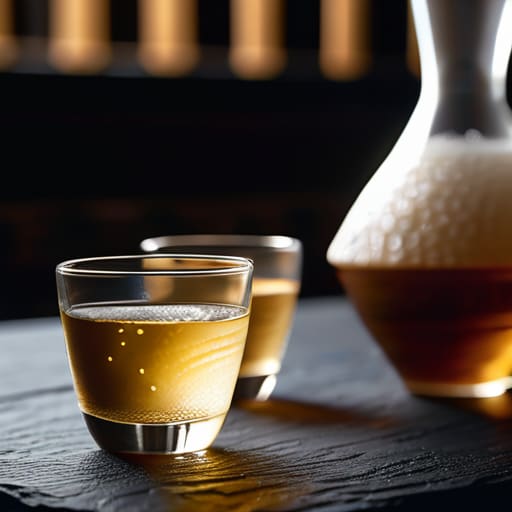
    I remember sitting in a cramped, dimly lit izakaya in Shinjuku last autumn, watching a young tourist struggle through a menu that looked more like a technical manual than a list of drinks. He was trying to follow some overly academic sake tasting guide he’d found online, squinting at terms like “polishing ratio” as if they were formulas for a logistics spreadsheet. It felt wrong. People treat sake like a math problem to be solved, or a status symbol to be purchased, when they should be treating it like a conversation. You don’t need a degree in fermentation to understand what’s in your glass; you just need to stop overthinking the labels and start listening to the liquid.

    I’m not here to sell you on the prestige of expensive labels or drown you in unnecessary jargon. My goal is to provide a practical, experience-based approach to understanding what you’re actually drinking. I’ll strip away the marketing fluff and focus on the sensory reality of the brew—the weight on your tongue, the lingering finish, and the way a single bottle can capture the character of a specific region. Consider this your no-nonsense roadmap to finding the quiet soul of a brew, one sip at a time.

    Table of Contents

    Decoding the Grain Polishing Ratio Impact and Sake Grades Explained

    Decoding the Grain Polishing Ratio Impact and Sake Grades Explained.

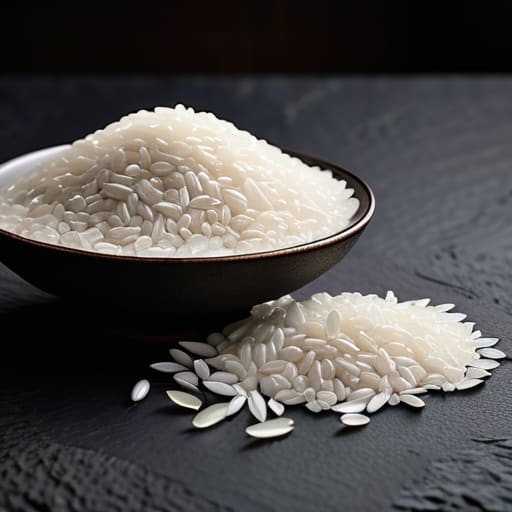
    To understand what is in your glass, you have to look past the calligraphy on the label and understand the rice itself. In my years managing logistics, I learned that the quality of a finished product is dictated by the precision of its raw materials. Sake is no different. The most critical variable is the seimaibuai, or the polishing ratio. When brewers polish the rice grains, they strip away the outer layers of protein and fat, leaving only the pure, starchy core. This process is where the polishing ratio impact truly reveals itself; the more the rice is milled away, the cleaner and more aromatic the resulting brew becomes.

    This technicality is how we categorize the different sake grades explained on most menus. You will often see a distinction between Junmai and Honjozo. A Junmai is pure rice, water, yeast, and koji, often offering a more robust, earthy character. Adding a small amount of brewer’s alcohol, as seen in Honjozo, can actually lighten the body and sharpen the aroma. Understanding these nuances allows you to navigate a menu not by price, but by the specific nihonshu flavor profiles you are actually seeking.

    Nihonshu Flavor Profiles Finding Truth in the Liquid Details

    Nihonshu Flavor Profiles Finding Truth in the Liquid Details

    When you finally hold the glass, the complexity of the liquid begins to reveal itself, moving far beyond the technicalities of the rice. I’ve learned that understanding nihonshu flavor profiles requires a certain patience—the kind you develop when waiting for a delayed train on the Chuo Line. You might encounter the robust, earthy character of a Junmai, which carries the unadulterated strength of the grain, or the cleaner, more streamlined elegance of a Honjozo. The distinction between junmai vs honjozo isn’t just a matter of additives; it is a fundamental shift in how the sake interacts with your palate.

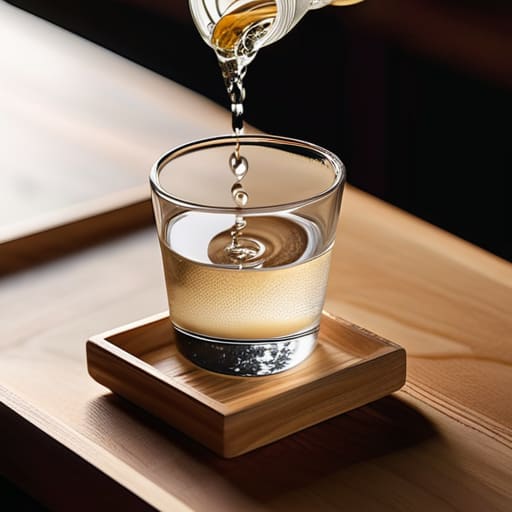
    I find that the true character of a brew often hides behind its temperature. A crisp, chilled Ginjo might dance with citrus notes when cold, but if you let it sit, it warms into something more floral and subtle. Conversely, a heavier brew can find a new, comforting dimension when served slightly warmer. It is in these small, thermal shifts that you find the real soul of the drink. Don’t rush the process; let the temperature and the rice structure guide your senses.

    The Logistics of the Palate: Five Ways to Approach Your Next Tasting

    • Respect the temperature, but don’t let it dictate the experience. While a crisp Junmai Daiginjo often demands a chill to highlight its floral notes, don’t be afraid to let a warmer, earthier sake sit in the glass for a few minutes. Much like a complex supply chain, the flavors evolve as the environment changes.
    • Abandon the rush of the tasting flight. It is tempting to move quickly from one small ceramic cup to the next, but you’ll miss the nuance. Find a seat that allows you to observe the room, take a slow sip, and let the rice notes settle before you move on.
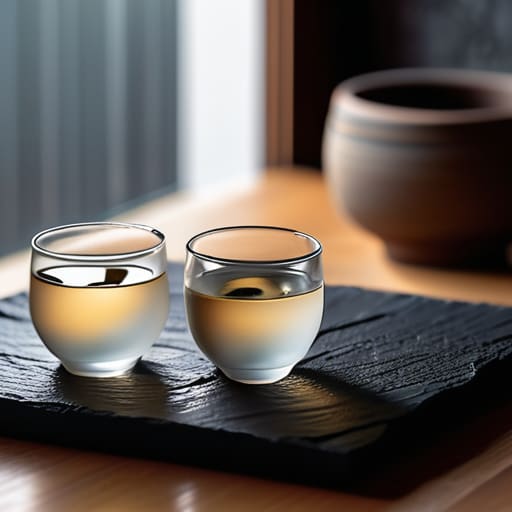
    • Use your senses beyond just taste. Look at the clarity of the liquid in the light and notice the viscosity as it coats the glass. A well-structured sake has a certain weight to it, a physical presence that tells you as much about its quality as the flavor on your tongue.
    • Keep a small, dedicated space for your observations. I find that trying to remember every subtle note of melon or sandalwood is a fool’s errand. Jot down a few words in a notebook—not as a formal critique, but as a way to anchor your memory to the moment.
    • Pair with intention, not just convenience. You don’t need a five-course meal to understand a brew. Sometimes, the simplest accompaniment—a single piece of salted radish or a slice of seasonal fruit—is enough to draw out the hidden truths within the grain.

    The Logistics of a Perfect Pour

    Stop chasing the highest polishing ratio as a rule of quality; instead, match the rice’s refinement to the setting, whether it’s a crisp Junmai for a casual meal or a delicate Daiginjo for a quiet moment of reflection.

    Treat a tasting session like a transit map—don’t rush from station to station. Allow the temperature and the vessel to dictate the pace, letting the nuances of acidity and sweetness reveal themselves in stages.

    Look beyond the marketing on the label and focus on the structural balance of the brew; a truly great sake isn’t just about a single loud note, but how the flavors integrate and linger long after the glass is empty.

    The Logistics of the Palate

    “A sake tasting guide shouldn’t be a checklist of technical specifications; it should be a map. Just as I study the flow of a subway line to understand a city’s pulse, you must learn to follow the grain and the temperature to understand the soul of the brew.”

    Rurik Salonen

    The Final Pour

    The Final Pour of elegant sake.

    As we have seen, understanding sake is less about memorizing technical jargon and more about recognizing the deliberate choices made by the brewer. From the meticulous reduction of the rice grain through polishing ratios to the subtle dance of acidity and sweetness in the flavor profiles, every element serves a specific purpose. It is a complex logistical feat, much like the transit networks I spent my career studying, where every small adjustment in the process dictates the final flow of the experience. When you grasp these fundamentals, you stop seeing a mere beverage and start seeing the structured elegance of the craft itself.

    My advice is simple: do not let the pursuit of perfection distract you from the actual pleasure of the drink. You don’t need a sommelier’s degree to appreciate a well-made brew; you only need a bit of patience and a willingness to listen to what the liquid is telling you. Find a small, dimly lit corner in a quiet izakaya, set aside your expectations, and let the sake speak for itself. In the end, the most profound discoveries are rarely found in the grand gestures, but in the quiet, honest moments of a single, well-timed sip.

    Frequently Asked Questions

    How should I approach the temperature of the sake—is there a point where a chilled Junmai loses its character?

    Temperature is a logistical variable, much like the timing of a train transfer; if it’s off, the whole system fails. For a Junmai, don’t lean too heavily on the ice. If you chill it too aggressively, you mask the very rice-driven acidity that defines its character. I prefer it slightly above cellar temperature—around 10°C. This allows the structure to breathe, ensuring the earthy undertones aren’t lost to a biting, artificial cold.

    When I’m sitting in a crowded izakaya, what are the subtle cues to look for in the glassware to ensure the aroma isn't being stifled?

    Watch the vessel, not just the pour. In a cramped izakaya, you’ll often see narrow, tall glasses—fine for chilled sake, but they trap the volatile aromas. If you’re drinking something complex, look for a wider rim or a shallow ceramic cup. A broader opening allows the bouquet to breathe and reach your nose. If the glass feels too restrictive, I often find myself seeking a wider carafe to let the scent unfold properly.

    If I find a particular profile I enjoy, how do I translate those flavor notes into a way of ordering that doesn't rely on technical jargon?

    Forget the technical jargon; you don’t need to be a master brewer to get what you want. If you find yourself gravitating toward something crisp and clean, ask for something “dry and light.” If you prefer a richer, more velvety texture, look for “mellow” or “full-bodied.” Most importantly, tell the server what you just enjoyed. “I loved that last one because it was smooth and fruity” is the most effective logistics tool in your kit.

  • Visiting the Historic City of Kanazawaazawa

    Visiting the Historic City of Kanazawaazawa

    I was sitting on a damp wooden bench near the Higashi Chaya district last Tuesday, watching a light drizzle settle into the cobblestones, when I realized something. Most guidebooks treat kanazawa culture like a museum exhibit—something static, precious, and tucked behind velvet ropes. They’ll point you toward the gold leaf workshops and the grand tea houses, but they miss the rhythmic pulse of the city that actually makes it work. To me, the real soul of this place isn’t found in a polished souvenir shop; it’s in the way the local bus lines weave through the narrow lanes and how the scent of cedar hangs in the air after a rainstorm.

    I’m not here to give you a checklist of monuments or a list of overpriced tea ceremonies that feel more like performances than experiences. Instead, I want to show you how to navigate the functional beauty of this city. I’ll guide you through the quiet, unscripted moments—the small workshops, the transit routes that lead to hidden gardens, and the unassuming corners where the city truly breathes. This is about understanding the logic and the grace of Kanazawa, stripped of the tourist hype.
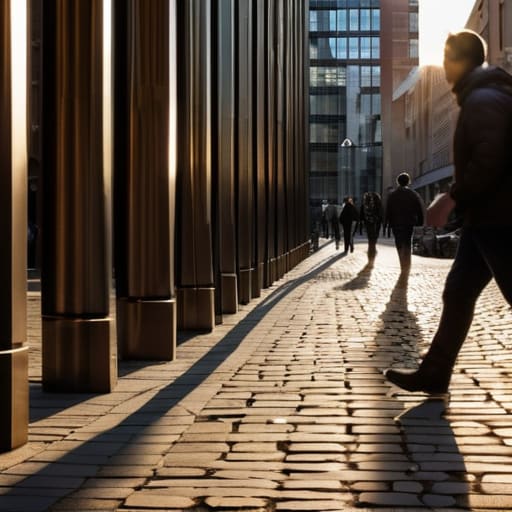
    Table of Contents

    Tracing Edo Period Samurai History Through Silent Streets

    Tracing Edo Period Samurai History Through Silent Streets

    To understand the weight of the Kaga Hyakumangoku heritage, one must step away from the main thoroughfares and follow the narrow, winding veins of the Nagamachi district. Here, the earthen walls and private canals don’t just serve as scenery; they are the structural remnants of a rigid social hierarchy. As I walk these paths, sketching the way the shadows fall against the mud-plastered fences in my notebook, I am struck by how the city’s layout still honors the defensive logic of the Edo period samurai history. There is a deliberate, quiet strength in these streets that modern urban planning rarely achieves.

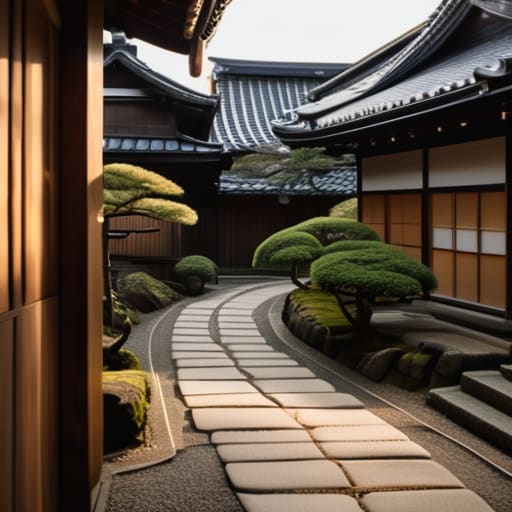
    Moving deeper into the residential quarters, the atmosphere shifts from defensive to refined. You begin to notice the subtle nuances of the Higashi Chaya district architecture, where the wooden lattices and low-slung eaves suggest a life lived with meticulous intention. It isn’t about the grandiosity of a castle, but rather the disciplined elegance found in the way a gate is positioned or how a stone path guides the foot. In these silent corners, the city doesn’t shout its past; it whispers it through the texture of the wood and the stillness of the air.

    The Living Breath of Traditional Japanese Gold Leaf Crafts

    The Living Breath of Traditional Japanese Gold Leaf Crafts.

    I found myself ducking into a narrow workshop tucked away from the main thoroughfares, drawn by the silence that seems to exist only in places where precision is a way of life. Here, the air felt different—still, focused, and heavy with the scent of aged wood and mineral pigments. I watched a craftsman work with a delicacy that made my own hands feel clumsy; he was applying layers of gold so thin they seemed more like breath than metal. This is the heart of traditional Japanese gold leaf crafts, a process that demands a level of patience most modern logistics-driven minds can’t even fathom.

    It isn’t just about the shimmer or the spectacle. To see the gold applied to a lacquerware bowl or a delicate fan is to witness the enduring legacy of the Kaga Hyakumangoku heritage. It is a slow, deliberate art form that refuses to be rushed by the frantic pace of the digital age. As I sat there, sketching the way the light caught the edge of a gold-dusted tray in my notebook, I realized that this craft is the city’s way of preserving its own rhythm against the tide of the modern world.

    • Prioritize the bus over the taxi; the Kanazawa Loop Bus is the city’s circulatory system, and watching the passengers move through the stops gives you a much better sense of the local rhythm than being chauffeured in a private car.
    • Seek the “Ma” (negative space) in the tea districts; rather than rushing to the most famous tea houses, find the small, unnamed stone paths between the main thoroughfares where the silence actually allows you to hear the city breathe.
    • Treat the Higashi Chaya district like a map to be decoded, not a photo op; arrive just as the sun begins to dip to catch the shifting light on the wooden lattices, which reveals more about the architecture than any midday sun ever could.
    • Carry a physical notebook for the small details; the subtle variations in gold leaf application or the specific way a garden gate is weathered are details that a digital camera often flattens, but a hand-drawn sketch preserves.
    • Respect the quietude of the temples by observing the local practitioners; don’t just look at the structures, but watch how the locals interact with the space—it is in their measured movements that the true culture resides.

    The Essence of Kanazawa

    To understand Kanazawa, one must look past the surface-level aesthetics and observe the continuity of its craftsmanship, where gold leaf is not a mere souvenir but a living link to the city’s historical identity.

    The city’s true character is revealed in its quietude; the historical weight of the samurai districts is felt most deeply in the stillness of the side streets rather than the crowded tourist hubs.

    A meaningful journey through this city requires a logistical patience—the willingness to slow down, navigate its winding paths, and appreciate how tradition and modern life coexist in a delicate, functional balance.

    The Geometry of Tradition

    Kanazawa doesn’t shout its history from the rooftops; it whispers it through the precise alignment of a tea house garden and the steady, rhythmic hand of a craftsman working gold leaf. To understand this city, you must stop looking at the monuments and start looking at the continuity of its motion.

    Rurik Salonen

    The Quiet Resonance of Kanazawa

    The Quiet Resonance of Kanazawa in sketches.

    As I sit here at a small corner café, sketching the intersection of a narrow lane and a modern transit line in my notebook, the essence of Kanazawa becomes clear. It is not merely a collection of preserved samurai districts or the shimmering surface of gold leaf; it is the way these elements exist in a delicate, functional equilibrium. From the disciplined shadows of the Edo-period streets to the meticulous precision of the local artisans, the city demonstrates a mastery of continuity. You see it in the way the old world doesn’t just sit behind glass for tourists, but continues to breathe through the daily rhythms of its people.

    If there is one thing my years in logistics taught me, it is that the most complex systems are often the most beautiful when they operate with silent efficiency. Kanazawa is a masterclass in that kind of grace. Do not rush through this city looking for the next landmark to photograph. Instead, allow yourself to slow down. Look for the beauty in the way a craftsman’s hands move, or the way the light hits a stone path after a light rain. When you stop chasing the highlights, you finally begin to understand the soul of the place.

    Frequently Asked Questions

    How can I best navigate the city's bus network to find those quieter, less-trodden neighborhoods away from the main tourist hubs?

    To find the stillness, you must bypass the Kanazawa Loop Bus. It’s efficient, certainly, but it follows the tourist pulse too closely. Instead, I prefer the local Hokutetsu lines. I grab a paper map—there’s a tactile clarity to it—and look for routes heading toward the periphery, like the outskirts of Teramachi. Sit near the window, watch the stops change from crowded hubs to quiet residential corners, and disembark where the bus feels most like a lifeline for locals.

    Beyond the major craft workshops, are there small, local studios where I can observe the daily rhythm of traditional artisans at work?

    You won’t find them in the glossy brochures, but if you wander the narrow arteries of the Higashi Chaya district during the mid-morning lull, you’ll see them. Look for the unmarked wooden doors tucked behind the main thoroughfares. I often find myself pausing near the smaller lacquerware workshops; there is a profound, rhythmic stillness in watching an artisan work. It’s not a performance for tourists, but a quiet, disciplined dialogue between hand and material.

    What are the best times of day to experience the historical districts without the distraction of large crowds?

    If you want to catch the Higashi Chaya district before the tour buses arrive, aim for the first light of dawn. There is a specific, heavy stillness around 6:00 AM that feels almost sacred. Alternatively, I find the blue hour—just after sunset—to be quite revealing. Once the day-trippers retreat, the lanterns flicker on, and the streets reclaim a quiet, rhythmic dignity that the midday crowds tend to obscure.

  • Understanding Etiquette on Japanese Public Transport

    Understanding Etiquette on Japanese Public Transport

    I was sitting in Shinjuku Station last Tuesday, watching a sea of commuters flow through the gates with the precision of a well-oiled machine, when I realized how much most guidebooks get wrong. They treat japan public transport etiquette like a rigid set of commandments to be memorized, a heavy burden of “dos and don’ts” that makes travelers feel like they’re walking through a minefield. But after thirty years of managing complex logistics, I’ve learned that it isn’t about following a list of strict rules; it’s about recognizing the flow. It is a silent, collective agreement to respect the shared space of a stranger.

    I’m not here to give you a lecture or a list of polite phrases you’ll never use. Instead, I want to pull back the curtain on the actual mechanics of the commute. I will share the practical, hard-won observations I’ve gathered from years of navigating these rails, focusing on the unspoken nuances that turn a stressful journey into a seamless part of your exploration. You won’t find any fluff here—just the grounded reality of how to move through these cities with confidence and quiet respect.

    Table of Contents

    The Silent Language of Etiquette for Subway Commuters

    The Silent Language of Etiquette for Subway Commuters.

    Once you descend into the subterranean labyrinth of Tokyo or Osaka, you realize that the silence isn’t an absence of sound, but a presence of discipline. To master the etiquette for subway commuters, one must first understand that the train car is a shared, sacred space of transition. I often find myself watching the commuters; there is a profound, almost rhythmic grace in how they navigate the crush of a morning rush. The most vital rule is the unspoken pact regarding japanese train phone usage. You will rarely see a passenger engaged in a loud conversation; instead, phones are kept on silent, and if a call must be taken, it is handled with a hushed, apologetic tone or deferred until the next station.

    It is this commitment to avoiding noise on public transit that allows the city to function without descending into chaos. Even in a packed carriage, the air feels heavy with a collective desire for privacy. Whether you are standing near the doors or seated in the designated areas, maintaining a small physical and auditory footprint is the mark of a seasoned traveler.

    Avoiding Noise on Public Transit to Preserve the Peace

    Avoiding Noise on Public Transit to Preserve the Peace.

    There is a specific kind of tension that occurs when a single, sharp sound punctures the collective stillness of a commuter car. I’ve sat in many of these carriages, Leica camera resting on my lap, watching how a sudden burst of video audio or a loud conversation causes a subtle, synchronized tightening in the shoulders of everyone nearby. In Japan, avoiding noise on public transit isn’t just about being polite; it is an act of social preservation. It is the understanding that your personal space should not infringe upon the mental space of the stranger sitting next to you.

    When it comes to japanese train phone usage, the unspoken rule is absolute: your device should be a silent companion. Setting your phone to “manner mode” is the bare minimum. I’ve found that the most seamless travelers are those who treat the train as a shared sanctuary of focus. Whether you are navigating a local line or observing the more structured shinkansen boarding rules on a long-haul journey, the goal remains the same: to move through the city without leaving a sonic footprint.

    The Unspoken Mechanics of the Commute

    • Master the art of the queue. In my years of logistics, I learned that efficiency is born from order, not speed. At any platform in Tokyo or Osaka, you will see painted lines indicating exactly where to stand. Respect these markers; they are the foundation of a smooth flow that prevents the chaos of a bottleneck.
    • Mind your physical footprint. The aisles of a train are shared, limited real estate. If you are carrying a large backpack, the polite move is to swing it around to your front or place it on the overhead rack. It’s a small gesture, but it prevents you from inadvertently bumping into a neighbor in a crowded car.
    • Respect the priority zones. The priority seats aren’t just designated areas; they are a social contract. While they are there for the elderly, pregnant, or disabled, the true etiquette lies in your awareness. If the car is crowded, offering your seat is a silent, dignified way to contribute to the collective well-being.
    • Keep your digital presence contained. A smartphone is a useful tool, but it can easily become a source of friction. If you must take a call, wait until you reach the station platform. Within the carriage, your screen should be a private affair, not a distraction to those sitting beside you.
    • Navigate the gates with intention. When using your IC card, approach the ticket gates with a clear sense of direction. Fumbling at the turnstile creates a ripple effect of delays behind you. A steady, purposeful pace is the greatest courtesy you can offer to the thousands of people moving in sync with you.

    The Essentials of Urban Respect

    Mastery of the quiet commute isn’t just about following rules; it’s about recognizing that your personal space ends where another passenger’s peace begins.

    Treat the transit system as a shared sanctuary by keeping your digital footprint—from phone calls to loud music—strictly contained within your own personal bubble.

    Observe the unspoken flow of the station; true efficiency and respect are found in how you navigate exits, queues, and boarding patterns without disrupting the collective rhythm.

    ## The Unspoken Social Contract

    “In the rush of a Tokyo morning, etiquette isn’t a set of restrictive rules; it is a collective, silent agreement to grant every stranger the dignity of their own space, even when there isn’t a single inch of it to be found.”

    Rurik Salonen

    The Flow of the City

    The Flow of the City in transit.

    Navigating the transit networks of Tokyo or Osaka requires more than just a working IC card and a decent map; it demands a fundamental shift in how you occupy space. By mastering the nuances of volume control, respecting the designated seating hierarchies, and maintaining the unspoken sanctity of the shared cabin, you transition from a mere observer to a participant in the city’s delicate ecosystem. It is about more than just following rules to avoid a reprimand; it is about recognizing that every small gesture of restraint—a lowered voice, a tucked-away backpack, a quiet phone—contributes to the seamless efficiency that keeps these massive urban engines running without friction.

    As I sit by the window of a moving Yamanote line train, watching the blur of neon and concrete pass by, I am reminded that these etiquette protocols are the invisible threads holding the metropolis together. When we respect the silence, we aren’t just being polite; we are allowing the city to breathe. I encourage you to look beyond the logistics of your journey and embrace the quiet dignity of the commute. If you can learn to move in harmony with the crowd, you will find that the most profound way to understand Japan is not by shouting your presence, but by finding your rhythm within its steady, respectful pulse.

    Frequently Asked Questions

    How should I handle the etiquette of boarding and exiting trains when the platforms are extremely crowded during rush hour?

    When the platforms swell during rush hour, the chaos can feel overwhelming, but there is a logic to it. Stand behind the yellow tactile paving and wait for the exiting crowd to clear before you even think about stepping forward. Once the doors open, let the passengers off first; it’s a simple rule of flow. Find your spot in the designated queue areas. Efficiency in these moments isn’t about speed—it’s about maintaining the order that keeps the whole system breathing.

    Are there specific unspoken rules regarding where to stand or sit if I am carrying large luggage or a camera bag?

    When you’re carrying a heavy camera bag or a suitcase, the goal is to minimize your footprint. I always try to find a corner or stand near the ends of the carriage to avoid blocking the flow of commuters. If you’re sitting, keep your luggage on your lap or between your feet. Never let a bag occupy an empty seat next to you; in a city this dense, every seat is a shared resource.

    What is the proper way to navigate the complex etiquette of priority seating for the elderly or those with disabilities?

    Priority seating isn’t just about a designated area; it’s about a shared awareness. In my years of logistics, I learned that efficiency relies on knowing when to step aside. When you see someone needing that space—whether they are elderly, disabled, or even a pregnant woman—don’t wait for an awkward moment of eye contact. Simply stand, offer a small, polite nod, and vacate the seat. It’s a quiet, seamless gesture that keeps the city’s rhythm steady.

  • The Architecture of Modern Tokyo

    The Architecture of Modern Tokyo

    I was sitting in a cramped izakaya in Shimokitazawa last Tuesday, watching the rain streak against a window that had likely been replaced three times since the Showa era. Most guidebooks will tell you that to understand tokyo architecture, you need to stand at the base of a gleaming glass monolith in Roppongi or queue for hours to see a museum designed by a starchitect. They’re wrong. To me, the real structural story isn’t found in the grand gestures of steel and light; it’s found in the functional friction where a concrete retaining wall meets a wooden gate, or how a tiny, three-story house manages to breathe amidst a sea of power lines.

    I’m not here to sell you on the spectacle of the skyline. Instead, I want to show you how to read the city like a blueprint. We are going to look past the neon distractions to find the quiet, structural logic that keeps this massive machine running. My goal is to help you recognize the beauty in the utilitarian—the way a transit hub dictates the flow of a neighborhood, or how a single alleyway can hold more architectural truth than a skyscraper.

    Table of Contents

    The Metabolism Architecture Movement and the Dream of Growth

    The Metabolism Architecture Movement and the Dream of Growth.

    To understand the skeletal structure of this city, one has to look back at the feverish energy of the mid-century. Following the devastation of the war, Japan didn’t just rebuild; it reimagined the very concept of permanence. This gave rise to the metabolism architecture movement, a philosophy that treated buildings not as static monuments, but as living, breathing organisms capable of growth and modular change. I often find myself staring at the Nakagin Capsule Tower—before its recent decommissioning—thinking about how its designers envisioned a city that could shed its skin and evolve alongside its inhabitants.

    It was a bold, almost frantic attempt at post-war urban reconstruction that sought to marry high-tech modularity with a deep-seated cultural understanding of organic cycles. While some of these concrete dreams eventually succumbed to the friction of reality, the spirit remains. You see it in the way certain districts still strive for that futuristic cityscape design, attempting to balance the rigid demands of density with a sense of kinetic movement. It is a tension between the desire to stay rooted and the necessity of constant, restless expansion.

    Post War Urban Reconstruction Finding Order in the Chaos

    Post War Urban Reconstruction Finding Order in the Chaos

    When I look at the sprawl of Shinjuku or the dense corridors of Ginza, I don’t just see steel; I see the scars of a city that had to reinvent itself from the ground up. The era of post-war urban reconstruction wasn’t just about rebuilding lost ground; it was a frantic, necessary attempt to impose a new kind of logic onto a landscape that had been leveled. You can feel that tension in the street layouts. There is a palpable struggle between the need for rapid, high-density expansion and the lingering ghost of the old city.

    Unlike the grand, sweeping urban plans of many Western capitals, Tokyo’s recovery felt more like a series of tactical maneuvers. It was a logistical puzzle of necessity. While much of the city moved toward a futuristic cityscape design to signal progress, there remained a stubborn, quiet resistance in the smaller pockets. Even amidst the concrete, you’ll find traces of traditional Japanese wooden structures tucked into the margins of new developments, serving as a reminder that the city’s foundation is far more layered than the glass facades suggest.

    A Logistical Approach to Observing the City

    • Don’t look up; look down and around. The most compelling architectural stories in Tokyo aren’t told by the glass towers, but by the way a tiny, wooden machiya clings to the side of a concrete parking garage. It is in these tight, improbable squeezes that you see the city’s true spatial logic.
    • Use the transit hubs as your vantage points. Instead of rushing through Shinjuku or Shibuya, find a quiet corner of an elevated walkway. From there, you can observe how the massive structural skeletons of the stations integrate with the organic, messy flow of the streets below.
    • Follow the light, not the neon. If you want to understand the texture of the city, seek out the narrow residential streets during the “blue hour” just after sunset. The way the soft light hits the varying surfaces—from corrugated metal to polished cedar—reveals the layers of history that the bright lights of Ginza tend to wash out.
    • Carry a physical notebook. Digital maps are efficient for getting from A to B, but they flatten the world. Sketching the way a staircase winds through a cramped building or how a balcony juts out over a sidewalk forces you to acknowledge the three-dimensional reality of Tokyo’s density.
    • Respect the concept of Ma (negative space). In a city that feels like it’s constantly expanding, the most significant architectural moments are often the gaps—the small courtyard between buildings or the empty space in a shrine’s entrance. Learning to see the value in what isn’t there is key to understanding Japanese urban design.

    The Lessons Found in the Layers

    Architecture in Tokyo isn’t a static monument; it is a living, breathing response to the constant tension between rapid growth and the necessity of rebuilding.

    To truly understand the city, one must look past the grand structural statements and observe how the built environment accommodates the flow of millions through its transit-oriented design.

    The city’s soul is found in the transition—the way a high-tech, Metabolist structure can sit in quiet, functional harmony with a narrow, post-war alleyway.

    The Architecture of Movement

    “Most people look at Tokyo and see a finished product, a static collection of steel and glass. But if you watch closely, you realize the city isn’t a monument; it’s a living, breathing logistical puzzle, constantly reconfiguring itself to stay one step ahead of its own heartbeat.”

    Rurik Salonen

    The Living Blueprint

    Tokyo skyline: The Living Blueprint.

    Looking back at the layers we have peeled away, it becomes clear that Tokyo’s skyline is not a static collection of buildings, but a continuous process. From the ambitious, organic visions of the Metabolism movement to the pragmatic, rapid-fire reconstruction that followed the war, the city has always been in a state of flux. We have seen how the tension between radical growth and necessary order has shaped every street corner. Architecture here isn’t just about the steel and glass that reaches for the clouds; it is about the structural response to a history defined by constant evolution and the relentless need to rebuild.

    As I sit here in a small cafe near Shinjuku, watching the commuters flow through the station like blood through an artery, I am reminded that the true beauty of Tokyo lies in its unrelenting adaptability. You won’t find the answers in a single monument or a grand plaza, but in the way the city breathes through its contradictions. To understand Tokyo is to accept that nothing is permanent, and there is a profound, quiet grace in that transience. Don’t just look up at the towers; look at how the city finds its way through the cracks, constantly reinventing itself one brick and one subway line at a time.

    Frequently Asked Questions

    How do the massive, modern transit hubs actually integrate with the older, more traditional residential neighborhoods nearby?

    It’s a delicate, almost invisible friction. You step out of the hyper-efficient, glass-and-steel vacuum of Shinjuku or Shibuya, and suddenly the scale shifts. The transition isn’t a hard line; it’s a gradual tapering. The massive transit arteries feed into these smaller, capillary-like streets where the architecture shrinks back to wood and tile. The noise of the commuters dissolves into the quiet hum of a residential block, proving that Tokyo’s strength lies in this seamless, layered coexistence.

    If Metabolism was about growth and change, why do so many of those iconic structures feel like they've been frozen in time?

    It’s a bit of a paradox, isn’t it? Metabolism was designed as a living, breathing organism—modular units meant to be plugged in or swapped out as the city evolved. But in practice, the logistics of such constant change proved too complex, even for a country as efficient as Japan. Instead of evolving, these structures became static monuments to a future that never quite arrived, leaving us with these heavy, beautiful relics of a dream.

    Beyond the famous landmarks, where can one find the most interesting examples of how small-scale architecture handles Tokyo's extreme density?

    To see how Tokyo truly manages its density, leave the grand plazas and head toward the residential pockets of Setagaya or the narrow lanes of Yanaka. Look for the “micro-houses”—those impossibly slim structures wedged between utility poles and neighbors. It’s in these tiny, ingenious footprints, where every centimeter of floor space is a calculated decision, that you witness the real mastery of urban survival. That is where the city’s logic becomes intimate.

  • The Social Role of Local Izakayas

    The Social Role of Local Izakayas

    I was sitting in a polished, glass-fronted eatery in Shinjuku last Tuesday, surrounded by tourists clutching glossy guidebooks and menus translated into five different languages. They were paying a premium for “authentic” experiences that felt more like a stage set than a meal. It struck me then how much we miss when we chase the neon lights and the high-rise reviews. The true rhythm of a city isn’t found in these curated spectacles; it’s tucked away in the dim, cedar-scented warmth of neighborhood izakayas that most travelers simply walk right past.

    I have no interest in ranking the most “Instagrammable” spots or guiding you toward overpriced tourist traps. Instead, I want to show you how to read the city like a map—looking for the signs of functional beauty in a narrow doorway or the steady hum of a local crowd. My goal is to provide you with a practical, no-nonsense guide to finding those quiet corners where the food is honest and the atmosphere is unforced. We aren’t looking for landmarks; we are looking for the soul of the street.

    Table of Contents

    Finding Truth in Authentic Japanese Pub Food

    Finding Truth in Authentic Japanese Pub Food.

    To understand the menu of a true local establishment, one must look past the glossy translations. Real authentic Japanese pub food isn’t about spectacle; it is about the precision of a single, perfectly charred skewer or the brine of a well-prepared seasonal vegetable. I often find myself sitting on a wooden stool, watching the chef work with a rhythmic efficiency that reminds me of the supply chains I used to manage. There is a profound honesty in a dish that doesn’t try to be anything other than what it is.

    The magic happens when you lean into the tapas-style small plates that define the experience. Instead of one heavy entree, you order a series of small, intentional bites—perhaps some grilled mackerel or a chilled tofu dish—designed to be shared. This method of eating mirrors the very structure of the city itself: many small, interconnected parts working in unison. When you pair these flavors with thoughtful Japanese sake pairings, you aren’t just eating; you are participating in a centuries-old ritual of decompression and connection.

    The Ritual of After Work Dining Traditions

    The Ritual of After Work Dining Traditions.

    There is a specific cadence to the way a Japanese city shifts as the sun dips below the skyline. In my years of managing logistics, I learned to respect the efficiency of a well-oiled machine, but nothing compares to the rhythmic precision of after-work dining traditions. As the salarymen spill out of the office buildings, they aren’t just looking for fuel; they are seeking a transition. They move toward these dimly lit sanctuaries to shed the weight of the workday. It is a collective exhale, a momentary pause in the city’s relentless momentum.

    Inside, the atmosphere is defined by a unique community dining atmosphere that feels both intimate and incredibly structured. You see it in the way a group orders a series of tapas-style small plates, passing dishes around as a way to reconnect. There is no rush here. Whether it is a solo traveler or a team of engineers, the ritual remains the same: a shared sense of belonging that exists in the space between the last meeting and the long commute home.

    • Look for the “salaryman” density. If you see a cluster of local workers shedding their formal layers at the door, you’ve found a place that prioritizes consistency over spectacle. A crowded shop is often just a sign of a well-oiled kitchen.
    • Master the art of the “Otooshi.” Don’t view the small mandatory appetizer as a nuisance or a hidden fee; it is the opening movement of the meal, a small, necessary ritual that settles the palate before the main courses arrive.
    • Observe the flow before you sit. A good izakaya functions like a well-managed warehouse—there is a specific rhythm to how orders move and how staff navigate the tight aisles. If the movement feels chaotic rather than purposeful, the food likely will too.
    • Embrace the counter seat. While a table offers privacy, the counter offers observation. Sitting there allows you to watch the precision of the chefs and the unspoken communication between the staff, providing a much clearer view of the establishment’s true character.
    • Don’t fear the language barrier. In these smaller, neighborhood spots, a simple nod, a polite “sumimasen,” and a smile go much further than a complex menu translation. The most authentic experiences are often found in the spaces where formal English fails.

    The Logician’s Guide to the Backstreet Izakaya

    Look past the neon signage of the main thoroughfares; the most honest flavors are found in the narrow, dimly lit alleys where the menu is dictated by the day’s market, not a corporate handbook.

    Observe the rhythm of the room to understand its purpose, distinguishing between the boisterous camaraderie of a salaryman’s wind-down and the quiet, solitary comfort of a local regular.

    Value the imperfections—the chipped ceramic sake cups and the weathered wooden counters—as they are the tactile evidence of a space that has aged alongside its community.

    The Logistics of Connection

    “An izakaya isn’t just a place to eat; it is a vital, small-scale node in the city’s social supply chain, where the friction of a long workday is finally smoothed away by the simple, rhythmic clinking of highball glasses.”

    Rurik Salonen

    The Quiet Geometry of a Shared Meal

    The Quiet Geometry of a Shared Meal.

    As I sit here, sketching the frantic intersection of the nearby subway line in my notebook, I realize that these neighborhood izakayas are more than just places to consume calories. They are the essential valves of the city, regulating the pressure of urban life through the simple mechanics of shared plates and steady rhythms. We have explored how the authenticity of the food serves as a gateway to local culture, and how the ritual of the after-work drink provides a necessary structural pause in the relentless momentum of the metropolis. To find these spaces, one must look past the neon-lit main thoroughfares and instead follow the subtle currents of human movement into the side streets.

    Ultimately, understanding a city like Tokyo or Osaka requires a willingness to slow your pace and observe the small, functional details that others overlook. A city is not merely a collection of landmarks; it is a living, breathing organism that sustains itself in these dim, wooden-clad corners. When you step into an izakaya, you aren’t just a tourist; you are witnessing the unspoken choreography of a community finding its balance. So, the next time you find yourself lost in the sprawl, don’t look for the brightest sign. Look for the smallest door, and listen for the quiet hum of a city breathing in unison.

    Frequently Asked Questions

    How can I distinguish a genuine neighborhood izakaya from a tourist-oriented establishment when walking through a busy district?

    Look for the lack of English signage. A genuine izakaya doesn’t need to shout at you with bright neon or translated menus. Instead, watch the flow of the crowd. If you see salarymen loosening their ties or locals settling into a rhythmic, unhurried meal, you’ve found something real. Look for the small details: a handwritten chalkboard menu, the dim, warm glow of a single lantern, and a sense of quiet, functional purpose.

    Is there a specific etiquette I should follow regarding ordering and interacting with the staff in these smaller, more intimate spaces?

    In these smaller spaces, the rhythm is everything. Don’t rush the process. When you sit, a small dish of edamame or pickled vegetables—the otoshi—will likely appear; consider this your entry fee, a polite acknowledgement of your presence. When ordering, a simple “sumimasen” works wonders, but keep your voice low. These venues are intimate, often shared with regulars. Observe their flow, respect the quiet, and you’ll find the staff treats you less like a tourist and more like a guest.

    What is the best way to navigate the "otōshi" (table charge) system without feeling caught off guard?

    Don’t let the otōshi unsettle you; think of it less as a hidden fee and more as a small, mandatory contribution to the rhythm of the establishment. It’s essentially a cover charge that includes a tiny appetizer—a small nod to the kitchen’s preparation. When the bill arrives, just look for that small line item. It’s a standard part of the urban choreography here. Accept it, enjoy the snack, and keep observing.

  • Exploring Different Japanese Curry Varieties

    Exploring Different Japanese Curry Varieties

    I remember sitting in a cramped, fluorescent-lit station eatery near Shinjuku during a torrential downpour, watching a salaryman methodically work through a bowl of thick, dark roux. There was no fanfare, no gold-leaf garnish, just the heavy, comforting scent of toasted spices cutting through the damp city air. Most guidebooks will try to sell you on the idea that understanding japanese curry varieties requires a fine-dining palate or a deep dive into esoteric spice histories, but they’re missing the point entirely. To me, the real distinction isn’t found in a Michelin star; it’s found in the functional rhythm of a meal that fuels a person for the long commute ahead.

    I have no interest in chasing culinary trends or overpriced fusion nonsense. Instead, I want to walk you through the practical landscape of what you’ll actually encounter on the streets of Tokyo and Osaka. I’m going to strip away the marketing fluff and show you the essential differences between the styles—from the heavy, gravy-like textures of home-style cooking to the sharper, more refined regional iterations. My goal is to help you navigate these flavors with the same precision I once used to map out a global supply chain, ensuring you find exactly what you need.

    Table of Contents

    Decoding the Soul of Japanese Curry Roux Ingredients

    To understand the character of a curry, one must look past the plate and into the base—the roux. In my years managing logistics, I learned that a complex system is only as reliable as its fundamental components. The same applies here. When you examine the various Japanese curry roux ingredients, you aren’t just looking at flour and fat; you are looking at a blueprint of flavor. A heavy hand with cocoa powder or instant coffee can lend a dark, brooding depth to the sauce, while the inclusion of grated apple or honey introduces a subtle, fruity sweetness that softens the edges of the spice.

    It is this delicate calibration that defines the different Japanese curry flavor profiles found across the archipelago. I’ve sat in small, wood-paneled shops in Osaka where the chef treats the simmering pot with the same precision I once saw in a high-tech warehouse. Some prioritize a thick, velvety consistency that clings to rice, while others lean toward a more fluid, aromatic style. It is a matter of structural integrity—the way the sauce interacts with the starch—that separates a mere meal from a piece of culinary architecture.

    Mapping the Spectrum From Mild vs Spicy Japanese Curry

    Mapping the Spectrum From Mild vs Spicy Japanese Curry.

    When I sit down in a small eatery near Shinjuku Station, I don’t look at the menu for the meat; I look for the heat scale. Navigating the nuances of mild vs spicy Japanese curry is much like reading a transit map—you have to understand the direction of the flow before you commit to the journey. A mild curry isn’t merely “safe”; it is often a masterclass in depth, relying on a slow-simmered sweetness from grated apples or honey to carry the weight of the spices. It is the ultimate comfort food Japanese cuisine, designed to settle the spirit after a long day of navigating the city’s frantic pace.

    On the other end of the spectrum, the heat becomes a structural element rather than an afterthought. As you move toward the sharper, more aggressive profiles, the spice begins to cut through the richness of the roux, demanding your full attention. I’ve often found myself weighing the heavy, gravy-like consistency of a classic plate against the more fluid, aromatic intensity found in a katsu curry vs soup curry comparison. One offers a dense, grounding warmth, while the other provides a lighter, more volatile experience that dances on the palate.

    Navigating the Curry Landscape: A Few Logistical Observations
    • Don’t let the heat levels fool you; in Japan, “spicy” is a relative term. Always ask for the karai-sa (spiciness level) before ordering, as a “medium” in a local neighborhood shop might feel quite different from the standardized heat of a commercial chain.
    • Look for the “Soup Curry” specialists in Hokkaido if you find yourself traveling north. Unlike the thick, roux-based stews common in Tokyo, these are more of a broth-based affair, designed to be navigated with a spoon and a fork for the large, chunky vegetables.
    • Pay attention to the texture of the sauce. A truly well-made curry often has a slight graininess or weight to it, suggesting a slow-simmered base of sautéed onions rather than a quick-fix powder. It’s the difference between a well-oiled machine and a prototype.
    • Seek out the “Katsu Curry” combinations, but treat them as a study in structural balance. The crispness of the fried pork cutlet provides a necessary textural counterpoint to the heavy, velvet-like consistency of the curry sauce.
    • Observe the rice. In many smaller, authentic shops, the rice isn’t just a side dish; it’s the foundation. It should be short-grain, slightly sticky, and capable of absorbing the sauce without turning into a shapeless mass. The rice is the carrier for the entire logistical operation of the meal.

    The Logistical Essence of the Curry Experience

    Forget the heat levels; true Japanese curry is a study in balance, where the depth of the roux and the complexity of the spices matter far more than a simple spice rating on a label.

    To understand a neighborhood, look at its curry. A shop’s specific recipe—whether it leans toward a heavy, dark gravy or a lighter, fruitier profile—is a direct reflection of the local palate and history.

    Don’t rush the meal. The real character of the dish is found in the slow-simmered details that most people overlook in their hurry to move on to the next destination.

    The Logistics of Flavor

    Just as a well-oiled transit network relies on the seamless integration of countless moving parts, a truly exceptional Japanese curry is a masterclass in equilibrium—where the heavy weight of the roux meets the sharp, bright notes of spice to create a system that feels entirely whole.

    Rurik Salonen

    The Final Destination

    Japanese curry is The Final Destination.

    As we have seen, navigating the vast landscape of Japanese curry is less about memorizing a list of ingredients and more about understanding the delicate balance of heat, texture, and tradition. Whether you are dissecting the complex, slow-cooked layers of a heavy roux or choosing between the sharp bite of a spice-forward regional style and the comforting, mild embrace of a family-style stew, you are engaging with a culinary system that is as finely tuned as any metropolitan transit network. Each variety serves a specific purpose, a specific mood, and a specific moment in the rhythm of the day. To master the nuances of these flavors is to begin to truly decode the palate of Japan itself.

    In my years of managing complex logistics, I learned that the most important details are often the ones that operate quietly in the background. Japanese curry is much the same; it is the steady, reliable heartbeat of the city’s food culture. Don’t feel pressured to find the “best” version or the most famous recipe. Instead, I encourage you to wander into those narrow, dimly lit eateries where the steam obscures the windows and the menu is handwritten. Seek out the bowl that speaks to your current state of mind. After all, the true essence of travel isn’t found in the grand gestures, but in the quiet, flavorful truths we discover in the most unassuming places.

    Frequently Asked Questions

    How can I tell the difference between a curry made from a commercial roux block and one prepared from scratch in a local kitchen?

    The distinction lies in the texture and the “finish.” A commercial roux block is designed for consistency; it’s smooth, uniform, and often has a slightly heavy, gelatinous mouthfeel that coats the tongue predictably. When a kitchen prepares it from scratch, you’ll notice a more nuanced depth. The sauce feels lighter, perhaps even slightly grainier from hand-toasted spices, and the flavors evolve on your palate rather than hitting you all at once.

    Are there specific regions in Japan where the curry profile changes, perhaps reflecting local agricultural specialties?

    It’s rarely a matter of official decree, but rather a reflection of what the land provides. In Hokkaido, the sheer abundance of dairy lends a heavy, velvety richness to the roux that you won’t find elsewhere. Meanwhile, in the warmer southern stretches, you’ll encounter a sharper, more fruit-forward profile—often utilizing local citrus or even subtle infusions of ginger to cut through the humidity. The geography dictates the plate; the soil dictates the spice.

    If I am looking for a more traditional, less modernized experience, should I seek out "kare-raisu" in older neighborhoods or look for specific styles like Kyoto-style?

    If you’re looking to escape the processed, hyper-commercialized flavors of the modern era, steer clear of the major station hubs. You want the older neighborhoods—the shitamachi districts—where the curry shops have been family-run for decades. Look for “kare-raisu” in these pockets; the roux is often thicker, darker, and less reliant on the instant cubes found in supermarkets. Kyoto-style is a lovely nuance, but the real soul lies in those aging, unassuming storefronts.

  • Taking Walking Tours Through Japanese Cities

    Taking Walking Tours Through Japanese Cities

    Most people approach urban walking tours like they’re checking items off a grocery list—following a guide through a crowded plaza just to stare at a temple they could have seen from a bus window. It’s a frantic, superficial way to see a city, and frankly, it’s a waste of good daylight. I’ve spent decades managing complex logistics, so I have a low tolerance for inefficiency, and there is nothing more inefficient than a tour that ignores the actual mechanics of how a city functions. If you are just looking for a curated photo op in front of a monument, you aren’t really traveling; you’re just spectating.

    I’m not here to sell you on the polished, tourist-trap version of city exploration. Instead, I want to show you how to use urban walking tours as a lens to see the structural truth of a place—the way the transit veins feed the neighborhoods and how the quiet, overlooked side streets hold the real history. My goal is to provide you with a practical framework for finding the functional beauty in the chaos. We aren’t looking for the highlights; we are looking for the pulse.

    Table of Contents

    Finding Rhythm Through Guided City Strolls

    Finding Rhythm Through Guided City Strolls.

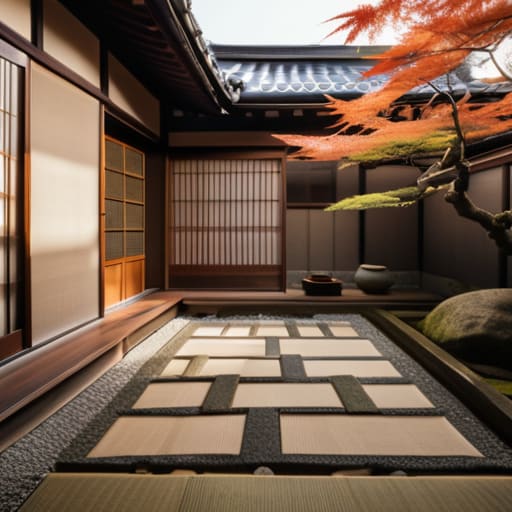
    There is a specific kind of efficiency found in a well-curated path. While I often prefer to wander solo with my notebook, I have come to realize that guided city strolls offer a structural clarity that a solitary traveler might miss. A professional guide doesn’t just point at a building; they explain the logistical reason why a street curves a certain way or how a district’s layout evolved to handle the flow of millions. It’s about seeing the skeleton of the city beneath the skin.

    When I look for the best ways to navigate these dense environments, I look for guides who prioritize architectural walking tours over the usual tourist traps. I want to understand the transition from Showa-era concrete to the glass-and-steel efficiency of the modern skyline. These organized movements allow you to observe the city’s pulse without getting lost in the static. By following a structured route, you aren’t just walking; you are learning to read the subtle, unspoken language of the streets, turning a simple stroll into a deep study of urban functionality.

    Architectural Walking Tours and the Citys Breath

    Architectural Walking Tours and the Citys Breath

    While many people flock to the grandest cathedrals or the most famous skyscrapers, I find that architectural walking tours offer a far more intimate way to gauge a city’s structural integrity and history. To me, a building isn’t just a facade; it is a record of the era that birthed it. When I walk through districts like Ginza or the older quarters of Osaka, I’m not looking for the flashiest neon. Instead, I’m looking at how the steel meets the glass, or how a narrow wooden doorway from the Meiji era survives in the shadow of a concrete monolith. It is in these transitions that you see how a city manages its own evolution.

    If you are looking for more than just a photo opportunity, I suggest treating these walks as a study in spatial efficiency. The most rewarding experiences often come from finding the best walking routes in metropolitan areas where the architecture tells a story of density and necessity. It isn’t about the height of the towers, but rather the way the street level breathes between them. When you stop looking up at the summits and start looking at the seams where different eras collide, you finally begin to understand the city’s true character.

    A Logistics Professional’s Guide to Navigating the Urban Path

    • Prioritize the “Off-Peak” Window. If you want to actually see the city’s bones rather than just a sea of elbows, schedule your walking tour during the mid-morning lull. Avoid the rush hour crush; a city’s character is much easier to observe when you aren’t fighting the tidal wave of commuters.
    • Seek the Specialist, Not the Generalist. Avoid the tours that promise to show you every major landmark in three hours. Look for guides who focus on a specific niche—be it industrial history, transit architecture, or local gastronomy. Depth will always yield more truth than breadth.
    • Follow the Transit Lines. The most interesting stories often unfold at the intersections of major subway arteries or along the periphery of old rail yards. If a tour mentions how the city’s movement shaped its growth, take it seriously. The veins of the city dictate its life.
    • Bring a Physical Map and a Notebook. Digital maps are efficient, but they act as a barrier between you and your surroundings. I find that sketching a junction or marking a quiet alley by hand forces me to actually look at the spatial relationship of the streets. It turns a walk into an observation.
    • Embrace the Detours. The best part of any walking tour isn’t the scheduled stop; it’s the moment the guide turns down a narrow side street that wasn’t on the itinerary. If you see a quiet corner or a small, functional shrine that looks untouched by the main tourist flow, linger there. That is where the city breathes.
    The Logician’s Guide to Urban Exploration

    Look past the grand facades; the true character of a city reveals itself in the functional intersections of its transit hubs and the quiet, unscripted moments in its side streets.

    Use walking tours not as a checklist of historical dates, but as a way to synchronize your own pace with the natural breathing patterns of the metropolitan landscape.

    Prioritize observation over consumption by seeking out the small, structural details that most travelers overlook in their rush to reach the next major landmark.

    ## The Logistics of Observation

    “A walking tour shouldn’t just be a list of dates and names shouted over a crowd; it should be a lesson in reading the city’s circulatory system, teaching you to see how a single transit artery or a narrow pedestrian vein dictates the entire life of the street.”

    Rurik Salonen

    The View From the Last Stop

    The View From the Last Stop.

    Whether you find yourself following the curated path of a professional guide or tracing the architectural evolution of a district on your own, the goal remains the same. We have seen how a structured tour can provide the necessary framework to understand a city’s history, and how architectural walks allow us to witness the physical breath of the urban landscape. From the rhythmic efficiency of transit-led strolls to the silent stories told by stone and steel, these walks do more than just move us through space; they teach us to decode the complex logistics of human existence. It is about moving beyond the surface-level spectacle to find the functional beauty that keeps a metropolis alive.

    As I sit here in a small café, sketching the intersection of two subway lines in my notebook, I am reminded that the best tours are often the ones that leave room for the unexpected. Don’t feel pressured to follow every signpost or memorize every date. Instead, allow yourself to get lost in the quiet, functional details that most travelers overlook. A city isn’t a museum to be viewed from behind glass; it is a living, breathing organism. If you approach your walk with a sense of steady observation rather than a checklist, you will find that the true heart of the city reveals itself in the spaces between the landmarks.

    Frequently Asked Questions

    How can I distinguish between a superficial tourist trek and a tour that actually explores the functional soul of a neighborhood?

    Look for the guide’s focus. A superficial trek will keep you tethered to the “greatest hits”—the landmarks you’ve already seen on postcards. They prioritize the spectacle. A tour that seeks the functional soul, however, will lead you toward the transit hubs, the local markets, and the way the light hits a residential side street at dusk. If they aren’t explaining how the neighborhood actually operates, they aren’t showing you the city; they’re just showing you a museum.

    Are there specific walking tours that focus more on the logistical layout and transit history of a city rather than just its historical monuments?

    To be honest, you won’t find many commercial tours catering to that specific itch, but that’s exactly where the real discovery begins. Most operators chase the grand facades, ignoring the veins that keep the city alive. If you want to understand the logistical skeleton, skip the monument tours. Instead, trace the evolution of the rail lines or walk the repurposed industrial corridors. That’s where the city’s true structural logic reveals itself.

    For someone who prefers a more solitary, observant approach, is it better to join a structured group or attempt to map out my own route through the side streets?

    If you value observation, skip the group. A structured tour, no matter how well-led, imposes a cadence that isn’t yours. You become a passenger in someone else’s narrative. For a true sense of the city, map your own route. There is a specific, quiet clarity found in navigating a labyrinth of side streets alone, allowing you to pause at a single storefront or a particular junction for as long as the rhythm demands.

  • Studying Traditional Architecture in Kyoto

    Studying Traditional Architecture in Kyoto

    I was sitting on a low wooden bench in a corner of Gion last Tuesday, the smell of damp cedar and rain-slicked stone heavy in the air, when I realized most people are looking at the wrong things. They flock to the massive, gilded temples, snapping photos of the gold leaf and the crowds, thinking they’ve captured the essence of the city. But to me, the true soul of kyoto traditional architecture isn’t found in the grand spectacles; it’s in the rhythmic geometry of a weathered machiya eaves or the way a sliding shoji screen manages the light of a fading afternoon. It’s in the functional, quiet logic of how these structures have breathed alongside the seasons for centuries.

    I’m not here to sell you a postcard or a list of the most “Instagrammable” shrines. My goal is to strip away the tourist veneer and look at the structural integrity and intentionality behind these ancient designs. I want to show you how to read the bones of the city—the joinery, the spatial flow, and the subtle transitions between shadow and light. We are going to look past the hype to find the quiet, functional beauty that actually defines this place.

    Table of Contents

    Machiya Townhouse Design and the Citys Pulse

    Machiya Townhouse Design and the Citys Pulse.

    Walking through the narrow streets of Gion or Shimogyo, you realize that the city isn’t just a collection of buildings; it is a rhythmic arrangement of wood and shadow. The machiya townhouse design serves as the primary heartbeat of this urban rhythm. These long, narrow dwellings were never meant to be grand monuments; they were functional responses to the constraints of a dense, merchant-driven society. I often find myself pausing to sketch how these structures lean into one another, creating a continuous, textured wall that defines the streetscape.

    There is a profound logic to how they breathe. Unlike the sprawling estates of the nobility, these homes utilize japanese wooden structure techniques to manage both space and climate, channeling air through internal courtyards to maintain a steady temperature. It is a masterclass in logistical efficiency. Even the way the dark timber contrasts against the pale plaster of a nearby kura storehouse architecture tells a story of a city built on durability and careful resource management. To understand Kyoto, you must look past the bright storefronts and study the way these wooden bones support the weight of history.

    The Logic of Japanese Wooden Structure Techniques

    The Logic of Japanese Wooden Structure Techniques.

    There is a profound, mathematical elegance to the way these buildings stand. In my years managing global logistics, I learned that any system—no matter how complex—relies on the integrity of its smallest connections. The same is true here. Unlike the rigid, bolted steel of modern skyscrapers, japanese wooden structure techniques rely on a sophisticated system of interlocking joints. These joints, or kigumi, allow the timber to breathe and shift slightly during an earthquake, absorbing kinetic energy rather than fighting it. It is a masterclass in resilience through flexibility.

    When I sit in a quiet courtyard, sketching the joinery in my notebook, I am struck by the absence of nails. Every beam and pillar is held in place by a silent, tension-based logic. This isn’t just about aesthetics; it is a functional response to a humid, seismic environment. You see this same structural honesty reflected in the heavy, protective weight of kura storehouse architecture, where thick plaster walls meet precision-cut wood. To understand these buildings is to understand that strength is not always found in hardness, but in the way individual parts work in concert to maintain a delicate, lasting equilibrium.

    Reading the Grain: Five Ways to Observe Kyoto’s Built Legacy

    • Look for the ‘Koshi’ lattices. Don’t just see them as decorative woodwork; observe how these narrow wooden slats manage the delicate balance between privacy for the inhabitants and the necessary airflow required for a timber-heavy city.
    • Pay attention to the threshold of the ‘Engawa’. This veranda isn’t just a porch; it is a functional buffer zone, a transitional space that mediates the temperature and the light between the controlled interior and the unpredictable elements of the garden.
    • Follow the rooflines. Instead of looking at the buildings as singular units, notice how the heavy, sweeping curves of the ceramic tiles work in concert to shed heavy seasonal rains while creating a rhythmic, visual continuity across the entire district.
    • Seek out the ‘Tsuboniwa’. In the dense urban layout of Kyoto, the true genius lies in the tiny courtyard gardens. These are not mere luxuries; they are the lungs of the townhouse, engineered to pull light and air into the deepest, darkest parts of the structure.
    • Watch the way light hits the weathered timber. The beauty of Kyoto architecture isn’t found in pristine, polished surfaces, but in the patina of aged wood that has survived centuries of humidity and sun—it is a visual record of the city’s endurance.

    The Lessons Left in the Timber

    True architectural beauty in Kyoto isn’t found in grand, isolated monuments, but in the functional rhythm of the Machiya, where design serves the dual purpose of private living and urban integration.

    The longevity of these structures is a testament to a sophisticated, interlocking logic of wood and joinery that respects the material’s natural movement rather than fighting against it.

    To truly understand the city, one must look past the surface aesthetics and appreciate how the spatial organization of these buildings manages the delicate balance between public street life and private sanctuary.

    ## The Silent Geometry of the Past

    “When you look closely at a Kyoto eavesline, you aren’t just seeing wood and joinery; you are seeing a century of calculated decisions made to balance the weight of the rain against the lightness of the breeze.”

    Rurik Salonen

    The Silent Geometry of Kyoto

    The Silent Geometry of Kyoto architecture.

    Looking back at the structural logic of these buildings, it becomes clear that Kyoto’s architecture is more than just an aesthetic choice; it is a masterclass in functional endurance. From the way a Machiya manages the flow of light and air through its narrow footprint, to the ingenious joinery that allows a wooden frame to sway with the earth rather than fight it, every element serves a purpose. These structures were never meant to be static monuments. Instead, they represent a sophisticated understanding of how to live in harmony with the seasons and the constraints of a dense urban environment. When you study the way these timber skeletons hold their ground, you see the true blueprint of resilience that has allowed this city to breathe through centuries of change.

    As I sit here in a small corner cafe, sketching the intersection of a tiled roof and a weathered wooden beam, I am reminded that the most profound lessons aren’t found in the grand temples. They are found in the way a simple eaves-line directs the rain or how a sliding screen subtly alters the privacy of a room. To truly see Kyoto, you must learn to look past the surface and appreciate the quiet intelligence of its design. It is a reminder that even in our modern, high-speed world, there is immense value in building things that are meant to last, meant to adapt, and meant to be understood by those willing to slow down and listen.

    Frequently Asked Questions

    How do these historic wooden structures actually hold up against Kyoto's intense humidity and seasonal rains?

    It’s a matter of breathing. These structures aren’t fighting the humidity; they’re designed to live with it. The deep eaves of a Machiya act like a functional umbrella, shedding heavy rains far from the foundation. Meanwhile, the porous nature of the timber and the strategic placement of floor vents allow air to circulate constantly. It is a passive, elegant system of ventilation that prevents rot by ensuring the wood never stays stagnant.

    Beyond the aesthetic, what practical role did the specific layout of these machiya play in the daily logistics of a merchant family?

    The layout was a masterclass in functional zoning. The mise-niwa—that narrow earthen corridor—acted as a logistical artery, allowing goods to flow from the street to the inner storage without disrupting the family’s private quarters. It separated the public commercial space from the domestic life, ensuring that a merchant could manage inventory and customer flow with surgical precision. In a machiya, efficiency isn’t just a preference; it is built into the very floorboards.

    Are there specific neighborhoods where these traditional building techniques are still being actively preserved, or is it mostly limited to museum-like districts?

    It isn’t just a museum act, though parts of Gion certainly feel curated. If you want to see these techniques breathing, head to Nishijin. It’s a weaver’s district where the machiya aren’t just relics; they are functional workspaces. You’ll see the same timber joinery holding up active workshops. It’s less about polished perfection and more about the grit of a living neighborhood that still relies on its historical bones to function.

  • Key Elements of Japanese Design Aesthetics

    Key Elements of Japanese Design Aesthetics

    I was sitting in a cramped, fluorescent-lit convenience store near Shinjuku Station last Tuesday, watching a salaryman meticulously arrange a single bento box on a tiny counter. Most people look at “Japanese design aesthetics” and immediately think of expensive Zen gardens, high-end minimalist furniture, or those curated Instagram feeds that look more like a sterile hospital wing than a home. They get it wrong. They mistake emptiness for a lack of substance, when in reality, the true beauty lies in the way a space is organized to handle the friction of daily life. It isn’t about how much you can strip away; it’s about the intentionality of what remains.

    I’m not here to sell you on a lifestyle brand or a collection of overpriced bamboo trinkets. My goal is to pull back the curtain on the practical mechanics of how these principles actually function in a crowded, breathing city. I want to show you how to spot the quiet logic behind the form—the kind of design that makes a small room feel expansive and a chaotic morning feel manageable. We’re going to look past the marketing hype and focus on the functional truth of how these spaces actually work.

    Table of Contents

    The Ma Concept of Negative Space and Breathing Room

    The Ma Concept of Negative Space and Breathing Room

    In my years managing supply chains, I learned that the most critical part of any system isn’t the cargo, but the buffer—the empty space that prevents a total collapse. This is exactly what I find when I sit in a quiet tea house in Kyoto. They call it ma, and it is much more than just an absence of objects. It is the intentional pause between notes in a song, or the deliberate gap between two pillars. While Western modernism often views an empty room as a void to be filled, the ma concept of negative space treats that emptiness as a functional, living element.

    When I sketch the layout of a traditional machiya, I realize that the beauty doesn’t come from the furniture, but from the way the light hits the floorboards in the unoccupied center of the room. It provides a sense of structural breathing room that allows the mind to settle. This isn’t about a lack of substance; it is a disciplined choice to let the architecture speak through what isn’t there. In a world that feels increasingly cluttered and loud, these pockets of nothingness are where the true character of a space resides.

    Zen Philosophy in Art and the Quietude of Form

    Zen Philosophy in Art and the Quietude of Form

    I found myself sitting in a small tea house near Yanaka yesterday, watching the way the light hit a single, unglazed ceramic bowl. There is a profound stillness in these objects that defies the frantic pace of the Shinjuku crowds just a few miles away. This isn’t merely about aesthetics; it is the practical application of zen philosophy in art. It’s a deliberate rejection of the superfluous. In my years in logistics, I learned that efficiency often comes from stripping away the non-essential, but here, the stripping away is spiritual. It is about finding a sense of purpose in the simplest of shapes.

    Unlike the sharp, often clinical lines of Western modernism, there is a softness here—a way that traditional Japanese craftsmanship embraces the soul of the material. You see it in the grain of a cedar plank or the slight asymmetry of a hand-carved spoon. There is no attempt to force perfection or to mask the passage of time. Instead, there is a quiet acceptance of the organic. It’s a reminder that true order doesn’t require rigid control, but rather a deep, respectful harmony with the natural world.

    The Practical Geometry of a Quiet Life

    • Embrace the integrity of materials. In my years of managing supply chains, I learned that a component is only as good as its origin; the same applies to a room. Avoid the synthetic veneer. Seek out the grain of real cedar or the cool, honest weight of stone. When a material is allowed to be itself, the space stops trying so hard.
    • Curate through subtraction, not addition. We often mistake clutter for comfort, but true order comes from knowing what to leave out. If an object doesn’t serve a functional purpose or offer a moment of genuine contemplation, it is merely noise. A room should have room to breathe.
    • Respect the transition of light. I often find myself sitting in small cafes just watching how the afternoon sun hits a paper screen. Don’t rely on harsh, overhead lighting that flattens a room. Use soft, layered light—lanterns, low lamps, or filtered natural light—to create depth and shadow.
    • Find beauty in the weathered and the worn. There is a certain dignity in a wooden table that has smoothed over decades of use. Don’t chase the sterile perfection of the brand-new; instead, look for pieces that possess a history. It gives a space a soul that a showroom simply cannot replicate.
    • Align your objects with the flow of movement. Even in a small apartment, the way you place a chair or a low table dictates the “logistics” of your daily life. Design your surroundings to facilitate a natural, unhurried rhythm, ensuring that nothing obstructs the quiet path from one task to the next.

    Lessons from the Quiet Details

    Design isn’t about what you add to a room, but what you have the courage to leave out; true functionality relies on the breathing room provided by ma.

    Look past the grand gestures and find the intention in the small things—the way a joint is fitted or a texture is chosen—as these details dictate the soul of a space.

    To live with purpose is to embrace a certain restraint, favoring objects and layouts that serve a clear function while maintaining a sense of calm and order.

    The Logic of the Unseen

    “Most people look for beauty in the ornament, but after years of managing moving parts, I’ve learned that true elegance is found in the absence of friction—it’s the silent, intentional way a space allows you to simply exist within it.”

    Rurik Salonen

    The Architecture of Intention

    The Architecture of Intention in Zen design.

    As I sit here in a small café near Shinjuku station, watching the commuters move with a practiced, rhythmic efficiency, I realize that these aesthetics are not merely decorative choices. We have explored how the concept of Ma provides the necessary silence between notes, and how Zen philosophy strips away the superfluous to reveal the soul of an object. Whether it is the deliberate void in a garden or the understated elegance of a single ceramic bowl, these principles work together to create a sense of purposeful stillness. It is a logistical triumph of the spirit—a way of organizing the chaos of existence into something that feels both inevitable and profoundly calm.

    Ultimately, understanding Japanese design is less about memorizing terminology and more about changing your lens. It is an invitation to slow your pace, to stop rushing toward the next destination, and to actually notice the way light hits a paper screen or how a wooden joint fits perfectly without a single nail. If we look closely enough, we find that beauty doesn’t require volume or grandiosity to be felt. It lives in the quiet, intentional details that most people walk right past. My advice? Next time you find yourself in a crowded city, stop looking for the landmarks, and start looking for the breath.

    Frequently Asked Questions

    How do these principles translate to the cramped, high-density living of a modern Tokyo apartment?

    It’s a question of efficiency versus clutter. In a twenty-square-meter apartment in Setagaya, you don’t fight the smallness; you embrace it through intentionality. It’s the application of Ma to your physical belongings. Instead of filling every corner, you choose a single, well-crafted chair or a solitary ceramic vase. By curating what remains, you allow the limited space to breathe, turning a cramped unit into a functional sanctuary rather than a storage locker.

    Is there a practical way to apply the concept of 'Ma' to a workspace without it feeling empty or unfinished?

    Think of Ma not as an absence, but as a deliberate buffer. In my old logistics days, a warehouse packed to the ceiling was a disaster; efficiency required air. Apply this to your desk by grouping your essentials—the pen, the notebook, the lamp—into a single, intentional cluster. Leave the rest of the surface bare. That emptiness isn’t “unfinished”; it’s the structural silence that allows your focus to actually land.

    How can I distinguish between authentic traditional aesthetics and the commercialized versions often seen in tourist-heavy districts?

    You look for the friction. In tourist hubs, everything is polished to a high, frictionless gloss—it’s designed to be consumed quickly. It lacks weight. Authentic aesthetics, however, embrace wabi-sabi; they welcome the slight irregularity of a hand-thrown tea bowl or the way moss settles into a stone lantern. If a space feels like it was built to be photographed rather than inhabited, it’s likely commercial. Real beauty in Japan is felt in the stillness, not the spectacle.