Blog

  • Visiting Sapporo During Winter

    Visiting Sapporo During Winter

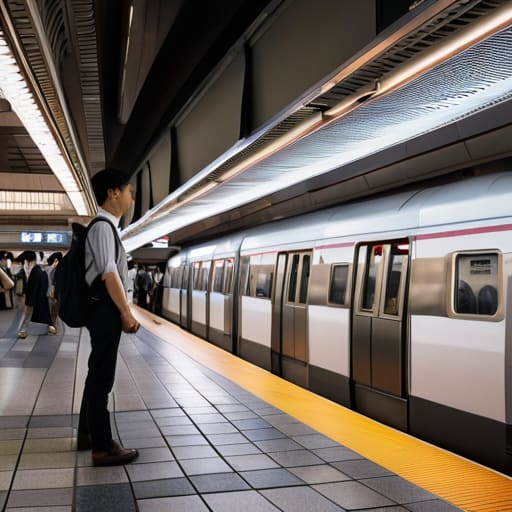
    The first time I attempted Sapporo winter travel, I fell for the brochure-led trap of chasing the grandest festivals and the most crowded mountain resorts, thinking that scale equated to quality. I spent more time navigating shoulder-to-shoulder crowds and overpriced tourist traps than I did actually seeing the city. It wasn’t until I sat in a near-empty ramen stall near a quiet Nishi-ku subway station, watching the heavy snow settle on the power lines, that I realized I had been looking at the map all wrong. The true character of a Hokkaido winter isn’t found in the spectacle of a parade, but in the deliberate, frozen stillness of its residential corners and the seamless efficiency of its underground walkways.

    I have no interest in selling you a fantasy of a postcard-perfect wonderland. Instead, I want to show you how to navigate this city with a logistical precision that respects both your time and your senses. In the following pages, I will share my observations on the transit rhythms that keep the city breathing under the snow and the quiet, functional beauty of the side streets that most visitors overlook. This is about understanding the mechanical heart of Sapporo during its most demanding season.

    Table of Contents

    Timing the Drift Sapporo Snow Festival Dates and Beyond

    Timing the Drift Sapporo Snow Festival Dates and Beyond

    Timing the Drift: Sapporo Snow Festival Dates and Beyond

    Navigating the logistics of a Hokkaido winter requires more than just a warm coat; it requires an understanding of the city’s seasonal pulse. Most travelers fixate solely on the Sapporo Snow Festival dates, usually falling in early February, hoping to catch the massive ice sculptures at its peak. While the spectacle is undeniably impressive, I’ve found that the crowds can often obscure the very quietude I seek. If you plan to attend, I suggest arriving a few days early to settle into the rhythm of the city before the heavy influx of tourists arrives.

    For those looking to build a more balanced Sapporo winter itinerary, I often recommend extending your stay beyond the festival’s conclusion. Once the ice sculptures begin to thaw, the city shifts into a different, more contemplative gear. This is an ideal window to explore the local Sapporo seafood markets, where the winter catch is at its most vibrant, or to take a short train ride toward the more rugged landscapes of the north. Timing your visit to avoid the peak festival rush allows you to experience the city’s functional beauty without the constant friction of the crowds.

    The Essential Layers Hokkaido Winter Clothing Essentials for Deep Snow

    The Essential Layers Hokkaido Winter Clothing Essentials for Deep Snow.

    In my years of managing logistics, I learned that a system is only as strong as its weakest component. When navigating a city buried under several feet of powder, your personal thermal management becomes that critical system. I’ve found that the mistake most travelers make is prioritizing heavy, bulky coats over a disciplined layering strategy. For anyone planning a Sapporo winter itinerary, I suggest starting with a high-quality merino wool base layer. It breathes when you step into a heated convenience store and retains heat when you are standing still, waiting for the subway.

    The second layer is where the true utility lies. A mid-weight fleece or a thin down vest provides the necessary insulation without sacrificing the mobility needed to navigate crowded sidewalks. Finally, your outer shell must be strictly windproof and water-resistant; the dampness of melting slush is a far greater enemy than the dry cold of the air. Beyond the clothes, do not overlook your footwear. Sturdy, waterproof boots with deep treads are non-negotiable if you intend to wander the side streets. Without them, the simple act of walking becomes a logistical struggle against the ice.

    • Master the underground arteries. When the wind cuts through the streets like a blade, the underground pedestrian walkways (Chika-ho) are your best friend. I’ve learned that navigating Sapporo isn’t just about knowing the streets, but knowing the tunnels that connect them, allowing you to move between Sapporo Station and Odori without ever breaking a sweat or catching a chill.
    • Respect the friction—or lack thereof. The ice on the sidewalks can be deceptive, turning a simple stroll into a precarious balancing act. I always suggest investing in a pair of high-quality, detachable ice cleats for your boots. It’s a small, practical detail that transforms a stressful walk into a steady, observant journey.
    • Plan for the transit delay, not just the transit time. In heavy snow, even a system as disciplined as Hokkaido’s can face minor hiccups. I’ve found that leaving twenty minutes earlier than your schedule dictates isn’t just “safe”—it’s the only way to maintain a sense of calm when the snow starts to fall heavily.
    • Carry a portable power bank, even if you think your battery is full. The drop in temperature is a silent thief; it drains lithium-ion batteries at an accelerated rate. There is nothing more frustrating than reaching for your camera or your digital map only to find a black screen because the cold has sapped its life.
    • Seek the warmth of the convenience stores for small logistics. Don’t overlook the local konbini for more than just snacks. They are vital hubs for quick, hot beverages and, crucially, for those disposable heat packs (kairo) that you can slip into your pockets or gloves to maintain circulation during long periods of photography.

    Timing is everything; while the Snow Festival provides the spectacle, the true character of Sapporo reveals itself in the quieter weeks when the crowds thin and the city’s rhythm slows.

    Your comfort is dictated by your layers; prioritize functional, high-quality thermal gear and sturdy, traction-heavy footwear to navigate the icy transit transitions without hesitation.

    Look beyond the main thoroughfares; the most authentic experiences are found by following the subway lines to the smaller, snow-dusted neighborhoods where the city’s pulse is most steady.

    The Architecture of Winter

    Most travelers come to Sapporo to see the ice sculptures, but I find the real magic in the way the city recalibrates itself for the cold—the way the subway rhythm changes, the way the heavy snow muffles the usual urban roar, and how a single, well-lit corner in a quiet alleyway can feel more profound than any grand monument.

    Rurik Salonen

    The Quiet Logic of a Winter City

    The Quiet Logic of a Winter City.

    Navigating Sapporo in the depths of winter requires more than just a map; it demands a certain level of logistical preparation and respect for the elements. We have discussed the necessity of timing your arrival around the Snow Festival to catch the city at its most expressive, and the vital importance of layering your clothing to manage the transition from the biting wind to the sudden, dry warmth of a subway station. When you respect the rhythms of the season and prepare for the physical realities of the deep snow, the city ceases to be an obstacle and instead becomes a structured, navigable landscape that reveals its true character to those willing to look.

    As I sit here, sketching the intersection of a frozen street corner in my notebook, I am reminded that the best way to experience Hokkaido is to stop fighting the cold and start observing how it shapes the world. Do not rush through the transit hubs or scramble toward the major landmarks just to say you were there. Instead, find the small, quiet moments—the way a streetlamp glows against a fresh drift or the steady, mechanical hum of a snowplow in the distance. If you move with deliberate patience, you will find that Sapporo’s beauty lies not in its grand spectacles, but in the quiet, functional grace of a city breathing through the frost.

    Frequently Asked Questions

    How do I navigate the transit connections between Sapporo's central hubs and the more remote, snow-heavy outskirts?

    Navigating the outskirts requires more than just a transit card; it requires patience. While the Sapporo subway is a model of efficiency, reaching the snow-heavy fringes means transitioning to the JR lines. I always check the local weather reports before heading out—heavy drifts can delay the suburban trains unexpectedly. I find it best to carry a physical map or a printed schedule in my notebook; digital signals can be fickle when you’re deep in a blizzard.

    Are there specific quiet pockets or smaller neighborhood shrines worth visiting to escape the festival crowds?

    When the crowds at Odori Park become a logistical bottleneck, I head toward the Maruyama area. The Maruyama Park surrounds a quiet, forested shrine that feels worlds apart from the festival’s neon pulse. Alternatively, wandering through the residential streets of Nakajima Park offers a more rhythmic, local experience. There is a particular stillness in those smaller neighborhood shrines—a sense of the city breathing deeply while the rest of the world is busy making noise.

    What is the most practical way to manage heavy camera gear and film supplies while moving through the deep snow?

    When the snow reaches your ankles, weight becomes your enemy. I’ve learned the hard way that a heavy shoulder bag is a recipe for a sore back and a lost balance. I opt for a rugged, weather-sealed rolling case for my main kit, but for moving through crowds, a compact, padded backpack is superior. Keep your film in a dedicated, insulated pouch close to your body; the warmth of your core is the best defense against moisture and cold.

  • Exploring Different Okonomiyaki Styles

    Exploring Different Okonomiyaki Styles

    I remember sitting in a cramped, steam-heavy stall near Umeda, my leather notebook open on my knee, watching a chef work with a precision that would have made my old logistics colleagues weep with envy. I wasn’t looking at a menu; I was watching the rhythm of the batter. Most guidebooks will try to sell you a polished, sanitized version of Japanese cuisine, but they often fail to capture how much the geography of a single meal dictates its soul. If you’re looking for a textbook definition, you’ve come to the wrong place, but if you want to understand how okonomiyaki regional styles actually function as a reflection of local identity, then you’re in the right seat.

    I have no interest in chasing culinary trends or overpriced tourist traps that prioritize plating over substance. Instead, I want to walk you through the functional differences—the structural logic of the Osaka-style batter versus the layered, disciplined approach of Hiroshima. My goal is to strip away the marketing fluff and give you a grounded perspective on what makes these dishes unique. We aren’t just talking about ingredients; we are tracing the cultural blueprints of the cities themselves.

    Table of Contents

    Kansai vs Hiroshima Okonomiyaki Two Cities Two Souls

    Kansai vs Hiroshima Okonomiyaki Two Cities Two Souls

    If you sit at a crowded counter in Osaka, you’ll see the Kansai approach in motion: a chaotic, beautiful blend of ingredients. Here, the batter, shredded cabbage, and various proteins are mixed together before they ever touch the iron. It’s a singular, cohesive mass that relies heavily on the quality of the teppanyaki cooking techniques used by the chef to create a crispy exterior. There is a certain honesty to it—a dense, comforting weight that mirrors the frantic, high-energy pulse of the city itself.

    Travel east to Hiroshima, however, and the entire logic of the dish shifts. Instead of mixing, the chef builds the pancake in distinct, meticulous layers, most notably by steaming a bed of cabbage atop a thin crepe and adding a substantial layer of yakisoba noodles. It is a structural marvel, almost an architectural feat. This distinction in Kansai vs Hiroshima okonomiyaki isn’t just about the order of operations; it’s about how each city views its food. One is a unified burst of flavor, while the other is a disciplined, layered progression of textures.

    Tracing Savory Japanese Pancake Variations Through Local Alleys

    Tracing Savory Japanese Pancake Variations Through Local Alleys

    While the heavyweights of Osaka and Hiroshima often dominate the conversation, the true depth of Japanese street food culture reveals itself in the smaller, more localized deviations. I’ve found that if you step away from the main thoroughfares and follow the scent of toasted batter into a narrow side street, the rules begin to shift. In some coastal towns, you might notice a heavy emphasis on fresh seafood—squid or scallops sourced that very morning—which alters the fundamental texture of the batter. These aren’t just variations; they are reflections of the local geography.

    I often sit at a cramped counter, watching the chef’s hands move with a precision that reminds me of the logistics managers I used to work with. It’s all about the sequence. Whether they are layering ingredients or folding them into a dense, cabbage-heavy base, the teppanyaki cooking techniques used are often passed down through generations without a single written manual. Each shop has its own secret, a slight tweak to the traditional okonomiyaki sauce recipes or a specific way of layering the bonito flakes, creating a sense of place that no guidebook could ever truly capture.

    • Don’t expect uniformity. If you approach a meal in Osaka with the rigid expectations of a Hiroshima diner, you’ll miss the point entirely. Treat each regional style as its own logistical system—one built on mixing, the other on layering.
    • Follow the steam, not the neon. The most authentic variations aren’t found in the flashy establishments near the main stations, but in the cramped, specialized shops tucked away in the side streets where the recipe hasn’t changed in forty years.
    • Observe the rhythm of the chef. Much like a well-oiled supply chain, a master okonomiyaki cook operates with a precise, economical movement. Watching how they manage the heat and the flip tells you more about the dish than any menu ever could.
    • Embrace the sensory chaos. The smell of toasted batter and the rhythmic clacking of metal spatulas against the iron griddle are part of the experience. If you’re looking for a quiet, sterile dining room, you’re in the wrong place.
    • Keep an open mind about the “correct” way. There is no singular standard for a perfect pancake; there is only the local truth of the ingredients and the specific way a community has chosen to feed itself.

    The Essence of the Regional Plate

    Regional okonomiyaki is less about a recipe and more about a city’s logistical identity; whether it is the layered architecture of Hiroshima or the integrated batter of Osaka, the method reflects a local rhythm.

    To truly understand these variations, you must move past the tourist-heavy storefronts and find the small, steam-filled stalls where the chef’s movements are as precise as a transit schedule.

    The soul of the dish lies in the details—the specific crunch of the cabbage, the thickness of the sauce, and the way a single meal can tell you exactly where you are standing in the Japanese urban landscape.

    The Logistics of Flavor

    To the untrained eye, it’s just a pancake, but to me, the distinction between a layered Hiroshima style and a mixed Kansai batter is a lesson in local architecture; it is the difference between a city built on stacked, structural precision and one defined by a seamless, integrated flow.

    Rurik Salonen

    The Last Bite and the Long View

    The Last Bite and the Long View.

    In the end, whether you find yourself seated at a crowded teppan in Osaka or tucked into a quiet corner of Hiroshima, you aren’t just eating a meal; you are consuming a map of local identity. We have seen how the layered, structured approach of Hiroshima stands in stark contrast to the integrated, soulful batter of the Kansai style. These aren’t merely culinary preferences; they are the results of decades of logistical necessity and cultural pride, etched into the very way ingredients are layered and heated. To understand the difference is to understand how each city prioritizes its own rhythm, turning a simple pancake into a testament of regional history.

    As I close my notebook and prepare for my next train ride, I am reminded that the true essence of Japan rarely resides in the grand, polished monuments of the city center. Instead, it lives in these small, steaming moments of connection—the rhythmic scrape of a spatula against iron and the shared warmth of a narrow alleyway. Don’t rush through your journey just to see the sights. Slow down, find a seat at a local counter, and let the city speak to you through its flavors. After all, the most profound truths are often found in the details we almost missed.

    Frequently Asked Questions

    If I'm traveling between Osaka and Hiroshima, is there a specific way to ask for a style without sounding like a confused tourist?

    Don’t worry about the terminology too much; the chefs know the divide well. If you want to avoid looking lost, simply ask, “Hiroshima-fu desu ka?” (Is it Hiroshima-style?) or “Kansai-fu desu ka?” (Is it Kansai-style?). Honestly, though, a more natural way is to just look at the grill. If they are layering ingredients one by one, you’re in Hiroshima. If they’re mixing it all together, it’s Kansai. Let the rhythm of the kitchen guide your order.

    Beyond the main ingredients, how much does the actual cooking method—the heat of the teppan versus a home stove—change the experience?

    The difference is profound. A home stove offers a gentle, controlled heat, but it lacks the soul of a professional teppan. On a heavy iron griddle, the heat is relentless and even, creating that essential, Maillard-driven crust that a domestic pan simply cannot replicate. There’s a specific, rhythmic sizzle you only hear in those cramped izakayas—a heat that doesn’t just cook the batter, but sears the very essence of the ingredients into the surface.

    Are there smaller, more obscure regional variations I should look for if I find myself wandering into the quieter prefectures?

    If you find yourself drifting toward the more rural prefectures, look for the outliers. In places like Tochigi, you might stumble upon modan-yaki, a heavy, nostalgic nod to the Showa era. Further south, in parts of Kyushu, the textures shift—often lighter, sometimes incorporating local seafood that speaks to the coastal proximity. Don’t look for them on major station menus; look for the hand-painted signs in the quiet, back-alley shops where the rhythm of the spatula feels more like a heartbeat than a performance.

  • The Influence of Minimalism on Japanese Living

    The Influence of Minimalism on Japanese Living

    I was sitting in a cramped, dimly lit izakaya in Osaka last Tuesday, watching a salaryman meticulously arrange three small ceramic dishes on a tray, when it hit me how much we’ve misunderstood the concept. Most people talk about minimalism in Japan as if it’s a lifestyle brand you can buy—a collection of expensive, white-washed linen sheets and overpriced designer ceramics that look good on a curated social media feed. But that’s not it at all. Real minimalism isn’t about emptying a room to make it look like a gallery; it’s about the intentionality behind what remains, a way of navigating a crowded world without losing your footing.

    I’m not here to sell you a new aesthetic or a list of “must-have” Zen decor. Instead, I want to pull back the curtain on how this philosophy actually functions within the logistical reality of Japanese urban life. I’ll share what I’ve observed from the narrowest alleyways to the most efficient transit hubs, focusing on how a culture of restraint can actually create more mental space. This is about finding the functional beauty in the small, quiet details that most travelers simply walk right past.

    Table of Contents

    The Ma Concept in Design Finding Meaning in Empty Space

    The Ma Concept in Design Finding Meaning in Empty Space.

    I was sitting in a small, nondescript tea house in Yanaka last Tuesday, watching the way the afternoon light hit a single, unadorned stone in the center of the courtyard. There was nothing else around it. In my old life, a gap like that would have been flagged as an inefficiency—a wasted square meter of prime real estate. But here, that void was the entire point. This is the essence of the ma concept in design; it is the intentional pause, the structural silence that allows everything else to actually mean something.

    In the West, we often mistake emptiness for lack, but in Japan, space is a functional component. Whether you are looking at a masterfully composed ink painting or the way a modern apartment is arranged to maximize airflow and light, you are seeing the application of zen aesthetic principles. It isn’t about what you take away, but about what you allow to remain. By respecting the interval between objects, the design breathes. It turns a cramped living space into a sanctuary of clarity, proving that the most profound impact often comes from what we choose not to fill.

    Wabi Sabi Philosophy Seeking Truth in Imperfect Details

    Wabi Sabi Philosophy Seeking Truth in Imperfect Details

    I remember sitting in a small tea house in Kanazawa, watching the way the afternoon light hit a cracked ceramic bowl. It wasn’t broken, not really; it was merely weathered. This is where the wabi-sabi philosophy truly takes hold. Unlike the sterile, polished perfection we often chase in Western corporate life, this perspective finds a profound dignity in the aged and the asymmetrical. It is the realization that nothing lasts, nothing is finished, and nothing is perfect—and that there is a deep, quiet relief in accepting that truth.

    In my years managing logistics, I was trained to eliminate any sign of wear or irregularity. But as I walk through the older neighborhoods of Osaka, I find myself drawn to the opposite. I see it in the patina on a copper handrail or the uneven grain of a cedar plank. These aren’t flaws to be corrected; they are the narrative of time itself. When we apply these zen aesthetic principles to our own lives, we stop fighting the inevitable decay of the world and instead start finding beauty in its most honest, unvarnished moments.

    Practical Observations: Applying the Minimalist Lens to Your Own Travels

    • Observe the transit flow, not just the destination. When you sit on the Yamanote line, don’t just look at your phone; watch how the commuters move with such deliberate, uncluttered purpose. There is a lesson in that economy of motion that can help you strip away the unnecessary noise in your own daily routine.
    • Seek out the ‘smallness’ of things. In my years in logistics, I learned that the most efficient systems are often the most compact. When you visit a Japanese home or a small cafe, notice how every object has a dedicated place and a specific function. Try to ask yourself: does this item serve a purpose, or is it merely occupying space?
    • Embrace the beauty of the weathered. Instead of looking for the pristine and the new, look for the objects that have aged gracefully—a stone lantern covered in moss or a wooden countertop worn smooth by decades of use. Learning to appreciate these imperfections helps you let go of the modern obsession with constant, superficial perfection.
    • Practice the art of intentional silence. In the middle of a bustling district like Shinjuku, it is easy to feel overwhelmed by the sensory overload. I find that finding a small, tucked-away shrine or a quiet side street allows you to reset. Minimalism isn’t just about physical objects; it’s about creating mental space by choosing when to engage and when to withdraw.
    • Document the details, not the landmarks. When I take my film camera out, I rarely aim at the Tokyo Tower. Instead, I photograph the way light hits a single, empty bench or the clean lines of a subway sign. By focusing on these small, functional details, you train your mind to find satisfaction in the subtle rather than the spectacular.

    Lessons from the Quiet Corners

    Minimalism in Japan isn’t a stylistic choice to be mimicked; it is a functional response to space and a way to honor the objects we choose to keep.

    True beauty is found by looking closer at the weathered edges and the intentional gaps, rather than searching for the polished and the perfect.

    To understand the Japanese soul, stop looking at the grand monuments and start observing the quiet, efficient rhythms of the everyday.

    ## The Geometry of Silence

    “Most people mistake minimalism for an absence of things, but after years of watching how a city moves, I’ve realized it is actually about the presence of intention—it’s the deliberate choice to let a single, well-placed object breathe within the vast, quiet architecture of the everyday.”

    Rurik Salonen

    The Quiet Geometry of Living

    The Quiet Geometry of Living in minimalism.

    As I sit in a small cafe near Shinjuku, watching the rhythmic flow of commuters, I realize that Japanese minimalism is far more than a mere aesthetic choice or a trend in interior design. It is a profound logistical discipline of the soul. By embracing the intentionality of Ma and the humble acceptance of Wabi-Sabi, we see that the goal isn’t to live with nothing, but to live with exactly what matters. We have explored how empty space provides the necessary room for thought, and how the beauty of an imperfect object can ground us in a world that often feels too polished and artificial. It is about stripping away the noise to reveal the essential structure beneath.

    Perhaps the most important lesson I have gathered from my years of navigating both global supply chains and these narrow Tokyo alleyways is that complexity often masks a lack of purpose. Minimalism offers a way back to clarity. You don’t need to move to Kyoto or redesign your entire home to find this peace; you simply need to start looking for the quiet rhythms in your own daily transit. When we stop rushing to fill every void, we finally give ourselves the chance to see the world as it truly is. In the end, a life well-lived is not measured by what we accumulate, but by the space we create for the things that actually breathe.

    Frequently Asked Questions

    How does the concept of minimalism actually function in a cramped Tokyo apartment without making life feel uncomfortably sparse?

    It isn’t about living in a void; it’s about the strategic management of utility. In a Tokyo micro-apartment, minimalism functions through multi-purpose logistics. You don’t just own a table; you own a piece of furniture that serves three roles. It’s the art of ensuring every object earns its square centimeter of floor space. When everything has a designated, efficient home, the scarcity of space feels like intentional order rather than a lack of comfort.

    Is there a practical way to incorporate these philosophies into a busy, modern lifestyle, or are they reserved for those who have the luxury of slow living?

    It’s a common misconception that these philosophies require a mountain retreat or a vast, empty estate. In my years managing logistics, I learned that efficiency isn’t about having nothing; it’s about ensuring everything you own serves a purpose. You can practice Ma simply by clearing a single, uncluttered surface on your desk, or find Wabi-Sabi in the way you appreciate a well-worn leather wallet. It’s about intentionality, not luxury.

    How can a traveler distinguish between intentional Japanese minimalism and a simple lack of resources or space?

    It comes down to the intention behind the void. If a space is merely cramped, you’ll feel the friction of things being squeezed together. But true minimalism—the kind that breathes—feels deliberate. You’ll notice how objects are positioned to honor the light, or how a single chair is placed to frame a view. In Japan, scarcity is often masked by clutter; intentionality, however, is revealed through the precise, quiet way a space is curated.

  • Things to See in Nagoya

    Things to See in Nagoya

    I remember sitting on a crowded Meitetsu train, my Leica heavy around my neck, watching the blur of industrial outskirts melt into the dense, rhythmic sprawl of the Chūkyō metropolitan area. Most people approach a nagoya day trip with a checklist of shiny, overpriced tourist traps, treating the city like a mere transit hub to be endured on the way to Kyoto. They miss the point entirely. They see the congestion, but they fail to see the mechanical elegance of a city that functions with the precision of a well-oiled gear, a place where the true character isn’t found in a souvenir shop, but in the quiet efficiency of its steel and stone.

    I have no interest in selling you a fantasy or a curated list of “must-see” monuments that will only leave you exhausted and frustrated. Instead, I want to show you how to navigate this city with intention. My goal is to provide a practical, logistical blueprint for finding the soul of Nagoya—from the subtle flow of its transit arteries to the small, unpretentious corners where the local rhythm actually resides. This is about understanding how the city breathes, one station at a time.

    Table of Contents

    Tracing the Nagoya Castle History Through Stone and Shadow

    Tracing the Nagoya Castle History Through Stone and Shadow.

    Most travelers approach Nagoya Castle with a checklist mentality, rushing toward the reconstructed main keep to snap a photo and move on. But if you sit for a moment near the massive stone foundations, you begin to understand the true weight of its Nagoya castle history. These walls, built with immense precision, are not just barriers; they are a testament to the logistical mastery required to fortify a city in the 17th century. I find myself tracing the lines of the Ishigaki—the sloping stone walls—noting how the varying sizes of the boulders reveal the sheer human effort once required to move them into place.

    As the sun shifts, the shadows stretch across the Honmaru Palace, revealing textures in the wood and gold leaf that a midday crowd would miss. It is in these quiet, shifting light patterns that the castle’s soul resides. While many look for the most efficient Nagoya sightseeing itinerary, I prefer to linger here, watching how the modern city hums just beyond the moat. There is a profound, steady dignity in these stones that refuses to be hurried by the pace of the twenty-first century.

    A Nagoya Sightseeing Itinerary for the Observant Traveler

    A Nagoya Sightseeing Itinerary for the Observant Traveler.

    If you are looking for a structured Nagoya sightseeing itinerary, I suggest beginning your morning not at a landmark, but at a local kissaten near Nagoya Station. There is a specific, rhythmic efficiency to how the city wakes up. After a quiet coffee, head toward the Osu Kannon district. While most tourists gravitate toward the temple itself, I find more value in the interstitial spaces—the narrow lanes where traditional craftsmen still operate alongside modern tech stalls. It is a study in urban layering that most travelers miss.

    By midday, shift your focus from the spiritual to the sensory. Instead of a generic food tour, seek out the specialized shops tucked behind the main thoroughfares to experience true Nagoya gourmet food. A bowl of miso katsu or hitsumabushi isn’t just a meal; it is a reflection of the region’s heavy, industrious character. As the afternoon wanes, avoid the frantic pace of the major shopping hubs and instead find a seat near a transit artery. Watching the commuters navigate the Meitetsu lines offers a better sense of the city’s functional soul than any guidebook could ever provide.

    Logistics and Nuance: Five Essentials for Navigating Nagoya

    • Prioritize the Meitetsu Line over the subway for your regional excursions. While the municipal subway is efficient for local hops, the Meitetsu network is the true backbone of the region, offering a more rhythmic connection to the surrounding prefectures that feels less like a commute and more like a journey.
    • Carry a physical IC card, even in an era of digital convenience. There is a certain reliability in the tactile click of a card against a reader, and when you are navigating the complex interchanges of Nagoya Station, you don’t want to be fumbling with a smartphone screen while the crowd surges behind you.
    • Avoid the midday rush if you intend to observe the city’s architecture. The stations are marvels of engineering, but they are best appreciated when the frantic energy of the salarymen subsides, allowing you to actually see the geometry of the transit hubs rather than just feeling their pressure.
    • Seek out the ‘Kissaten’ for your midday rest. Instead of joining the queue at a modern franchise cafe, look for the older, dimly lit coffee shops tucked into the side streets. They offer a quiet, analog respite that mirrors the slower pace of the city’s history.
    • Don’t mistake Nagoya for a mere transit hub between Tokyo and Osaka. The city has its own distinct tempo; if you rush through it just to reach your next destination, you’ll miss the subtle, functional beauty of its industrial layout and the quiet precision of its urban planning.

    Final Observations on Nagoya’s Urban Flow

    Look beyond the major landmarks; the true character of Nagoya reveals itself in the seamless coordination of its transit hubs and the quiet, functional spaces between the crowds.

    Prioritize a slow pace over a checklist, allowing yourself the time to observe how the city’s historical layers interact with its modern industrial rhythm.

    Use the city’s logistical backbone—its rail lines and well-mapped districts—as a guide to navigate deeper into the neighborhoods that most tourists overlook.

    The Logic of the Layover

    “Most people treat Nagoya as a mere waypoint, a necessary friction between Tokyo and Kyoto, but if you stop looking at the clock and start looking at the way the city’s transit arteries feed into its quietest neighborhoods, you realize it isn’t a stopover—it’s a study in functional grace.”

    Rurik Salonen

    The Quiet Logic of Nagoya

    Commuters experiencing The Quiet Logic of Nagoya.

    As I sit here in a small coffee shop near Nagoya Station, watching the commuters move with practiced precision through the ticket gates, I realize that a day trip here is less about the grand gestures and more about the connective tissue of the city. We have traced the heavy, silent history of the castle walls and mapped out a route that honors both the landmarks and the overlooked side streets. By focusing on the transit rhythms and the deliberate pace of the local neighborhoods, you move beyond being a mere spectator. You begin to understand how the city’s logistics and its history intertwine to create something far more substantial than a mere tourist destination.

    Ultimately, Nagoya does not demand your attention with neon lights or frantic energy; it invites you to observe. If you approach your journey with a bit of patience and a keen eye for the details, you will find that the city reveals its true character in the spaces between the stops. Don’t feel pressured to see everything on the map. Instead, allow yourself to be guided by the unspoken patterns of the streets. Sometimes, the most profound way to understand a place is simply to sit still and let its quiet, functional beauty reveal itself to you.

    Frequently Asked Questions

    Is it more efficient to base my day trip from Tokyo or Osaka, considering the Shinkansen's logistics?

    Logistically, it’s a matter of minimizing friction. If you are starting from Tokyo, you’re looking at a roughly 90-minute sprint on the Tokaido Shinkansen—a very clean, efficient corridor. However, if you’re coming from Osaka, the journey is shorter, perhaps an hour, which preserves more of your daylight for exploration. Personally, I prefer the Osaka departure; it feels less like a long-distance haul and more like a brief, purposeful movement into a new urban rhythm.

    Which specific rail passes or transit cards work best for navigating the Nagoya subway and Meitetsu lines without unnecessary friction?

    Don’t overcomplicate the logistics; unnecessary friction is the enemy of a good day. For the subway and Meitetsu lines, skip the paper tickets. Simply use a Suica or Pasmo—even if you’re in Nagoya—or grab a local Manaca card. They work seamlessly across both systems. If you plan on heavy movement, the one-day subway pass is efficient, but for a fluid, observational journey, a tapped IC card is your most reliable tool.

    Where can I find the quietest spots for film photography once I step away from the main station hubs?

    Once you step away from the frantic energy of Nagoya Station, head toward the Osu Kannon district, but avoid the main shopping arcade. Instead, wander the residential side streets where the light filters through narrow gaps between buildings—perfect for capturing high-contrast black and white film. Alternatively, the grounds of Atsuta Jingu offer a rhythmic stillness; the way the shadows fall across the shrine’s wooden structures provides a steady, meditative subject for any patient observer.

  • Differences Between Shabu Shabu and Sukiyaki

    Differences Between Shabu Shabu and Sukiyaki

    I was sitting in a cramped, steam-filled izakaya in Osaka last Tuesday, watching a young couple stare at a menu with the kind of paralyzed indecision I used to see in junior logistics managers facing a supply chain bottleneck. They were caught in the classic trap: the choice between shabu shabu vs sukiyaki. To the uninitiated, it looks like a simple matter of thin slices of beef and a hot pot, but to anyone paying attention, the two represent entirely different philosophies of dining. One is a light, rhythmic dance of ingredients in a clear broth, while the other is a rich, heavy, and deeply structured ritual of soy and sugar.

    I’m not here to give you a sanitized list of ingredients or a tourist brochure’s version of Japanese cuisine. Instead, I want to strip away the confusion and look at the mechanics of the meal. I will guide you through the fundamental differences in preparation, pace, and flavor profiles so you can navigate your next dinner with absolute certainty. We are going to look past the surface and understand which of these two traditions actually suits the mood of your evening.

    Table of Contents

    Shabu Shabu

    Slices of meat in Shabu Shabu broth.

    Shabu shabu is a communal hotpot method where thin slices of meat and vegetables are briefly swished through a simmering broth of kombu dashi. The core mechanism relies on minimalist preparation, allowing the natural, unadulterated flavors of the ingredients to take center stage. It is a dish defined by its lightness and the rhythmic, interactive nature of the cooking process.

    To me, the beauty of shabu shabu lies in its uncomplicated precision. In my years managing logistics, I learned to appreciate systems that don’t overcomplicate a simple task; this meal is the culinary equivalent. Sitting in a small, wood-paneled shop in Osaka, watching the steam rise as you carefully dip a piece of wagyu into the water, you realize it isn’t just a meal. It is a meditative ritual that forces you to slow down and appreciate the purity of each individual component.

    Sukiyaki

    Rich beef and vegetable Sukiyaki in pot.

    Sukiyaki is a rich, soy-based simmered dish where beef, tofu, and vegetables are cooked in a heavy iron pot with a sweet and savory sauce. Unlike its lighter counterpart, the primary appeal here is the deep, caramelized intensity of the flavors that develop as the ingredients soak in the concentrated liquid. It is a robust, soul-warming style of dining designed for indulgence.

    I find that sukiyaki offers a sense of grounded permanence that contrasts sharply with the frantic pace of the Tokyo streets outside. There is a certain gravity to the way the sauce clings to the ingredients, creating a dense, flavorful landscape in the pot. While shabu shabu is about the fleeting moment of the dip, sukiyaki is about the lingering warmth of a shared, heavy meal—the kind of meal that anchors you to your seat and makes the bustling city feel miles away.
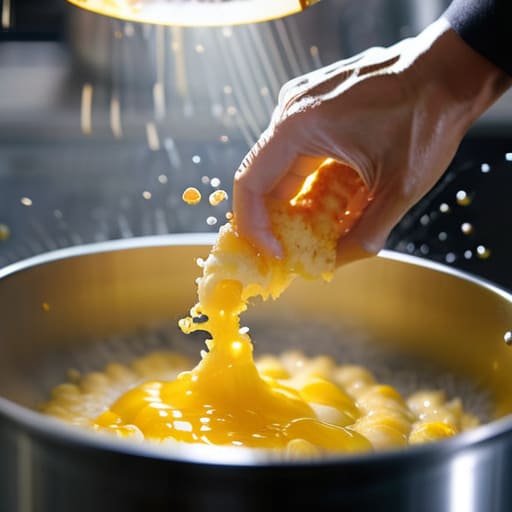
    Comparison of Shabu Shabu and Sukiyaki

    Feature Shabu Shabu Sukiyaki
    Broth Base Light, clear dashi/kombu Sweet, dark soy-based sauce
    Cooking Style Quick swishing in broth Simmering in sauce
    Primary Flavor Mild and savory Rich and sweet
    Dipping Sauce Ponzu or sesame sauce Raw egg (traditional)
    Best For Light, healthy meals Hearty, indulgent feasts
    Vegetable Focus High emphasis on freshness Balanced with meat/sauce

    The Difference Between Shabu Shabu and Sukiyaki Broth

    The Difference Between Shabu Shabu and Sukiyaki Broth.

    To understand the soul of these two dishes, you must look past the meat and focus entirely on the liquid in the pot. The broth isn’t just a cooking medium; it is the architectural foundation of the entire meal. If you misjudge the liquid, you misjudge the entire dining experience, shifting from a light, rhythmic dance to a heavy, concentrated feast.

    In shabu shabu, the broth is a minimalist affair—usually a simple, clear kombu dashi. It is designed to be a clean canvas, allowing the natural, unadulterated flavor of the beef to take center stage. You aren’t eating the broth; you are using it to awaken the ingredients. It is a precise, logistical exercise in restraint.

    Sukiyaki, conversely, is an unapologetic assault on the senses. The base is a dark, viscous mixture of soy sauce, sugar, and mirin that coats everything in a rich, syrupy embrace. There is no subtlety here; the broth is a heavyweight protagonist that demands your attention with every bite.

    For those seeking purity and nuance, shabu shabu wins. But for a deep, soul-warming intensity, sukiyaki is the undisputed master.

    Sweet vs Savory Japanese Beef Dishes a Study in Contrast

    To understand the soul of these two dishes, one must look past the ingredients and into the fundamental tension between sweet and savory. It isn’t just a matter of seasoning; it is a choice of how you want the beef to interact with your palate. Choosing between them dictates whether your meal is a light, cleansing experience or a rich, heavy indulgence that lingers long after you’ve left the restaurant.

    In shabu shabu, the savory profile is almost entirely external. The meat is a clean slate, briefly kissed by hot broth before being dipped into a pungent ponzu or a creamy sesame sauce. This method preserves the delicate integrity of the beef, allowing the natural fats to shine without interference. It is a logistical triumph of minimalism.

    Sukiyaki, however, embraces a bold, syrupy complexity. The meat is simmered directly in a soy, sugar, and mirin base, creating a deep, caramelized coating that clings to every fiber. It is a high-intensity flavor profile that demands your full attention. While shabu shabu offers a rhythmic, light flow, sukiyaki provides a concentrated sensory weight.

    If you seek a refined, balanced meal, shabu shabu wins. But for those craving a profound, sweet-savory embrace, sukiyaki is the undisputed master.

    The Essential Distinctions

    Shabu shabu is an exercise in restraint, where the broth serves merely as a clean canvas for the natural, unadorned flavor of the beef.

    Sukiyaki is a study in richness and intention, utilizing a heavy, sweet-savory base that transforms the ingredients into a cohesive, deeply flavored ritual.

    Choosing between them is less about the specific recipe and more about the atmosphere you seek—the light, rhythmic dip of shabu shabu or the comforting, slow-simmered weight of sukiyaki.

    ## The Rhythm of the Pot

    Choosing between shabu shabu and sukiyaki isn’t merely a matter of preference; it is a choice between two different tempos of urban life—one is a light, rhythmic dance of dipping and waiting, while the other is a deep, concentrated immersion into the rich, heavy heart of the city’s flavors.

    Rurik Salonen

    Choosing Your Rhythm

    Ultimately, the choice between shabu shabu and sukiyaki comes down to the specific cadence you want your meal to follow. If you find yourself craving a lighter, more controlled experience where the purity of the beef takes center stage, shabu shabu is your logical destination. It is a clean, methodical process of dipping and waiting. However, if you are looking for something more robust—a dish defined by the heavy, sweet-savory interplay of soy and sugar—sukiyaki offers a more indulgent, integrated flavor profile. One is a study in subtle precision, while the other is a celebration of rich, concentrated tradition.

    As I sit in these small, steam-filled eateries, watching the city rush past the window, I realize that these culinary distinctions are much like the transit lines I used to map out. Some routes are built for speed and efficiency, while others are meant for a slower, more immersive journey. Whether you choose the delicate simmer of the shabu shabu pot or the deep, dark richness of sukiyaki, you aren’t just choosing a meal; you are choosing how you wish to engage with the moment. Don’t rush the decision. Just listen to what your appetite is telling you about the day.

    Frequently Asked Questions

    If I'm dining in a smaller, more traditional izakaya, which of these two is more likely to be the standard offering?

    In a cramped, wood-paneled izakaya tucked away in an Osaka alley, you’ll more likely encounter shabu shabu. It’s a more versatile, communal affair—less about a rigid, heavy recipe and more about the shared rhythm of dipping meat into a light, clear broth. Sukiyaki, with its rich, concentrated sweetness, often requires more specialized preparation. For the casual evening after a long walk through the city, the lightness of shabu shabu feels more at home.

    Does the quality of the beef change significantly depending on which style I choose to order?

    It isn’t so much that the quality changes, but rather how the fat is utilized. In sukiyaki, you want a marbled, high-fat cut—something that can stand up to the heavy sweetness of the soy and sugar. In shabu shabu, the beef needs to be pristine and delicate; since the broth is light, any impurity in the meat is immediately exposed. You aren’t just choosing a dish; you’re choosing how much weight the beef must carry.

    How do the dining rituals differ—is one more of a communal, social affair while the other is more focused and individual?

    The rhythm of the table changes entirely between the two. Shabu shabu is a lighter, more rhythmic affair; you’re constantly moving, swirling the meat through the broth like a gentle dance. It feels communal, almost meditative. Sukiyaki, however, is more deliberate. It’s a heavier, more structured ritual where the ingredients are pre-arranged in the pan. It demands a certain focus—a shared commitment to the slow, rich development of the flavors.

  • Adopting a Minimalist Lifestyle in Japan

    Adopting a Minimalist Lifestyle in Japan

    I was sitting in a cramped, third-generation tea shop in Yanaka last Tuesday, watching a young man meticulously arrange three ceramic cups on a plain wooden table. It struck me how much the modern internet has distorted the concept of a minimalist lifestyle japan; people treat it like a high-end aesthetic, a collection of expensive white furniture and empty, sterile rooms that look good on a screen but feel utterly lifeless. They mistake emptiness for minimalism, when true simplicity isn’t about what you throw away, but about the intentionality of what you choose to keep.

    I’m not here to sell you on a curated lifestyle of beige linen and overpriced Zen decor. Instead, I want to pull back the curtain on how this philosophy actually functions within the high-density, high-speed reality of Japanese urban living. I will share what I’ve observed through my lens—and my notebook—about how to find functional beauty in small spaces and how to navigate the chaos of a metropolis without letting the clutter of the world seep into your mind. This is about practicality, not just aesthetics.

    Table of Contents

    Tracing the Ma Concept in Minimalism

    Tracing the Ma Concept in Minimalism.

    To understand the true essence of Japanese minimalism, one must look past the mere absence of objects and look toward the space between them. This is the ma concept in minimalism—the intentional use of void. During my years in logistics, I learned that a warehouse choked with excess is useless; it is the empty lanes that allow for flow and efficiency. In a Tokyo apartment, this principle transforms a cramped room into a sanctuary. It isn’t just about the furniture you own, but the breathable distance you maintain between the items that remain.

    When I sit in a small tea house in Yanaka, I see how this concept dictates the layout. It isn’t a lack of design, but a precise calibration of presence. This is where the wabi-sabi aesthetic principles intersect with daily life, teaching us to find beauty in the imperfect and the unadorned. By embracing the void, you aren’t just clearing a shelf; you are creating a stage for the light to move and for the mind to settle. It is the difference between a room that feels empty and a room that feels purposeful.

    Finding Stillness Through Danshari Decluttering Method

    Finding Stillness Through Danshari Decluttering Method

    I remember sitting in a cramped, third-floor apartment in Setagaya, watching the afternoon light shift across a single, empty wooden stool. In my old life, managing global logistics, “excess” was a failure of efficiency. Here, I realized that excess is a failure of the spirit. This is where the danshari decluttering method moves beyond mere tidying; it is a psychological shedding. It isn’t just about throwing things away to save space, but about the intentional refusal to be anchored by the unnecessary.

    When you apply this philosophy to living with less in Tokyo, the physical transformation of a room is secondary to the mental clarity it provides. In these high-density urban corridors, space is the ultimate luxury. By embracing the principles of refusal and separation, you stop treating your possessions as trophies and start seeing them as tools. You begin to curate your environment with the same precision I once used to optimize a shipping route, ensuring that every object present serves a distinct, meaningful purpose.

    The Logistics of Less: Practical Habits for a Leaner Life

    • Respect the footprint of your belongings. In a Tokyo apartment, every square centimeter is a precious resource; I’ve learned that if an object doesn’t serve a clear, functional purpose or offer a profound sense of calm, it is simply occupying space that should belong to your own breathing room.
    • Adopt the rhythm of the seasonal shift. Minimalism in Japan isn’t a static state, but a rotation; try organizing your life around the changing seasons, bringing out only what is necessary for the current climate, which prevents the heavy, stagnant accumulation of “just in case” items.
    • Invest in quality over volume. My years in logistics taught me that the cheapest route often leads to the most waste; instead of buying five mediocre tools or garments, find one well-crafted piece that is designed to endure, much like the timeless architecture of a quiet neighborhood shrine.
    • Curate your sensory environment. Minimalism extends beyond what you own to what you consume; practice being selective with the noise, the light, and the information you let into your personal space, ensuring your home remains a sanctuary rather than a cluttered terminal of distractions.
    • Embrace the beauty of the empty vessel. Don’t feel the need to fill every corner of a room or every gap in your schedule; leaving intentional “white space” in your physical environment and your daily transit allows for the unexpected moments of clarity that make city living meaningful.

    The Logistical Essence of Japanese Minimalism

    Minimalism in Japan is less about the absence of things and more about the intentionality of space; it is the functional application of ‘Ma’ that allows a room—and a mind—to breathe.

    True decluttering through ‘Danshari’ is not a mere cleaning chore, but a disciplined psychological shift that prioritizes long-term mental clarity over the temporary impulse of consumption.

    To find the heart of this lifestyle, one must look past the aesthetic trends and observe the quiet, efficient systems in daily life, from the way a small apartment is organized to the seamless flow of a morning commute.

    ## The Logistics of Less

    “I’ve spent my life calculating the efficiency of moving goods across oceans, but in Japan, I’ve learned that true efficiency isn’t about how much you can move—it’s about how little you actually need to carry to feel whole.”

    Rurik Salonen

    The Quiet Architecture of a Life Well-Lived

    The Quiet Architecture of a Life Well-Lived.

    Reflecting on these principles, it becomes clear that Japanese minimalism is far more than a mere aesthetic choice or a way to tidy a living room. It is a structural approach to existence. By understanding the concept of Ma—the intentional space between things—and applying the disciplined layers of Danshari, we move beyond simple decluttering. We begin to see that by removing the excess, we aren’t just creating empty space; we are creating room for the essential. Whether it is the way a single piece of pottery sits on a wooden shelf or the way a transit station manages the flow of thousands of souls without a hint of chaos, the lesson remains the same: purpose is found in what remains when the noise is stripped away.

    As I sit here in a small cafe near Umeda, watching the rain blur the edges of the city, I am reminded that finding this rhythm requires patience. You cannot force a sense of calm any more than you can force a film exposure to be perfect. It is a process of constant, gentle recalibration. I encourage you not to view minimalism as a destination or a rigid set of rules to follow, but rather as a lens through which you view your own world. Seek out those quiet, functional beauties in your own daily transit. When you stop chasing the clutter of the “more,” you might finally find the clarity of the “enough.”

    Frequently Asked Questions

    How does the intense spatial constraint of a Tokyo apartment actually dictate the way people choose their belongings?

    In Tokyo, space isn’t just a luxury; it’s a hard boundary. When you’re living in a footprint no larger than a shipping container, every object must justify its existence. You don’t buy things for how they look on a shelf; you buy them for their utility and their ability to fold, stack, or vanish. It forces a brutal, necessary honesty upon your possessions. If it doesn’t serve a dual purpose, it’s simply dead weight.

    Is the pursuit of minimalism in Japan a spiritual practice for most, or is it simply a practical response to high urban density?

    It is rarely one or the other; in Japan, the practical and the spiritual are often two sides of the same coin. Living in a high-density metropolis like Tokyo necessitates a certain spatial discipline—you simply cannot thrive amidst excess when every square meter is precious. However, this necessity has birthed a profound philosophy. What began as a logistical requirement for urban survival has evolved into a way of finding mental clarity amidst the city’s relentless friction.

    Beyond the home, how does the concept of minimalism manifest in the way Japanese transit and public spaces are designed?

    It’s not just about the interiors of homes; you see it in the very bones of the city. Look at a Tokyo station platform. There is a deliberate, almost surgical precision to the way lines are painted and how people queue. It isn’t just efficiency; it’s the removal of visual noise to facilitate movement. Even the signage is stripped of excess, ensuring that in a sea of millions, the path remains intuitive and calm.

  • Designing Small Spaces in Japanese Apartments

    Designing Small Spaces in Japanese Apartments

    I remember sitting on a milk crate in a cramped Nakano studio last autumn, listening to the muffled, rhythmic hum of the Chuo Line passing just a few meters from my window. Most travel guides will tell you that Japanese apartment living is all about sleek minimalism or high-tech efficiency, but they miss the actual logistical reality of it. They sell you a dream of Zen-like simplicity, while ignoring the reality of managing a laundry cycle in a room the size of a walk-in closet or the peculiar geometry of a kitchen that barely fits a single rice cooker.

    I’m not interested in the polished version you see on lifestyle blogs. My goal is to strip away the romanticism and give you a grounded perspective on what it actually takes to inhabit these spaces. I want to talk about the flow of a small floor plan, the subtle nuances of neighborhood noise, and how to find your own sense of order within a compact footprint. We aren’t going to talk about decor; we are going to discuss the functional truth of making a tiny space work for a human life.

    Table of Contents

    Mastering the Tokyo Studio Apartment Layout

    Mastering the Tokyo Studio Apartment Layout.

    When I first moved into my unit in Setagaya, I viewed the floor plan as a puzzle with missing pieces. A typical tokyo studio apartment layout isn’t designed for sprawl; it is designed for precision. You quickly realize that every centimeter must earn its keep. I found myself sketching the perimeter in my notebook, realizing that the traditional separation of “living” and “sleeping” is a luxury most urban dwellers cannot afford. Instead, you learn to rely on verticality and intentionality.

    The secret to not feeling claustrophobic lies in how you manage the transition between tasks. I’ve seen how much more breathing room a room has when you embrace japanese storage solutions, like recessed shelving or under-floor compartments, rather than cluttering the floor with bulky cabinets. It’s about more than just tidiness; it’s a form of spatial logistics. By utilizing multifunctional furniture for small homes—a table that doubles as a desk, or a platform that hides your luggage—you transform a cramped box into a functional sanctuary. In this city, efficiency isn’t just a habit; it’s a way of survival.

    The Quiet Art of Japanese Storage Solutions

    The Quiet Art of Japanese Storage Solutions

    In my years managing supply chains, I learned that efficiency isn’t about having more room; it’s about the strategic placement of what you already possess. This same logic applies to the domestic sphere here. To truly embrace a japanese minimalism lifestyle, one must stop viewing storage as a way to hide clutter and start seeing it as a way to curate one’s environment. I’ve spent many afternoons observing how residents utilize the vertical plane, turning empty wall space into functional archives through modular shelving and clever, recessed niches.

    The beauty lies in the intentionality of it all. You won’t find much room for the superfluous here, which forces a certain discipline. I often find myself sketching the way local residents utilize multifunctional furniture for small homes—a simple wooden bench that serves as a seat, a coffee table, and a hidden chest for seasonal linens. It is a delicate dance of utility and grace. By mastering these japanese storage solutions, a resident transforms a cramped unit into a sanctuary, proving that even the tightest constraints can foster a sense of profound order.

    The Logistical Essentials: Navigating the Constraints of Urban Living

    • Respect the soundscape of your neighbors. In these dense urban corridors, walls are often more of a suggestion than a barrier; investing in high-quality, noise-canceling headphones is as much a necessity for mental clarity as it is for comfort.
    • Master the vertical dimension. When your floor plan is restricted, your walls become your primary real estate. I’ve found that utilizing tall, slim shelving units allows you to reclaim the “airspace” of a room without obstructing the natural flow of movement.
    • Embrace the seasonal rotation. Living in Japan means living with the climate. To avoid clutter, I keep a strict system of rotating my wardrobe and bedding to match the humidity of the season, storing the “off-season” items in vacuum-sealed bags under the bed.
    • Prioritize multi-functional furniture. A single-purpose piece of furniture is a luxury most small apartments cannot afford. Look for dining tables that can serve as workstations, or low-profile seating that can be tucked away when you need open floor space for guests.
    • Understand the “trash logistics” of your ward. It sounds mundane, but your quality of life depends on it. Every municipality has a rigid, almost surgical schedule for different types of waste; failing to learn this rhythm is the quickest way to feel like an outsider in your own home.

    The Essentials of Urban Equilibrium

    Efficiency is not about cramming more into a room; it is about selecting pieces that serve multiple purposes and respect the flow of the space.

    Success in a small footprint depends on vertical thinking—utilizing the walls and the space above eye level to keep the floor clear and the mind calm.

    A well-managed apartment serves as a sanctuary from the city’s noise, provided you curate your belongings with the same precision as a well-oiled supply chain.

    The Geometry of Living Small

    “In a city like Tokyo, a home isn’t measured by its square footage, but by the intentionality of its design; when space is a luxury, every object must earn its place, and every centimeter becomes a lesson in discipline.”

    Rurik Salonen

    The Geometry of Living Well

    The Geometry of Living Well in apartments.

    Ultimately, navigating the constraints of a Japanese apartment isn’t about fighting for more square footage; it is about mastering the logistics of space. We have looked at how a well-placed multifunctional desk can redefine a studio’s utility and how vertical storage can turn a cramped corner into a functional asset. When you stop viewing these small dimensions as limitations and start seeing them as a puzzle to be solved, the entire experience shifts. Success in these compact environments relies on a disciplined approach to what we bring inside and a deep respect for the intentionality of every object we choose to keep.

    There is a profound, quiet dignity found in living with only what is necessary. As I sit in my small corner of the city, watching the light shift across my notebook, I am reminded that a home doesn’t need to be vast to be meaningful. In fact, there is a certain clarity that comes from stripping away the excess. When you master the art of small-scale living, you aren’t just managing a floor plan; you are learning how to cultivate peace within the urban rush. A small apartment is not a compromise—it is a lesson in how to live with purpose.

    Frequently Asked Questions

    How much does the noise from neighboring units or the street actually impact the sense of privacy in these high-density buildings?

    In my years managing logistics, I learned that sound is just another flow to be managed. In these high-density buildings, privacy isn’t just about walls; it’s about acoustic management. You’ll find that while the street noise can be a constant, low-frequency hum, the real challenge is the verticality—the footsteps above or the muffled conversations next door. It forces you to curate your own silence, often through heavy curtains or the strategic placement of bookshelves.

    Beyond just saving space, what are the logistical realities of managing waste and recycling in a compact urban apartment?

    Managing waste in a tiny apartment is less about capacity and more about strict, rhythmic discipline. You don’t just “toss things away”; you curate them. Between the burnables, plastics, and PET bottles, your small kitchen can quickly feel like a logistics bottleneck. I’ve learned that success lies in a tiered bin system tucked under the sink. If you don’t master the sorting schedule early, the clutter—and the mental weight—will overwhelm your sanctuary.

    Is it truly practical to rely on small-scale appliances, or do you eventually find yourself needing more heavy-duty equipment for daily life?

    It’s a question of scale versus necessity. In my experience, the compact appliances found in most Tokyo studios—the single-burner induction cooktops or the small rice cookers—are surprisingly resilient. They are designed for the specific cadence of urban life. You don’t need a heavy-duty oven when your culinary rhythm revolves around precision and efficiency. Unless you’re planning to host large gatherings, which is a logistical challenge in itself, these small-scale tools are more than sufficient.

  • Discovering City Secrets Through Walking Tours

    Discovering City Secrets Through Walking Tours

    I was sitting on a wooden bench near Shinjuku Station last Tuesday, watching a group of tourists shuffle aimlessly through a sea of commuters, clutching glossy brochures like life rafts. They were looking for the “authentic Japan” promised by every shiny advertisement, yet they were completely blind to the rhythmic precision of the crowd or the quiet tea shop tucked behind the vending machines. Most commercial japan walking tours are designed to feed you a sanitized, high-speed version of history that feels more like a theme park than a living city. They prioritize the monumental over the meaningful, leaving you with a collection of photos but very little actual understanding of how the streets beneath your feet actually function.

    I have no interest in selling you a scripted performance. Instead, I want to show you how to navigate the urban labyrinth with purpose. In the following pages, I’ll share my personal observations on how to structure your own explorations, focusing on the logistical flow and the hidden, quiet corners that most guides simply overlook. This isn’t about checking boxes; it is about learning to read the city’s pulse through its transit lines and its narrowest alleys.

    Table of Contents

    Finding the Pulse Through the Best Walking Routes in Tokyo

    Finding the Pulse Through the Best Walking Routes in Tokyo.

    To truly understand Tokyo, you have to abandon the idea of the city as a single entity and start seeing it as a collection of interconnected cells. When I look for the best walking routes in Tokyo, I don’t look for the brightest lights; I look for the transition points where the roar of the Yamanote Line fades into the hum of a residential side street. A perfect morning might begin in the Yanaka district, where the scale of the buildings remains human and the pace of life feels tethered to something much older than the skyscrapers of Shinjuku.

    If you are planning a more structured journey, I often suggest a walking tour itinerary Japan that prioritizes the rhythm of the neighborhoods over the density of the crowds. For instance, moving from the refined, quiet lanes of Daikanyama toward the more utilitarian, industrial edges of Meguro allows you to witness how the city’s logistics and lifestyle intertwine. It is in these stretches—between the polished storefronts and the narrow, functional alleys—that you find the true, unvarnished pulse of the metropolis.

    Exploring Japanese Neighborhoods on Foot to Find Hidden Breathings

    Exploring Japanese Neighborhoods on Foot to Find Hidden Breathings

    To truly understand a city, you have to step away from the main thoroughfares where the tourists congregate. I’ve found that exploring Japanese neighborhoods on foot is the only way to witness the subtle shifts in rhythm that define urban life. In places like Yanaka or Shimokitazawa, the frantic energy of the metropolis dissolves into something much more manageable. Here, the scent of incense from a small neighborhood shrine mingles with the aroma of a local coffee shop, creating a sensory map that no guidebook can accurately replicate.

    While many travelers opt for structured walking tours for solo travelers Japan to ensure they don’t miss the “important” sights, I prefer to let my feet dictate the pace. There is a profound, quiet dignity in the way a narrow residential street in Setagaya functions—the precise way a shopkeeper sweeps their doorstep or the silent efficiency of a local bus stop. These are the small, functional details that reveal how a community actually sustains itself. When you stop rushing toward a destination, you finally start to see how the city breathes.

    Logistical Essentials for the Observant Walker

    • Prioritize the transit-to-foot ratio. Don’t try to walk across Shinjuku; use the subway to get to the correct district first, then let your feet do the work within a three-kilometer radius. It preserves your energy for the details that actually matter.
    • Invest in a physical map or a dedicated offline navigation tool. Relying solely on a live GPS can make you a passive passenger in your own journey; looking at a map forces you to understand the spatial logic and the way neighborhoods connect.
    • Pack for the rhythm of the city, not just the weather. A lightweight, waterproof layer and broken-in walking shoes are non-negotiable. If your feet are protesting, you’ll stop looking at the architecture and start looking at your feet.
    • Carry a small, dedicated notebook. There is a specific kind of clarity that comes from sketching a junction or jotting down the name of a quiet alleyway that a digital photo simply cannot capture. It forces a slower, more intentional pace.
    • Learn the “exit strategy” for major stations. In cities like Tokyo or Osaka, the exit you choose dictates the entire character of your walk. Spend five minutes at the station concourse observing the flow of people before you commit to a direction.

    The Logistics of a Meaningful Journey

    Prioritize the rhythm of the transit lines over the checklist of monuments; the most authentic insights into a city’s character are often found in the quiet intervals between major stations.

    Embrace the slow pace of walking to observe the functional details—the narrow alleys, the local shopfronts, and the subtle shifts in neighborhood energy—that a tour bus will always bypass.

    Use your own observations to map the city’s breath, looking past the neon distractions to find the steady, quiet beauty in the way a community actually operates day-to-day.

    The Logic of the Labyrinth

    A walking tour shouldn’t be a checklist of shrines and souvenirs; it should be a study of movement. When you step off the main thoroughfare and let the transit lines guide you into the quiet capillaries of a neighborhood, that is when you stop seeing Japan as a postcard and start seeing it as a living, breathing organism.

    Rurik Salonen

    The Rhythms of the Road

    Exploring The Rhythms of the Road.

    As we have seen, the true essence of Japan is rarely found in the shadow of a skyscraper or the middle of a tourist thoroughfare. Whether you are navigating the complex, rhythmic interchanges of Tokyo’s subway system or wandering through the quiet, residential arteries of an Osaka neighborhood, the goal remains the same: to observe. By prioritizing walking tours that emphasize local transit and backstreet navigation over the standard monument checklists, you gain a perspective that most travelers miss. We have explored how the movement of people and the layout of the streets tell a story far more compelling than any guidebook can capture. It is in these deliberate, slow-paced explorations that the logistical soul of the country truly reveals itself.

    My advice to you as you prepare your own itinerary is simple: leave room for the unplanned. Put down the digital map occasionally, open your notebook, and allow yourself to get slightly lost in the quiet, functional beauty of a side street. A city is not a museum to be viewed from behind glass; it is a living, breathing organism that requires your patience to understand. Don’t just visit Japan—learn to breathe with it. When you stop rushing toward the next landmark, you finally give the city the chance to speak to you.

    Frequently Asked Questions

    How much walking should I realistically prepare for if I want to see more than just the main tourist hubs?

    If you intend to move beyond the neon-lit corridors of Shinjuku or Shibuya, prepare to clock between fifteen and twenty kilometers a day. I’ve found that the real character of Tokyo or Osaka reveals itself only after you’ve left the main stations and begun navigating the labyrinthine side streets. It is demanding on the feet, certainly, but that physical exertion is the price of admission for seeing how a city truly breathes.

    Are there specific transit passes that make navigating between these different walking routes more efficient?

    In my years of managing logistics, I’ve learned that the right tool simplifies the chaos. For these routes, don’t bother with complex paper tickets. Get an IC card—Suica or Pasmo. They are seamless, tap-and-go essentials that work on almost every line. If you plan on heavy movement between Tokyo and Osaka, look into the JR Pass, but for local, rhythmic exploration, a simple, loaded IC card is the most elegant solution.

    Is it better to join a guided tour for historical context, or should I rely on my own observations and a good map?

    It depends on what you’re looking to extract from the city. If you want the dates, names, and political shifts that shaped a district, a guide is an efficient tool. But if you want to feel the city’s rhythm, I prefer my own pace. A map and a quiet afternoon allow you to notice the way a street narrows or how a station’s flow dictates the neighborhood’s energy. Use guides for facts; use yourself for the truth.

  • How to Use Public Baths and Onsens

    How to Use Public Baths and Onsens

    The steam in a traditional bathhouse is thick enough to hide a multitude of sins, but it cannot hide a lack of awareness. I remember my first visit to a small, cedar-scented bath in Hakone; I was so preoccupied with my camera gear and my mental map of the local rail lines that I nearly committed a cardinal sin by stepping into the water without a proper scrub. It wasn’t a grand mistake, but in the delicate ecosystem of a communal bath, even a small lapse in onsen etiquette feels like a disruption to the rhythmic stillness that everyone else has worked so hard to maintain.

    I have no interest in giving you a list of rigid, suffocating rules designed to make you feel like a trespasser. Instead, I want to share the logic behind the ritual. My goal is to strip away the anxiety of the unknown and replace it with a functional understanding of how these spaces actually work. I will provide you with a grounded, no-nonsense guide to navigating the bathhouse with grace, ensuring you can focus on the heat and the quiet rather than worrying about whether you’ve offended the room.

    Table of Contents

    Mastering the Sacred Pre Bath Washing Procedure

    Mastering the Sacred Pre Bath Washing Procedure.

    Before you even consider the warmth of the mineral water, you must attend to the stool and the basin. In my years of logistics, I learned that any efficient system relies on a clean starting point, and the pre-bath washing procedure is the foundational ritual of the bathhouse. You will find a row of low stools and small plastic buckets; this is your workspace. It is not merely about personal hygiene, but about a collective responsibility to ensure the communal pool remains pristine. Scrub every inch of your skin thoroughly before stepping toward the spring.

    There is a specific rhythm to these japanese bathing customs that can feel daunting if you are watching the clock, but it is actually quite meditative. I find that sitting low, focused on the task of rinsing away the day, allows one to settle into the environment. If you rush this stage, you disrupt the flow of the space. Remember, the goal is to arrive at the water’s edge completely clean, leaving nothing behind but the quiet intention of your presence.

    Understanding the Unspoken Onsen Social Norms

    Understanding the Unspoken Onsen Social Norms.

    Once you have finished your initial scrubbing, you enter a space governed by a subtle, collective rhythm. There is no loud instruction manual for these onsen social norms; instead, you must learn to read the room. It is a dance of spatial awareness. You’ll notice people rarely sit directly next to one another if a stool is available elsewhere, maintaining a respectful distance that preserves the shared solitude. It isn’t about being cold; it is about providing each person with a private pocket of peace within a communal setting.

    I have often sat on a small wooden stool, watching the steam rise, and realized that the most important rule is one of unobtrusive presence. This extends to the small things, like the specific onsen towel rules regarding where to place your cloth—never letting it touch the bathwater, but rather resting it atop your head. For those traveling with visible ink, it is worth noting that while attitudes are shifting, the conversation around tattoos in japanese hot springs remains a delicate one. It is always best to check the specific facility’s stance beforehand to ensure your presence remains harmonious with the quietude of the bath.

    The Small Nuances of the Bathing Ritual

    • Keep your towel away from the water; it is a tool for drying, not a companion for the bath. I usually fold mine small and rest it atop my head, a practical way to keep it clean while staying cool in the steam.
    • Respect the silence of the shared space. An onsen isn’t a place for loud conversation or boisterous laughter; it is a communal meditation where the only acceptable sounds are the gentle splash of water and the low hum of the building.
    • Manage your moisture with care. When moving from the hot spring to the changing area, use your small towel to wipe yourself down as much as possible. Leaving a trail of water on the floor disrupts the flow and the cleanliness of the shared space.
    • Observe the temperature with patience. Do not rush into the deepest, hottest pools immediately. Like a well-oiled machine, your body needs time to calibrate to the heat; start with the shallower or cooler sections to avoid overwhelming your system.
    • Mind the hair and the waterline. If you have longer hair, ensure it is tied back or tucked away. The goal is to leave the water exactly as you found it—pristine, undisturbed, and free of any trace of your presence.

    The Quiet Geometry of the Onsen

    Respect the ritual of the wash; it is the essential boundary between the chaos of the outside world and the purity of the water.

    Listen more than you speak; the onsen is a shared space of silence where the true atmosphere is felt, not discussed.

    Observe the flow of the room; a successful visit relies on a subtle awareness of others’ space, moving with a steady, unobtrusive grace.

    ## The Rhythm of the Water

    “Etiquette in an onsen is rarely about a list of rigid prohibitions; rather, it is a shared, unspoken choreography designed to preserve the stillness that everyone has come there to find.”

    Rurik Salonen

    The Quiet After the Steam

    The Quiet After the Steam in onsen.

    Ultimately, navigating an onsen is less about memorizing a rigid list of prohibitions and more about mastering the art of spatial awareness. Whether it is the meticulous ritual of scrubbing yourself clean before entering the communal pool or the silent, respectful distance maintained between bathers, these actions serve a singular purpose: preserving the sanctity of the space. When you respect the pre-wash protocols and honor the unspoken social boundaries, you aren’t just following rules; you are ensuring that the equilibrium of the bath remains undisturbed for everyone involved. It is a delicate, logistical dance of cleanliness and consideration.

    As I sit in my local café after a long soak, sketching the transit lines of the Shinjuku station in my notebook, I am reminded that these rituals are what allow a city to breathe. We often think of urban life as a series of collisions, but the onsen offers a rare, structured pause. It is a lesson in how we can exist in close proximity to strangers without encroaching on their peace. If you approach the hot springs with a spirit of quiet observation rather than a checklist of demands, you will find that the true warmth of the experience has nothing to do with the temperature of the water, and everything to do with the shared stillness of the moment.

    Frequently Asked Questions

    What should I do if I have a small bandage or a minor skin condition that might conflict with the communal bathing rules?

    It’s a common point of friction for the uninitiated. In my experience, the rule is simple: transparency is your best tool. If you have a small bandage, it’s often best to cover it with a waterproof, skin-colored patch, but even then, some traditional establishments may ask you to skip the communal pool. If it’s a minor skin condition, I find it’s best to check with the front desk first. Honesty preserves the shared stillness.

    Is it considered rude to bring a book or a camera into the changing area, or is that strictly reserved for the baths themselves?

    Leave the camera in your locker. The changing area is a space of transition, a place where people are shedding their public personas along with their clothes. Bringing a camera or a book into that vulnerability feels intrusive, a disruption of the communal privacy. As for books, while less taboo, they tend to clutter the shared space. Best to leave them in your bag; the onsen is for presence, not for distraction.

    How do I navigate the etiquette of a crowded bath when I feel like I'm intruding on someone else's quiet moment?

    The key is to embrace the concept of “kuki wo yomu”—reading the air. In a crowded bath, silence isn’t an absence of connection; it’s a shared respect for privacy. I find that if I move with intention, keeping my movements slow and my gaze soft, I become part of the room’s natural rhythm rather than a disruption. Find a corner, settle into the warmth, and simply exist alongside them. You aren’t intruding; you are participating in the stillness.

  • Exploring the City of Fukuoka

    Exploring the City of Fukuoka

    I sat on a wooden stool in a cramped, steam-filled yatai stall near Nakasu last Tuesday, the smell of rich tonkotsu broth cutting through the humid evening air. While most travelers arrive in Kyushu looking for the polished, high-speed spectacle they’ve seen in glossy brochures, I found myself watching the way the local commuters transitioned seamlessly from the subway platforms to these tiny, open-air kitchens. Most people approach a fukuoka city guide expecting a list of shiny landmarks and overpriced tourist traps, but they miss the actual mechanics of the city—the way the rhythm of the Hakata Line dictates the flow of the evening crowds.

    I have no interest in giving you a checklist of monuments that you could find on any generic travel site. Instead, I want to show you how this city actually breathes, from the efficiency of its transit nodes to the quiet, narrow side streets where the real soul of the neighborhood hides. This isn’t a collection of hype; it is a logistical map for the observant traveler. I promise to guide you through the functional beauty of Fukuoka, focusing on the details that most people simply walk right past.

    Table of Contents

    Navigating the Rails a Kyushu Travel Itinerary.

    When planning a Kyushu travel itinerary, I find it best to treat the rail network not just as a means of transport, but as the skeletal structure of the region. For a three-day stint in the city, I suggest starting at Hakata Station. It is the central nervous system of the area. From here, you can easily pivot between the heavy commercial energy of the Tenjin shopping district and the more meditative spaces of the city. I often find myself sketching the complex junctions at Hakata, marveling at how the Shinkansen lines integrate so seamlessly with the local commuter tracks.

    On your second day, I recommend moving toward the periphery to find a different pace. A trip toward the Fukuoka coastal attractions offers a necessary reprieve from the concrete. If you prefer something more grounded, a slow loop around Ohori Park allows you to observe how the locals interact with the water. There is a certain functional elegance in how the city transitions from the frantic pace of the business hubs to these pockets of stillness. It isn’t about how fast you move, but how well you understand the flow.

    The Best Time to Visit Fukuokas Changing Seasons

    The Best Time to Visit Fukuokas Changing Seasons

    Timing a trip to this part of Kyushu is less about avoiding rain and more about matching your internal tempo to the city’s atmosphere. If you prefer clarity and mild temperatures, the spring months offer a gentle transition. I often find myself sitting near the water for some Ohori Park sightseeing, watching the cherry blossoms drift onto the surface of the lake; there is a certain logistical grace to how the city settles into spring.

    However, if you are looking for the city’s most vibrant, albeit humid, energy, the summer brings a different kind of life. The heat is real, but it drives the locals toward the Fukuoka coastal attractions and creates a specific, feverish buzz in the evening. For me, the humidity is a small price to pay for the ritual of the night. There is nothing quite like the sensory overload of a late-night Fukuoka street food yatai session, where the steam from the stalls mingles with the heavy air, creating a sense of communal warmth that you simply won’t find in the cooler, more reserved months.

    Small Details for a Smoother Transit

    • Don’t bother with individual tickets for every leg of your journey; pick up an IC card like Suica or Hayakaken immediately. In a city that moves this fast, the few seconds you save at the turnstile add up to a much more seamless experience.
    • Use the subway to find your bearings, but use the walking paths to find the city’s character. Fukuoka is surprisingly compact, and some of the best logistical observations I’ve made were while walking between the Hakata and Tenjin districts.
    • Pay close attention to the Yatai food stalls in the evenings. They aren’t just for eating; they are the city’s social capillaries. If you want to understand the local social fabric, sit at a stall, keep your elbows in, and just observe the ebb and flow of the evening crowd.
    • Download a reliable transit app, but keep a physical map or a hand-drawn sketch in your notebook. Digital tools are excellent for efficiency, but a physical map helps you understand the spatial relationship between the coast and the urban core in a way a screen cannot.
    • Learn the rhythm of the pedestrian crossings. In Fukuoka, the flow of people is remarkably disciplined. If you match the pace of the locals—neither rushing nor lagging—you’ll find you move through the city with much less friction.

    Finding the Core of the City

    Look beyond the major landmarks; the true character of Fukuoka is found in the seamless flow of its transit lines and the quiet, unhurried corners of its residential neighborhoods.

    Timing is everything—align your visit with the shifting seasons to witness how the city’s atmosphere and pace transform alongside the natural landscape.

    Master the logistical rhythm of the Kyushu rail network to move with purpose, allowing you to spend less time navigating and more time observing the details that define the region.

    The Logic of the Labyrinth

    A guide to Fukuoka shouldn’t just list its landmarks; it should teach you how to read the city’s movement, from the synchronized hum of the subway lines to the way the evening light settles into the narrow, salt-scented lanes of the waterfront.

    Rurik Salonen

    The Quiet Geometry of Fukuoka

    The Quiet Geometry of Fukuoka city streets.

    As I sit here in a small café near Hakata Station, watching the commuters move with a practiced, rhythmic efficiency, I am reminded that Fukuoka is more than just a transit hub for Kyushu. It is a city that balances its logistical prowess with a surprisingly gentle soul. Whether you are navigating the complex web of the subway lines to reach the coast, timing your visit to catch the soft bloom of the cherry blossoms, or simply tracing the path of a local street vendor, you are engaging with a living, breathing organism. To understand this city, you must look past the bright lights of the shopping districts and focus on the functional harmony that keeps everything in motion. It is in these structured transitions—the way a train arrives exactly on time or how a narrow alleyway opens into a quiet shrine—that the true essence of Fukuoka reveals itself.

    My advice to you is simple: do not rush to see everything. A city is not a checklist to be completed, but a series of moments to be observed. Leave room in your schedule for the unplanned detour, the slow walk through a neighborhood park, or the hour spent simply watching the city’s pulse from a window seat. If you approach Fukuoka with a sense of patient curiosity, you will find that the most profound discoveries aren’t found in the guidebooks, but in the quiet details that most people are too busy to notice. Travel well, and keep your eyes open.

    Frequently Asked Questions

    How efficient is the local transit system for someone wanting to explore the outer wards without relying on taxis?

    If you’re looking to push beyond the central hubs, you won’t need a taxi, provided you respect the map. The subway handles the core, but the true utility lies in the Nishitetsu lines and the local bus networks. They are remarkably disciplined. I’ve found that if you time your movements around the rail schedules, you can reach the outer wards with surgical precision. It requires a bit of patience and a good transit app, but the efficiency is undeniable.

    Are there specific quiet pockets or lesser-known neighborhoods where I can escape the heavy tourist crowds?

    If you want to escape the crush of Hakata Station, head toward Ohori Park, but don’t stop at the main promenade. Wander into the residential streets of Ropponmatsu; it has a quiet, scholarly dignity and excellent small bookstores. Alternatively, the area around Maizuru Park offers a stillness that feels worlds away from the neon. These are the places where the city’s breathing slows down, far from the frantic pace of the tourist trail.

    What is the most practical way to manage luggage and logistics if I'm moving between Fukuoka and other cities in Kyushu?

    Don’t make the mistake of hauling a heavy suitcase through crowded stations. If you’re moving between cities, use the Takkyubin luggage forwarding service. It’s a logistical lifesaver. You can drop your bags at your hotel front desk or a convenience store, and they’ll arrive at your next destination by the next day. It allows you to travel light, keeping your hands free for a camera or your notebook, moving through the stations with actual ease.