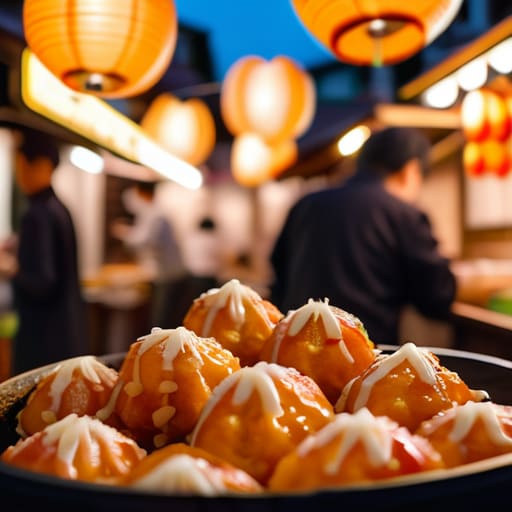
The heavy scent of dashi and toasted batter always finds me long before I see the stall, usually just as the evening rush begins to swell in the narrow corridors of Osaka. I remember standing under a flickering neon sign near Namba last autumn, watching a vendor move with the practiced, rhythmic precision of a master machinist, flipping those golden spheres with nothing more than a thin metal pick. Most tourists flock to the bright, overpriced stalls near the major landmarks, chasing a generic version of takoyaki street food that feels more like a souvenir than a meal. But if you aren’t willing to step two alleys away from the main thoroughfare, you’re missing the actual soul of the dish.
I have no interest in reviewing “must-visit” tourist traps or chasing social media trends that favor aesthetics over substance. Instead, I want to show you how to identify the stalls where the logistics of flavor actually work—where the batter is creamy, the octopus is substantial, and the sauce isn’t just a mask for mediocrity. This isn’t a guide to the most famous spots; it is a practical blueprint for finding the quiet, authentic corners where the city’s true culinary pulse resides.
Table of Contents
Beyond the Neon Decoding the Dotonbori Food Scene
Beyond the Neon: Decoding the Dotonbori Food Scene
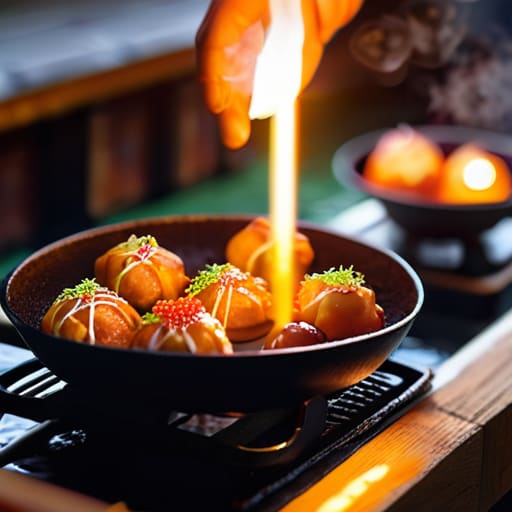
Most people arrive in Dotonbori expecting a sensory overload of flashing lights and loud signage, but if you step just a few meters away from the main thoroughfare, the rhythm changes. I’ve found that the true essence of the Dotonbori food scene isn’t found in the massive, multi-story restaurants, but in the rhythmic clack-clack of metal picks against iron griddles. There is a mechanical grace to it—a logistical precision in how the vendors flip each sphere with practiced, almost subconscious speed.
When you finally settle on a stall, don’t be swayed by the flashy displays. Look for the places where the locals stand in a quiet, orderly queue. It is here that you encounter the most authentic takoyaki toppings, ranging from the standard dancing bonito flakes to a more refined, savory dashi-based sauces. I often find myself observing the steam rise against the twilight, realizing that these small, hot morsels are more than just a snack; they are the connective tissue of the city’s evening energy.
The Secret Alchemy of Traditional Japanese Snacks
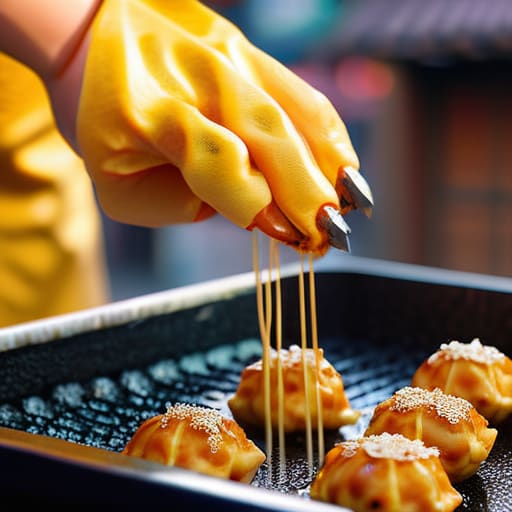
There is a certain rhythmic precision to how a master vendor handles a takoyaki pick. It isn’t just cooking; it is a practiced choreography of heat and timing. I sat on a low stool near a corner stall, watching the steam rise against the twilight. To the untrained eye, it’s just a snack, but to those who appreciate the logistics of flavor, it is a masterclass in balance. The batter must be light enough to melt, yet sturdy enough to hold the heavy, tender pieces of octopus tucked inside.
What separates a mediocre bite from the best street food in Osaka is the subtle interplay of the octopus ball ingredients. It isn’t just about the salt; it’s about the umami profile of the dashi-based batter. I’ve found that the most rewarding experiences come from seeking out authentic takoyaki toppings—the heavy drizzle of savory sauce, the precise dusting of bonito flakes that dance in the heat, and that final, sharp hit of pickled ginger. It is these small, intentional layers that give the city its flavor.
The Logistics of the Perfect Bite: A Few Practical Rules
- Watch the rhythm of the crowd, not just the signs. The most efficient stands—the ones where the batter is consistently fresh and the heat is steady—are usually those where locals are queuing with purpose, rather than the ones draped in excessive neon for tourists.
- Respect the temperature gradient. A truly skilled vendor knows how to achieve a crisp exterior while keeping the center molten. Never rush a bite; if you haven’t waited a moment for the steam to subside, you’re risking a burn that will ruin the rest of your walk.
- Observe the tool of the trade. I find myself watching the vendors’ hands as much as the food. The way they manipulate the picks with rhythmic, mechanical precision tells you everything you need to know about the quality of the batter and the consistency of the cook.
- Don’t shy away from the “unrefined” toppings. While the standard bonito flakes and mayo are fine, look for the stalls offering slightly more idiosyncratic additions—perhaps a dash of local spice or a specific type of pickled ginger. That is where the character of the neighborhood resides.
- Carry your own napkins and a small trash bag. In the dense transit hubs and narrow alleys of Osaka, the urban flow depends on everyone playing their part. Finding a clean spot to sit and observe the street while you eat is much easier when you aren’t hunting for a bin.
The Logistics of Flavor: Lessons from the Street
True culinary character isn’t found in the bright neon signs of the main thoroughfares, but in the narrow, steam-filled alleys where the rhythm of the cook is as precise as a transit schedule.
To understand the soul of Osaka, one must look past the spectacle and observe the small, functional details—the way a vendor manages a crowd or the specific, weathered texture of a street-side stall.
The best way to experience a city’s pulse is to slow down and eat where the locals stand; it is in these brief, unscripted moments of shared hunger that the city’s real heartbeat is revealed.
The Geometry of a Single Bite
“There is a precise, fleeting logic to a perfect takoyaki; it is a sphere of controlled chaos, where the searing heat of the batter meets a molten core, held together by nothing more than a craftsman’s practiced hand and a dusting of bonito flakes that dance in the steam.”
Rurik Salonen
The Last Bite and the Long View
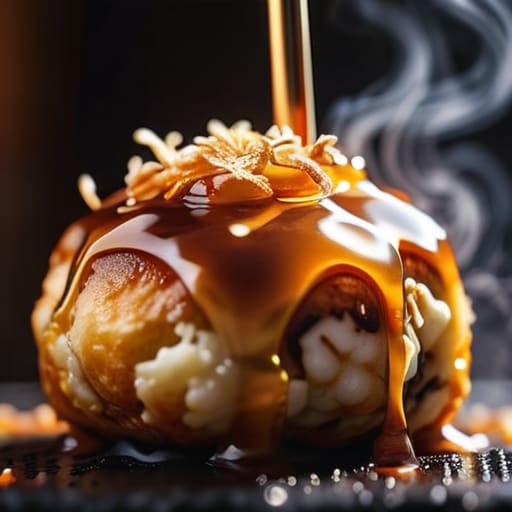
As I sit here on a weathered bench near the canal, the grease on my fingertips serves as a small, tactile souvenir of the journey. We have traced the path from the neon-soaked chaos of Dotonbori to those quiet, tucked-away stalls where the real alchemy happens—the precise temperature of the iron, the rhythmic dance of the picks, and the unspoken discipline of the vendors. Takoyaki is more than just a street food staple; it is a masterclass in efficiency and tradition, a single sphere of batter that manages to hold the entire complexity of Osaka’s culinary identity within its molten core. To find the best ones, you cannot simply follow the brightest sign; you must follow the steam and the steady rhythm of the crowd.
In my years of managing logistics, I learned that the most important movements are often the ones that happen beneath the surface, away from the main thoroughfares. The same is true for travel. If you only chase the landmarks, you miss the soul of the city. Instead, look for the small, steaming moments that punctuate the urban sprawl. Whether it is a quick snack under a subway overhang or a slow meal in a narrow alleyway, these are the details that allow a city to truly breathe. Next time you find yourself in a concrete labyrinth, don’t just look up at the skyscrapers; look for the small stalls, and let the city feed you its truth.
Frequently Asked Questions
Is there a specific neighborhood outside of the main tourist hubs where I can find more authentic, local-style takoyaki?
If you want to escape the Dotonbori crowds, head toward Tennoji. It lacks the neon spectacle, but it possesses a much more honest rhythm. I often find myself near the Shinsekai district, where the takoyaki stalls feel less like tourist attractions and more like essential neighborhood fixtures. There, the batter is crispier, the sauce is less sugary, and you’re eating alongside locals who are simply on their way home. It’s the city’s real pulse.
How can I tell the difference between a high-quality stall and one that is simply catering to the crowds?
Look for the rhythm of the operation. A tourist trap is a frantic spectacle, designed for the quick sale and the Instagram photo. A quality stall, however, operates with the steady, practiced precision of a well-oiled machine. Watch the cook; if they are focused on the heat and the batter rather than the crowd, they care about the craft. I always look for the locals—the salarymen or students—standing in a quiet, patient line. That’s your real indicator.
Are there certain traditional toppings or variations I should look for if I want to experience the true regional character of the snack?
While the standard dashi-infused batter and savory sauce are the baseline, look for the subtle variations that signal regional pride. In Osaka, the texture should be almost creamy at the center—a delicate balance of crisp exterior and molten interior. Seek out stalls offering negi-maki (heavy on the green onions) or those using a slightly sweeter, thicker sauce. It’s these small, localized shifts in seasoning that reveal the true culinary topography of the city.
