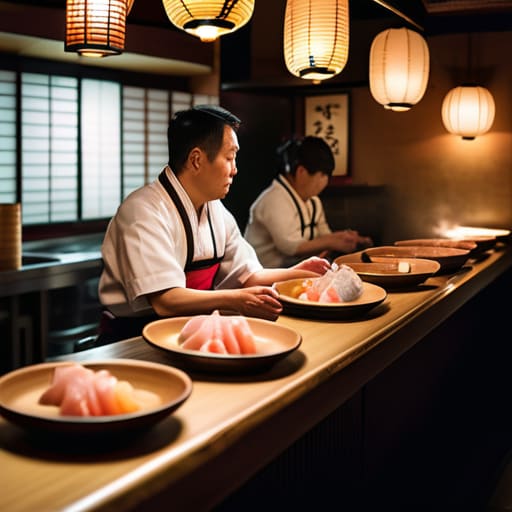
I was sitting in a polished, glass-fronted eatery in Shinjuku last Tuesday, surrounded by tourists clutching glossy guidebooks and menus translated into five different languages. They were paying a premium for “authentic” experiences that felt more like a stage set than a meal. It struck me then how much we miss when we chase the neon lights and the high-rise reviews. The true rhythm of a city isn’t found in these curated spectacles; it’s tucked away in the dim, cedar-scented warmth of neighborhood izakayas that most travelers simply walk right past.
I have no interest in ranking the most “Instagrammable” spots or guiding you toward overpriced tourist traps. Instead, I want to show you how to read the city like a map—looking for the signs of functional beauty in a narrow doorway or the steady hum of a local crowd. My goal is to provide you with a practical, no-nonsense guide to finding those quiet corners where the food is honest and the atmosphere is unforced. We aren’t looking for landmarks; we are looking for the soul of the street.
Table of Contents
Finding Truth in Authentic Japanese Pub Food
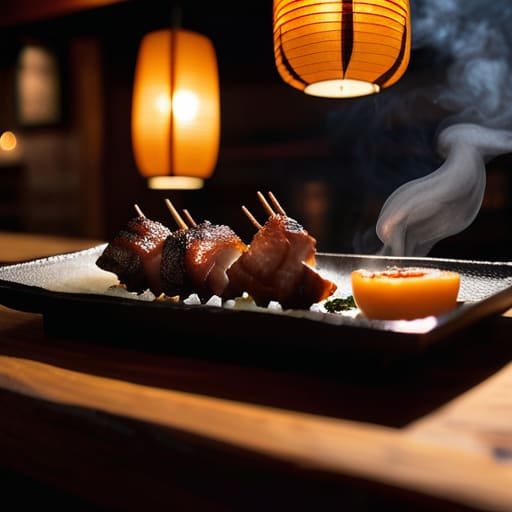
To understand the menu of a true local establishment, one must look past the glossy translations. Real authentic Japanese pub food isn’t about spectacle; it is about the precision of a single, perfectly charred skewer or the brine of a well-prepared seasonal vegetable. I often find myself sitting on a wooden stool, watching the chef work with a rhythmic efficiency that reminds me of the supply chains I used to manage. There is a profound honesty in a dish that doesn’t try to be anything other than what it is.
The magic happens when you lean into the tapas-style small plates that define the experience. Instead of one heavy entree, you order a series of small, intentional bites—perhaps some grilled mackerel or a chilled tofu dish—designed to be shared. This method of eating mirrors the very structure of the city itself: many small, interconnected parts working in unison. When you pair these flavors with thoughtful Japanese sake pairings, you aren’t just eating; you are participating in a centuries-old ritual of decompression and connection.
The Ritual of After Work Dining Traditions
There is a specific cadence to the way a Japanese city shifts as the sun dips below the skyline. In my years of managing logistics, I learned to respect the efficiency of a well-oiled machine, but nothing compares to the rhythmic precision of after-work dining traditions. As the salarymen spill out of the office buildings, they aren’t just looking for fuel; they are seeking a transition. They move toward these dimly lit sanctuaries to shed the weight of the workday. It is a collective exhale, a momentary pause in the city’s relentless momentum.
Inside, the atmosphere is defined by a unique community dining atmosphere that feels both intimate and incredibly structured. You see it in the way a group orders a series of tapas-style small plates, passing dishes around as a way to reconnect. There is no rush here. Whether it is a solo traveler or a team of engineers, the ritual remains the same: a shared sense of belonging that exists in the space between the last meeting and the long commute home.
Navigating the Small Tables: A Logistical Guide to the Izakaya Experience
- Look for the “salaryman” density. If you see a cluster of local workers shedding their formal layers at the door, you’ve found a place that prioritizes consistency over spectacle. A crowded shop is often just a sign of a well-oiled kitchen.
- Master the art of the “Otooshi.” Don’t view the small mandatory appetizer as a nuisance or a hidden fee; it is the opening movement of the meal, a small, necessary ritual that settles the palate before the main courses arrive.
- Observe the flow before you sit. A good izakaya functions like a well-managed warehouse—there is a specific rhythm to how orders move and how staff navigate the tight aisles. If the movement feels chaotic rather than purposeful, the food likely will too.
- Embrace the counter seat. While a table offers privacy, the counter offers observation. Sitting there allows you to watch the precision of the chefs and the unspoken communication between the staff, providing a much clearer view of the establishment’s true character.
- Don’t fear the language barrier. In these smaller, neighborhood spots, a simple nod, a polite “sumimasen,” and a smile go much further than a complex menu translation. The most authentic experiences are often found in the spaces where formal English fails.
The Logician’s Guide to the Backstreet Izakaya
Look past the neon signage of the main thoroughfares; the most honest flavors are found in the narrow, dimly lit alleys where the menu is dictated by the day’s market, not a corporate handbook.
Observe the rhythm of the room to understand its purpose, distinguishing between the boisterous camaraderie of a salaryman’s wind-down and the quiet, solitary comfort of a local regular.
Value the imperfections—the chipped ceramic sake cups and the weathered wooden counters—as they are the tactile evidence of a space that has aged alongside its community.
The Logistics of Connection
“An izakaya isn’t just a place to eat; it is a vital, small-scale node in the city’s social supply chain, where the friction of a long workday is finally smoothed away by the simple, rhythmic clinking of highball glasses.”
Rurik Salonen
The Quiet Geometry of a Shared Meal
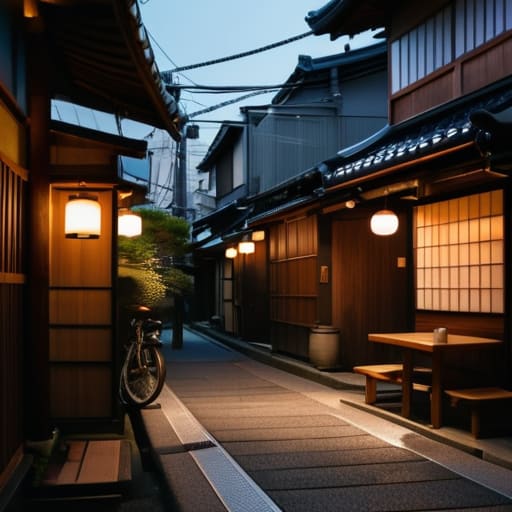
As I sit here, sketching the frantic intersection of the nearby subway line in my notebook, I realize that these neighborhood izakayas are more than just places to consume calories. They are the essential valves of the city, regulating the pressure of urban life through the simple mechanics of shared plates and steady rhythms. We have explored how the authenticity of the food serves as a gateway to local culture, and how the ritual of the after-work drink provides a necessary structural pause in the relentless momentum of the metropolis. To find these spaces, one must look past the neon-lit main thoroughfares and instead follow the subtle currents of human movement into the side streets.
Ultimately, understanding a city like Tokyo or Osaka requires a willingness to slow your pace and observe the small, functional details that others overlook. A city is not merely a collection of landmarks; it is a living, breathing organism that sustains itself in these dim, wooden-clad corners. When you step into an izakaya, you aren’t just a tourist; you are witnessing the unspoken choreography of a community finding its balance. So, the next time you find yourself lost in the sprawl, don’t look for the brightest sign. Look for the smallest door, and listen for the quiet hum of a city breathing in unison.
Frequently Asked Questions
How can I distinguish a genuine neighborhood izakaya from a tourist-oriented establishment when walking through a busy district?
Look for the lack of English signage. A genuine izakaya doesn’t need to shout at you with bright neon or translated menus. Instead, watch the flow of the crowd. If you see salarymen loosening their ties or locals settling into a rhythmic, unhurried meal, you’ve found something real. Look for the small details: a handwritten chalkboard menu, the dim, warm glow of a single lantern, and a sense of quiet, functional purpose.
Is there a specific etiquette I should follow regarding ordering and interacting with the staff in these smaller, more intimate spaces?
In these smaller spaces, the rhythm is everything. Don’t rush the process. When you sit, a small dish of edamame or pickled vegetables—the otoshi—will likely appear; consider this your entry fee, a polite acknowledgement of your presence. When ordering, a simple “sumimasen” works wonders, but keep your voice low. These venues are intimate, often shared with regulars. Observe their flow, respect the quiet, and you’ll find the staff treats you less like a tourist and more like a guest.
What is the best way to navigate the "otōshi" (table charge) system without feeling caught off guard?
Don’t let the otōshi unsettle you; think of it less as a hidden fee and more as a small, mandatory contribution to the rhythm of the establishment. It’s essentially a cover charge that includes a tiny appetizer—a small nod to the kitchen’s preparation. When the bill arrives, just look for that small line item. It’s a standard part of the urban choreography here. Accept it, enjoy the snack, and keep observing.
