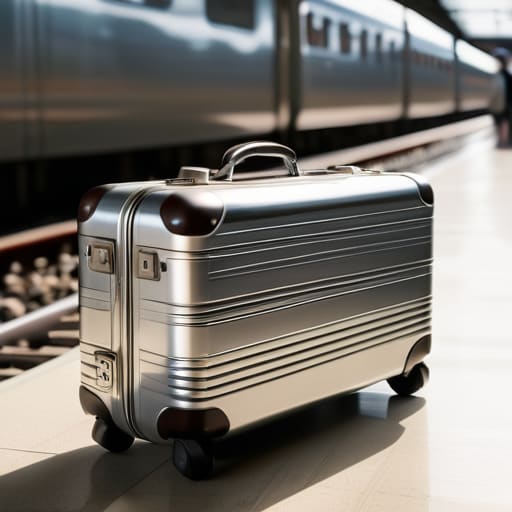
I remember standing on the platform at Shinjuku Station during rush hour, my knuckles white against the handle of a heavy suitcase, feeling the sheer, suffocating weight of a thousand commuters surging around me. It was a moment of pure logistical failure. Most travel guides will tell you that Japan’s transit is a marvel of efficiency, but they rarely mention how a single oversized bag can turn a seamless journey into a stressful obstacle course of narrow turnstiles and crowded aisles. When it comes to traveling with luggage japan, the difference between a meditative exploration of the city and a frantic struggle for survival often comes down to how you manage your gear before you even step foot on the train.
I have no interest in giving you a list of shiny tourist traps or overpriced concierge services you don’t actually need. Instead, I want to share the practical, field-tested methods I’ve gathered from years of navigating these dense urban arteries. I will show you how to leverage the existing infrastructure to keep your hands free, so you can focus on the quiet, functional beauty of the streets rather than the burden on your shoulders. This is about moving through the country with intention, not just luggage.
Table of Contents
Navigating the Shinkansen Oversized Baggage Policy
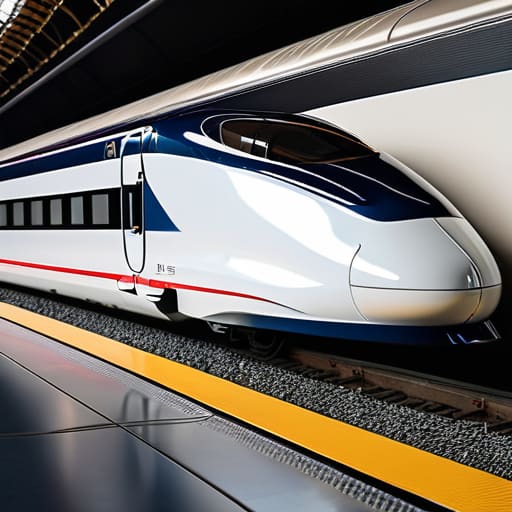
There is a certain elegance to the Shinkansen—the way the bullet train slices through the landscape with surgical precision. But that precision comes with a set of expectations, particularly regarding your gear. I’ve learned the hard way that the Shinkansen oversized baggage policy isn’t just a suggestion; it’s a logistical framework you must respect to keep the flow of the station seamless. If your suitcase exceeds the combined dimensions of 160 centimeters, you cannot simply tuck it into an overhead rack and hope for the best. You must reserve a specific seat with an oversized baggage area.
I find that attempting to bypass these Japan railway luggage rules only creates friction for yourself and the commuters around you. If you haven’t booked that specific space, you might find yourself facing a surcharge or, worse, a frantic scramble to find room in a crowded carriage. For those of us who prefer to move through the stations with a sense of lightness, I often suggest looking into luggage forwarding services Japan offers. It is far more rewarding to sit by the window with nothing but a camera bag, watching the mountains blur past, rather than wrestling with a heavy trunk in a narrow aisle.
Smart Luggage Management Japan Mastering the Transit Flow
Efficiency in a city as dense as Tokyo isn’t just about speed; it’s about minimizing friction. When I’m moving between districts, I’ve learned that the greatest obstacle to a seamless journey is often the sheer volume of what we carry. To truly master smart luggage management Japan, you have to stop thinking like a tourist and start thinking like a commuter. This means avoiding the temptation to lug a massive trunk through a crowded Shinjuku station during rush hour. Instead, I rely heavily on luggage forwarding services Japan (known locally as Takkyubin) to move my main bags from one hotel to the next. It is a small price to pay for the freedom to walk through a quiet neighborhood with nothing but a small camera bag.
If you find yourself stuck with more gear than expected, don’t try to power through the crowds. I often look for large suitcase storage Tokyo offers in the form of highly organized coin lockers or specialized baggage counters near major hubs. These facilities are lifelines; they allow you to shed the weight of your belongings and focus on the rhythm of the streets rather than the strain on your shoulders.
The Logistics of Lightness: Five Rules for the Efficient Traveler
- Prioritize the Takkyubin service above all else. There is no sense in wrestling a heavy suitcase through a crowded Shinjuku station when you can have it whisked away from your hotel in Tokyo and waiting for you in an Osaka apartment by tomorrow morning. It is the single most effective way to decouple your mobility from your belongings.
- Invest in a high-quality, compact carry-on for your daily excursions. I often find that my larger trunk stays tucked away in the hotel corner, while I navigate the narrowest alleys of Yanaka with nothing but a slim bag. The less you carry on your person, the more you actually see.
- Map your route around elevators, not just stairs. While the Japanese transit system is a marvel of engineering, the sheer volume of commuters can turn a flight of stairs into a bottleneck. Check the station maps in my notebook beforehand to identify the most seamless vertical transitions; it saves both time and physical energy.
- Use coin lockers strategically, but don’t rely on them as a permanent solution. They are perfect for a few hours of exploring a neighborhood without being tethered to your gear, but they are finite. Always check the size requirements on the machine before you commit, as a large suitcase can be a frustrating mismatch for a standard locker.
- Pack for the “last mile” of your journey. Whether it is a sudden downpour or a long walk from a suburban station, having a lightweight, packable layer or a sturdy umbrella in your day bag prevents a minor logistical hiccup from derailing your entire afternoon of observation.
Essential Logistics for a Seamless Journey
Prioritize the Takkyubin services to move your heavy suitcases between hotels, allowing you to navigate the narrow, winding streets of Kyoto or Osaka with nothing but a camera bag and your notebook.
Always book your Shinkansen seats with oversized baggage area reservations in advance; in a system built on precision, trying to improvise with large bags is a recipe for unnecessary friction.
Keep your most essential items—documents, a light jacket, and your transit card—in a small, manageable daypack so you aren’t constantly wrestling with a large suitcase during short transfers or subway hops.
The Weight of the Journey
“A suitcase shouldn’t be an anchor that keeps you tethered to the main thoroughfares; if you manage your logistics with intention, your luggage becomes nothing more than a silent companion, allowing you to slip unnoticed into the quiet, narrow alleys where the true pulse of the city resides.”
Rurik Salonen
The Art of Moving Lightly
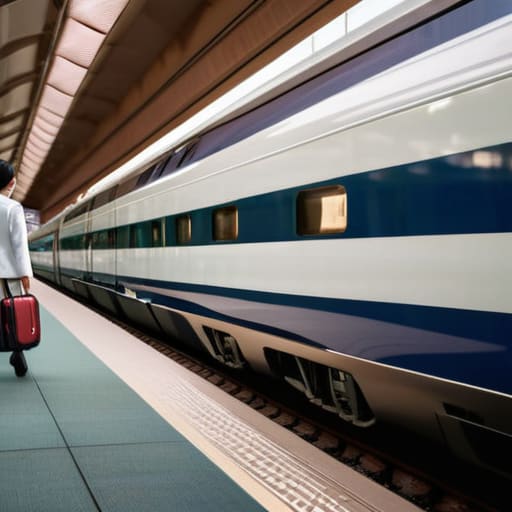
Ultimately, mastering your luggage in Japan is less about the gear you carry and more about the logistical foresight you apply to your journey. By respecting the Shinkansen’s oversized baggage rules and leaning into the efficiency of Takkyubin services, you remove the friction that often turns a grand adventure into a series of stressful maneuvers. You aren’t just moving suitcases from point A to point B; you are managing your own energy and flow within a complex, high-speed system. When you treat your belongings as part of the transit equation rather than an obstacle, the entire country opens up to you.
As I sit in a small cafe near Shinjuku station, watching the steady, rhythmic pulse of commuters, I am reminded that the best way to experience a city is to be unburdened by it. Don’t let the weight of your possessions dictate the boundaries of your exploration. When you travel with intention and a sense of order, you find that the city stops being a labyrinth to be conquered and starts being a living, breathing entity to be understood. Leave the heavy lifting to the professionals, and save your strength for noticing the quiet details—the way the light hits a narrow alleyway or the precise silence of a departing train.
Frequently Asked Questions
How do I actually book the oversized luggage seats on the Shinkansen without causing a scene at the station?
Don’t wait until you’re standing at the ticket machine, staring at a sea of commuters. The trick is to book the “Seat with Oversized Baggage Area” directly through the Smart EX app or at a Midori-no-madoguchi ticket office. When you select your seat, look for that specific designation. It’s a simple logistical step that saves you from the awkwardness of trying to squeeze a large suitcase into a crowded vestibule mid-journey.
Is it worth the cost to use Takkyubin for a single overnight stay, or should I just stick to lockers?
If it’s just one night, the math usually favors a coin locker. For a single overnight stay, the cost of Takkyubin—plus the time spent coordinating the drop-off and pick-up—rarely justifies the expense. I’ve found that finding a sturdy, large-sized locker at a major hub is far more efficient. It keeps your belongings immediately accessible and avoids the logistical friction of managing delivery windows when you’re trying to catch a specific train.
What are the limitations of the coin lockers in smaller, older stations when I'm trying to move between cities?
In the older, smaller stations, you’ll find that the logistics aren’t always as seamless as they are in Shinjuku or Osaka. These stations often lack the vast arrays of modern, sensor-driven lockers. You might find only a handful of small units, often sized for nothing more than a daypack, leaving no room for a standard suitcase. If you’re planning a transit through these quieter hubs, don’t bank on finding a locker; plan to use a forwarding service instead.
