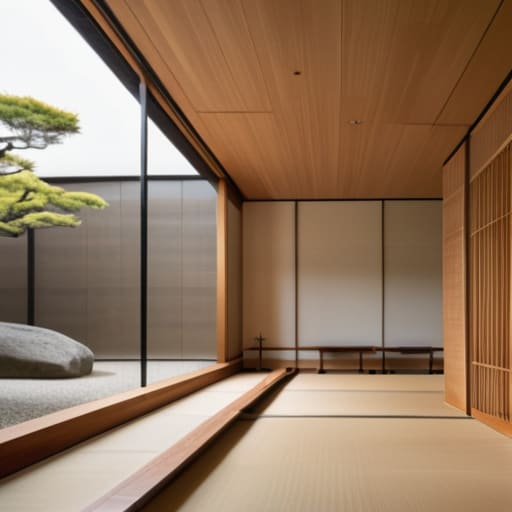
I was sitting in a crowded Shinjuku station cafe last autumn, watching tourists scramble toward the massive, neon-lit landmarks with their guidebooks gripped tight, and I couldn’t help but feel a pang of sympathy. Most people approach the idea of visiting museums in japan as if they are checking items off a high-pressure corporate manifest—rushing from one grand, cavernous hall to the next, breathless and exhausted, without ever actually seeing anything. They chase the prestige of the national institutions while completely missing the quiet, rhythmic pulse of the smaller, more intentional spaces that actually define the country’s character.
I have no interest in helping you navigate the tourist traps or the overpriced gift shops that offer nothing but hollow souvenirs. Instead, I want to show you how to find the true essence of Japanese history and art by looking at the logistics of how these spaces exist within the urban fabric. My goal is to guide you toward the galleries that breathe, the local archives tucked behind transit hubs, and the small, silent corners where the real story of Japan is told. We aren’t just visiting exhibits; we are learning how this culture preserves its soul.
Table of Contents
Tracing the Soul Through Traditional Japanese Art Collections
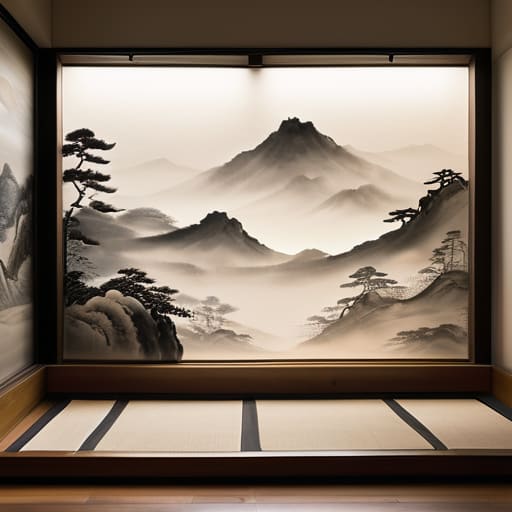
While many travelers rush toward the neon-soaked districts of Shinjuku, I find myself drawn to the stillness found within traditional Japanese art collections. There is a specific kind of rhythm to these spaces—a deliberate slowing of time that mirrors the precision of a well-run railway. When I sit before a centuries-old ink wash painting, I am not just looking at art; I am observing the way a culture has historically organized its relationship with nature and space.
In the quieter corners of the country, particularly when navigating the dense network of Kyoto historical sites and museums, you begin to see how the past isn’t just preserved; it is integrated. I often find that the most profound insights don’t come from the massive, state-funded institutions, but from the smaller, family-run galleries where the lighting is dim and the air feels heavy with history. These are the places where you can truly sense the city’s breath, away from the frantic pace of the modern commute, finding beauty in the delicate, intentional strokes of a brush that have survived the chaos of the centuries.
Navigating the Best Museums in Tokyo via Local Rail
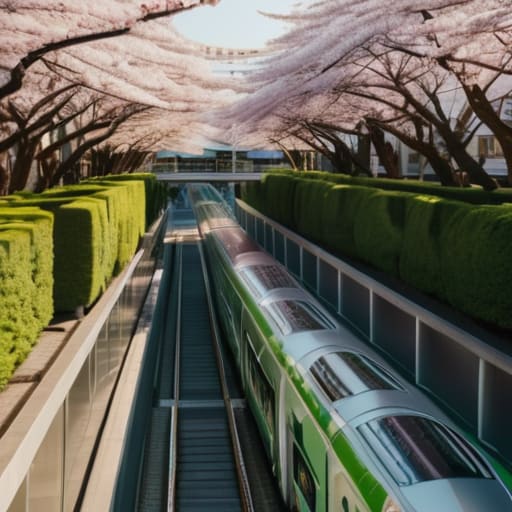
To truly understand the layout of this metropolis, you have to stop looking at a map and start looking at the transit lines. The most efficient way to approach the best museums in Tokyo is to treat the Yamanote Line as your primary artery. I often find that the most profound experiences aren’t found by rushing between major hubs, but by stepping off at smaller stations like Ueno or Roppongi. In Ueno, the museum district is a dense, walkable cluster that allows you to transition from one era of history to another without the friction of long commutes.
There is a certain rhythmic logic to moving between these cultural anchors. If you are seeking the more experimental side of the city, the Ginza and Roppongi corridors offer a seamless connection to various modern art museums Japan has to offer. I prefer to time my visits during the mid-week lull, using the quiet intervals between express trains to settle into a contemplative headspace. By following the rail, you aren’t just traveling to a destination; you are observing the mechanical heartbeat of the city that makes such curated stillness possible.
The Logistical Nuances of Curated Silence: Five Practical Observations
- Don’t rely solely on the major hubs; the most profound collections often reside in the quiet periphery of the city. I’ve found that a single transfer on a local line can lead you to a neighborhood gallery that feels far more intimate and honest than the grand institutions in Ueno.
- Respect the rhythm of the space. Museums in Japan operate with a specific, quiet choreography. Observe the flow of the other visitors; there is a subtle etiquette to how one moves through a gallery that, if followed, allows you to inhabit the space rather than just pass through it.
- Carry physical cash, even if you think you’re prepared. While the world is digitizing, many smaller, specialized museums tucked away in residential wards still prefer the tactile reliability of yen. It’s a small logistical detail that can save a trip.
- Use the museum’s layout as a map for your own exploration. Instead of rushing toward the “star” exhibit, I prefer to study the floor plan first. Understanding the transit of the building helps you find those small, overlooked corners where the light hits a sculpture just right.
- Check the seasonal rotation schedules before you depart. Much like a supply chain, these institutions move their assets with precision. A museum that feels complete today might be in a state of flux tomorrow, so always verify what is currently on display to ensure your time is spent meaningfully.
Observations from the Field
Don’t let the scale of a museum intimidate you; the most profound insights often reside in the smaller, specialized collections that reflect the meticulous precision of Japanese craftsmanship.
Use the rhythm of the transit system to your advantage, treating the journey between cultural hubs as a way to observe the shifting urban landscape rather than just a means to an end.
True understanding requires patience—step away from the crowded main galleries and look for the quiet corners where the history of a place is allowed to breathe without the noise of the crowd.
The Quiet Geometry of History
Most travelers chase the spectacle of a museum’s grandest hall, but I find the true essence of Japan in the silence between the exhibits—that precise, intentional space where a single ceramic bowl or a weathered scroll tells a more profound story than any crowded gallery ever could.
Rurik Salonen
The Final Connection
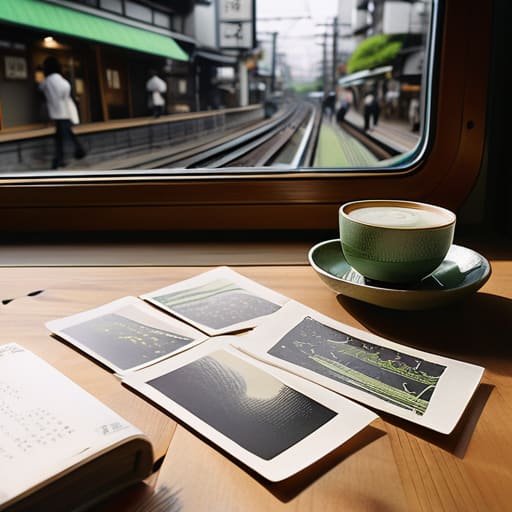
As I sit here in a small cafe near Ueno Station, reviewing my sketches and the rolls of film I’ve captured, the pattern becomes clear. We have traced the lineage of Japanese aesthetics through traditional collections and mapped out the efficient, rhythmic transit routes that connect Tokyo’s sprawling cultural hubs. Whether you are navigating the precision of the Yamanote Line to reach a world-class gallery or stumbling upon a small, local collection in a quiet ward, the lesson remains the same: museums are more than just repositories for old objects. They are the essential nodes in the vast, living network of a city, offering a moment of stillness amidst the relentless movement of the metropolitan machine.
My advice to you as you plan your own journey is to resist the urge to rush. Do not treat your museum visits as mere checkboxes on a logistical itinerary. Instead, allow yourself the luxury of the detour. Sometimes, the most profound understanding of Japan comes not from the masterpiece hanging on a museum wall, but from the quiet walk between the station and the entrance, or the way the light hits the architecture of a transit hub. Seek the quiet, functional beauty in the transitions. If you look closely enough at the details most travelers overlook, you will find that the city itself is the greatest exhibit of all.
Frequently Asked Questions
How do I manage the logistics of visiting smaller, regional museums that aren't easily accessible from the major Shinkansen lines?
To reach those tucked-away gems, you must embrace the rhythm of the local lines. Forget the Shinkansen’s sterile speed; these smaller museums demand patience. I usually map out a “hub and spoke” approach: find a major regional station, then use local buses or single-car trains to bridge the final gap. Download the local transit apps, but keep a physical map handy. Sometimes, the most rewarding way to navigate is simply to follow the tracks where the crowds thin out.
Are there specific days of the week or times when these quieter galleries are less crowded, allowing for a more contemplative experience?
If you’re seeking that stillness, avoid the midday rush of weekends at all costs. I’ve found that Tuesday and Wednesday mornings offer the most clarity; the air feels lighter, and the galleries breathe more freely. If you can, aim for the final hour before closing. There is a specific, quiet grace to a museum as the staff begins to wind down, leaving you alone with the art and the fading afternoon light.
Do most museums offer English-language guides or materials, or should I rely more on my own observations and hand-drawn notes?
Most major institutions in Tokyo and Osaka are well-equipped with English pamphlets and digital guides, which is helpful for the basics. However, don’t let those translations become a crutch. A guidebook can tell you the date a vase was fired, but it won’t capture the way the light hits the lacquer in a quiet corner. Use the English materials for context, but rely on your own eyes and my notebook for the true experience.
