
I was sitting on a weathered wooden bench near the outskirts of Kyoto last autumn, watching a group of tourists scramble to take the exact same selfie in front of a gilded altar. They were so focused on the digital frame that they completely missed the way the morning mist was settling into the moss, or the rhythmic, unhurried scrape of a monk’s broom against the gravel. Most people treat temple visits like a checklist of famous landmarks to be conquered, but that approach misses the entire point. You don’t “do” a temple; you let the space settle into you.
I have no interest in telling you which famous gates are the most “Instagrammable” or which overpriced souvenir shops to avoid. Instead, I want to show you how to find the functional stillness that these sites were actually built to provide. My goal is to guide you toward the quiet corners and the subtle rituals that reveal how a city truly breathes. We’re going to look past the crowds to find the genuine pulse of these sacred spaces, focusing on the logistics of finding peace amidst the urban rush.
Table of Contents
- Decoding the Geometry of Ancient Temple Architecture
- Navigating the Silent Nuances of Spiritual Pilgrimage Etiquette
- The Logistics of Stillness: Five Practical Observances
- The Logistics of Stillness: Lessons from the Temple Grounds
- The Architecture of Stillness
- The Geometry of Stillness
- Frequently Asked Questions
Decoding the Geometry of Ancient Temple Architecture
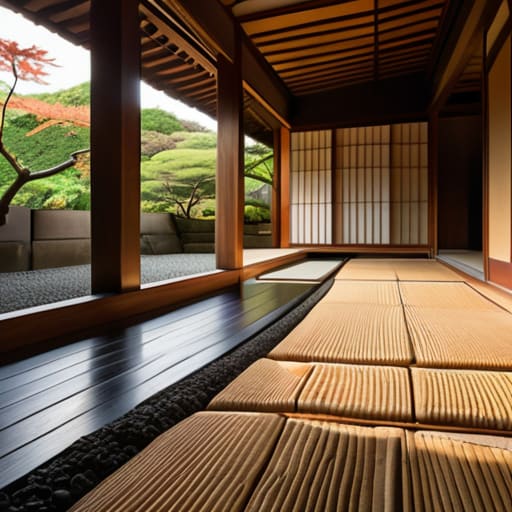
When I sit on the wooden veranda of a temple in Kyoto, I don’t just see a building; I see a masterclass in spatial logistics. There is a deliberate, mathematical precision to ancient temple architecture that serves a purpose far beyond mere aesthetics. The way the heavy timber beams intersect, or how the gravel in a Zen garden is raked into perfect, concentric circles, isn’t just for show. It is a structural method of guiding the eye and the mind toward a single point of stillness.
I often find myself sketching these proportions in my notebook, trying to map the way the shadows fall across the engawa. The geometry is designed to mediate the relationship between the human scale and the vastness of the divine. It creates a sense of calculated equilibrium that makes the transition from the frantic noise of the Shinkansen to a state of quietude feel almost instantaneous. For those seeking more than just a photo opportunity, understanding these structural rhythms is the first step in truly appreciating how these sacred Buddhist landmarks have maintained their composure through centuries of urban expansion.
Navigating the Silent Nuances of Spiritual Pilgrimage Etiquette

There is a specific rhythm to these spaces that a mere guidebook cannot convey. To the uninitiated, the rituals might seem like a series of arbitrary hurdles, but I’ve come to see them as a necessary deceleration. When approaching sacred Buddhist landmarks, the transition from the frantic energy of the subway to the stillness of a temple courtyard requires a deliberate shift in posture. It isn’t just about bowing at the right moment; it is about the intentionality of your movement. I find that if I rush through the purification ritual at the temizuya, I carry the city’s noise with me into the inner sanctum, breaking the very silence I came to find.
Understanding spiritual pilgrimage etiquette is less about following a checklist and more about respecting the invisible boundaries of the space. You will notice how the monks move with a certain economy of motion—a logistical grace that mirrors the efficiency of a well-oiled machine, yet remains profoundly calm. Whether you are observing a formal ceremony or simply sitting on a wooden veranda, the goal is to become a silent part of the landscape rather than a disruption to it.
The Logistics of Stillness: Five Practical Observances
- Watch the flow of the crowd before you enter. Much like a busy shipping terminal, a temple has its own natural rhythm; wait for a lull in the foot traffic to step into the inner sanctum so you don’t disrupt the existing momentum.
- Leave the heavy gear at the gate. I’ve found that carrying a massive camera bag often creates a physical barrier between myself and the space. Stick to a single prime lens and my leather notebook; it allows you to move through narrow corridors without feeling like an obstacle.
- Study the water basins with intent. The chozuya isn’t just a ritual station; it is a functional transition point. Use the moment of cleansing to physically shed the frantic energy of the subway lines you just exited.
- Listen for the mechanical and the natural. Don’t just look at the architecture; listen to the way the wind moves through the cedar trees or the specific resonance of a wooden bell. The soundscape is a vital part of the temple’s structural integrity.
- Document the details, not just the vistas. Instead of trying to capture the entire main hall, use your film to frame a single weathered stone lantern or the way light hits a specific raked pattern in the gravel. The truth of the place is in these granular intersections.
The Logistics of Stillness: Lessons from the Temple Grounds
True connection with a site comes not from the grandeur of the main hall, but from observing the intentionality of the small details—the way a single stone lantern is positioned or the precise rhythm of a monk’s morning ritual.
Respect the unspoken flow; just as a well-run transit hub relies on the silent cooperation of its commuters, a temple functions through a shared, quiet understanding of space and movement.
Leave the guidebooks behind for a moment and let your eyes wander; the most profound insights are often found in the periphery, in those quiet corners where the city’s frantic pace finally loses its grip.
The Architecture of Stillness
Most travelers rush through temple gates seeking a moment of prayer, but I’ve learned that the true ritual begins in the silence between the footsteps—in that precise, heavy pause when the city’s mechanical roar finally yields to the weight of ancient timber and stone.
Rurik Salonen
The Geometry of Stillness

As I sit here in a small café near the temple gates, sketching the final lines of the courtyard’s layout in my notebook, the pieces of the day fall into place. We have looked at the deliberate, mathematical precision of the architecture and the subtle, unspoken rules of etiquette that govern these sacred spaces. To truly appreciate a temple, one must realize it is not merely a collection of wooden beams and stone lanterns, but a carefully calibrated ecosystem of movement and silence. Understanding the logistics of how a person moves through a shrine—from the purification fountain to the main hall—is just as vital as admiring the artistry of the carvings themselves. It is about recognizing the intentional design behind every step.
Ultimately, my time spent navigating these quiet corners has reinforced a truth I’ve carried throughout my career: the most profound systems are often the ones we don’t notice until we stop to look. Don’t rush through your visit just to say you were there. Instead, let the city’s frantic pace fade into the background and find your own rhythm within the temple walls. Whether you are there for spiritual solace or simply to observe the way the light hits a weathered gate, remember that the real journey is found in the quietest observations. Seek the functional beauty in the stillness, and you will find that you haven’t just visited a landmark; you have finally learned how the city breathes.
Frequently Asked Questions
How do I distinguish between a major tourist site and a local sanctuary that requires a more quiet, observant approach?
Look for the friction. Major sites are loud, choreographed, and designed for throughput; they feel like transit hubs for the soul. A local sanctuary, however, lacks that polished veneer. You’ll find it by watching the flow of people—if the crowd is moving in a single, hurried direction, it’s a landmark. If they are moving slowly, or not at all, you’ve found a place that breathes. Follow the silence, not the signage.
Are there specific times of day when the transit-heavy areas near temples transition into that stillness I'm looking for?
The transition usually occurs in the late afternoon, just as the salarymen begin their rhythmic exodus from the stations. Around 4:30 PM, the frantic energy of the transit hubs begins to settle, leaving a heavy, expectant silence in the temple approaches. If you can catch that window—before the evening rush begins but after the midday heat has broken—you’ll find the streets breathing more deeply. It is the most honest time to observe.
Beyond the standard etiquette, are there subtle logistical details—like footwear or specific paths—that help me respect the temple's natural flow?
It’s the small, physical transitions that matter most. I always carry a pair of clean, thin-soled slip-ons; the transition from street to polished wood is a moment of respect, not just a rule. Watch the gravel, too. Don’t just walk; notice the rhythm of the sando—the approach path. If you see a worn indentation in the stone, follow it. Those paths are the city’s memory, guiding the flow of centuries.
