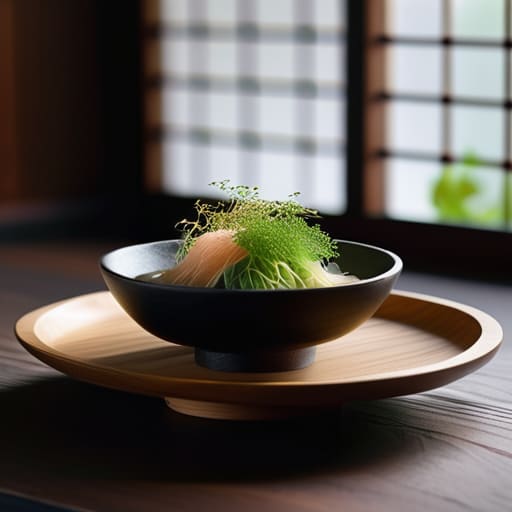
I sat in a dimly lit dining room in Gion last autumn, watching a young man struggle to photograph his plate before even taking a bite. He was chasing the aesthetic, the social currency of the moment, completely oblivious to the fact that the temperature of his dashi was dropping with every shutter click. Most people approach kaiseki ryori fine dining as if it were a high-stakes performance or a status symbol to be captured for a digital audience, but that’s where they lose the thread. To me, the true value isn’t found in the gold leaf or the prestige of the reservation; it’s found in the deliberate, quiet precision of a single, perfectly timed course.
I have no interest in feeding you the glossy, brochure-style fluff you’ll find in most travel guides. Instead, I want to pull back the curtain on what this experience actually requires of you—and what it offers in return. I’ll share my observations on how to recognize genuine seasonal integrity and how to navigate the complex etiquette without feeling like an intruder. My goal is to help you move past the spectacle so you can finally understand the rhythm of the meal.
Table of Contents
- Tracing the Seasonal Kaiseki Ingredients Through Time
- The Rhythmic Flow of the Seasonal Kaiseki Course Structure
- Navigating the Nuances: Five Observations for the Mindful Diner
- The Essence of the Kaiseki Experience
- The Logistics of Flavor
- The Lasting Impression of a Seasonal Symphony
- Frequently Asked Questions
Tracing the Seasonal Kaiseki Ingredients Through Time
I’ve always been fascinated by how a well-oiled system functions, whether it’s a shipping lane in the Pacific or the progression of a multi-course meal. In a kaiseki setting, the rhythm is dictated by the calendar. You aren’t just eating; you are consuming a snapshot of a specific moment in time. I noticed this most clearly when observing the transition from the bright, watery textures of early spring to the deep, earthy richness of autumn. Each ingredient serves as a logistical marker of the year’s progress, adhering strictly to the washoku culinary tradition that prioritizes the essence of the raw product above all else.
To understand this, one must look past the flavor and toward the temporal logic of the menu. The chef acts as a curator of time, selecting seasonal kaiseki ingredients that are at their absolute peak of vitality. It isn’t enough for a radish to be crisp; it must be the specific variety that has been nurtured by the current month’s soil temperature. This isn’t mere coincidence; it is a disciplined adherence to a cycle that most modern life has long since forgotten.
The Rhythmic Flow of the Seasonal Kaiseki Course Structure
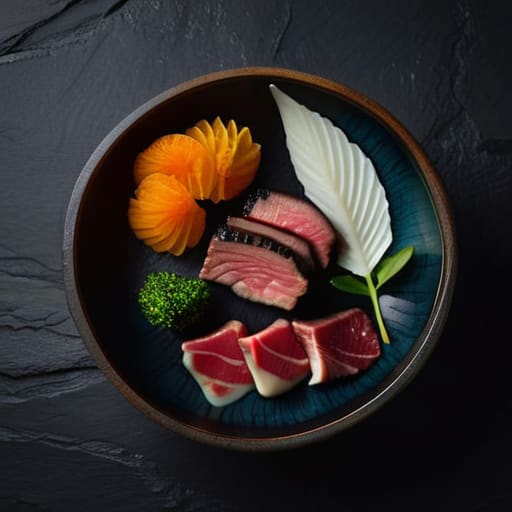
To understand the flow of a meal, one must stop looking at it as a sequence of dishes and start seeing it as a logistical masterpiece of timing. The seasonal kaiseki course structure is not merely a menu; it is a carefully choreographed movement, much like the precise intervals of a well-managed transit line. It begins with subtle, cleansing preparations that wake the palate, gradually building in complexity and intensity. There is a certain mathematical elegance to how the chef transitions from the lightness of a clear dashi to the richer, more substantial proteins, ensuring that no single flavor overwhelms the next.
This progression is deeply rooted in the washoku culinary tradition, where every transition serves a purpose. It isn’t just about satiety; it is about the intentional pacing of an experience. As I sit in these quiet dining rooms, I notice how the tempo mirrors the natural world—a slow, deliberate unfolding that demands your presence. You aren’t just consuming food; you are participating in a rhythmic dialogue between the kitchen and the guest, where the silence between courses is just as important as the flavors themselves.
Navigating the Nuances: Five Observations for the Mindful Diner
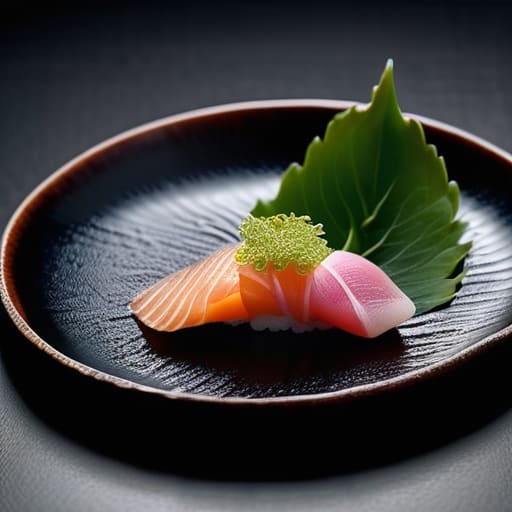
- Respect the silence of the room. In a Kaiseki setting, the space is as much a part of the meal as the food itself. I’ve found that the most profound appreciation comes when you stop treating the restaurant like a social hub and start treating it like a sanctuary for observation.
- Look beyond the plate to the vessel. A seasoned logistics mind appreciates the precision of a well-placed tool, and in Kaiseki, the ceramics are no different. Pay attention to the weight of the bowl and the texture of the lacquerware; the chef chooses these pieces to complement the temperature and weight of the seasonal ingredients.
- Let the rhythm dictate your pace. There is a temptation to rush through a multi-course meal, especially if you are used to the efficiency of a transit hub. Resist it. The meal is a sequence designed to build momentum; if you eat too quickly, you break the structural integrity of the experience.
- Study the seasonal markers. Don’t just taste the food; look for the visual cues of the micro-seasons. A specific type of leaf used as a garnish or the subtle shift from heavy stoneware to delicate glass tells you exactly where you sit in the city’s natural calendar.
- Trust the chef’s choreography. You may notice moments where the service seems almost too invisible to be real. This is not a lack of attention, but a high-level logistical feat. Allow yourself to be guided by their timing rather than trying to impose your own schedule on the evening.
The Essence of the Kaiseki Experience
True Kaiseki is less about the spectacle of luxury and more about a disciplined respect for the present moment, where every ingredient serves as a temporal marker of the season.
Understanding the meal requires looking past the plate to see the logistical harmony between the chef’s precision and the natural rhythm of the changing months.
To truly experience Kaiseki, one must embrace the quietude of the service, allowing the deliberate pace of the courses to dictate a slower, more observant way of being.
The Logistics of Flavor
“In my years managing supply chains, I learned that perfection is found in the seamless movement of parts; in Kaiseki, I see that same precision, where the chef orchestrates a delicate, edible logistics of season and soul, ensuring every ingredient arrives at its peak moment of truth.”
Rurik Salonen
The Lasting Impression of a Seasonal Symphony
As I closed my notebook after that final course, I realized that kaiseki is far more than a mere sequence of dishes; it is a highly disciplined logistical feat of timing and tradition. We have traced how the ingredients act as temporal markers, anchoring the diner to a specific moment in the year, and how the rigid yet fluid structure of the meal mirrors the natural rhythms of the world outside the restaurant walls. It is a system designed to eliminate waste and maximize sensory precision, ensuring that nothing is superfluous. To understand kaiseki is to understand that true excellence lies in the seamless integration of preparation, seasonality, and service.
In my years of managing complex global networks, I often looked for efficiency, but in these quiet dining rooms, I have learned to look for something deeper: intentionality. Kaiseki teaches us that there is a profound, quiet beauty in slowing down to acknowledge the transition from one season to the next. It reminds us that even in the frantic pulse of cities like Tokyo or Osaka, there remains a space for deliberate stillness. Do not merely eat to be full; eat to observe how the world is changing, one small, exquisite bite at a time.
Frequently Asked Questions
How does one navigate the etiquette of a formal kaiseki meal without disrupting the quiet atmosphere of the restaurant?
The key is to treat the meal like a well-oiled transit system: move with purpose, but without noise. I’ve found that silence isn’t an absence of interaction, but a form of respect for the chef’s rhythm. Observe the pace of those around you. Handle the ceramics with both hands—it’s a small, tactile way to acknowledge the craftsmanship. If you follow the lead of the room, you’ll find that your presence becomes part of the harmony, rather than a disruption to it.
Is it possible to experience the essence of kaiseki in more casual, everyday settings, or is the ritual strictly reserved for high-end establishments?
It’s a common misconception that the essence of kaiseki is locked behind the doors of expensive, Michelin-starred establishments. While the formal ritual demands a certain reverence, you can find its spirit in more modest settings. I’ve often found that a quiet, neighborhood ryotei or even a refined obanzai restaurant offers a similar devotion to seasonality and balance. The high price tag isn’t the soul; it’s the intentionality behind the ingredients.
How much influence does the specific micro-season or local geography have on the menu selection compared to the broader national seasons?
While the national calendar provides the broad strokes, the true mastery lies in the micro-seasons. A chef in Kanazawa isn’t just cooking for “autumn”; they are cooking for the specific week the mountain air turns crisp or the exact moment a certain shellfish reaches its peak. To me, the local geography is the real conductor. It dictates whether a dish speaks of the rugged Sea of Japan or the subtle nuances of a specific valley.
