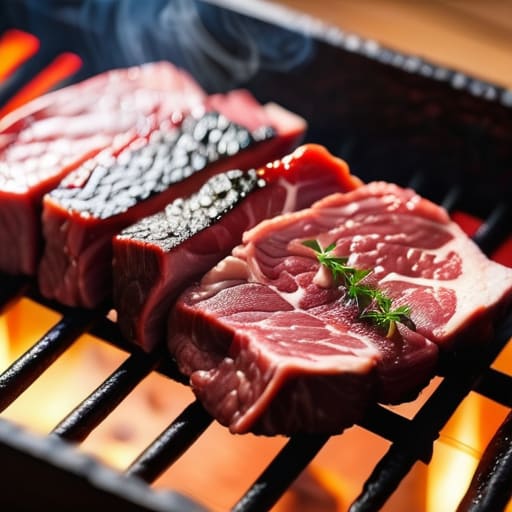
I was sitting in a cramped, smoke-filled corner of an Osaka basement last Tuesday, watching a young salaryman meticulously arrange cuts of marbled beef over a glowing binchotan coal. Most travel guides will point you toward the glittering, high-priced establishments in Ginza where you pay for the view and the prestige, but they miss the point entirely. To me, true yakiniku barbecue dining isn’t about the gold leaf or the white tablecloths; it’s about the rhythmic precision of the sear and the way the scent of rendered fat cuts through the humid city air. If you are looking for a sanitized, tourist-friendly spectacle, you are looking in the wrong places.
I have no interest in peddling hype or directing you toward overpriced menus designed for people who just want a photo for social media. Instead, I want to show you how to find the places where the logistics of flavor actually matter—the small, functional shops where the quality of the meat is matched only by the unpretentious soul of the service. I will guide you through the nuances of cuts, the importance of charcoal types, and how to navigate the best smoke-filled alleys to find a meal that feels like the city’s actual heartbeat.
Table of Contents
Decoding the Ritual Mastering Essential Yakiniku Etiquette
Decoding the Ritual: Mastering Essential Yakiniku Etiquette
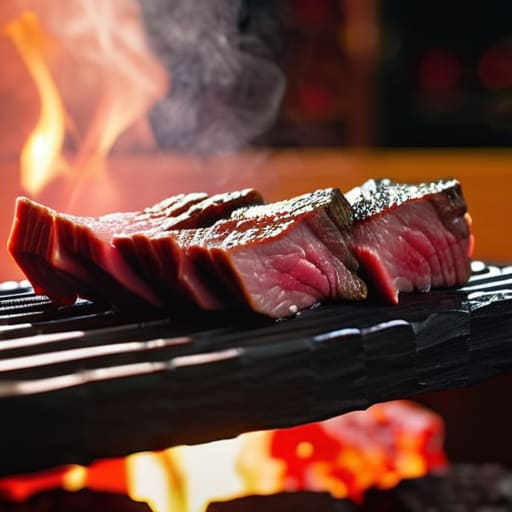
In my years managing logistics, I learned that any complex system relies on a set of unspoken rules to function smoothly. The same applies to a crowded yakiniku house. To navigate the experience, one must respect the rhythm of the grill. It isn’t merely about eating; it is a communal dance of timing and heat. When the server brings out the premium meat selection, resist the urge to rush. Instead, observe the quality of the marbling and wait for the coals to reach the correct temperature.
A common mistake I see is overcomplicating the flavors. While the variety of japanese dipping sauces can be overwhelming, the goal is to complement, not mask, the natural richness of the beef. If you are sampling high-grade wagyu, a simple dip in salt or a touch of citrus is often more respectful to the ingredient. Mastery of yakiniku etiquette means knowing when to let the meat speak for itself. It is about patience, precision, and a quiet appreciation for the craft of the flame.
The Alchemy of Smoke Secret Charcoal Grilling Techniques
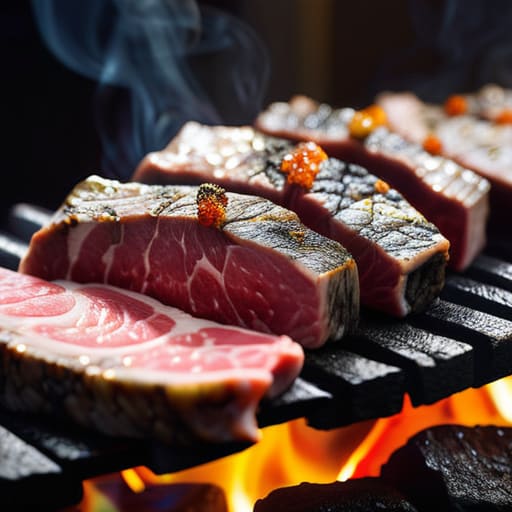
There is a specific, rhythmic science to the heat that most diners overlook. While the meat is undoubtedly the star, the true magic lies in the interplay between the Binchotan charcoal and the airflow beneath the grate. In my years managing logistics, I learned that the most efficient systems are often the most invisible; the same is true here. A master griller doesn’t just throw meat on a flame; they manage a delicate thermal gradient. When I watch a seasoned chef prepare a premium meat selection, I see them positioning the cuts to account for the varying intensity of the embers, ensuring the fat renders slowly without scorching the exterior.
It is a slow, intentional process that demands patience. If you rush a high-marbling cut, you lose the structural integrity of the flavor. I prefer to watch how the smoke clings to the wagyu beef cuts, acting as a seasoning in its own right. The goal isn’t just to cook the food, but to achieve a precise caramelization that balances the richness of the fat. It is a fleeting, sensory perfection that exists only in that exact moment between the flame and the plate.
The Logistics of Flavor: Five Practical Rules for the Table
- Order in stages, not all at once. If you pile the table with meat immediately, the quality of the later cuts will suffer as the charcoal temperature fluctuates. Start with leaner cuts to test the grill’s heat before moving to the marbled fats.
- Respect the fat cap. When you encounter a piece with a heavy layer of fat, place it on the grill first to render the oil; this seasons the grate and ensures the subsequent leaner cuts don’t stick or burn.
- Watch the smoke, not just the meat. In a small, cramped yakiniku stall, the smoke tells a story. If it becomes thick and acrid, your heat is too high or your fat is dripping too fast; adjust your spacing to maintain a steady, even sear.
- Don’t neglect the vegetables. Grilling scallions or pumpkin isn’t just a side task; the sweetness of the charred vegetables provides a necessary structural counterpoint to the heavy, savory intensity of the beef.
- Manage your dipping sauces with precision. A single dip is a suggestion; a second is a commitment. Avoid over-saturating the meat in tare, or you’ll lose the subtle, metallic nuance of the beef that you worked so hard to grill perfectly.
The Quiet Wisdom of the Grill
True yakiniku isn’t about the volume of meat consumed, but the patience required to wait for the perfect sear and the subtle shift in aroma that signals the meat is ready.
Look past the neon signs of the main thoroughfares; the most authentic charcoal experiences are found in the narrow, smoke-filled alleys where the logistics of the meal are handled with generational precision.
Approach the table with a sense of observation, treating the interplay of heat, fat, and timing as a delicate system to be respected rather than a fast-food transaction to be rushed.
The Geometry of the Grill
“There is a profound, quiet logic to a yakiniku table; it is a miniature ecosystem where the heat of the charcoal, the precision of the cut, and the rhythm of the shared flame converge to turn a simple meal into a study of controlled intensity.”
Rurik Salonen
The Final Ember
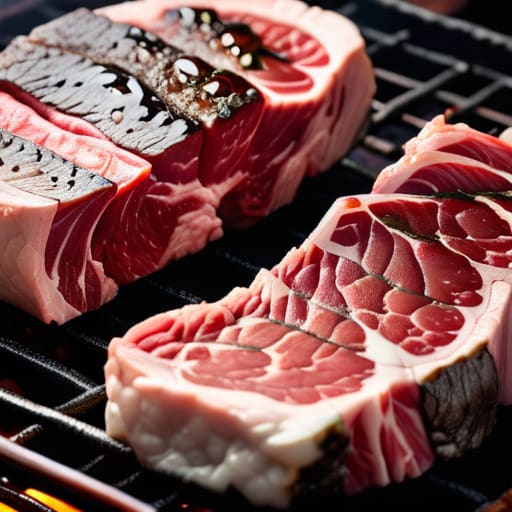
Ultimately, mastering yakiniku is less about following a strict set of rules and more about respecting the delicate balance between fire, meat, and timing. We have looked at the essential etiquette that keeps the dining room flowing smoothly, and we have explored how the specific heat of the charcoal transforms a simple cut of beef into something almost transcendent. When you combine the disciplined ritual of the grill with the right technique, you stop being just a customer and start becoming a participant in a centuries-old culinary rhythm. It is a process of precision that rewards the patient and the observant.
As I sit in these dimly lit establishments, watching the smoke curl toward the ceiling, I am reminded that the best parts of a city are often found in these shared, sensory moments. Yakiniku isn’t just a meal; it is a way to slow down and feel the pulse of the urban landscape through the scent of searing fat and the warmth of the coals. Don’t just rush through your dinner to get to the next landmark. Instead, lean into the heat, embrace the smoke, and allow yourself to find the quiet, delicious truth hidden within the sizzle.
Frequently Asked Questions
How do I tell the difference between high-grade Wagyu and standard cuts when reading a menu?
Don’t let the flashy marketing fool you; look for the specifics. High-grade Wagyu isn’t just a label—it’s a pedigree. I always scan for the mention of specific prefectures like Kagoshima or Miyazaki. If the menu lists a “BMS” score (Beef Marbling Score), pay attention; anything above an 8 is truly exceptional. If they only offer “premium beef” without naming the breed or origin, it’s likely just standard, well-marbled domestic stock.
Is it better to seek out the busy, loud yakiniku halls or the smaller, smoke-filled stalls in the side streets?
The large halls have their place for efficiency, but if you want to understand the city’s rhythm, head for the side streets. Those cramped, smoke-filled stalls offer something a polished dining room cannot: authenticity. In the narrow alleys, the logistics of the meal change. It becomes intimate, tactile, and unpretentious. You aren’t just a customer there; you are part of the neighborhood’s evening exhale. Seek the small corners; that is where the real flavor lives.
What is the proper way to manage the heat of the charcoal so I don't ruin the meat?
It comes down to understanding the geography of the grill. You don’t treat the entire surface as a monolith. I’ve learned to treat the center, directly above the glowing embers, as your high-heat zone for that initial, decisive sear. For everything else, move the meat toward the periphery where the heat is more indirect. It’s a delicate balance of thermal management; if you rush it in the center, you lose the juices before the crust even forms.
