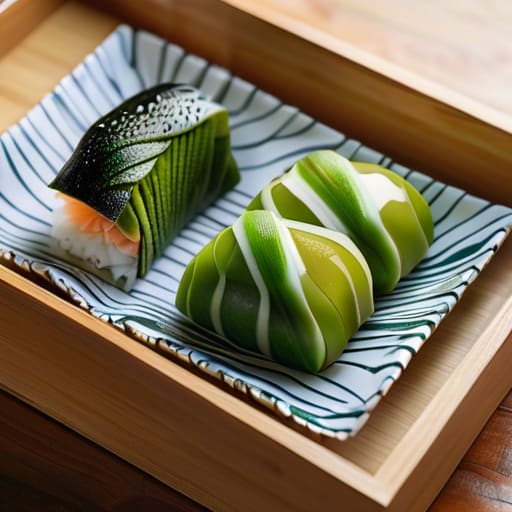
The hum of a Lawson’s refrigerator at midnight is a sound I’ve come to rely on more than the polished service of a Ginza bistro. Most travel guides will point you toward a Michelin-starred ramen shop, promising an “authentic culinary journey,” but they ignore the reality of the traveler standing on a rain-slicked corner in Shinjuku at 1:00 AM. There is a profound, unpretentious efficiency to convenience store food that the high-end critics simply refuse to acknowledge. I’ve spent more time analyzing the logistical perfection of a plastic-wrapped onigiri—its structural integrity, its temperature, its sheer functional reliability—than I ever did sitting through a twelve-course tasting menu.
I am not here to sell you on the idea that a triangle sandwich is a gourmet delicacy. Instead, I want to show you how to navigate these brightly lit sanctuaries to find the meals that actually sustain a life on the move. I will provide a no-nonsense guide to the textures, flavors, and specific items that offer genuine value without the theatrical fluff. We are going to look past the colorful packaging to find the quietly excellent staples that keep a city breathing.
Table of Contents
The Rhythm of Ready to Eat Meal Options
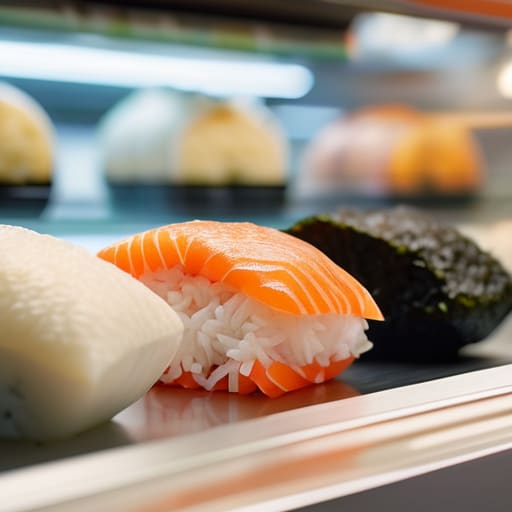
There is a specific cadence to the way these stores function during the morning rush. As the subway platforms swell with commuters, the shelves are replenished with a precision that would make any logistics manager nod in approval. I often find myself standing before the refrigerated section, observing the seamless rotation of onigiri varieties and flavors. One moment it is a simple salted plum, and the next, a sophisticated tuna mayo wrapped in seaweed so crisp it feels almost architectural. There is no wasted motion here; the food is designed for the person in transit, meant to be consumed with one hand while the other holds a commuter pass.
For those of us who prefer a more substantial start to the day, the convenience store breakfast ideas available are surprisingly disciplined. You won’t find much fluff or unnecessary sugar. Instead, there is a reliable selection of grilled fish, miso soup in insulated cups, and rice balls that provide a steady, functional energy. The convenience store food quality remains remarkably consistent, offering a sense of reliability that mirrors the punctuality of the trains themselves. It is a quiet, efficient way to fuel a day of walking.
Assessing the Hidden Truth of Convenience Store Food Quality
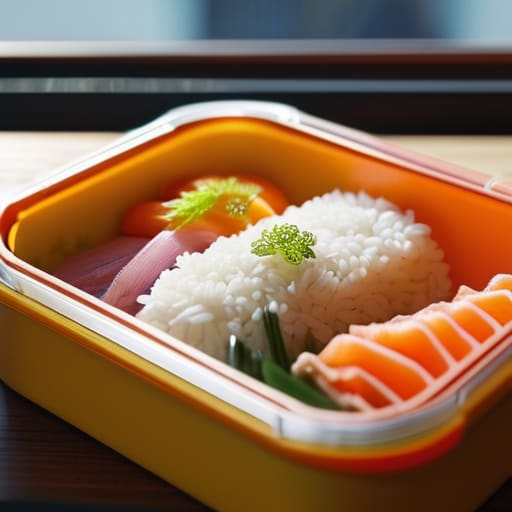
To evaluate the true caliber of what sits behind those glass doors, one must look past the bright packaging and examine the structural integrity of the ingredients. In my years of logistics, I learned that a system is only as strong as its smallest component; the same applies to a quick meal. When I sit in a corner of a Shinjuku station, I’m not just looking for calories, but for a certain standard of execution. The convenience store food quality in Japan often defies the low expectations we hold for Western equivalents. There is a precision here—a way the rice maintains its moisture or how the proteins are seasoned—that suggests a supply chain managed with an almost obsessive attention to detail.
I often find myself gravitating toward the onigiri varieties and flavors that lean into the subtle, rather than the overly processed. A simple salt-seasoned plum or a piece of grilled salmon can tell you more about a city’s culinary standards than a high-end tourist trap. It isn’t about luxury; it is about the integrity of the craft being applied to an item designed to be eaten on the move.
The Logician’s Guide to Navigating the Konbini Shelf
- Seek the seasonal rotation; the most reliable quality often hides in the limited-time offerings, which force the supply chain to refresh its standards more frequently than the staples.
- Prioritize the “Onigiri” over the sandwiches; there is a structural integrity to a well-wrapped rice ball that tells you more about the freshness of the ingredients than a processed bread slice ever could.
- Observe the timing of the restock; if you arrive shortly after a delivery truck departs, you aren’t just getting food, you are getting the freshest batch of the day before the metropolitan rush depletes the stock.
- Look for the “Hot Snack” counter during the late afternoon lull; the fried items prepared in-house offer a tactile, immediate warmth that serves as a necessary anchor when the city feels too sterile.
- Read the labels for regionality; even in a globalized chain, you can often find subtle indicators of local sourcing that distinguish a truly functional meal from a mere caloric necessity.
The Logistics of a Quick Meal: Final Observations
Don’t mistake efficiency for lack of care; the standard of freshness in a Japanese konbini is a testament to a supply chain that functions with surgical precision.
Look past the plastic packaging to find the real value—the best meals are often the seasonal items that reflect the current rhythm of the city.
Use these stores as more than just pit stops; they are essential urban nodes that provide a reliable, quiet sanctuary for the traveler navigating the metropolitan rush.
The Logistics of a Midnight Meal
“There is a quiet, mechanical efficiency to a plastic-wrapped rice ball; it is a small, reliable piece of urban infrastructure that sustains the city’s heartbeat when the rest of the world has gone to sleep.”
Rurik Salonen
Beyond the Plastic Wrapper
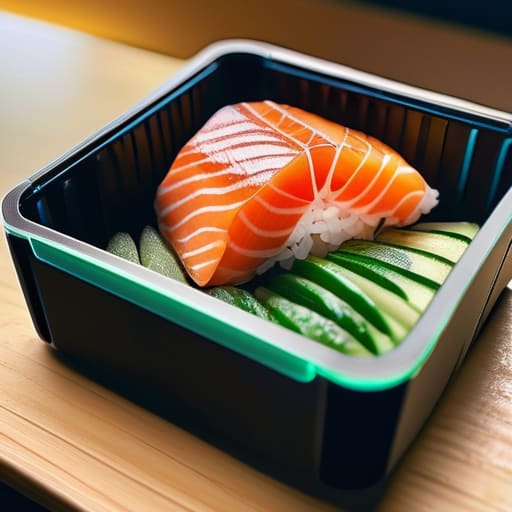
When I look back at the logistical marvel that is the Japanese convenience store, I see more than just a network of calorie distribution. It is a system of remarkable precision, where the standardized quality of a rice ball or a hot bento box serves as a reliable constant in an otherwise unpredictable urban landscape. We have examined the rhythm of their offerings and peeled back the layers of their manufacturing to find a surprising level of culinary integrity. While it may lack the ceremony of a sit-down meal, there is an undeniable functional excellence in how these stores bridge the gap between necessity and convenience, feeding the city’s pulse one plastic-wrapped meal at a time.
Ultimately, my time spent navigating these brightly lit aisles has taught me that beauty doesn’t always require a view of the skyline or a temple garden. Sometimes, it is found in the quiet reliability of a midnight snack tucked between two subway exits. Do not dismiss these small moments of convenience as mere shortcuts; instead, view them as essential threads in the fabric of metropolitan life. If you take the time to observe, you will find that even in the most mundane transactions, there is a quiet, steady truth about how a modern city sustains itself.
Frequently Asked Questions
How do the seasonal rotations of these menus reflect the actual changing of the seasons in Japan?
Seasonal shifts in Japan aren’t just felt in the air; they are signaled by the rotation of plastic-wrapped offerings in the local Lawson or FamilyMart. As the humidity rises, the heavy, savory bento boxes give way to chilled soba and refreshing citrus-infused jellies. It’s a logistical marvel—a synchronized, nationwide pivot that mirrors the natural world. To me, these menu shifts are the city’s subtle way of acknowledging the passing of time.
Is there a way to navigate these aisles without relying on processed ingredients if I'm trying to maintain a more disciplined diet?
It requires a disciplined eye and a bit of tactical scouting. I tend to bypass the brightly colored snack aisles entirely, focusing instead on the refrigerated sections for onigiri—specifically those with simple fillings like salted salmon or umeboshi. Look for the small, prepared salads or steamed vegetable packs. If you read the labels, you’ll find that the real gems are often the most unassuming, single-ingredient items tucked away from the heavy sauces.
Beyond the convenience, what can these quick meals tell us about the shifting social habits of the people living in these high-density urban hubs?
These meals are more than just fuel; they are a byproduct of the modern urban tempo. In cities like Tokyo, the sheer density and the relentless pace of the workforce have turned the convenience store into a communal kitchen for the solitary. We see a shift toward “solo-dining” as a necessity. These quick, high-quality meals reflect a society that has traded the slow ritual of the family table for the efficiency of the commute.
