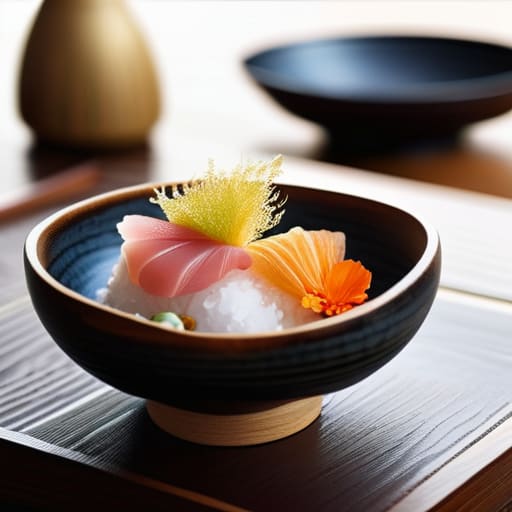
I remember sitting in a dimly lit, cedar-scented room in Gion last November, watching a single drop of condensation slide down a chilled sake carafe. There was no loud music, no frantic service, and certainly no attempt to impress me with unnecessary gold leaf or performative flair. For many, the idea of a kaiseki dining experience has become synonymous with stuffy, overpriced formality—a series of expensive plates designed more for a social media feed than for the palate. But if you strip away the pretension, you realize that the true essence of this tradition isn’t about luxury; it’s about the meticulous logistics of the seasons.
I’m not here to give you a list of the most expensive Michelin-starred addresses in Kyoto. Instead, I want to pull back the curtain on how these meals actually function and why they matter. I’ll share what to look for in the subtle interplay of temperature and texture, and how to navigate the etiquette without feeling like a stranger in a strange land. My goal is to help you find the quiet, functional beauty in the meal, ensuring you understand the rhythm of the kitchen rather than just the cost of the menu.
Table of Contents
Tracing the Zen Buddhism Influence on Food
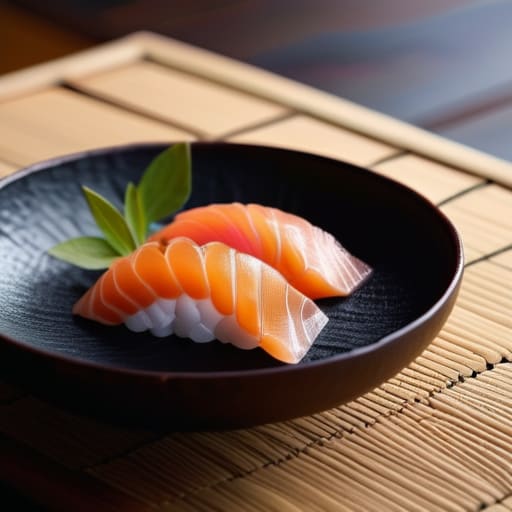
To understand why a kaiseki meal feels less like a dinner and more like a meditation, one must look toward the monasteries. The Zen Buddhism influence on food is woven into the very fabric of the service, emphasizing a profound respect for the natural state of things. In my years managing logistics, I learned that efficiency often strips away soul; here, however, the discipline is used to strip away the unnecessary. It is about shun—the exact moment an ingredient reaches its peak—and the quiet realization that nothing should be forced or over-processed.
When I sit at a low wooden counter, I see this philosophy reflected in the ichiju-sansai meal structure. It isn’t just a sequence of dishes, but a balanced rhythm of soup and three sides that mirrors the equilibrium sought in Zen practice. There is a deliberate, almost austere beauty in how the plate is composed. You aren’t just consuming calories; you are participating in a ritual of mindful consumption, where the space between the food and the edge of the ceramic is just as important as the morsel itself.
Decoding the Sacred Ichiju Sansai Meal Structure
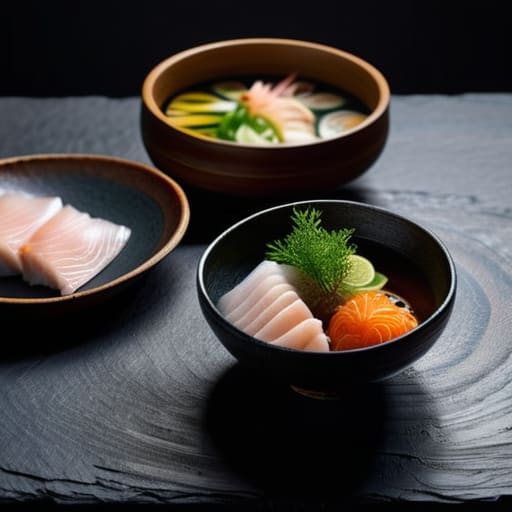
To understand the flow of a kaiseki meal, one must look past the individual dishes and see the underlying architecture. It isn’t merely a sequence of plates; it is a disciplined framework known as the ichiju-sansai meal structure. At its core, this “one soup, three sides” philosophy provides a rhythmic balance that prevents the palate from becoming overwhelmed. Much like a well-optimized logistics network, every component serves a specific purpose, ensuring that the transition from light, delicate flavors to richer, more substantial ones occurs with seamless precision.
As I sit in these quiet dining rooms, I find myself observing how the art of kaiseki presentation mirrors this structural logic. The arrangement of a single pickled vegetable or the placement of a ceramic bowl isn’t accidental; it is a calculated movement designed to guide the diner through a sensory narrative. This isn’t just about sustenance; it is a manifestation of omotenashi hospitality principles, where the chef anticipates your needs through the very cadence of the service. You aren’t just eating a meal; you are participating in a highly choreographed ritual of balance and restraint.
Navigating the Ritual: Practical Wisdom for the Kaiseki Table
- Watch the rhythm, not just the plate. Kaiseki isn’t a meal you rush through; it’s a choreographed sequence. Pay attention to the pace at which the courses arrive, as the chef is essentially guiding you through a seasonal narrative. If you feel the urge to hurry, take a breath and look at the ceramics instead.
- Let the vessel tell its story. In my years of logistics, I learned that the container is often as vital as the cargo. In Kyoto, the bowl or the lacquerware isn’t just utility—it’s a deliberate choice of texture and temperature meant to complement the specific ingredient. Don’t be afraid to admire the craftsmanship before you take your first bite.
- Respect the silence of the seasons. You will notice that ingredients change with startling precision. If you see a specific mountain vegetable or a certain cut of fish, don’t just eat it; consider why it is there now. The menu is a fleeting snapshot of a single moment in time that will never exist in quite the same way again.
- Mind your tools, but don’t let them distract you. The arrangement of chopsticks, small bowls, and seasonal garnishes can feel intimidating if you aren’t used to the etiquette. My advice? Observe the person at the next table or wait for the server’s subtle cue. The goal is to move through the meal with a quiet, unselfconscious grace.
- Embrace the “Ma”—the space between. In Japanese aesthetics, the empty space is as important as the object. The same applies to the dining experience. Don’t feel the need to fill every lull in conversation or every moment between courses. Allow yourself the luxury of a quiet moment to simply sit and exist within the atmosphere the chef has created.
The Logistical Art of the Kaiseki Meal
Understand that kaiseki is not merely a meal, but a highly choreographed sequence of seasonal transitions, where every dish serves as a functional link in a larger culinary narrative.
Look past the aesthetic presentation to recognize the underlying structure of balance—where temperature, texture, and the rhythm of service work in concert to create a sense of order.
Appreciate the intentionality behind the silence and the space, realizing that the true value of the experience lies in the quiet moments between courses that allow you to actually taste the season.
The Logistics of Elegance
People often mistake kaiseki for mere luxury, but to me, it feels more like a perfectly calibrated supply chain of the senses—where the timing of a single garnish and the temperature of a ceramic bowl are as vital to the experience as the ingredients themselves.
Rurik Salonen
The Lasting Resonance of the Meal
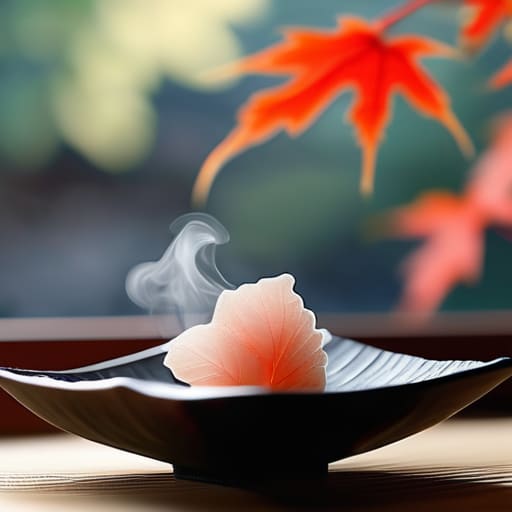
As I closed my notebook after that final course, I realized that kaiseki is far more than a mere sequence of dishes. It is a masterclass in intentionality, where the rigid structure of ichiju-sansai meets the fluid, spiritual grace of Zen philosophy. We have traced how every element—from the precise temperature of the dashi to the way a single maple leaf rests against a ceramic plate—serves a purpose larger than simple sustenance. It is a logistical marvel of timing and tradition, ensuring that the connection between the chef, the ingredient, and the diner remains entirely unbroken.
In my years of managing complex global networks, I learned that the most efficient systems often possess a hidden, quiet elegance. Kaiseki is the culinary equivalent of that realization. It teaches us that true luxury doesn’t come from excess, but from the disciplined pursuit of perfection in the smallest possible details. The next time you find yourself in a bustling city like Kyoto, don’t just look for the grandest sights. Instead, seek out those quiet, wooden doorways where time slows down, and allow yourself to witness how a single meal can make a city truly breathe.
Frequently Asked Questions
How much should I expect to spend on a traditional kaiseki meal if I'm looking for authenticity without the extreme luxury markup?
If you want to bypass the gilded showrooms of Ginza and find something genuine, you should budget between 15,000 and 25,000 yen per person. At this level, you aren’t paying for gold leaf or celebrity status; you’re paying for the chef’s integrity and the seasonal precision of the ingredients. It’s the sweet spot where the logistics of the kitchen meet the soul of the craft, without the unnecessary markup of high-end luxury.
Is it necessary to follow specific etiquette or social protocols when dining in these small, intimate settings?
In these intimate spaces, etiquette isn’t about rigid performance; it’s about maintaining the room’s equilibrium. Think of it as logistical respect for the chef’s rhythm. Avoid loud conversations that disrupt the silence, and always wait for the host to signal the start. It is less about memorizing complex rules and more about being an observant guest—honoring the stillness and the meticulous effort that went into every single dish.
How can I tell if a restaurant is truly prioritizing seasonal ingredients rather than just following a standard menu template?
Don’t look at the printed menu; look at the chalkboard or listen to the server’s phrasing. A restaurant committed to the seasons won’t rely on a static template. I often watch for the subtle shifts—the sudden appearance of a specific mountain vegetable or a change in the catch of the day that wasn’t there last week. If the menu feels too rigid, too predictable, they are likely prioritizing convenience over the rhythm of the earth.
