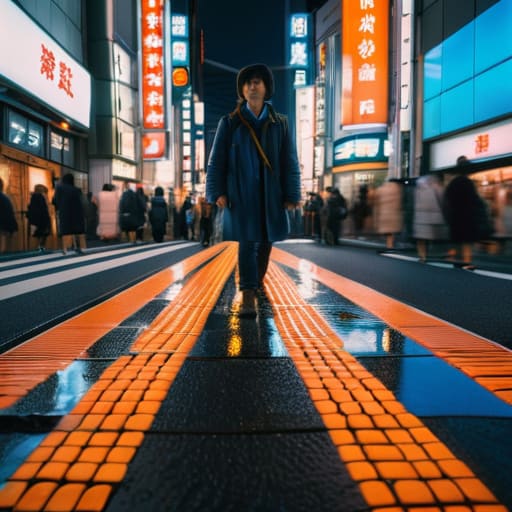
I remember sitting on a wooden bench in a small station outside of Osaka, the smell of damp concrete and roasted tea lingering in the air, watching a single salaryman meticulously organize his briefcase. There was no grand temple in sight, no neon-soaked spectacle, yet in that quiet, rhythmic moment, I understood the country better than any guidebook could explain. Most people approach traveling solo japan as if it were a checklist of crowded monuments and overpriced tourist traps, but they miss the functional beauty that exists in the margins. They chase the noise, while the real soul of the country is found in the silence between the train arrivals.
I’m not here to sell you on a curated fantasy or a list of “must-see” landmarks that will only leave you exhausted and lonely. Instead, I want to share the logistics of a meaningful journey—the kind of practical, grounded advice that helps you navigate the complexities of a foreign transit system while finding your own quiet corners. I will show you how to move through this country with intention, focusing on the small, steady details that make a solo trip feel less like an expedition and more like a way of breathing.
Table of Contents
- Navigating Japan Public Transport Alone the Quiet Art of Transit
- Japan Solo Travel Budget Finding Value in the Unseen Details
- The Logistics of Solitude: Five Practical Anchors for the Solo Traveler
- The Solo Traveler’s Blueprint
- The Solitude of the Commute
- The View from the Platform
- Frequently Asked Questions
Navigating Japan Public Transport Alone the Quiet Art of Transit
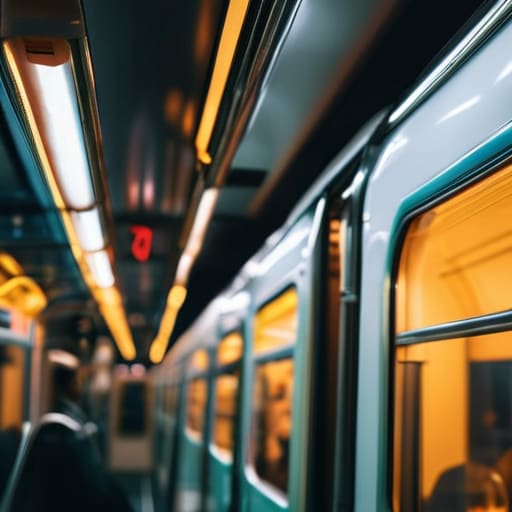
There is a certain meditative quality to navigating Japan public transport alone that many travelers overlook in their rush to reach a destination. While most see the subway as a mere utility, I see it as the city’s circulatory system. When you are moving through Shinjuku or Umeda by yourself, you aren’t just a passenger; you are an observer of a perfectly synchronized machine. I often find myself leaning against the doors, my Leica ready, watching the subtle shifts in posture as the train transitions from the frantic energy of a business district to the hushed, suburban stretches of the outer lines.
The key to mastering this is not just knowing which line to take, but understanding the unwritten rules of the carriage. Respecting the silence is perhaps the most vital piece of Japan cultural etiquette for solo travelers. It is in this shared quiet that you truly begin to feel the rhythm of the local life. If you approach the rails with patience rather than urgency, the complexity of the transit network ceases to be a hurdle and becomes a way to witness the city’s true, functional beauty.
Japan Solo Travel Budget Finding Value in the Unseen Details
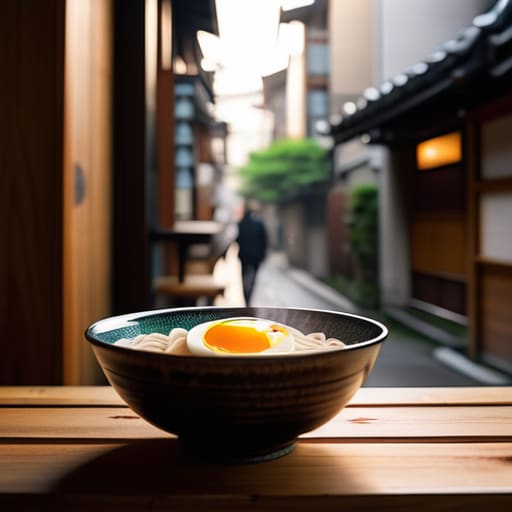
When I spent my career managing global supply chains, I learned that efficiency isn’t about cutting costs; it’s about optimizing resources. Applying this to a Japan solo travel budget requires a similar shift in perspective. Most travelers focus on the high-priced convenience of hotel breakfasts or central Shinjuku dining, but the true value lies in the periphery. I’ve found that the most profound savings—and the best experiences—come from embracing the local rhythm. A quick meal at a standing sushi bar or a bowl of ramen from a vending-machine shop isn’t just a way to save yen; it is an entry point into the city’s functional soul.
The logistics of where you sleep can also dictate the flow of your journey. While luxury hotels are tempting, I often find that solo traveler accommodation in Japan is best found in smaller, specialized business hotels or well-managed guesthouses near major transit hubs. These spots offer a streamlined, no-nonsense approach to living that mirrors the city’s own efficiency. By prioritizing proximity to the rails over grand lobbies, you reclaim both time and capital, allowing you to spend more on the things that actually matter: a high-quality roll of film or a quiet afternoon in a hidden neighborhood cafe.
The Logistics of Solitude: Five Practical Anchors for the Solo Traveler
- Carry a physical map or a printed guide of your primary transit hub. While digital tools are efficient, they can fail or drain your battery, and there is a certain groundedness in unfolding a paper map to orient yourself when the digital world feels too frantic.
- Master the art of the “single-person meal.” In Japan, dining alone is not a social failure; it is a practiced norm. Look for counter seating in small ramen shops or izakayas; it allows you to observe the kitchen’s rhythm without the pressure of conversation.
- Invest in a high-quality, lightweight daypack. When you are traveling alone, your bag is your mobile base. It should be organized enough that you can find your film canisters or a notebook without rummaging, keeping your movements fluid and unobtrusive.
- Use the “Coin Locker” system as your logistical safety net. Don’t lug your heavy luggage through crowded stations while trying to navigate a new neighborhood. Utilize the lockers at major terminals to free your hands and your mind, allowing you to focus entirely on your surroundings.
- Schedule “blank space” into your itinerary. The temptation to optimize every hour is strong, but the true character of a city reveals itself in the unplanned gaps. Allow yourself an hour to simply sit on a park bench or in a quiet station waiting room, watching the world move past.
The Solo Traveler’s Blueprint
View the transit map as your city’s circulatory system; mastering the rhythm of the trains allows you to move with purpose rather than reacting to the chaos.
Real value is found in the margins—prioritize functional, quiet accommodations and local eateries that offer authenticity over the inflated costs of tourist landmarks.
Embrace the solitude as an observational tool; traveling alone grants you the stillness required to notice the small, logistical details that define the true character of Japan.
The Solitude of the Commute
“When you travel alone through Japan, you aren’t just a passenger; you become a silent observer of a massive, synchronized machine. There is a profound, steady peace to be found in realizing that even in a crowd of millions, you can find your own rhythm within the transit lines.”
Rurik Salonen
The View from the Platform
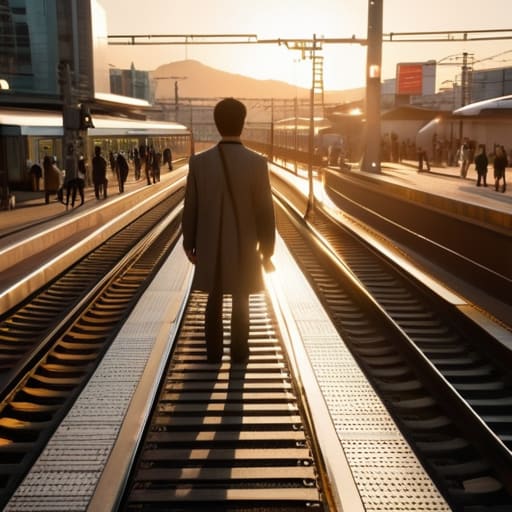
Looking back on the logistical framework of a solo journey through Japan, it becomes clear that success lies in the balance between preparation and presence. We have discussed how mastering the intricacies of the transit networks provides a sense of agency, and how a disciplined budget allows you to find value in the small, authentic experiences rather than the expensive tourist traps. By managing your resources and your routes with a bit of intentionality, you remove the friction that often causes travel anxiety. When you stop worrying about the mechanics of how to get from A to B, you finally free your mind to observe the rhythmic efficiency that makes this country so unique.
Ultimately, traveling solo in Japan is not about conquering a destination or checking off a list of famous shrines. It is about the quiet dignity found in a well-timed train arrival or the stillness of a side street in Osaka just as the sun begins to set. I have found that the most profound moments occur when you stop fighting the flow of the city and start moving with it. Let the maps guide your feet, but let your curiosity guide your soul. If you approach this country with a steady hand and an observant eye, you will find that Japan reveals its true self only to those willing to sit quietly and watch.
Frequently Asked Questions
How do I manage the logistics of navigating smaller, regional train lines when I don't speak much Japanese?
Don’t let the kanji intimidate you; think of it as a logistical puzzle rather than a language barrier. I always carry a physical map and a translation app, but the real trick is watching the colored lines and station numbers. Regional lines are remarkably consistent. If you can identify the line color and the final destination on the digital displays, you’re halfway there. Focus on the patterns, not the words. The rhythm is universal.
Are there specific neighborhoods or types of accommodation that offer a more quiet, observant experience for a solo traveler?
If you want to escape the neon-soaked friction of Shinjuku, look toward the residential pockets of Yanaka in Tokyo or the quieter fringes of Nakazakicho in Osaka. These areas favor the pedestrian and the observer. For lodging, I tend to bypass the large hotel chains. Instead, seek out small, family-run ryokans or boutique guesthouses tucked into side streets. They offer a predictable, steady rhythm that allows you to truly settle into the city’s breathing pattern.
How can I balance a practical budget without sacrificing the ability to capture those small, meaningful moments on my analog camera?
It’s a delicate calibration, much like managing a complex supply chain. To keep your film budget from swallowing your food budget, I suggest prioritizing “slow transit.” Instead of expensive taxis, use the local lines; the light hitting the commuters at dusk is free and far more cinematic. I also find that walking through residential wards costs nothing but yields the best shots. Save your yen for quality film, and let the city’s natural rhythm be your guide.
