Category: City Life

  • The Blend of Tradition and Modernity in Kyoto

    The Blend of Tradition and Modernity in Kyoto

    Most people arrive in this city expecting a living museum, a static postcard of temples and tea houses frozen in time. They spend their entire trip fighting through crowds at Kinkaku-ji, completely oblivious to the actual logic of the streets. But if you want to understand kyoto urban design, you have to stop looking at the monuments and start looking at the flow. I remember sitting on a wooden bench near the Kamo River last autumn, sketching the way the narrow residential grids transition seamlessly into the wider commercial arteries. It wasn’t the gold leaf of the temples that caught my eye; it was the way the city’s ancient bones dictate the modern movement of every bicycle and bus.

    I’m not here to give you a curated list of tourist traps or a lecture on architectural history. Instead, I want to show you how this city actually breathes. I’ll be sharing my observations on how the transit networks and the subtle layout of the neighborhoods create a functional harmony that most travelers miss entirely. We are going to look past the hype and focus on the practical elegance of how Kyoto works.

    Table of Contents

    Traditional Machiya Preservation and the Citys Living Breath
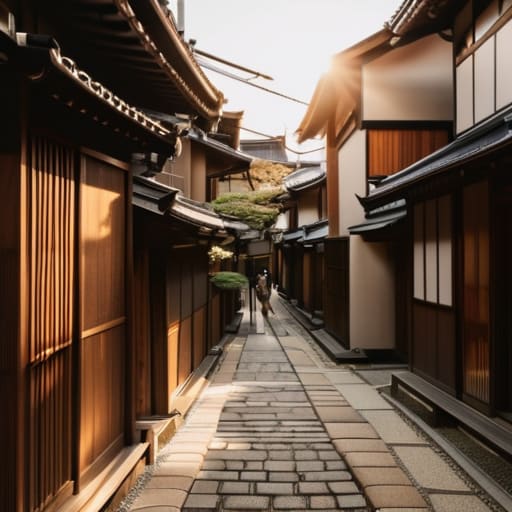
    Traditional Machiya Preservation and the Citys Living Breath.

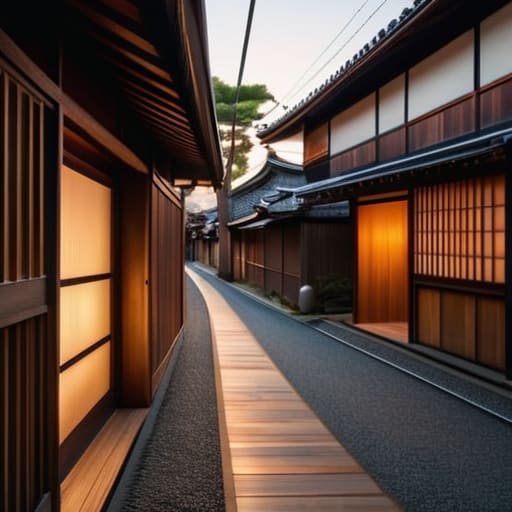
    Walking through the narrow lanes of Gion or Nishijin, you realize that Kyoto’s true strength isn’t found in its grand scale, but in its granular density. The traditional machiya preservation efforts here aren’t just about saving old wooden facades for the sake of nostalgia; they are about maintaining a specific type of human-scale living. These long, narrow townhouses act as the connective tissue of the city, creating a rhythmic pattern of shadows and light that a modern skyscraper could never replicate.

    I often find myself sitting near these structures, sketching how they manage to coexist with the encroaching pressure of the 21st century. It is a delicate act of historical preservation vs modernization. When a machiya is repurposed into a small tea house or a quiet workshop rather than being razed for a concrete block, the city breathes easier. This careful cultural landscape integration ensures that the street level remains intimate and tactile. To me, this is the essence of a functional city: it honors its structural history while allowing the current generation to inhabit its bones without breaking the spell.

    Pedestrian Friendly City Planning in Narrow Ancient Alleys
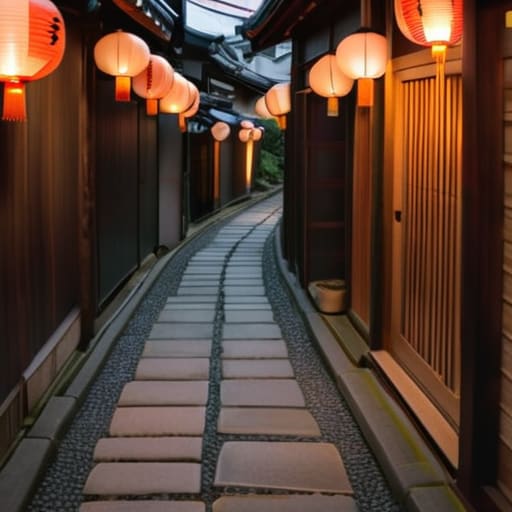
    Pedestrian Friendly City Planning in Narrow Ancient Alleys

    There is a specific kind of friction that occurs when you try to force modern scale into an ancient grid, and Kyoto manages it with a grace that most Western cities have long since lost. As I walked through the Gion district yesterday, I was struck by how the pedestrian-friendly city planning isn’t a result of modern zoning laws, but rather a stubborn adherence to a human-centric scale. These alleys weren’t designed for the throughput of vehicles; they were designed for the pace of a person.

    In my years in logistics, I learned that efficiency often comes at the cost of character, yet here, the narrowness of the streets serves a vital purpose. It creates a natural deceleration. You cannot rush through a space that demands you watch your footing or turn your shoulders to let a neighbor pass. This creates a seamless cultural landscape integration, where the transition from a bustling thoroughfare to a silent, stone-paved lane feels organic rather than forced. It is a delicate balance of historical preservation vs modernization, ensuring the city remains a functional living organism rather than a static museum.

    • Look past the temple gates and study the street layouts; the way the narrow lanes connect to larger arteries tells you more about the city’s historical flow than any guidebook will.
    • Pay attention to the height restrictions in older districts; the deliberate lack of skyscrapers isn’t just for aesthetics, it’s a functional way to preserve the sunlight and scale of the neighborhood.
    • Use the bus network as your primary lens for urban movement, but don’t just ride them—watch how the stops are integrated into the residential fabric to see how the city manages its daily logistics.
    • Seek out the intersection of old and new by finding where modern utility lines or subtle signage have been adapted to fit the traditional wooden architecture without disrupting the visual rhythm.
    • Slow your pace to a walking speed near the riverbanks; the transition from the dense, structured urban core to the more open, natural edges reveals how Kyoto balances its built environment with its geography.

    The Lessons of Kyoto's Urban Fabric

    True urban vitality isn’t found in grand monuments, but in the seamless way ancient residential structures, like the Machiya, continue to function within a modern logistical framework.

    The efficiency of a city is measured by its scale; Kyoto proves that human-centric, narrow alleyways can create a more intuitive and sustainable flow than sprawling, car-dependent grids.

    To understand a city’s soul, one must look past the tourist landmarks and observe the quiet intersections where historical preservation meets the practical necessities of daily transit.

    The Logic of the Labyrinth

    “Most people see Kyoto’s layout as a confusing maze of narrow lanes, but when you look closer, you realize it isn’t a mess—it’s a highly efficient, human-scaled machine designed to prioritize the flow of life over the speed of vehicles.”

    Rurik Salonen

    The Quiet Logic of Kyoto
    The Quiet Logic of Kyoto urban design.

    Looking back at the layers we have peeled away, it becomes clear that Kyoto’s urban design is not a relic of the past, but a functioning, breathing organism. It is the delicate balance between the preservation of the Machiya and the modern necessity of a transit system that moves people without shattering the city’s soul. By prioritizing the pedestrian scale within those narrow, ancient arteries, Kyoto has managed to resist the sprawling, characterless expansion that plagues so many other global metropolises. The city doesn’t just exist; it operates through a calculated harmony of tradition and utility that most modern planners can only dream of achieving.

    As I sit here in a small corner cafe, sketching the way the sunlight hits the stone paths near the station, I am reminded that a city’s true value isn’t found in its grandest landmarks. It is found in the way a street corner invites you to slow down, or how a well-placed alleyway offers a momentary reprieve from the rush of the world. To understand Kyoto is to realize that intentionality is everything. When we design for the human scale and respect the history etched into the pavement, we create something more than just infrastructure—we create a place where a person can truly belong.

    Frequently Asked Questions

    How does the city balance the need for modern high-speed transit with the preservation of these fragile, narrow streetscapes?

    It’s a delicate logistical dance. Kyoto manages this tension by keeping the heavy lifting underground. The subway lines act as the city’s skeletal system, moving massive volumes of people beneath the surface, which allows the delicate capillary network of surface streets to remain pedestrian-focused. They don’t try to force modern throughput into ancient veins; instead, they use high-capacity transit hubs to funnel crowds toward the periphery, leaving the historic core to breathe at its own pace.

    In what ways are the zoning laws actually enforced to prevent modern high-rises from overshadowing the traditional machiya districts?

    It isn’t just a matter of polite suggestion; it’s a rigid, layered system of height restrictions and floor-area ratios. The city uses strict zoning classifications that essentially lock the traditional cores into low-rise zones. If a developer wants to build something substantial, they hit a wall of sunlight ordinances designed to protect the light reaching those narrow streets. It’s a logistical chess game where the preservation of the skyline is just as important as the streets themselves.

    Beyond the tourist-heavy areas, where can one find the most successful examples of modern urban planning that respects Kyoto's historical scale?

    If you want to see how Kyoto manages the tension between progress and heritage, head toward the area around the Kyoto Botanical Gardens or the quiet residential pockets of Sakyo-ku. Here, the scale remains human. You’ll notice how the modern road layouts and light rail access don’t overwhelm the landscape; instead, they weave around the existing greenery and low-rise structures. It’s a masterclass in subtle integration—modern functionality that refuses to shout over the city’s history.
  • Exploring the Food Culture of Osaka

    Exploring the Food Culture of Osaka

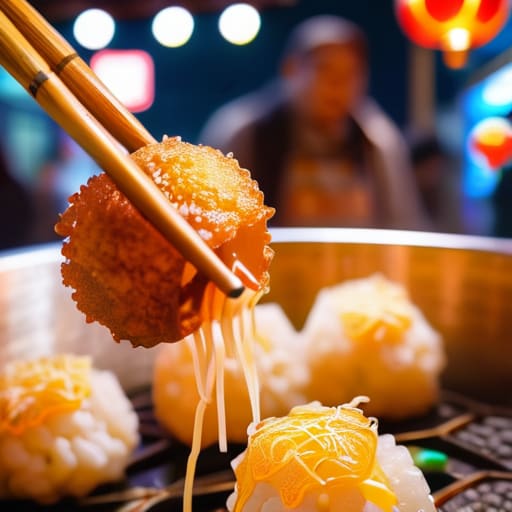
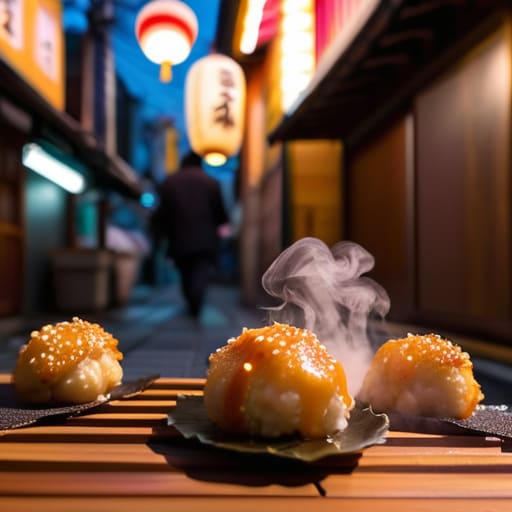
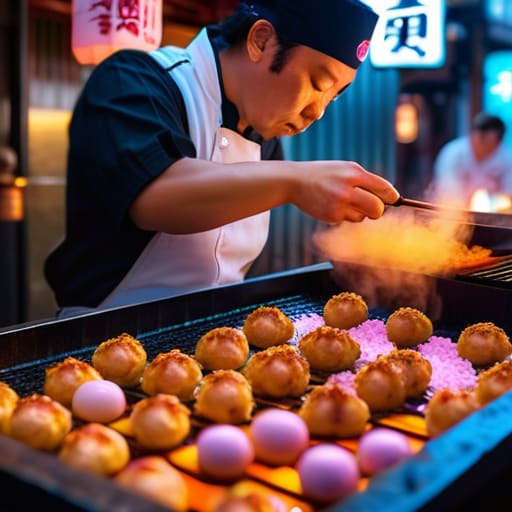
    I sat on a cramped wooden stool last Tuesday, tucked into a corner of an alleyway so narrow I had to turn my shoulders just to breathe, watching the steam rise from a single, battered takoyaki pan. There was no neon signage, no English-language menu, and certainly no influencer-ready plating. Yet, as I watched the vendor work with a rhythmic, practiced efficiency that would satisfy any logistics professional, I realized that most people completely misunderstand osaka food culture. They chase the bright lights of Dotonbori and the massive, overpriced storefronts, thinking that’s where the city’s heart beats. In reality, the true pulse of this city is found in the unassuming steam and the quiet, grease-stained corners that most tourists walk right past in their rush to find something “iconic.”

    I have no interest in giving you a curated list of “must-visit” tourist traps that prioritize aesthetics over substance. Instead, I want to show you how to navigate this city’s culinary landscape with a bit of logistical precision. I will guide you through the backstreets to find the stalls where the ingredients are respected and the traditions are lived, not performed. This isn’t a guide to the most famous dishes, but a map to the authentic flavors that define the soul of Osaka.

    Table of Contents

    Finding Truth in the Chaotic Dotonbori Food Scene

    Finding Truth in the Chaotic Dotonbori Food Scene.

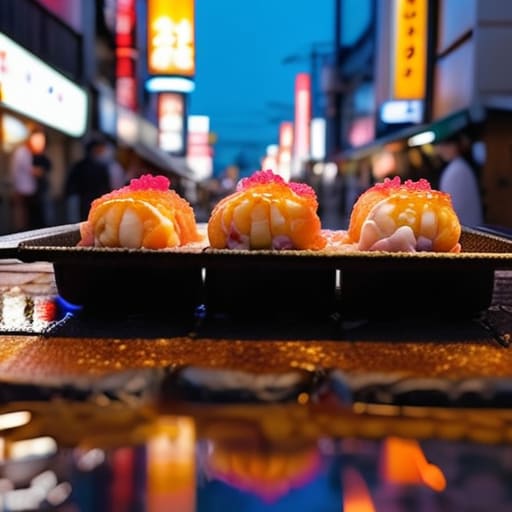
    Most travelers arrive in Dotonbori expecting a sensory assault, and they certainly get it. The neon signs are loud, the crowds move in a frantic, uncoordinated surge, and the smell of frying batter hangs heavy in the humid air. It is easy to get lost in the spectacle, but if you stand still for a moment, you can see the logistics of the chaos. There is a rhythm to how the vendors manage the endless queue of hungry pedestrians, a well-oiled machine of heat and steel.

    To truly understand this place, you have to look past the giant mechanical crabs and find the takoyaki and okonomiyaki traditions that form the neighborhood’s backbone. I often find myself leaning against a concrete pillar, watching a vendor flip octopus balls with a precision that would make a logistics manager weep. It isn’t just street food; it is a manifestation of the kuidaore philosophy—the idea of eating oneself into ruin. While the lights are designed to dazzle, the real truth lies in that singular, focused movement of a spatula against a hot griddle, serving a city that never seems to stop hungry.

    The Kuidaore Philosophy and the Art of Eating to Excess

    The Kuidaore Philosophy and the Art of Eating to Excess.

    To understand Osaka, one must move past the mere consumption of calories and grasp the kuidaore philosophy. It is a concept that translates roughly to “eating oneself into ruin,” but to me, it feels less like recklessness and more like a profound commitment to sensory indulgence. In my years managing logistics, I dealt in efficiency and lean operations; here, the logic is inverted. There is a deliberate, beautiful wastefulness in the way a local might navigate three different stalls in a single hour, driven by nothing more than the pursuit of the perfect bite.

    This spirit is most palpable when you step away from the heavy crowds and find a small, wood-paneled space practicing traditional izakaya culture. Here, the pace slows. You aren’t just fueling up; you are participating in a rhythmic social ritual. Whether it is the precise, crispy execution of osaka kushikatsu specialties or the communal warmth of a shared plate, the city demands your full attention. It isn’t about the speed of the transaction, but the quality of the presence. In Osaka, to eat is to live loudly, even in the quietest corners.

    Logistical Lessons for the Osaka Palate

    • Ignore the queues for the neon-lit giants. If a stall has a line of twenty tourists holding smartphones, keep walking. Look instead for the place where the salarymen stand in a tight, efficient cluster, focused entirely on their bowls. That is where the quality is consistent.
    • Master the art of the “stand-and-eat.” In Osaka, some of the most profound flavors are found at narrow counters or standing-only stalls near major transit hubs. Don’t view a lack of seating as an inconvenience; view it as a way to experience the city’s kinetic energy without the friction of a formal reservation.
    • Carry small denominations of yen. While Japan is modernizing, the true heart of Osaka’s food culture—the small, family-run stalls in the narrowest alleys—often operates on a cash-only rhythm. A logistical failure in currency can cost you a meal you didn’t even know you were looking for.
    • Observe the rhythm of the meal. Eating in Osaka isn’t just about sustenance; it’s a social mechanism. Watch how the locals move through their courses. There is a specific, unhurried grace to how they navigate the transition from a savory takoyaki snack to a heavier ramen, and mimicking that pace will make your experience feel less like a tourist excursion and more like a local ritual.
    • Use your senses to map the flavor profiles. Don’t just eat; observe the steam, the scent of dashi, and the texture of the batter. I find that if I sketch the layout of a food stall in my notebook, I can better remember the precise balance of salt and umami that defined the dish. Treat your palate like a navigator.

    The Logistical Soul of Osaka's Flavors

    True culinary depth in Osaka is found by looking past the neon-lit main drags and following the subtle rhythms of the side streets, where the food serves a functional, communal purpose rather than just a spectacle.

    The concept of ‘Kuidaore’ is more than mere indulgence; it is a cultural commitment to the sensory experience of a city, demanding that you engage with its flavors with both passion and presence.

    To understand Osaka’s food culture, one must observe the intersection of its transit-driven accessibility and its localized, often nameless, eateries that provide the steady heartbeat of the metropolitan landscape.

    The Rhythm of the Kitchen

    “To understand Osaka, you must look past the spectacle of the neon signs and watch the hands of the street vendors; there is a profound, rhythmic precision in the way they flip takoyaki, a silent logistics of flavor that proves even in the midst of culinary excess, there is a deeply disciplined soul at work.”

    Rurik Salonen

    The Rhythms of a Flavorful City

    The Rhythms of a Flavorful City.

    To understand Osaka, one must accept that its culinary identity is a study in contradictions. It is found in the frantic, neon-soaked energy of Dotonbori, yet it is equally present in the disciplined, rhythmic steam of a quiet takoyaki stall tucked away near a subway exit. We have looked at the sheer intensity of the kuidaore spirit—that unapologetic drive to eat until one collapses—and how it serves as the heartbeat of this metropolis. Ultimately, the food here isn’t just sustenance; it is a logistical masterpiece of tradition and impulse, woven into the very transit lines and alleyways that define the city’s movement.

    As I sit here in a small corner cafe, sketching the intersection of two train lines in my notebook, I am reminded that the best meals are rarely the ones you plan with a spreadsheet. They are the ones that find you when you stop looking for the landmarks and start looking for the humanity in the details. Don’t just chase the famous signs; follow the scent of dashi and the sound of local laughter. If you approach Osaka with a sense of curiosity rather than a checklist, you will find that the city doesn’t just feed your hunger—it teaches you how to truly live.

    Frequently Asked Questions

    How do I navigate the etiquette of eating at a crowded standing stall without disrupting the local rhythm?

    To navigate a standing stall, you must treat it like a well-oiled machine. Observe the flow before you commit. Don’t linger over your phone; the space is transient by design. Order, eat, and move with purpose. If you’re unsure, watch the salaryman next to you. It’s a rhythmic exchange of space and sustenance. Respect the tempo, keep your footprint small, and you’ll find you aren’t an intruder, but part of the city’s steady breath.

    Beyond the famous street foods, where can I find the quiet, long-standing establishments that locals frequent away from the tourist crowds?

    To find the real rhythm of Osaka, you have to leave the main thoroughfares. I find myself drifting toward the Tenma district or the residential pockets around Nakazakicho. Look for the small shokudo tucked behind subway exits—the ones with handwritten wooden signs and a single, weathered curtain. There is no fanfare there, just the steady, unhurried service of people who have been feeding the same neighborhood for forty years. That is where the city breathes.

    Is there a specific way to time my visits to the various food districts to avoid the peak rush while still experiencing the city at its most vibrant?

    To master Osaka’s rhythm, you must treat it like a logistics problem. Avoid the midday rush and the post-work surge between 6:00 and 8:00 PM when the salarymen descend. Instead, aim for the “golden gap”—around 3:30 PM. The light is better for my Leica, the crowds thin out, and you can claim a stool without the frantic energy. If you crave the true midnight pulse, wait until 11:00 PM; the city breathes differently then.

  • The Daily Rhythm of Life in Tokyo

    The Daily Rhythm of Life in Tokyo

    I was sitting in a cramped corner of a Shinjuku station café last Tuesday, watching a sea of salarymen move with a precision that would make a logistics manager weep, when I realized how much the guidebooks get wrong. Most people come here chasing the neon-soaked fever dream of Shibuya Crossing, thinking they’ve grasped the essence of tokyo urban life just because they’ve stood in a crowd. But that’s just the surface tension. If you only look at the bright lights and the massive landmarks, you aren’t actually seeing the city; you are merely being blinded by its glare.

    I have no interest in telling you which themed cafes are worth your yen or which skyscraper offers the best view for a selfie. Instead, I want to show you how this massive, complex machine actually functions. My goal is to guide you through the rhythmic logic of the transit veins and the quiet, functional beauty of the side streets that most travelers bypass entirely. We are going to look past the spectacle to understand the true, steady pulse of the city, one station and one narrow alleyway at a time.

    Table of Contents

    Japanese Urban Infrastructure and the Rhythm of the Rails

    Japanese Urban Infrastructure and the Rhythm of the Rails

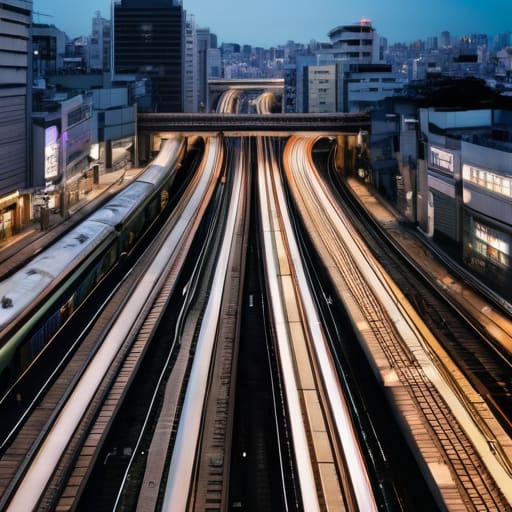
    To understand the true mechanics of this city, one must look past the neon signage and study the steel. The backbone of the japanese urban infrastructure isn’t just the trains themselves, but the uncanny, clockwork precision with which they dictate the movement of millions. I often find myself sitting in a station terminal, notebook in hand, tracing the intersecting lines of the various private and public railways. There is a profound, almost meditative logic to it; the way the Yamanote loop acts as a centrifugal force, pulling the city’s energy inward while pushing the quiet residential pockets toward the periphery.

    When you are navigating Shibuya and Shinjuku, the sheer scale of human throughput can feel overwhelming, yet there is a hidden order beneath the surface. It is a choreographed dance of commuters, each a single gear in a massive, living machine. You begin to notice how the stations serve as more than just transit hubs; they are the vital organs of the city, pumping life through subterranean arteries that never truly sleep. It is in this constant, rhythmic flow that you find the real heartbeat of the metropolis.

    Navigating Shibuya and Shinjukus Human Currents.

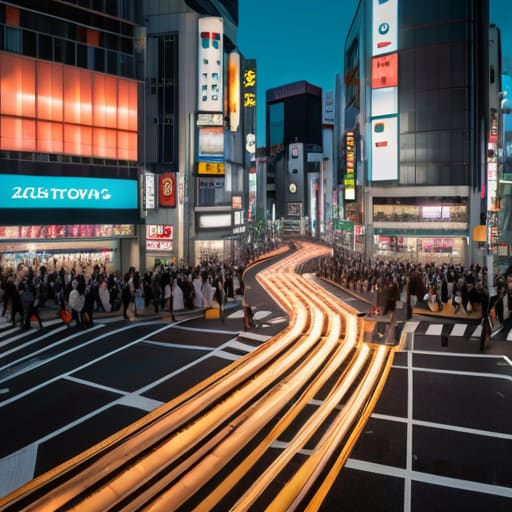
    If the rail lines are the arteries of this city, then Shibuya and Shinjuku are its beating, frenetic hearts. To anyone else, the Scramble Crossing might look like a breakdown in order, but after years of managing complex logistics, I see a different story. There is a silent, unspoken choreography at play; thousands of bodies moving in a synchronized dance that avoids collision without a single word exchanged. Navigating Shibuya and Shinjuku requires more than just a map; it requires a certain surrender to the flow. You cannot fight the current here; you must learn to read the micro-shifts in the crowd’s momentum to find your way through the surge.

    Once you step away from the neon-soaked main thoroughfares, the character of metropolitan living in Japan shifts entirely. I often find myself ducking into the narrow side streets just a few meters from the station exits, where the roar of the crowd fades into a low, distant hum. Here, the scale changes. The towering skyscrapers give way to tiny, two-story buildings housing single-person ramen shops or quiet stationery stores. It is in these pockets of stillness that I find the most honest version of the city—a quiet, functional grace tucked between the chaos.

    The Logistics of Living: Five Observations for Navigating the Metropolis

    • Master the art of the Suica or Pasmo card immediately. In my years of logistics, I learned that friction is the enemy of efficiency; having a seamless, digital tap-and-go system for every train, bus, and even your morning coffee at a Lawson’s removes the unnecessary cognitive load of navigating a foreign economy.
    • Learn to read the topography of the stations, not just the signs. The major hubs like Shinjuku are multi-layered labyrinths; don’ve just look at the digital displays, but watch the flow of the commuters. If you follow the densest stream of people, you’ll find your exit, but if you look for the stairwells where the flow thins, you’ll find the quietest path.
    • Carry a small, portable power bank and a physical map of the most essential lines. Technology is a wonderful tool, but even the most advanced smartphone is a liability when the battery dies in the middle of a subterranean maze. A hand-drawn sketch in my notebook has saved me more times than a GPS signal ever could.
    • Respect the unspoken social contracts of the transit carriage. The silence on a Tokyo train isn’t empty; it’s a functional, collective agreement to maintain public order. Keep your phone on silent, avoid calls, and keep your physical footprint minimal. Understanding these micro-etiquettes is how you transition from a disruptive tourist to a respected observer.
    • Seek out the “Depachika” for your evening provisions. The basement food halls of major department stores are marvels of urban distribution. Instead of fighting the crowds in a neon-lit restaurant, head to these subterranean hubs at dusk. You’ll witness a masterclass in organized retail and find high-quality, quiet sustenance that allows you to retreat to a park or a small hotel room to reflect on the day.

    The Quiet Logic of the Metropolis

    The Quiet Logic of the Metropolis, Tokyo.

    True urban mastery comes from observing the transit networks not as mere tools for movement, but as the very circulatory system that dictates the city’s daily temperament.

    Beyond the neon-lit intersections of the major hubs, the real character of Tokyo is found in the stillness of the residential side streets and the predictable, comforting cadence of the local lines.

    To understand a city like Tokyo, one must look past the grand monuments and instead find meaning in the functional details—the seamless handoffs of a commuter transfer or the way a small alleyway offers sanctuary from the crowd.

    ## The Architecture of Motion

    “Most people see Tokyo as a frantic rush toward a destination, but if you look closer—past the neon and the crowds—you see a city that functions like a masterfully tuned engine, where the true beauty lies not in the grand stations, but in the silent, seamless precision of a thousand small movements working in perfect unison.”

    Rurik Salonen

    The Quiet Logic of the Metropolis

    Looking back at the layers we have peeled away, it becomes clear that Tokyo is not merely a collection of skyscrapers and neon signs, but a masterclass in coordinated complexity. We have seen how the seamless precision of the rail networks provides the skeletal structure for the city, and how the overwhelming human currents of Shibuya and Shinjuku are actually governed by an unspoken, collective discipline. To understand this city, one must respect the tension between the massive scale of its infrastructure and the meticulous smallness of its daily rituals. It is a place where high-velocity logistics and profound stillness exist in a delicate, functional equilibrium.

    As I close my notebook and pack away my Leica, I am reminded that the true soul of Tokyo isn’t found in a guidebook’s highlight reel. It is found in the moments when you stop fighting the crowd and simply allow yourself to be carried by the city’s natural flow. If you look closely enough, past the glare of the advertisements and the rush of the commuters, you will find that even in the most crowded intersection, there is a hidden geometry of peace. Don’t just visit Tokyo; learn to listen to its mechanical heartbeat and find your own quiet corner within the machine.

    Frequently Asked Questions

    How do the smaller, non-major transit lines connect the quiet residential pockets to the main urban hubs?

    It’s the feeder lines—the Chuo-Sobu or the small Odakyu branches—that act as the city’s capillaries. While the Yamanote is the heavy artery, these smaller lines gently pull the quiet, residential life of Setagaya or Nerima into the central hubs. They provide a necessary transition, slowing the pace from the frantic station plazas to the rhythmic, predictable stillness of a neighborhood street. Without them, the city’s heart wouldn’t be able to pump.

    Where can one find the most reliable spots for analog photography when the neon lights of the main districts become overwhelming?

    When the neon glare of Shinjuku starts to feel like static, I head toward Yanaka or Nezu. These “shitamachi” neighborhoods offer a different kind of light—softer, more intentional. There’s a stillness in the way the sun hits the wooden lattices of old tea houses that a digital sensor struggles to capture. For my Leica, the muted tones of a quiet temple garden or a narrow residential lane provide the clarity that the main districts simply drown out.

    Beyond the major hubs, what are the logistical nuances of navigating Tokyo's smaller, more intricate alleyway networks?

    In these smaller arteries, the logic shifts from the macro to the micro. Google Maps often fails here; it lacks the intuition required for a labyrinth of narrow passages. I’ve learned to rely on physical landmarks—a specific vending machine or the angle of a utility pole—rather than digital pings. Keep your eyes upward. The real wayfinding is found in the subtle signage and the way the light hits a particular corner, guiding you through the quiet, functional veins of the city.

  • Planning a City Trip Through Japan

    Planning a City Trip Through Japan

    I remember standing on the platform at Shinjuku Station during rush hour, the air thick with the scent of damp umbrellas and ozone, watching a thousand souls move with the precision of a Swiss timepiece. Most people approach japan city travel as a frantic race to photograph every neon-lit landmark before their battery dies, treating the country like a checklist of monuments rather than a living organism. They get lost in the noise, missing the very thing that makes these metropolises magnificent: the rhythmic efficiency of the movement itself.

    I’m not here to sell you on the flashy, overpriced tourist traps that clog up your itinerary. Instead, I want to show you how to navigate these concrete labyrinths with a sense of purpose and quiet observation. My goal is to provide you with a logistical roadmap for finding the soul of the city—the small, functional details and hidden corners that reveal how Japan truly breathes. We’ll look past the bright lights to understand the transit veins and narrow alleys that define the real urban experience.

    Table of Contents

    Navigating Japanese Subway Systems With Intention.

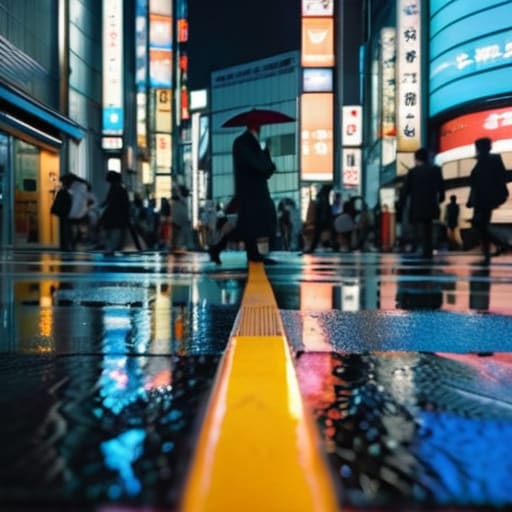
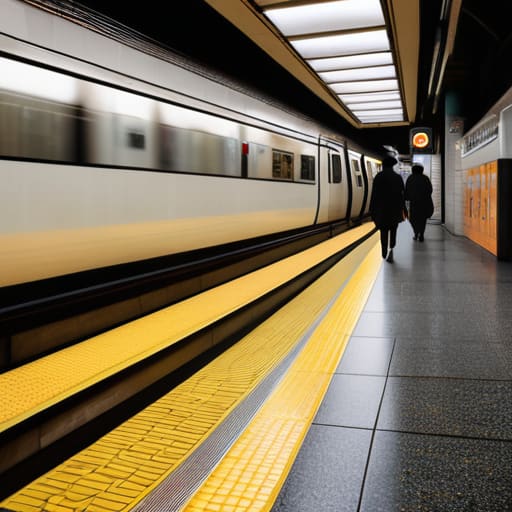
    Most travelers approach a station like Shinjuku as a hurdle to be cleared, a chaotic obstacle between them and their next landmark. I see it differently. To me, a transit hub is the central nervous system of the city. When navigating japanese subway systems, I find that the real magic isn’t in reaching the destination, but in observing the rhythm of the transfer. There is a profound, silent choreography in the way thousands of commuters pivot around a corner without a single collision. I often find myself pausing near the yellow tactile paving, pulling out my notebook to trace the intersection of the Marunouchi and Ginza lines, trying to map the logic behind the movement.

    Don’t let the sheer scale of the network intimidate you. While many rely heavily on the japan rail pass efficiency for long-distance leaps between cities, the true soul of urban life is found in the local metro lines. I prefer to sit near the doors, watching the scenery shift from the glass-and-steel density of the business districts to the sudden, quiet residential pockets that emerge just a few stops away. It is in these transitions that you truly begin to understand the city’s breath.

    Japan Rail Pass Efficiency and the Rhythms of Transit

    Japan Rail Pass Efficiency and the Rhythms of Transit

    I’ve always viewed a transit pass not merely as a ticket, but as a logistical master key. When discussing japan rail pass efficiency, most people focus solely on the cost-benefit analysis of long-distance Shinkansen trips. While the math is important, the real value lies in the psychological freedom it affords. When you aren’t constantly calculating the fare for your next leg, you stop treating your journey like a series of transactions and start observing the transitions. You begin to notice how the landscape shifts from the dense, vertical geometry of the Tokyo metropolitan area to the more sprawling, historical rhythms of the Kansai region.

    There is a specific cadence to the major rail lines—a predictable, mechanical heartbeat that governs the movement of millions. I find that if you sit quietly in a station like Shin-Osaka, you can almost feel the city’s breathing patterns. It isn’t just about getting from point A to point B; it is about mastering the flow. Once you understand the backbone of the rail network, the smaller, more granular details—the local lines that lead to hidden shrines or quiet residential pockets—become much easier to navigate with intention.

    The Logistics of Observation: Five Practical Rules for the Intentional Traveler

    • Master the IC Card before you step foot in the station. Whether it’s a Suica or Pasmo, having that digital or physical balance ready means you aren’t fumbling at the gates; it allows you to keep your eyes up, watching the way the crowd shifts and breathes around you.
    • Carry a portable power bank, but treat it like a tool, not a lifeline. In my experience, a dead phone isn’t just a loss of maps; it’s a loss of your ability to document the small, fleeting details of the city that require a quick glance or a sudden thought.
    • Learn to read the flow of the escalators. In Tokyo and Osaka, there is an unspoken choreography to how people stand and move. Respecting this rhythm isn’t just about politeness; it’s about understanding the mechanical efficiency that keeps these massive urban machines from seizing up.
    • Invest in a decent pair of walking shoes that don’t look like hiking gear. You will spend hours navigating the transition between massive transit hubs and the narrow, cobblestone veins of the older districts. If your feet fail, your ability to observe the city’s nuances fails with them.
    • Use the “Exit Number” system as your primary compass. Japanese stations are labyrinths, and the difference between Exit A1 and Exit B3 can be a ten-minute walk in the wrong direction. Always check your exit destination on the map before you even reach the ticket gate.

    Lessons from the Transit Lines

    Stop viewing the subway as a mere way to get from point A to point B; treat the station layouts and the flow of commuters as a masterclass in urban efficiency and human choreography.

    Master the rhythm of the major hubs early on, so you can spend less time staring at digital screens and more time observing the quiet, functional details of the city.

    Use the transit system as your compass to find the edges of the metropolitan sprawl, where the noise of the main thoroughfares fades into the stillness of the neighborhood alleys.

    The Geometry of Motion

    “Most travelers see a crowded station as an obstacle to be overcome, but if you watch closely, you see the city’s true choreography—a silent, synchronized dance of millions moving in perfect, functional harmony.”

    Rurik Salonen

    The View from the Platform

    The View from the Platform at Umeda.

    As I sit here in a small café near Umeda, watching the final commuters of the evening weave through the station, the logic of my journey becomes clear. We have discussed the mechanics of the subway, the strategic necessity of the Rail Pass, and the importance of moving with purpose. But these aren’t just logistical hurdles to overcome; they are the very connective tissue of the Japanese experience. To master the transit system is to earn your seat at the table of the city, allowing you to move past the superficial tourist routes and into the functional, breathing heart of the metropolis. When you stop fighting the flow and start observing it, the chaos of Tokyo or Osaka begins to reveal its underlying order.

    Ultimately, my advice to you is this: leave some room in your itinerary for the unplanned detour. The most profound moments of my travels haven’t happened at the gates of a shrine, but in the quiet stillness of a suburban station platform at dusk or the way a single streetlamp illuminates a narrow alleyway. Don’t just travel to see; travel to understand. If you keep your eyes on the details—the way a conductor bows, the precision of a timed transfer, or the silence of a residential side street—you will find that Japan doesn’t just show itself to you; it reveals its true soul.

    Frequently Asked Questions

    How can I balance my desire for quiet, hidden corners with the logistical reality of staying near major transit hubs?

    The trick is to look one or two stops beyond the terminal. If you stay directly atop Shinjuku or Umeda, you’ll be swallowed by the noise. Instead, find a station on a local line just a short distance away. You gain the logistical advantage of the major arteries, but you wake up to the muffled quiet of a residential neighborhood. It’s about finding that sweet spot where the transit vein is accessible, but the street remains silent.

    Beyond the major rail passes, what are the most efficient ways to manage local, short-distance travel within a single metropolitan area?

    For the short hops between neighborhoods, forget the heavy rail passes. Your best tool is a rechargeable IC card—Suica or Pasmo. They are the lifeblood of local transit. You simply tap and go, whether you’re boarding a subway or a local bus. It removes the friction of calculating fares, allowing you to focus on the scenery rather than the ticket machine. It’s about seamless movement; once you have one, the city opens up.

    Is it possible to find meaningful, non-tourist perspectives of the city if I am traveling primarily through the lens of its transit networks?

    It is more than possible; it is perhaps the only way to truly see the city. When you stop viewing a train line as a mere way to get from A to B and start seeing it as a circulatory system, the perspective shifts. I’ve found that the most profound moments aren’t at the terminal stations, but in the transitional spaces—the quiet platform at a mid-sized stop or the way a neighborhood unfolds once you step off the escalator.