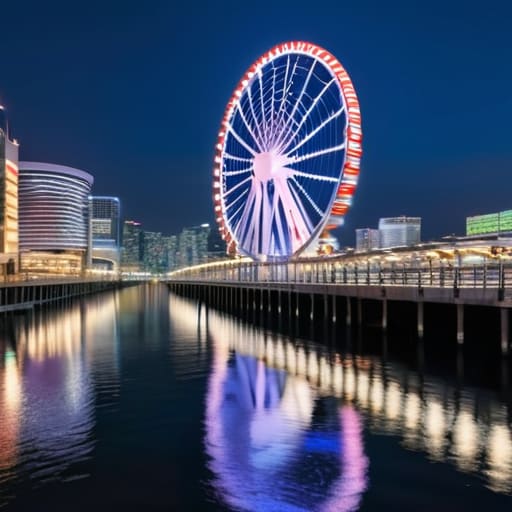
I remember standing on the Minatomirai line platform last Tuesday, watching the commuters blur past, and realized how many people approach the yokohama waterfront with the wrong intentions. Most guidebooks treat this stretch of coast like a theme park, pushing you toward the bright lights of the Cosmo World ferris wheel or the overpriced tourist traps near the Red Brick Warehouse. They want you to consume the view, but they rarely teach you how to actually observe it. I’ve spent my career looking at how moving parts create a whole, and I find that the real soul of this port isn’t found in the neon signage, but in the quiet, industrial hum that exists just beyond the polished boardwalks.
I have no interest in selling you a postcard fantasy. Instead, I want to show you how to navigate this space with a bit more intentionality. In the following pages, I’ll guide you through the logistical nuances of the area—from the most efficient transit transfers to those overlooked, salt-aired corners where the city finally seems to catch its breath. This isn’t a list of monuments; it is a map for finding the functional beauty tucked away in the margins of the harbor.
Table of Contents
The Osanbashi Pier Walking Path a Study in Motion
The Osanbashi Pier Walking Path: A Study in Motion
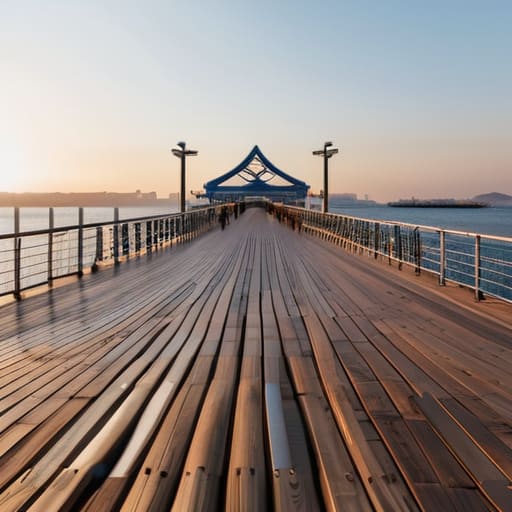
I found myself standing at the edge of the Osanbashi Pier walking path, watching how the timber-like deck curves against the water. To most, it is merely a way to reach the terminal, but to me, it is a masterclass in fluid engineering. The way the structure undulates mimics the very tide it sits upon, creating a seamless transition between the rigid city grid and the unpredictable sea. As I sat on a wooden bench, I focused on the interplay of light and shadow cast by the pier’s unique geometry, a detail often lost on those rushing toward the cruise ships.
From this vantage point, the skyline reveals its true character. The Yokohama Bay Bridge views are spectacular, yes, but it is the rhythmic movement of the vessels passing beneath the steel spans that truly captures the city’s pulse. There is a quiet dignity in the way the massive container ships navigate the narrow channels, a logistical ballet that reminds me of my own years in supply chain management. Here, the city doesn’t just exist; it functions with a heavy, beautiful grace.
Kanagawa Coastal Attractions Beyond the Tourist Gaze
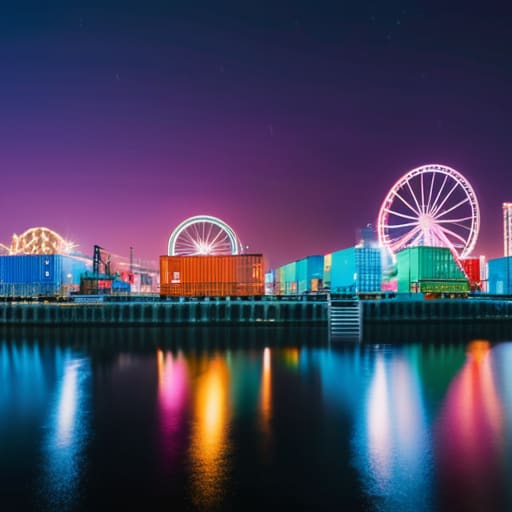
Most visitors to the region cluster around the bright lights of the Cosmo World amusement park, drawn to the immediate spectacle of the Ferris wheel. While there is a certain kinetic energy there, I find myself drifting further toward the edges of the bay, where the industrial scale of the port meets the sea. There is a profound, quiet dignity in the way the shipping containers are stacked in the distance—a massive, silent choreography that speaks to the very essence of logistics and global movement.
Instead of the crowded shopping aisles of the Akarenga Warehouse, I prefer to seek out the smaller, salt-crusted pockets of the coastline. I often find a certain peace in a slow Yamashita Park stroll just as the sun begins to dip, watching how the light catches the hulls of the docked vessels. It isn’t about the grand landmarks; it is about observing how the interplay of steel and tide defines the character of Kanagawa. To truly understand this coast, one must look past the neon and find the steady, rhythmic pulse of the working waterfront.
Logistics for the Observant Traveler: Five Practical Notes
- Timing your visit to the Osanbashi Pier is essential; I find the light most honest during the “blue hour” just after sunset, when the city’s grid begins to glow and the architectural lines become sharper against the darkening sea.
- Avoid the main tourist shuttles if you truly want to feel the city’s pulse. Instead, use the local Minatomirai Line; the transition from the dense urban core to the coastal breeze is a sensory shift worth experiencing on your own terms.
- Carry a physical map or my leather-bound notebook. While digital tools are efficient, they often force your eyes toward a screen; a city is best understood when your gaze remains fixed on the street level and the subtle movements of the crowd.
- If you are photographing the waterfront, bring a tripod but keep it minimal. The heavy wind off the bay can disrupt long exposures, and a bulky setup tends to make you an obstacle in the very flow of life you are trying to observe.
- Look for the small, unmanned vending machines tucked into the corners of the pier walkways. They are small, functional monuments to Japanese efficiency and serve as perfect, quiet vantage points to sit and watch the ships move in and out of the harbor.
Observations from the Edge of the Bay
Yokohama’s true character isn’t found in its grand architecture, but in the seamless, rhythmic flow of its transit connections and the way the harbor air interacts with the industrial landscape.
To truly understand the waterfront, one must move beyond the postcard vistas and look for the quiet, functional spaces where the city’s logistical pulse is most palpable.
The most meaningful travel experiences occur when you stop chasing landmarks and instead start observing the small, steady details that define a city’s daily breath.
The Geometry of the Shoreline
“Most people look at the Yokohama waterfront and see a view; I see a delicate, interlocking machine of tides, steel, and transit, where the true character of the city reveals itself not in the skyline, but in the steady, rhythmic pulse of the ships coming home.”
Rurik Salonen
The Quiet Logic of the Shoreline
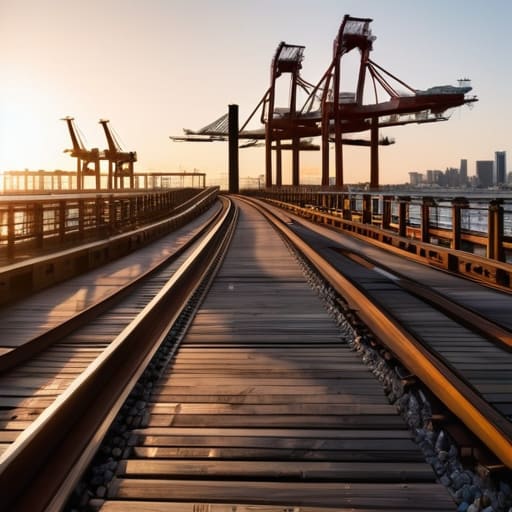
Looking back at the afternoon, I realize that Yokohama’s waterfront isn’t just a collection of scenic vistas or reconstructed piers; it is a complex, living machine. From the sweeping, deliberate curves of the Osanbashi Pier to the more understated, salt-worn edges of the Kanagawa coast, every element serves a purpose in the city’s larger movement. I found that by stepping away from the crowded landmarks and focusing on the underlying infrastructure—the way the ships dock, the way the trains navigate the coastal bend, and the way the wind moves through the harbor—the city finally began to make sense. It is in these intersections of function and form that the true character of the region reveals itself.
As I sit here, sketching the final lines of a transit map in my notebook, I am reminded that we often miss the most profound parts of a journey because we are too busy looking for the destination. The beauty of Yokohama doesn’t demand your attention with neon lights or grand gestures; instead, it asks for your patient observation. If you allow yourself to slow down and watch the way the tide interacts with the concrete, you will find a sense of order that is deeply grounding. Don’t just visit the waterfront; learn its rhythm, and you might just find yourself breathing in sync with the city.
Frequently Asked Questions
How does the timing of the local train schedules affect the experience of walking the pier at dusk?
There is a specific, fleeting magic when the pier walk aligns with the evening rush. As the sun dips, the scheduled arrival of the local lines dictates the pier’s tempo. When a train pulls into the nearby station, there is a sudden surge of human energy—a brief, rhythmic influx of commuters cutting through the twilight. I find that waiting for the lull between these schedules offers the most profound stillness, allowing the city’s mechanical pulse to settle.
Are there any quiet, lesser-known spots along the waterfront where one can sit and sketch without the crowds?
If you’re looking to escape the Osanbashi crowds, head toward the quieter stretches near Yamashita Park, specifically the shaded alcoves near the end of the pier. I often find myself tucked away near the old Red Brick Warehouse’s periphery, where the wind carries the scent of the bay but the foot traffic thins. There’s a small, unassuming bench near the water’s edge that offers a perfect, steady vantage point for sketching the ship silhouettes.
What is the most efficient way to navigate between the pier and the more secluded coastal areas of Kanagawa?
To bridge the gap between the pier and the quieter stretches of Kanagawa, skip the taxis; they’re too insulated from the landscape. I find the best rhythm by taking the Minatomirai Line to Motomachi-Chukagai, then transitioning to the local JR lines. It requires a bit of patience and a keen eye for the transfer timings, but the train window offers a better perspective on how the industrial outskirts gradually soften into the coastline.
