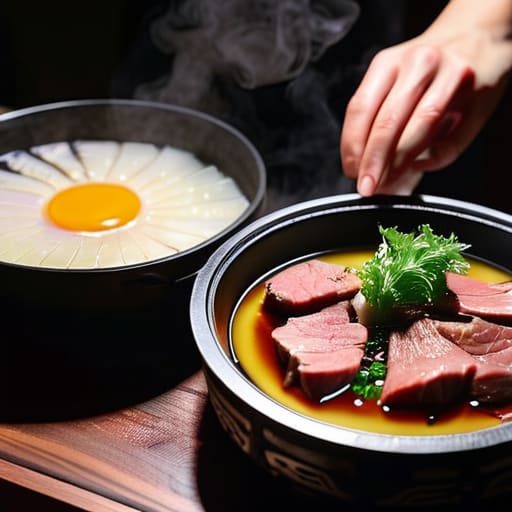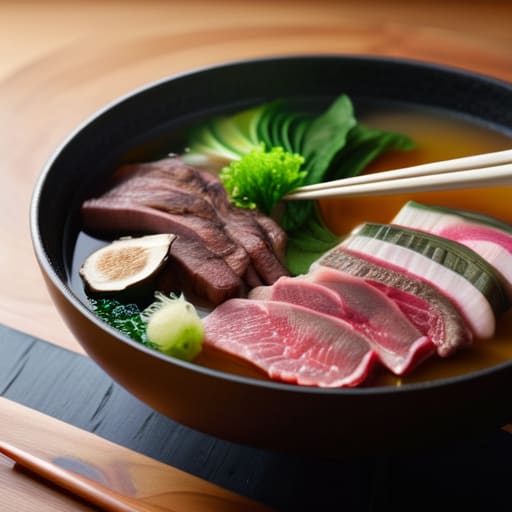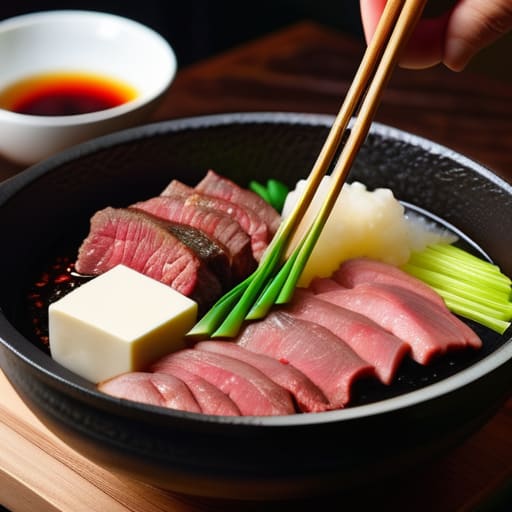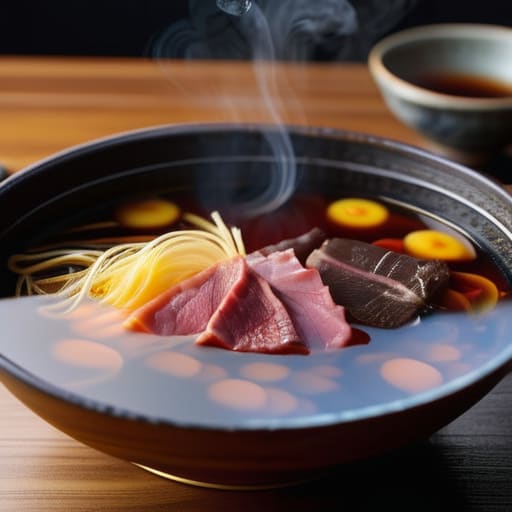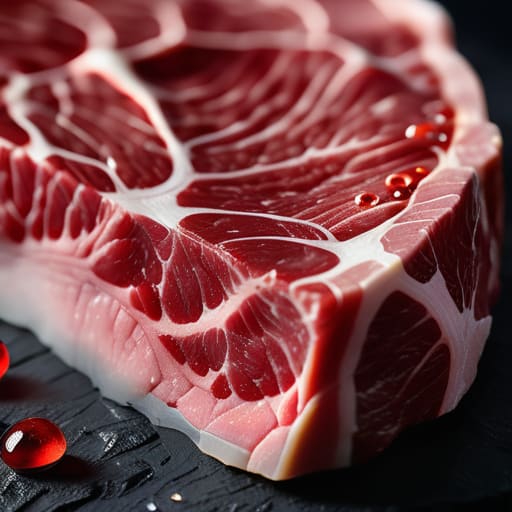
I was sitting in a cramped, dimly lit izakaya in Osaka’s Umeda district last Tuesday, watching a young salaryman stare in disbelief at a bill that could have paid for a month of subway passes. He had been sold a dream of “luxury” that was nothing more than clever marketing and an inflated price tag. Most people approach a wagyu beef guide expecting a roadmap to the most expensive cuts on the menu, but they often miss the point entirely. They get lost in the hype of gold leaf and celebrity chefs, forgetting that the true essence of this meat isn’t about the status it confers, but the unrivaled precision of its composition.
I have no interest in the performative side of fine dining. My goal here is to strip away the pretension and provide a practical, logistics-minded approach to understanding what you are actually putting on your plate. This won’t be a list of overpriced tourist traps; instead, I will offer a grounded wagyu beef guide rooted in observation and substance. I want to help you distinguish between genuine marbling and mere marketing fluff, so you can find that quiet, perfect moment of flavor without paying for the theater.
Table of Contents
- The Marbling Score Explained Reading the Map of Flavor
- The Difference Between Kobe and Wagyu Seeking the Rare Truth
- The Logistics of the Perfect Bite: Five Rules for the Discerning Palate
- The Logistics of a Perfect Meal
- ## Beyond the Menu
- The Final Cut: Beyond the Marbling
- Frequently Asked Questions
The Marbling Score Explained Reading the Map of Flavor
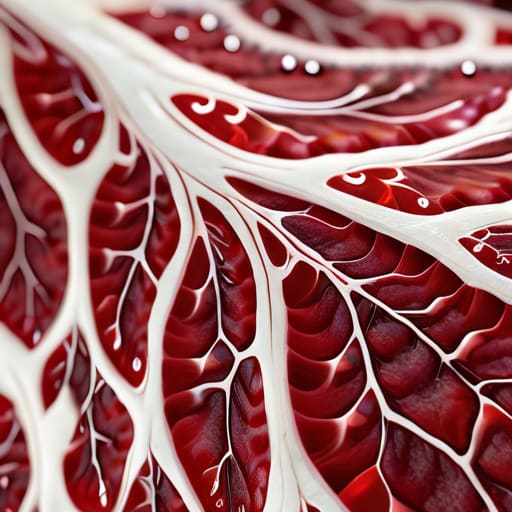
When I look at a slab of beef, I don’t just see food; I see a complex logistical map of fat and fiber. In the world of Japanese beef, this map is codified through the BMS—the Beef Marbling Score. Think of it as a grading system for density, much like how I used to assess the efficiency of a shipping route. A low score means clear, distinct lines of fat, whereas a high score presents a white, lace-like web that seems to defy physics. Understanding the marbling score explained is essential because it tells you exactly how much fat will melt into the muscle during the sear.
This is where many travelers get lost in the terminology. You will often hear people debate the difference between Kobe and Wagyu, but it is a distinction of pedigree rather than a different species. Kobe is a specific, highly regulated brand of Wagyu, much like a specialized high-speed rail line compared to the broader national network. When you are staring at a menu, don’t just look for the highest number. Look for the balance—the point where the intramuscular fat promises to transform the texture into something almost ethereal.
The Difference Between Kobe and Wagyu Seeking the Rare Truth
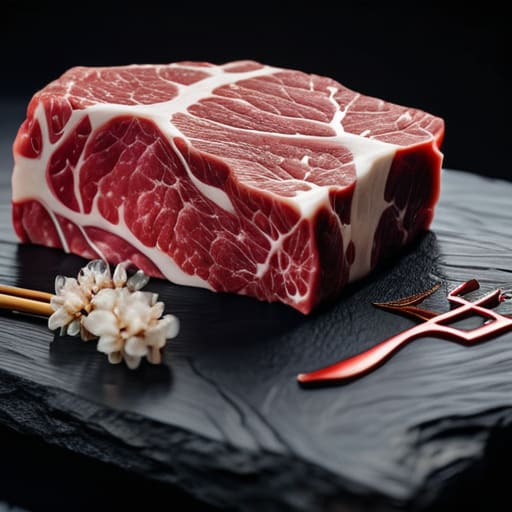
In my years managing logistics, I learned that a label is only as good as the system that verifies it. The same applies to your dinner plate. People often walk into a restaurant and assume “Kobe” is simply a synonym for high-quality beef, but that is a fundamental misunderstanding of the supply chain. To be true Kobe, the cattle must originate from the Hyogo Prefecture and adhere to incredibly rigid standards of lineage and diet. Think of it like a specific, highly regulated transit line versus a general regional rail; one has a very strict, singular path that defines its entire identity.
When you are navigating a menu, understanding the difference between Kobe and Wagyu is essential to managing your expectations. While all Kobe is Wagyu, not all Wagyu is Kobe. You might encounter A5 wagyu vs US wagyu comparisons, and while the American counterparts are excellent for a hearty meal, they lack that specific, ethereal melt that only the Japanese heritage breeds provide. It is the difference between a well-constructed map and a hand-drawn masterpiece; both serve a purpose, but only one captures the true soul of the landscape.
The Logistics of the Perfect Bite: Five Rules for the Discerning Palate
- Don’t let the price tag dictate your appetite; look for the provenance. Just as I wouldn’t trust a shipping manifest without a clear origin, I never trust a piece of beef that doesn’t name its prefecture. A specific origin is the only way to ensure the quality matches the claim.
- Respect the temperature of the room. I’ve learned that timing is everything in logistics, and it’s the same with Wagyu. Let the meat sit at room temperature for twenty minutes before it touches the heat; if you sear it straight from the fridge, you’ll lose that delicate, rhythmic melt of the fat.
- Treat the seasoning with restraint. In my years of consulting, I learned that overcomplicating a system usually breaks it. The same applies here. A heavy rub of garlic or complex spices will only mask the subtle, nutty nuances of the marbling. A simple pinch of sea salt is all that’s required to let the beef speak for itself.
- Watch the pan, not the clock. You aren’t cooking a standard steak here; you are managing a delicate chemical reaction. The fat in Wagyu has a lower melting point than almost any other protein. If you find yourself following a rigid timer, you’ve already lost the battle. Watch for the way the edges begin to shimmer.
- Plan for the aftermath. High-grade Wagyu is an intensive sensory experience, not a fuel stop. If you intend to enjoy a truly exceptional cut, don’t schedule a heavy meeting or a long walk immediately after. Give yourself the space to sit in the quiet and process the weight of what you’ve just eaten.
The Logistics of a Perfect Meal
Don’t be seduced by the label alone; understand that Wagyu is a spectrum of quality, and the most profound flavors often lie in the specific balance of marbling rather than just the highest grade.
Recognize the distinction between the prestige of Kobe and the broader Wagyu category, treating the former as a rare, specific destination and the latter as a vast, diverse landscape to be explored.
Look past the expensive presentation to find the truth in the texture, seeking that precise moment where the fat dissolves and reveals the character of the meat.
## Beyond the Menu
“Most people approach a meal like a checklist of luxury, but to truly understand Wagyu, you have to stop looking for a status symbol and start looking for the architecture of the fat—the way it maps out a landscape of flavor that exists only for a few fleeting, perfect moments.”
Rurik Salonen
The Final Cut: Beyond the Marbling
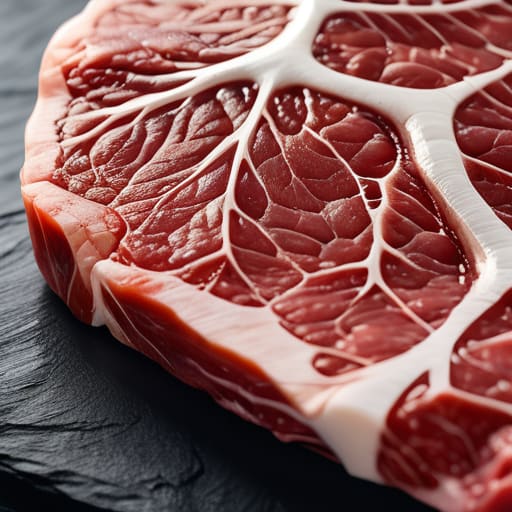
Navigating the world of Wagyu is, in many ways, much like navigating the complex transit networks of Tokyo; it requires patience, a bit of study, and an eye for the subtle distinctions that separate the ordinary from the exceptional. We have looked at how the marbling scores act as a blueprint for flavor and how the specific distinction of Kobe beef carries a pedigree that few other products can claim. Understanding these nuances doesn’t just make you a more informed diner; it allows you to appreciate the logistical precision required to bring such a delicate product from a specialized farm to a quiet corner of a restaurant. When you know what to look for, you stop being a mere consumer and start becoming a discerning observer of craft.
Ultimately, my search for the quiet beauty in a city has taught me that the most profound experiences rarely come from the loudest or most expensive sources. The true essence of Wagyu isn’t found in a flashy marketing campaign, but in that singular, fleeting moment when the fat dissolves and the world seems to slow down just a fraction. Don’t rush the meal, and don’t rush the discovery. Seek out the small, unassuming vendors who respect the lineage of the cattle, and remember that the best way to taste a culture is to sit still, observe the details, and let the complexity unfold at its own pace.
Frequently Asked Questions
How can I tell the difference between high-quality Wagyu and a clever imitation when I'm standing at a busy butcher counter?
Don’t let the glossy displays or the frantic energy of the market cloud your judgment. When you’re standing there, ignore the marketing. Look instead at the color and the grain. Real Wagyu has a subtle, pearlescent sheen to its fat, not a stark, waxy white. The marbling shouldn’t look like scattered flecks; it should flow like a fine, intricate map through the muscle. If the fat looks too uniform or artificial, walk away.
Is the intense marbling actually sustainable, or is there a more balanced cut for someone who wants flavor without the heavy fat?
To be honest, the obsession with extreme marbling feels a bit like a logistical bottleneck—it’s high-intensity, but perhaps not sustainable for the palate or the long term. If you find the heavy fat overwhelming, look toward the Zebu-cross breeds or even high-quality Akoushi. I often find that a well-marbled sirloin or a strip loin offers a more balanced ratio; you get that deep, umami-rich essence without the cloying weight that lingers too long.
If I'm cooking this at home, what is the most practical way to respect the meat without overcomplicating the process?
The best approach is a lesson in restraint. Don’t crowd the pan or reach for complex rubs; the meat is the architect here. I find that a heavy cast-iron skillet, a precise room-temperature temper, and nothing more than coarse sea salt and a whisper of pepper do the job. Let the fat render slowly, creating its own natural basting liquid. In logistics, as in cooking, the most efficient path is often the simplest.