Category: Japan

  • Tips for Traveling by Shinkansen

    Tips for Traveling by Shinkansen

    I remember sitting in Shin-Osaka station three years ago, watching a frantic traveler struggle with a mountain of colorful, confusing rail passes that had cost him more than the actual journey. He was so preoccupied with trying to “optimize” every yen that he missed the subtle, rhythmic beauty of the platform’s choreography. Most people approach shinkansen travel tips as a mathematical puzzle to be solved or a race to be won, but that is a fundamental misunderstanding of how these veins of Japan actually work. If you spend your entire trip staring at a spreadsheet of transit costs, you’ll find yourself arriving at your destination exhausted, rather than truly present.

    I’m not here to sell you on expensive, unnecessary tourist gimmicks or complex loopholes that require a degree in logistics to navigate. Instead, I want to share the practical, ground-level realities I’ve gathered from years of observing these transit corridors. My goal is to provide you with straightforward, functional wisdom—the kind that helps you secure a seat with a view, manage your luggage without losing your mind, and actually feel the pulse of the country as it streaks past your window.

    Table of Contents

    Mastering the Smartex App Booking and Seat Reservation Guide
    Mastering the Smartex App Booking and Seat Reservation Guide

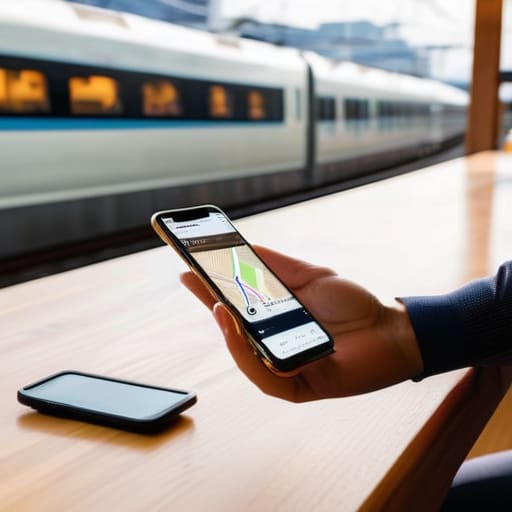
    I’ve always believed that efficiency is the backbone of any successful journey, and when navigating the corridor between Tokyo and Osaka, your digital toolkit is just as vital as your physical itinerary. The smartEX app booking process can feel a bit daunting at first glance—the interface isn’t as intuitive as a Western banking app—but once you grasp its logic, it becomes an indispensable asset. I prefer setting up my account well in advance of my departure; there is a certain peace of mind that comes from knowing your seat is secured before you even step foot into the station.

    When you finally reach the reservation screen, don’t just click through the options blindly. This is your unofficial shinkansen seat reservation guide in practice: if you are traveling with large suitcases, you must specifically select the “seats with oversized luggage area” option. Failing to do so is a logistical headache you want to avoid. I find that booking these specialized rows allows for a much more seamless transition from the platform to the carriage, ensuring you aren’t fumbling with heavy bags in a crowded aisle while trying to maintain proper bullet train etiquette.

    Calculating the True Japan Rail Pass Value
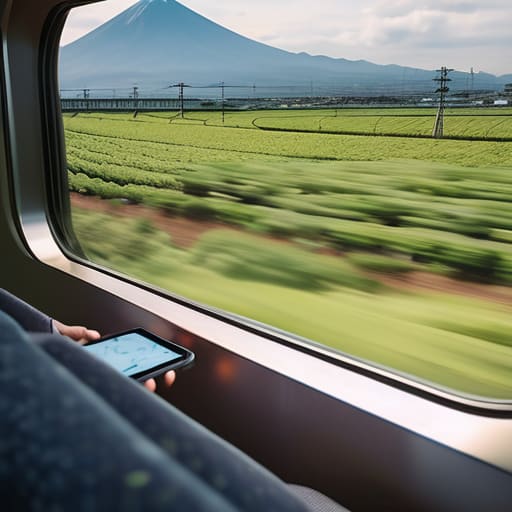
    Calculating the True Japan Rail Pass Value.

    Calculating the True Japan Rail Pass Value

    After years of managing complex logistics, I’ve learned that the most efficient solution is rarely the cheapest one. Many travelers fall into the trap of assuming a JR Pass is a universal “must-buy,” but the math has shifted significantly with recent price hikes. To determine the actual japan rail pass value, you have to move beyond guesswork. I always sit down with my notebook and map out a specific itinerary—say, a trip from Tokyo to Osaka and back—and compare the individual ticket costs against the pass. If you are only traversing a single corridor, the pass often becomes an expensive anchor rather than a tool for freedom.

    However, the calculation isn’t purely about the fare; it’s about the frictionless nature of the experience. If your journey involves frequent, spontaneous hops between regional hubs, the pass offers a level of logistical fluidity that individual tickets can’t match. You must also factor in the minor costs of convenience. While I personally prefer the precision of the smartEX app booking for specific legs, the pass provides a certain psychological ease when you’re navigating the deeper, more complex layers of the rail network. Always audit your route before committing your yen.

    The Logistics of the Journey: Five Practicalities for the Observant Traveler

    • Pack your station snacks with purpose. Rather than hunting for food amidst the frantic rush of a terminal, head to a local depachika—the basement food halls of major department stores—an hour before departure. A well-curated selection of seasonal bento and a cold tea will transform a mere transit period into a deliberate moment of reflection.
    • Master the art of the oversized luggage rule. The logistics of the Shinkansen are precise, and they leave little room for error regarding space. If your suitcase is particularly large, you must book a seat with the designated “oversized baggage area” at the end of the carriage. It is a small detail, but it prevents the unnecessary friction of navigating a crowded aisle with heavy gear.
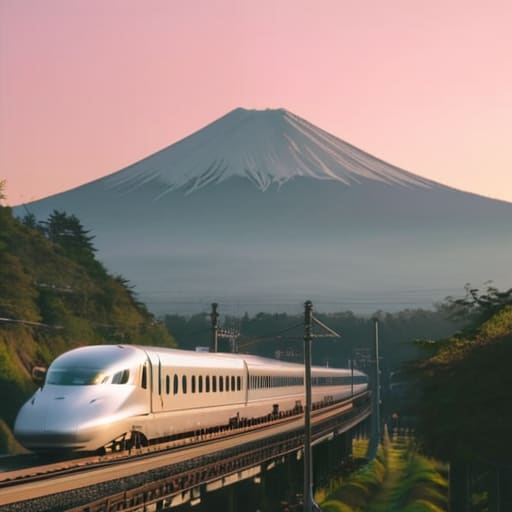
    • Time your departures to catch the light. If you are traveling along the Tokaido line, aim for a morning departure heading west. If you can secure a seat on the right side of the train, the view of Mount Fuji as the landscape unfolds is a quiet, fleeting reward that no guidebook can adequately describe.
    • Use the station kiosks as your second set of eyes. While digital apps are efficient, the physical ticket machines and station staff offer a layer of tactile certainty. I often find myself checking the printed departure boards several times; there is a certain peace of mind in seeing the mechanical precision of the schedule laid out in ink and light.
    • Embrace the silence of the carriage. The Shinkansen is a marvel of engineering, but its true beauty lies in its social etiquette. Respect the quietude of the cabin. It is the perfect environment to open my notebook, sketch a few lines of the route, or simply watch the blur of the Japanese countryside through the glass.

    The Logistics of a Seamless Journey

    Prioritize the SmartEX app for flexibility; being able to adjust your seat or timing from your phone removes the friction that often disrupts a well-planned itinerary.

    Don’t view the JR Pass as a mere discount card, but as a strategic tool; calculate its utility against your specific route to ensure your transit budget is working as hard as you are.

    Treat the transit time itself as part of the destination; the window seat is not just a view, but a vantage point to observe the changing landscape and the quiet efficiency of the Japanese countryside.

    ## The Logic of the Line

    “A Shinkansen ticket is more than just a reservation for a seat; it is a logistical bridge between two worlds. Don’t just focus on the arrival time; focus on the transition—the way the frantic pulse of Tokyo dissolves into the steady, rhythmic glide of the countryside.”

    Rurik Salonen

    The Art of the Journey
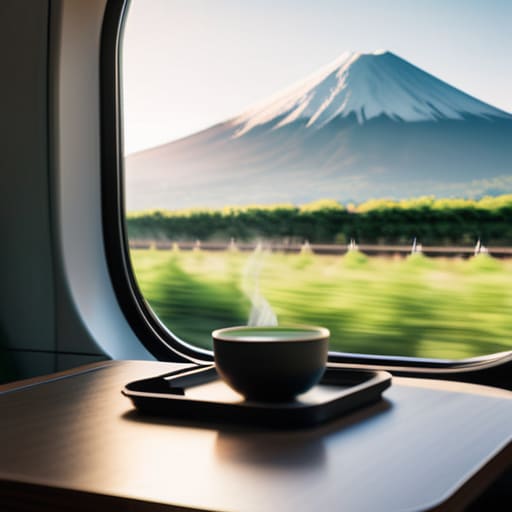
    The Art of the Journey through travel.

    At the end of the day, navigating the Shinkansen is less about the technicalities of the SmartEX app or the math behind the JR Pass, and more about removing the friction from your itinerary. Once you have secured your seat and verified your route, the logistics fade into the background, leaving you free to actually experience the movement. Whether you are optimizing your costs or ensuring you have the perfect window seat for a view of Mount Fuji, the goal is to reach a state of operational ease. When the logistics are handled, the travel itself ceases to be a series of hurdles and becomes a seamless part of your narrative.

    I often find that the most profound moments of a trip happen in that quiet space between departure and arrival. As the train hums along its track, slicing through the landscape with a precision that even my old logistics clients would envy, I encourage you to put down the guidebook. Don’t just look at the map; look at the way the light hits the rice paddies or how the station attendants move with such practiced, silent grace. The Shinkansen is more than just a high-speed link between cities; it is a vessel for observation. Use the speed to get where you are going, but use the stillness to truly see where you are.

    Frequently Asked Questions

    How do I manage my luggage if I'm carrying oversized bags through the busy transfer stations?

    Navigating Shinkansen transfers with oversized luggage requires more than just physical strength; it requires foresight. Don’t rely on luck at the gates. When booking via SmartEX, specifically reserve a seat in the “oversized baggage area” at the end of the carriage. It gives your bags a dedicated home. When moving through stations like Tokyo or Shin-Osaka, look for the elevators—ignore the escalators. They are efficient for people, but a logistical nightmare for heavy suitcases.

    Is it worth paying extra for the Green Car, or is the standard seating sufficient for a long journey?

    Whether the Green Car is worth the premium depends entirely on your tolerance for the city’s friction. If you are moving a family or carrying heavy gear, the extra space and quiet are invaluable. However, for a solo traveler, I find the standard cars perfectly functional. They are efficient, clean, and part of the city’s pulse. If you want to observe the landscape without distraction, pay for the upgrade; otherwise, the standard seat is plenty.

    What is the best way to handle last-minute changes to my itinerary if a connection is missed?

    When a connection slips through your fingers, don’t let the friction of the moment cloud your judgment. Head straight to the nearest Midori no Madoguchi—the green ticket office. The staff there possess a quiet, practiced efficiency that can untangle even the messiest logistical knot. If the queues look daunting, find a multi-function ticket machine; they are surprisingly intuitive. Stay calm, check the next departure on the board, and remember: a delay is just a forced pause in the rhythm.
  • Visiting the Most Significant Temples in Kyoto

    Visiting the Most Significant Temples in Kyoto

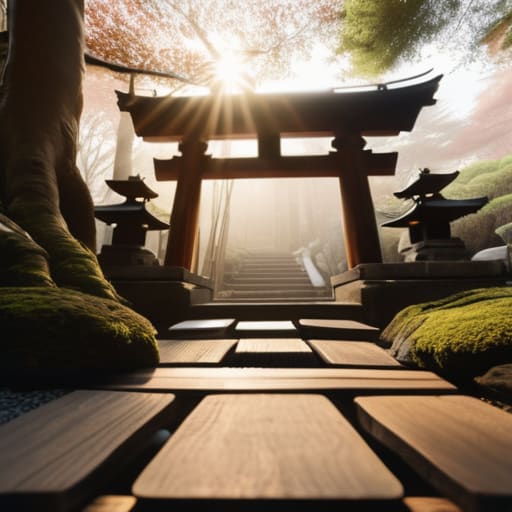
    I was sitting on a damp wooden bench near the Kinkaku-ji perimeter last Tuesday, watching a tour group of forty people surge toward the Golden Pavilion like a broken supply chain. They were all jostling for the same mediocre photo angle, completely oblivious to the rhythmic clack-clack of a bamboo water fountain just twenty feet behind them. It struck me then that most people approach kyoto temples as if they are items on a checklist, rushing from one gilded monument to the next without ever actually seeing anything. They chase the postcard, but they miss the pulse of the city.

    I’m not here to sell you on the crowded landmarks or the overpriced souvenir stalls that line the main thoroughfares. My goal is to show you how to navigate the city’s spiritual architecture with a bit more intentionality. I’ll be sharing the specific, quiet corners where the incense actually lingers in the air and the stone paths haven’t been worn smooth by thousands of frantic footsteps. We are going to look past the hype to find the functional beauty of these sacred spaces, focusing on the small, steady details that make Kyoto truly breathe.

    Table of Contents

    Tracing the Lines of Traditional Japanese Architecture

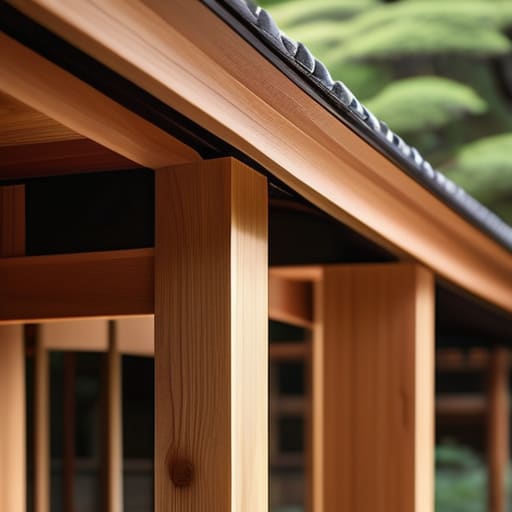
    Tracing the Lines of Traditional Japanese Architecture.

    When I sit on the wooden veranda of a temple in the Higashiyama district, I find myself less interested in the scale of the structures and more captivated by the joinery. There is a profound logic to traditional Japanese architecture that resonates with my old logistics brain; it is a system of interlocking parts designed to breathe with the seasons. Unlike the rigid steel of a modern subway station, these timber frames allow for a subtle, necessary movement. You see it in the way the eaves extend to shield the paper screens from the summer rains, a calculated response to the environment that has remained unchanged for centuries.

    Navigating these spaces requires more than just a map; it requires a certain rhythm. While many travelers rush toward the famous UNESCO World Heritage sites in Kyoto, I prefer to watch how the light hits the grain of a weathered cedar pillar. There is a quiet, mathematical elegance in the proportions. It isn’t just about aesthetics; it is about a structural philosophy where every beam serves a purpose, ensuring the building survives the humidity and the weight of time.

    Finding the Best Time to Visit Kyoto Temples

    Finding the Best Time to Visit Kyoto Temples.

    Most people arrive in Kyoto with a checklist of UNESCO World Heritage sites and a rigid schedule, only to find themselves fighting through a sea of selfie sticks. If you want to actually feel the weight of the history here, you have to respect the rhythm of the city. For me, the best time to visit Kyoto temples isn’t a specific month, but rather a specific hour. I’ve found that arriving at the gates just as they open—often around 8:00 or 9:00 AM—allows you to catch the morning light hitting the cedar wood before the crowds descend. There is a profound, heavy silence in those early hours that no guidebook can replicate.

    Seasonality matters, certainly. The cherry blossoms are a spectacle, but they bring a frantic energy that disrupts the contemplative nature of these spaces. I prefer the biting clarity of late autumn or the hushed, grey stillness of a rainy February morning. When the crowds thin, you can finally observe the subtle nuances of traditional Japanese architecture without distraction. It is in these quiet, off-peak moments that the spiritual landmarks of the city truly begin to speak.

    The Logistics of Stillness: Practical Advice for the Observant Traveler

    • Leave the major landmarks to the tour groups. If you want to actually see the architecture without a sea of selfie sticks, aim for the smaller, neighborhood temples. They lack the grand marketing, but they offer the quietude required to actually notice the grain of the wood.
    • Master the local bus network before you step foot outside your hotel. Kyoto’s transit isn’t as seamless as Tokyo’s subway, but if you understand the rhythm of the bus lines, you can reach the outskirts where the temples feel less like museums and more like living spaces.
    • Carry a physical map and a small notebook. GPS is a fine tool, but it pulls your eyes toward a screen. To truly understand how a temple complex is laid out, you need to look up, observe the path, and perhaps sketch the way the light hits a specific roofline.
    • Respect the silence, not just as a rule, but as a way of seeing. When you enter a temple precinct, lower your volume and slow your pace. The stillness isn’t just for the monks; it’s a tool that allows you to hear the wind through the cedars and the subtle creak of the floorboards.
    • Pack for transitions. Moving from a humid street into a cool, shaded temple interior, or from a bright courtyard into a dim hall, requires a certain level of preparedness. A lightweight layer is essential if you intend to spend hours observing the interplay of shadow and light.

    Essential Observations for the Mindful Traveler

    Prioritize the rhythm of the transit lines over the density of the itinerary; a temple is best experienced when you aren’t rushing to catch the next bus.

    Look past the polished facades to find the structural integrity and quiet purpose in the smaller, weathered wooden joints that hold these spaces together.

    Seek out the periphery of the major landmarks, as the true character of Kyoto often resides in the stillness of the outskirts rather than the crowds of the center.

    The Architecture of Stillness

    “Most travelers come to Kyoto to see the gold leaf and the grand timber frames, but I find the true design of these temples lies in the intentionality of the empty space—the way a single stone or a carefully raked patch of gravel dictates the rhythm of your breath and forces the chaos of the modern world to simply fall away.”

    Rurik Salonen

    The Quiet After the Crowd

    The Quiet After the Crowd in Kyoto.

    As I close my notebook and pack away my Leica, I’m reminded that Kyoto isn’t a checklist of gilded pavilions or famous names. It is a delicate balance of structural precision and seasonal rhythm. We have looked at the way the timber frames hold the weight of centuries, the way the light shifts through the temple gardens, and how to time your arrival to avoid the heavy, suffocating tide of the midday crowds. To truly understand these spaces, you have to respect their logistics—knowing when to move and when to simply stand still. It is in that intentional stillness that the architecture finally begins to speak.

    Ultimately, my time spent navigating these sacred grounds has taught me that the most profound travel experiences aren’t found in the center of the spectacle, but in the margins. Don’t be afraid to take a wrong turn at a bus stop or wander into a temple that lacks a famous landmark. Often, it is the unremarkable corner of a minor shrine that offers the most clarity. If you approach Kyoto with a sense of patience rather than a sense of urgency, you will find that the city doesn’t just show you its history—it allows you to feel its pulse.

    Frequently Asked Questions

    How can I navigate the temple districts without getting caught in the main tourist crowds?

    The secret lies in the transit nodes. Most people swarm the bus lines leading to Kinkaku-ji, creating a bottleneck of noise. Instead, I prefer to walk the secondary arteries. If you use the local subway to reach a peripheral station and then navigate the residential backstreets on foot, you’ll find the smaller, unlisted sub-temples. They aren’t on the major maps, but they offer the silence necessary to actually observe the architecture.

    Are there specific temples that offer a more contemplative experience for someone interested in the architectural details?

    If you want to study the joinery and the way light hits cedar without a crowd of selfie sticks in your frame, head to Honen-in. It’s tucked away near the Philosopher’s Path and feels remarkably still. For pure structural integrity and spatial rhythm, Nanzen-ji is unmatched; the scale of its Sanmon gate is a masterclass in balance. These aren’t just sites to see; they are blueprints of intentionality you can actually feel.

    What is the most efficient way to use the local bus and rail lines to reach the quieter, outlying sanctuaries?

    To reach the outskirts, skip the central bus loops; they’re too prone to congestion. Instead, rely on the Eizan Electric Railway for the northern hills or the Hankyu lines for the western fringes. Once you disembark at the smaller stations, the real work begins. I usually find that a short, purposeful walk from a local bus stop is better than waiting an hour for a connection. Efficiency in Kyoto is about movement, not just speed.

  • Essential Street Food Experiences in Osaka

    Essential Street Food Experiences in Osaka

    I remember standing under the relentless neon glare of Dotonbori last autumn, watching a crowd of tourists surge toward a brightly lit stall that promised “authentic” flavors but delivered nothing more than overpriced, frozen dough. It was a logistical nightmare of inefficiency and wasted potential. Most people approach osaka street food as if it were a checklist of famous landmarks, rushing from one massive queue to the next, chasing the same Instagram-ready spectacle. But if you treat a city like a mere menu of highlights, you miss the actual mechanics of its culture.

    I have no interest in guiding you toward the polished, commercialized traps that cater to the masses. Instead, I want to show you how to navigate the narrow capillaries of the city, where the real nourishment happens. My goal is to provide a map of the quiet, functional corners where the steam rises from a single, unassuming window and the quality is found in the precision of the craft. I will share the specific stalls and side streets that offer a genuine connection to the city’s pulse, stripped of the unnecessary hype.

    Table of Contents

    Tracing the Steam a Map of Osakas Hidden Flavors

    Tracing the Steam a Map of Osakas Hidden Flavors

    Tracing the Steam: A Map of Osaka’s Hidden Flavors

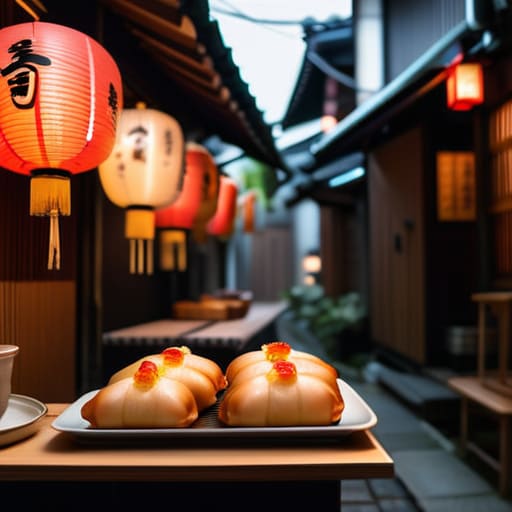
    I rarely find myself following the neon-soaked main thoroughfares of Dotonbori for long. While the crowds surge toward the Glico Man, I prefer to look for the subtle shifts in the architecture—the way a narrow gap between two concrete buildings suggests a passage to something more authentic. If you look closely at the alleyways, you can find a makeshift Osaka street food map written in the very steam rising from the grates. It is in these cramped, lantern-lit corridors that you find the true heart of the city’s culinary rhythm.

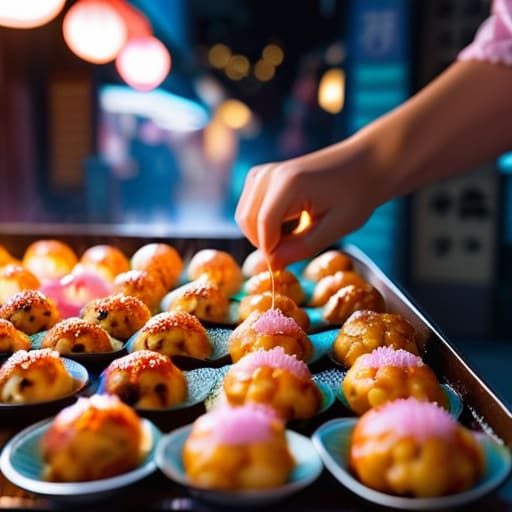
    I often find myself drawn to the smaller stalls tucked away near the older residential pockets, far from the tourist traps. There is a certain logistical grace to a vendor who has operated from the same three-square-meter space for forty years. These are the affordable eats in Osaka that provide a sense of continuity in an ever-changing urban landscape. Whether it is the precise, rhythmic flip of an octopus ball or the quiet hiss of a grill, these moments offer a glimpse into a way of life that values consistency over spectacle.

    Beyond the Neon Finding Affordable Eats in Osakas Alleys

    Beyond the Neon Finding Affordable Eats in Osakas Alleys

    The glare of the Glico Man sign is a necessary landmark, but it is also a distraction. For those of us who prefer to look closer, the real value lies in the periphery. If you step just two or three blocks away from the main thoroughfares of Dotonbori, the sensory overload begins to subside, replaced by a more rhythmic, localized energy. This is where you find the affordable eats in Osaka that the guidebooks often overlook. I find myself drawn to these narrow veins of the city, where the menu is usually scrawled on a chalkboard and the proprietor has likely been standing behind the same counter for decades.

    There is a specific kind of honesty in these smaller stalls. You aren’t paying for the spectacle; you are paying for the craft. While the crowds fight for the most famous must-eat snacks in Dotonbori, I prefer to find a quiet corner where the only sound is the rhythmic scrape of a spatula against a griddle. It is in these unpolished spaces that you truly grasp the essence of the local food culture—a commitment to consistency and a refusal to prioritize flash over flavor.

    The Logistics of Flavor: A Few Rules for Navigating the Stalls

    • Follow the crowd, but look for the gaps. While a long line usually signals quality, the real gems often lie in the stall that has a steady, quiet rotation of locals rather than a frantic swarm of tourists.
    • Master the art of the single-handed meal. Many of the best bites in Osaka are designed to be eaten standing up or while walking. Keep one hand free for your camera or your notebook; you’ll want it when the light hits the steam just right.
    • Cash is your primary currency. Even in a city as technologically advanced as this, the most authentic street vendors often operate on a strictly analog basis. I never leave my hotel without a sufficient reserve of yen tucked into my wallet.
    • Observe the rhythm of the vendor. A well-run stall is a marvel of micro-logistics. Watch how they manage their heat, their ingredients, and their pace; the most efficient operations almost always produce the most consistent results.
    • Embrace the mess. Trying to maintain a pristine appearance while eating takoyaki or kushikatsu in a narrow alley is a losing battle. Let the sauce smudge; it is simply part of the sensory experience of the city.

    The Logistical Essence of the Osaka Palate

    True flavor is rarely found under the glare of the main thoroughfares; you must look for the stalls tucked into the secondary arteries of the city where the foot traffic slows and the steam lingers.

    Don’t let the lack of English menus or the cramped quarters deter you; the most efficient way to experience Osaka’s culinary soul is to follow the local rhythm and sit where the workers do.

    Treat street food not as a quick snack between sights, but as a study in urban function—each vendor is a master of a single, highly specialized logistical process that has been perfected over decades.

    The Logistics of Flavor

    Most people see a crowded food stall as a disruption to the flow of the street, but I see it as the city’s most essential junction—a place where the frantic pace of the metropolitan grind momentarily halts, held in place by nothing more than the scent of toasted dough and the steady, rhythmic scrape of a metal spatula against a griddle.

    Rurik Salonen

    The Last Bite and the Long Walk Home

    The Last Bite and the Long Walk Home.

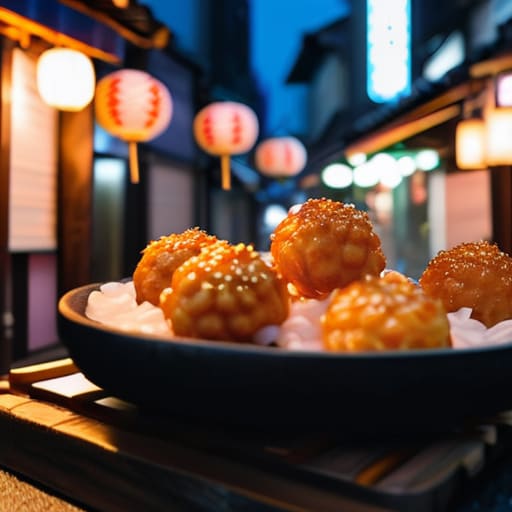
    As I sit here in a small corner shop, the ink from my notebook still fresh, I realize that navigating Osaka’s food scene is much like navigating its complex subway lines. It requires a certain level of patience and a willingness to deviate from the main thoroughfare. We have traced the steam rising from the heavy iron pans of the Takoyaki vendors and wandered through those narrow, dimly lit alleys where the real culinary history is kept. To find the best street food, you cannot simply follow the brightest neon sign; you must look for the places where the locals stand, where the rhythm of the kitchen feels steady, and where the logistics of flavor are handled with practiced, unhurried precision.

    Ultimately, Osaka is not a city you consume through a checklist of famous landmarks. It is a city you absorb through your senses, one small, steaming bite at a time. When you step away from the polished tourist hubs and allow yourself to get slightly lost in the labyrinth of side streets, you begin to understand the city’s true pulse. Don’t be afraid of the grit or the noise. In those quiet moments between the rush of the crowds, you will find that the soul of the city isn’t found in a guidebook, but in the simple, honest warmth of a shared meal in a doorway.

    Frequently Asked Questions

    Is there a particular time of day when the smaller, family-run stalls are most authentic, or should I stick to the evening rush?

    If you want to see the gears of the city turning without the friction of the crowds, aim for the late afternoon—around 3:00 or 4:00 PM. The lunch rush has dissipated, and the evening frenzy hasn’t yet begun. This is when the proprietors have a moment to breathe, the steam rises more predictably, and you can actually observe the rhythm of their work. Avoid the evening rush if you seek observation over speed.

    How do I navigate the etiquette of eating while walking, especially in the more crowded market districts?

    In my years managing logistics, I learned that flow is everything. In Osaka’s crowded markets, the “flow” is your guide. Avoid eating while walking through the main arteries; it creates friction and spills. Instead, find a small corner or stand near the stall to finish your meal. It’s a matter of respect for the space and the vendor. If you must move, do so with purpose, never blocking the path.

    Beyond the famous takoyaki and okonomiyaki, what are the subtle, seasonal flavors I should look for to truly understand the local palate?

    To understand the local palate, you must look toward the seasons. In spring, seek out takenoko (bamboo shoots) for that fleeting, earthy brightness. As summer heat settles, look for nagashi somen—thin noodles flowing through cool bamboo flumes. When autumn arrives, the focus shifts to sanma (Pacific saury), grilled simply over charcoal. These aren’t just meals; they are the city’s way of acknowledging the passing of time. Watch the menus, not just the signs.

  • How to Navigate the Tokyo Subway System

    How to Navigate the Tokyo Subway System

    I remember standing at the mouth of Shinjuku Station last autumn, clutching my notebook and feeling the sheer, overwhelming weight of ten thousand souls moving in unison. Most people see the labyrinthine tunnels and the flashing digital displays as a source of anxiety, but to me, they represent the most sophisticated circulatory system ever designed. If you search for a tokyo subway guide online, you’ll likely find a dizzying array of colorful maps and overpriced transit passes that promise to “simplify” your life, yet they often miss the logistical reality of how this city actually functions.

    I’m not here to sell you on the tourist-friendly highlights or the most expensive way to get from point A to point B. Instead, I want to offer you a way to navigate these veins with precision and calm. My goal is to provide a practical, no-nonsense framework for understanding the lines, the transfers, and the quiet logic beneath the concrete. We aren’t just looking for directions; we are looking for the rhythm of the city, ensuring you move through Tokyo not as a confused spectator, but as a seasoned observer.

    Table of Contents

    Navigating the Veins Tokyo Metro vs Toei Subway.

    To the uninitiated, the sheer density of the underground network can feel like a logistical fever dream. However, the first hurdle is distinguishing between the two primary operators: Tokyo Metro vs Toei Subway. While they share the same tracks in some stretches, they are distinct entities with different fare structures. I’ve found that the most seamless way to manage this complexity is through consistent Suica or Pasmo card usage; these rechargeable smart cards act as a universal key, smoothing over the friction of switching between the two systems without the need to fumble for individual tickets at a kiosk.

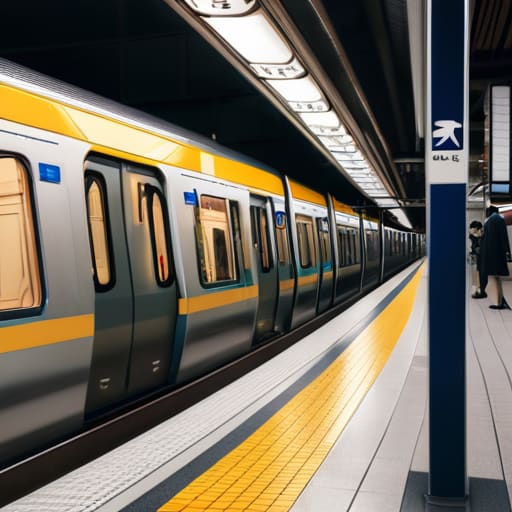
    Navigating these layers requires more than just a glance at a screen. While I often rely on Google Maps for Tokyo transit to plot my most efficient routes, I find that truly mastering the system comes from understanding subway color coding. Each line possesses a distinct hue and letter designation—a visual shorthand that prevents you from wandering aimlessly through a labyrinth of concrete. When you are transferring between train lines, look for those colored markers on the floor and pillars; they are the quiet, functional signals that keep the city’s massive circulatory system from collapsing into chaos.

    The Silent Language of Understanding Subway Color Coding

    The Silent Language of Understanding Subway Color Coding

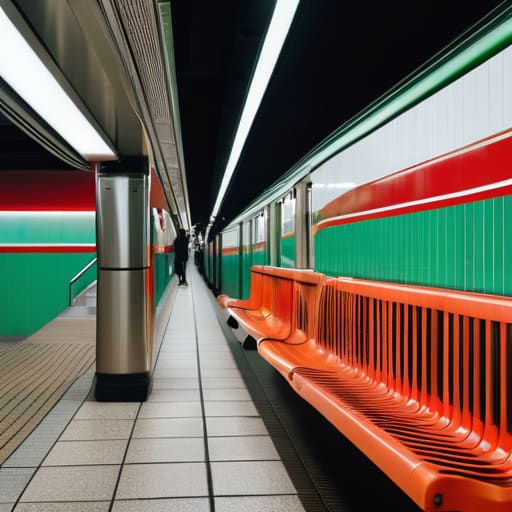
    When I first stepped into Shinjuku Station, the sheer volume of signage felt less like a guide and more like a sensory assault. It was only after sitting on a wooden bench, watching the commuters move with practiced precision, that I realized the system isn’t meant to be read—it’s meant to be felt. Understanding subway color coding is the first step toward finding your rhythm in this labyrinth. Each line carries a distinct visual identity, from the deep crimson of the Marunouchi Line to the vibrant green of the Ginza Line. These aren’t just aesthetic choices; they are the shorthand of the city, allowing you to navigate complex interchanges without ever having to break your stride.

    I’ve found that once you stop squinting at the kanji and start looking for those specific hues on the floor tiles and pillar wraps, the anxiety of transferring between train lines begins to dissipate. It turns a chaotic scramble into a predictable, almost meditative, flow. You learn to watch for the colored strips on the platform edges, letting the visual cues guide you toward the correct carriage before the doors even slide open.

    The Logistics of Flow: Five Practical Rules for the Discerning Traveler

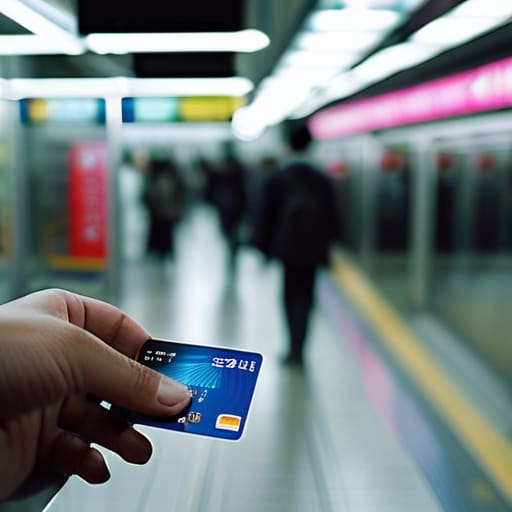
    • Don’t bother with paper tickets for every single leg of your journey; they are a logistical headache. Get an IC card—Suica or Pasmo—and let the contactless sensor do the work. It turns the friction of fare calculation into a seamless transition, allowing you to focus on the architecture rather than the vending machine.
    • Learn to respect the rhythm of the platform. There are markings on the ground for a reason; they dictate where the queue begins and ends. In my years of managing supply chains, I learned that efficiency is born from order. If you stand behind the line and wait for the crowd to exit before you board, you’ll find the commute much more civil.
    • Download an offline map, but keep your eyes up. While Google Maps is an indispensable tool for calculating transfer times, it can make you a walking obstacle. I prefer to study the station layout for a moment, find my bearings, and then move with intention rather than wandering aimlessly while staring at a glowing screen.
    • The “Last Train” is a real deadline, not a suggestion. Unlike many Western cities where transit might run sporadically through the night, Tokyo’s system has a definitive heartbeat that stops around midnight. If you miss that final connection, you aren’t just late—you’re looking at an expensive taxi ride or a long night in a station cafe.
    • Embrace the quietude of the off-peak hours. If you can, schedule your major movements between 10:00 AM and 4:00 PM. The rush hour is a masterclass in density, but the midday lull offers something better: a chance to observe the subtle details of the station design and the quiet, functional beauty of a city in motion.

    Lessons from the Platform

    Don’t let the complexity intimidate you; view the different operators not as a single confusing web, but as distinct, specialized systems that require a bit of mental compartmentalization.

    Master the visual shorthand of color and letter coding early on, as it allows you to navigate by instinct rather than constantly squinting at a digital screen.

    Use the transit rhythm to your advantage by observing the flow of the crowd, letting the collective movement of the city guide you toward your destination.

    ## The Logic of the Labyrinth

    “A map tells you where the lines go, but it doesn’t tell you how to feel the rhythm of the city; you don’t truly master the Tokyo subway until you stop fighting the complexity and start listening to the flow of the crowd.”

    Rurik Salonen

    Beyond the Ticket Gate

    Navigating Tokyo transit Beyond the Ticket Gate.

    As you prepare to step into the labyrinth, remember that mastery of this system isn’t just about knowing whether you are boarding a Tokyo Metro or a Toei line. It is about respecting the logic of the color coding and understanding how these various networks intersect to form a single, breathing organism. Don’t let the sheer scale of the stations intimidate you; instead, treat the maps as a blueprint for discovery. Once you grasp the basic mechanics of the transfers and the subtle differences in the operators, the friction of navigation begins to melt away, leaving you free to focus on what actually matters.

    In the end, I have found that the most profound moments in Tokyo rarely happen at the surface level of the neon-lit crossings. They happen in the quiet pauses between transfers, or in the steady, predictable rhythm of a train gliding toward a residential suburb at twilight. Don’t just use the subway to get from point A to point B; use it to observe the unspoken choreography of a city in constant motion. If you look closely enough, you’ll realize that the transit system isn’t just a way to travel—it is the very heartbeat of the metropolis, and once you find its rhythm, you are no longer a stranger, but a witness to its truth.

    Frequently Asked Questions

    How do I handle the physical transition between the different subway operators without getting lost in the station transfers?

    The transition between operators is where most travelers lose their footing, but it’s manageable if you stop rushing. When you exit a Metro gate to enter a Toei zone, treat it as a fresh start. Don’t just follow the crowd; look upward. The overhead signage is your lifeline. I’ve learned to pause at the transfer junctions, consult my notebook, and find the specific color-coded path before moving again. Slow down, and the way will reveal itself.

    Is it more efficient to rely on a physical map in my notebook or should I trust the digital navigation apps for real-time updates?

    I’ll give you a straight answer: use both, but for different reasons. Digital apps are indispensable for real-time updates—delays and platform changes happen in a heartbeat, and you need that data. However, don’t abandon the notebook. Relying solely on a screen makes you a passenger; sketching the lines in your own hand makes you a navigator. Use the app to stay on schedule, but use the map to understand where you actually are.

    What is the most practical way to manage fare payments to avoid the friction of individual ticket machines during rush hour?

    If you find yourself standing before a ticket machine while the rush-hour crowd surges behind you, you’ve already lost the battle. To maintain your composure, skip the machines entirely. Get an IC card—Suica or Pasmo—and load it with a bit more yen than you think you’ll need. The seamless tap of a card against the reader is the only way to move with the city’s rhythm rather than fighting against it.