Category: Travel

  • Guide to Japanese Convenience Stores

    Guide to Japanese Convenience Stores

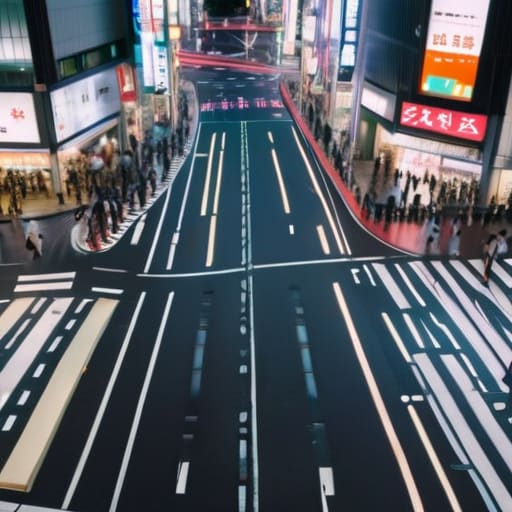
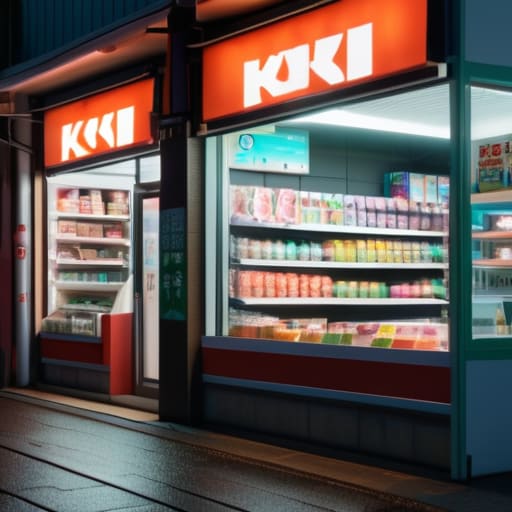
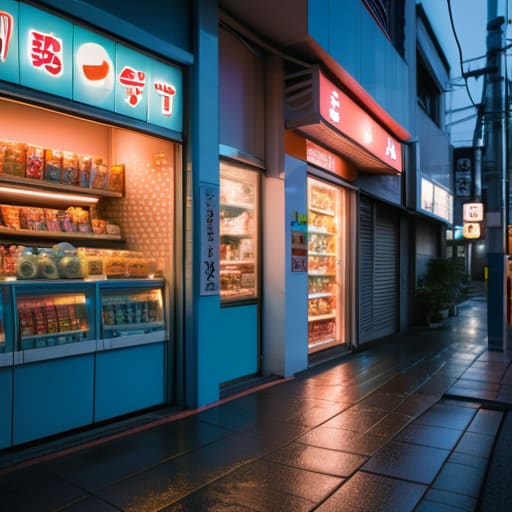
    I was standing on a rain-slicked corner in Shinjuku last Tuesday, my Leica heavy around my neck and my notebook damp, when I realized that most people treat japan convenience stores as mere pit stops—unfortunate necessities between the “real” sights. They see a sterile brightly-lit box meant for grabbing a quick caffeine fix before rushing to a temple or a skyscraper. But after thirty years of studying how systems move, I’ve learned that these stores are actually the vital organs of the urban body. They are the quiet, predictable pulses that keep the chaos of Tokyo and Osaka from spiraling into true disorder.

    I have no interest in giving you a curated list of “must-try” snacks designed for social media clout. Instead, I want to show you how to navigate these spaces with a logistical eye, treating them as essential tools for understanding the city’s rhythm. I will provide you with a practical blueprint for finding high-quality sustenance and navigating the subtle efficiencies of the konbini. We aren’t here for the hype; we are here to understand how these small, essential corners actually function as the lifeblood of Japanese metropolitan life.

    Table of Contents

    7 Eleven vs Lawson vs Familymart Deciphering the Urban Rhythm

    7 Eleven vs Lawson vs Familymart Deciphering the Urban Rhythm

    To the untrained eye, they look identical—bright lights, glass doors, and a predictable hum of refrigeration. But after years of navigating logistics, I’ve learned that even the most standardized systems have distinct operational personalities. When comparing 7-Eleven vs Lawson vs FamilyMart, you aren’t just choosing a shop; you are choosing a specific flavor of urban utility.

    7-Eleven is the reliable backbone of the network, often boasting the most consistent onigiri and bento options for a quick, efficient meal. If you are looking for sheer logistical precision and a wide array of standard staples, this is your anchor. Lawson, however, feels slightly more curated, often leaning into those sweeter, dessert-heavy trends that make it a favorite for late-night cravings.

    Then there is FamilyMart. There is a certain kinetic energy to their stores; they often feel like the heart of the local street life. While 7-Eleven handles the heavy lifting of daily essentials, FamilyMart often captures the seasonal konbini limited edition snacks that define the current moment. Each serves a specific niche in the city’s breathing rhythm.

    The Onigiri and Bento Options That Feed the Soul

    The Onigiri and Bento Options That Feed the Soul.

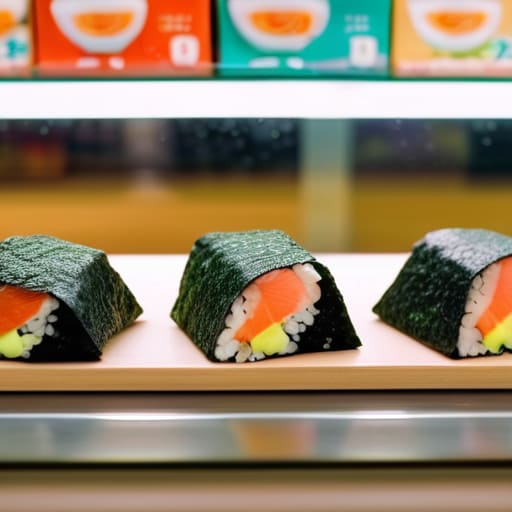
    There is a specific, quiet satisfaction in selecting a meal from a refrigerated shelf while the automated chime of the entrance plays in the background. For someone who spent decades coordinating complex logistics, I find a strange comfort in the precision of their onigiri and bento options. The rice is always perfectly tempered, and the seaweed—if you catch it at the right moment—retains a crispness that defies the humidity of a Tokyo afternoon. I often find myself gravitating toward the tuna mayo or the salted salmon; they are simple, reliable, and represent the unpretentious efficiency that defines the Japanese urban experience.

    If you are looking for something more substantial, the bento boxes offer a miniature study in structural integrity and color theory. A well-made meal is a microcosm of the season, often featuring seasonal konbini limited edition snacks or vegetables that signal the turning of the month. Whether it’s a chilled soba set for a humid July day or a hearty grilled mackerel box, these meals are more than just fuel. They are a way to pause and observe the city’s rhythm, one bite at a time.

    The Logistics of the Konbini: Five Rules for Navigating the Urban Lifeline

    • Master the art of the seasonal rotation. In my years of logistics, I learned that supply chains thrive on timing; the same applies to the konbini. Don’t just grab what’s familiar. Watch for the limited-edition seasonal items—the Sakura-flavored treats in spring or the chestnut varieties in autumn. These are the city’s way of marking time.
    • Treat the multifunction machine as your silent partner. Most travelers overlook the large terminal near the entrance, but it is the heartbeat of the shop. Whether you need to pay a utility bill, print a document, or ship a small parcel to your hotel, these machines handle the heavy lifting of urban life with a quiet, mechanical efficiency.
    • Respect the choreography of the counter. There is a precise, practiced rhythm to how staff handle transactions, from the way they present your change to the meticulous bagging of your items. Observe this flow; it is part of the city’s functional beauty. A polite nod and a small “Arigato” go a long way in maintaining the harmony of the exchange.
    • Use the heated cabinet to your advantage, but with caution. The “hot snack” section—filled with fried chicken and croquettes—is a staple for a quick, warm meal. However, don’t rely on it for every meal; it is best used to supplement a cold bento or to bridge the gap between long transit rides when you need something substantial and immediate.
    • Carry small denominations of yen. While Japan is rapidly modernizing, the convenience store remains a place where the physical reality of cash still holds weight. Relying solely on a digital wallet can lead to friction in the very moment you seek efficiency. Keeping a few 1,000-yen notes and a handful of coins in your pocket ensures you can move through the city without a hitch.

    The Logician’s Guide to the Konbini

    Don’t view these stores merely as snack stops; treat them as essential logistical hubs that anchor the rhythm of the neighborhood.

    Master the subtle distinctions between the big three chains—Lawson for its sweets, FamilyMart for its fried staples, and 7-Eleven for its reliable, high-quality prepared meals.

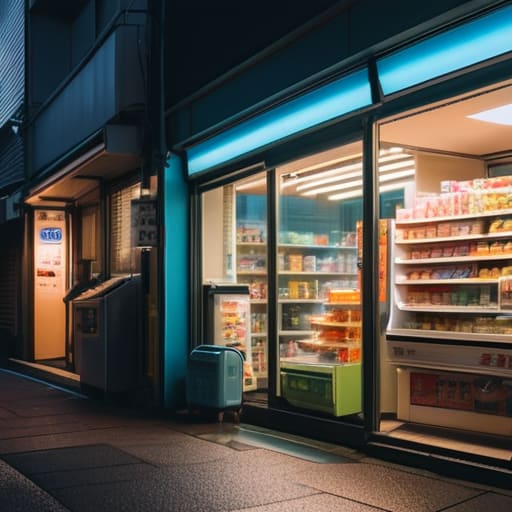
    Look past the bright lights and neon to find the quiet utility of a well-stocked corner, where the true pulse of Japanese urban life is most easily felt.

    The Logistics of Comfort

    “Most travelers see a convenience store as a mere pitstop, but to me, they are the vital circulatory system of the Japanese metropolis—small, predictable hubs of order that ensure the city’s pulse never falters, even in the deepest hours of the night.”

    Rurik Salonen

    The Quiet Utility of the Konbini

    The Quiet Utility of the Konbini stores.

    When you step back from the bright lights and the rapid-fire transactions, you realize that these stores are more than just mere retail outlets. Whether you are navigating the subtle differences between a Lawson’s premium sweets or relying on the dependable efficiency of a 7-Eleven during a late-night transit delay, you are engaging with the very infrastructure of Japanese life. We have looked at how the brands differentiate themselves and how the food serves as a reliable, high-quality anchor for the urban traveler. Ultimately, understanding these convenience stores is about recognizing how a city manages its most basic needs with unfailing precision and grace.

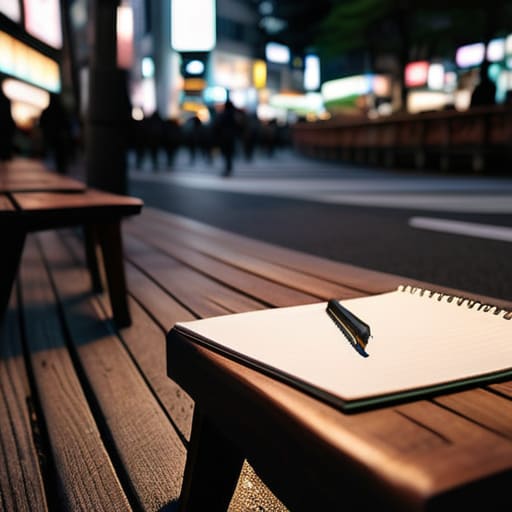
    I often find myself sitting on a small bench near a station, my notebook open, watching the ebb and flow of people entering and exiting these glowing hubs. There is a profound, understated beauty in how these small spaces function as the steady heartbeat of the metropolis. They are the silent facilitators of the city’s motion, providing nourishment and comfort to the millions who keep the gears turning. Don’t just rush through them to grab a quick snack; take a moment to observe the order within the chaos. In the end, it is these small, functional details that truly reveal how a city breathes.

    Frequently Asked Questions

    How do I navigate the etiquette of using the in-store services, like paying bills or sending luggage, without feeling like I'm disrupting the flow?

    The key is to view the konbini not as a shop, but as a vital terminal in the city’s logistics network. Approach the counter with your documents or luggage ready; hesitation is what breaks the flow. If you’re paying a bill, have the slip prepared. If sending a parcel, keep your paperwork organized. In a space built on precision, being prepared is the highest form of respect for the rhythm of the store.

    Are there specific times of day when the quality of the fresh bento selection is at its peak?

    If you want the best selection, timing is everything. I’ve learned that the real magic happens between 11:00 AM and noon, just before the lunch rush, when the shelves are replenished and the bento boxes are at their freshest. For dinner, aim for around 7:00 PM. That’s when the evening restock settles in, offering a quieter moment to pick through the premium options before the late-night crowd arrives.

    Beyond the food, what are the small, practical items I should look for to make my transit through the city more seamless?

    Don’t overlook the utility aisles. If you’re navigating the labyrinthine corridors of Shinjuku Station, grab a pack of high-quality wet wipes and a portable battery charger; my phone is my lifeline for maps, and a dead battery in a crowd is a logistical nightmare. Also, pick up some pocket-sized tissues and perhaps a small, sturdy umbrella. In a city that moves this fast, these small, tactile tools are what keep your momentum steady.

  • Visiting Sapporo During Winter

    Visiting Sapporo During Winter

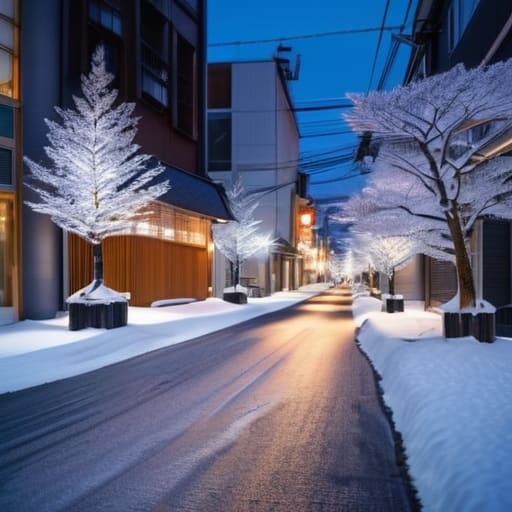
    The first time I attempted Sapporo winter travel, I fell for the brochure-led trap of chasing the grandest festivals and the most crowded mountain resorts, thinking that scale equated to quality. I spent more time navigating shoulder-to-shoulder crowds and overpriced tourist traps than I did actually seeing the city. It wasn’t until I sat in a near-empty ramen stall near a quiet Nishi-ku subway station, watching the heavy snow settle on the power lines, that I realized I had been looking at the map all wrong. The true character of a Hokkaido winter isn’t found in the spectacle of a parade, but in the deliberate, frozen stillness of its residential corners and the seamless efficiency of its underground walkways.

    I have no interest in selling you a fantasy of a postcard-perfect wonderland. Instead, I want to show you how to navigate this city with a logistical precision that respects both your time and your senses. In the following pages, I will share my observations on the transit rhythms that keep the city breathing under the snow and the quiet, functional beauty of the side streets that most visitors overlook. This is about understanding the mechanical heart of Sapporo during its most demanding season.

    Table of Contents

    Timing the Drift Sapporo Snow Festival Dates and Beyond

    Timing the Drift Sapporo Snow Festival Dates and Beyond

    Timing the Drift: Sapporo Snow Festival Dates and Beyond

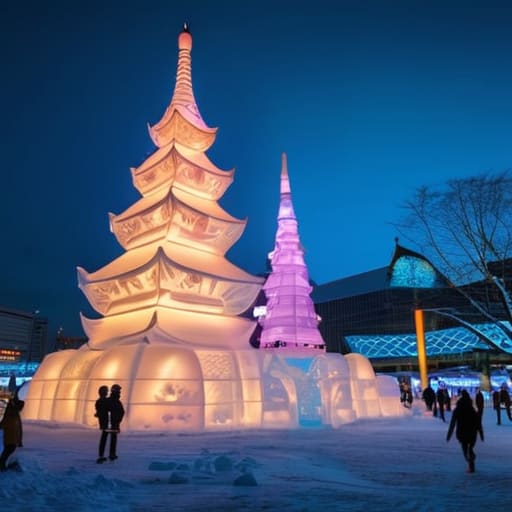
    Navigating the logistics of a Hokkaido winter requires more than just a warm coat; it requires an understanding of the city’s seasonal pulse. Most travelers fixate solely on the Sapporo Snow Festival dates, usually falling in early February, hoping to catch the massive ice sculptures at its peak. While the spectacle is undeniably impressive, I’ve found that the crowds can often obscure the very quietude I seek. If you plan to attend, I suggest arriving a few days early to settle into the rhythm of the city before the heavy influx of tourists arrives.

    For those looking to build a more balanced Sapporo winter itinerary, I often recommend extending your stay beyond the festival’s conclusion. Once the ice sculptures begin to thaw, the city shifts into a different, more contemplative gear. This is an ideal window to explore the local Sapporo seafood markets, where the winter catch is at its most vibrant, or to take a short train ride toward the more rugged landscapes of the north. Timing your visit to avoid the peak festival rush allows you to experience the city’s functional beauty without the constant friction of the crowds.

    The Essential Layers Hokkaido Winter Clothing Essentials for Deep Snow

    The Essential Layers Hokkaido Winter Clothing Essentials for Deep Snow.

    In my years of managing logistics, I learned that a system is only as strong as its weakest component. When navigating a city buried under several feet of powder, your personal thermal management becomes that critical system. I’ve found that the mistake most travelers make is prioritizing heavy, bulky coats over a disciplined layering strategy. For anyone planning a Sapporo winter itinerary, I suggest starting with a high-quality merino wool base layer. It breathes when you step into a heated convenience store and retains heat when you are standing still, waiting for the subway.

    The second layer is where the true utility lies. A mid-weight fleece or a thin down vest provides the necessary insulation without sacrificing the mobility needed to navigate crowded sidewalks. Finally, your outer shell must be strictly windproof and water-resistant; the dampness of melting slush is a far greater enemy than the dry cold of the air. Beyond the clothes, do not overlook your footwear. Sturdy, waterproof boots with deep treads are non-negotiable if you intend to wander the side streets. Without them, the simple act of walking becomes a logistical struggle against the ice.

    • Master the underground arteries. When the wind cuts through the streets like a blade, the underground pedestrian walkways (Chika-ho) are your best friend. I’ve learned that navigating Sapporo isn’t just about knowing the streets, but knowing the tunnels that connect them, allowing you to move between Sapporo Station and Odori without ever breaking a sweat or catching a chill.
    • Respect the friction—or lack thereof. The ice on the sidewalks can be deceptive, turning a simple stroll into a precarious balancing act. I always suggest investing in a pair of high-quality, detachable ice cleats for your boots. It’s a small, practical detail that transforms a stressful walk into a steady, observant journey.
    • Plan for the transit delay, not just the transit time. In heavy snow, even a system as disciplined as Hokkaido’s can face minor hiccups. I’ve found that leaving twenty minutes earlier than your schedule dictates isn’t just “safe”—it’s the only way to maintain a sense of calm when the snow starts to fall heavily.
    • Carry a portable power bank, even if you think your battery is full. The drop in temperature is a silent thief; it drains lithium-ion batteries at an accelerated rate. There is nothing more frustrating than reaching for your camera or your digital map only to find a black screen because the cold has sapped its life.
    • Seek the warmth of the convenience stores for small logistics. Don’t overlook the local konbini for more than just snacks. They are vital hubs for quick, hot beverages and, crucially, for those disposable heat packs (kairo) that you can slip into your pockets or gloves to maintain circulation during long periods of photography.

    Timing is everything; while the Snow Festival provides the spectacle, the true character of Sapporo reveals itself in the quieter weeks when the crowds thin and the city’s rhythm slows.

    Your comfort is dictated by your layers; prioritize functional, high-quality thermal gear and sturdy, traction-heavy footwear to navigate the icy transit transitions without hesitation.

    Look beyond the main thoroughfares; the most authentic experiences are found by following the subway lines to the smaller, snow-dusted neighborhoods where the city’s pulse is most steady.

    The Architecture of Winter

    Most travelers come to Sapporo to see the ice sculptures, but I find the real magic in the way the city recalibrates itself for the cold—the way the subway rhythm changes, the way the heavy snow muffles the usual urban roar, and how a single, well-lit corner in a quiet alleyway can feel more profound than any grand monument.

    Rurik Salonen

    The Quiet Logic of a Winter City

    The Quiet Logic of a Winter City.

    Navigating Sapporo in the depths of winter requires more than just a map; it demands a certain level of logistical preparation and respect for the elements. We have discussed the necessity of timing your arrival around the Snow Festival to catch the city at its most expressive, and the vital importance of layering your clothing to manage the transition from the biting wind to the sudden, dry warmth of a subway station. When you respect the rhythms of the season and prepare for the physical realities of the deep snow, the city ceases to be an obstacle and instead becomes a structured, navigable landscape that reveals its true character to those willing to look.

    As I sit here, sketching the intersection of a frozen street corner in my notebook, I am reminded that the best way to experience Hokkaido is to stop fighting the cold and start observing how it shapes the world. Do not rush through the transit hubs or scramble toward the major landmarks just to say you were there. Instead, find the small, quiet moments—the way a streetlamp glows against a fresh drift or the steady, mechanical hum of a snowplow in the distance. If you move with deliberate patience, you will find that Sapporo’s beauty lies not in its grand spectacles, but in the quiet, functional grace of a city breathing through the frost.

    Frequently Asked Questions

    How do I navigate the transit connections between Sapporo's central hubs and the more remote, snow-heavy outskirts?

    Navigating the outskirts requires more than just a transit card; it requires patience. While the Sapporo subway is a model of efficiency, reaching the snow-heavy fringes means transitioning to the JR lines. I always check the local weather reports before heading out—heavy drifts can delay the suburban trains unexpectedly. I find it best to carry a physical map or a printed schedule in my notebook; digital signals can be fickle when you’re deep in a blizzard.

    Are there specific quiet pockets or smaller neighborhood shrines worth visiting to escape the festival crowds?

    When the crowds at Odori Park become a logistical bottleneck, I head toward the Maruyama area. The Maruyama Park surrounds a quiet, forested shrine that feels worlds apart from the festival’s neon pulse. Alternatively, wandering through the residential streets of Nakajima Park offers a more rhythmic, local experience. There is a particular stillness in those smaller neighborhood shrines—a sense of the city breathing deeply while the rest of the world is busy making noise.

    What is the most practical way to manage heavy camera gear and film supplies while moving through the deep snow?

    When the snow reaches your ankles, weight becomes your enemy. I’ve learned the hard way that a heavy shoulder bag is a recipe for a sore back and a lost balance. I opt for a rugged, weather-sealed rolling case for my main kit, but for moving through crowds, a compact, padded backpack is superior. Keep your film in a dedicated, insulated pouch close to your body; the warmth of your core is the best defense against moisture and cold.

  • Things to See in Nagoya

    Things to See in Nagoya

    I remember sitting on a crowded Meitetsu train, my Leica heavy around my neck, watching the blur of industrial outskirts melt into the dense, rhythmic sprawl of the Chūkyō metropolitan area. Most people approach a nagoya day trip with a checklist of shiny, overpriced tourist traps, treating the city like a mere transit hub to be endured on the way to Kyoto. They miss the point entirely. They see the congestion, but they fail to see the mechanical elegance of a city that functions with the precision of a well-oiled gear, a place where the true character isn’t found in a souvenir shop, but in the quiet efficiency of its steel and stone.

    I have no interest in selling you a fantasy or a curated list of “must-see” monuments that will only leave you exhausted and frustrated. Instead, I want to show you how to navigate this city with intention. My goal is to provide a practical, logistical blueprint for finding the soul of Nagoya—from the subtle flow of its transit arteries to the small, unpretentious corners where the local rhythm actually resides. This is about understanding how the city breathes, one station at a time.

    Table of Contents

    Tracing the Nagoya Castle History Through Stone and Shadow

    Tracing the Nagoya Castle History Through Stone and Shadow.

    Most travelers approach Nagoya Castle with a checklist mentality, rushing toward the reconstructed main keep to snap a photo and move on. But if you sit for a moment near the massive stone foundations, you begin to understand the true weight of its Nagoya castle history. These walls, built with immense precision, are not just barriers; they are a testament to the logistical mastery required to fortify a city in the 17th century. I find myself tracing the lines of the Ishigaki—the sloping stone walls—noting how the varying sizes of the boulders reveal the sheer human effort once required to move them into place.

    As the sun shifts, the shadows stretch across the Honmaru Palace, revealing textures in the wood and gold leaf that a midday crowd would miss. It is in these quiet, shifting light patterns that the castle’s soul resides. While many look for the most efficient Nagoya sightseeing itinerary, I prefer to linger here, watching how the modern city hums just beyond the moat. There is a profound, steady dignity in these stones that refuses to be hurried by the pace of the twenty-first century.

    A Nagoya Sightseeing Itinerary for the Observant Traveler

    A Nagoya Sightseeing Itinerary for the Observant Traveler.

    If you are looking for a structured Nagoya sightseeing itinerary, I suggest beginning your morning not at a landmark, but at a local kissaten near Nagoya Station. There is a specific, rhythmic efficiency to how the city wakes up. After a quiet coffee, head toward the Osu Kannon district. While most tourists gravitate toward the temple itself, I find more value in the interstitial spaces—the narrow lanes where traditional craftsmen still operate alongside modern tech stalls. It is a study in urban layering that most travelers miss.

    By midday, shift your focus from the spiritual to the sensory. Instead of a generic food tour, seek out the specialized shops tucked behind the main thoroughfares to experience true Nagoya gourmet food. A bowl of miso katsu or hitsumabushi isn’t just a meal; it is a reflection of the region’s heavy, industrious character. As the afternoon wanes, avoid the frantic pace of the major shopping hubs and instead find a seat near a transit artery. Watching the commuters navigate the Meitetsu lines offers a better sense of the city’s functional soul than any guidebook could ever provide.

    Logistics and Nuance: Five Essentials for Navigating Nagoya

    • Prioritize the Meitetsu Line over the subway for your regional excursions. While the municipal subway is efficient for local hops, the Meitetsu network is the true backbone of the region, offering a more rhythmic connection to the surrounding prefectures that feels less like a commute and more like a journey.
    • Carry a physical IC card, even in an era of digital convenience. There is a certain reliability in the tactile click of a card against a reader, and when you are navigating the complex interchanges of Nagoya Station, you don’t want to be fumbling with a smartphone screen while the crowd surges behind you.
    • Avoid the midday rush if you intend to observe the city’s architecture. The stations are marvels of engineering, but they are best appreciated when the frantic energy of the salarymen subsides, allowing you to actually see the geometry of the transit hubs rather than just feeling their pressure.
    • Seek out the ‘Kissaten’ for your midday rest. Instead of joining the queue at a modern franchise cafe, look for the older, dimly lit coffee shops tucked into the side streets. They offer a quiet, analog respite that mirrors the slower pace of the city’s history.
    • Don’t mistake Nagoya for a mere transit hub between Tokyo and Osaka. The city has its own distinct tempo; if you rush through it just to reach your next destination, you’ll miss the subtle, functional beauty of its industrial layout and the quiet precision of its urban planning.

    Final Observations on Nagoya’s Urban Flow

    Look beyond the major landmarks; the true character of Nagoya reveals itself in the seamless coordination of its transit hubs and the quiet, functional spaces between the crowds.

    Prioritize a slow pace over a checklist, allowing yourself the time to observe how the city’s historical layers interact with its modern industrial rhythm.

    Use the city’s logistical backbone—its rail lines and well-mapped districts—as a guide to navigate deeper into the neighborhoods that most tourists overlook.

    The Logic of the Layover

    “Most people treat Nagoya as a mere waypoint, a necessary friction between Tokyo and Kyoto, but if you stop looking at the clock and start looking at the way the city’s transit arteries feed into its quietest neighborhoods, you realize it isn’t a stopover—it’s a study in functional grace.”

    Rurik Salonen

    The Quiet Logic of Nagoya

    Commuters experiencing The Quiet Logic of Nagoya.

    As I sit here in a small coffee shop near Nagoya Station, watching the commuters move with practiced precision through the ticket gates, I realize that a day trip here is less about the grand gestures and more about the connective tissue of the city. We have traced the heavy, silent history of the castle walls and mapped out a route that honors both the landmarks and the overlooked side streets. By focusing on the transit rhythms and the deliberate pace of the local neighborhoods, you move beyond being a mere spectator. You begin to understand how the city’s logistics and its history intertwine to create something far more substantial than a mere tourist destination.

    Ultimately, Nagoya does not demand your attention with neon lights or frantic energy; it invites you to observe. If you approach your journey with a bit of patience and a keen eye for the details, you will find that the city reveals its true character in the spaces between the stops. Don’t feel pressured to see everything on the map. Instead, allow yourself to be guided by the unspoken patterns of the streets. Sometimes, the most profound way to understand a place is simply to sit still and let its quiet, functional beauty reveal itself to you.

    Frequently Asked Questions

    Is it more efficient to base my day trip from Tokyo or Osaka, considering the Shinkansen's logistics?

    Logistically, it’s a matter of minimizing friction. If you are starting from Tokyo, you’re looking at a roughly 90-minute sprint on the Tokaido Shinkansen—a very clean, efficient corridor. However, if you’re coming from Osaka, the journey is shorter, perhaps an hour, which preserves more of your daylight for exploration. Personally, I prefer the Osaka departure; it feels less like a long-distance haul and more like a brief, purposeful movement into a new urban rhythm.

    Which specific rail passes or transit cards work best for navigating the Nagoya subway and Meitetsu lines without unnecessary friction?

    Don’t overcomplicate the logistics; unnecessary friction is the enemy of a good day. For the subway and Meitetsu lines, skip the paper tickets. Simply use a Suica or Pasmo—even if you’re in Nagoya—or grab a local Manaca card. They work seamlessly across both systems. If you plan on heavy movement, the one-day subway pass is efficient, but for a fluid, observational journey, a tapped IC card is your most reliable tool.

    Where can I find the quietest spots for film photography once I step away from the main station hubs?

    Once you step away from the frantic energy of Nagoya Station, head toward the Osu Kannon district, but avoid the main shopping arcade. Instead, wander the residential side streets where the light filters through narrow gaps between buildings—perfect for capturing high-contrast black and white film. Alternatively, the grounds of Atsuta Jingu offer a rhythmic stillness; the way the shadows fall across the shrine’s wooden structures provides a steady, meditative subject for any patient observer.

  • Exploring the City of Fukuoka

    Exploring the City of Fukuoka

    I sat on a wooden stool in a cramped, steam-filled yatai stall near Nakasu last Tuesday, the smell of rich tonkotsu broth cutting through the humid evening air. While most travelers arrive in Kyushu looking for the polished, high-speed spectacle they’ve seen in glossy brochures, I found myself watching the way the local commuters transitioned seamlessly from the subway platforms to these tiny, open-air kitchens. Most people approach a fukuoka city guide expecting a list of shiny landmarks and overpriced tourist traps, but they miss the actual mechanics of the city—the way the rhythm of the Hakata Line dictates the flow of the evening crowds.

    I have no interest in giving you a checklist of monuments that you could find on any generic travel site. Instead, I want to show you how this city actually breathes, from the efficiency of its transit nodes to the quiet, narrow side streets where the real soul of the neighborhood hides. This isn’t a collection of hype; it is a logistical map for the observant traveler. I promise to guide you through the functional beauty of Fukuoka, focusing on the details that most people simply walk right past.

    Table of Contents

    Navigating the Rails a Kyushu Travel Itinerary.

    When planning a Kyushu travel itinerary, I find it best to treat the rail network not just as a means of transport, but as the skeletal structure of the region. For a three-day stint in the city, I suggest starting at Hakata Station. It is the central nervous system of the area. From here, you can easily pivot between the heavy commercial energy of the Tenjin shopping district and the more meditative spaces of the city. I often find myself sketching the complex junctions at Hakata, marveling at how the Shinkansen lines integrate so seamlessly with the local commuter tracks.

    On your second day, I recommend moving toward the periphery to find a different pace. A trip toward the Fukuoka coastal attractions offers a necessary reprieve from the concrete. If you prefer something more grounded, a slow loop around Ohori Park allows you to observe how the locals interact with the water. There is a certain functional elegance in how the city transitions from the frantic pace of the business hubs to these pockets of stillness. It isn’t about how fast you move, but how well you understand the flow.

    The Best Time to Visit Fukuokas Changing Seasons

    The Best Time to Visit Fukuokas Changing Seasons

    Timing a trip to this part of Kyushu is less about avoiding rain and more about matching your internal tempo to the city’s atmosphere. If you prefer clarity and mild temperatures, the spring months offer a gentle transition. I often find myself sitting near the water for some Ohori Park sightseeing, watching the cherry blossoms drift onto the surface of the lake; there is a certain logistical grace to how the city settles into spring.

    However, if you are looking for the city’s most vibrant, albeit humid, energy, the summer brings a different kind of life. The heat is real, but it drives the locals toward the Fukuoka coastal attractions and creates a specific, feverish buzz in the evening. For me, the humidity is a small price to pay for the ritual of the night. There is nothing quite like the sensory overload of a late-night Fukuoka street food yatai session, where the steam from the stalls mingles with the heavy air, creating a sense of communal warmth that you simply won’t find in the cooler, more reserved months.

    Small Details for a Smoother Transit

    • Don’t bother with individual tickets for every leg of your journey; pick up an IC card like Suica or Hayakaken immediately. In a city that moves this fast, the few seconds you save at the turnstile add up to a much more seamless experience.
    • Use the subway to find your bearings, but use the walking paths to find the city’s character. Fukuoka is surprisingly compact, and some of the best logistical observations I’ve made were while walking between the Hakata and Tenjin districts.
    • Pay close attention to the Yatai food stalls in the evenings. They aren’t just for eating; they are the city’s social capillaries. If you want to understand the local social fabric, sit at a stall, keep your elbows in, and just observe the ebb and flow of the evening crowd.
    • Download a reliable transit app, but keep a physical map or a hand-drawn sketch in your notebook. Digital tools are excellent for efficiency, but a physical map helps you understand the spatial relationship between the coast and the urban core in a way a screen cannot.
    • Learn the rhythm of the pedestrian crossings. In Fukuoka, the flow of people is remarkably disciplined. If you match the pace of the locals—neither rushing nor lagging—you’ll find you move through the city with much less friction.

    Finding the Core of the City

    Look beyond the major landmarks; the true character of Fukuoka is found in the seamless flow of its transit lines and the quiet, unhurried corners of its residential neighborhoods.

    Timing is everything—align your visit with the shifting seasons to witness how the city’s atmosphere and pace transform alongside the natural landscape.

    Master the logistical rhythm of the Kyushu rail network to move with purpose, allowing you to spend less time navigating and more time observing the details that define the region.

    The Logic of the Labyrinth

    A guide to Fukuoka shouldn’t just list its landmarks; it should teach you how to read the city’s movement, from the synchronized hum of the subway lines to the way the evening light settles into the narrow, salt-scented lanes of the waterfront.

    Rurik Salonen

    The Quiet Geometry of Fukuoka

    The Quiet Geometry of Fukuoka city streets.

    As I sit here in a small café near Hakata Station, watching the commuters move with a practiced, rhythmic efficiency, I am reminded that Fukuoka is more than just a transit hub for Kyushu. It is a city that balances its logistical prowess with a surprisingly gentle soul. Whether you are navigating the complex web of the subway lines to reach the coast, timing your visit to catch the soft bloom of the cherry blossoms, or simply tracing the path of a local street vendor, you are engaging with a living, breathing organism. To understand this city, you must look past the bright lights of the shopping districts and focus on the functional harmony that keeps everything in motion. It is in these structured transitions—the way a train arrives exactly on time or how a narrow alleyway opens into a quiet shrine—that the true essence of Fukuoka reveals itself.

    My advice to you is simple: do not rush to see everything. A city is not a checklist to be completed, but a series of moments to be observed. Leave room in your schedule for the unplanned detour, the slow walk through a neighborhood park, or the hour spent simply watching the city’s pulse from a window seat. If you approach Fukuoka with a sense of patient curiosity, you will find that the most profound discoveries aren’t found in the guidebooks, but in the quiet details that most people are too busy to notice. Travel well, and keep your eyes open.

    Frequently Asked Questions

    How efficient is the local transit system for someone wanting to explore the outer wards without relying on taxis?

    If you’re looking to push beyond the central hubs, you won’t need a taxi, provided you respect the map. The subway handles the core, but the true utility lies in the Nishitetsu lines and the local bus networks. They are remarkably disciplined. I’ve found that if you time your movements around the rail schedules, you can reach the outer wards with surgical precision. It requires a bit of patience and a good transit app, but the efficiency is undeniable.

    Are there specific quiet pockets or lesser-known neighborhoods where I can escape the heavy tourist crowds?

    If you want to escape the crush of Hakata Station, head toward Ohori Park, but don’t stop at the main promenade. Wander into the residential streets of Ropponmatsu; it has a quiet, scholarly dignity and excellent small bookstores. Alternatively, the area around Maizuru Park offers a stillness that feels worlds away from the neon. These are the places where the city’s breathing slows down, far from the frantic pace of the tourist trail.

    What is the most practical way to manage luggage and logistics if I'm moving between Fukuoka and other cities in Kyushu?

    Don’t make the mistake of hauling a heavy suitcase through crowded stations. If you’re moving between cities, use the Takkyubin luggage forwarding service. It’s a logistical lifesaver. You can drop your bags at your hotel front desk or a convenience store, and they’ll arrive at your next destination by the next day. It allows you to travel light, keeping your hands free for a camera or your notebook, moving through the stations with actual ease.

  • Photographing the Urban Landscapes of Japan

    Photographing the Urban Landscapes of Japan

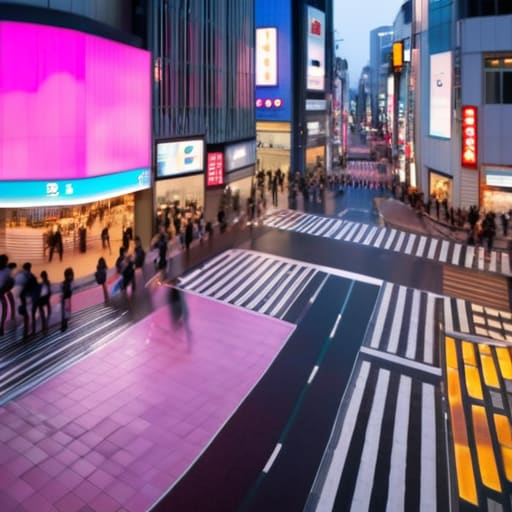
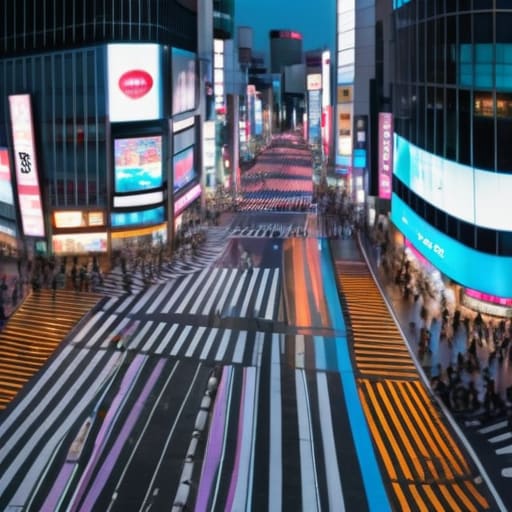
    I was standing on a platform at Shinjuku Station last Tuesday, watching a sea of commuters move with a precision that would make a logistics manager weep, when I realized how much we get wrong about japan urban photography. Most people arrive here with a checklist of neon-soaked landmarks, convinced that the “soul” of the city is found in the blinding glare of a Shibuya crossing. They chase the saturation, looking for a cinematic spectacle that often feels more like a postcard than a reality. But if you only aim for the bright lights, you’re missing the actual heartbeat of the metropolis—the way the light hits a rusted handrail in a quiet station or the stillness of a narrow alleyway just after a rainstorm.

    I’m not here to sell you on expensive lenses or the latest digital gimmicks. My goal is to share what I’ve learned from years of walking these streets with nothing but a film camera and a notebook. I want to show you how to look past the tourist traps to find the functional beauty in the chaos. We are going to focus on the rhythm of the transit systems and the quiet, shadowed corners where the real story of Japan lives.

    Table of Contents

    Finding Stillness in Tokyo Street Photography Locations

    Finding Stillness in Tokyo Street Photography Locations.

    I’ve often found that the most profound images aren’t captured in the frantic scramble of a major intersection, but in the moments where the city seems to catch its breath. While many travelers rush toward the neon chaos of the scramble, I prefer to seek out the pockets of silence that define the true character of the metropolis. In the narrow residential lanes of Yanaka or the shadowed corridors of old Shitamachi, the Japanese urban architecture photography takes on a different weight. Here, the textures of weathered wood and the precise geometry of utility poles offer a stillness that the high-rise districts simply cannot provide.

    When the sun dips below the skyline, the challenge shifts from finding space to managing light. I tend to avoid the predictable glare of the main thoroughfares, opting instead for the dim, amber-hued alleys of Golden Gai or the quiet underpasses of Yurakucho. This is where my focus shifts toward low light street photography gear and the patience required to wait for a single subject to break the gloom. There is a specific, quiet dignity in capturing a lone salaryman or a closed storefront under a flickering streetlamp; it is in these small, unscripted intervals that the city reveals its most honest face.

    Capturing the Cyberpunk Aesthetic Japan Offers at Dusk

    Capturing the Cyberpunk Aesthetic Japan Offers at Dusk.

    When the sun dips below the skyline, the city undergoes a structural transformation. The functional efficiency I spent my career admiring shifts into something more surreal. To capture the true cyberpunk aesthetic Japan offers, one must look past the primary neon signs and focus on how light bleeds into the damp pavement of narrow side streets. I often find that the most compelling shots aren’t found in the broad vistas, but in the way a single red lantern reflects off a puddle in a Shinjuku backalley, cutting through the heavy, blue-toned shadows of twilight.

    For those attempting to document this transition, I recommend experimenting with long exposure cityscape techniques to soften the frantic movement of the crowds. While many flock to the main thoroughfares for quick snapshots, I prefer to find a steady vantage point overlooking a pedestrian bridge. This allows the light trails of the transit lines to weave through the heavy geometry of Japanese urban architecture photography, turning the city’s logistical skeleton into a glowing, interconnected web. It is in this intersection of light and steel that the city truly feels alive.

    The Logistics of the Lens: Five Practical Disciplines

    • Respect the silence of the transit system. When I’m shooting in a station, I keep my gear close and my movements quiet. There is a delicate social contract in Japanese public spaces; the moment you become a disruption to the flow of commuters, you lose the very authenticity you were trying to capture.
    • Lean into the grain of the twilight. Rather than chasing the cleanest, sharpest digital sensor performance, I often look for the grit. The way light bleeds from a vending machine into a damp alleyway is much more evocative when you allow for a bit of textural imperfection.
    • Study the maps before you pick up the camera. My habit of sketching subway layouts isn’t just a quirk; it’s a way to anticipate where light will hit a platform or where a crowd will bottleneck. A well-planned route saves your feet and ensures you aren’t just wandering aimlessly.
    • Watch the shadows, not just the subjects. In a city as dense as Tokyo, the architecture creates incredible geometric patterns of light and dark. I find that waiting for a shadow to bisect a street corner often yields a more compelling composition than any bright neon sign ever could.
    • Carry only the essentials. I’ve learned through years of logistics that excess weight is the enemy of observation. A single prime lens and a sturdy, unobtrusive camera allow you to blend into the urban fabric, making you a witness rather than a tourist.

    Lessons from the Lens and the Rail

    Stop chasing the landmarks; the true character of a Japanese city is revealed in the transitional spaces—the subway platforms, the narrow pedestrian corridors, and the way light hits a quiet vending machine corner at dusk.

    Respect the rhythm of the environment by observing the flow of commuters and the silence of the side streets before you even lift your camera; a good photograph requires an understanding of the city’s logistical pulse.

    Embrace the imperfections of the urban landscape, from the weathered textures of an old alleyway to the stark, functional geometry of a transit hub, as these details provide the authentic soul that polished tourist spots lack.

    The Lens and the Logistics of Light

    To photograph a Japanese city is not to capture its scale, but to document its precision—to find that singular, fleeting moment where the mechanical efficiency of a train station meets the soft, human stillness of a shadowed doorway.

    Rurik Salonen

    The Final Frame

    Urban photography capturing The Final Frame.

    As I sit in a small cafe near Shinjuku Station, flipping through my latest rolls of film, I am reminded that urban photography in Japan is a study of contrasts. We have explored the way the neon-soaked dusk can mimic a digital future, yet we must never lose sight of the quiet, shadowed corners that provide the necessary counterweight to that sensory overload. Whether you are chasing the high-energy aesthetic of a cyberpunk cityscape or seeking the meditative stillness of a side street in Yanaka, the goal remains the same: to document the tension between the machine and the human spirit. It is about recognizing that the logistical precision of the transit systems and the organic chaos of the alleyways are two sides of the same coin.

    If there is one thing my years in logistics taught me, it is that the most important details are often found in the transitions—the spaces between where we are and where we are going. Do not rush your walk through these cities. Put down the digital distractions, pick up your camera, and allow yourself to simply observe the rhythm of the street. You will find that the most profound images aren’t the ones that scream for attention, but the ones that whisper the truth of the city to those patient enough to listen.

    Frequently Asked Questions

    What kind of film stocks or camera settings do you recommend for capturing the low-light atmosphere of Tokyo's narrow alleys without losing the grain?

    For these narrow, shadowed corridors, I lean heavily on Kodak Portra 800. It handles the artificial tungsten glow of those tiny izakayas with a warmth that digital sensors often flatten. If you’re shooting color, don’t fight the grain—embrace it; it adds a necessary texture to the grit. I typically keep my aperture wide, around f/2.8, to pull light from the darkness while maintaining a slight, moody softness in the background.

    Are there specific etiquette or social norms I should be aware of when photographing commuters or people in more intimate urban spaces?

    In my years navigating corporate corridors, I learned that respect is the most vital currency. In Japan, privacy is paramount. Avoid long lenses that feel intrusive; they strip away the dignity of the subject. If you find yourself capturing a commuter, keep your distance and stay unobtrusive. If someone notices you, a small, polite nod goes a long way. In those quiet, intimate alleys, remember: you are a guest in their lived reality.

    How do you manage the logistical challenge of carrying heavy analog gear while navigating the crowded subway systems and long walks through the city?

    It’s a constant negotiation between weight and utility. I’ve learned that overpacking is a logistical failure. I stick to a single, well-worn leather messenger bag—nothing with too many compartments to fumble through in a crowd. I prioritize my most reliable prime lens and a sturdy roll of film, leaving the heavy zooms at the hotel. On long days, I rely on the rhythm of the subway to rest my shoulders, treating every transit leg as a necessary pause.

  • What It Is Like Living in Tokyo

    What It Is Like Living in Tokyo

    I remember sitting on a wooden bench in a tiny, unnamed park near Shimokitazawa, watching the sun dip behind a tangle of power lines while the distant hum of the Odakyu line provided a steady backbeat. Most people come here expecting the neon-soaked frenzy of Shibuya, but they quickly realize that living in Tokyo isn’t about the bright lights or the frantic energy of the crowds. It is actually found in the quiet, functional grace of a well-timed train arrival or the way a neighborhood street feels at 6:00 AM before the world wakes up.

    I have no interest in giving you a list of the trendiest cafes or the most expensive districts to call home. Instead, I want to talk about the logistics of a life well-lived here—the subtle art of navigating the transit web, understanding the unspoken social rhythms, and finding your own small, quiet corners amidst the metropolitan sprawl. This isn’t a guidebook for tourists; it is a practical blueprint for anyone looking to understand how this city truly breathes.

    Table of Contents

    Tokyo Transportation and Commuting Learning the Citys Breath

    Tokyo Transportation and Commuting Learning the Citys Breath

    To understand the mechanics of daily life in Japan, one must first master the art of the commute. I’ve often found that sitting on a morning train on the Chuo Line offers more insight into the city’s character than any guided tour ever could. There is a profound, silent choreography in how thousands of people navigate the stations; it is a high-stakes logistical ballet. While many newcomers find the complexity of the various private and public lines daunting, mastering tokyo transportation and commuting is the first step toward truly feeling at home. Once you stop fighting the schedule and start following the rhythm, the city begins to open up to you.

    However, this efficiency comes with a learning curve that extends beyond the ticket gates. When people discuss moving to japan for expats, they often focus on the social hurdles, but the physical movement through the city is just as vital. I keep my notebook handy to map out the connections between the major hubs, as understanding these arteries is essential for finding the best neighborhoods in tokyo that balance accessibility with a sense of peace. It isn’t just about getting from point A to point B; it’s about learning how the city’s pulse dictates your own.

    The Japanese Rental System Explained Finding Your Quiet Corner

    The Japanese Rental System Explained Finding Your Quiet Corner.

    Navigating the real estate market here requires more than just a budget; it requires a certain level of mental fortitude. When people consider moving to Japan for expats, they often prepare for the monthly rent but stumble blindly into the upfront costs. The japanese rental system explained is a labyrinth of tradition: Reikin (key money), Shikikin (security deposits), and various agency fees can easily swell your initial outlay to four or five times the monthly rate. It feels inefficient, almost illogical to a logistics mind, yet it is part of the social contract that maintains the stability of these urban spaces.

    Finding your footing means looking beyond the flashy high-rises of Minato or Shibuya. To truly settle, you must weigh the tokyo cost of living guide against your need for silence. I’ve found that the best neighborhoods in tokyo for a steady life aren’t always the ones highlighted in glossy brochures, but rather the residential pockets tucked away near local Chuo line stations. It is in these quieter, more predictable districts where you can actually hear the city breathe, rather than just feeling its frantic pulse.

    The Logistics of Belonging: Five Practicalities for the Long-Term Resident

    • Master the art of the ‘Konbini’ economy. It isn’t just about convenience; it is about understanding the local supply chain. Knowing which local convenience store stocks the freshest seasonal produce or the best quality bento can save you hours of searching and keep your daily routine running with the precision of a well-oiled machine.
    • Learn the unspoken geography of your neighborhood. Don’t just look at a map; walk the perimeter of your block at different times of day. You need to know which street becomes a wind tunnel in winter, where the grocery stores close early, and which small park offers a moment of stillness when the city feels too loud.
    • Invest in a high-quality, weather-resistant bag and a reliable umbrella. Tokyo’s humidity and sudden downpours are logistical variables you cannot control, but you can certainly prepare for. A misplaced umbrella or a soaked notebook can disrupt the rhythm of your entire day.
    • Build a relationship with your ‘Chonaikai’ or local neighborhood association. While it may seem formal, these small community structures are the connective tissue of Tokyo. Understanding the local rules—from trash sorting protocols to seasonal festivals—is how you move from being a transient observer to a functional part of the urban fabric.
    • Curate your digital and physical paper trail. Between the various municipal mailings and the necessity of digital apps for everything from banking to waste management, the administrative load can feel heavy. Keep a dedicated, organized space for your documents; in a city this dense, clarity of information is your greatest asset.

    The Logistics of Belonging

    Success in Tokyo isn’t found in the grand landmarks, but in mastering the subtle friction of daily movement—the timing of the trains and the unspoken etiquette of the sidewalk.

    Finding a home requires looking past the shiny facades of new developments and understanding the specific, often rigid, structural requirements of the local rental market.

    To truly live here, you must trade the frantic pace of a tourist for the steady observation of a resident, seeking out the quiet functionalism that keeps this massive machine running.

    ## The Logistics of Belonging

    “Living in Tokyo isn’t about conquering its scale; it’s about learning to synchronize your own internal clock with the precise, silent efficiency of a city that never misses a beat.”

    Rurik Salonen

    The Quiet Art of Belonging

    The Quiet Art of Belonging in Tokyo.

    Settling into Tokyo is not a matter of simply signing a lease or purchasing a Suica card; it is a process of recalibrating your internal clock to match the city’s precise, mechanical pulse. We have looked at the logistical backbone of this metropolis—the intricate dance of the transit lines and the often-opaque complexities of the local rental market. Navigating these systems can feel daunting at first, almost overwhelming in its sheer scale and rigid formality. However, once you master the logistical rhythm of your daily commute and find a home that serves as your private sanctuary, the city stops being a labyrinth and starts becoming a predictable, living organism.

    In the end, living here requires a certain level of surrender. You must let go of the need to control every variable and instead learn to appreciate the beauty of the small, functional details that keep this giant moving. Don’t rush to see the neon lights of Shibuya; instead, find peace in the way a neighborhood street falls silent at dusk or how a single vending machine glows in a dim alleyway. Tokyo rewards the observant and the patient. If you approach this city with a steady hand and an open eye, you will find that it offers something far more valuable than mere convenience—it offers a profound sense of ordered tranquility amidst the chaos.

    Frequently Asked Questions

    How do I balance the convenience of living near a major hub like Shinjuku with the need for actual quiet and privacy?

    It’s a classic logistical trade-off: proximity versus peace. If you anchor yourself too close to a hub like Shinjuku, you’re essentially living inside the engine of the city; it’s efficient, but the vibration never truly stops. I prefer finding a residence two or three stations out on a local line. You retain the rapid access to the chaos, but you gain a buffer of residential silence. It’s about finding that sweet spot where the transit is seamless, but the street noise is merely a whisper.

    Beyond the initial deposit and key money, what are the hidden logistical costs of maintaining a household in a Tokyo apartment?

    Beyond the initial friction of moving in, the true cost of a Tokyo apartment lies in the granular, monthly logistics. You must budget for the kanri-hi (management fee) and the inevitable utility fluctuations—especially the heavy electricity spike during those humid summer months. Don’t overlook the recurring cost of garbage disposal bags if your ward requires them, or the small, steady drain of high-speed internet setup. It’s these micro-expenses that define your monthly equilibrium.

    How much of my daily life will be dictated by the walking distance to the nearest station, and is it worth living further out for more space?

    In Tokyo, distance isn’t measured in kilometers, but in minutes to the platform. Your life will inevitably revolve around that radius; a ten-minute walk is a luxury, while twenty can feel like a daily tax on your time. If you move further out for more square footage, you aren’t just buying space—you are trading autonomy for quiet. For me, the trade-off is only worth it if the station itself offers a sense of calm.

  • How to Use the Japan Rail Pass

    How to Use the Japan Rail Pass

    I remember sitting in a crowded station in Shinjuku last autumn, watching a frantic traveler stare at a digital map with pure, unadulterated exhaustion. They were trying to force a rigid itinerary onto a country that rewards the patient, all because they’d been told a japan rail pass was a magical skeleton key to the entire archipelago. There is a pervasive myth that this pass is a mandatory shortcut to efficiency, but in my experience, treating it like a frantic race between major landmarks is the quickest way to miss the actual soul of the journey.

    I’m not here to sell you on the glossy brochures or the hype-driven travel blogs that promise you can see everything in seven days. Instead, I want to offer you a logistical reality check. I will show you how to evaluate the math behind the pass, how to use it to find those quiet, nameless stations that most tourists bypass, and how to integrate it into a rhythm that feels intentional rather than rushed. This isn’t about checking off monuments; it’s about using the rails to understand how Japan truly breathes.

    Table of Contents

    Navigating the Japan Rail Pass Price Increase.

    When the news broke regarding the recent Japan rail pass price increase, I found myself sitting in a small cafe near Shinjuku Station, staring at my notebook and running the numbers. For decades, the math was simple: if you were moving between major hubs like Tokyo, Kyoto, and Osaka, the pass paid for itself almost instantly. Now, that logic has shifted. You can no longer approach this purchase with a blanket assumption of value; it requires the same precision I used to apply to supply chain logistics.

    To make sense of it, you have to look closely at the JR Pass cost vs individual tickets. If your itinerary is a tight loop around the Golden Route, you might find that buying point-to-point tickets offers more flexibility and better margins. However, if you plan to venture into the more remote corners of Hokkaido or Kyushu, the pass still holds a certain structural elegance. It isn’t just about the yen; it’s about the freedom to change your mind without constantly calculating the cost of your next move.

    Deciphering Jr Pass Cost vs Individual Tickets

    Deciphering JR Pass Cost vs Individual Tickets.

    When I first began auditing supply chains, the math was always simple: you weighed the overhead against the efficiency of the route. Applying that same logic to your travel itinerary is essential now. The debate of JR Pass cost vs individual tickets isn’t just about the sticker price; it’s about your specific movement patterns. If your plan is a rigid loop between Tokyo, Kyoto, and Osaka, the math might no longer favor the pass. However, if you intend to venture into the more remote corners of Hokkaido or Kyushu, the pass becomes a tool of freedom, absorbing the high costs of long-distance transit that would otherwise bleed a budget dry.

    I find it helpful to map out a “break-even” itinerary in my notebook before committing. Don’t just look at the total sum; look at the frequency of your trips. If you are primarily staying within a single metropolitan area, you are better off using a local IC card. But for those seeking the best routes for Japan Rail Pass—those long, sweeping journeys that traverse the spine of the country—the pass remains a strategic asset. It allows you to focus on the shifting scenery rather than the constant calculation of yen.

    The Logistics of the Journey: Five Practical Considerations

    • Map your routes before you commit. I’ve learned that a pass only pays for itself if you have a clear, high-volume itinerary. Don’t buy it for the sake of having it; buy it because your planned movement through the prefectures demands it.
    • Embrace the local lines. The real value of the pass isn’t just the Shinkansen; it’s the ability to hop on a smaller, regional line when you see a station that looks interesting. Those unplanned detours are where you find the quiet corners I live for.
    • Master the reservation system. Even with a pass, don’t assume you can just walk onto any train. Take a moment to visit the ticket office or use the machines to secure your seat. A little logistical foresight prevents a lot of unnecessary standing.
    • Keep your physical exchange order safe. In my years of managing supply chains, I learned that the most important document is often the one you haven’t converted yet. Keep that paper voucher tucked securely in your notebook; you can’t do much with a digital thought.
    • Don’t overlook the regional alternatives. Sometimes, the national pass is overkill. If your heart is set on a specific area like Kansai or Kyushu, look into the regional JR passes instead. They are often more economical and allow for a much deeper, more focused exploration of a single landscape.

    The Logistics of Value: Three Essential Rules

    Stop viewing the JR Pass as a universal key; it is now a specialized tool that only makes sense if your itinerary involves long-distance, high-speed corridors over several consecutive days.

    Run the numbers before you commit—map out your specific route using a simple calculator, as the recent price hike means a single missed connection or a detour to a local line can quickly erode your margins.

    Prioritize flexibility over rote planning; if you find yourself drawn to a quiet, nameless station on a whim, remember that individual tickets often grant you more freedom to wander without feeling the pressure to “earn back” the cost of a pass.

    The Logic of the Journey

    A rail pass shouldn’t be viewed as a mere mathematical equation of distance versus yen; it is a license to wander. If you only use it to sprint between the major hubs, you’ve missed the point. The true value lies in the ability to step off at a nameless, sun-drenched station in the middle of nowhere, simply because the rhythm of the tracks suggested it was time to stop and look.

    Rurik Salonen

    The Final Logistics of Your Journey

    The Final Logistics of Your Journey.

    Ultimately, deciding whether the JR Pass is your right tool depends entirely on the specific geometry of your itinerary. As we have seen, the recent price adjustments mean that the days of the “automatic win” are over; you can no longer simply buy the pass and assume it will save you money. You must look at your route through a lens of calculated precision, weighing the convenience of the network against the actual cost of individual Shinkansen tickets and regional passes. If your plan involves a frantic dash from Tokyo to Hiroshima and back, the pass remains a formidable asset. However, if you prefer to linger in a single prefecture, the math simply won’t support it. Do the math before you commit.

    Beyond the spreadsheets and the cost-benefit analyses, I hope you remember why you are boarding these trains in the first place. A rail pass is more than just a logistical shortcut; it is a permit to witness the changing soul of the country. Use the freedom it provides to step off at a station that isn’t on your itinerary, to watch the light hit the rice paddies through a window, and to find those unscripted moments that no guidebook can capture. The true value of Japanese travel isn’t found in how much you save on a fare, but in how deeply you allow yourself to see the world moving past your window.

    Frequently Asked Questions

    How do I manage the logistics of seat reservations if I decide not to get the pass?

    If you opt out of the pass, managing your travel becomes a matter of precision rather than a single lump sum. I recommend downloading the Smart EX app or using the official JR West website; they are surprisingly efficient for booking Shinkansen seats in advance. For local lines, you can simply use the ticket machines at the station. It requires a bit more granular planning, but it gives you a certain freedom that a pass sometimes lacks.

    Are there specific regional passes that offer better value for a focused itinerary in Kansai or Kyushu?

    If you aren’t planning to traverse the entire archipelago, the national pass is often a logistical overkill. For a focused stay in Kansai, the Kansai Thru Pass or the JR West Kansai Area Pass offers much tighter efficiency for exploring Kyoto, Osaka, and Nara. If your interest lies further south, the Kyushu Rail Pass is indispensable. It allows you to trace the coastlines and mountain veins of Kyushu without the unnecessary expense of a nationwide ticket.

    Is it worth the effort of navigating the digital booking systems, or should I stick to the physical ticket offices?

    I’ve spent my career streamlining processes, so I understand the urge to optimize. If you’re comfortable with a smartphone, use the digital booking; it’s efficient and saves you from standing in line at a crowded Midori no Madoguchi. However, if you prefer the tactile certainty of a paper ticket and a face-to-face conversation, the physical offices are perfectly reliable. For me, there is a certain quiet satisfaction in holding a physical ticket in hand.

  • Exploring the Historic Streets of Kyoto

    Exploring the Historic Streets of Kyoto

    I was sitting on a wooden bench near the Gion district last Tuesday, watching a swarm of tourists shuffle toward a famous golden pavilion with the synchronized, mindless energy of a conveyor belt. It struck me then how much we miss when we chase the “must-see” lists. Most people treat Kyoto like a checklist of monuments, but if you spend your whole trip fighting through crowds at the major landmarks, you’ll never actually see the city. The real soul of the place isn’t found in the grand, gilded spectacles that dominate every guidebook; it’s tucked away in the kyoto urban temples that sit quietly between a convenience store and a narrow residential alley.

    I’m not here to sell you on the postcard versions of this city. Instead, I want to show you how to find the quiet, functional beauty that exists in the spaces most travelers walk right past. I’ll be sharing my own notes on the small, weathered shrines and tucked-away temple gardens that offer a genuine sense of peace without the logistical nightmare of massive crowds. My goal is to help you understand how this city actually breathes, one hidden corner at a time.

    Table of Contents

    Tracing Zen Buddhism Kyoto Through Narrow Backstreets

    Tracing Zen Buddhism Kyoto Through Narrow Backstreets

    To truly grasp the essence of Zen Buddhism in Kyoto, you have to abandon the idea of following a map. The most profound experiences don’t happen at the major gates where the tour buses idle; they happen when you intentionally lose your way in the labyrinthine alleys of the Higashiyama district. I often find myself ducking away from the main thoroughfares, following the faint scent of incense that drifts from a gap between two modern residences. It is in these hidden gems in Kyoto city—a tiny stone lantern here, a weathered wooden gate there—that the city’s spiritual history feels most tangible.

    As I navigate these narrow passages, I pay close attention to the nuances of Japanese Buddhist architecture. There is a deliberate, functional simplicity in the way a temple veranda meets the mossy earth, a design intended to foster stillness. Unlike the grander monuments, these smaller spaces require a different kind of attention. You aren’t just observing a structure; you are witnessing a carefully preserved rhythm of life that has remained unchanged while the rest of the world accelerated.

    The Quiet Architecture of Historic Temple Districts

    The Quiet Architecture of Historic Temple Districts.

    When you step away from the main thoroughfares of Higashiyama, the scale of the city shifts. You stop looking up at the towering skyline and start looking at the way wood and stone settle into the earth. In these historic temple districts, the architecture isn’t designed to dominate the landscape, but to exist in a state of perfect, calculated tension with it. I often find myself pausing to study the joinery of a weathered gate or the specific slope of a tiled roof; there is a profound, mathematical logic to Japanese Buddhist architecture that mirrors the efficiency I used to look for in a well-oiled supply chain.

    It is in these structural details—the way a heavy timber beam supports a sweeping eave—that the city’s history feels most tangible. While most visitors rush toward the famous golden pavilions, I prefer the weight of the silence found in a courtyard where the only sound is the rhythmic drip of a stone basin. These spaces are the true hidden gems in Kyoto city, offering a structural stillness that serves as a necessary counterweight to the relentless momentum of modern urban life.

    Logistics of the Soul: How to Navigate Kyoto’s Sacred Spaces

    • Forget the bus maps for a moment. The most rewarding way to encounter these urban sanctuaries is by walking the gaps between major transit hubs. When you step off the subway and veer away from the main thoroughfares, you’ll find the temples that haven’t been smoothed over by heavy foot traffic.
    • Timing is everything in a city that breathes through its rhythms. Aim for the hour just after the morning rush or the quiet lull before the midday heat. A temple at 8:00 AM offers a different, more honest texture than one crowded with tour groups at noon.
    • Look for the threshold, not just the shrine. Pay attention to the transition from the concrete sidewalk to the stone path of a temple courtyard. That shift in sound and air is where the true urban experience lies; it’s the city’s way of exhaling.
    • Bring a physical notebook, not just a smartphone. There is a specific kind of stillness required to sketch a weathered gate or map a courtyard’s layout. It forces you to slow your pace and actually observe the structural integrity and the way the moss claims the stone.
    • Don’t be afraid of the “in-between” spaces. Some of the most profound moments of clarity I’ve found weren’t inside a grand hall, but sitting on a wooden bench near a small, nameless roadside altar. If a space feels quiet and functional, stay a while.

    Lessons from the Kyoto Alleys

    Look past the grand, postcard-perfect shrines; the true character of the city reveals itself in the weathered, nameless temples tucked between modern storefronts and transit hubs.

    Pay attention to the logistical flow of the streets—understanding how a narrow alleyway connects a bustling station to a silent courtyard is how you truly grasp the city’s rhythm.

    Slow your pace to observe the small, functional details, like the placement of a stone lantern or a mossy step, as these are the quiet anchors that keep the city’s history from being swept away by modern life.

    The Pulse Beneath the Pavement

    “Most travelers chase the grand silhouettes of the great temples, but the true soul of Kyoto isn’t found in the spectacle; it’s tucked into those small, weathered sanctuaries that sit quietly between a convenience store and a bus stop, breathing in rhythm with the city’s daily commute.”

    Rurik Salonen

    The Geometry of Stillness

    The Geometry of Stillness in Kyoto architecture.

    As I sit here in a small café near the Sanjo line, looking over my sketches, I realize that Kyoto’s urban temples aren’t just historical sites; they are the essential pressure valves of the city. We have traced the path from the grand, structured architecture of the historic districts to the weathered, unassuming shrines tucked into the narrowest backstreets. What we’ve found is that the true essence of Kyoto doesn’t reside solely in the gold leaf of Kinkaku-ji, but in the way a stone lantern catches the morning light between two modern apartment blocks. It is the seamless integration of the sacred and the mundane that allows this city to maintain its equilibrium despite the relentless march of modernization.

    If you find yourself overwhelmed by the neon and the crowds, I suggest you stop looking for the landmarks on your map. Instead, look for the gaps—the small, quiet corners where the transit lines fade into pedestrian alleys and the temple gates beckon. When you stop trying to conquer the itinerary and start observing the way the city breathes through these pockets of stillness, you will find something far more valuable than a photograph. You will find the quiet, functional beauty that defines a life well-lived. Keep your eyes low, your pace steady, and let the rhythm of the streets guide you to the truth.

    Frequently Asked Questions

    How can I tell which smaller, neighborhood temples are actually worth a detour versus those that are just part of the tourist flow?

    Look for the signs of local maintenance rather than polished marketing. A temple worth your time usually lacks a flashy English signboard but possesses a well-tended moss garden or a small, weathered stone Jizo statue that locals clearly care for. If you see a neighborhood elderly resident pausing to bow or leave a small offering, you’ve found a place that still breathes. Avoid the ones with souvenir stalls; seek the ones with silence.

    Is there a specific time of day when the transit-adjacent temples feel the most peaceful, away from the midday rush?

    If you want to catch these places at their most honest, aim for the early morning, just as the first trains are beginning to hum. There is a specific stillness around 7:00 AM when the temple grounds are still catching the light, but the city’s commuters are just starting their ascent. You avoid the midday swell of tourists and find the temple in its natural state—a quiet, functional anchor before the urban rush takes hold.

    What should I look for in the architectural details to understand the practical way these temples were integrated into the older city layout?

    Look at the threshold between the temple walls and the street. You’ll notice how the gates aren’t just ceremonial; they act as structural anchors for the surrounding neighborhood. Pay attention to the drainage channels and the way the stone paths transition seamlessly into the public alleys. These aren’t accidental. They reveal a sophisticated, centuries-old logistical dance, ensuring that sacred spaces and bustling commerce could coexist without disrupting the city’s vital flow.

  • Finding the Best Food in Osaka

    Finding the Best Food in Osaka

    I was standing near the Shinsaibashi station exit last Tuesday, watching a group of tourists huddled around a glowing tablet, looking utterly lost amidst the sea of commuters. They were searching for the “perfect” osaka food tour, the kind promised by glossy brochures and influencers with curated feeds, yet they seemed entirely disconnected from the actual rhythm of the city. To me, the idea that you need a pre-packaged, expensive itinerary to find decent takoyaki is a logistical absurdity. Most of those high-priced tours are just inefficient ways to visit the same three crowded stalls that have already been stripped of their local character by sheer volume.

    I’m not here to sell you on a polished, commercialized experience. Instead, I want to show you how to navigate the city’s culinary landscape using a bit of observation and a lot of common sense. My goal is to help you bypass the tourist traps and find the authentic pulse of Osaka’s food culture—the kind found in the steam-filled alleys and the quiet, functional stalls near the transit hubs. This isn’t about checking boxes; it’s about understanding how this city feeds itself, one osaka food tour of your own making.

    Table of Contents

    Navigating Local Food Markets Osaka for Authentic Bites

    If you want to understand the rhythm of this city, you have to step away from the polished storefronts and head toward the markets. I’ve always found that the most efficient way to map a culture is through its supply lines, and nowhere is that more evident than in the local food markets Osaka offers to the curious traveler. Kuromon Ichiba is the primary artery here. While it can feel overwhelming to the uninitiated, there is a profound, quiet logic to the way the vendors operate. I often find myself standing near the periphery, sketching the flow of foot traffic in my notebook, watching how a single crate of seasonal uni moves from a vendor’s hand to a hungry commuter.

    To find the true essence of the city’s palate, look for the stalls that prioritize speed and simplicity over presentation. You aren’t looking for a seated meal; you are looking for the best street food in Osaka served on a stick or a small paper plate. There is a specific kind of beauty in a perfectly grilled scallop, seasoned only with a pinch of sea salt, consumed while standing amidst the morning rush. It is unpretentious, functional, and entirely honest.

    A Curated Osaka Food Tour Itinerary Beyond the Crowds

    A Curated Osaka Food Tour Itinerary Beyond the Crowds

    If you want to truly understand the rhythm of this city, you have to move beyond the sensory overload of the main thoroughfares. A well-planned Osaka food tour itinerary shouldn’t be a frantic sprint through the neon; it should be a calculated movement from one pocket of authenticity to the next. I suggest starting your morning in the quieter residential stretches of Tennoji. Here, the steam from a small takoyaki stand feels less like a tourist spectacle and more like a communal ritual. It is in these unhurried moments that you encounter the true essence of Osaka’s culinary identity.

    As the afternoon wanes, avoid the heavy crowds of the central districts and instead steer your course toward the narrow lanes of Shinsekai. While many travelers chase the loud, bright lights, I find more value in the small, weathered izakayas that sit tucked beside the subway exits. This is where you find the best street food in Osaka, served without the performative flair found in the major hubs. By focusing on these transit-adjacent corners, you experience the city’s flavor through its most functional, unpretentious layers.

    Logistical Essentials for a Seamless Culinary Expedition

    • Prioritize the subway over taxis. Osaka’s food hubs are densely clustered around specific stations like Namba and Umeda; navigating the Midosuji Line is far more efficient than sitting in gridlocked traffic when you should be eating.
    • Carry small denominations of yen. While Japan is modernizing, the most soulful, narrow-alleyway stalls—the kind that actually define the city’s character—often operate on a cash-only basis. Don’t let a lack of change stall your momentum.
    • Time your movements to avoid the rush. Just as I learned in logistics, peak hours are for transit, not tasting. Aim to hit the popular markets mid-morning or early afternoon to avoid the crushing crowds and the frantic energy that obscures the food’s true quality.
    • Use your eyes as much as your palate. In a city this vibrant, the best indicators of quality aren’t on a flashy sign, but in the rhythm of the kitchen and the focused, steady movement of the staff. If the workflow is disciplined, the food usually follows suit.
    • Keep a physical map or a reliable digital one ready for the “lost” moments. The most rewarding bites often happen when you intentionally wander one street too far from the main thoroughfare. Being able to find your way back to the transit line ensures your exploration remains a pleasure rather than a logistical headache.

    Lessons from the Streets: A Logistical Approach to Eating in Osaka

    Prioritize the periphery; the most meaningful culinary encounters rarely happen under the brightest neon signs, but rather in the quiet, functional stalls located just a few minutes’ walk from the main transit hubs.

    Observe the rhythm of the locals; a food stall’s true quality is best measured by the steady, efficient flow of its patrons and the unpretentious way the food is served.

    Use the transit system as your guide; the best way to avoid tourist traps is to follow the subway lines to the residential fringes, where the city’s true flavors are preserved for those who take the time to look.

    The Logistics of Flavor

    “A true Osaka food tour isn’t found by following the brightest neon signs; it’s found by following the rhythm of the city—tracing the scent of dashi through a crowded subway transfer or finding that one, nameless stall where the chef’s movements are as precise and disciplined as a well-oiled supply chain.”

    Rurik Salonen

    The Rhythm of the City

    The Rhythm of the City in Osaka.

    As you plan your own journey through Osaka’s culinary landscape, remember that the most rewarding bites rarely come from a glossy brochure. We’ve looked at how the local markets serve as the city’s heartbeat, how a well-structured itinerary can lead you away from the tourist traps, and why the most profound flavors are often found in those unassuming, transit-adjacent stalls that most travelers overlook. Success in Osaka isn’t about finding the most famous restaurant; it is about mastering the logistics of curiosity—knowing when to follow the crowd and, more importantly, when to step into a quiet alleyway to see where the locals are actually eating.

    Ultimately, a food tour is more than just a sequence of meals; it is a study of how a city sustains itself. When you sit on a cramped stool, listening to the rhythmic hiss of a takoyaki grill and the muffled announcements of the nearby subway line, you aren’t just eating—you are witnessing the functional beauty of urban life. Don’t rush your way through the menu. Instead, allow yourself the luxury of being an observer. If you move with intention and keep your eyes open to the small, steaming details, you will find that Osaka doesn’t just feed your hunger; it reveals its true character one bite at a time.

    Frequently Asked Questions

    Is it better to navigate these food districts by foot, or should I rely on the subway system to jump between different neighborhoods?

    If you’re looking for efficiency, the subway is your backbone; it’s the only way to bridge the gap between Namba and the quieter corners of Tennoji without losing half your day. However, don’t rely on it for everything. The real texture of Osaka is found in the short, unplanned walks between stations. Use the trains to jump neighborhoods, but once you arrive, put the map away and walk. That’s where you’ll find the best stalls.

    How much cash should I carry for the smaller, tucked-away stalls that don't accept credit cards?

    In my years managing logistics, I learned that the most efficient systems often rely on the simplest tools. In Osaka’s narrowest alleys, the most reliable tool is physical yen. While major stations are seamless, those tucked-away stalls—the ones that truly define the city’s character—rarely touch a credit card. I suggest carrying at least 10,000 yen in small denominations. It ensures you aren’t caught short when you find that perfect, steam-filled corner.

    Are there specific times of day when these local markets are less crowded and more conducive to actually observing the local rhythm?

    If you want to observe the rhythm rather than just being swept up in the tide, aim for the early morning. Around 9:00 AM, the markets are waking up; the vendors are setting their displays, and the air is filled with purposeful, quiet energy rather than tourist chaos. By mid-afternoon, the frantic pace of lunch rushes fades, leaving a lull that is perfect for sketching or simply watching the ebb and flow of the city.

  • Essential Guide to Visiting Tokyo

    Essential Guide to Visiting Tokyo

    Most people approach a Tokyo travel guide looking for a checklist of neon-lit distractions, convinced that the city’s essence is found in the bright lights of Shibuya or the crowded shrines of Asakusa. They treat the metropolis like a series of monuments to be conquered, rather than a living, breathing organism. I’ve spent my life managing complex logistics, and if there is one thing I know, it is that the true mechanics of a system are never found in its flashy storefronts, but in the quiet, functional veins that keep it moving.

    I am not here to sell you on the tourist traps or the overpriced, Instagram-ready photo ops. Instead, I want to offer you a different kind of map—one built on observation and efficiency. My goal is to guide you through the rhythmic pulse of the transit lines and the hidden, silent corners where the city actually reveals its character. This isn’t a guide for the hurried; it is a blueprint for anyone who wants to truly understand how Tokyo breathes.

    Table of Contents

    Tracing the Arteries Essential Tokyo Transportation Tips

    Tracing the Arteries Essential Tokyo Transportation Tips

    To understand Tokyo, you must first understand its circulatory system. Most people approach the subway as a hurdle to be cleared, but I see it as the city’s most honest expression of order. If you are building a tokyo itinerary for beginners, my first piece of advice is to secure a Suica or Pasmo card immediately. There is a certain friction in life when you are fumbling with individual tickets at a kiosk; a contactless card allows you to move with the same fluidity as the commuters themselves.

    Don’t be intimidated by the sheer density of the maps. While the Yamanote Line is your reliable loop, the true character of the city reveals itself in the smaller, private lines that weave through the residential pockets. I often find that the most efficient way to navigate is to observe the floor markings and the directional flow of the crowds. For those seeking tokyo transportation tips that save both time and sanity, I suggest downloading a reliable transit app, but keep your eyes up. The signage is impeccable, and watching the rhythmic dance of the station transfers will teach you more about the city’s pulse than any guidebook ever could.

    Timing the Breath the Best Time to Visit Tokyo

    Timing the Breath the Best Time to Visit Tokyo

    In my years managing logistics, I learned that timing is everything; a system is only as efficient as its capacity to handle the load. The same applies to Tokyo. If you are looking for the best time to visit Tokyo, you must decide whether you want to witness the city in its most vibrant, seasonal bloom or in its most disciplined, quiet state. Spring brings the cherry blossoms, certainly, but it also brings a crushing density of people that can make even the most seasoned traveler feel like a cog in an overtaxed machine.

    For those of us who prefer to observe the city’s mechanics without the interference of massive crowds, I find the late autumn months to be unparalleled. There is a certain structural clarity to the air in November; the humidity drops, the light becomes sharper for photography, and the city seems to settle into a more predictable rhythm. If you are planning a tokyo itinerary for beginners, aim for these shoulder seasons. You will find that the transit systems are more breathable, and the small, quiet corners I tend to frequent remain far more accessible when the seasonal rush subsides.

    The Logistics of Presence: Five Ways to Navigate the City Without Losing Your Way

    • Prioritize the Suica or Pasmo card over single-ticket purchases. In my years of logistics, I learned that friction is the enemy of efficiency; having a pre-loaded IC card allows you to move through gates with a rhythmic fluidity that single tickets simply disrupt.
    • Learn to read the “flow” of the escalators. It is more than just etiquette; it is a silent social contract. Observe where the locals stand and where they walk. Respecting these unspoken patterns is the quickest way to feel like a participant rather than an intruder.
    • Don’t fear the dead ends in residential alleys. Some of my best shots with my Leica have come from the narrow passages between larger buildings, where the city’s scale shifts from overwhelming to intimate. The real character of Tokyo lives in these interstitial spaces.
    • Use Google Maps for the route, but keep your eyes on the station signage. Digital tools are excellent for the “what” and “where,” but the physical signage—the color-coded lines and the tactile way the stations are organized—is how you actually learn the city’s anatomy.
    • Pack for the transition, not just the destination. Tokyo is a city of micro-climates and sudden shifts in pace. A lightweight, waterproof layer and a sturdy pair of walking shoes are non-negotiable; you cannot observe the details of a city if you are preoccupied with your own discomfort.

    The Logistics of Observation: Three Essentials for Your Journey

    Prioritize the transit network over the tourist map; mastering the train lines is the only way to move through the city with purpose rather than panic.

    Seek out the “in-between” moments, such as the quiet side streets of Yanaka or the early morning stillness of a temple, to find the city’s true character.

    Match your itinerary to the city’s seasonal rhythm, understanding that the atmosphere of Tokyo shifts fundamentally with the light and the temperature.

    The Logistics of Belonging

    “A guidebook can tell you where the shrines are, but it won’t tell you how to sit still in a Ginza tea house or how to read the silent language of a Yamanote Line commuter; true travel isn’t about the destination, it’s about learning the rhythm of the city’s movement.”

    Rurik Salonen

    The Final Connection

    Navigating Tokyo and The Final Connection.

    Navigating a city as dense and complex as Tokyo requires more than just a map; it requires a willingness to adapt to its unique cadence. We have discussed the necessity of mastering the transit arteries that keep this metropolis moving and the importance of timing your arrival to avoid the overwhelming friction of peak seasons. Whether you are deciphering the intricate dance of the Yamanote Line or selecting the perfect window of weather for a walk through Ueno, remember that logistical preparation is the foundation of true freedom. By handling the mechanics of your travel with intention, you clear the mental space needed to actually see the city, rather than just surviving it.

    In the end, I hope you find that Tokyo is not merely a collection of destinations, but a series of interconnected moments. Do not feel pressured to see every shrine or neon-lit corner on your list. Instead, I urge you to embrace the unplanned detour—the quiet alleyway that smells of roasted tea or the sudden, rhythmic stillness of a residential street at dusk. A city’s true character is rarely found in its grandest monuments, but in the small, functional details that most travelers overlook. Let the city reveal itself to you, one station and one quiet corner at a time.

    Frequently Asked Questions

    How do I navigate the complexity of the different private rail lines versus the JR lines without getting lost in the transfer loops?

    The trick isn’t memorizing every line, but understanding the hierarchy. Think of the JR lines as the heavy freight arteries—broad, reliable, and connecting the major hubs. The private lines, like Odakyu or Keio, are more like specialized local couriers; they often offer more direct access to specific residential pockets or suburbs. Don’t fight the transfers. Instead, use your IC card as your compass and look for the color-coded signage; it’s the most efficient way to navigate the logic of the machine.

    Are there specific neighborhoods that offer a more manageable pace for someone who prefers quiet corners over the neon-lit crowds?

    If you find the neon glare of Shibuya overwhelming, I suggest turning your compass toward Yanaka or Kagurazaka. Yanaka still retains a certain “shitamachi” soul—low-rise buildings, narrow alleys, and a pace that feels human rather than mechanical. Kagurazaka, with its winding cobblestone paths, offers a sophisticated quietude. These aren’t just places to visit; they are pockets where the city’s frantic breathing slows down, allowing you to actually observe it.

    Is it practical to rely solely on digital navigation, or is there a way to better understand the city's layout through its physical transit maps?

    Digital maps are efficient, certainly, but they are a shallow way to see. Relying solely on a screen keeps your eyes down, disconnected from the city’s actual geometry. I prefer the station wall maps—those sprawling, colorful webs of interconnected lines. Studying them helps you grasp the hierarchy of the lines and the logic of the hubs. If you understand the physical map, you understand the city’s skeleton. Don’t just follow a blue dot; learn the grid.