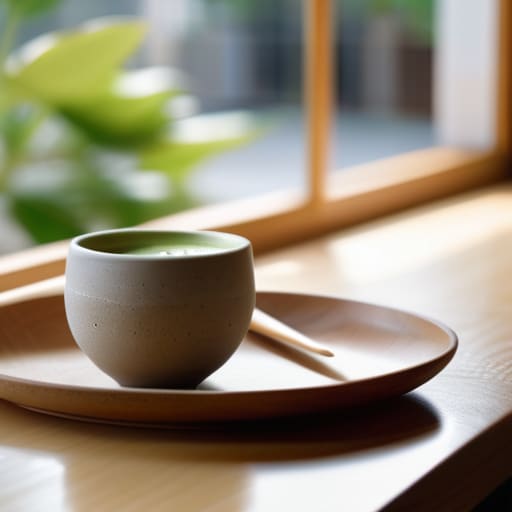
I was sitting in a crowded, neon-soaked district in Shinjuku last Tuesday, staring at a line of tourists waiting forty minutes for a “concept cafe” that served nothing but overpriced, aesthetic foam and Instagram-ready pastries. It struck me then how much the true essence of japan cafe culture has been obscured by the noise of social media trends. People are chasing a curated image, but they are missing the actual pulse of the city. They seek the spectacle, while the real magic—the quiet, functional grace of a neighborhood institution—is happening just two blocks away in a dim, wood-paneled corner that doesn’t even have a sign.
I have no interest in telling you which cafes are the most “photogenic.” Instead, I want to show you how to read the city like a map. In the following pages, I will share my observations on how to find the authentic spaces where the rhythm of daily life actually unfolds. We won’t be chasing hype; we will be looking for the steady, reliable corners where the coffee is strong, the service is precise, and the atmosphere allows a person to finally hear their own thoughts.
Table of Contents
The Living Legacy of Kissaten History and Tradition
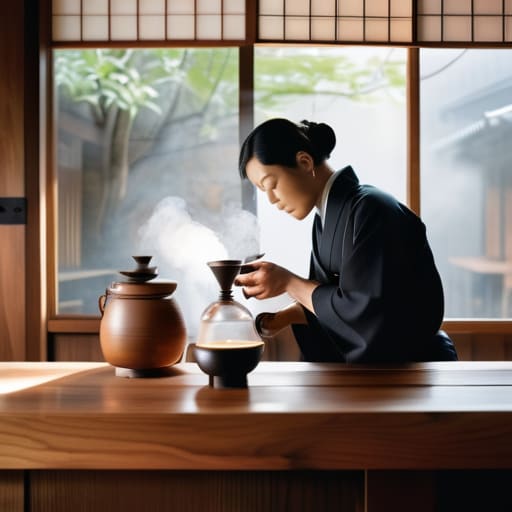
To understand the modern landscape, one must first respect the foundations laid by the kissaten. These aren’t merely coffee shops; they are survivors of a different era. Long before the influx of third-wave roasters, the kissaten served as a sanctuary for the solitary thinker and the quiet professional. There is a specific, heavy stillness in these establishments—a sense that time has been deliberately slowed down. You can see the kissaten history and tradition etched into the dark wood paneling and the meticulous, almost ritualistic way a master barista handles a siphon brewer. It is a discipline born of necessity, a way to carve out a moment of order amidst the relentless momentum of the city.
While the younger generation gravitates toward the bright, airy aesthetic of modern minimalism, the old guard remains. There is a subtle, lingering japanese tea ceremony influence in how these spaces operate; it is about the intentionality of the pour and the respect for the vessel. Even as the city shifts, these bastions of quietude remind us that true hospitality isn’t found in speed, but in the steady, unhurried grace of a well-executed ritual.
Minimalist Cafe Design Trends and the Art of Space
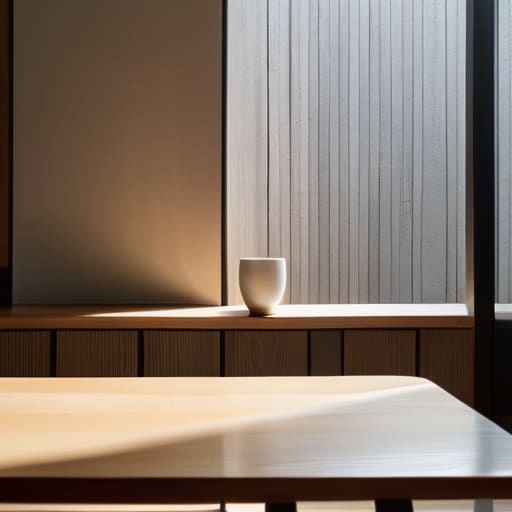
In my years managing logistics, I learned that efficiency doesn’t have to mean coldness; it can actually create a profound sense of order. I see this same principle manifesting in the current minimalist cafe design trends sweeping through Tokyo’s backstreets. Unlike the cluttered, maximalist spaces of the West, these modern establishments utilize negative space as a structural element. They strip away the superfluous, leaving only the essential: a single slab of light oak, a concrete wall, and the precise geometry of a window frame. It is a calculated subtraction that allows the patron to finally breathe.
There is a subtle, almost rhythmic connection here to the japanese tea ceremony influence, where every movement and every object serves a singular purpose. You won’t find much in the way of loud branding or distracting decor. Instead, the design directs your focus toward the tactile—the weight of a ceramic mug or the way the morning light hits a polished floor. In these spaces, the architecture acts as a silent conductor, orchestrating a sense of calm that feels entirely intentional.
The Logistical Etiquette of the Slow Sip
- Respect the silence of the space. In many Japanese cafes, especially the older kissaten, the atmosphere is a shared resource. I’ve learned that keeping your voice at a low hum isn’t just politeness; it’s a way of preserving the room’s equilibrium for everyone else.
- Observe the “one drink” rule. Unlike the sprawling, communal workspaces common in the West, space in Tokyo is at a premium. If you are occupying a seat, ensure you have ordered. It is a simple transaction of respect for the proprietor’s overhead.
- Master the art of the single-tasker. You will notice many locals sitting alone, engaged only with their coffee or a book. Avoid the urge to turn a quiet cafe into a loud hub for digital nomadism; let the establishment breathe as it was intended.
- Look for the “hidden” entrances. The best coffee often isn’t advertised on a bright street-level sign. I find that the most authentic experiences require a bit of logistical scouting—looking for a small wooden door at the end of a narrow alley or a sign tucked behind a vending machine.
- Embrace the seasonal rhythm. The Japanese menu is a reflection of the immediate environment. Don’t fight the change; if you see matcha-infused sweets in spring or roasted chestnut lattes in autumn, order them. To ignore the season is to miss the very heartbeat of the culture.
The Logistics of Leisure: What to Look For
Seek out the “third space” in the transition between the rush of the station and the quiet of the residential streets; it is in these liminal zones that the most authentic cafe culture resides.
Pay attention to the tactile details—the weight of a ceramic cup, the grain of a wooden counter, or the specific hum of a vintage espresso machine—as these are the sensory markers of a space that values permanence over trend.
Understand that a cafe in Japan is rarely just about the caffeine; it is a functional study in how a city manages its need for solitude amidst dense, high-velocity urban movement.
The Geometry of Stillness
“In a city that moves with the relentless precision of a high-speed rail network, the Japanese cafe serves as a vital pressure valve—a small, intentional pocket of stillness where the only thing moving is the slow, rhythmic descent of steam from a pour-over.”
Rurik Salonen
The Final Sip
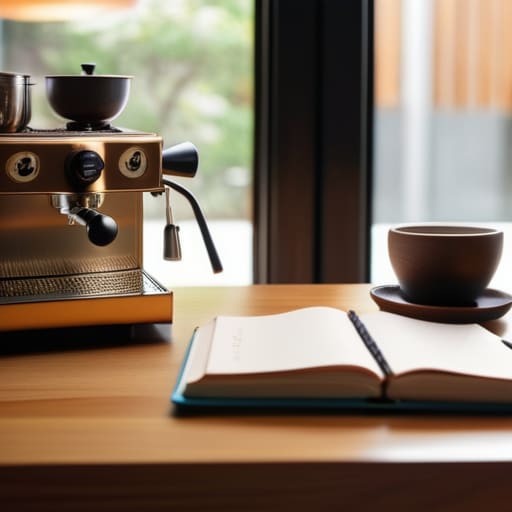
As I sit here, sketching the layout of this particular corner in Shimokitazawa, I realize that Japan’s cafe culture is not a monolith, but a spectrum. We have looked at how the deep, ritualistic roots of the kissaten provide a necessary anchor to the past, and how the modern, minimalist movement uses intentional design to carve out pockets of silence in an increasingly loud world. Whether it is the heavy, dark wood of a Showa-era establishment or the sharp, clean lines of a contemporary roastery, these spaces serve a singular, logistical purpose: they are the essential valves of the city, allowing the pressure of urban life to vent and reset.
Ultimately, understanding these spaces requires more than just a palate for fine beans; it requires a willingness to slow your pace to match the rhythm of the room. Don’t rush through your visit as if you are merely refueling for the next transit connection. Instead, look for the quiet, functional beauty in the way a barista pours water or how the light hits a single wooden table. If you approach these small corners with a sense of observation rather than a checklist, you will find that you aren’t just drinking coffee—you are finally learning how the city breathes.
Frequently Asked Questions
How do I distinguish between a traditional kissaten and the modern third-wave coffee shops when navigating different neighborhoods?
Look for the sensory cues. A kissaten often hides behind heavy, dark wood doors or velvet curtains, smelling of roasted beans and old paper; you’ll find master brewers working in silence amidst amber lighting. Third-wave shops, however, lean into the light—exposed concrete, bright greenery, and the rhythmic, percussive hiss of high-end espresso machines. One is a sanctuary for contemplation; the other is a celebration of the bean’s chemistry.
Is there a particular etiquette I should follow regarding laptop use or long stays in these smaller, more intimate spaces?
In these smaller spaces, the unspoken rule is one of spatial economy. A laptop is a heavy footprint in a delicate ecosystem. If you’re in a traditional kissaten, leave the technology in your bag; they are sanctuaries for contemplation, not coworking hubs. In modern minimalist shops, keep your stay brief and your presence quiet. If you see a line forming at the door, it’s time to close the notebook and move on.
Beyond the major hubs of Tokyo and Osaka, how does the cafe experience change when moving into the more residential or rural prefectures?
As you move away from the frantic logistical hubs, the rhythm of the cafe changes entirely. In residential neighborhoods or the quiet prefectures of Kyushu, the caffeine stop isn’t a pitstop for commuters; it’s a communal anchor. The efficiency of a Tokyo espresso bar gives way to a slower, more intentional pace. Here, the coffee is often secondary to the conversation, and the space serves as a living room for a community that actually knows each other’s names.
