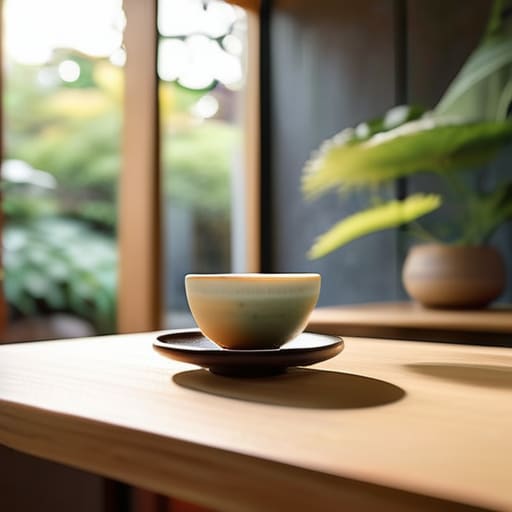
I was sitting in a crowded, neon-soaked district in Shibuya last Tuesday, staring at a line of tourists waiting forty minutes for a “concept café” that served nothing but overpriced, Instagram-ready lattes and neon-colored foam. It struck me then how much people miss when they chase the spectacle. They think they are experiencing the real café culture in japan, but they are actually just consuming a carefully curated performance. To me, the true essence of a Japanese coffee house isn’t found in a flashy storefront designed for a smartphone lens; it’s found in the quiet, rhythmic precision of a master brewer working in a space no larger than a walk-in closet.
I have no interest in telling you which shops are currently trending on social media. Instead, I want to show you how to read the city’s landscape to find the places that actually matter. I will guide you toward the dim-lit kissaten where the scent of dark roast lingers in the wood grain and the service is as steady as a heartbeat. My goal is to help you navigate the functional beauty of these spaces, moving past the hype to find the authentic, silent corners where Japan truly breathes.
Table of Contents
- Kissaten History and Tradition Where Time Stands Still
- Japanese Minimalist Cafe Design the Beauty of Empty Space
- Navigating the Quiet Rituals: A Logistical Guide to the Japanese Café
- The Rhythms of the Cup: Lessons from the Sidewalk
- The Rhythm of the Roast
- The Rhythm of the Cup
- Frequently Asked Questions
Kissaten History and Tradition Where Time Stands Still
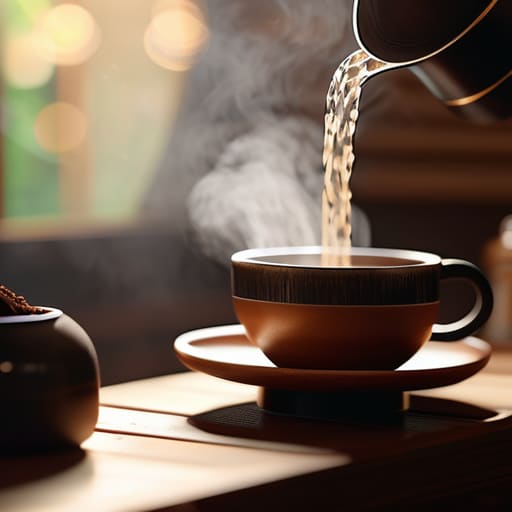
To understand the modern rush of the Tokyo specialty coffee scene, one must first step backward into the amber-hued dimness of the kissaten. These are not mere coffee shops; they are temporal anomalies. Long before the arrival of the third wave coffee movement in Japan, the kissaten served as the city’s quiet living rooms. Here, the ritual is king. You don’t see baristas rushing to fulfill mobile orders; instead, you see a master craftsman meticulously pouring hot water over grounds with a precision that borders on the sacred.
The essence of kissaten history and tradition lies in this deliberate deceleration. In these spaces, the aesthetic isn’t about the starkness of modern minimalism, but rather a heavy, lived-in comfort—dark wood, velvet upholstery, and the faint scent of old paper. It is a place designed for solitary contemplation. While the world outside accelerates through Shinjuku Station at breakneck speeds, the kissaten remains anchored, offering a sanctuary where the only thing that matters is the steady drip of the siphon and the weight of the silence.
Japanese Minimalist Cafe Design the Beauty of Empty Space
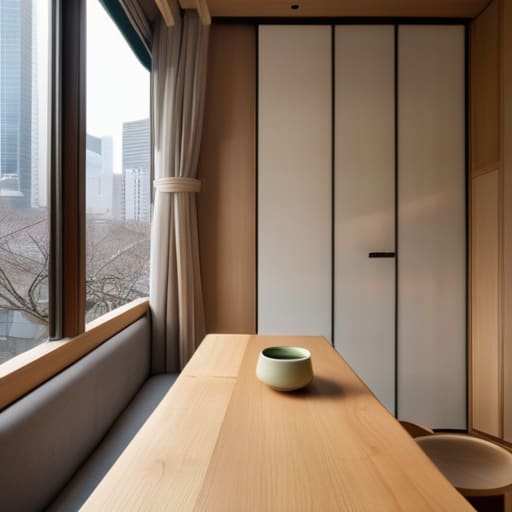
In my years managing logistics, I learned that efficiency is often mistaken for clutter. But in the modern urban landscape of Tokyo, I’ve found that true efficiency—and perhaps true peace—lies in what is left out. This is the heart of japanese minimalist cafe design. Unlike the sensory overload of the Shinjuku streets, these spaces utilize ma, or negative space, to create a psychological buffer between the patron and the city’s relentless momentum. It isn’t just about white walls and bare wood; it is a deliberate architectural choice to reduce cognitive load.
As the third wave coffee movement japan has evolved, this minimalism has shifted from a purely aesthetic choice to a functional one. You see it in the way a single light fixture is positioned to highlight the texture of a pour-over, or how the geometry of a concrete counter directs the flow of movement. There is a quiet, mathematical precision to these layouts that appeals to my sense of order. In these rooms, the absence of noise and excess allows you to focus entirely on the weight of the ceramic in your hand and the slow, rhythmic ritual of the brew.
Navigating the Quiet Rituals: A Logistical Guide to the Japanese Café
- Respect the silence of the space. In many smaller shops, especially the older kissaten, the atmosphere is part of the service. Keep your voice low and your phone on silent; you aren’t just a customer, you are a guest in someone’s carefully curated quietude.
- Understand the unspoken etiquette of seating. In crowded urban hubs, don’t expect a large table for one. Look for the counter seats—the “solo traveler’s sanctuary”—which are designed to allow you to observe the room without disrupting the flow of service.
- Mind the “one drink” rule. Unlike the sprawling, high-turnover coffee chains in the West, many independent Japanese cafés operate on thin margins. If you find a perfect corner, order a second cup or a small snack if you plan to linger; it’s a matter of respect for the establishment’s rhythm.
- Observe the cash-heavy reality. While Tokyo is modernizing, many of the most authentic, soul-filled cafés still rely on the tactile simplicity of yen. Always keep small denominations and coins on hand to avoid disrupting the transaction at the register.
- Look for the “hidden” entrances. The best coffee often isn’t behind a neon sign at street level. It’s frequently tucked away on a second floor or down a narrow staircase between two office buildings. If a doorway looks unremarkable, follow your intuition—that’s often where the real character resides.
The Rhythms of the Cup: Lessons from the Sidewalk
Look past the polished storefronts; the true character of a neighborhood is often found in the weathered wooden door of a shop that hasn’t changed its menu in forty years.
Respect the intentionality of the space, whether it is the grand silence of a minimalist design or the cluttered, comforting density of a traditional kissaten.
Use the café as a stationary vantage point to observe the city’s logistics—watch how the morning rush flows and how the evening settles, one coffee at a time.
The Rhythm of the Roast
“A Japanese café is rarely about the spectacle of the brew; it is a carefully calibrated pause in a city that never stops moving, a small, functional sanctuary where the steam from a cup provides the only necessary friction against the rush of the street.”
Rurik Salonen
The Rhythm of the Cup
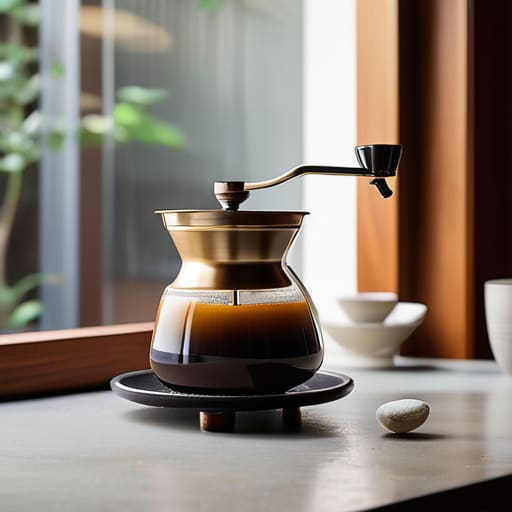
As I sit here, sketching the layout of this particular corner in Shimokitazawa, I realize that Japan’s café culture is not a singular entity, but a spectrum. It is a delicate balance between the unyielding weight of history found in the dimly lit kissaten and the deliberate, airy precision of the modern minimalist space. Whether you are seeking the nostalgia of a dark wood counter or the quiet clarity of a concrete-and-glass sanctuary, these spaces serve a vital function. They act as the city’s pressure valves, providing a necessary pause in the relentless machinery of urban life.
Ultimately, finding the right café isn’t about following a trend or seeking out a famous name on a map. It is about recognizing when you need to stop moving and simply observe the world breathing. The true magic lies in those fleeting moments—the scent of freshly roasted beans, the soft clink of a spoon, and the stillness that settles over you when you finally find your seat. Don’t rush through your journey to reach the next landmark. Instead, let the city guide you toward its quietest corners, and let a simple cup of coffee remind you that the most profound discoveries are often found in the pauses.
Frequently Asked Questions
How can I distinguish between a modern third-wave coffee shop and a traditional kissaten when I'm navigating a busy neighborhood?
Look for the sensory cues. A third-wave shop announces itself with bright lighting, exposed concrete, and the rhythmic, high-pitched hiss of an espresso machine. It feels efficient, almost clinical. A kissaten, however, pulls you into a dim, weighted stillness. You’ll see heavy velvet curtains, the scent of dark-roast beans lingering in wood paneling, and a proprietor moving with a deliberate, unhurried grace. One is built for the caffeine rush; the other is built for the pause.
Are there specific unspoken etiquette rules I should follow when sitting alone in a small, quiet café?
When you’re sitting alone in a cramped kissaten, your footprint matters. I’ve learned that silence is the primary currency. Keep your phone on silent; the soft chime of a notification can feel like a physical intrusion in a small space. Avoid spreading your belongings—a notebook and a camera are fine, but don’t claim the entire table. Most importantly, respect the rhythm. Once you’ve finished your coffee, move on. These spaces are small, and the flow depends on it.
Is it possible to find these more tucked-away, authentic spots using standard navigation apps, or do I need to rely on wandering the side streets?
The apps are efficient for logistics, but they aren’t built for discovery. Google Maps will lead you to the most highly-rated, high-traffic destinations—the places that have mastered the algorithm, not necessarily the ones that have mastered the craft. If you want the truly quiet corners, you have to put the phone away. Follow the narrowest alleys and look for the handwritten signs. The best way to find a place is to simply get lost.
