Blog

  • The Architecture of Modern Tokyo

    The Architecture of Modern Tokyo

    I was sitting in a cramped izakaya in Shimokitazawa last Tuesday, watching the rain streak against a window that had likely been replaced three times since the Showa era. Most guidebooks will tell you that to understand tokyo architecture, you need to stand at the base of a gleaming glass monolith in Roppongi or queue for hours to see a museum designed by a starchitect. They’re wrong. To me, the real structural story isn’t found in the grand gestures of steel and light; it’s found in the functional friction where a concrete retaining wall meets a wooden gate, or how a tiny, three-story house manages to breathe amidst a sea of power lines.

    I’m not here to sell you on the spectacle of the skyline. Instead, I want to show you how to read the city like a blueprint. We are going to look past the neon distractions to find the quiet, structural logic that keeps this massive machine running. My goal is to help you recognize the beauty in the utilitarian—the way a transit hub dictates the flow of a neighborhood, or how a single alleyway can hold more architectural truth than a skyscraper.

    Table of Contents

    The Metabolism Architecture Movement and the Dream of Growth

    The Metabolism Architecture Movement and the Dream of Growth.

    To understand the skeletal structure of this city, one has to look back at the feverish energy of the mid-century. Following the devastation of the war, Japan didn’t just rebuild; it reimagined the very concept of permanence. This gave rise to the metabolism architecture movement, a philosophy that treated buildings not as static monuments, but as living, breathing organisms capable of growth and modular change. I often find myself staring at the Nakagin Capsule Tower—before its recent decommissioning—thinking about how its designers envisioned a city that could shed its skin and evolve alongside its inhabitants.

    It was a bold, almost frantic attempt at post-war urban reconstruction that sought to marry high-tech modularity with a deep-seated cultural understanding of organic cycles. While some of these concrete dreams eventually succumbed to the friction of reality, the spirit remains. You see it in the way certain districts still strive for that futuristic cityscape design, attempting to balance the rigid demands of density with a sense of kinetic movement. It is a tension between the desire to stay rooted and the necessity of constant, restless expansion.

    Post War Urban Reconstruction Finding Order in the Chaos

    Post War Urban Reconstruction Finding Order in the Chaos

    When I look at the sprawl of Shinjuku or the dense corridors of Ginza, I don’t just see steel; I see the scars of a city that had to reinvent itself from the ground up. The era of post-war urban reconstruction wasn’t just about rebuilding lost ground; it was a frantic, necessary attempt to impose a new kind of logic onto a landscape that had been leveled. You can feel that tension in the street layouts. There is a palpable struggle between the need for rapid, high-density expansion and the lingering ghost of the old city.

    Unlike the grand, sweeping urban plans of many Western capitals, Tokyo’s recovery felt more like a series of tactical maneuvers. It was a logistical puzzle of necessity. While much of the city moved toward a futuristic cityscape design to signal progress, there remained a stubborn, quiet resistance in the smaller pockets. Even amidst the concrete, you’ll find traces of traditional Japanese wooden structures tucked into the margins of new developments, serving as a reminder that the city’s foundation is far more layered than the glass facades suggest.

    A Logistical Approach to Observing the City

    • Don’t look up; look down and around. The most compelling architectural stories in Tokyo aren’t told by the glass towers, but by the way a tiny, wooden machiya clings to the side of a concrete parking garage. It is in these tight, improbable squeezes that you see the city’s true spatial logic.
    • Use the transit hubs as your vantage points. Instead of rushing through Shinjuku or Shibuya, find a quiet corner of an elevated walkway. From there, you can observe how the massive structural skeletons of the stations integrate with the organic, messy flow of the streets below.
    • Follow the light, not the neon. If you want to understand the texture of the city, seek out the narrow residential streets during the “blue hour” just after sunset. The way the soft light hits the varying surfaces—from corrugated metal to polished cedar—reveals the layers of history that the bright lights of Ginza tend to wash out.
    • Carry a physical notebook. Digital maps are efficient for getting from A to B, but they flatten the world. Sketching the way a staircase winds through a cramped building or how a balcony juts out over a sidewalk forces you to acknowledge the three-dimensional reality of Tokyo’s density.
    • Respect the concept of Ma (negative space). In a city that feels like it’s constantly expanding, the most significant architectural moments are often the gaps—the small courtyard between buildings or the empty space in a shrine’s entrance. Learning to see the value in what isn’t there is key to understanding Japanese urban design.

    The Lessons Found in the Layers

    Architecture in Tokyo isn’t a static monument; it is a living, breathing response to the constant tension between rapid growth and the necessity of rebuilding.

    To truly understand the city, one must look past the grand structural statements and observe how the built environment accommodates the flow of millions through its transit-oriented design.

    The city’s soul is found in the transition—the way a high-tech, Metabolist structure can sit in quiet, functional harmony with a narrow, post-war alleyway.

    The Architecture of Movement

    “Most people look at Tokyo and see a finished product, a static collection of steel and glass. But if you watch closely, you realize the city isn’t a monument; it’s a living, breathing logistical puzzle, constantly reconfiguring itself to stay one step ahead of its own heartbeat.”

    Rurik Salonen

    The Living Blueprint

    Tokyo skyline: The Living Blueprint.

    Looking back at the layers we have peeled away, it becomes clear that Tokyo’s skyline is not a static collection of buildings, but a continuous process. From the ambitious, organic visions of the Metabolism movement to the pragmatic, rapid-fire reconstruction that followed the war, the city has always been in a state of flux. We have seen how the tension between radical growth and necessary order has shaped every street corner. Architecture here isn’t just about the steel and glass that reaches for the clouds; it is about the structural response to a history defined by constant evolution and the relentless need to rebuild.

    As I sit here in a small cafe near Shinjuku, watching the commuters flow through the station like blood through an artery, I am reminded that the true beauty of Tokyo lies in its unrelenting adaptability. You won’t find the answers in a single monument or a grand plaza, but in the way the city breathes through its contradictions. To understand Tokyo is to accept that nothing is permanent, and there is a profound, quiet grace in that transience. Don’t just look up at the towers; look at how the city finds its way through the cracks, constantly reinventing itself one brick and one subway line at a time.

    Frequently Asked Questions

    How do the massive, modern transit hubs actually integrate with the older, more traditional residential neighborhoods nearby?

    It’s a delicate, almost invisible friction. You step out of the hyper-efficient, glass-and-steel vacuum of Shinjuku or Shibuya, and suddenly the scale shifts. The transition isn’t a hard line; it’s a gradual tapering. The massive transit arteries feed into these smaller, capillary-like streets where the architecture shrinks back to wood and tile. The noise of the commuters dissolves into the quiet hum of a residential block, proving that Tokyo’s strength lies in this seamless, layered coexistence.

    If Metabolism was about growth and change, why do so many of those iconic structures feel like they've been frozen in time?

    It’s a bit of a paradox, isn’t it? Metabolism was designed as a living, breathing organism—modular units meant to be plugged in or swapped out as the city evolved. But in practice, the logistics of such constant change proved too complex, even for a country as efficient as Japan. Instead of evolving, these structures became static monuments to a future that never quite arrived, leaving us with these heavy, beautiful relics of a dream.

    Beyond the famous landmarks, where can one find the most interesting examples of how small-scale architecture handles Tokyo's extreme density?

    To see how Tokyo truly manages its density, leave the grand plazas and head toward the residential pockets of Setagaya or the narrow lanes of Yanaka. Look for the “micro-houses”—those impossibly slim structures wedged between utility poles and neighbors. It’s in these tiny, ingenious footprints, where every centimeter of floor space is a calculated decision, that you witness the real mastery of urban survival. That is where the city’s logic becomes intimate.

  • The Social Role of Local Izakayas

    The Social Role of Local Izakayas

    I was sitting in a polished, glass-fronted eatery in Shinjuku last Tuesday, surrounded by tourists clutching glossy guidebooks and menus translated into five different languages. They were paying a premium for “authentic” experiences that felt more like a stage set than a meal. It struck me then how much we miss when we chase the neon lights and the high-rise reviews. The true rhythm of a city isn’t found in these curated spectacles; it’s tucked away in the dim, cedar-scented warmth of neighborhood izakayas that most travelers simply walk right past.

    I have no interest in ranking the most “Instagrammable” spots or guiding you toward overpriced tourist traps. Instead, I want to show you how to read the city like a map—looking for the signs of functional beauty in a narrow doorway or the steady hum of a local crowd. My goal is to provide you with a practical, no-nonsense guide to finding those quiet corners where the food is honest and the atmosphere is unforced. We aren’t looking for landmarks; we are looking for the soul of the street.

    Table of Contents

    Finding Truth in Authentic Japanese Pub Food

    Finding Truth in Authentic Japanese Pub Food.

    To understand the menu of a true local establishment, one must look past the glossy translations. Real authentic Japanese pub food isn’t about spectacle; it is about the precision of a single, perfectly charred skewer or the brine of a well-prepared seasonal vegetable. I often find myself sitting on a wooden stool, watching the chef work with a rhythmic efficiency that reminds me of the supply chains I used to manage. There is a profound honesty in a dish that doesn’t try to be anything other than what it is.

    The magic happens when you lean into the tapas-style small plates that define the experience. Instead of one heavy entree, you order a series of small, intentional bites—perhaps some grilled mackerel or a chilled tofu dish—designed to be shared. This method of eating mirrors the very structure of the city itself: many small, interconnected parts working in unison. When you pair these flavors with thoughtful Japanese sake pairings, you aren’t just eating; you are participating in a centuries-old ritual of decompression and connection.

    The Ritual of After Work Dining Traditions

    The Ritual of After Work Dining Traditions.

    There is a specific cadence to the way a Japanese city shifts as the sun dips below the skyline. In my years of managing logistics, I learned to respect the efficiency of a well-oiled machine, but nothing compares to the rhythmic precision of after-work dining traditions. As the salarymen spill out of the office buildings, they aren’t just looking for fuel; they are seeking a transition. They move toward these dimly lit sanctuaries to shed the weight of the workday. It is a collective exhale, a momentary pause in the city’s relentless momentum.

    Inside, the atmosphere is defined by a unique community dining atmosphere that feels both intimate and incredibly structured. You see it in the way a group orders a series of tapas-style small plates, passing dishes around as a way to reconnect. There is no rush here. Whether it is a solo traveler or a team of engineers, the ritual remains the same: a shared sense of belonging that exists in the space between the last meeting and the long commute home.

    • Look for the “salaryman” density. If you see a cluster of local workers shedding their formal layers at the door, you’ve found a place that prioritizes consistency over spectacle. A crowded shop is often just a sign of a well-oiled kitchen.
    • Master the art of the “Otooshi.” Don’t view the small mandatory appetizer as a nuisance or a hidden fee; it is the opening movement of the meal, a small, necessary ritual that settles the palate before the main courses arrive.
    • Observe the flow before you sit. A good izakaya functions like a well-managed warehouse—there is a specific rhythm to how orders move and how staff navigate the tight aisles. If the movement feels chaotic rather than purposeful, the food likely will too.
    • Embrace the counter seat. While a table offers privacy, the counter offers observation. Sitting there allows you to watch the precision of the chefs and the unspoken communication between the staff, providing a much clearer view of the establishment’s true character.
    • Don’t fear the language barrier. In these smaller, neighborhood spots, a simple nod, a polite “sumimasen,” and a smile go much further than a complex menu translation. The most authentic experiences are often found in the spaces where formal English fails.

    The Logician’s Guide to the Backstreet Izakaya

    Look past the neon signage of the main thoroughfares; the most honest flavors are found in the narrow, dimly lit alleys where the menu is dictated by the day’s market, not a corporate handbook.

    Observe the rhythm of the room to understand its purpose, distinguishing between the boisterous camaraderie of a salaryman’s wind-down and the quiet, solitary comfort of a local regular.

    Value the imperfections—the chipped ceramic sake cups and the weathered wooden counters—as they are the tactile evidence of a space that has aged alongside its community.

    The Logistics of Connection

    “An izakaya isn’t just a place to eat; it is a vital, small-scale node in the city’s social supply chain, where the friction of a long workday is finally smoothed away by the simple, rhythmic clinking of highball glasses.”

    Rurik Salonen

    The Quiet Geometry of a Shared Meal

    The Quiet Geometry of a Shared Meal.

    As I sit here, sketching the frantic intersection of the nearby subway line in my notebook, I realize that these neighborhood izakayas are more than just places to consume calories. They are the essential valves of the city, regulating the pressure of urban life through the simple mechanics of shared plates and steady rhythms. We have explored how the authenticity of the food serves as a gateway to local culture, and how the ritual of the after-work drink provides a necessary structural pause in the relentless momentum of the metropolis. To find these spaces, one must look past the neon-lit main thoroughfares and instead follow the subtle currents of human movement into the side streets.

    Ultimately, understanding a city like Tokyo or Osaka requires a willingness to slow your pace and observe the small, functional details that others overlook. A city is not merely a collection of landmarks; it is a living, breathing organism that sustains itself in these dim, wooden-clad corners. When you step into an izakaya, you aren’t just a tourist; you are witnessing the unspoken choreography of a community finding its balance. So, the next time you find yourself lost in the sprawl, don’t look for the brightest sign. Look for the smallest door, and listen for the quiet hum of a city breathing in unison.

    Frequently Asked Questions

    How can I distinguish a genuine neighborhood izakaya from a tourist-oriented establishment when walking through a busy district?

    Look for the lack of English signage. A genuine izakaya doesn’t need to shout at you with bright neon or translated menus. Instead, watch the flow of the crowd. If you see salarymen loosening their ties or locals settling into a rhythmic, unhurried meal, you’ve found something real. Look for the small details: a handwritten chalkboard menu, the dim, warm glow of a single lantern, and a sense of quiet, functional purpose.

    Is there a specific etiquette I should follow regarding ordering and interacting with the staff in these smaller, more intimate spaces?

    In these smaller spaces, the rhythm is everything. Don’t rush the process. When you sit, a small dish of edamame or pickled vegetables—the otoshi—will likely appear; consider this your entry fee, a polite acknowledgement of your presence. When ordering, a simple “sumimasen” works wonders, but keep your voice low. These venues are intimate, often shared with regulars. Observe their flow, respect the quiet, and you’ll find the staff treats you less like a tourist and more like a guest.

    What is the best way to navigate the "otōshi" (table charge) system without feeling caught off guard?

    Don’t let the otōshi unsettle you; think of it less as a hidden fee and more as a small, mandatory contribution to the rhythm of the establishment. It’s essentially a cover charge that includes a tiny appetizer—a small nod to the kitchen’s preparation. When the bill arrives, just look for that small line item. It’s a standard part of the urban choreography here. Accept it, enjoy the snack, and keep observing.

  • Exploring Different Japanese Curry Varieties

    Exploring Different Japanese Curry Varieties

    I remember sitting in a cramped, fluorescent-lit station eatery near Shinjuku during a torrential downpour, watching a salaryman methodically work through a bowl of thick, dark roux. There was no fanfare, no gold-leaf garnish, just the heavy, comforting scent of toasted spices cutting through the damp city air. Most guidebooks will try to sell you on the idea that understanding japanese curry varieties requires a fine-dining palate or a deep dive into esoteric spice histories, but they’re missing the point entirely. To me, the real distinction isn’t found in a Michelin star; it’s found in the functional rhythm of a meal that fuels a person for the long commute ahead.

    I have no interest in chasing culinary trends or overpriced fusion nonsense. Instead, I want to walk you through the practical landscape of what you’ll actually encounter on the streets of Tokyo and Osaka. I’m going to strip away the marketing fluff and show you the essential differences between the styles—from the heavy, gravy-like textures of home-style cooking to the sharper, more refined regional iterations. My goal is to help you navigate these flavors with the same precision I once used to map out a global supply chain, ensuring you find exactly what you need.

    Table of Contents

    Decoding the Soul of Japanese Curry Roux Ingredients

    To understand the character of a curry, one must look past the plate and into the base—the roux. In my years managing logistics, I learned that a complex system is only as reliable as its fundamental components. The same applies here. When you examine the various Japanese curry roux ingredients, you aren’t just looking at flour and fat; you are looking at a blueprint of flavor. A heavy hand with cocoa powder or instant coffee can lend a dark, brooding depth to the sauce, while the inclusion of grated apple or honey introduces a subtle, fruity sweetness that softens the edges of the spice.

    It is this delicate calibration that defines the different Japanese curry flavor profiles found across the archipelago. I’ve sat in small, wood-paneled shops in Osaka where the chef treats the simmering pot with the same precision I once saw in a high-tech warehouse. Some prioritize a thick, velvety consistency that clings to rice, while others lean toward a more fluid, aromatic style. It is a matter of structural integrity—the way the sauce interacts with the starch—that separates a mere meal from a piece of culinary architecture.

    Mapping the Spectrum From Mild vs Spicy Japanese Curry

    Mapping the Spectrum From Mild vs Spicy Japanese Curry.

    When I sit down in a small eatery near Shinjuku Station, I don’t look at the menu for the meat; I look for the heat scale. Navigating the nuances of mild vs spicy Japanese curry is much like reading a transit map—you have to understand the direction of the flow before you commit to the journey. A mild curry isn’t merely “safe”; it is often a masterclass in depth, relying on a slow-simmered sweetness from grated apples or honey to carry the weight of the spices. It is the ultimate comfort food Japanese cuisine, designed to settle the spirit after a long day of navigating the city’s frantic pace.

    On the other end of the spectrum, the heat becomes a structural element rather than an afterthought. As you move toward the sharper, more aggressive profiles, the spice begins to cut through the richness of the roux, demanding your full attention. I’ve often found myself weighing the heavy, gravy-like consistency of a classic plate against the more fluid, aromatic intensity found in a katsu curry vs soup curry comparison. One offers a dense, grounding warmth, while the other provides a lighter, more volatile experience that dances on the palate.

    Navigating the Curry Landscape: A Few Logistical Observations
    • Don’t let the heat levels fool you; in Japan, “spicy” is a relative term. Always ask for the karai-sa (spiciness level) before ordering, as a “medium” in a local neighborhood shop might feel quite different from the standardized heat of a commercial chain.
    • Look for the “Soup Curry” specialists in Hokkaido if you find yourself traveling north. Unlike the thick, roux-based stews common in Tokyo, these are more of a broth-based affair, designed to be navigated with a spoon and a fork for the large, chunky vegetables.
    • Pay attention to the texture of the sauce. A truly well-made curry often has a slight graininess or weight to it, suggesting a slow-simmered base of sautéed onions rather than a quick-fix powder. It’s the difference between a well-oiled machine and a prototype.
    • Seek out the “Katsu Curry” combinations, but treat them as a study in structural balance. The crispness of the fried pork cutlet provides a necessary textural counterpoint to the heavy, velvet-like consistency of the curry sauce.
    • Observe the rice. In many smaller, authentic shops, the rice isn’t just a side dish; it’s the foundation. It should be short-grain, slightly sticky, and capable of absorbing the sauce without turning into a shapeless mass. The rice is the carrier for the entire logistical operation of the meal.

    The Logistical Essence of the Curry Experience

    Forget the heat levels; true Japanese curry is a study in balance, where the depth of the roux and the complexity of the spices matter far more than a simple spice rating on a label.

    To understand a neighborhood, look at its curry. A shop’s specific recipe—whether it leans toward a heavy, dark gravy or a lighter, fruitier profile—is a direct reflection of the local palate and history.

    Don’t rush the meal. The real character of the dish is found in the slow-simmered details that most people overlook in their hurry to move on to the next destination.

    The Logistics of Flavor

    Just as a well-oiled transit network relies on the seamless integration of countless moving parts, a truly exceptional Japanese curry is a masterclass in equilibrium—where the heavy weight of the roux meets the sharp, bright notes of spice to create a system that feels entirely whole.

    Rurik Salonen

    The Final Destination

    Japanese curry is The Final Destination.

    As we have seen, navigating the vast landscape of Japanese curry is less about memorizing a list of ingredients and more about understanding the delicate balance of heat, texture, and tradition. Whether you are dissecting the complex, slow-cooked layers of a heavy roux or choosing between the sharp bite of a spice-forward regional style and the comforting, mild embrace of a family-style stew, you are engaging with a culinary system that is as finely tuned as any metropolitan transit network. Each variety serves a specific purpose, a specific mood, and a specific moment in the rhythm of the day. To master the nuances of these flavors is to begin to truly decode the palate of Japan itself.

    In my years of managing complex logistics, I learned that the most important details are often the ones that operate quietly in the background. Japanese curry is much the same; it is the steady, reliable heartbeat of the city’s food culture. Don’t feel pressured to find the “best” version or the most famous recipe. Instead, I encourage you to wander into those narrow, dimly lit eateries where the steam obscures the windows and the menu is handwritten. Seek out the bowl that speaks to your current state of mind. After all, the true essence of travel isn’t found in the grand gestures, but in the quiet, flavorful truths we discover in the most unassuming places.

    Frequently Asked Questions

    How can I tell the difference between a curry made from a commercial roux block and one prepared from scratch in a local kitchen?

    The distinction lies in the texture and the “finish.” A commercial roux block is designed for consistency; it’s smooth, uniform, and often has a slightly heavy, gelatinous mouthfeel that coats the tongue predictably. When a kitchen prepares it from scratch, you’ll notice a more nuanced depth. The sauce feels lighter, perhaps even slightly grainier from hand-toasted spices, and the flavors evolve on your palate rather than hitting you all at once.

    Are there specific regions in Japan where the curry profile changes, perhaps reflecting local agricultural specialties?

    It’s rarely a matter of official decree, but rather a reflection of what the land provides. In Hokkaido, the sheer abundance of dairy lends a heavy, velvety richness to the roux that you won’t find elsewhere. Meanwhile, in the warmer southern stretches, you’ll encounter a sharper, more fruit-forward profile—often utilizing local citrus or even subtle infusions of ginger to cut through the humidity. The geography dictates the plate; the soil dictates the spice.

    If I am looking for a more traditional, less modernized experience, should I seek out "kare-raisu" in older neighborhoods or look for specific styles like Kyoto-style?

    If you’re looking to escape the processed, hyper-commercialized flavors of the modern era, steer clear of the major station hubs. You want the older neighborhoods—the shitamachi districts—where the curry shops have been family-run for decades. Look for “kare-raisu” in these pockets; the roux is often thicker, darker, and less reliant on the instant cubes found in supermarkets. Kyoto-style is a lovely nuance, but the real soul lies in those aging, unassuming storefronts.

  • Taking Walking Tours Through Japanese Cities

    Taking Walking Tours Through Japanese Cities

    Most people approach urban walking tours like they’re checking items off a grocery list—following a guide through a crowded plaza just to stare at a temple they could have seen from a bus window. It’s a frantic, superficial way to see a city, and frankly, it’s a waste of good daylight. I’ve spent decades managing complex logistics, so I have a low tolerance for inefficiency, and there is nothing more inefficient than a tour that ignores the actual mechanics of how a city functions. If you are just looking for a curated photo op in front of a monument, you aren’t really traveling; you’re just spectating.

    I’m not here to sell you on the polished, tourist-trap version of city exploration. Instead, I want to show you how to use urban walking tours as a lens to see the structural truth of a place—the way the transit veins feed the neighborhoods and how the quiet, overlooked side streets hold the real history. My goal is to provide you with a practical framework for finding the functional beauty in the chaos. We aren’t looking for the highlights; we are looking for the pulse.

    Table of Contents

    Finding Rhythm Through Guided City Strolls

    Finding Rhythm Through Guided City Strolls.

    There is a specific kind of efficiency found in a well-curated path. While I often prefer to wander solo with my notebook, I have come to realize that guided city strolls offer a structural clarity that a solitary traveler might miss. A professional guide doesn’t just point at a building; they explain the logistical reason why a street curves a certain way or how a district’s layout evolved to handle the flow of millions. It’s about seeing the skeleton of the city beneath the skin.

    When I look for the best ways to navigate these dense environments, I look for guides who prioritize architectural walking tours over the usual tourist traps. I want to understand the transition from Showa-era concrete to the glass-and-steel efficiency of the modern skyline. These organized movements allow you to observe the city’s pulse without getting lost in the static. By following a structured route, you aren’t just walking; you are learning to read the subtle, unspoken language of the streets, turning a simple stroll into a deep study of urban functionality.

    Architectural Walking Tours and the Citys Breath

    Architectural Walking Tours and the Citys Breath

    While many people flock to the grandest cathedrals or the most famous skyscrapers, I find that architectural walking tours offer a far more intimate way to gauge a city’s structural integrity and history. To me, a building isn’t just a facade; it is a record of the era that birthed it. When I walk through districts like Ginza or the older quarters of Osaka, I’m not looking for the flashiest neon. Instead, I’m looking at how the steel meets the glass, or how a narrow wooden doorway from the Meiji era survives in the shadow of a concrete monolith. It is in these transitions that you see how a city manages its own evolution.

    If you are looking for more than just a photo opportunity, I suggest treating these walks as a study in spatial efficiency. The most rewarding experiences often come from finding the best walking routes in metropolitan areas where the architecture tells a story of density and necessity. It isn’t about the height of the towers, but rather the way the street level breathes between them. When you stop looking up at the summits and start looking at the seams where different eras collide, you finally begin to understand the city’s true character.

    A Logistics Professional’s Guide to Navigating the Urban Path

    • Prioritize the “Off-Peak” Window. If you want to actually see the city’s bones rather than just a sea of elbows, schedule your walking tour during the mid-morning lull. Avoid the rush hour crush; a city’s character is much easier to observe when you aren’t fighting the tidal wave of commuters.
    • Seek the Specialist, Not the Generalist. Avoid the tours that promise to show you every major landmark in three hours. Look for guides who focus on a specific niche—be it industrial history, transit architecture, or local gastronomy. Depth will always yield more truth than breadth.
    • Follow the Transit Lines. The most interesting stories often unfold at the intersections of major subway arteries or along the periphery of old rail yards. If a tour mentions how the city’s movement shaped its growth, take it seriously. The veins of the city dictate its life.
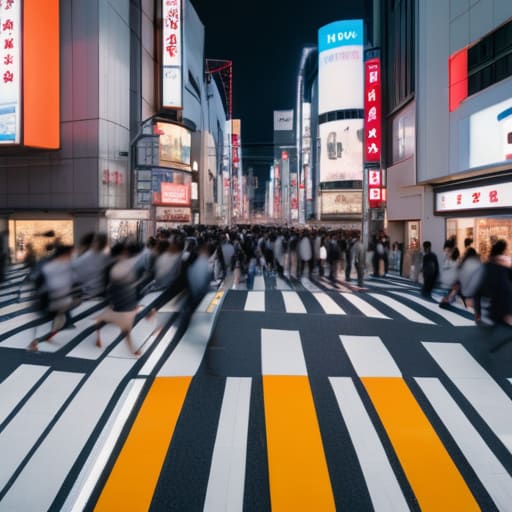
    • Bring a Physical Map and a Notebook. Digital maps are efficient, but they act as a barrier between you and your surroundings. I find that sketching a junction or marking a quiet alley by hand forces me to actually look at the spatial relationship of the streets. It turns a walk into an observation.
    • Embrace the Detours. The best part of any walking tour isn’t the scheduled stop; it’s the moment the guide turns down a narrow side street that wasn’t on the itinerary. If you see a quiet corner or a small, functional shrine that looks untouched by the main tourist flow, linger there. That is where the city breathes.

    The Logician’s Guide to Urban Exploration

    Look past the grand facades; the true character of a city reveals itself in the functional intersections of its transit hubs and the quiet, unscripted moments in its side streets.

    Use walking tours not as a checklist of historical dates, but as a way to synchronize your own pace with the natural breathing patterns of the metropolitan landscape.

    Prioritize observation over consumption by seeking out the small, structural details that most travelers overlook in their rush to reach the next major landmark.

    ## The Logistics of Observation

    “A walking tour shouldn’t just be a list of dates and names shouted over a crowd; it should be a lesson in reading the city’s circulatory system, teaching you to see how a single transit artery or a narrow pedestrian vein dictates the entire life of the street.”

    Rurik Salonen

    The View From the Last Stop

    The View From the Last Stop.

    Whether you find yourself following the curated path of a professional guide or tracing the architectural evolution of a district on your own, the goal remains the same. We have seen how a structured tour can provide the necessary framework to understand a city’s history, and how architectural walks allow us to witness the physical breath of the urban landscape. From the rhythmic efficiency of transit-led strolls to the silent stories told by stone and steel, these walks do more than just move us through space; they teach us to decode the complex logistics of human existence. It is about moving beyond the surface-level spectacle to find the functional beauty that keeps a metropolis alive.

    As I sit here in a small café, sketching the intersection of two subway lines in my notebook, I am reminded that the best tours are often the ones that leave room for the unexpected. Don’t feel pressured to follow every signpost or memorize every date. Instead, allow yourself to get lost in the quiet, functional details that most travelers overlook. A city isn’t a museum to be viewed from behind glass; it is a living, breathing organism. If you approach your walk with a sense of steady observation rather than a checklist, you will find that the true heart of the city reveals itself in the spaces between the landmarks.

    Frequently Asked Questions

    How can I distinguish between a superficial tourist trek and a tour that actually explores the functional soul of a neighborhood?

    Look for the guide’s focus. A superficial trek will keep you tethered to the “greatest hits”—the landmarks you’ve already seen on postcards. They prioritize the spectacle. A tour that seeks the functional soul, however, will lead you toward the transit hubs, the local markets, and the way the light hits a residential side street at dusk. If they aren’t explaining how the neighborhood actually operates, they aren’t showing you the city; they’re just showing you a museum.

    Are there specific walking tours that focus more on the logistical layout and transit history of a city rather than just its historical monuments?

    To be honest, you won’t find many commercial tours catering to that specific itch, but that’s exactly where the real discovery begins. Most operators chase the grand facades, ignoring the veins that keep the city alive. If you want to understand the logistical skeleton, skip the monument tours. Instead, trace the evolution of the rail lines or walk the repurposed industrial corridors. That’s where the city’s true structural logic reveals itself.

    For someone who prefers a more solitary, observant approach, is it better to join a structured group or attempt to map out my own route through the side streets?

    If you value observation, skip the group. A structured tour, no matter how well-led, imposes a cadence that isn’t yours. You become a passenger in someone else’s narrative. For a true sense of the city, map your own route. There is a specific, quiet clarity found in navigating a labyrinth of side streets alone, allowing you to pause at a single storefront or a particular junction for as long as the rhythm demands.

  • Studying Traditional Architecture in Kyoto

    Studying Traditional Architecture in Kyoto

    I was sitting on a low wooden bench in a corner of Gion last Tuesday, the smell of damp cedar and rain-slicked stone heavy in the air, when I realized most people are looking at the wrong things. They flock to the massive, gilded temples, snapping photos of the gold leaf and the crowds, thinking they’ve captured the essence of the city. But to me, the true soul of kyoto traditional architecture isn’t found in the grand spectacles; it’s in the rhythmic geometry of a weathered machiya eaves or the way a sliding shoji screen manages the light of a fading afternoon. It’s in the functional, quiet logic of how these structures have breathed alongside the seasons for centuries.

    I’m not here to sell you a postcard or a list of the most “Instagrammable” shrines. My goal is to strip away the tourist veneer and look at the structural integrity and intentionality behind these ancient designs. I want to show you how to read the bones of the city—the joinery, the spatial flow, and the subtle transitions between shadow and light. We are going to look past the hype to find the quiet, functional beauty that actually defines this place.

    Table of Contents

    Machiya Townhouse Design and the Citys Pulse

    Machiya Townhouse Design and the Citys Pulse.

    Walking through the narrow streets of Gion or Shimogyo, you realize that the city isn’t just a collection of buildings; it is a rhythmic arrangement of wood and shadow. The machiya townhouse design serves as the primary heartbeat of this urban rhythm. These long, narrow dwellings were never meant to be grand monuments; they were functional responses to the constraints of a dense, merchant-driven society. I often find myself pausing to sketch how these structures lean into one another, creating a continuous, textured wall that defines the streetscape.

    There is a profound logic to how they breathe. Unlike the sprawling estates of the nobility, these homes utilize japanese wooden structure techniques to manage both space and climate, channeling air through internal courtyards to maintain a steady temperature. It is a masterclass in logistical efficiency. Even the way the dark timber contrasts against the pale plaster of a nearby kura storehouse architecture tells a story of a city built on durability and careful resource management. To understand Kyoto, you must look past the bright storefronts and study the way these wooden bones support the weight of history.

    The Logic of Japanese Wooden Structure Techniques

    The Logic of Japanese Wooden Structure Techniques.

    There is a profound, mathematical elegance to the way these buildings stand. In my years managing global logistics, I learned that any system—no matter how complex—relies on the integrity of its smallest connections. The same is true here. Unlike the rigid, bolted steel of modern skyscrapers, japanese wooden structure techniques rely on a sophisticated system of interlocking joints. These joints, or kigumi, allow the timber to breathe and shift slightly during an earthquake, absorbing kinetic energy rather than fighting it. It is a masterclass in resilience through flexibility.

    When I sit in a quiet courtyard, sketching the joinery in my notebook, I am struck by the absence of nails. Every beam and pillar is held in place by a silent, tension-based logic. This isn’t just about aesthetics; it is a functional response to a humid, seismic environment. You see this same structural honesty reflected in the heavy, protective weight of kura storehouse architecture, where thick plaster walls meet precision-cut wood. To understand these buildings is to understand that strength is not always found in hardness, but in the way individual parts work in concert to maintain a delicate, lasting equilibrium.

    Reading the Grain: Five Ways to Observe Kyoto’s Built Legacy

    • Look for the ‘Koshi’ lattices. Don’t just see them as decorative woodwork; observe how these narrow wooden slats manage the delicate balance between privacy for the inhabitants and the necessary airflow required for a timber-heavy city.
    • Pay attention to the threshold of the ‘Engawa’. This veranda isn’t just a porch; it is a functional buffer zone, a transitional space that mediates the temperature and the light between the controlled interior and the unpredictable elements of the garden.
    • Follow the rooflines. Instead of looking at the buildings as singular units, notice how the heavy, sweeping curves of the ceramic tiles work in concert to shed heavy seasonal rains while creating a rhythmic, visual continuity across the entire district.
    • Seek out the ‘Tsuboniwa’. In the dense urban layout of Kyoto, the true genius lies in the tiny courtyard gardens. These are not mere luxuries; they are the lungs of the townhouse, engineered to pull light and air into the deepest, darkest parts of the structure.
    • Watch the way light hits the weathered timber. The beauty of Kyoto architecture isn’t found in pristine, polished surfaces, but in the patina of aged wood that has survived centuries of humidity and sun—it is a visual record of the city’s endurance.

    The Lessons Left in the Timber

    True architectural beauty in Kyoto isn’t found in grand, isolated monuments, but in the functional rhythm of the Machiya, where design serves the dual purpose of private living and urban integration.

    The longevity of these structures is a testament to a sophisticated, interlocking logic of wood and joinery that respects the material’s natural movement rather than fighting against it.

    To truly understand the city, one must look past the surface aesthetics and appreciate how the spatial organization of these buildings manages the delicate balance between public street life and private sanctuary.

    ## The Silent Geometry of the Past

    “When you look closely at a Kyoto eavesline, you aren’t just seeing wood and joinery; you are seeing a century of calculated decisions made to balance the weight of the rain against the lightness of the breeze.”

    Rurik Salonen

    The Silent Geometry of Kyoto

    The Silent Geometry of Kyoto architecture.

    Looking back at the structural logic of these buildings, it becomes clear that Kyoto’s architecture is more than just an aesthetic choice; it is a masterclass in functional endurance. From the way a Machiya manages the flow of light and air through its narrow footprint, to the ingenious joinery that allows a wooden frame to sway with the earth rather than fight it, every element serves a purpose. These structures were never meant to be static monuments. Instead, they represent a sophisticated understanding of how to live in harmony with the seasons and the constraints of a dense urban environment. When you study the way these timber skeletons hold their ground, you see the true blueprint of resilience that has allowed this city to breathe through centuries of change.

    As I sit here in a small corner cafe, sketching the intersection of a tiled roof and a weathered wooden beam, I am reminded that the most profound lessons aren’t found in the grand temples. They are found in the way a simple eaves-line directs the rain or how a sliding screen subtly alters the privacy of a room. To truly see Kyoto, you must learn to look past the surface and appreciate the quiet intelligence of its design. It is a reminder that even in our modern, high-speed world, there is immense value in building things that are meant to last, meant to adapt, and meant to be understood by those willing to slow down and listen.

    Frequently Asked Questions

    How do these historic wooden structures actually hold up against Kyoto's intense humidity and seasonal rains?

    It’s a matter of breathing. These structures aren’t fighting the humidity; they’re designed to live with it. The deep eaves of a Machiya act like a functional umbrella, shedding heavy rains far from the foundation. Meanwhile, the porous nature of the timber and the strategic placement of floor vents allow air to circulate constantly. It is a passive, elegant system of ventilation that prevents rot by ensuring the wood never stays stagnant.

    Beyond the aesthetic, what practical role did the specific layout of these machiya play in the daily logistics of a merchant family?

    The layout was a masterclass in functional zoning. The mise-niwa—that narrow earthen corridor—acted as a logistical artery, allowing goods to flow from the street to the inner storage without disrupting the family’s private quarters. It separated the public commercial space from the domestic life, ensuring that a merchant could manage inventory and customer flow with surgical precision. In a machiya, efficiency isn’t just a preference; it is built into the very floorboards.

    Are there specific neighborhoods where these traditional building techniques are still being actively preserved, or is it mostly limited to museum-like districts?

    It isn’t just a museum act, though parts of Gion certainly feel curated. If you want to see these techniques breathing, head to Nishijin. It’s a weaver’s district where the machiya aren’t just relics; they are functional workspaces. You’ll see the same timber joinery holding up active workshops. It’s less about polished perfection and more about the grit of a living neighborhood that still relies on its historical bones to function.

  • Key Elements of Japanese Design Aesthetics

    Key Elements of Japanese Design Aesthetics

    I was sitting in a cramped, fluorescent-lit convenience store near Shinjuku Station last Tuesday, watching a salaryman meticulously arrange a single bento box on a tiny counter. Most people look at “Japanese design aesthetics” and immediately think of expensive Zen gardens, high-end minimalist furniture, or those curated Instagram feeds that look more like a sterile hospital wing than a home. They get it wrong. They mistake emptiness for a lack of substance, when in reality, the true beauty lies in the way a space is organized to handle the friction of daily life. It isn’t about how much you can strip away; it’s about the intentionality of what remains.
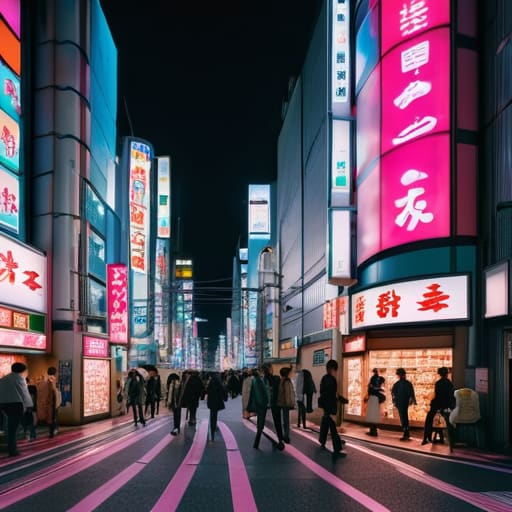
    I’m not here to sell you on a lifestyle brand or a collection of overpriced bamboo trinkets. My goal is to pull back the curtain on the practical mechanics of how these principles actually function in a crowded, breathing city. I want to show you how to spot the quiet logic behind the form—the kind of design that makes a small room feel expansive and a chaotic morning feel manageable. We’re going to look past the marketing hype and focus on the functional truth of how these spaces actually work.

    Table of Contents

    The Ma Concept of Negative Space and Breathing Room

    The Ma Concept of Negative Space and Breathing Room

    In my years managing supply chains, I learned that the most critical part of any system isn’t the cargo, but the buffer—the empty space that prevents a total collapse. This is exactly what I find when I sit in a quiet tea house in Kyoto. They call it ma, and it is much more than just an absence of objects. It is the intentional pause between notes in a song, or the deliberate gap between two pillars. While Western modernism often views an empty room as a void to be filled, the ma concept of negative space treats that emptiness as a functional, living element.

    When I sketch the layout of a traditional machiya, I realize that the beauty doesn’t come from the furniture, but from the way the light hits the floorboards in the unoccupied center of the room. It provides a sense of structural breathing room that allows the mind to settle. This isn’t about a lack of substance; it is a disciplined choice to let the architecture speak through what isn’t there. In a world that feels increasingly cluttered and loud, these pockets of nothingness are where the true character of a space resides.

    Zen Philosophy in Art and the Quietude of Form

    Zen Philosophy in Art and the Quietude of Form

    I found myself sitting in a small tea house near Yanaka yesterday, watching the way the light hit a single, unglazed ceramic bowl. There is a profound stillness in these objects that defies the frantic pace of the Shinjuku crowds just a few miles away. This isn’t merely about aesthetics; it is the practical application of zen philosophy in art. It’s a deliberate rejection of the superfluous. In my years in logistics, I learned that efficiency often comes from stripping away the non-essential, but here, the stripping away is spiritual. It is about finding a sense of purpose in the simplest of shapes.

    Unlike the sharp, often clinical lines of Western modernism, there is a softness here—a way that traditional Japanese craftsmanship embraces the soul of the material. You see it in the grain of a cedar plank or the slight asymmetry of a hand-carved spoon. There is no attempt to force perfection or to mask the passage of time. Instead, there is a quiet acceptance of the organic. It’s a reminder that true order doesn’t require rigid control, but rather a deep, respectful harmony with the natural world.

    The Practical Geometry of a Quiet Life

    • Embrace the integrity of materials. In my years of managing supply chains, I learned that a component is only as good as its origin; the same applies to a room. Avoid the synthetic veneer. Seek out the grain of real cedar or the cool, honest weight of stone. When a material is allowed to be itself, the space stops trying so hard.
    • Curate through subtraction, not addition. We often mistake clutter for comfort, but true order comes from knowing what to leave out. If an object doesn’t serve a functional purpose or offer a moment of genuine contemplation, it is merely noise. A room should have room to breathe.
    • Respect the transition of light. I often find myself sitting in small cafes just watching how the afternoon sun hits a paper screen. Don’t rely on harsh, overhead lighting that flattens a room. Use soft, layered light—lanterns, low lamps, or filtered natural light—to create depth and shadow.
    • Find beauty in the weathered and the worn. There is a certain dignity in a wooden table that has smoothed over decades of use. Don’t chase the sterile perfection of the brand-new; instead, look for pieces that possess a history. It gives a space a soul that a showroom simply cannot replicate.
    • Align your objects with the flow of movement. Even in a small apartment, the way you place a chair or a low table dictates the “logistics” of your daily life. Design your surroundings to facilitate a natural, unhurried rhythm, ensuring that nothing obstructs the quiet path from one task to the next.
    Lessons from the Quiet Details

    Design isn’t about what you add to a room, but what you have the courage to leave out; true functionality relies on the breathing room provided by ma.

    Look past the grand gestures and find the intention in the small things—the way a joint is fitted or a texture is chosen—as these details dictate the soul of a space.

    To live with purpose is to embrace a certain restraint, favoring objects and layouts that serve a clear function while maintaining a sense of calm and order.

    The Logic of the Unseen

    “Most people look for beauty in the ornament, but after years of managing moving parts, I’ve learned that true elegance is found in the absence of friction—it’s the silent, intentional way a space allows you to simply exist within it.”

    Rurik Salonen

    The Architecture of Intention

    The Architecture of Intention in Zen design.

    As I sit here in a small café near Shinjuku station, watching the commuters move with a practiced, rhythmic efficiency, I realize that these aesthetics are not merely decorative choices. We have explored how the concept of Ma provides the necessary silence between notes, and how Zen philosophy strips away the superfluous to reveal the soul of an object. Whether it is the deliberate void in a garden or the understated elegance of a single ceramic bowl, these principles work together to create a sense of purposeful stillness. It is a logistical triumph of the spirit—a way of organizing the chaos of existence into something that feels both inevitable and profoundly calm.

    Ultimately, understanding Japanese design is less about memorizing terminology and more about changing your lens. It is an invitation to slow your pace, to stop rushing toward the next destination, and to actually notice the way light hits a paper screen or how a wooden joint fits perfectly without a single nail. If we look closely enough, we find that beauty doesn’t require volume or grandiosity to be felt. It lives in the quiet, intentional details that most people walk right past. My advice? Next time you find yourself in a crowded city, stop looking for the landmarks, and start looking for the breath.

    Frequently Asked Questions

    How do these principles translate to the cramped, high-density living of a modern Tokyo apartment?

    It’s a question of efficiency versus clutter. In a twenty-square-meter apartment in Setagaya, you don’t fight the smallness; you embrace it through intentionality. It’s the application of Ma to your physical belongings. Instead of filling every corner, you choose a single, well-crafted chair or a solitary ceramic vase. By curating what remains, you allow the limited space to breathe, turning a cramped unit into a functional sanctuary rather than a storage locker.

    Is there a practical way to apply the concept of 'Ma' to a workspace without it feeling empty or unfinished?

    Think of Ma not as an absence, but as a deliberate buffer. In my old logistics days, a warehouse packed to the ceiling was a disaster; efficiency required air. Apply this to your desk by grouping your essentials—the pen, the notebook, the lamp—into a single, intentional cluster. Leave the rest of the surface bare. That emptiness isn’t “unfinished”; it’s the structural silence that allows your focus to actually land.

    How can I distinguish between authentic traditional aesthetics and the commercialized versions often seen in tourist-heavy districts?

    You look for the friction. In tourist hubs, everything is polished to a high, frictionless gloss—it’s designed to be consumed quickly. It lacks weight. Authentic aesthetics, however, embrace wabi-sabi; they welcome the slight irregularity of a hand-thrown tea bowl or the way moss settles into a stone lantern. If a space feels like it was built to be photographed rather than inhabited, it’s likely commercial. Real beauty in Japan is felt in the stillness, not the spectacle.

  • Tips for Minimalist Living in Japanese Cities

    Tips for Minimalist Living in Japanese Cities

    I sat in a cramped, sun-drenched apartment in Setagaya last Tuesday, watching a young professional struggle to fit a designer chair through a doorway that was clearly never meant for such things. It struck me how much of the modern discourse around minimalist urban living is nothing more than a high-priced aesthetic—a curated collection of expensive, empty white rooms that feel more like galleries than homes. We’ve been sold this lie that minimalism is about buying the perfect single item, when in reality, true efficiency is about the logistical mastery of your own space.

    I have no interest in teaching you how to buy a more expensive version of “less.” Instead, I want to share what thirty years of managing complex systems has taught me about functional simplicity. In the following pages, I will offer a pragmatic guide to navigating the constraints of city life, focusing on how to optimize your environment without losing your soul to a catalog. We will look past the trends and focus on the quiet mechanics of space, ensuring your home serves as a sanctuary rather than a logistical bottleneck.

    Table of Contents

    Small Space Decluttering Techniques for the Quiet Mind

    Small Space Decluttering Techniques for the Quiet Mind

    In my years managing global logistics, I learned that efficiency isn’t about having more; it is about the precise movement of what is essential. When you are living in a compact Tokyo apartment, every square centimeter must earn its keep. I’ve found that effective small space decluttering techniques start with a ruthless audit of your physical inventory. If an object doesn’t serve a clear, daily purpose or provide a profound sense of calm, it is merely friction in your living environment. I often sit with my notebook, mapping out my floor plan like a transit grid, ensuring that nothing obstructs the natural flow of movement through the room.

    To maintain this clarity, I lean heavily into the concept of functional urban furniture. A sturdy, low-profile bench that doubles as storage is far superior to a collection of decorative trinkets that only serve to trap dust and visual noise. By prioritizing pieces that bridge the gap between utility and form, you create a space that breathes. It isn’t about deprivation; it is about curating a life where the physical environment supports, rather than competes with, your mental peace.

    Maximizing Square Footage Through a Capsule Lifestyle in Cities

    Maximizing Square Footage Through a Capsule Lifestyle in Cities

    When I look at the cramped studio apartments in Shimokitazawa or the efficient micro-units in Osaka, I don’t see scarcity; I see an opportunity for precision. Adopting a capsule lifestyle in cities isn’t about deprivation, but about curation. It requires a logistical mindset—treating every square inch of your floor plan like a high-stakes warehouse where nothing is allowed to sit idle. If an object doesn’t serve a daily purpose or hold profound sentimental value, it is simply dead weight, consuming the very air you need to breathe.

    To make this work, you must prioritize functional urban furniture that performs double duty. A dining table that folds into a console, or a bed with integrated storage, transforms a room from a mere sleeping quarters into a multi-dimensional living space. I’ve found that by focusing on a few high-quality, versatile pieces, you stop fighting against your walls and start working with them. It is a process of maximizing square footage through intentionality, ensuring that your home remains a sanctuary of order rather than a cluttered depot of forgotten things.

    The Logistics of Less: Five Practical Rules for the Urban Dweller

    • Curate your wardrobe like a cargo manifest. In a small apartment, every garment must earn its place through versatility and durability; if a piece doesn’t serve at least three distinct purposes, it is merely dead weight in your living space.
    • Adopt a “one-in, one-out” protocol to maintain equilibrium. For every new object brought across your threshold, an existing one must be retired, ensuring your personal inventory never exceeds the physical capacity of your environment.
    • Invest in multi-functional infrastructure rather than decorative clutter. A sturdy, well-designed desk that doubles as a dining surface is far more valuable to a city dweller than a collection of aesthetic but single-use furniture pieces.
    • Master the art of digital migration. Moving your archives, photographs, and heavy reference books into the cloud isn’t just about convenience; it is about reclaiming the physical square footage that would otherwise be swallowed by paper and plastic.
    • Seek utility in the “externalized” living room. When your apartment feels tight, view the local library, the quiet corner of a neighborhood park, or a well-lit cafe as an extension of your own floor plan, rather than trying to cram the world into four walls.

    The Logistics of Living Small

    View your belongings not as possessions, but as inventory; if an item doesn’t serve a functional purpose or offer genuine, quiet utility, it is merely friction in your daily flow.

    Curate your environment to mimic the efficiency of a well-run transit hub—everything should have a dedicated, logical place to ensure that your home remains a sanctuary rather than a warehouse.

    Prioritize quality over volume by investing in multi-functional, durable pieces that respect the limitations of your square footage while standing the test of time.

    The Geometry of Enough

    Living well in a city like Tokyo isn’t about how much you can fit into a room, but about how much space you leave for your own thoughts to move.

    Rurik Salonen

    The Architecture of a Quiet Life

    The Architecture of a Quiet Life.

    Ultimately, minimalist urban living is not about deprivation; it is about a deliberate reconfiguration of your environment to serve your mental clarity. We have looked at how decluttering your physical surroundings can quiet a restless mind and how adopting a capsule lifestyle allows you to reclaim the precious square footage that city living so often steals from us. By treating your home like a well-oiled logistics hub—where every item has a specific purpose and a designated place—you reduce the friction of daily existence. When you strip away the excess, you aren’t just saving space; you are optimizing your capacity to exist within the high-velocity rhythm of the metropolis.

    As I sit in a small cafe overlooking the Shinjuku crossing, watching the tide of humanity surge through the streets, I am reminded that the most profound freedom isn’t found in owning more, but in needing less. A city provides an infinite playground of experiences, and if your life is cluttered with the unnecessary, you will be too distracted to notice the subtle beauty of the grid. Let your living space be a sanctuary of intention rather than a warehouse of things. When you master the art of living small, you finally find the room to breathe amidst the unrelenting pulse of the concrete jungle.

    Frequently Asked Questions

    How do you balance the need for functional storage with the desire to keep a living space feeling open and uncluttered?

    It’s a logistical puzzle, really. I’ve learned that the secret lies in verticality and concealment. Instead of spreading items across surfaces, I utilize high shelving or custom cabinetry that blends into the walls—keeping the visual field clear. I treat my belongings like cargo in a well-organized warehouse: everything must have a specific, tucked-away coordinate. If a piece of furniture doesn’t serve a dual purpose, it’s simply dead weight in an already tight system.

    Is it possible to maintain a sense of personal history and meaningful possessions while adhering to a strict capsule lifestyle?

    It is a delicate balance, much like managing a lean inventory without losing the essence of the brand. I don’t believe in discarding your soul to save space. Instead, I curate. I keep the Leica that captured my first Tokyo sunrise and the leather notebook that has traveled a thousand miles. If an object doesn’t serve a function or anchor a memory, it’s just noise. Keep the stories; shed the clutter.

    How can I find quiet, communal spaces in a dense city to offset the feeling of living in a very small private footprint?

    When your four walls start closing in, you have to treat the city as your extended living room. I’ve found that the best refuge isn’t a crowded cafe, but the quiet corners of municipal libraries or the shaded benches of a neighborhood shrine. Look for the “third spaces”—the small, functional pockets where the city’s rhythm slows down. These aren’t just transit stops; they are the lungs of the metropolis, offering space to breathe.

  • Exploring the Nightlife in Tokyo

    Exploring the Nightlife in Tokyo

    I was standing on the edge of the Shibuya Scramble last Tuesday, watching the neon lights bleed into the rain-slicked pavement, and I realized something: most people approach tokyo nightlife like they’re trying to solve a broken supply chain without a map. They chase the loudest bass drops and the most crowded clubs, thinking that volume equals vitality. But after thirty years of managing complex logistics, I’ve learned that the most efficient and rewarding systems are rarely the loudest. The real energy of this city isn’t found in a VIP queue or a overpriced cocktail lounge; it’s hidden in the rhythmic clinking of highball glasses in a basement bar that barely has room for four people.

    I’m not here to sell you on the hype or point you toward the tourist traps that drain both your wallet and your patience. Instead, I want to show you how to navigate the city’s evening arteries with intention. I will guide you toward the quiet, functional beauty of the local izakayas and the dim, amber-lit corners where the city actually breathes. This is about finding the authentic pulse of Tokyo, one well-mapped alleyway at a time.

    Table of Contents

    The Intimacy of Shinjuku Golden Gai Bars

    The Intimacy of Shinjuku Golden Gai Bars.

    If you find yourself drifting toward the neon-soaked chaos of the Shibuya clubbing scene, stop. It is too loud, too much, and far too anonymous for my taste. To find the true soul of the city, you must step into the narrow, labyrinthine alleys of Shinjuku Golden Gai. Here, the scale of the metropolis shrinks to something manageable, something almost human. The Shinjuku Golden Gai bars are less like commercial establishments and more like the private living rooms of eccentric collectors. Most are so small that you are practically sharing a drink with the proprietor, a man who likely knows the history of every single bottle on his shelf.

    There is a specific quiet rhythm to these spaces. You don’t go here to be seen; you go to disappear into a conversation or a single, well-poured highball. It is a stark contrast to the polished, high-octane energy of a Roppongi nightlife guide, offering instead a sense of historical density. In these tiny wooden boxes, the air feels thick with stories, and the world outside—with all its frantic logistics—simply ceases to exist.

    Pulse and Chaos in the Shibuya Clubbing Scene

    Pulse and Chaos in the Shibuya Clubbing Scene.

    If Shinjuku is a collection of whispered secrets, then Shibuya is a controlled explosion. Stepping out of the station, you are immediately met with a sensory overload that defies the logistical order I spent my career perfecting. The Shibuya clubbing scene operates on a different frequency entirely—a high-decibel, neon-soaked rhythm that pulses through the very pavement. Here, the crowd doesn’t just move; it surges, a human tide flowing toward basement venues and multi-story complexes where the bass is felt in your marrow before it is ever heard.

    It is easy to feel alienated by the sheer velocity of the district, but there is a certain mechanical elegance to the chaos if you watch closely enough. Amidst the strobe lights and the frantic energy of the crowds, I find myself observing the way the light catches the condensation on a glass or how the movement of the masses follows invisible, unspoken currents. It is the antithesis of the stillness I found in the Shinjuku Golden Gai bars, yet it remains a vital, necessary organ in the city’s breathing anatomy.

    • Respect the cover charge. Many of the smaller, more characterful establishments in areas like Golden Gai or Shimokitazawa operate on a small table fee. It isn’t a scam; it’s the price of entry for the intimacy and the curated atmosphere they provide. Budget for it accordingly.
    • Master the art of the “Kanpai.” In the tight quarters of a basement bar, social friction is minimized by shared ritual. A polite nod and a synchronized toast can turn a room of strangers into a temporary community. It’s the simplest way to honor the space you’re occupying.
    • Follow the flow of the transit lines, not the crowds. If you find yourself stuck in the bottleneck of a major station at midnight, pivot. The most interesting nocturnal life often exists in the secondary hubs—places like Nakano or Koenji—where the pace is slightly more rhythmic and less frantic.
    • Keep your volume in check. Tokyo’s nightlife thrives on a delicate balance of energy and restraint. Even in a lively izakaya, there is an unspoken social contract to maintain a level of decorum that allows the person next to you to enjoy their own quiet moment.
    • Carry small denominations of yen. While the city is becoming more digitized, the soul of Tokyo’s nightlife still breathes through cash. The most authentic, tucked-away spots—the ones that don’t need to advertise to survive—often won’t have a card reader in sight.

    The Logistical Soul of Tokyo’s Nightlife

    Avoid the siren song of the main thoroughfares; the most authentic experiences are found by following the narrow, unplanned arteries that lead away from the neon glare.

    Understand that Tokyo’s nightlife is a study in scale, shifting seamlessly from the communal, high-decibel energy of a Shibuya dance floor to the silent, one-on-one intimacy of a Shinjuku micro-bar.

    Respect the rhythm of the city by observing its subtle transitions, recognizing that the true character of a neighborhood reveals itself in the quiet hours when the crowds thin and the local regulars take over.

    The Rhythm of the Night

    “Most travelers mistake the neon glare for the city’s soul, but the true character of Tokyo at night isn’t found in the roar of a Shibuya crowd; it’s found in the silent, rhythmic transition from the frantic energy of the main thoroughfares to the sudden, heavy stillness of a side street lit by a single, amber lantern.”

    Rurik Salonen

    The Final Descent into the Night

    The Final Descent into the Night, Tokyo.

    As I sit here in a quiet corner of a Roppongi lounge, watching the city lights blur through a lens of fatigue and satisfaction, I am struck by the sheer breadth of Tokyo’s nocturnal spectrum. We have traversed the extremes—from the claustrophobic, storied intimacy of Golden Gai’s wooden counters to the deafening, kinetic energy of Shibuya’s dance floors. To understand Tokyo’s nightlife is to accept that it is not a single entity, but a complex logistical web of contradictions. It is a city that can offer you the profound silence of a solitary whiskey in a basement bar just as easily as it can thrust you into a sea of neon and bass.

    Ultimately, the night in this metropolis is less about the destination and more about the deliberate navigation of its many layers. Do not feel pressured to chase every strobe light or crowded street. Instead, allow yourself the grace to wander into the shadows, to follow the dim amber glow of a side alley, and to find the rhythm that suits your own pace. Tokyo does not demand your attention; it waits for you to notice it. When you stop trying to conquer the chaos and instead begin to observe its flow, the city finally begins to reveal its true, nocturnal soul.

    Frequently Asked Questions

    How do I navigate the unspoken etiquette of these tiny, six-seat bars without feeling like an intruder?

    It’s a common anxiety, but remember: these bars aren’t built for crowds; they are built for connection. When you slide onto a stool, let your presence be quiet. Order a drink immediately—it signals you are a guest, not a loiterer. Avoid the urge to dominate the space with loud conversation or phone use. Instead, observe. Listen to the rhythm of the room. In a six-seat space, your stillness is your best way to belong.

    Is there a way to experience Tokyo's late-night energy without getting lost in the overwhelming crowds of the major hubs?

    To find that energy without the friction of the crowds, look to the smaller transit nodes. Instead of Shinjuku or Shibuya, head toward Koenji or Shimokitazawa. These neighborhoods retain a local, rhythmic pulse. You’ll find tiny, dimly lit listening bars and small live houses where the music is clear and the crowd is intentional. It is a more efficient way to experience the city’s soul—less noise, more substance, and far more breathing room.

    Beyond the neon-lit districts, where can one find a quiet place to sit and observe the city's rhythm after the clubs begin to empty?

    When the adrenaline of Shibuya finally fades, I find myself drawn to the 24-hour kissaten near Ueno. There is a specific, rhythmic stillness in these old-school coffee shops. As the last revelers stumble toward the Yamanote line, you can sit in a velvet booth, watch the steam rise from a dark roast, and observe the city resetting itself. It is in these dim, quiet corners that Tokyo’s true, steady breath becomes audible.

  • Experiencing the Seasonal Shifts in Japanese Cities

    Experiencing the Seasonal Shifts in Japanese Cities

    I remember standing on a crowded platform at Shinjuku Station last November, watching the light hit the platform just right as the temperature took that sudden, sharp dip. It wasn’t the cherry blossoms or the fiery maples that struck me; it was the way the entire city’s mechanical rhythm seemed to recalibrate. People don’t just change their clothes; they change their gait, their silence, and even the way they navigate the turnstiles. Most guidebooks try to sell you a postcard version of japan seasonal changes, focusing on the grand, expensive spectacles that everyone crowds around with their smartphones. But if you only look for the highlights, you miss the way the city actually breathes.

    I have no interest in selling you a fantasy or a curated list of tourist traps. Instead, I want to show you how to read the logistics of the seasons—from the way the humidity dictates the flow of a Tokyo afternoon to the specific, quiet stillness of a Kyoto winter morning. My goal is to provide you with a grounded, practical framework for understanding these transitions, so you can find the functional beauty in the shifts that most travelers simply walk right past.

    Table of Contents

    Deciphering the Japan Climate by Month

    Deciphering the Japan Climate by Month chart.

    When I look at a calendar, I don’t see mere dates; I see a logistical shift in how the city operates. If you are trying to map out the japan climate by month, forget the generic weather charts. Instead, watch the crowds. From March to May, the sudden influx of travelers chasing the cherry blossoms creates a specific kind of friction in the transit hubs—a frantic, beautiful energy. However, if you prefer a more measured pace, the transition from late October into November offers a clarity that is hard to match. In my experience, the choice between spring vs autumn in japan often comes down to whether you want to witness a rebirth or a graceful, quiet descent.

    The summer months, however, require a different kind of preparation. The humidity in Osaka during July can feel heavy, almost physical, like navigating a supply chain with a broken link. This is also when you must keep a keen eye on the weather reports for typhoon season in japan, as the sudden shifts in wind and rain can reroute even the most disciplined itinerary. It is a period of intensity, but it is also when the local rhythm is most visceral.

    Finding the Best Time to Visit Japan

    Finding the Best Time to Visit Japan

    When people ask me for the best time to visit Japan, they are usually looking for a postcard—cherry blossoms or fiery maples. But if you want to understand the logistical flow of the country, you have to look deeper than the aesthetics. For me, the choice often comes down to a debate of spring vs autumn in Japan. Spring offers that fleeting, ethereal energy, but it is crowded and often unpredictable. Autumn, however, provides a certain structural clarity; the air is steady, the visibility for photography is unmatched, and the transit systems feel slightly more rhythmic as the summer rush subsides.

    You must also account for the variables that don’t make it into the glossy brochures. If you are planning a trip during the late summer, you have to respect the reality of typhoon season in Japan. It isn’t just about the rain; it’s about how the entire archipelago shifts its tempo, moving from the frantic pace of August into a more cautious, indoor-focused existence. I find that the most rewarding trips are those where you plan around these natural cycles, allowing the weather to dictate your itinerary rather than fighting against it.

    The Logistical Realities of Seasonal Shifts

    • Don’t rely on a weather app for the nuance of the day. In the transition from spring to summer, the humidity doesn’t just rise; it settles into the concrete of the city. I’ve learned to pack lightweight, breathable layers that can handle a sudden downpour or a sudden spike in the afternoon heat without making me feel sluggish.
    • Watch the transit flow to gauge the season. When the cherry blossoms peak, the stations around Ueno or Shinjuku become a different kind of beast entirely. If you want to avoid the crush, plan your movements for the early morning or late evening when the crowds are still finding their rhythm.
    • Respect the “Tsuyu” season. The rainy season in June isn’t just a series of showers; it’s a shift in the very atmosphere of the streets. I always keep a sturdy, compact umbrella in my bag—not for the rain itself, but for the way it changes the way people navigate the narrow alleys of Osaka.
    • Timing your meals is part of the seasonal logistics. The Japanese have mastered the art of shun—eating ingredients at their absolute peak. When the seasons shift, the menus in small, local eateries change overnight. Don’t look for the same dish year-round; look for what the season is demanding.
    • Prepare for the temperature swings of the shoulder months. Moving from the crisp air of October into the biting winds of November requires more than just a heavy coat. I find that a well-placed scarf and a reliable pair of walking shoes are the most functional tools for navigating the thermal shifts of a metropolitan autumn.

    The Logistical Reality of the Seasons

    Forget the idealized postcards; understand that seasonal shifts in Japan are best felt through the changing density of the crowds and the subtle adjustments in the rhythm of the city’s transit hubs.

    Plan your itinerary around the climate’s practical impact—the humidity of a Tokyo summer demands a different kind of endurance than the crisp, efficient clarity of a mountain winter.

    The most rewarding moments aren’t found in the peak tourist windows, but in the transitional “shoulder” periods when the weather is steady and the city breathes with a more predictable, quiet grace.

    The Pulse of the Seasons

    You don’t measure the changing seasons in Japan by a calendar or a weather report; you measure them by the way the light hits the platform at Shinjuku Station or the subtle shift in the weight of a commuter’s coat as the humidity finally breaks.

    Rurik Salonen

    The Rhythm of the Return

    The Rhythm of the Return in Japan.

    Ultimately, choosing when to visit Japan isn’t just a matter of checking a weather forecast or avoiding a typhoon season; it is about deciding which version of the country you wish to encounter. Whether you are navigating the humid, electric energy of a Tokyo summer or seeking the stark, organized stillness of a Hokkaido winter, each window of time offers a different logistical and sensory experience. You must weigh the crowds of the cherry blossom peak against the logistical ease of the shoulder seasons. There is no single “correct” month, only the month that aligns with your own pace and what you are willing to endure to see the light hit the temples just right.

    As I sit here in a small cafe near Shinjuku, watching the commuters move with their usual, practiced precision, I am reminded that the seasons are the true architects of this nation. They dictate the flow of people, the availability of the finest seasonal ingredients, and the very color of the streets. Don’t get too caught up in the pursuit of a perfect, postcard-ready moment. Instead, aim to find the quiet, functional beauty that exists in the transition itself. If you learn to read the subtle shifts in the city’s breath, you will find that Japan is never truly the same place twice.

    Frequently Asked Questions

    How do the seasonal shifts actually impact the efficiency and crowd density of the major transit hubs like Shinjuku or Umeda?

    The shift is felt most acutely in the friction of movement. During the cherry blossom rush or the autumn foliage peaks, hubs like Shinjuku become pressurized vessels; the sheer volume of tourists disrupts the usual, rhythmic flow of the commuter pulse. In contrast, the humid summer months see a different kind of strain—not from numbers, but from the sluggishness of people navigating the heat. Efficiency isn’t just about speed; it’s about how the crowd breathes.

    Beyond the obvious cherry blossoms and autumn leaves, are there specific, quieter months where the urban landscape feels most authentic?

    If you want to see the city without the performative rush of the tourist seasons, look toward late February or early June. In February, there is a stark, quiet dignity to the streets; the air is sharp, and the crowds thin out, leaving the transit hubs feeling strangely cavernous and honest. June brings the rainy season, which I find quite beautiful. The pavement turns dark and reflective, and the city seems to settle into a slower, more rhythmic breath.

    How much should I account for the sudden, heavy humidity of the summer months when planning my walking routes through the city?

    You have to plan for the humidity as if it were a physical barrier. In Tokyo, the air between June and August doesn’t just surround you; it weighs on you. I never schedule more than two hours of heavy walking in the midday heat. Instead, I map my routes to hug the underground passages and department store basements. Use the transit hubs as your cooling stations. If you don’t build these “breathing gaps” into your itinerary, the city will exhaust you before you’ve even seen its soul.

  • Eating Unagi Eel in Japan

    Eating Unagi Eel in Japan

    I was sitting in a cramped, neon-lit eatery near Shinjuku Station last Tuesday, watching a group of tourists pay a month’s worth of grocery money for a plate of unagi eel dishes that tasted more like overpriced salt than anything soulful. There is a pervasive myth in the travel guides that the “best” eel requires a reservation at a Michelin-starred temple of gastronomy, but that’s usually just a way to charge you for the prestige. In my experience, the most profound flavors aren’t found behind velvet ropes; they are found in the steam-fogged windows of shops that have been operating since the Showa era, tucked away where the subway lines intersect.

    I have no interest in chasing culinary trends or dining on hype. Instead, I want to show you how to navigate the city to find the authentic, functional beauty of a truly well-prepared meal. I will guide you toward the small, quiet corners where the charcoal is hot, the sauce is aged, and the unagi eel dishes actually reflect the rhythm of the neighborhood. We aren’t looking for spectacle here; we are looking for the truth in the details.

    Table of Contents

    The Alchemy of Unagi Kabayaki Preparation

    The Alchemy of Unagi Kabayaki Preparation.

    The alchemy of unagi kabayaki preparation is less about cooking and more about a disciplined, rhythmic sequence of heat and timing. I watched a chef in a small shop near Umeda work with the precision of a master watchmaker; there is no room for error when you are managing the delicate fats of the fish. The process begins with steaming the eel to ensure a tenderness that yields to the slightest pressure of a chopstick. This is followed by the crucial stage of grilling over binchotan charcoal, where the intense, even heat renders the skin until it reaches a crisp, lacquered finish.

    The soul of the dish, however, lies in the application of the sweet soy glaze for eel. This tare, often aged for decades and replenished daily, is brushed onto the flesh as it chars, creating a complex caramelization that balances salt, sugar, and umami. It is a sensory experience that transcends a mere meal. When you finally sit down to an eel rice bowl unadon, you aren’t just eating; you are consuming a logistical masterpiece of flavor that has been refined through generations of culinary tradition.

    A Sweet Soy Glaze for Eel and Quiet Evenings

    A Sweet Soy Glaze for Eel and Quiet Evenings.

    There is a specific kind of stillness that settles over a wooden counter as the sun dips below the skyline. I’ve found that the most profound way to experience a meal is to match the pace of the kitchen. When you order a classic eel rice bowl unadon, you aren’t just eating; you are participating in a ritual of patience. The steam rises in slow, rhythmic curls, carrying the scent of charred skin and caramelized sugar, signaling that the frantic energy of the Shinjuku streets has finally been left behind.

    The heart of this experience lies in the sweet soy glaze for eel, a reduction that requires a steady hand and an intuitive sense of timing. It isn’t merely a sauce; it is a bridge between the rich, fatty texture of the fish and the clean, neutral warmth of the steamed rice beneath. I often find myself sketching the way the light hits the glaze in my notebook, noting how the dark, viscous liquid catches the glow of a single paper lantern. It is a small, perfect harmony—the kind of quiet, functional beauty that makes the long subway rides and crowded crossings entirely worth the effort.

    • Look for the “shokunin” over the “tourist menu.” The most exceptional eel isn’t found in the neon-lit storefronts of major thoroughfares, but in those cramped, wood-paneled shops where the chef has been perfecting a single recipe for decades. If the menu is sparse, you’re likely in the right place.
    • Understand the seasonality of the texture. While unagi is available year-round, there is a subtle, rhythmic difference in the fat content depending on the season. I find that approaching a meal with an awareness of the current time of year helps you appreciate the nuances of the flesh.
    • Pay attention to the rice underneath. In a truly well-executed unagi dish, the rice isn’t just a base; it is a sponge for the residual tare (sauce) and the rendered oils from the eel. If the rice is dry or uninspired, the entire logistical balance of the meal has failed.
    • Don’t fear the steam. When you enter a shop, the heavy, sweet scent of charcoal and soy should be immediate. That humidity is a sign of a kitchen in active, rhythmic motion. A dry, scentless shop often means the eel has been sitting too long, losing that essential, fleeting vitality.
    • Observe the ritual of the meal. Unagi is rarely a dish meant for hurried consumption. To truly understand it, you must slow your pace to match the shop’s tempo. Use the quiet moments between bites to notice how the flavor evolves as the temperature of the eel slightly shifts.

    Lessons from the Eel-Steamer's Hearth

    Seek out the narrow, steam-fogged shops tucked away from the main thoroughfares; the true mastery of kabayaki is rarely found in the brightly lit tourist hubs, but in the quiet corners where the rhythm of the city slows down.

    Pay attention to the balance of the tare; a superior glaze isn’t just about sweetness, but a complex, caramelized depth that tells the story of a shop’s history through decades of repeated use.

    Understand that unagi is more than a meal—it is a study in precision and patience, mirroring the functional beauty found in the most well-organized urban systems.

    The Rhythm of the Charcoal

    “There is a certain mechanical grace in the way a master handles the binchotan charcoal; it isn’t just cooking, it is a controlled logistics of heat and timing that turns a simple piece of eel into something that feels as essential to the city as the subway lines themselves.”

    Rurik Salonen

    The Last Bite of the Evening

    The Last Bite of the Evening unagi.

    As I close my notebook and look back at the notes from today, it is clear that unagi is far more than just a culinary staple; it is a masterclass in precision. From the careful, rhythmic application of heat during the kabayaki process to the delicate balance of that signature sweet soy glaze, every element serves a purpose. We have seen how the alchemy of preparation transforms a simple ingredient into something profound, and how the right setting—a quiet corner away from the neon glare—allows the flavors to truly speak. It is a dish that demands you slow down, rewarding your patience with a depth of flavor that a rushed meal simply cannot provide.

    Ultimately, seeking out the perfect eel dish is much like navigating the labyrinthine subway lines of Tokyo. You might miss the most significant stops if you are only looking at the map, but if you look closer at the quiet, functional beauty of the side streets, you find something much more rewarding. Don’t just hunt for the most famous restaurants listed in a glossy guidebook. Instead, follow the scent of charcoal and the soft glow of a paper lantern. In those small, unassuming shops, you will find the true pulse of the city, served one steaming bowl at a time.

    Frequently Asked Questions

    How can I tell the difference between high-quality grilled eel and the cheaper, mass-produced versions found in convenience stores?

    The difference lies in the texture and the soul of the char. Mass-produced eel, often found in those brightly lit convenience stores, tends to be uniform—a bit mushy, often overly sweet, and lacking any structural integrity. High-quality unagi, however, possesses a distinct resistance; the skin should have a slight, crisp snap from the charcoal, while the flesh remains buttery and flaky. If it tastes like a singular, sugary note, it’s convenience. If it tastes of smoke and sea, it’s real.

    Is there a specific season or time of day when the flavor of the unagi is at its peak?

    If you’re looking for that perfect balance of fat and texture, aim for the summer months. In Japan, the tradition of doyo no ushi no hi—the midsummer day of the eel—is more than just a ritual; it’s a logistical peak where the eel is at its most robust. As for the time, I find the flavor hits its stride during a quiet late lunch. The midday rush has subsided, the kitchen is in its rhythm, and the eel tastes most honest.

    Are there particular regional styles of sauce or preparation that I should look for when traveling between Tokyo and Osaka?

    When you transition from the Kanto region to Kansai, pay close attention to how the eel is cooked. In Tokyo, you’ll mostly encounter Kanto-style, where the eel is steamed before grilling, resulting in a tender, melt-in-your-mouth texture. Once you reach Osaka, look for Kansai-style. They skip the steaming, grilling the eel directly over charcoal for a crisp, firm skin. It’s a subtle shift in logistics, but it fundamentally changes the rhythm of the meal.