Blog

  • The Experience of Visiting Japanese Department Stores

    The Experience of Visiting Japanese Department Stores

    I was standing in the basement of a Shinjuku flagship last Tuesday, watching a frantic crowd surge toward a limited-edition pastry release, and I realized how much we misunderstand the concept of luxury. Most travel guides will tell you that Japanese department store culture is merely a playground for the wealthy or a temple of high-end branding, but that’s a superficial reading. To me, it has always felt more like a highly calibrated machine. It isn’t about the price tags on the silk scarves upstairs; it’s about the invisible, rhythmic precision of the staff, the silent choreography of the elevators, and the way a massive commercial entity manages to maintain a sense of quiet dignity amidst the urban chaos.

    I’m not here to give you a list of the most expensive boutiques or a guide on which designer bags to buy. Instead, I want to pull back the curtain on the functional elegance that makes these institutions the beating heart of the city. I will share what I’ve observed from the perspective of a man who spent his life studying logistics, focusing on how these spaces actually operate and how you can navigate them to find the quiet, authentic moments hidden beneath the neon.

    Table of Contents

    Tracing the Lines of Japanese Retail Traditions

    Tracing the Lines of Japanese Retail Traditions.
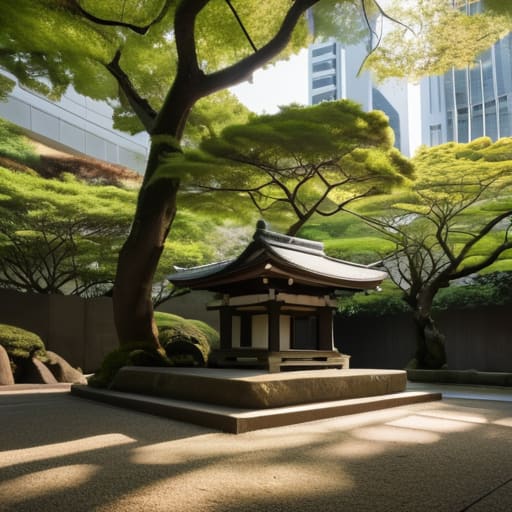
    To understand the evolution of these spaces, one must look past the neon and the polished marble. I often find myself sitting in the corner of a basement food hall, watching the choreography of the staff. There is a profound sense of continuity here; these institutions are the keepers of Japanese retail traditions, where the transaction is secondary to the ritual. It isn’t just about the exchange of yen for goods, but a disciplined adherence to a standard of service that feels almost liturgical in its precision.

    As I trace the layout of a flagship store in Ginza, I see how the architecture dictates a specific kind of movement. The flow is never accidental. It is designed to guide you through a curated journey, transitioning seamlessly from the high-energy street level to the hushed, almost sacred atmosphere of the upper floors. This is where the high-end consumer experience truly takes root—not in the price tags, but in the silent, anticipatory grace of a clerk who knows exactly when to step forward and when to fade into the background.

    Navigating the High End Consumer Experience.

    To step into the upper floors of a flagship store in Ginza is to transition from the frantic kinetic energy of the street into a space governed by a different set of physics. Here, the luxury retail service standards are not merely about politeness; they are a masterclass in spatial logistics and anticipatory movement. There is a choreographed stillness to the way a sales associate approaches—never intrusive, yet always present at the exact moment a customer’s gaze lingers a second too long on a silk scarf. It is a highly calibrated system designed to minimize friction, ensuring the client feels both entirely seen and perfectly undisturbed.

    I often find myself sitting on a corner bench near the elevators, observing how this seamlessly managed environment operates. It isn’t just about the high price tags; it is about the quiet efficiency of the hand-off, the way a heavy shopping bag is presented with two hands as if it were a sacred object. This level of department store hospitality transforms a simple transaction into a ritualized experience, turning the act of consumption into a moment of profound, structured calm amidst the urban sprawl.

    Observations from the Floor: Five Ways to Read the Aisles

    • Observe the choreography of the service staff. If you watch closely, you’ll see that the movement of the employees isn’t just efficient; it’s a synchronized dance designed to maintain the store’s equilibrium. Notice how they yield space and manage the flow of foot traffic without ever breaking their composure.
    • Respect the unspoken hierarchy of the floors. In a Japanese department store, the vertical layout is a logistical map of social intent. As you ascend, the noise tends to thin out and the air grows stiller. Use this to your advantage—find the upper levels when you need to escape the sensory weight of the street.
    • Pay attention to the basement, or the depachika. This isn’t just a food hall; it is the logistical heart of the building. It is where the city’s appetite is organized and packaged with surgical precision. It is the most honest expression of the store’s commitment to quality and seasonal rhythm.
    • Don’t rush your transit through the aisles. The temptation is to treat the store like a way to get from Point A to Point B, but that misses the point. Slow your pace. The real character of the institution is found in the small, quiet details—the way a gift is wrapped or the specific scent of a luxury perfume counter.
    • Learn the etiquette of the service counter. There is a profound dignity in the way transactions are handled here. It isn’t merely a commercial exchange; it is a ritual of mutual respect. Approaching these counters with a sense of quiet decorum will allow you to witness the seamless mechanics of Japanese hospitality.

    The Logistics of Elegance: Three Lessons from the Department Store

    True efficiency in retail is felt through service, not just speed; the seamless, almost invisible choreography of the staff is what maintains the store’s steady rhythm.

    A department store is a microcosm of urban organization, where the transition from the frantic street to the curated interior serves as a necessary psychological buffer for the city dweller.

    To understand Japanese consumer culture, one must look past the luxury goods and observe the meticulous attention to detail in the packaging and the quiet, disciplined flow of the floor layout.

    ## The Logistics of Elegance

    “A department store is more than a collection of luxury goods; it is a masterclass in invisible logistics, where the seamless grace of a polished floor and a perfectly timed greeting masks a frantic, clockwork precision that keeps the entire urban machine humming.”

    Rurik Salonen

    The Quiet Geometry of the Aisles

    The Quiet Geometry of the Aisles.

    As I close my notebook and look back at the maps I’ve sketched of these sprawling retail labyrinths, I realize that a department store is more than just a collection of luxury goods or food halls. It is a highly calibrated machine, a testament to the meticulous logistical precision that defines Japanese urban life. We have seen how these spaces bridge the gap between ancient tradition and modern efficiency, creating a structured environment where every interaction is choreographed and every service is an act of discipline. To understand the department store is to understand the unspoken social contract that keeps the city’s grander gears turning without friction.

    Ultimately, I find that the true value of these massive structures lies not in what they sell, but in how they allow us to pause. In the middle of a frantic commute through Shinjuku or Umeda, these buildings offer a rare, curated stillness. They are the lungs of the city, providing a space where the chaos of the street is filtered into something orderly and calm. My advice to any traveler is this: do not just shop. Instead, observe the rhythm of the service and the grace of the movement. If you look closely enough, you will find that the most profound truths of a culture are often found in the quietest corners of its most crowded spaces.

    Frequently Asked Questions

    How do these massive retail hubs manage to maintain such a sense of order during the frantic rush of peak commuting hours?

    It’s a masterpiece of invisible logistics. To the untrained eye, it looks like chaos, but it’s actually a choreographed flow. These hubs are built on precise spatial management; the placement of escalators, the width of corridors, and the subtle cues in floor tiling all dictate movement. It’s much like a well-oiled supply chain. The staff don’t just serve; they manage the human current, ensuring the momentum of the crowd never breaks its rhythm.

    Beyond the luxury brands, where can one find the more utilitarian, everyday services that keep the local neighborhood running?

    To find the city’s true engine, you must descend from the polished marble of the flagship stores. Look for the basement levels—the depachika—where the logistical precision of food distribution is on full display. More importantly, seek out the smaller, neighborhood-integrated department stores. They aren’t about prestige; they are about necessity. You’ll find pharmacies, stationery shops, and reliable household goods tucked into these functional layers, serving the quiet, rhythmic needs of the local residents.

    Is there a way to experience the quiet, contemplative side of a department store without feeling like an intruder in a high-end space?

    Look for the “Depachika” in the basement levels. While the upper floors demand a certain polished posture, the food halls possess a different, more rhythmic energy. There is a quiet, industrious dignity in the way staff arrange seasonal fruits or wrap delicate sweets. If you linger near the window-side seating areas with a small purchase, you can observe the city’s logistics in motion without the pressure of the high-end boutiques.

  • Navigating the Tokyo Subway System

    Navigating the Tokyo Subway System

    I remember standing on the platform at Shinjuku Station last October, the air thick with the scent of ozone and damp concrete, watching a sea of dark suits move with a precision that felt almost surgical. Most travel guides will tell you that the tokyo subway system is a marvel of modern engineering, but they often fail to mention the sheer, overwhelming complexity of it—the way the lines overlap like tangled thread until you feel utterly lost in the subterranean labyrinth. I spent thirty years managing supply chains, so I have a low tolerance for inefficiency, yet even I found myself staring at the digital displays, trying to decipher which specific artery would actually carry me to the quiet corner of the city I was seeking.

    I have no interest in giving you a sanitized, tourist-friendly lecture on how to buy a basic pass. Instead, I want to show you how to read this city. My goal is to strip away the confusion and provide you with a practical, logistical framework for navigating these tunnels with confidence. We are going to look past the bright signage and focus on the functional logic of the routes, ensuring you spend less time staring at a map and more time observing the quiet, rhythmic pulse of Tokyo.

    Table of Contents

    Decoding the Pulse Tokyo Metro vs Toei Subway

    Decoding the Pulse Tokyo Metro vs Toei Subway

    At first glance, the underground labyrinth feels like a singular, monolithic entity, but for those of us who prefer to study the mechanics of a city, the distinction between the Tokyo Metro vs Toei Subway is vital. The Tokyo Metro is the larger, more expansive network, weaving through the commercial heart of the city with a certain polished efficiency. The Toei lines, by contrast, feel slightly more utilitarian, often serving the deeper, more residential pockets of the metropolis. They are two separate gears in the same clockwork mechanism, and if you aren’t paying attention, you might find yourself caught in a logistical hiccup during a transfer.

    Navigating these two distinct systems becomes significantly smoother once you master the art of understanding transfer stations. I’ve found that the most seamless transitions happen when you look closely at the floor markings and color-coded lines that guide the flow of passengers. To avoid the friction of multiple fare calculations, I always rely on consistent Suica and Pasmo usage; having a single smart card eliminates the need to pause and deliberate at a ticket machine when you are trying to maintain the rhythm of your journey.

    The Language of the Rails English Signage Subway Stations

    The Language of the Rails English Signage Subway Stations.

    Navigating a labyrinthine network can feel daunting, but the city offers a silent reassurance through its visual cues. I’ve found that the english signage subway stations are remarkably intuitive, designed with a logic that respects the traveler’s need for clarity. Every platform, corridor, and exit is meticulously labeled, often using color-coded lines and alphanumeric station numbers that act as a compass. Even when the kanji becomes a blur of ink to an outsider, the English translations remain steady and reliable, guiding you toward your destination without the need for constant interrogation of a map.

    However, the real skill lies in reading between the lines—or rather, between the signs. While the labels tell you where you are, the subtle directional arrows and floor markings tell you how to move. I often find myself pausing at complex junctions, observing how the signage manages the flow of thousands of bodies. Understanding transfer stations becomes less about reading words and more about recognizing the rhythmic patterns of the symbols. It is a quiet, choreographed dance of information that ensures even the most lost traveler can find their way home.

    The Logistics of Movement: Five Rules for Navigating the Labyrinth

    • Invest in a Suica or Pasmo card immediately. I’ve found that fumbling with individual tickets at a machine is a logistical error that breaks your rhythm; a single tap of a digital or physical card keeps your momentum intact.
    • Master the art of the “transfer walk.” In a system this vast, the transition between lines is often a journey in itself. Don’t rush blindly; look for the color-coded floor markings that guide you through the subterranean corridors.
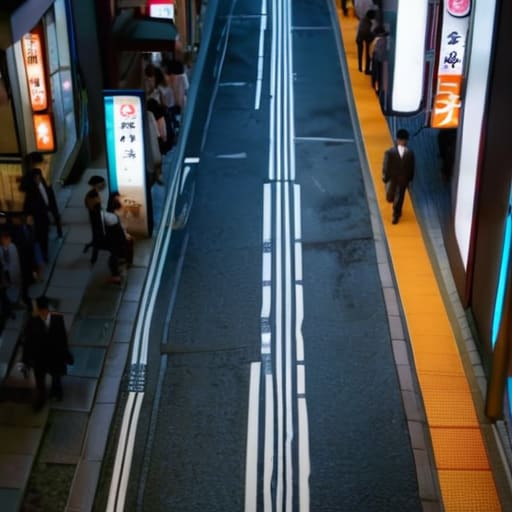
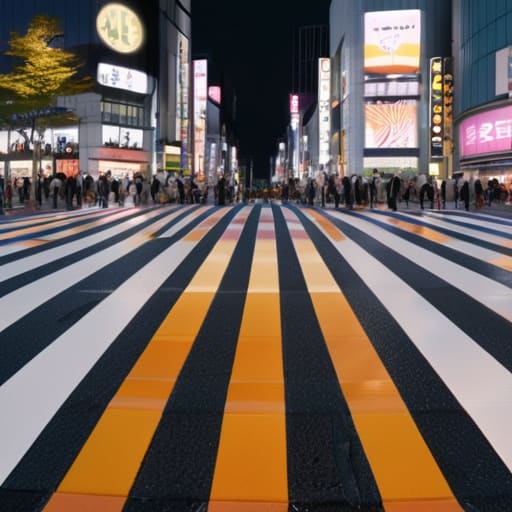
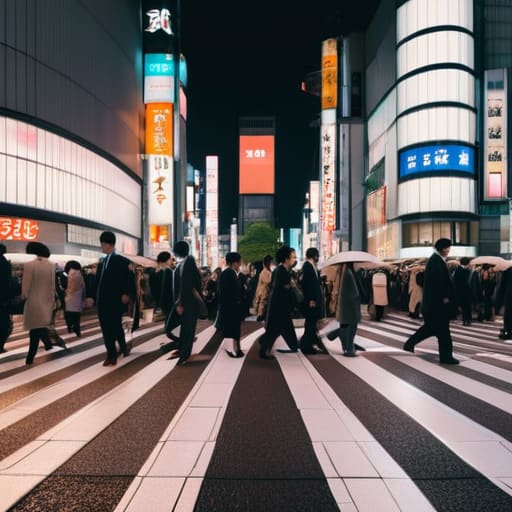
    • Watch the floor, not just the signs. In the busiest stations like Shinjuku or Shibuya, the most efficient way to navigate is to observe the flow of the commuters. The painted lines on the ground are more reliable than any frantic glance at a hanging map.
    • Use the “Last Train” as your boundary. The Tokyo network operates on a precise, finite schedule. I always check the final departure times for my specific line in my notebook before settling into a quiet corner for a coffee; there is nothing quite as jarring as being stranded in a silent station at midnight.
    • Embrace the quiet of the off-peak hours. If you want to actually observe the architecture of the stations or the way the light hits the tiles, avoid the 8:00 AM rush. The system is most beautiful when it isn’t being strained by the weight of a million commuters.

    Observations from the Platform

    Don’t mistake complexity for chaos; the distinction between Metro and Toei lines is a logistical puzzle that, once solved, becomes the key to navigating the city’s rhythm.

    Trust the signage, but rely on your eyes; the English translations are reliable, yet the true flow of the station is found in watching how the commuters move.

    A transit card is more than a convenience—it is your passport to the city’s quietest corners, allowing you to step off a train and into a world most travelers never see.

    The Geometry of Motion

    “Most people see the Tokyo subway as a mere means to an end, a way to get from point A to point B. But if you watch closely, you see it is something much more profound: a living, breathing circulatory system that dictates the very rhythm of the city’s heart.”

    Rurik Salonen

    The Rhythm of the Rails

    The Rhythm of the Rails in Tokyo.

    Navigating this labyrinth requires more than just a digital map; it demands an appreciation for the distinction between the Metro and Toei lines, and a keen eye for the English signage that guides you through the subterranean maze. While the sheer scale of the network can feel overwhelming to the uninitiated, once you grasp the underlying logic of the routes and the way the stations are categorized, the chaos begins to subside. You realize that the system isn’t just a collection of tunnels and tracks, but a highly calibrated machine designed to move millions with almost surgical precision. Understanding these nuances is what transforms a stressful commute into a seamless flow through the heart of the metropolis.

    As I sit here in a quiet corner of a station platform, watching the commuters move with a rhythmic, practiced grace, I am reminded that the subway is where the city truly reveals itself. It is in these transitions—the brief moments between the rush of a closing door and the silence of an empty car—that you find the soul of Tokyo. Don’t just use these lines to get from point A to point B; allow yourself to get lost in the mechanical poetry of it all. If you look closely enough at the details most people ignore, you will find that the subway is not just a way to travel, but the very beating heart of the city itself.

    Frequently Asked Questions

    How do I navigate the complex transfers between the different private rail lines and the subway networks without getting lost?

    The secret isn’t in memorizing every line, but in mastering the transfer nodes. When switching from a private line like Odakyu to the Tokyo Metro, look for the color-coded floor markings and the overhead signage that indicates “Transfer.” I always keep my eyes on the station numbers—those alphanumeric codes are more reliable than names when the crowds thicken. Don’t rush. Find a quiet corner, check your map, and let the logic of the layout reveal itself.

    Is it worth investing in a physical IC card, or has the digital payment system become the standard for most commuters?

    I’ve spent my life looking at efficiency, and while the digital shift is undeniable, I still find myself reaching for a physical Suica or Pasmo. There is a tactile reliability to a card that a smartphone, with its inevitable battery drain or software glitch, simply cannot match. If you prefer the seamlessness of Apple Pay, by all means, use it. But for the traveler who values a failsafe, there is still a quiet dignity in the physical card.

    What are the best times to avoid the peak-hour rush if I want to actually observe the city rather than just being swept along by the crowd?

    If you want to observe rather than just survive, you must avoid the window between 7:30 and 9:30 AM. The commuters move with a singular, relentless purpose that leaves no room for a lingering gaze. I find the best light and the quietest carriages occur between 10:30 AM and 3:00 PM. That mid-day lull is when the city breathes; it’s when you can actually notice the subtle textures of the stations.

  • What to Expect From a Traditional Japanese Breakfast

    What to Expect From a Traditional Japanese Breakfast

    I remember sitting in a cramped, wood-paneled breakfast nook in a quiet corner of Yanaka, watching the steam rise from a single, chipped lacquer bowl. There was no grand spectacle, no multi-course kaiseki spread designed for a social media feed, just the steady, rhythmic ritual of a small meal. Most travelers chase the expensive, over-the-top versions of the japanese breakfast tradition, thinking they need a mountain of gold-leafed delicacies to experience the culture. But after thirty years of looking for efficiency and truth in complex systems, I’ve learned that the real essence isn’t found in the luxury; it’s found in the unhurried precision of a perfectly grilled piece of salted salmon and a bowl of warm rice.

    I have no interest in selling you a curated fantasy or a list of tourist traps. Instead, I want to show you how to navigate the morning landscape like someone who actually lives here. I will guide you through the functional beauty of the morning table, helping you identify the authentic staples that define the japanese breakfast tradition without the unnecessary fluff. We are going to look past the hype to find the quiet, nourishing reality of how this country actually wakes up.

    Table of Contents

    The Ichigyu Sansai Concept a Study in Balanced Geometry

    The Ichigyu Sansai Concept a Study in Balanced Geometry.

    To my logistics-trained eye, there is a profound sense of order in the way a tray is laid out. It isn’t merely a meal; it is a system of equilibrium known as the ichigyu sansai concept. This structure—essentially “one soup, three sides”—functions much like a well-oiled supply chain, where every element has a designated place and a specific purpose. You have your foundational rice, a bowl of miso, and then a rotation of small dishes that provide a spectrum of textures and temperatures.

    When I sit in these small, dimly lit eateries, I find myself sketching the arrangement in my notebook. The beauty lies in the spatial efficiency. It’s a deliberate way to incorporate seasonal japanese ingredients, ensuring that the meal reflects the exact moment in the year. Whether it is a bitter mountain vegetable in the spring or a preserved radish in the winter, the geometry of the tray remains constant even as the contents shift. This isn’t about excess; it is about the precision of balance, where nothing is wasted and every component serves to stabilize the whole.

    Traditional Japanese Breakfast Components Finding Rhythm in the Small Detai

    Traditional Japanese Breakfast Components Finding Rhythm in the Small Detai

    When I sit down in a small dining nook in Osaka, I don’t just see food; I see a highly efficient, almost logistical distribution of flavor and texture. The traditional japanese breakfast components are never haphazard. There is a bowl of steamed rice, the foundational anchor, paired with a precise portion of miso soup. Then come the small dishes—tsukemono (pickled vegetables) that provide a necessary acidic snap to cleanse the palate, and perhaps a piece of salt-grilled mackerel. Each element serves a specific functional purpose in the meal’s architecture.

    I’ve often found that the most polarizing element is natto. To the uninitiated, the fermented soybeans are a challenge, but as I’ve observed, the natto nutritional benefits are matched only by the way its viscous texture contrasts with the fluffiness of the rice. It is a study in sensory layers. There is a rhythm to it: the warmth of the soup, the crunch of the pickles, and the savory depth of the protein. It isn’t a meal designed for speed, but for a deliberate, steady engagement with the morning.

    • Don’t rush the process. A traditional breakfast is a series of small, deliberate movements—lifting a small bowl, sipping broth, handling chopsticks. If you treat it like a quick fuel stop, you’ll miss the very rhythm that makes it meaningful.
    • Pay attention to the temperature. There is a specific, comforting logic to the way the hot miso soup and the cool pickles interact. It’s a thermal balance that keeps the palate alert without being overwhelming.
    • Respect the vessel. In my years of logistics, I learned that the container is just as vital as the contents. In a Japanese breakfast, the weight of the ceramic and the texture of the lacquerware are part of the sensory experience; handle them with care.
    • Look for the seasonal cues. You can often tell what time of year it is by the single garnish or the specific type of pickled vegetable on your tray. It is a subtle, edible calendar that connects you to the local environment.
    • Embrace the silence. While modern life demands constant noise, these morning meals are best experienced in a quiet corner. Let the steam from the rice be your only companion for a few minutes; it allows you to actually taste the nuance in the dashi.

    The Logistics of a Balanced Morning

    A traditional breakfast is less about individual ingredients and more about the functional equilibrium of the meal, where protein, salt, and fermentation work in concert to prepare the body for the day.

    True appreciation of the Japanese morning table requires slowing down to notice the sensory details—the temperature of the tea, the texture of the rice, and the specific weight of the ceramic bowls.

    Beyond mere sustenance, these morning rituals serve as a quiet, rhythmic anchor that provides a sense of order before stepping into the organized chaos of the metropolitan streets.

    The Logistics of a Morning Meal

    To the untrained eye, a traditional breakfast is merely a collection of small dishes, but to me, it looks like a perfectly calibrated system—a series of small, purposeful movements designed to ground a person before the chaos of the day begins.

    Rurik Salonen

    The Quiet Logic of the Morning Meal

    The Quiet Logic of the Morning Meal.

    Looking back at the components of a traditional breakfast—the precise arrangement of the ichigyu sansai, the varying textures of grilled fish, and the subtle, fermented depth of miso—it becomes clear that this is more than just sustenance. It is a highly efficient, almost logistical system of nutrition designed to steady the body for the day ahead. Each small dish serves a specific purpose, creating a rhythmic balance between salt, acid, and protein that avoids the heavy, chaotic energy of a Western brunch. To understand this meal is to understand the Japanese approach to structured harmony, where nothing is superfluous and every element has its designated place on the tray.

    As I sit in these small, dim-lit eateries, watching the steam rise against the morning light, I am reminded that we often miss the most profound truths by moving too fast. We chase the grand monuments and the neon-lit skylines, yet the true pulse of a culture is often found in these small, intentional rituals. A breakfast is not merely a way to start the clock; it is a moment of pause that allows us to align ourselves with the world before the rush begins. In the end, perhaps the best way to travel is not to see more, but to notice more of what is already right in front of us.

    Frequently Asked Questions

    How much does the seasonality of the ingredients change the composition of a standard breakfast spread?

    In my years managing logistics, I learned that timing is everything. The same applies to the breakfast table. Seasonality isn’t just a culinary preference here; it’s a structural shift. In spring, the spread lightens with bitter greens and delicate blossoms; by autumn, it anchors itself with hearty root vegetables and heavier ferments. The core geometry remains, but the ingredients pivot to match the environment. The menu breathes with the calendar.

    If I am staying in a modern business hotel rather than a traditional ryokan, what are the practical ways to find a breakfast that respects these classical proportions?

    If you find yourself in a sleek business hotel, don’t settle for the buffet’s predictable spread of toast and eggs. Look for the “Teishoku” set menus in local neighborhood eateries. These are often tucked into narrow alleys near major transit hubs. A well-constructed Teishoku follows the same logistical logic as a proper breakfast: a central protein, a bowl of rice, miso, and seasonal pickles. It’s functional, balanced, and far more honest.

    Beyond the nutritional balance, how does the specific arrangement of the dishes on the tray contribute to the overall experience of the meal?

    The tray is a logistical masterpiece of spatial efficiency. It isn’t just about nutrition; it’s about a curated sequence of engagement. The placement dictates a natural flow—the rice acts as the steady anchor, while the smaller dishes provide the necessary friction and variety. There is a deliberate rhythm to how the eyes move across the tray, much like navigating a well-planned transit hub. It turns a simple meal into a controlled, meditative experience.

  • Guide to Japanese Convenience Stores

    Guide to Japanese Convenience Stores

    I was standing on a rain-slicked corner in Shinjuku last Tuesday, my Leica heavy around my neck and my notebook damp, when I realized that most people treat japan convenience stores as mere pit stops—unfortunate necessities between the “real” sights. They see a sterile brightly-lit box meant for grabbing a quick caffeine fix before rushing to a temple or a skyscraper. But after thirty years of studying how systems move, I’ve learned that these stores are actually the vital organs of the urban body. They are the quiet, predictable pulses that keep the chaos of Tokyo and Osaka from spiraling into true disorder.

    I have no interest in giving you a curated list of “must-try” snacks designed for social media clout. Instead, I want to show you how to navigate these spaces with a logistical eye, treating them as essential tools for understanding the city’s rhythm. I will provide you with a practical blueprint for finding high-quality sustenance and navigating the subtle efficiencies of the konbini. We aren’t here for the hype; we are here to understand how these small, essential corners actually function as the lifeblood of Japanese metropolitan life.

    Table of Contents

    7 Eleven vs Lawson vs Familymart Deciphering the Urban Rhythm

    7 Eleven vs Lawson vs Familymart Deciphering the Urban Rhythm

    To the untrained eye, they look identical—bright lights, glass doors, and a predictable hum of refrigeration. But after years of navigating logistics, I’ve learned that even the most standardized systems have distinct operational personalities. When comparing 7-Eleven vs Lawson vs FamilyMart, you aren’t just choosing a shop; you are choosing a specific flavor of urban utility.

    7-Eleven is the reliable backbone of the network, often boasting the most consistent onigiri and bento options for a quick, efficient meal. If you are looking for sheer logistical precision and a wide array of standard staples, this is your anchor. Lawson, however, feels slightly more curated, often leaning into those sweeter, dessert-heavy trends that make it a favorite for late-night cravings.

    Then there is FamilyMart. There is a certain kinetic energy to their stores; they often feel like the heart of the local street life. While 7-Eleven handles the heavy lifting of daily essentials, FamilyMart often captures the seasonal konbini limited edition snacks that define the current moment. Each serves a specific niche in the city’s breathing rhythm.

    The Onigiri and Bento Options That Feed the Soul

    The Onigiri and Bento Options That Feed the Soul.

    There is a specific, quiet satisfaction in selecting a meal from a refrigerated shelf while the automated chime of the entrance plays in the background. For someone who spent decades coordinating complex logistics, I find a strange comfort in the precision of their onigiri and bento options. The rice is always perfectly tempered, and the seaweed—if you catch it at the right moment—retains a crispness that defies the humidity of a Tokyo afternoon. I often find myself gravitating toward the tuna mayo or the salted salmon; they are simple, reliable, and represent the unpretentious efficiency that defines the Japanese urban experience.

    If you are looking for something more substantial, the bento boxes offer a miniature study in structural integrity and color theory. A well-made meal is a microcosm of the season, often featuring seasonal konbini limited edition snacks or vegetables that signal the turning of the month. Whether it’s a chilled soba set for a humid July day or a hearty grilled mackerel box, these meals are more than just fuel. They are a way to pause and observe the city’s rhythm, one bite at a time.

    The Logistics of the Konbini: Five Rules for Navigating the Urban Lifeline

    • Master the art of the seasonal rotation. In my years of logistics, I learned that supply chains thrive on timing; the same applies to the konbini. Don’t just grab what’s familiar. Watch for the limited-edition seasonal items—the Sakura-flavored treats in spring or the chestnut varieties in autumn. These are the city’s way of marking time.
    • Treat the multifunction machine as your silent partner. Most travelers overlook the large terminal near the entrance, but it is the heartbeat of the shop. Whether you need to pay a utility bill, print a document, or ship a small parcel to your hotel, these machines handle the heavy lifting of urban life with a quiet, mechanical efficiency.
    • Respect the choreography of the counter. There is a precise, practiced rhythm to how staff handle transactions, from the way they present your change to the meticulous bagging of your items. Observe this flow; it is part of the city’s functional beauty. A polite nod and a small “Arigato” go a long way in maintaining the harmony of the exchange.
    • Use the heated cabinet to your advantage, but with caution. The “hot snack” section—filled with fried chicken and croquettes—is a staple for a quick, warm meal. However, don’t rely on it for every meal; it is best used to supplement a cold bento or to bridge the gap between long transit rides when you need something substantial and immediate.
    • Carry small denominations of yen. While Japan is rapidly modernizing, the convenience store remains a place where the physical reality of cash still holds weight. Relying solely on a digital wallet can lead to friction in the very moment you seek efficiency. Keeping a few 1,000-yen notes and a handful of coins in your pocket ensures you can move through the city without a hitch.

    The Logician’s Guide to the Konbini

    Don’t view these stores merely as snack stops; treat them as essential logistical hubs that anchor the rhythm of the neighborhood.

    Master the subtle distinctions between the big three chains—Lawson for its sweets, FamilyMart for its fried staples, and 7-Eleven for its reliable, high-quality prepared meals.

    Look past the bright lights and neon to find the quiet utility of a well-stocked corner, where the true pulse of Japanese urban life is most easily felt.

    The Logistics of Comfort

    “Most travelers see a convenience store as a mere pitstop, but to me, they are the vital circulatory system of the Japanese metropolis—small, predictable hubs of order that ensure the city’s pulse never falters, even in the deepest hours of the night.”

    Rurik Salonen

    The Quiet Utility of the Konbini

    The Quiet Utility of the Konbini stores.

    When you step back from the bright lights and the rapid-fire transactions, you realize that these stores are more than just mere retail outlets. Whether you are navigating the subtle differences between a Lawson’s premium sweets or relying on the dependable efficiency of a 7-Eleven during a late-night transit delay, you are engaging with the very infrastructure of Japanese life. We have looked at how the brands differentiate themselves and how the food serves as a reliable, high-quality anchor for the urban traveler. Ultimately, understanding these convenience stores is about recognizing how a city manages its most basic needs with unfailing precision and grace.

    I often find myself sitting on a small bench near a station, my notebook open, watching the ebb and flow of people entering and exiting these glowing hubs. There is a profound, understated beauty in how these small spaces function as the steady heartbeat of the metropolis. They are the silent facilitators of the city’s motion, providing nourishment and comfort to the millions who keep the gears turning. Don’t just rush through them to grab a quick snack; take a moment to observe the order within the chaos. In the end, it is these small, functional details that truly reveal how a city breathes.

    Frequently Asked Questions

    How do I navigate the etiquette of using the in-store services, like paying bills or sending luggage, without feeling like I'm disrupting the flow?

    The key is to view the konbini not as a shop, but as a vital terminal in the city’s logistics network. Approach the counter with your documents or luggage ready; hesitation is what breaks the flow. If you’re paying a bill, have the slip prepared. If sending a parcel, keep your paperwork organized. In a space built on precision, being prepared is the highest form of respect for the rhythm of the store.

    Are there specific times of day when the quality of the fresh bento selection is at its peak?

    If you want the best selection, timing is everything. I’ve learned that the real magic happens between 11:00 AM and noon, just before the lunch rush, when the shelves are replenished and the bento boxes are at their freshest. For dinner, aim for around 7:00 PM. That’s when the evening restock settles in, offering a quieter moment to pick through the premium options before the late-night crowd arrives.

    Beyond the food, what are the small, practical items I should look for to make my transit through the city more seamless?

    Don’t overlook the utility aisles. If you’re navigating the labyrinthine corridors of Shinjuku Station, grab a pack of high-quality wet wipes and a portable battery charger; my phone is my lifeline for maps, and a dead battery in a crowd is a logistical nightmare. Also, pick up some pocket-sized tissues and perhaps a small, sturdy umbrella. In a city that moves this fast, these small, tactile tools are what keep your momentum steady.

  • Finding Nightlife in the Streets of Tokyo

    Finding Nightlife in the Streets of Tokyo

    Most travel blogs will try to sell you on the neon-soaked madness of Roppongi or the overpriced, velvet-rope clubs of Shibuya, promising a “once-in-a-lifetime” sensory overload. But if you’ve ever stood on a crowded platform at Shinjuku Station at midnight, watching the rhythmic, mechanical precision of the last trains depart, you know that Tokyo’s true energy isn’t found in a loud bassline or a tourist trap. A generic tokyo nightlife guide will tell you where to spend the most money, but it rarely tells you where the city actually breathes after the sun goes down.

    I’m not interested in the hype, and neither should you be. In the pages ahead, I’m stripping away the glossy distractions to offer a more functional perspective on how this city unwinds. I will guide you through the dim, lantern-lit izakayas tucked behind freight lines and the quiet, single-seat jazz bars where the only sound is the pour of a whiskey. This isn’t a list of landmarks; it is a logistical map to the city’s soul, designed for those who prefer substance over spectacle.

    Table of Contents

    Navigating the Roar of the Roppongi Nightlife Scene.

    If you want to witness the sheer, unbridled kinetic energy of the city, you head to Roppongi. Unlike the more curated atmosphere of other neighborhoods, the roppongi nightlife scene operates on a different frequency—it is loud, international, and unapologetically dense. As I walked through the district last Tuesday, the sheer logistics of the crowds felt like a massive, moving organism. It is a place where the polished glass of high-end clubs meets the grit of street-level energy, and for many, it represents the quintessential experience when searching for the best districts for nightlife in Tokyo.

    However, a man of my temperament often finds the central roar a bit overwhelming. To find balance, I look for the edges of the district. Just a few blocks away from the main thoroughfares, you can find small, dimly lit spaces that offer a reprieve from the neon. I’ve found that the most rewarding moments come when you slip away from the clubs to find a quiet corner for late night dining Tokyo style. There is a certain dignity in finding a small, tucked-away spot where the clinking of glasses replaces the heavy bass of the streets.

    Finding Quiet Truths in Hidden Cocktail Bars Tokyo

    Finding Quiet Truths in Hidden Cocktail Bars Tokyo

    If Roppongi is the city’s loud, insistent heartbeat, then the small, unmarked doors of Ginza and Shimokitazawa are its steady, rhythmic breath. I’ve always found that the most profound observations aren’t made under strobe lights, but over the condensation on a heavy crystal glass. To find the true hidden cocktail bars Tokyo has to offer, you must learn to ignore the glowing signage and instead look for the narrow staircases tucked between concrete monoliths. These spaces operate on a different clock, one governed by the precise pour of a master bartender rather than the frantic energy of a club.

    Stepping into one of these sanctuaries requires a certain level of unspoken respect. There is a specific rhythm to the room; it is a place for listening as much as drinking. While many travelers focus on a standard Shibuya nightlife guide to find the crowds, I prefer the silence of a six-seat bar where the only sound is the ice cracking in a shaker. Here, the chaos of the metropolis dissolves, replaced by a singular, focused craftsmanship that reveals the city’s most intimate truths.

    The Logistics of the After-Hours: A Few Practical Rules for the Night

    • Respect the last train’s schedule as if it were a hard deadline in a supply chain; once the Yamanote Line stops humming around midnight, your options shift from efficient transit to expensive taxis or the long, contemplative walk back to your hotel.
    • Always carry a small amount of physical yen tucked away in a separate pocket, because while Tokyo is increasingly digital, those dim, tucked-away basement bars often still rely on the tactile reality of cash.
    • Observe the crowd before you commit; a line snaking around a corner in Shinjuku isn’t always a sign of quality—sometimes it’s just a bottleneck—so look for the establishments where the rhythm of the patrons matches the atmosphere you’re seeking.
    • Learn the subtle etiquette of the “Otoshi”—the small appetizer served at the start of a seated bar experience—and understand that it is a standard part of the service, a small tax for the seat and the atmosphere.
    • Use the quiet intervals between the heavy surges of nightlife to notice the city’s mechanics; the way a street sweeper moves through a Shibuya alley at 2:00 AM tells you more about the city’s discipline than any guidebook ever could.

    Lessons from the Tokyo Night

    Don’t mistake volume for vitality; the most profound urban experiences often happen in the low-lit corners far from the neon glare of the major hubs.

    Respect the rhythm of the city by learning the transit schedules, as the final train is the true heartbeat that dictates when a district shifts from chaos to quiet.

    Approach nightlife with a logistical mindset—plan for the transitions between districts, but leave enough room in your itinerary to wander into the unplanned alleys.

    The Rhythm of the Night

    Most people mistake the neon glare of Shinjuku for the city’s soul, but Tokyo’s true character reveals itself only when the crowds thin—in the low hum of a basement jazz bar or the precise, rhythmic click of a heel on a deserted subway platform at midnight.

    Rurik Salonen

    The Final Descent

    Tokyo nightlife during The Final Descent.

    As the last trains begin their rhythmic, nightly exodus toward the suburbs, you realize that Tokyo’s nightlife isn’t a single entity, but a series of distinct, overlapping frequencies. We’ve moved from the high-decibel, high-stakes energy of Roppongi’s international corridors to the hushed, amber-lit intimacy of those tucked-away cocktail dens. Whether you find yourself caught in the neon slipstream of a major district or sitting solo at a wooden counter in a nameless alleyway, you are witnessing the city’s essential duality. Understanding these spaces requires more than just a map; it requires the willingness to transition between the roar of the crowd and the silence of a well-poured drink.

    Ultimately, the most profound way to experience Tokyo after dark is to stop treating the night as a checklist of destinations. Don’t just aim for the most famous club or the most highly-rated lounge; instead, let the city’s complex transit veins guide you toward the unexpected. There is a certain grace in the way the city winds down, a quiet efficiency that reveals itself only when you stop rushing. If you keep your eyes open and your pace steady, you’ll find that the true soul of Tokyo isn’t found in the spectacle, but in the unseen transitions between the light and the shadow.

    Frequently Asked Questions

    How do I navigate the complex last-train schedules to ensure I'm not stranded in a district like Shinjuku after midnight?

    The logistics of a Tokyo night depend entirely on the clock. Once the clock strikes midnight, the city’s arteries begin to constrict. I never rely on memory; I use the Google Maps interface or the Jorudan app to track real-time departures. In Shinjuku, the sheer volume of commuters can mask the urgency. My rule is simple: aim to be at the platform twenty minutes before the final departure. If you miss it, find a way to a 24-hour manga cafe.

    Are there specific etiquette rules I should follow when entering these smaller, more intimate cocktail bars to avoid disrupting the atmosphere?

    In these smaller spaces, volume is your greatest adversary. When you step inside, treat the silence like a fragile piece of glass. Avoid loud greetings; a simple, respectful nod to the bartender is enough. Keep your phone on silent—the glow of a screen can be incredibly intrusive in a dim room. Most importantly, observe the rhythm of the room. If the patrons are deep in quiet conversation, mirror that restraint. Respect the stillness.

    Which neighborhoods offer the best balance between vibrant energy and the ability to find a quiet corner to reflect?

    If you’re looking for that equilibrium, I always find myself gravitating toward Shimokitazawa. It possesses a rhythmic, bohemian energy that avoids the frantic, commercial pulse of Shinjuku. You can spend an hour lost in the narrow, winding streets and vintage shops, yet within a few blocks, you’ll find a small, dimly lit jazz kissa or a quiet corner cafe. It’s a neighborhood that breathes at a human pace, allowing for both connection and contemplation.

  • Understanding the Urban Landscape of Nagoya

    Understanding the Urban Landscape of Nagoya

    I was sitting on a bench near Nagoya Station last Tuesday, watching the precision of the Meitetsu line arrivals, when it hit me how much people misjudge this place. Most travel guides treat the nagoya urban area as a mere waypoint—a grey, functional blur between the neon chaos of Tokyo and the shrines of Kyoto. They call it “boring” because it lacks a singular, loud landmark to shout about, but they are missing the point entirely. To me, the lack of performative tourist fluff isn’t a deficit; it is an invitation to see how a truly functional Japanese hub operates when it isn’t trying to sell you a souvenir.

    I have no interest in giving you a list of overpriced observation decks or the usual tourist traps that feel hollow. Instead, I want to show you how to navigate the veins of this city, from the rhythmic efficiency of its subway interchanges to the quiet, industrial soul found in its side streets. My goal is to help you find the quiet, functional beauty that exists beneath the surface, providing you with a logistical roadmap to experiencing Nagoya as it actually breathes.

    Table of Contents

    Nagoya Railway Network Connectivity and the Urban Pulse

    Nagoya Railway Network Connectivity and the Urban Pulse.

    To understand the movement of this city, you have to look at the veins that feed it. The Nagoya railway network connectivity is more than just a convenience for commuters; it is the circulatory system of the entire Tokai region. As I sit in a corner of Meieki Station, watching the synchronized dance of the Higashiyama and Meijo lines, I see the logistical precision that defines this place. It isn’t just about getting from point A to point B; it is a masterclass in efficiency that supports the massive scale of the Chubu metropolitan area economy.

    There is a heavy, purposeful energy here that differs from the freneticism of Tokyo. You feel it in the way the lines extend outward, feeding into the sprawling Aichi prefecture industrial zones that anchor the region. The transit system acts as a bridge between the high-density urban core and the powerhouse manufacturing hubs that sit just beyond the skyline. When you study the maps—the ones I sketch into my notebook—you realize that the city’s layout is a direct reflection of its industrial soul. Everything is designed to move, to deliver, and to sustain.

    The Quiet Mechanics of Tokai Region Urban Development

    The Quiet Mechanics of Tokai Region Urban Development.

    To understand why the city moves the way it does, one has to look beyond the neon lights and examine the skeletal structure of the Tokai region urban development. This isn’t a city built on spontaneous growth, but rather one engineered with surgical precision. As I sit in a small cafe overlooking a construction site near Sakae, I see the direct result of decades of deliberate planning. The layout is a testament to how Aichi prefecture industrial zones have dictated the very flow of human movement, creating a symbiotic relationship between the heavy machinery of the outskirts and the service-oriented heart of the center.

    There is a certain dignity in this functionalism. Unlike the sprawling, often chaotic expansion seen in other global hubs, the growth here feels tethered to a specific purpose. The strength of the Chubu metropolitan area economy is etched into the landscape; you can see it in the seamless integration of logistics corridors and the way the residential sectors nestle tightly against the transit arteries. It is a masterclass in logistical harmony, where the necessity of production and the need for livability have been balanced with a quiet, disciplined efficiency.

    • Don’t rely solely on your smartphone for transit; the Nagoya subway system is a masterpiece of logic, but it can feel overwhelming at first. I find that keeping a physical map or a small notebook helps you grasp the spatial relationship between the Higashiyama and Meijo lines much more intuitively.
    • Timing is everything when observing the city’s true character. If you want to see the gears of the city turning without being swept away by the tide, aim to be in the central hubs like Nagoya Station just after the morning rush, or late in the evening when the frantic energy settles into a steady, rhythmic hum.
    • Look for the “micro-transit” opportunities. While the heavy rail handles the bulk of the movement, the local buses and smaller connecting lines often lead you to the quieter, residential pockets where the real soul of the Tokai region resides—away from the neon and the noise.
    • Use the Sakae district as your logistical anchor. It is the heart of the urban sprawl, but instead of sticking to the main thoroughfares, duck into the side streets. You’ll find that the most interesting architectural details and the quietest coffee shops are tucked just one block away from the main flow.
    • Respect the hierarchy of the crowd. In a city built on efficiency, there is an unspoken etiquette to movement. Observe how the commuters navigate the corridors; if you move with purpose and stay mindful of the flow, you’ll find the city opens up to you rather than pushing against you.

    Observations from the Field

    To understand Nagoya, look past the skyscrapers and observe the seamless coordination of its rail lines; the city’s true character is defined by how efficiently it moves its people.

    The urban layout reveals a deliberate balance between industrial strength and residential pockets, where the chaos of commerce often gives way to surprisingly still, well-ordered neighborhoods.

    True insight into the Tokai region comes from noticing the small, functional details—the way a station exit leads to a quiet alleyway, or how the transit rhythm dictates the pace of local life.

    The Geometry of Motion

    Most travelers see Nagoya as a mere waypoint between Tokyo and Osaka, but if you sit quietly on a Meitetsu line at dusk, you realize it is a masterclass in functional equilibrium—a city that doesn’t demand your attention with neon spectacle, but earns your respect through the sheer, seamless precision of its movement.

    Rurik Salonen

    The Quiet Logic of the Nagoya Grid

    The Quiet Logic of the Nagoya Grid.

    Looking back at the layers we have peeled away, it becomes clear that Nagoya is not a city of loud, singular spectacles, but rather a masterpiece of coordinated movement. From the seamless integration of the Meitetsu and JR lines to the deliberate, industrial-scale planning of the Tokai region, every element serves a functional purpose. It is a landscape defined by the efficiency of its connections and a structural discipline that keeps the metropolitan heart beating steadily. To understand Nagoya is to appreciate how the gears of transit and urban design mesh together to support millions of lives without ever losing their rhythm.

    As I sit here in a small café near Sakae, sketching the intersection of a subway line in my notebook, I am reminded that the most profound truths are rarely found in the tourist brochures. They are found in the way a commuter adjusts their pace, or how a side street offers a momentary reprieve from the mechanical hum of the city. Don’t just pass through Nagoya; allow yourself to observe the mechanics of its existence. If you look closely enough at the way a city manages its own complexity, you might just find a sense of unexpected serenity within the machine.

    Frequently Asked Questions

    How do the various private railway lines integrate with the municipal subway to facilitate seamless travel across the wider Tokai region?

    It’s a masterclass in logistical synchronicity. You’ll notice how lines like Meitetsu or Kintetsu don’t just stop at the city limits; they bleed directly into the municipal subway through through-service operations. This seamless integration allows a commuter to travel from the outskirts of the Tokai region into the heart of Nagoya without ever stepping off a single train. It’s a quiet, efficient dance that keeps the entire region breathing as one unit.

    Where can one find those rare, quiet pockets of stillness within the heavy industrial and commercial zones of the city?

    To find stillness here, you must look for the seams where the industrial concrete meets the old greenery. I often find myself in the small, temple-fringed pockets near the Sakae district or tucked away in the residential lanes of Chikusa. These aren’t grand parks, but rather small, shaded shrines or quiet side streets where the roar of the Meitetsu lines fades into a hum. It’s in these overlooked gaps that Nagoya truly breathes.

    Beyond the major transit hubs, what are the most efficient ways to navigate the smaller, less interconnected residential neighborhoods?

    Once you step away from the major arteries of the Meitetsu or JR lines, the scale of the city shifts. For these residential pockets, I find the local bus networks are surprisingly dependable, though they require a bit more patience. Honestly, though, I prefer walking. There is a specific geometry to Nagoya’s side streets; if you keep your eyes on the way the lanes curve, you’ll find that a bicycle is often the most logical tool for navigating the quiet, connective tissue between the hubs.

  • The Importance of Craftsmanship in Japanese Cities

    The Importance of Craftsmanship in Japanese Cities

    I was sitting in a cramped, dimly lit workshop in Kanazawa last Tuesday, watching a man spend forty minutes just preparing a single piece of steel. There was no neon, no marketing gloss, and certainly no “experience” package for tourists. Most people think japanese craftsmanship is something you find in a high-end department store in Ginza, wrapped in expensive silk and priced for the elite. They’ve been sold a myth that quality requires a massive price tag and a certain level of pretension. But after thirty years in global logistics, I’ve learned that true excellence isn’t about the brand name on the box; it’s about the unseen efficiency of a tool that has been perfected over generations.

    I’m not here to give you a curated list of luxury boutiques or a guide to the most expensive souvenirs in Kyoto. Instead, I want to show you how to recognize the quiet markers of integrity in the objects you encounter every day. We are going to look past the polished storefronts and find the real substance of japanese craftsmanship in the grit, the repetition, and the functional beauty of things made to last.

    Table of Contents

    The Quiet Precision of Traditional Japanese Woodworking Techniques

    The Quiet Precision of Traditional Japanese Woodworking Techniques.

    I found myself sitting in a small workshop in the outskirts of Kyoto last Tuesday, watching a master carpenter work with a hand plane. There was no roar of machinery, only the rhythmic, shaving sound of wood being refined. It reminded me of the precision I used to demand in global logistics, but here, the stakes weren’t about speed; they were about a lifelong pursuit of japanese aesthetic perfectionism. He wasn’t just cutting timber; he was negotiating with the grain, respecting the life of the tree long after it had been felled.

    These traditional japanese woodworking techniques rely on joinery so precise that no glue or nails are required to hold a structure together. It is a silent, structural integrity that most people will never notice, yet it defines the very bones of the city. This isn’t mere manufacturing; it is a manifestation of the philosophy of monozukuri, where the maker’s intent is embedded into every seamless connection. In a world of disposable goods, there is a profound, steady dignity in something built to endure for centuries.

    Tracing the Philosophy of Monozukuri in Modern Industry

    Tracing the Philosophy of Monozukuri in Modern Industry.

    I spent much of my career looking at spreadsheets and shipping manifests, seeing goods as mere units of movement. But standing in a high-tech facility in Kanagawa, I realized that the logic of the supply chain and the spirit of the maker are more closely linked than I ever suspected. This is the essence of the philosophy of monozukuri in modern industry—it isn’t just about the efficiency of an assembly line, but a deep-seated, almost spiritual commitment to the act of making. Even in a factory where robots perform the heavy lifting, there is an underlying rhythm of intentionality that mirrors the patience of an old-world master.

    It is a seamless thread that connects the past to the present. You see it when a precision engineer calibrates a sensor with the same reverence a potter shows toward handcrafted japanese ceramics. There is no room for “good enough” here. Instead, there is a relentless pursuit of a standard that transcends mere utility. To the untrained eye, a modern component is just a piece of hardware, but to those who look closer, it reveals a profound sense of disciplined perfectionism that has been passed down through generations of makers.

    How to Observe the Hand of the Maker

    • Look past the finish. When you encounter a piece of lacquerware or a hand-carved bowl, don’t just admire the shine; look for the subtle irregularities that prove a human hand guided the tool. In Japan, perfection isn’t the absence of a flaw, but the presence of intention.
    • Seek out the small workshops, not the flagship stores. The real soul of monozukuri isn’t found in the polished showrooms of Ginza, but in the narrow, incense-scented alleys of Kyoto or the industrial outskirts of Osaka where the rhythmic sound of a hammer provides the neighborhood’s heartbeat.
    • Pay attention to the materials. A true craftsman understands the lifecycle of their medium. Whether it is the specific grain of Hinoki cypress or the temper of a steel blade, the quality of the craft is inseparable from a deep, almost spiritual respect for the raw elements provided by nature.
    • Value the longevity over the novelty. In my years in logistics, I saw how much waste is generated by the “disposable” mindset. When shopping for Japanese crafts, ask yourself if the item is built to be repaired rather than replaced. A well-made tool should age with you, gaining character through use.
    • Listen to the silence of the object. There is a specific kind of quietness that comes from an item made with absolute focus. When you hold something crafted with true mastery, it doesn’t scream for your attention with bright colors; it commands respect through its weight, its balance, and its seamless utility.

    The Essence of the Maker’s Hand

    Craftsmanship in Japan is not a performance for the spectator, but a quiet, internal standard of excellence where the true value lies in the parts of the object that no one will ever see.

    The philosophy of monozukuri bridges the gap between the ancient and the modern, proving that whether using a hand chisel or a precision robot, the intent of the maker remains the most vital component.

    To truly appreciate Japanese skill, one must slow down and look past the polished surface to find the intentionality in the small, functional details that allow a piece to endure through time.

    The Unseen Hand

    Most people look for greatness in the finished product, but I’ve learned that true craftsmanship lives in the margins—in the silent, repetitive motions of a master who cares just as much about the parts no one will ever see as the ones they will.

    Rurik Salonen

    The Unbroken Thread

    Craftsmanship represents The Unbroken Thread.

    As I sit in a small cafe near Shinjuku Station, watching the rhythmic flow of commuters, I am reminded that craftsmanship is not a relic of the past but a living, breathing continuity. We have traced the lines from the delicate, intentional shavings of a master carpenter’s plane to the seamless efficiency of a modern automated assembly line. Whether it is the ancient wisdom of woodworking or the rigorous discipline of monozukuri, the common denominator remains a profound respect for the material and the process. It is a refusal to settle for “good enough,” a commitment to a standard that exists long after the transaction is complete.

    Ultimately, seeking out these details requires us to slow down and truly observe. In a world that increasingly prizes speed and disposability, there is a quiet, radical power in things that are made to last. You don’t find the essence of a culture in its loudest spectacles, but in the silent integrity of a well-made object. As I pack my notebook and prepare to navigate the evening subway rush, I find myself looking for those small, intentional touches in everything I encounter. To understand Japan is to understand that excellence is not an act, but a way of moving through the world.

    Frequently Asked Questions

    How do these traditional woodworking methods survive in an era of mass production and rapid urban development?

    It isn’t a matter of fighting the machine, but of finding where the machine fails. In my years in logistics, I saw how mass production prioritizes speed over longevity. These woodworking traditions survive because they offer something a factory cannot: soul and repairability. As Tokyo densifies, there is a growing, quiet hunger for objects that age with grace rather than breaking under pressure. The craft persists because it remains the ultimate antidote to the disposable.

    Where can a traveler find these small-scale artisans without falling into the trap of tourist-oriented souvenir shops?

    To find the real thing, you have to step away from the bright signage of Ginza or Dotonbori. I’ve found that the most honest work lives in the backstreets of districts like Yanaka in Tokyo, or tucked into the narrow alleys of Osaka’s Higashishinsa. Look for the shops with no English on the windows and no “Made for Tourists” labels. If the storefront looks weathered and the owner is focused on their task, you’re in the right place.

    Is the philosophy of monozukuri actually visible in the daily efficiency of Japan's transit systems, or is it strictly reserved for physical objects?

    I’ve spent many mornings watching the Yamanote line glide into Shinjuku, and I can tell you: monozukuri isn’t just about the steel of the train. It is the invisible architecture of the entire system. It’s the way a platform attendant’s movement is choreographed with the arrival, or how a transfer is timed to the second. To me, a perfectly synchronized transit network is simply craftsmanship applied to time and motion rather than wood or silk.

  • Navigating Public Transportation in Japanese Cities

    Navigating Public Transportation in Japanese Cities

    I was sitting in a cramped Shinjuku station car last Tuesday, watching a young man struggle to balance a massive, noisy backpack while simultaneously shouting into his phone. It wasn’t just the volume that bothered me; it was the complete lack of awareness regarding the spatial economy of the carriage. People often mistake public transport etiquette for a rigid set of polite rules found in a guidebook, but that’s a misconception. In reality, it is a silent, logistical dance—a way of managing the limited resources of space and sound so that the entire system can function without friction.

    I have no interest in teaching you how to bow or which hand to use to hand over your fare. Instead, I want to share what I’ve learned from thirty years of managing complex flows and thousands of hours spent observing the city’s pulse from a subway seat. I will provide you with a practical framework for navigating urban transit with grace, focusing on the subtle cues that allow you to move through a crowd without becoming part of its chaos. This isn’t about being perfect; it’s about understanding the rhythm of the machine.

    Table of Contents

    Mastering Transit Passenger Behavior in Crowded Spaces

    Mastering Transit Passenger Behavior in Crowded Spaces.

    When the doors of a Shinjuku-bound train slide shut and the carriage fills to capacity, the atmosphere shifts. You aren’t just a passenger anymore; you are a single cell in a larger, moving organism. Navigating this requires more than just physical agility; it demands an awareness of transit passenger behavior that goes beyond mere politeness. I’ve often found that the most successful commuters are those who minimize their physical footprint. It’s a subtle dance of tucking in elbows, securing heavy backpacks to the floor, and maintaining a certain stillness. When space is at a premium, every inch of reclaimed territory matters to the person standing next to you.

    There is also a profound, silent contract regarding the auditory landscape. In the dense humidity of a rush-hour car, the sudden blare of a video or a loud phone conversation feels like a physical intrusion. Respectful commuting habits dictate that we treat the cabin as a shared sanctuary of quiet. Whether it is managing noise levels on public transit or simply being mindful of the space your body occupies, the goal is the same: to allow the city to move without friction.

    Preserving Quietude and Managing Noise Levels on Public Transit

    Preserving Quietude and Managing Noise Levels on Public Transit.

    In my years managing logistics, I learned that a system only functions when every component respects the boundaries of the next. The same applies to the auditory landscape of a subway car. There is a specific kind of tension that arises when a single, blaring video or a loud, one-sided phone conversation disrupts the collective calm. These aren’t just minor annoyances; they are disruptions to the shared equilibrium of the carriage. Practicing respectful commuting habits means recognizing that your soundtrack is not the city’s responsibility to host.

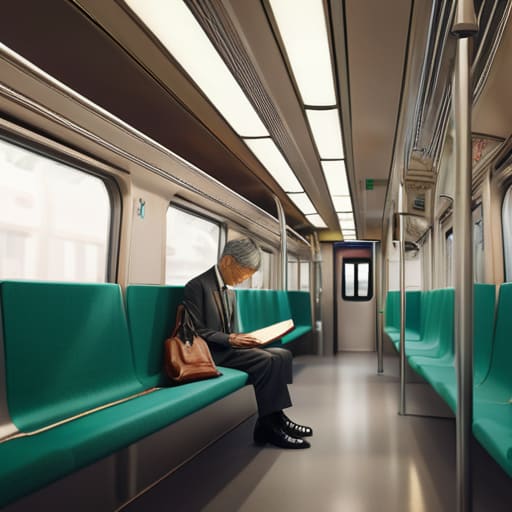
    I often find myself watching the commuters in Tokyo, marveling at how they manage to maintain a sense of solitude despite being inches away from strangers. They understand the commuter unspoken rules regarding sound: a soft hum of a melody or the muffled click of a book page is acceptable, but the digital intrusion of a speakerphone is a breach of the social contract. If you must take a call, step onto the platform. It is a small concession, but it preserves the essential quietude that allows a weary traveler to simply exist in the space between destinations.

    The Small Gestures of a Functional City

    • Mind the threshold. When boarding or exiting, wait for the flow to settle before stepping into the carriage; forcing your way into a moving stream disrupts the very efficiency the system was designed to maintain.
    • Respect the hierarchy of space. A seat is not merely a convenience, but a shared resource; offering it to those with physical needs or the elderly is the silent glue that keeps a high-density society from fraying.
    • Manage your physical footprint. In the tight confines of a commuter train, keep your belongings close to your body and your backpack on your lap; occupying unnecessary cubic space is a subtle form of urban friction.
    • Observe the unspoken queue. Whether at a ticket gate or a platform edge, follow the painted lines and the natural order; a disciplined line is the difference between a seamless transition and a chaotic bottleneck.
    • Practice digital discretion. While the world moves toward constant connectivity, remember that your screen’s brightness and your device’s alerts are personal matters; keep your digital life contained so as not to intrude upon the collective headspace of the car.

    The Quiet Logic of the Commute

    Respect the unspoken boundaries of shared space; in a city as dense as Tokyo, your personal footprint—both physical and auditory—should be as minimal as possible.

    View transit etiquette not as a set of rigid rules, but as a functional social contract that allows the city’s arteries to flow without friction.

    Observe the rhythm of the crowd rather than fighting against it; true ease of travel comes from moving in sync with the collective movement of the station.

    ## The Silent Contract of the Commute

    “A train carriage is not merely a vessel for moving bodies from point A to point B; it is a shared, temporary ecosystem. True etiquette isn’t about following a list of rules, but about recognizing that your personal space ends exactly where another person’s dignity begins.”

    Rurik Salonen

    The Geometry of Respect

    Commuters practicing The Geometry of Respect.

    Ultimately, navigating a city’s transit network is less about the logistics of getting from point A to point B and more about the unspoken social contract we sign every time we step onto a platform. We have discussed the necessity of managing our physical footprint in crowded cars and the vital importance of maintaining a respectful silence. Whether it is adjusting your bag to clear a walkway or lowering the volume of your device, these small, deliberate actions prevent the friction that turns a commute into a struggle. When we master these behaviors, we aren’t just following rules; we are ensuring that the metropolitan machinery functions with the grace and efficiency it requires to sustain millions of lives every single day.

    As I sit with my notebook, watching the blurred lights of the Chuo Line streak past my window, I am reminded that there is a profound, quiet beauty in this collective discipline. A city is a living organism, and its transit systems are the arteries that keep it breathing. When we practice mindfulness in these shared spaces, we contribute to the rhythm of the streets rather than disrupting it. I invite you to look beyond your phone next time you travel. Observe the flow, respect the stillness, and find your own sense of order within the beautiful, organized chaos of the urban landscape.

    Frequently Asked Questions

    How do I navigate the subtle social cues of priority seating without causing unintended offense?

    The priority seats are a delicate piece of urban choreography. I’ve learned that the best approach is one of quiet readiness rather than overt performance. If you see someone in need—an elderly person, a pregnant woman, or someone with a visible injury—stand up immediately but calmly. Avoid making a spectacle of your gesture; a simple, slight nod is enough. If the seat is empty, sit, but keep your bag at your feet. Be prepared to move the moment the rhythm of the carriage shifts.

    What is the unspoken protocol for managing large luggage on a packed commuter train during peak hours?

    The unspoken rule is simple: if you’re carrying a large bag during rush hour, you are the disruption. The most respectful move is to avoid the train entirely if possible. If you must board, place your luggage between your legs or on the floor at your feet to minimize your footprint. Never hold a suitcase in your lap or block the aisles; in a city that moves by precision, your goal is to be invisible.

    Are there specific regional differences in transit etiquette when traveling between the more formal atmosphere of Tokyo and the slightly more relaxed rhythm of Osaka?

    The shift from Tokyo to Osaka is like moving from a strictly choreographed ballet to a spirited jazz ensemble. In Tokyo, there is a profound, almost sacred commitment to silence and personal boundaries; the air feels heavy with shared discipline. Osaka, however, breathes with a different cadence. It is warmer, more boisterous, and slightly more forgiving of human noise. You’ll find the social friction is lower there, but the underlying respect for the collective remains.

  • The Lifestyle and Growth of Fukuoka

    The Lifestyle and Growth of Fukuoka

    I was sitting in a crowded ramen stall in Nakasu last Tuesday, the steam from the tonkotsu broth fogging up my glasses, when I realized something. Most travel guides treat the fukuoka lifestyle like it’s some curated, aesthetic dream found only in glossy magazine spreads or overpriced cafe interiors. They focus on the bright lights and the tourist-friendly waterfront, but they miss the actual pulse of the city. They ignore the way the morning light hits the Tenjin subway entrance or the specific, quiet efficiency of a neighborhood grocery run at dusk. To understand this place, you have to look past the postcard version and find the rhythm in the mundane.

    I have no interest in giving you a list of “must-see” monuments that will only result in long lines and wasted time. Instead, I want to show you how this city actually functions and how it feels to inhabit its spaces. I’ll be sharing my observations on the logistical elegance of the local transit, the hidden corners where the noise finally fades, and the small, unvarnished details that define a life lived here. This isn’t a guide for the casual sightseer; it is a blueprint for understanding the soul of Fukuoka.

    Table of Contents

    Navigating the Urban Rhythm and Fukuoka Urban Development.

    To understand how this city moves, one must look past the neon of Tenjin and observe the skeletal logic of its transit. Fukuoka is a masterclass in efficient Fukuoka urban development, where the city doesn’t just expand; it breathes through a highly integrated network of subways and buses that stitch the coast to the inland suburbs. I often find myself sitting near the window of the Kuko Line, sketching the way the skyline shifts from dense commercial hubs to the softer, more residential edges. There is a deliberate, rhythmic flow here that prevents the typical metropolitan gridlock found in Tokyo.

    This structural efficiency is precisely why the Fukuoka digital nomad scene has begun to pulse with such unexpected energy. It isn’t just about the high-speed internet; it is about the seamless transition from a focused morning of work to a late afternoon spent near the water. The city offers a rare equilibrium—a sense that you are part of a growing, modern engine, yet never so far from the sea that you lose the salt air. It is a place designed for purposeful movement.

    The Hakata Ramen Culture Finding Soul in Steam and Broth

    The Hakata Ramen Culture Finding Soul in Steam and Broth

    If you want to understand the pulse of this city, you don’t look at a map; you follow the scent of pork bone broth drifting from a narrow doorway. The Hakata ramen culture is more than just a culinary preference; it is the city’s social glue. I often find myself sitting on a cramped stool in a tiny shop near Hakata Station, watching the steam rise against the dim light. There is a specific, unhurried ritual to it—the way the chef handles the kaedama (extra noodles) with practiced efficiency, and how the salarymen and students sit shoulder-to-shoulder in a shared, silent appreciation of the meal.

    For those considering living in Kyushu, Japan, these ramen stalls offer a glimpse into the true communal spirit of the region. It isn’t the polished, high-end dining of Tokyo that defines the local rhythm, but rather these gritty, steaming corners where the chaos of the workday dissolves into a single, savory bowl. It is in these small, humid spaces that you realize a city doesn’t just exist in its architecture, but in the shared warmth of its simplest traditions.

    The Logistics of Living: Five Practical Observations on the Fukuoka Way

    • Master the Nishitetsu and Subway interplay early; the city’s efficiency relies on knowing exactly when to switch from the heavy rail to the local lines to avoid the midday lull.
    • Seek out the Yatai stalls not just for the food, but for the social geometry; sitting shoulder-to-shoulder in a cramped stall is the fastest way to understand the city’s communal pulse.
    • Learn the subtle cadence of the Tenjin district; there is a specific window in the late afternoon when the frantic commerce softens into something much more manageable and human.
    • Don’t rely solely on digital maps for the backstreets of Daimyo; keep a physical notebook or a mental map of the alleyway intersections, as the real character of the neighborhood lives in the paths the GPS often overlooks.
    • Embrace the proximity to the coast; a Fukuoka lifestyle is incomplete without the discipline of escaping the urban grid for the salt air of Momochi, providing the necessary reset for a focused mind.

    The Essence of Fukuoka

    To understand Fukuoka, one must look past the neon and observe the seamless integration of its transit arteries and its human-scale streets.

    The city’s true character is found in the sensory details—the steam of a ramen stall at dusk or the predictable, calming flow of the Nishitetsu lines.

    Living well in Fukuoka means embracing a slower, more intentional rhythm that balances efficient urban design with moments of quiet, local connection.

    The Pulse of the South

    “Fukuoka doesn’t demand your attention with the frantic, neon-soaked urgency of Tokyo; instead, it invites you to settle into its cadence, where the efficiency of a well-oiled transit network meets the unhurried warmth of a street-side stall.”

    Rurik Salonen

    The Quiet Pulse of Fukuoka

    The Quiet Pulse of Fukuoka city life.

    Looking back at the layers we have peeled away, it becomes clear that Fukuoka’s appeal isn’t found in a single landmark, but in the seamless integration of its parts. From the efficient, logical flow of its transit networks to the sensory, unhurried warmth of a ramen stall in a narrow alley, the city operates on a unique frequency. It is a place where high-level urban planning meets a deeply human, unpretentious way of living. You see it in the way the city breathes—balancing the momentum of a growing economic hub with the stillness of its coastal edges and the shared ritual of a steaming bowl of noodles.

    If you find yourself standing on a platform at Hakata Station, watching the commuters move with practiced precision, I encourage you to look beyond the schedule. Don’t just seek the destinations; seek the rhythm of the movement itself. Fukuoka teaches us that a life well-lived isn’t about the speed at which we travel, but the quality of the moments we notice while we are in transit. Whether you are a traveler or a resident, remember that the true soul of a city is rarely found in the bright lights of the main thoroughfare, but in the quiet, functional beauty of the details that most people simply walk right past.

    Frequently Asked Questions

    How does the balance between the bustling Hakata business district and the more laid-back coastal areas affect the daily pace of life for locals?

    It’s a study in controlled tension. In the Hakata business district, the pace is dictated by the clock—a synchronized, high-velocity movement of professionals that mirrors a well-oiled machine. But as you move toward the coast, that momentum simply dissolves. The salt air acts as a natural brake. For locals, this duality is vital; they don’t just live in one speed. They oscillate between the intense productivity of the center and the restorative, slower pulse of the shoreline.

    Beyond the famous ramen stalls, what are the smaller, more subtle ways the city's food culture shapes social interactions in the evenings?

    It’s in the izakayas tucked into the side streets of Tenjin, far from the neon glare. There is a specific, quiet etiquette to these spaces. You’ll see salarymen loosening their ties, sharing small plates of yakitori, and engaging in that uniquely Japanese dance of proximity—close enough to feel the communal warmth, yet respectful of the silence. These small, shared meals act as a social lubricant, softening the edges of a long workday through shared, unhurried ritual.

    For someone looking to move beyond the tourist path, how do the city's transit connections influence which neighborhoods feel most authentic to live in?

    In my experience, authenticity follows the periphery of the major hubs. If you live directly atop a Hakata station artery, you’re merely part of the transit flow, not the city itself. To find a neighborhood with a pulse, look for the places where the subway lines intersect with local bus networks—the secondary nodes. These transit junctions create pockets of stability where residents actually linger, rather than just passing through. That’s where the real life happens.

  • Exploring the Unique Cafe Culture in Japan

    Exploring the Unique Cafe Culture in Japan

    I was sitting in a cramped, neon-lit shop in Shibuya last Tuesday, watching a group of tourists struggle to navigate a menu of overly complicated, “Instagrammable” matcha lattes that cost more than a decent lunch. It struck me then how much the true essence of japanese cafe culture has been obscured by the pursuit of the aesthetic. People travel halfway across the world to find a moment of peace, only to end up in a loud, overpriced social media backdrop that feels entirely hollow. They are looking for a connection to the city, but they are settling for a carefully curated facade.

    I have no interest in chasing trends or documenting what is merely trendy. Instead, I want to show you how to find the heartbeat of the city through its most functional, quiet spaces. In the following pages, I will guide you away from the hype and toward the authentic kissaten and neighborhood haunts where the coffee is strong and the silence is respected. This isn’t a guide to the most photographed spots; it is a map to the hidden rhythms of urban life, told through the lens of someone who prefers substance over spectacle.

    Table of Contents

    Tracing the Kissaten History and Tradition

    Tracing the Kissaten History and Tradition.

    To understand the modern landscape, one must first look backward at the roots of the kissaten history and tradition. Long before the arrival of sleek, high-speed espresso machines and the frantic energy of third-wave coffee, these establishments served as the quiet sanctuaries of the Showa era. They weren’t designed for the “grab-and-go” efficiency I spent my career optimizing in logistics; rather, they were built for lingering. In these dimly lit spaces, the ritual of brewing became a form of secular meditation, a slow-motion counterweight to Japan’s rapid industrialization.

    You can still see the subtle japanese tea ceremony influence in how a master barista handles a siphon or a pour-over. It is a disciplined, almost rhythmic movement that honors the ingredient. Unlike the loud, themed concept cafes in Tokyo that demand your attention with neon and noise, the traditional kissaten relies on a certain restraint. There is a profound, unspoken respect for the silence between the pours, a way of treating a simple cup of black coffee with the same gravity one might afford a formal ceremony.

    Zen Aesthetic in Coffee Shops and Stillness

    Zen Aesthetic in Coffee Shops and Stillness

    There is a specific kind of silence found in these spaces that feels less like an absence of noise and more like a deliberate presence. It isn’t the sterile, hollow quiet of a modern office, but rather a weighted stillness. You see it in the way a shop might utilize a single, unadorned wooden counter or the way light is permitted to fall across a textured plaster wall. This zen aesthetic in coffee shops isn’t about emptiness for the sake of fashion; it is about creating a vacuum where the frantic pace of the Shinjuku crowds cannot reach you.

    I often find myself sitting for an hour, simply watching the steam rise from a ceramic cup. There is a profound japanese tea ceremony influence woven into the very fabric of these establishments—a respect for the singular moment and the ritual of preparation. Even in the more modern iterations of the city, there is a lingering commitment to intentionality. Whether it is the precise placement of a spoon or the deliberate choice of a low-slung chair, the goal remains the same: to provide a sanctuary where the mind can finally settle.

    • Respect the silence of the space. In a traditional kissaten, the low hum of conversation is part of the atmosphere, not an invitation to be loud. I’ve found that observing the local etiquette—keeping your voice low and your phone muted—is the fastest way to earn the respect of the proprietor and the regulars.
    • Look for the signs of craftsmanship, not just the menu. Don’t just order “coffee.” Look at the pour-over technique, the weight of the ceramic cup, and the way the light hits the steam. If a shop feels like it’s curated rather than manufactured, you’ve found a place worth your time.
    • Embrace the solitary seat. While the West often views cafes as social hubs, many Japanese establishments are designed for the individual. Don’t feel the need to fill an empty chair with a companion; there is a profound, meditative clarity to be found in sitting alone with nothing but a notebook and a single cup.
    • Understand the concept of “single-purpose” excellence. Many of the best spots don’t try to do everything. A shop that only serves coffee and a single type of seasonal cake is often far superior to a multipurpose bistro. Follow the specialists.
    • Time your visits around the city’s rhythm. To truly see how a cafe breathes, visit during the mid-afternoon lull. The morning rush is a logistical necessity, but the quiet hour between 2:00 PM and 4:00 PM is when the soul of the shop actually reveals itself.

    Lessons from the Slow Pour

    Seek out the kissaten not for a caffeine fix, but to witness the deliberate, unhurried choreography of service that defines old-world Japan.

    Understand that the true value of a cafe lies in its ability to act as a structural pause—a necessary buffer between the frantic transit of the street and the stillness of the self.

    Look past the modern aesthetic to find the soul of a neighborhood in its smallest, most functional spaces, where tradition is preserved in the steam of a siphon brewer.

    The Architecture of Stillness

    “A modern cafe is often a place of transit, but the traditional kissaten is a destination of pause; it is where the city’s frantic logistics finally yield to the simple, deliberate ritual of a single pour-over.”

    Rurik Salonen

    The Final Sip

    A peaceful Japanese cafe, The Final Sip.

    To truly understand the Japanese cafe, one must look past the convenience of a quick caffeine fix and appreciate the layers of intention built into every cup. We have traced the lineage from the storied, wood-paneled kissaten that act as anchors of history, to the modern spaces that masterfully apply Zen principles to create pockets of absolute stillness. It is a delicate balance of heritage and design, where the ritual of the pour is just as vital as the bean itself. These spaces are not merely businesses; they are carefully curated sanctuaries designed to facilitate a specific kind of human presence.

    As I sit here, sketching the intersection of a narrow alleyway in Shimokitazawa, I am reminded that the best way to experience a city is to stop fighting its momentum and start observing its pauses. You don’t need a map to find these places; you only need the patience to look for the door that seems slightly out of step with the rushing crowd. Whether it is the scent of dark roast or the rhythmic clink of a ceramic spoon, these moments offer a profound clarity that the neon lights can never provide. Seek out the quiet corners, and you might just find the city’s true heartbeat.

    Frequently Asked Questions

    How do I distinguish between a modern specialty coffee shop and a traditional kissaten when I'm walking through a new neighborhood?

    Look for the sensory cues. A specialty shop usually signals itself with bright light, minimalist wood, and the sharp, acidic aroma of light-roast beans. It feels efficient, almost clinical. A kissaten, however, breathes differently. You’ll see heavy velvet curtains, dim amber lighting, and the scent of dark, oily roasts mingling with old paper. If the music is jazz playing softly from a vintage speaker rather than a curated playlist, you’ve found the tradition.

    Is there a particular etiquette or unspoken code of conduct I should follow to avoid disrupting the stillness of these spaces?

    In these spaces, silence is a shared resource. I’ve learned that the unspoken rule is simple: minimize your footprint. Keep your voice to a low murmur, and if you’re using a phone, keep it on silent. Most importantly, respect the “tempo” of the shop. If a patron is tucked away with a book, they aren’t just drinking coffee; they are occupying a private moment. Observe, stay quiet, and let the stillness remain unbroken.

    Are there specific regions outside of Tokyo or Osaka where the old-school coffee house culture remains more intact?

    If you want to see the old-school culture breathing without the metropolitan rush, head toward Kanazawa. It possesses a certain preserved dignity that Tokyo lacks. The city’s narrow streets house several venerable coffee houses that feel untouched by the frantic pace of modern logistics. Similarly, parts of Kyoto—away from the main temple circuits—offer a slower, more deliberate rhythm. There, the kissaten isn’t just a business; it is a steady, unhurried anchor of the neighborhood.