Blog

  • Discovering Small Towns Near Japanese Cities

    Discovering Small Towns Near Japanese Cities

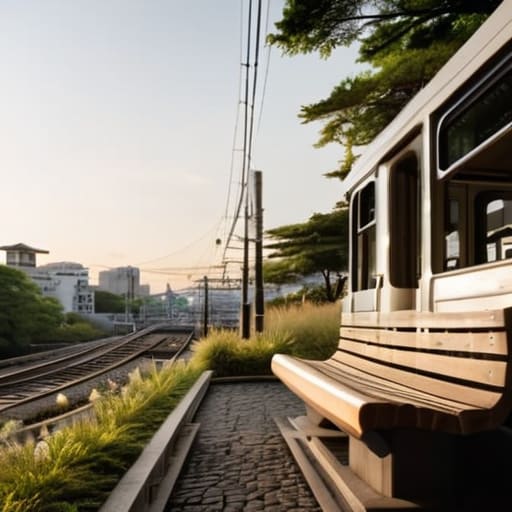
    I was sitting on a weathered wooden bench at a station in rural Shikoku last autumn, listening to the rhythmic, metallic clack-clack of a single diesel car pulling into a platform that seemed to exist only for the local farmers. Most travel guides will try to sell you a curated, high-gloss version of Japan—a series of polished “hidden gems” that are anything but hidden and often feel like theme parks for the weary traveler. They miss the point entirely. The true essence of japan small towns isn’t found in the gift shops or the reconstructed temples, but in the way the morning mist clings to a rice paddy and how the local train schedule dictates the very pulse of the community.

    I have no interest in chasing the hype or recommending places that have been sanitized for the masses. Instead, I want to show you how to navigate the logistical reality of the periphery. I will share my observations on how to use the regional rail networks to reach the places that actually matter, and how to find the quiet, functional beauty in the corners of the country that most people simply bypass. This isn’t a list of monuments; it is a guide to understanding how the real Japan breathes.

    Table of Contents

    Scenic Countryside Train Journeys Where the Map Ends

    Scenic Countryside Train Journeys Where the Map Ends

    There is a specific kind of clarity that comes from watching the urban sprawl of Tokyo dissolve into the emerald greens of the Chūgoku region. When I sit by the window of a local line, my notebook open on my lap, I am not just looking at scenery; I am observing the logistics of isolation. These scenic countryside train journeys serve as more than mere transport; they are the lifelines connecting isolated pockets of history to the rest of the world. As the train slows for unmanned stations, the rhythm of the tracks becomes a meditation, pulling you further away from the neon-soaked chaos and into a slower, more deliberate tempo.

    To travel these routes is to step into a living museum. You begin to notice the subtle shifts in traditional Japanese architecture, where the eaves of a farmhouse seem to bow to the surrounding cedar forests. It isn’t about the grand vistas, but the way a single, weathered wooden gate stands against the mist. Finding these authentic local experiences in Japan requires a willingness to embrace the occasional delay and the quiet stillness of a station where the only sound is the wind through the rice paddies.

    Navigating the Quiet Rhythms of Remote Village Travel Tips

    When you step away from the seamless efficiency of the Shinkansen, the logistical landscape shifts. Navigating these areas requires a different kind of mental map—one built on patience rather than speed. My first piece of advice for those seeking authentic local experiences in Japan is to embrace the concept of the “buffer hour.” In remote areas, a bus might arrive ten minutes late, or a small station might only serve one train every two hours. I’ve learned to view these gaps not as inconveniences, but as necessary intervals to sit, observe, and watch the light change over the mountains.

    Preparation is also a matter of respect. Understanding basic Japanese countryside etiquette is vital; in these tight-knit communities, you are a guest in a living space, not just a spectator in a museum. A soft nod to a shopkeeper or a quiet demeanor in a local onsen goes a long way. I always keep my leather notebook handy to jot down the specific bus schedules or local walking paths I encounter, as digital maps can sometimes falter where the terrain gets steep. True discovery happens when you stop fighting the clock and start moving at the pace of the village itself.

    The Logistics of the Slow Lane: Five Essentials for the Intentional Traveler

    • Master the rhythm of the local timetable. In the cities, a missed train is an inconvenience; in the countryside, it is a fundamental shift in your day’s architecture. I’ve learned to treat the local line schedule as my primary compass, rather than a suggestion.
    • Carry more than just a digital map. While my phone is useful, I find that a physical notebook and a printed local transit map are indispensable when the signal drops in a valley or a station agent speaks only the local dialect.
    • Embrace the weight of cash. The seamless, contactless world of Tokyo’s Suica cards often dissolves once you cross into the smaller prefectures. I always ensure my leather wallet has a healthy reserve of yen for the small, family-run shrines and neighborhood tea houses that don’t recognize a chip.
    • Look for the “Michi-no-Eki.” These roadside rest areas are the logistical heartbeats of rural Japan. They are more than just stops; they are curated windows into the local harvest and the community’s quiet pride, offering a glimpse of the region that no high-speed rail can provide.
    • Pack for the transitions. Small-town travel involves more walking on uneven, narrow paths and more waiting on wind-swept platforms than urban commuting. Practical, sturdy footwear and a layer that can handle a sudden mountain mist are non-negotiable for staying observant and comfortable.

    The Logistical Essence of the Slow Path

    True connection to a region requires embracing the friction of local transit; the delays and transfers are not obstacles, but the very moments where the true character of a town reveals itself.

    Seek out the functional quiet of small-town life by observing the intersection of tradition and utility, such as a local market or a single-track station, rather than searching for curated tourist experiences.

    Carry a physical map and a notebook; in the periphery, digital precision often fails, and the manual act of navigating forces a deeper, more observant engagement with your surroundings.

    The Logistics of Stillness

    “Most travelers look for Japan in the neon glare of Shibuya, but I have always found its true pulse in the quiet intervals between stations—in those small, unassuming towns where the schedule is dictated by the seasons rather than the clock, and where the soul of the country reveals itself in the steady, unhurried rhythm of daily life.”

    Rurik Salonen

    The Quiet Logic of the Road Ahead

    The Quiet Logic of the Road Ahead.

    As I close my notebook and look back over the maps I’ve sketched, I am reminded that traveling through Japan’s smaller towns requires a shift in both logistics and temperament. We have discussed the necessity of embracing the slower pace of local rail lines, the importance of preparing for the logistical gaps in remote areas, and the way a well-timed arrival can transform a simple village visit into a profound experience. It is rarely the grand, high-speed connections that reveal the most; rather, it is the deliberate patience required when a local bus runs only twice a day or when a narrow alleyway leads you somewhere entirely unexpected. To find these places, one must be willing to trade efficiency for depth.

    In the end, the true value of these journeys isn’t found in a souvenir or a photograph, but in the realization that a city or a village is a living, breathing organism. When you stop rushing toward the next monument, you finally begin to hear the rhythmic pulse of the landscape. I have learned that the most meaningful connections often happen in the silences between the stops. So, leave the crowded itineraries behind and allow yourself to get lost in the periphery. That is where you will find the unvarnished truth of how a place actually lives.

    Frequently Asked Questions

    How do I manage the logistics of getting from a major hub like Tokyo to a remote village where the train schedule only runs three times a day?

    You don’t fight the schedule; you build your life around it. In my years of logistics, I learned that timing isn’t a suggestion—it’s the entire framework. First, download the offline timetables; paper maps won’t help when the signal drops in a valley. Second, treat that single afternoon train as your fixed anchor. Plan your arrival for the morning, find a local café, and let the waiting become part of the observation. Precision is your only ally.

    Is it practical to rely on my physical maps and notebook in areas where English signage is sparse and digital connectivity is unreliable?

    In my experience, relying solely on digital tools is a logistical gamble. When the signal drops or a battery dies in a rural station, panic sets in. My notebook and physical maps are my fail-safes. While they won’t translate a menu, they provide a tactile certainty that a flickering screen cannot. In areas with sparse English signage, a hand-drawn sketch of a junction or a marked transit node is often more reliable than any malfunctioning GPS.

    What are the subtle etiquette shifts I should be aware of when moving from the high-speed efficiency of the Shinkansen to the slower, more communal pace of a rural town?

    The Shinkansen is a vacuum of polite isolation; you exist in a bubble of silent efficiency. But as the tracks narrow and the pace slows, that bubble must expand. In rural towns, silence can feel like distance rather than respect. You’ll find that a small nod to the shopkeeper or a brief, measured greeting goes much further than the practiced anonymity of Tokyo. Here, you aren’t just a passenger passing through; you are a guest in a living community.

  • Visiting Buddhist Temples in Urban Japan

    Visiting Buddhist Temples in Urban Japan

    I was sitting on a weathered wooden bench near the outskirts of Kyoto last autumn, watching a group of tourists scramble to take the exact same selfie in front of a gilded altar. They were so focused on the digital frame that they completely missed the way the morning mist was settling into the moss, or the rhythmic, unhurried scrape of a monk’s broom against the gravel. Most people treat temple visits like a checklist of famous landmarks to be conquered, but that approach misses the entire point. You don’t “do” a temple; you let the space settle into you.

    I have no interest in telling you which famous gates are the most “Instagrammable” or which overpriced souvenir shops to avoid. Instead, I want to show you how to find the functional stillness that these sites were actually built to provide. My goal is to guide you toward the quiet corners and the subtle rituals that reveal how a city truly breathes. We’re going to look past the crowds to find the genuine pulse of these sacred spaces, focusing on the logistics of finding peace amidst the urban rush.

    Table of Contents

    Decoding the Geometry of Ancient Temple Architecture

    Decoding the Geometry of Ancient Temple Architecture.

    When I sit on the wooden veranda of a temple in Kyoto, I don’t just see a building; I see a masterclass in spatial logistics. There is a deliberate, mathematical precision to ancient temple architecture that serves a purpose far beyond mere aesthetics. The way the heavy timber beams intersect, or how the gravel in a Zen garden is raked into perfect, concentric circles, isn’t just for show. It is a structural method of guiding the eye and the mind toward a single point of stillness.
    I often find myself sketching these proportions in my notebook, trying to map the way the shadows fall across the engawa. The geometry is designed to mediate the relationship between the human scale and the vastness of the divine. It creates a sense of calculated equilibrium that makes the transition from the frantic noise of the Shinkansen to a state of quietude feel almost instantaneous. For those seeking more than just a photo opportunity, understanding these structural rhythms is the first step in truly appreciating how these sacred Buddhist landmarks have maintained their composure through centuries of urban expansion.

    Navigating the Silent Nuances of Spiritual Pilgrimage Etiquette.

    There is a specific rhythm to these spaces that a mere guidebook cannot convey. To the uninitiated, the rituals might seem like a series of arbitrary hurdles, but I’ve come to see them as a necessary deceleration. When approaching sacred Buddhist landmarks, the transition from the frantic energy of the subway to the stillness of a temple courtyard requires a deliberate shift in posture. It isn’t just about bowing at the right moment; it is about the intentionality of your movement. I find that if I rush through the purification ritual at the temizuya, I carry the city’s noise with me into the inner sanctum, breaking the very silence I came to find.

    Understanding spiritual pilgrimage etiquette is less about following a checklist and more about respecting the invisible boundaries of the space. You will notice how the monks move with a certain economy of motion—a logistical grace that mirrors the efficiency of a well-oiled machine, yet remains profoundly calm. Whether you are observing a formal ceremony or simply sitting on a wooden veranda, the goal is to become a silent part of the landscape rather than a disruption to it.

    The Logistics of Stillness: Five Practical Observances

    • Watch the flow of the crowd before you enter. Much like a busy shipping terminal, a temple has its own natural rhythm; wait for a lull in the foot traffic to step into the inner sanctum so you don’t disrupt the existing momentum.
    • Leave the heavy gear at the gate. I’ve found that carrying a massive camera bag often creates a physical barrier between myself and the space. Stick to a single prime lens and my leather notebook; it allows you to move through narrow corridors without feeling like an obstacle.
    • Study the water basins with intent. The chozuya isn’t just a ritual station; it is a functional transition point. Use the moment of cleansing to physically shed the frantic energy of the subway lines you just exited.
    • Listen for the mechanical and the natural. Don’t just look at the architecture; listen to the way the wind moves through the cedar trees or the specific resonance of a wooden bell. The soundscape is a vital part of the temple’s structural integrity.
    • Document the details, not just the vistas. Instead of trying to capture the entire main hall, use your film to frame a single weathered stone lantern or the way light hits a specific raked pattern in the gravel. The truth of the place is in these granular intersections.

    The Logistics of Stillness: Lessons from the Temple Grounds

    True connection with a site comes not from the grandeur of the main hall, but from observing the intentionality of the small details—the way a single stone lantern is positioned or the precise rhythm of a monk’s morning ritual.

    Respect the unspoken flow; just as a well-run transit hub relies on the silent cooperation of its commuters, a temple functions through a shared, quiet understanding of space and movement.

    Leave the guidebooks behind for a moment and let your eyes wander; the most profound insights are often found in the periphery, in those quiet corners where the city’s frantic pace finally loses its grip.

    The Architecture of Stillness

    Most travelers rush through temple gates seeking a moment of prayer, but I’ve learned that the true ritual begins in the silence between the footsteps—in that precise, heavy pause when the city’s mechanical roar finally yields to the weight of ancient timber and stone.

    Rurik Salonen

    The Geometry of Stillness

    The Geometry of Stillness in temple architecture.

    As I sit here in a small café near the temple gates, sketching the final lines of the courtyard’s layout in my notebook, the pieces of the day fall into place. We have looked at the deliberate, mathematical precision of the architecture and the subtle, unspoken rules of etiquette that govern these sacred spaces. To truly appreciate a temple, one must realize it is not merely a collection of wooden beams and stone lanterns, but a carefully calibrated ecosystem of movement and silence. Understanding the logistics of how a person moves through a shrine—from the purification fountain to the main hall—is just as vital as admiring the artistry of the carvings themselves. It is about recognizing the intentional design behind every step.

    Ultimately, my time spent navigating these quiet corners has reinforced a truth I’ve carried throughout my career: the most profound systems are often the ones we don’t notice until we stop to look. Don’t rush through your visit just to say you were there. Instead, let the city’s frantic pace fade into the background and find your own rhythm within the temple walls. Whether you are there for spiritual solace or simply to observe the way the light hits a weathered gate, remember that the real journey is found in the quietest observations. Seek the functional beauty in the stillness, and you will find that you haven’t just visited a landmark; you have finally learned how the city breathes.

    Frequently Asked Questions

    How do I distinguish between a major tourist site and a local sanctuary that requires a more quiet, observant approach?

    Look for the friction. Major sites are loud, choreographed, and designed for throughput; they feel like transit hubs for the soul. A local sanctuary, however, lacks that polished veneer. You’ll find it by watching the flow of people—if the crowd is moving in a single, hurried direction, it’s a landmark. If they are moving slowly, or not at all, you’ve found a place that breathes. Follow the silence, not the signage.

    Are there specific times of day when the transit-heavy areas near temples transition into that stillness I'm looking for?

    The transition usually occurs in the late afternoon, just as the salarymen begin their rhythmic exodus from the stations. Around 4:30 PM, the frantic energy of the transit hubs begins to settle, leaving a heavy, expectant silence in the temple approaches. If you can catch that window—before the evening rush begins but after the midday heat has broken—you’ll find the streets breathing more deeply. It is the most honest time to observe.

    Beyond the standard etiquette, are there subtle logistical details—like footwear or specific paths—that help me respect the temple's natural flow?

    It’s the small, physical transitions that matter most. I always carry a pair of clean, thin-soled slip-ons; the transition from street to polished wood is a moment of respect, not just a rule. Watch the gravel, too. Don’t just walk; notice the rhythm of the sando—the approach path. If you see a worn indentation in the stone, follow it. Those paths are the city’s memory, guiding the flow of centuries.

  • The Art of Kaiseki Ryori Dining

    The Art of Kaiseki Ryori Dining

    I sat in a dimly lit dining room in Gion last autumn, watching a young man struggle to photograph his plate before even taking a bite. He was chasing the aesthetic, the social currency of the moment, completely oblivious to the fact that the temperature of his dashi was dropping with every shutter click. Most people approach kaiseki ryori fine dining as if it were a high-stakes performance or a status symbol to be captured for a digital audience, but that’s where they lose the thread. To me, the true value isn’t found in the gold leaf or the prestige of the reservation; it’s found in the deliberate, quiet precision of a single, perfectly timed course.

    I have no interest in feeding you the glossy, brochure-style fluff you’ll find in most travel guides. Instead, I want to pull back the curtain on what this experience actually requires of you—and what it offers in return. I’ll share my observations on how to recognize genuine seasonal integrity and how to navigate the complex etiquette without feeling like an intruder. My goal is to help you move past the spectacle so you can finally understand the rhythm of the meal.

    Table of Contents

    Tracing the Seasonal Kaiseki Ingredients Through Time

    I’ve always been fascinated by how a well-oiled system functions, whether it’s a shipping lane in the Pacific or the progression of a multi-course meal. In a kaiseki setting, the rhythm is dictated by the calendar. You aren’t just eating; you are consuming a snapshot of a specific moment in time. I noticed this most clearly when observing the transition from the bright, watery textures of early spring to the deep, earthy richness of autumn. Each ingredient serves as a logistical marker of the year’s progress, adhering strictly to the washoku culinary tradition that prioritizes the essence of the raw product above all else.

    To understand this, one must look past the flavor and toward the temporal logic of the menu. The chef acts as a curator of time, selecting seasonal kaiseki ingredients that are at their absolute peak of vitality. It isn’t enough for a radish to be crisp; it must be the specific variety that has been nurtured by the current month’s soil temperature. This isn’t mere coincidence; it is a disciplined adherence to a cycle that most modern life has long since forgotten.

    The Rhythmic Flow of the Seasonal Kaiseki Course Structure

    The Rhythmic Flow of the Seasonal Kaiseki Course Structure.

    To understand the flow of a meal, one must stop looking at it as a sequence of dishes and start seeing it as a logistical masterpiece of timing. The seasonal kaiseki course structure is not merely a menu; it is a carefully choreographed movement, much like the precise intervals of a well-managed transit line. It begins with subtle, cleansing preparations that wake the palate, gradually building in complexity and intensity. There is a certain mathematical elegance to how the chef transitions from the lightness of a clear dashi to the richer, more substantial proteins, ensuring that no single flavor overwhelms the next.

    This progression is deeply rooted in the washoku culinary tradition, where every transition serves a purpose. It isn’t just about satiety; it is about the intentional pacing of an experience. As I sit in these quiet dining rooms, I notice how the tempo mirrors the natural world—a slow, deliberate unfolding that demands your presence. You aren’t just consuming food; you are participating in a rhythmic dialogue between the kitchen and the guest, where the silence between courses is just as important as the flavors themselves.

    Navigating the Nuances: Five Observations for the Mindful Diner
    • Respect the silence of the room. In a Kaiseki setting, the space is as much a part of the meal as the food itself. I’ve found that the most profound appreciation comes when you stop treating the restaurant like a social hub and start treating it like a sanctuary for observation.
    • Look beyond the plate to the vessel. A seasoned logistics mind appreciates the precision of a well-placed tool, and in Kaiseki, the ceramics are no different. Pay attention to the weight of the bowl and the texture of the lacquerware; the chef chooses these pieces to complement the temperature and weight of the seasonal ingredients.
    • Let the rhythm dictate your pace. There is a temptation to rush through a multi-course meal, especially if you are used to the efficiency of a transit hub. Resist it. The meal is a sequence designed to build momentum; if you eat too quickly, you break the structural integrity of the experience.
    • Study the seasonal markers. Don’t just taste the food; look for the visual cues of the micro-seasons. A specific type of leaf used as a garnish or the subtle shift from heavy stoneware to delicate glass tells you exactly where you sit in the city’s natural calendar.
    • Trust the chef’s choreography. You may notice moments where the service seems almost too invisible to be real. This is not a lack of attention, but a high-level logistical feat. Allow yourself to be guided by their timing rather than trying to impose your own schedule on the evening.

    The Essence of the Kaiseki Experience

    True Kaiseki is less about the spectacle of luxury and more about a disciplined respect for the present moment, where every ingredient serves as a temporal marker of the season.

    Understanding the meal requires looking past the plate to see the logistical harmony between the chef’s precision and the natural rhythm of the changing months.

    To truly experience Kaiseki, one must embrace the quietude of the service, allowing the deliberate pace of the courses to dictate a slower, more observant way of being.

    The Logistics of Flavor

    “In my years managing supply chains, I learned that perfection is found in the seamless movement of parts; in Kaiseki, I see that same precision, where the chef orchestrates a delicate, edible logistics of season and soul, ensuring every ingredient arrives at its peak moment of truth.”

    Rurik Salonen

    The Lasting Impression of a Seasonal Symphony

    The Lasting Impression of a Seasonal Symphony.

    As I closed my notebook after that final course, I realized that kaiseki is far more than a mere sequence of dishes; it is a highly disciplined logistical feat of timing and tradition. We have traced how the ingredients act as temporal markers, anchoring the diner to a specific moment in the year, and how the rigid yet fluid structure of the meal mirrors the natural rhythms of the world outside the restaurant walls. It is a system designed to eliminate waste and maximize sensory precision, ensuring that nothing is superfluous. To understand kaiseki is to understand that true excellence lies in the seamless integration of preparation, seasonality, and service.

    In my years of managing complex global networks, I often looked for efficiency, but in these quiet dining rooms, I have learned to look for something deeper: intentionality. Kaiseki teaches us that there is a profound, quiet beauty in slowing down to acknowledge the transition from one season to the next. It reminds us that even in the frantic pulse of cities like Tokyo or Osaka, there remains a space for deliberate stillness. Do not merely eat to be full; eat to observe how the world is changing, one small, exquisite bite at a time.
    Frequently Asked Questions

    How does one navigate the etiquette of a formal kaiseki meal without disrupting the quiet atmosphere of the restaurant?

    The key is to treat the meal like a well-oiled transit system: move with purpose, but without noise. I’ve found that silence isn’t an absence of interaction, but a form of respect for the chef’s rhythm. Observe the pace of those around you. Handle the ceramics with both hands—it’s a small, tactile way to acknowledge the craftsmanship. If you follow the lead of the room, you’ll find that your presence becomes part of the harmony, rather than a disruption to it.

    Is it possible to experience the essence of kaiseki in more casual, everyday settings, or is the ritual strictly reserved for high-end establishments?

    It’s a common misconception that the essence of kaiseki is locked behind the doors of expensive, Michelin-starred establishments. While the formal ritual demands a certain reverence, you can find its spirit in more modest settings. I’ve often found that a quiet, neighborhood ryotei or even a refined obanzai restaurant offers a similar devotion to seasonality and balance. The high price tag isn’t the soul; it’s the intentionality behind the ingredients.

    How much influence does the specific micro-season or local geography have on the menu selection compared to the broader national seasons?

    While the national calendar provides the broad strokes, the true mastery lies in the micro-seasons. A chef in Kanazawa isn’t just cooking for “autumn”; they are cooking for the specific week the mountain air turns crisp or the exact moment a certain shellfish reaches its peak. To me, the local geography is the real conductor. It dictates whether a dish speaks of the rugged Sea of Japan or the subtle nuances of a specific valley.

  • The Diverse Landscape of Japanese Café Culture

    The Diverse Landscape of Japanese Café Culture

    I was sitting in a crowded, neon-soaked district in Shibuya last Tuesday, staring at a line of tourists waiting forty minutes for a “concept café” that served nothing but overpriced, Instagram-ready lattes and neon-colored foam. It struck me then how much people miss when they chase the spectacle. They think they are experiencing the real café culture in japan, but they are actually just consuming a carefully curated performance. To me, the true essence of a Japanese coffee house isn’t found in a flashy storefront designed for a smartphone lens; it’s found in the quiet, rhythmic precision of a master brewer working in a space no larger than a walk-in closet.

    I have no interest in telling you which shops are currently trending on social media. Instead, I want to show you how to read the city’s landscape to find the places that actually matter. I will guide you toward the dim-lit kissaten where the scent of dark roast lingers in the wood grain and the service is as steady as a heartbeat. My goal is to help you navigate the functional beauty of these spaces, moving past the hype to find the authentic, silent corners where Japan truly breathes.

    Table of Contents

    Kissaten History and Tradition Where Time Stands Still

    Kissaten History and Tradition Where Time Stands Still

    To understand the modern rush of the Tokyo specialty coffee scene, one must first step backward into the amber-hued dimness of the kissaten. These are not mere coffee shops; they are temporal anomalies. Long before the arrival of the third wave coffee movement in Japan, the kissaten served as the city’s quiet living rooms. Here, the ritual is king. You don’t see baristas rushing to fulfill mobile orders; instead, you see a master craftsman meticulously pouring hot water over grounds with a precision that borders on the sacred.

    The essence of kissaten history and tradition lies in this deliberate deceleration. In these spaces, the aesthetic isn’t about the starkness of modern minimalism, but rather a heavy, lived-in comfort—dark wood, velvet upholstery, and the faint scent of old paper. It is a place designed for solitary contemplation. While the world outside accelerates through Shinjuku Station at breakneck speeds, the kissaten remains anchored, offering a sanctuary where the only thing that matters is the steady drip of the siphon and the weight of the silence.

    Japanese Minimalist Cafe Design the Beauty of Empty Space

    Japanese Minimalist Cafe Design the Beauty of Empty Space

    In my years managing logistics, I learned that efficiency is often mistaken for clutter. But in the modern urban landscape of Tokyo, I’ve found that true efficiency—and perhaps true peace—lies in what is left out. This is the heart of japanese minimalist cafe design. Unlike the sensory overload of the Shinjuku streets, these spaces utilize ma, or negative space, to create a psychological buffer between the patron and the city’s relentless momentum. It isn’t just about white walls and bare wood; it is a deliberate architectural choice to reduce cognitive load.

    As the third wave coffee movement japan has evolved, this minimalism has shifted from a purely aesthetic choice to a functional one. You see it in the way a single light fixture is positioned to highlight the texture of a pour-over, or how the geometry of a concrete counter directs the flow of movement. There is a quiet, mathematical precision to these layouts that appeals to my sense of order. In these rooms, the absence of noise and excess allows you to focus entirely on the weight of the ceramic in your hand and the slow, rhythmic ritual of the brew.

    • Respect the silence of the space. In many smaller shops, especially the older kissaten, the atmosphere is part of the service. Keep your voice low and your phone on silent; you aren’t just a customer, you are a guest in someone’s carefully curated quietude.
    • Understand the unspoken etiquette of seating. In crowded urban hubs, don’t expect a large table for one. Look for the counter seats—the “solo traveler’s sanctuary”—which are designed to allow you to observe the room without disrupting the flow of service.
    • Mind the “one drink” rule. Unlike the sprawling, high-turnover coffee chains in the West, many independent Japanese cafés operate on thin margins. If you find a perfect corner, order a second cup or a small snack if you plan to linger; it’s a matter of respect for the establishment’s rhythm.
    • Observe the cash-heavy reality. While Tokyo is modernizing, many of the most authentic, soul-filled cafés still rely on the tactile simplicity of yen. Always keep small denominations and coins on hand to avoid disrupting the transaction at the register.
    • Look for the “hidden” entrances. The best coffee often isn’t behind a neon sign at street level. It’s frequently tucked away on a second floor or down a narrow staircase between two office buildings. If a doorway looks unremarkable, follow your intuition—that’s often where the real character resides.

    The Rhythms of the Cup: Lessons from the Sidewalk

    Look past the polished storefronts; the true character of a neighborhood is often found in the weathered wooden door of a shop that hasn’t changed its menu in forty years.

    Respect the intentionality of the space, whether it is the grand silence of a minimalist design or the cluttered, comforting density of a traditional kissaten.

    Use the café as a stationary vantage point to observe the city’s logistics—watch how the morning rush flows and how the evening settles, one coffee at a time.

    The Rhythm of the Roast

    “A Japanese café is rarely about the spectacle of the brew; it is a carefully calibrated pause in a city that never stops moving, a small, functional sanctuary where the steam from a cup provides the only necessary friction against the rush of the street.”

    Rurik Salonen

    The Rhythm of the Cup

    The Rhythm of the Cup in Shimokitazawa.

    As I sit here, sketching the layout of this particular corner in Shimokitazawa, I realize that Japan’s café culture is not a singular entity, but a spectrum. It is a delicate balance between the unyielding weight of history found in the dimly lit kissaten and the deliberate, airy precision of the modern minimalist space. Whether you are seeking the nostalgia of a dark wood counter or the quiet clarity of a concrete-and-glass sanctuary, these spaces serve a vital function. They act as the city’s pressure valves, providing a necessary pause in the relentless machinery of urban life.

    Ultimately, finding the right café isn’t about following a trend or seeking out a famous name on a map. It is about recognizing when you need to stop moving and simply observe the world breathing. The true magic lies in those fleeting moments—the scent of freshly roasted beans, the soft clink of a spoon, and the stillness that settles over you when you finally find your seat. Don’t rush through your journey to reach the next landmark. Instead, let the city guide you toward its quietest corners, and let a simple cup of coffee remind you that the most profound discoveries are often found in the pauses.

    Frequently Asked Questions

    How can I distinguish between a modern third-wave coffee shop and a traditional kissaten when I'm navigating a busy neighborhood?

    Look for the sensory cues. A third-wave shop announces itself with bright lighting, exposed concrete, and the rhythmic, high-pitched hiss of an espresso machine. It feels efficient, almost clinical. A kissaten, however, pulls you into a dim, weighted stillness. You’ll see heavy velvet curtains, the scent of dark-roast beans lingering in wood paneling, and a proprietor moving with a deliberate, unhurried grace. One is built for the caffeine rush; the other is built for the pause.
    Are there specific unspoken etiquette rules I should follow when sitting alone in a small, quiet café?

    When you’re sitting alone in a cramped kissaten, your footprint matters. I’ve learned that silence is the primary currency. Keep your phone on silent; the soft chime of a notification can feel like a physical intrusion in a small space. Avoid spreading your belongings—a notebook and a camera are fine, but don’t claim the entire table. Most importantly, respect the rhythm. Once you’ve finished your coffee, move on. These spaces are small, and the flow depends on it.

    Is it possible to find these more tucked-away, authentic spots using standard navigation apps, or do I need to rely on wandering the side streets?

    The apps are efficient for logistics, but they aren’t built for discovery. Google Maps will lead you to the most highly-rated, high-traffic destinations—the places that have mastered the algorithm, not necessarily the ones that have mastered the craft. If you want the truly quiet corners, you have to put the phone away. Follow the narrowest alleys and look for the handwritten signs. The best way to find a place is to simply get lost.

  • Exploring the Waterfront in Yokohama

    Exploring the Waterfront in Yokohama

    I remember standing on the Minatomirai line platform last Tuesday, watching the commuters blur past, and realized how many people approach the yokohama waterfront with the wrong intentions. Most guidebooks treat this stretch of coast like a theme park, pushing you toward the bright lights of the Cosmo World ferris wheel or the overpriced tourist traps near the Red Brick Warehouse. They want you to consume the view, but they rarely teach you how to actually observe it. I’ve spent my career looking at how moving parts create a whole, and I find that the real soul of this port isn’t found in the neon signage, but in the quiet, industrial hum that exists just beyond the polished boardwalks.

    I have no interest in selling you a postcard fantasy. Instead, I want to show you how to navigate this space with a bit more intentionality. In the following pages, I’ll guide you through the logistical nuances of the area—from the most efficient transit transfers to those overlooked, salt-aired corners where the city finally seems to catch its breath. This isn’t a list of monuments; it is a map for finding the functional beauty tucked away in the margins of the harbor.

    Table of Contents

    The Osanbashi Pier Walking Path a Study in Motion

    The Osanbashi Pier Walking Path a Study in Motion

    The Osanbashi Pier Walking Path: A Study in Motion

    I found myself standing at the edge of the Osanbashi Pier walking path, watching how the timber-like deck curves against the water. To most, it is merely a way to reach the terminal, but to me, it is a masterclass in fluid engineering. The way the structure undulates mimics the very tide it sits upon, creating a seamless transition between the rigid city grid and the unpredictable sea. As I sat on a wooden bench, I focused on the interplay of light and shadow cast by the pier’s unique geometry, a detail often lost on those rushing toward the cruise ships.

    From this vantage point, the skyline reveals its true character. The Yokohama Bay Bridge views are spectacular, yes, but it is the rhythmic movement of the vessels passing beneath the steel spans that truly captures the city’s pulse. There is a quiet dignity in the way the massive container ships navigate the narrow channels, a logistical ballet that reminds me of my own years in supply chain management. Here, the city doesn’t just exist; it functions with a heavy, beautiful grace.

    Kanagawa Coastal Attractions Beyond the Tourist Gaze

    Kanagawa Coastal Attractions Beyond the Tourist Gaze

    Most visitors to the region cluster around the bright lights of the Cosmo World amusement park, drawn to the immediate spectacle of the Ferris wheel. While there is a certain kinetic energy there, I find myself drifting further toward the edges of the bay, where the industrial scale of the port meets the sea. There is a profound, quiet dignity in the way the shipping containers are stacked in the distance—a massive, silent choreography that speaks to the very essence of logistics and global movement.

    Instead of the crowded shopping aisles of the Akarenga Warehouse, I prefer to seek out the smaller, salt-crusted pockets of the coastline. I often find a certain peace in a slow Yamashita Park stroll just as the sun begins to dip, watching how the light catches the hulls of the docked vessels. It isn’t about the grand landmarks; it is about observing how the interplay of steel and tide defines the character of Kanagawa. To truly understand this coast, one must look past the neon and find the steady, rhythmic pulse of the working waterfront.

    Logistics for the Observant Traveler: Five Practical Notes

    • Timing your visit to the Osanbashi Pier is essential; I find the light most honest during the “blue hour” just after sunset, when the city’s grid begins to glow and the architectural lines become sharper against the darkening sea.
    • Avoid the main tourist shuttles if you truly want to feel the city’s pulse. Instead, use the local Minatomirai Line; the transition from the dense urban core to the coastal breeze is a sensory shift worth experiencing on your own terms.
    • Carry a physical map or my leather-bound notebook. While digital tools are efficient, they often force your eyes toward a screen; a city is best understood when your gaze remains fixed on the street level and the subtle movements of the crowd.
    • If you are photographing the waterfront, bring a tripod but keep it minimal. The heavy wind off the bay can disrupt long exposures, and a bulky setup tends to make you an obstacle in the very flow of life you are trying to observe.
    • Look for the small, unmanned vending machines tucked into the corners of the pier walkways. They are small, functional monuments to Japanese efficiency and serve as perfect, quiet vantage points to sit and watch the ships move in and out of the harbor.

    Observations from the Edge of the Bay

    Yokohama’s true character isn’t found in its grand architecture, but in the seamless, rhythmic flow of its transit connections and the way the harbor air interacts with the industrial landscape.

    To truly understand the waterfront, one must move beyond the postcard vistas and look for the quiet, functional spaces where the city’s logistical pulse is most palpable.

    The most meaningful travel experiences occur when you stop chasing landmarks and instead start observing the small, steady details that define a city’s daily breath.

    The Geometry of the Shoreline

    “Most people look at the Yokohama waterfront and see a view; I see a delicate, interlocking machine of tides, steel, and transit, where the true character of the city reveals itself not in the skyline, but in the steady, rhythmic pulse of the ships coming home.”

    Rurik Salonen

    The Quiet Logic of the Shoreline

    The Quiet Logic of the Shoreline infrastructure.

    Looking back at the afternoon, I realize that Yokohama’s waterfront isn’t just a collection of scenic vistas or reconstructed piers; it is a complex, living machine. From the sweeping, deliberate curves of the Osanbashi Pier to the more understated, salt-worn edges of the Kanagawa coast, every element serves a purpose in the city’s larger movement. I found that by stepping away from the crowded landmarks and focusing on the underlying infrastructure—the way the ships dock, the way the trains navigate the coastal bend, and the way the wind moves through the harbor—the city finally began to make sense. It is in these intersections of function and form that the true character of the region reveals itself.

    As I sit here, sketching the final lines of a transit map in my notebook, I am reminded that we often miss the most profound parts of a journey because we are too busy looking for the destination. The beauty of Yokohama doesn’t demand your attention with neon lights or grand gestures; instead, it asks for your patient observation. If you allow yourself to slow down and watch the way the tide interacts with the concrete, you will find a sense of order that is deeply grounding. Don’t just visit the waterfront; learn its rhythm, and you might just find yourself breathing in sync with the city.

    Frequently Asked Questions

    How does the timing of the local train schedules affect the experience of walking the pier at dusk?

    There is a specific, fleeting magic when the pier walk aligns with the evening rush. As the sun dips, the scheduled arrival of the local lines dictates the pier’s tempo. When a train pulls into the nearby station, there is a sudden surge of human energy—a brief, rhythmic influx of commuters cutting through the twilight. I find that waiting for the lull between these schedules offers the most profound stillness, allowing the city’s mechanical pulse to settle.

    Are there any quiet, lesser-known spots along the waterfront where one can sit and sketch without the crowds?

    If you’re looking to escape the Osanbashi crowds, head toward the quieter stretches near Yamashita Park, specifically the shaded alcoves near the end of the pier. I often find myself tucked away near the old Red Brick Warehouse’s periphery, where the wind carries the scent of the bay but the foot traffic thins. There’s a small, unassuming bench near the water’s edge that offers a perfect, steady vantage point for sketching the ship silhouettes.

    What is the most efficient way to navigate between the pier and the more secluded coastal areas of Kanagawa?

    To bridge the gap between the pier and the quieter stretches of Kanagawa, skip the taxis; they’re too insulated from the landscape. I find the best rhythm by taking the Minatomirai Line to Motomachi-Chukagai, then transitioning to the local JR lines. It requires a bit of patience and a keen eye for the transfer timings, but the train window offers a better perspective on how the industrial outskirts gradually soften into the coastline.

  • Managing Luggage While Traveling in Japan

    Managing Luggage While Traveling in Japan

    I remember standing on the platform at Shinjuku Station during rush hour, my knuckles white against the handle of a heavy suitcase, feeling the sheer, suffocating weight of a thousand commuters surging around me. It was a moment of pure logistical failure. Most travel guides will tell you that Japan’s transit is a marvel of efficiency, but they rarely mention how a single oversized bag can turn a seamless journey into a stressful obstacle course of narrow turnstiles and crowded aisles. When it comes to traveling with luggage japan, the difference between a meditative exploration of the city and a frantic struggle for survival often comes down to how you manage your gear before you even step foot on the train.

    I have no interest in giving you a list of shiny tourist traps or overpriced concierge services you don’t actually need. Instead, I want to share the practical, field-tested methods I’ve gathered from years of navigating these dense urban arteries. I will show you how to leverage the existing infrastructure to keep your hands free, so you can focus on the quiet, functional beauty of the streets rather than the burden on your shoulders. This is about moving through the country with intention, not just luggage.

    Table of Contents

    Navigating the Shinkansen Oversized Baggage Policy.

    There is a certain elegance to the Shinkansen—the way the bullet train slices through the landscape with surgical precision. But that precision comes with a set of expectations, particularly regarding your gear. I’ve learned the hard way that the Shinkansen oversized baggage policy isn’t just a suggestion; it’s a logistical framework you must respect to keep the flow of the station seamless. If your suitcase exceeds the combined dimensions of 160 centimeters, you cannot simply tuck it into an overhead rack and hope for the best. You must reserve a specific seat with an oversized baggage area.

    I find that attempting to bypass these Japan railway luggage rules only creates friction for yourself and the commuters around you. If you haven’t booked that specific space, you might find yourself facing a surcharge or, worse, a frantic scramble to find room in a crowded carriage. For those of us who prefer to move through the stations with a sense of lightness, I often suggest looking into luggage forwarding services Japan offers. It is far more rewarding to sit by the window with nothing but a camera bag, watching the mountains blur past, rather than wrestling with a heavy trunk in a narrow aisle.

    Smart Luggage Management Japan Mastering the Transit Flow

    Smart Luggage Management Japan Mastering the Transit Flow

    Efficiency in a city as dense as Tokyo isn’t just about speed; it’s about minimizing friction. When I’m moving between districts, I’ve learned that the greatest obstacle to a seamless journey is often the sheer volume of what we carry. To truly master smart luggage management Japan, you have to stop thinking like a tourist and start thinking like a commuter. This means avoiding the temptation to lug a massive trunk through a crowded Shinjuku station during rush hour. Instead, I rely heavily on luggage forwarding services Japan (known locally as Takkyubin) to move my main bags from one hotel to the next. It is a small price to pay for the freedom to walk through a quiet neighborhood with nothing but a small camera bag.

    If you find yourself stuck with more gear than expected, don’t try to power through the crowds. I often look for large suitcase storage Tokyo offers in the form of highly organized coin lockers or specialized baggage counters near major hubs. These facilities are lifelines; they allow you to shed the weight of your belongings and focus on the rhythm of the streets rather than the strain on your shoulders.

    The Logistics of Lightness: Five Rules for the Efficient Traveler

    • Prioritize the Takkyubin service above all else. There is no sense in wrestling a heavy suitcase through a crowded Shinjuku station when you can have it whisked away from your hotel in Tokyo and waiting for you in an Osaka apartment by tomorrow morning. It is the single most effective way to decouple your mobility from your belongings.
    • Invest in a high-quality, compact carry-on for your daily excursions. I often find that my larger trunk stays tucked away in the hotel corner, while I navigate the narrowest alleys of Yanaka with nothing but a slim bag. The less you carry on your person, the more you actually see.
    • Map your route around elevators, not just stairs. While the Japanese transit system is a marvel of engineering, the sheer volume of commuters can turn a flight of stairs into a bottleneck. Check the station maps in my notebook beforehand to identify the most seamless vertical transitions; it saves both time and physical energy.
    • Use coin lockers strategically, but don’t rely on them as a permanent solution. They are perfect for a few hours of exploring a neighborhood without being tethered to your gear, but they are finite. Always check the size requirements on the machine before you commit, as a large suitcase can be a frustrating mismatch for a standard locker.
    • Pack for the “last mile” of your journey. Whether it is a sudden downpour or a long walk from a suburban station, having a lightweight, packable layer or a sturdy umbrella in your day bag prevents a minor logistical hiccup from derailing your entire afternoon of observation.

    Essential Logistics for a Seamless Journey

    Prioritize the Takkyubin services to move your heavy suitcases between hotels, allowing you to navigate the narrow, winding streets of Kyoto or Osaka with nothing but a camera bag and your notebook.

    Always book your Shinkansen seats with oversized baggage area reservations in advance; in a system built on precision, trying to improvise with large bags is a recipe for unnecessary friction.

    Keep your most essential items—documents, a light jacket, and your transit card—in a small, manageable daypack so you aren’t constantly wrestling with a large suitcase during short transfers or subway hops.

    The Weight of the Journey

    “A suitcase shouldn’t be an anchor that keeps you tethered to the main thoroughfares; if you manage your logistics with intention, your luggage becomes nothing more than a silent companion, allowing you to slip unnoticed into the quiet, narrow alleys where the true pulse of the city resides.”

    Rurik Salonen

    The Art of Moving Lightly

    The Art of Moving Lightly in Japan.

    Ultimately, mastering your luggage in Japan is less about the gear you carry and more about the logistical foresight you apply to your journey. By respecting the Shinkansen’s oversized baggage rules and leaning into the efficiency of Takkyubin services, you remove the friction that often turns a grand adventure into a series of stressful maneuvers. You aren’t just moving suitcases from point A to point B; you are managing your own energy and flow within a complex, high-speed system. When you treat your belongings as part of the transit equation rather than an obstacle, the entire country opens up to you.

    As I sit in a small cafe near Shinjuku station, watching the steady, rhythmic pulse of commuters, I am reminded that the best way to experience a city is to be unburdened by it. Don’t let the weight of your possessions dictate the boundaries of your exploration. When you travel with intention and a sense of order, you find that the city stops being a labyrinth to be conquered and starts being a living, breathing entity to be understood. Leave the heavy lifting to the professionals, and save your strength for noticing the quiet details—the way the light hits a narrow alleyway or the precise silence of a departing train.

    Frequently Asked Questions

    How do I actually book the oversized luggage seats on the Shinkansen without causing a scene at the station?

    Don’t wait until you’re standing at the ticket machine, staring at a sea of commuters. The trick is to book the “Seat with Oversized Baggage Area” directly through the Smart EX app or at a Midori-no-madoguchi ticket office. When you select your seat, look for that specific designation. It’s a simple logistical step that saves you from the awkwardness of trying to squeeze a large suitcase into a crowded vestibule mid-journey.

    Is it worth the cost to use Takkyubin for a single overnight stay, or should I just stick to lockers?

    If it’s just one night, the math usually favors a coin locker. For a single overnight stay, the cost of Takkyubin—plus the time spent coordinating the drop-off and pick-up—rarely justifies the expense. I’ve found that finding a sturdy, large-sized locker at a major hub is far more efficient. It keeps your belongings immediately accessible and avoids the logistical friction of managing delivery windows when you’re trying to catch a specific train.

    What are the limitations of the coin lockers in smaller, older stations when I'm trying to move between cities?

    In the older, smaller stations, you’ll find that the logistics aren’t always as seamless as they are in Shinjuku or Osaka. These stations often lack the vast arrays of modern, sensor-driven lockers. You might find only a handful of small units, often sized for nothing more than a daypack, leaving no room for a standard suitcase. If you’re planning a transit through these quieter hubs, don’t bank on finding a locker; plan to use a forwarding service instead.

  • The Street Food Scene in Japanese Cities

    The Street Food Scene in Japanese Cities

    I remember standing under a rusted awning in an Osaka side street last November, the damp chill of the evening seeping through my coat. While the crowds were busy queuing for forty minutes at a neon-lit stall that looked more like a tourist trap than a kitchen, I found myself drawn to a tiny, windowless nook where a single man was turning yakitori over binchotan charcoal. There was no fanfare, no social media-ready presentation—just the rhythmic hiss of fat hitting embers and the scent of tare sauce caramelizing in the heat. It was in that precise, unglamorous moment that I realized most people completely misunderstand the essence of japanese street food; they chase the spectacle when they should be chasing the efficiency and the craft.

    I have no interest in guiding you toward the overpriced, sanitized versions of these flavors that you’ll find in the major shopping malls. Instead, I want to show you how to read the city to find the real thing. In the following pages, I will provide a logistical map to the stalls that actually matter—the ones that rely on repetition and quality rather than hype. We are going to look past the bright lights to find the quiet, functional excellence that defines a true culinary corner of the city.

    Table of Contents

    The Takoyaki Street Food Culture of Osakas Backstreets

    The Takoyaki Street Food Culture of Osakas Backstreets.

    If Tokyo is a well-oiled machine, Osaka is its beating, slightly messy heart. While the capital prioritizes efficiency, Osaka thrives on a certain culinary spontaneity. To truly understand the takoyaki street food culture here, you have to step away from the neon-soaked main thoroughfares of Dotonbori and wander into the narrow, lantern-lit arteries of the backstreets. It is in these cramped spaces, where the air is thick with the scent of dashi and toasted batter, that the city’s true character reveals itself.

    I found myself tucked into a corner stall near a quiet shrine last Tuesday, watching a vendor work with a speed that bordered on the surgical. He moved with a rhythmic, practiced grace, flipping the golden spheres with thin picks in a matter of seconds. There is no pretense here; it is just the heat of the iron, the steam rising into the evening air, and the communal ritual of eating something scaldingly hot while standing shoulder-to-shoulder with strangers. It isn’t just a snack; it is a masterclass in urban texture.

    Finding Truth in Authentic Matcha Snacks and Seasonal Delights

    Finding Truth in Authentic Matcha Snacks and Seasonal Delights.

    While Osaka offers the high-energy chaos of savory snacks, I find a different kind of rhythm when I seek out the more composed side of the palate. There is a specific, quiet discipline found in the preparation of authentic matcha snacks. I recently spent an afternoon in a small corner of Uji, watching a vendor whisk tea with a focus that felt almost liturgical. It wasn’t just about the flavor; it was about the economy of movement, a precision that reminded me of the streamlined logistics I used to manage. When you bite into a matcha-infused mochi, you aren’t just tasting green tea; you are tasting a centuries-old standard of quality that refuses to be rushed by the modern world.

    As the seasons shift, so does the landscape of what is available on the street. I’ve learned to look for the seasonal street food specialties that signal a change in the air—the delicate sakura-flavored sweets in spring or the dense, roasted chestnuts of autumn. These aren’t mere trends; they are the city’s way of marking time. Finding these fleeting treats requires a certain level of patience, but the reward is a genuine connection to the local calendar that most tourists simply miss.

    The Logistics of the Local Bite: How to Navigate the Food Stalls

    • Follow the queue, not the crowd. In my years of logistics, I learned that a long line of locals is the most reliable indicator of a high-functioning supply chain of fresh ingredients. If you see a dozen salarymen standing in the rain for a single skewer, pay attention.
    • Respect the rhythm of the stall. Most street food vendors operate with a practiced, mechanical efficiency. Don’t interrupt their flow by asking too many questions while they are mid-flip or mid-grill; observe their movements first, then place your order when there is a natural lull.
    • Keep your hands free and your trash contained. Unlike the sprawling food courts of the West, Japanese street food is often consumed on the move or in very tight quarters. I always carry a small, reusable hand towel and a dedicated pocket for my napkin; leaving your used skewers on a public bench is a breach of the city’s unspoken social contract.
    • Look for the “hidden” seasonal markers. The best snacks aren’t always the ones with the brightest neon signs, but the ones that change with the calendar. If you see a stall suddenly pivoting to chestnut-based sweets or a specific type of seasonal fish, it’s a sign of a vendor who respects the natural cycle of the market.
    • Master the art of the small cash reserve. While Tokyo is modernizing, the true soul of street food—the small, tucked-away carts in Osaka’s alleys—often runs on a strictly analog system. I never step out without a dedicated pouch of yen; digital payments are fine for the department stores, but the real flavor is found in the coins.

    Lessons from the Sidewalk

    True flavor isn’t found in the bright neon signs of tourist hubs, but in the rhythmic, practiced motions of vendors who have occupied the same street corner for decades.

    To eat well in a Japanese city, one must learn to observe the flow of the crowd; the best stalls are often those that serve the local commuters with quiet, efficient precision.

    Street food is more than a quick meal; it is a sensory map of the season, where the ingredients tell you exactly when the city is breathing.

    The Logistics of Flavor

    To the casual observer, a street food stall is merely a vendor in a crowded thoroughfare, but to those who look closer, it is a masterclass in efficiency—a small, steaming engine of precision where every flick of the wrist and every measured pour of sauce serves to sustain the very rhythm of the city itself.

    Rurik Salonen

    The Rhythm of the Street

    The Rhythm of the Street: Japanese food.

    As I sit here in a quiet corner of a Shinjuku café, looking over my sketches and the notes scribbled in my leather notebook, the patterns of the day become clear. We have traced the path from the rhythmic, almost industrial precision of an Osaka takoyaki vendor to the quiet, seasonal reverence found in a single bowl of ceremonial matcha. Japanese street food is not merely a collection of snacks; it is a sophisticated logistical dance of heat, timing, and tradition. Whether it is the steam rising from a roadside stall or the delicate texture of a seasonal sweet, these flavors represent the true pulse of the city, providing a tangible connection to the people who keep these urban engines running.

    Ultimately, I have found that the most profound way to understand Japan is to stop rushing toward the next landmark and instead lean into the small, sensory details of the street. When you slow down enough to notice the way a vendor handles their tools or the specific aroma of charcoal on a breeze, you begin to see how the city actually breathes. Don’t just eat to satisfy hunger; eat to observe the architecture of daily life. If you look closely enough, you will realize that the soul of a nation is often found in the simplest of gestures, served hot on a paper plate under the glow of a neon sign.

    Frequently Asked Questions

    How can I distinguish between a genuine local stall and a tourist-trap vendor in high-traffic areas like Dotonbori?

    Look past the neon and the English-language signage. In places like Dotonbori, the tourist traps rely on spectacle; they want your eyes, not your appreciation. I’ve learned to look for the rhythm of the queue. A genuine stall usually draws a crowd of locals moving with purpose, not tourists holding selfie sticks. Watch the vendor’s hands. If there is a practiced, repetitive efficiency to their movements, you’ve found something real.

    Are there specific etiquette or social rules I should follow when eating while walking through a crowded neighborhood?

    In my years managing logistics, I learned that flow is everything. In Japan, the flow is sacred. Walking while eating is generally frowned upon; it’s considered disruptive to the rhythmic movement of the crowd. If you find a vendor you can’t resist, do as the locals do: find a small designated standing area or a quiet corner nearby. Eat, observe, and then move on. Respect the space, and the city will reveal its best secrets to you.

    What are the best times of day to find the most authentic street food stalls without the overwhelming midday rush?

    If you want to avoid the frantic midday surge, aim for the early evening, just as the sun dips and the lanterns begin to flicker. There is a specific, rhythmic transition around 5:00 PM where the salarymen are still moving with purpose, but the heavy lunch crowds have dissipated. It’s a window of calm. You can observe the vendors setting their stages with a quiet, practiced efficiency before the true evening chaos takes hold.

  • The History of Takoyaki Street Food

    The History of Takoyaki Street Food

    The heavy scent of dashi and toasted batter always finds me long before I see the stall, usually just as the evening rush begins to swell in the narrow corridors of Osaka. I remember standing under a flickering neon sign near Namba last autumn, watching a vendor move with the practiced, rhythmic precision of a master machinist, flipping those golden spheres with nothing more than a thin metal pick. Most tourists flock to the bright, overpriced stalls near the major landmarks, chasing a generic version of takoyaki street food that feels more like a souvenir than a meal. But if you aren’t willing to step two alleys away from the main thoroughfare, you’re missing the actual soul of the dish.

    I have no interest in reviewing “must-visit” tourist traps or chasing social media trends that favor aesthetics over substance. Instead, I want to show you how to identify the stalls where the logistics of flavor actually work—where the batter is creamy, the octopus is substantial, and the sauce isn’t just a mask for mediocrity. This isn’t a guide to the most famous spots; it is a practical blueprint for finding the quiet, authentic corners where the city’s true culinary pulse resides.

    Table of Contents

    Beyond the Neon Decoding the Dotonbori Food Scene

    Beyond the Neon Decoding the Dotonbori Food Scene

    Beyond the Neon: Decoding the Dotonbori Food Scene

    Most people arrive in Dotonbori expecting a sensory overload of flashing lights and loud signage, but if you step just a few meters away from the main thoroughfare, the rhythm changes. I’ve found that the true essence of the Dotonbori food scene isn’t found in the massive, multi-story restaurants, but in the rhythmic clack-clack of metal picks against iron griddles. There is a mechanical grace to it—a logistical precision in how the vendors flip each sphere with practiced, almost subconscious speed.

    When you finally settle on a stall, don’t be swayed by the flashy displays. Look for the places where the locals stand in a quiet, orderly queue. It is here that you encounter the most authentic takoyaki toppings, ranging from the standard dancing bonito flakes to a more refined, savory dashi-based sauces. I often find myself observing the steam rise against the twilight, realizing that these small, hot morsels are more than just a snack; they are the connective tissue of the city’s evening energy.

    The Secret Alchemy of Traditional Japanese Snacks

    The Secret Alchemy of Traditional Japanese Snacks.

    There is a certain rhythmic precision to how a master vendor handles a takoyaki pick. It isn’t just cooking; it is a practiced choreography of heat and timing. I sat on a low stool near a corner stall, watching the steam rise against the twilight. To the untrained eye, it’s just a snack, but to those who appreciate the logistics of flavor, it is a masterclass in balance. The batter must be light enough to melt, yet sturdy enough to hold the heavy, tender pieces of octopus tucked inside.

    What separates a mediocre bite from the best street food in Osaka is the subtle interplay of the octopus ball ingredients. It isn’t just about the salt; it’s about the umami profile of the dashi-based batter. I’ve found that the most rewarding experiences come from seeking out authentic takoyaki toppings—the heavy drizzle of savory sauce, the precise dusting of bonito flakes that dance in the heat, and that final, sharp hit of pickled ginger. It is these small, intentional layers that give the city its flavor.

    The Logistics of the Perfect Bite: A Few Practical Rules

    • Watch the rhythm of the crowd, not just the signs. The most efficient stands—the ones where the batter is consistently fresh and the heat is steady—are usually those where locals are queuing with purpose, rather than the ones draped in excessive neon for tourists.
    • Respect the temperature gradient. A truly skilled vendor knows how to achieve a crisp exterior while keeping the center molten. Never rush a bite; if you haven’t waited a moment for the steam to subside, you’re risking a burn that will ruin the rest of your walk.
    • Observe the tool of the trade. I find myself watching the vendors’ hands as much as the food. The way they manipulate the picks with rhythmic, mechanical precision tells you everything you need to know about the quality of the batter and the consistency of the cook.
    • Don’t shy away from the “unrefined” toppings. While the standard bonito flakes and mayo are fine, look for the stalls offering slightly more idiosyncratic additions—perhaps a dash of local spice or a specific type of pickled ginger. That is where the character of the neighborhood resides.
    • Carry your own napkins and a small trash bag. In the dense transit hubs and narrow alleys of Osaka, the urban flow depends on everyone playing their part. Finding a clean spot to sit and observe the street while you eat is much easier when you aren’t hunting for a bin.

    The Logistics of Flavor: Lessons from the Street

    True culinary character isn’t found in the bright neon signs of the main thoroughfares, but in the narrow, steam-filled alleys where the rhythm of the cook is as precise as a transit schedule.

    To understand the soul of Osaka, one must look past the spectacle and observe the small, functional details—the way a vendor manages a crowd or the specific, weathered texture of a street-side stall.

    The best way to experience a city’s pulse is to slow down and eat where the locals stand; it is in these brief, unscripted moments of shared hunger that the city’s real heartbeat is revealed.

    The Geometry of a Single Bite

    “There is a precise, fleeting logic to a perfect takoyaki; it is a sphere of controlled chaos, where the searing heat of the batter meets a molten core, held together by nothing more than a craftsman’s practiced hand and a dusting of bonito flakes that dance in the steam.”

    Rurik Salonen

    The Last Bite and the Long View

    The Last Bite and the Long View.

    As I sit here on a weathered bench near the canal, the grease on my fingertips serves as a small, tactile souvenir of the journey. We have traced the path from the neon-soaked chaos of Dotonbori to those quiet, tucked-away stalls where the real alchemy happens—the precise temperature of the iron, the rhythmic dance of the picks, and the unspoken discipline of the vendors. Takoyaki is more than just a street food staple; it is a masterclass in efficiency and tradition, a single sphere of batter that manages to hold the entire complexity of Osaka’s culinary identity within its molten core. To find the best ones, you cannot simply follow the brightest sign; you must follow the steam and the steady rhythm of the crowd.

    In my years of managing logistics, I learned that the most important movements are often the ones that happen beneath the surface, away from the main thoroughfares. The same is true for travel. If you only chase the landmarks, you miss the soul of the city. Instead, look for the small, steaming moments that punctuate the urban sprawl. Whether it is a quick snack under a subway overhang or a slow meal in a narrow alleyway, these are the details that allow a city to truly breathe. Next time you find yourself in a concrete labyrinth, don’t just look up at the skyscrapers; look for the small stalls, and let the city feed you its truth.

    Frequently Asked Questions

    Is there a specific neighborhood outside of the main tourist hubs where I can find more authentic, local-style takoyaki?

    If you want to escape the Dotonbori crowds, head toward Tennoji. It lacks the neon spectacle, but it possesses a much more honest rhythm. I often find myself near the Shinsekai district, where the takoyaki stalls feel less like tourist attractions and more like essential neighborhood fixtures. There, the batter is crispier, the sauce is less sugary, and you’re eating alongside locals who are simply on their way home. It’s the city’s real pulse.

    How can I tell the difference between a high-quality stall and one that is simply catering to the crowds?

    Look for the rhythm of the operation. A tourist trap is a frantic spectacle, designed for the quick sale and the Instagram photo. A quality stall, however, operates with the steady, practiced precision of a well-oiled machine. Watch the cook; if they are focused on the heat and the batter rather than the crowd, they care about the craft. I always look for the locals—the salarymen or students—standing in a quiet, patient line. That’s your real indicator.

    Are there certain traditional toppings or variations I should look for if I want to experience the true regional character of the snack?

    While the standard dashi-infused batter and savory sauce are the baseline, look for the subtle variations that signal regional pride. In Osaka, the texture should be almost creamy at the center—a delicate balance of crisp exterior and molten interior. Seek out stalls offering negi-maki (heavy on the green onions) or those using a slightly sweeter, thicker sauce. It’s these small, localized shifts in seasoning that reveal the true culinary topography of the city.

  • Living in the Urban Landscape of Sapporo

    Living in the Urban Landscape of Sapporo

    I sat on a wooden bench near Odori Park last Tuesday, watching the snow settle on the shoulders of commuters rushing toward the subway entrance. Most travel guides will try to sell you on Sapporo as a high-octane winter playground, all neon lights and crowded beer festivals, but that’s a surface-level illusion. To truly grasp the mechanics of sapporo city life, you have to look past the spectacle and find the rhythmic efficiency of the underground walkways and the way the city breathes during a heavy snowfall. It isn’t about the loud, tourist-heavy districts; it’s about the quiet, functional grace that keeps a northern metropolis running when the temperature drops well below freezing.

    I’m not here to give you a list of overpriced landmarks or the usual tourist traps. Instead, I want to show you how to navigate this city like someone who actually intends to live within it. I’ll be sharing my observations on the transit patterns, the best tucked-away corners for a quiet meal, and the unspoken logistics that make this city work. My goal is to help you find the soul of the city in its smallest, most practical details.

    Table of Contents

    Sapporo Public Transportation Efficiency and the Urban Flow

    Sapporo Public Transportation Efficiency and the Urban Flow.

    To understand the heartbeat of this city, you have to look beneath the surface at its transit arteries. During my morning observations, I’ve found that Sapporo public transportation efficiency isn’t just about punctuality—though the Namboku Line is remarkably precise—it is about how the system mitigates the friction of the environment. The subway network acts as a seamless circulatory system, moving thousands with a quiet, choreographed grace that prevents the city from feeling overwhelmed by its own scale.

    However, the true genius of the urban infrastructure in Hokkaido reveals itself when the heavy snows begin to fall. While many cities would grind to a halt under such weight, Sapporo’s layout feels intentionally designed for the climate. There is a strategic logic to the way the underground walkways connect major hubs, allowing the pulse of the city to continue uninterrupted beneath the frost. It is a masterclass in functional design; the city doesn’t fight the winter, it simply builds a way to flow around it. For a man who spent decades looking at supply chain bottlenecks, watching this city move through a blizzard is nothing short of poetry.

    Navigating the Urban Infrastructure in Hokkaidos Heartbeat.

    To understand the true mechanics of this city, one must look beneath the surface of the transit lines and into the way the physical environment dictates human movement. In Sapporo, the urban infrastructure in Hokkaido is a masterclass in proactive design, specifically regarding the underground pedestrian networks. During the biting months of winter, the city doesn’t just endure the cold; it bypasses it. I often find myself tracing the subterranean walkways that connect major hubs like Odori and Susukino, observing how the architecture funnels thousands of people seamlessly through climate-controlled veins. It is a silent, highly organized ballet that prevents the city from grinding to a halt when the snow begins to fall.

    This seamless integration is a cornerstone of the Hokkaido seasonal lifestyle. You see it in the way the street layouts prioritize accessibility even when the pavement is buried under several inches of powder. There is a certain functional elegance to how the city manages its grit and its grace simultaneously. For those of us who appreciate the logistics of a well-oiled machine, watching the way the city adapts to its environment—rather than fighting against it—is deeply satisfying.

    Lessons from the Sidewalk: Five Ways to Move Through Sapporo

    • Master the art of the underground. When the snow begins to fall or the wind bites, don’t fight the elements; use the Sapporo Station underground pedestrian network. It is a subterranean artery that keeps the city’s pulse steady regardless of the weather, and it’s far more efficient than any surface-level detour.
    • Observe the rhythm of the convenience stores. In a city like this, a Lawson or a Seicomart isn’t just a shop; it’s a vital logistical node. If you’re navigating a long stretch between districts, use them to recalibrate—grab a hot coffee or a quick meal to keep your momentum without breaking your stride.
    • Respect the silence of the residential pockets. As you move away from the neon of Odori, the city’s character shifts toward a quiet, disciplined order. When walking through these neighborhoods, keep your footsteps light and your voice low; it’s in this quietude that you truly feel the lived-in reality of Hokkaido.
    • Carry a physical map or a dedicated notebook. While digital tools are convenient, they lack the spatial context of a paper layout. I’ve found that sketching a quick route or marking a small cafe by hand helps me internalize the city’s grid far better than staring at a glowing screen.
    • Time your visits to the parks for the “blue hour.” To see how the city breathes, head to Nakajima Park just as the light begins to fail. Watching the transition from the functional daytime bustle to the soft, illuminated calm of the evening tells you more about Sapporo’s soul than any guidebook ever could.

    The Quiet Logic of Sapporo

    Real understanding of the city comes from observing the seamless handoff between its subway lines and the pedestrian-centric layout that keeps the urban flow predictable and calm.

    Beyond the major transit hubs, the true character of Sapporo is found in the small, functional details—the well-placed signage, the rhythmic timing of the signals, and the tucked-away alleys that offer respite from the main thoroughfares.

    To experience Sapporo effectively, one must move with intention, treating the transit system not just as a means of movement, but as the very skeleton that gives the city its steady, reliable breath.

    The Pulse Beneath the Pavement

    “Most people see Sapporo as a collection of destinations, but if you watch the way the commuters move through the underground walkways or how the snow settles in the quiet gaps between the skyscrapers, you realize the city isn’t a map—it’s a living, breathing machine of subtle transitions.”

    Rurik Salonen

    The Quiet Logic of the North

    The Quiet Logic of the North, Sapporo.

    Looking back at the layers we’ve peeled away, it becomes clear that Sapporo’s character isn’t defined by its grand scale, but by its meticulous organization. From the seamless efficiency of the subway lines that pulse beneath the snow to the way the urban grid manages the heavy Hokkaido winters, there is a profound sense of intentionality here. It is a city that respects the movement of its people, ensuring that even in the harshest weather, the logistical heartbeat of the metropolis never falters. We have seen how the infrastructure supports the life above it, creating a stable foundation for everything from the bustling commercial hubs to the silent, frost-covered residential corners.

    Ultimately, my time here has reinforced what I have long suspected: a city’s soul is found in its ability to balance function with feeling. You don’t find the true spirit of Sapporo in a guidebook’s list of landmarks, but in the rhythmic stillness of a late-night transit platform or the way a narrow alleyway offers warmth against the biting wind. As I close my notebook and pack away my film, I am reminded that travel is not about conquering a destination, but about learning to listen to the way a place breathes. Sapporo doesn’t shout for your attention; it waits for you to notice its quiet, steady grace.

    Frequently Asked Questions

    How does the city's layout change once you step away from the main subway lines and into the residential neighborhoods?

    The moment you step off the main transit arteries, the scale shifts entirely. The rigid, high-velocity efficiency of the subway gives way to a more organic, human-centric geometry. The wide, wind-swept boulevards narrow into tight, rhythmic grids of residential streets where the silence is almost heavy. It’s here, among the low-rise housing and the tiny, local grocery stores, that you truly feel the city’s pulse—slower, more deliberate, and deeply lived-in.

    Is the seasonal shift in Sapporo's transit rhythm as dramatic as the weather suggests?

    It’s more than just a shift; it’s a complete recalibration of the city’s pulse. In summer, the transit rhythm feels light, almost breezy, as people move between parks and open spaces. But when the snow arrives, the city tightens. The subway becomes a vital, heated artery, and the surface streets take on a slower, more deliberate pace. You don’t just see the season change; you feel the weight of it in the way the crowds move.

    Where can one find those small, quiet corners of stillness amidst the rush of the central business district?

    To find stillness in the center of the rush, you have to look for the gaps in the architecture. I often find myself retreating to the small, Shinto shrines tucked between glass high-rises, or the tiny, basement-level coffee shops that lack any street-facing windows. There is a specific kind of peace in those subterranean spaces—places where the city’s mechanical hum becomes a distant, rhythmic vibration rather than a distraction.

  • Observing Urban Design in Osaka

    Observing Urban Design in Osaka

    I was sitting on a weathered wooden bench near the Namba station exit last Tuesday, watching the tide of commuters surge through the turnstiles, when it hit me. Most travel guides treat osaka urban design as if it were merely a collection of bright neon lights and towering skyscrapers meant to dazzle the senses. They push the spectacle, but they completely ignore the connective tissue—the way the narrow, winding streets of the old districts stitch themselves into the modern transit hubs. If you only look at the landmarks, you aren’t actually seeing the city; you’re just looking at its costume.

    I’m not here to give you a curated list of tourist traps or a lecture on architectural theory. Instead, I want to walk you through the city as I see it: through the lens of functional elegance and the quiet logic of its layout. I’ll show you how to read the rhythm of the subway lines and find those hidden, breathing spaces that most people walk right past. This is about understanding how the city actually works, stripped of the hype and focused on the truth in the details.

    Table of Contents

    Transit Oriented Development Osaka the Citys Circulatory System

    Transit Oriented Development Osaka the Citys Circulatory System

    I spent three decades looking at supply chains as abstract flows of data and cargo, but standing on a platform at Umeda, you realize that a city’s true efficiency is measured in human movement. Osaka doesn’t just have a subway; it has a heartbeat. The city’s approach to transit-oriented development in Osaka is a masterclass in spatial logic. Instead of sprawling outward in a disorganized mess, the density clings to the rail lines, creating these high-functioning hubs where life, commerce, and movement intersect seamlessly. It is a deliberate, rhythmic way of living that minimizes the friction between where you are and where you need to be.

    When I sit in a corner cafe near a major terminal, I don’t just see commuters; I see the mechanical elegance of Japanese metropolitan infrastructure in action. There is a profound sense of order in how the heavy rail connects the dense commercial core to the periphery. It reminds me of a well-oiled machine where every gear, no matter how small, has a specific purpose. This isn’t just about getting from point A to point B; it is about a structural philosophy that treats movement as the lifeblood of the urban organism.

    Tracing the Historical Urban Evolution of Osaka

    Tracing the Historical Urban Evolution of Osaka.

    To understand how the city functions today, I find it necessary to look back at how its bones were first laid. Osaka wasn’t built by accident; it was engineered by the water. For centuries, the city’s identity was tied to its canals, a complex network that allowed goods to flow directly into the heart of the merchant district. This wasn’t just commerce; it was the original blueprint for what we now recognize as Japanese metropolitan infrastructure. When I sit by the old waterworks, I don’t just see stagnant canals; I see the skeletal remains of a logistical masterpiece that prioritized movement and accessibility long before the first subway line was ever conceived.

    As the decades progressed, the city’s focus shifted from these internal arteries toward the horizon. The historical urban evolution of Osaka is marked by a slow, deliberate pivot toward the sea. What began as a series of merchant hubs has transformed into a massive undertaking of land reclamation and industrial expansion. Watching the way the city stretches toward the coast, you realize that Osaka is never truly “finished.” It is a living organism that constantly renegotiates its boundaries, moving from the rigid canal structures of the Edo period toward the expansive, modern ambitions of the coast.

    • Look for the “Micro-Scale” Harmony: Don’t just study the skyscrapers; observe how the massive transit hubs bleed into tiny, two-lane alleys. The real design success in Osaka is how the city manages to maintain human-scale intimacy right next to industrial-scale efficiency.
    • Master the Verticality: In Osaka, urban design isn’t just horizontal; it’s a layered experience. Pay attention to how retail, dining, and transit are stacked vertically. To understand the city, you have to learn to navigate its floors, not just its streets.
    • Follow the Pedestrian Arteries: The most efficient movement isn’t always on the main roads. Seek out the elevated walkways and underground passages. These aren’t just shortcuts; they are the intentional, climate-controlled veins that allow the city to breathe without the friction of surface traffic.
    • Observe the Functional Repurposing: Notice how old industrial footprints are being woven into new residential zones. Osaka doesn’t always tear down to build anew; it adapts. Look for the way old canal remnants or warehouse structures are integrated into modern layouts.
    • Study the Flow of “Ma”: In my notebook, I often sketch the spaces between the buildings. In Osaka, the “empty” space is rarely wasted. Even in high-density areas, there is a calculated rhythm to the setbacks and public alcoves that prevents the urban environment from feeling suffocating.

    The Essence of Osaka's Urban Fabric

    True urban efficiency isn’t found in grand monuments, but in the seamless, rhythmic way the transit network feeds the city’s daily life.

    To understand Osaka, one must look past the neon lights and observe the historical layers where old waterworks and narrow alleys meet modern steel.

    The city’s strength lies in its ability to balance high-density movement with small, functional pockets of quiet that allow the urban spirit to breathe.

    The Geometry of Motion

    “Most people see Osaka as a frantic collision of neon and noise, but if you look closer at the way the rail lines intersect with the narrowest of side streets, you see a masterclass in functional grace; it is a city that doesn’t just host people, it moves them with a quiet, rhythmic precision.”

    Rurik Salonen

    The Geometry of Living

    Osaka's urban design: The Geometry of Living.

    Looking back at the layers we have peeled away, it becomes clear that Osaka’s design is not merely a collection of steel, concrete, and asphalt. It is a living, breathing organism. From the way the transit-oriented developments act as the city’s vital arteries to the historical echoes left by its water-based past, every element serves a purpose. The city manages to balance the sheer, overwhelming scale of a global commercial hub with a structural logic that prioritizes movement and accessibility. It is this marriage of historical evolution and modern logistical efficiency that prevents the urban sprawl from feeling aimless, turning what could be chaos into a highly synchronized dance of human activity.

    As I sit here in a small café near Umeda, sketching the convergence of three different rail lines in my notebook, I am reminded that the true essence of a city is rarely found in its grandest monuments. Instead, it lives in the seamless transition from a crowded station to a hushed, narrow street. To understand Osaka, you must learn to appreciate the functional beauty of its design—the way it facilitates millions of lives without losing its sense of place. Don’t just pass through these streets; observe them. When you stop looking for the spectacle and start looking for the underlying rhythm, you will finally see how a city truly breathes.

    Frequently Asked Questions

    How does the city manage to preserve those narrow, quiet alleyways while simultaneously pushing for such high-density, transit-heavy development?

    It’s a delicate balancing act, really. Osaka operates on a principle of extreme compartmentalization. The city pushes its density vertically and along the transit corridors, concentrating the heavy lifting of commerce and movement into massive, high-efficiency hubs. This allows the “in-between” spaces—those narrow, winding alleys—to remain untouched by the pressure of redevelopment. They exist in the shadows of the skyscrapers, preserved because they serve a different, more human scale of living.

    Beyond the major subway lines, how do the smaller, local bus routes and pedestrian walkways bridge the gap between the massive hubs and the residential neighborhoods?

    The massive hubs are the heart, but the local buses and narrow walkways are the capillaries. While the subways handle the heavy lifting, it’s the local bus routes—often winding through tight, residential corridors—that actually deliver you to your doorstep. I’ve found that the real magic happens when you step off the main artery and onto these pedestrian paths. They bridge the gap, turning a daunting metropolis into a series of manageable, human-scaled neighborhoods.

    In what ways has the shift from an industrial-focused layout to a modern service-oriented city changed the way public spaces are utilized in the downtown core?

    The shift has been profound. Where we once saw heavy-duty loading docks and grit-covered warehouses, we now find pedestrianized plazas and “pocket parks” designed for stillness. The downtown core has transitioned from a place of pure throughput—moving goods from point A to B—to a space for human presence. We’ve traded the roar of industry for the hum of cafes and shared walkways, turning what were once functional transit arteries into social lungs.