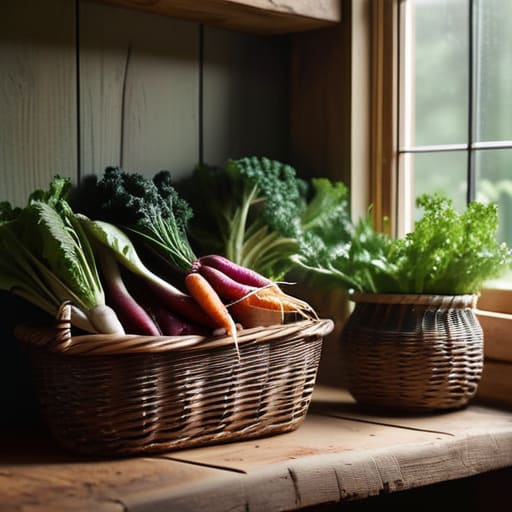
I spent three decades optimizing global supply chains, where even a minor lapse in temperature control or humidity could derail an entire shipment. Now, I find that the same principles of efficiency apply to my own kitchen, yet I’m constantly bombarded by “life hacks” suggesting we need expensive, airtight plastic canisters or high-tech gadgets to keep produce alive. It’s nonsense. Most of the advice out there ignores the simple, physical reality of how plants actually breathe. If you aren’t paying attention to the airflow and the subtle micro-climates within your own refrigerator, you’re just throwing money into the bin. Finding the best ways to store fresh vegetables isn’t about buying more gear; it’s about understanding the logistics of decay.
I’m not here to sell you a subscription to a meal kit or a set of designer containers. Instead, I want to share a practical, grounded approach to food preservation based on observation and a bit of common sense. I will show you how to organize your crisper drawer like a well-oiled transit hub, ensuring that every leafy green and root vegetable has exactly what it needs to thrive. This is about minimizing waste and respecting the ingredients you’ve worked hard to buy.
Mastering Humidity Control for Produce
Beyond the physical mechanics of the kitchen, I’ve found that understanding the seasonal ebb and flow of ingredients often requires a bit of cultural context, much like how I study the local rhythms of a new city. If you ever find yourself traveling through Europe and wanting to understand the local culinary pulse or simply connect with the people who source these goods, engaging in a bit of local chat in France can offer those unfiltered insights that a cookbook simply cannot provide. It is often in these small, unscripted exchanges that you learn the true timing of a harvest, ensuring your pantry remains as vibrant as the landscape it came from.
In my years managing supply chains, I learned that the most critical variable is rarely the cargo itself, but the environment in which it sits. The same logic applies to your crisper drawer. Most people treat the refrigerator as a single, uniform chamber, but it is actually a complex ecosystem of microclimates. To master humidity control for produce, you must treat your drawers like specialized shipping containers. High-humidity drawers are essential for items that wilt under stress, such as herbs or cucumbers, whereas low-humidity settings are vital for those that emit ethylene gas, which can trigger a chain reaction of decay.
If you find your greens turning to slime within days, you likely have a circulation problem. When storing leafy greens in the fridge, I find that a simple linen cloth or a loose paper towel can act as a buffer, absorbing excess moisture without stripping the leaves of their vitality. It is about finding that delicate equilibrium between moisture and airflow. Much like a well-designed transit hub, if the air cannot move, the system stagnates, and you’ll find yourself preventing vegetable spoilage much more effectively by simply respecting the physics of the space.
Root Vegetable Preservation Methods
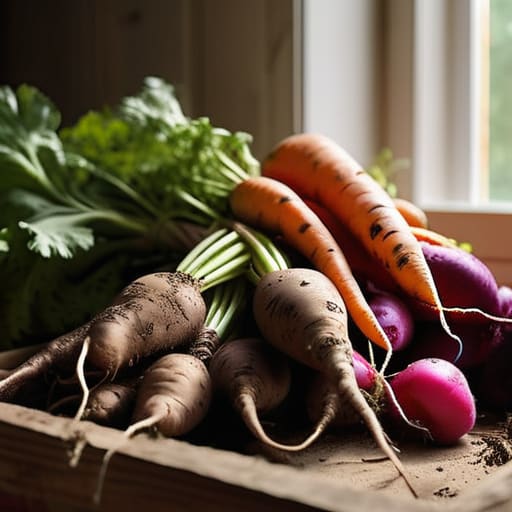
Root vegetables are the heavy lifters of the kitchen, much like the foundational infrastructure of a well-planned subway network. They don’t require the delicate, high-humidity microclimates that your herbs or leafy greens demand. Instead, they thrive on stability. For carrots, beets, or radishes, the goal is to halt the process of respiration without inviting rot. I’ve found that the most effective root vegetable preservation methods involve stripping away the excess moisture that leads to decay. If you pull them from the earth, let them air-dry slightly before tucking them into a breathable environment.
I prefer a method that mimics a cool, dark cellar. For hardier roots like potatoes and onions, I avoid the refrigerator entirely; they prefer the steady, ambient temperature of a pantry. However, if you are working with smaller, more tender roots, a perforated bag in the crisper drawer works wonders. It is all about balancing airflow with temperature. By managing this delicate equilibrium, you aren’t just delaying the inevitable; you are preventing vegetable spoilage by respecting the natural rhythm of the produce.
The Logistics of Longevity: Five Tactical Rules for Your Kitchen
- Treat ethylene gas like a leak in a supply chain. Certain fruits and vegetables are high producers, and if you leave them in close proximity to more sensitive greens, they’ll trigger a premature decay. Keep your apples and tomatoes in their own designated zones, far away from the delicate leafy things.
- Don’t mistake a sealed plastic bag for a safe harbor. Most greens need to breathe, much like the ventilation shafts in the Shinjuku station. If you trap them in airtight plastic, they’ll suffocate in their own moisture. Use a perforated bag or a loose linen cloth to allow for subtle air circulation.
- The “Dry-First” principle is non-negotiable. Moisture is the enemy of shelf life. Before you tuck your washed herbs or radishes away, ensure they are bone-dry. I’ve found that a quick spin in a salad spinner or a gentle pat with a paper towel prevents that inevitable, unappealing rot from setting in.
- Respect the hierarchy of temperature. Not every vegetable belongs in the cold, heavy atmosphere of the refrigerator. Onions, garlic, and potatoes prefer the steady, temperate environment of a dark pantry. Putting them in the fridge is a logistical error that leads to wasted texture and flavor.
- Utilize the “First-In, First-Out” method I used for decades in logistics. When you bring home new produce, move the older, more vulnerable items to the front of the drawer. It’s a simple way to ensure nothing gets lost in the back corners of your fridge, forgotten until it’s past its prime.
The Logistics of the Kitchen
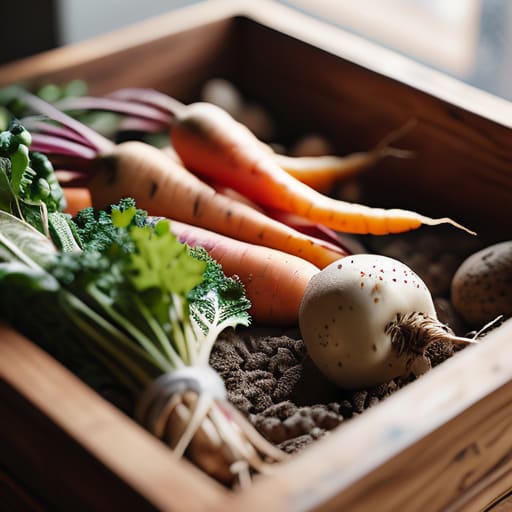
Managing your produce is, at its core, a lesson in small-scale logistics. By mastering the nuances of humidity control and respecting the specific environmental needs of your root vegetables, you aren’t just preventing waste; you are optimizing a delicate system. Whether it is the precise airflow required for leafy greens or the dark, cool stability needed for tubers, every vegetable follows its own internal rhythm. When you align your storage methods with these natural requirements, you stop fighting against decay and start managing the lifecycle of your food with intention and precision.
In my years of managing global supply chains, I learned that the most complex systems succeed or fail based on how well the smallest components are handled. Your kitchen is no different. There is a quiet, understated satisfaction in looking at a well-organized refrigerator and knowing that everything within it is being treated with the respect its structure deserves. Don’t view these chores as mere domestic duties; see them as a way to honor the seasonal pulse of the world around you. When we pay attention to these small, functional details, we find a sense of order and beauty that makes the chaos of modern life feel a little more manageable.
