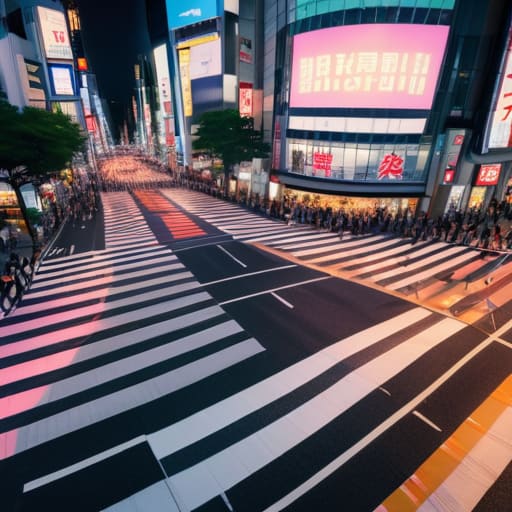
I stood on the corner of the scramble, my Leica hanging heavy against my chest, watching the light turn green. Most tourists treat the Shibuya Crossing experience as a frantic race to capture the perfect, neon-soaked selfie, treating the intersection like a mere backdrop for their social media feeds. They see the chaos, but they miss the mechanics. To me, it isn’t a spectacle of madness; it is a masterclass in human logistics, a sudden, massive surge of data points moving in a synchronized, unspoken dance that defies the very concept of a collision.
I have no interest in telling you which overpriced cafe has the best view of the crowds. Instead, I want to show you how to actually navigate this intersection without losing your sense of self in the tide. I will provide you with a practical, grounded perspective on how to observe the ebb and flow of the city’s pulse, finding the quiet efficiency hidden within the noise. We aren’t here to check a box on a tourist itinerary; we are here to understand the rhythm of the machine.
Table of Contents
Mastering Shibuya Scramble Timing for True Connection
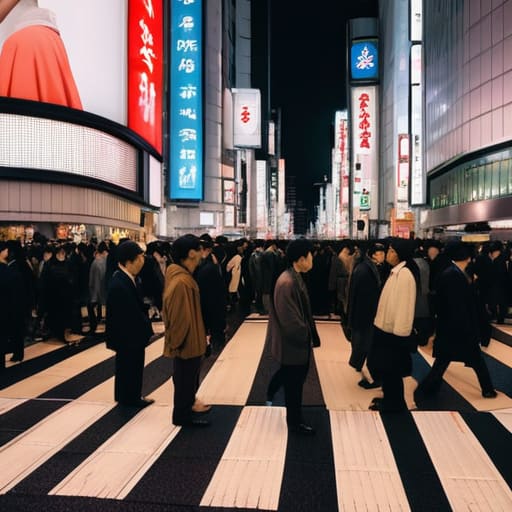
Most people approach the scramble with a sense of frantic urgency, trying to cross as quickly as possible to reach the other side. But if you want to actually feel the Tokyo metropolitan atmosphere, you have to resist that impulse. I’ve found that the secret lies in the Shibuya scramble timing; it isn’t about the moment the lights turn green, but the seconds of heavy, anticipatory silence just before the surge begins. I often sit on a bench near one of the Shibuya Station landmarks, watching the sea of pedestrians swell toward the edge of the curb, waiting for that singular, collective exhale when the movement finally breaks.
To truly observe the choreography without being swept away, you need to find your vantage point early. While many rush to the crowded cafes, I prefer seeking out the best viewpoints for Shibuya Crossing that offer a slightly elevated, static perspective. This allows you to stop thinking like a commuter and start seeing the intersection as a living, breathing organism. From a distance, the chaos resolves into a series of intricate, intersecting patterns—a logistical ballet that defines the very soul of this city.
Navigating Tokyo Crowds Without Losing Your Soul
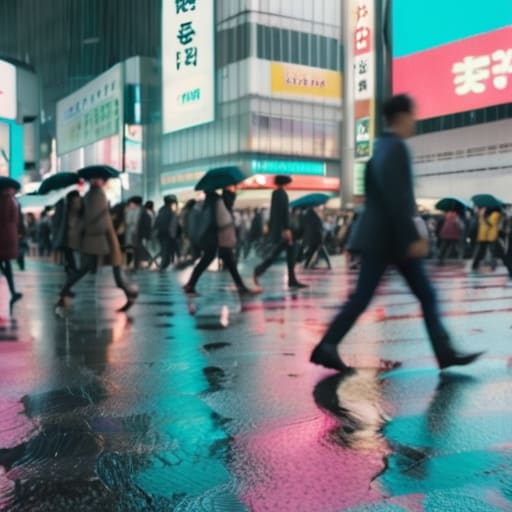
There is a specific kind of sensory overload that hits you when you step out of the station and into the thick of it. It isn’t just the noise; it’s the sheer, unrelenting kinetic energy of thousands of lives intersecting at once. For many, navigating Tokyo crowds feels like a battle to be won, a frantic scramble to reach a destination. But after years of managing logistical flows, I’ve learned that the secret to preserving your composure is to stop fighting the current and instead, find your anchor.
I often find myself retreating to the periphery, seeking out the best viewpoints for Shibuya Crossing that offer a slight elevation from the street-level frenzy. By finding a quiet corner in a second-story café or a tucked-away balcony, you transform from a participant in the chaos into an observer of it. It is in these moments of stillness—watching the rhythmic ebb and flow from a distance—that you truly begin to grasp the Tokyo metropolitan atmosphere. You realize that the crowd isn’t an obstacle; it is the city’s very breath, moving with a purpose that is both overwhelming and, strangely, quite beautiful.
The Logistical Nuances of the Scramble
- Seek the elevated vantage points of the surrounding station buildings rather than the street-level view. To truly understand the flow of the crowd, you need to see the intersection as a single, breathing organism rather than a series of individual collisions.
- Bring a physical notebook to record the cadence of the light changes. There is a specific, predictable rhythm to the way the pedestrian signals pulse; documenting it helps you move from being a mere spectator to an integrated part of the urban machinery.
- Opt for the periphery of the crossing when you want to observe rather than participate. Standing near the edge of the curb allows you to watch the ebb and flow of the commuters without becoming an obstacle in their highly efficient, unspoken choreography.
- Use the side streets of Udagawacho as a decompression valve. Once you have crossed, immediately move away from the main thoroughfare into the narrower alleys to regain your sense of scale and quiet.
- Treat your camera as a tool for observation, not just capture. Instead of aiming for the wide-angle spectacle, focus your lens on the small, functional details—the way a single commuter adjusts their bag or the precise moment the crowd divides—to find the human truth within the mass.
The Logistical Soul of the Scramble
True observation requires stepping back from the neon spectacle; find a stationary vantage point, like a quiet second-story cafe, to witness the intersection as a functional system rather than a tourist attraction.
Respect the unspoken choreography of the crowd by maintaining a steady, predictable pace, allowing yourself to become a seamless part of the city’s movement rather than an obstacle to it.
Look for the quiet friction points where the chaos meets order, such as the way commuters instinctively yield to one another without a word, revealing the underlying discipline that keeps Tokyo breathing.
The Geometry of the Scramble
“Most people see a collision of bodies, but if you stand still long enough, you realize the Shibuya Scramble isn’t chaos at all; it is a silent, perfectly calibrated machine of human intent, where thousands of individual trajectories intersect without ever truly touching.”
Rurik Salonen
The Quiet After the Scramble
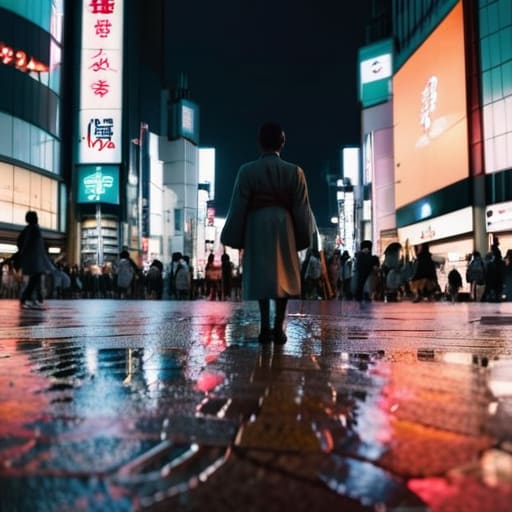
As I pack my Leica away and close my leather notebook, I find myself reflecting on the mechanics of the experience. To truly navigate Shibuya, one must move beyond the mere impulse to cross from point A to point B. It requires a certain logistical patience—learning to time your entry into the crowd, finding that subtle rhythm in the chaos, and understanding that the scramble is not an obstacle, but a living, breathing organism. By mastering the timing and protecting your own internal stillness, you transform a frantic tourist moment into a study of urban synchronicity.
Ultimately, the Shibuya Crossing is more than just a landmark or a photo opportunity; it is a microcosm of the modern world. It teaches us that even in the midst of overwhelming movement and noise, there is a functional, unspoken order that keeps the city from fracturing. I have learned that if you stop fighting the current and instead observe its flow, you might just find the quiet beauty hidden in the center of the storm. Don’t just walk through the intersection; let it teach you how to exist within the rush.
Frequently Asked Questions
Where can I find a quiet vantage point to observe the scramble without being swept up in the crowd?
If you want to observe the movement without being swallowed by it, avoid the street-level madness. I often find my way to the second or third floors of the surrounding buildings—specifically the cafes tucked away in the quieter corners of the Shibuya Mark City complex or the upper levels of the Shibuya Hikarie. There is a certain dignity in watching the tide from a distance, letting the rhythm unfold before you.
Is there a specific time of day when the movement of the crossing feels more intentional and less overwhelming?
If you seek that sense of intentionality, aim for the early morning, just after sunrise. Around 6:30 or 7:00 AM, the scramble loses its frantic, commercial edge. The movement isn’t driven by the chaotic surge of tourists or the desperate rush of the salaryman; instead, it’s a steady, quiet stream of early risers and street cleaners. The city feels like it’s exhaling, offering a moment of clarity before the neon-lit machinery begins to grind.
Beyond the main intersection, which side streets offer a better sense of the neighborhood's actual rhythm?
If you want to escape the neon glare, turn your back on the scramble and head toward the backstreets of Udagawacho. As I walk, I find the rhythm shifts from frantic to melodic. The narrow alleys near the periphery offer a glimpse into the neighborhood’s functional reality: small, independent coffee roasters and quiet stationery shops tucked between high-rises. It is here, amidst the low hum of local life, that Shibuya actually breathes.
