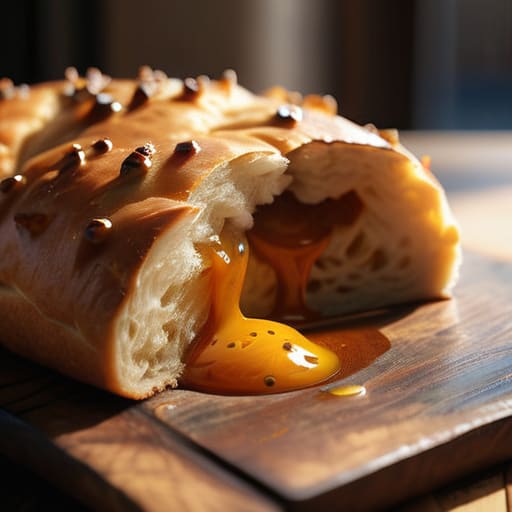
I was standing on a rain-slicked platform at Shinjuku Station, the kind of organized chaos that usually makes my logistical brain itch, when the scent hit me. It wasn’t the polished, expensive aroma of a Ginza patisserie, but something much more honest: the heavy, spiced warmth of Japanese curry bread wafting from a tiny, nameless hole-in-the-wall near the ticket gates. Most food guides will steer you toward these gold-crusted gems in high-end department stores, treating them like some delicate culinary art form that requires a silver fork. But they’re wrong. The real soul of this snack isn’t found in a luxury gift box; it’s found in the unpretentious crunch of a street-side bakery where the steam hits your face before you even see the shop.
I have no interest in chasing culinary trends or overpriced hype. Instead, I want to show you how to find the bread that actually matters—the kind that fuels a long walk through Osaka or a quiet afternoon of sketching. I’ll share my observations on what to look for in the crust, the specific texture of the filling, and the small, local bakeries that most tourists walk right past. This isn’t a gourmet guide; it’s a map to the real thing.
Table of Contents
The Kare Pan History Hidden in Plain Sight
### The Kare Pan History Hidden in Plain Sight
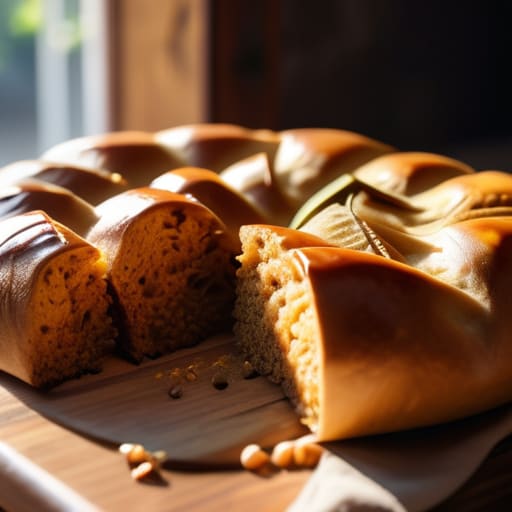
While most tourists are busy queuing for high-end sushi in Ginza, the real narrative of Japanese street food is written in the flour-dusted windows of neighborhood shokupan shops. I’ve always found that understanding the lineage of a dish tells you more about a culture than any museum could. The kare pan history is a fascinating study in adaptation; it is a remnant of the Meiji era’s rapid westernization, where European bread-making techniques met the deep, spiced influence of Indian-style curry that had been localized by the Japanese palate.
It isn’t just a snack; it is a piece of culinary engineering. The genius lies in the structural integrity of the kare pan. You have the dense, savory curry filling acting as the core, protected by a dough that is specifically designed to withstand the high-heat frying process. This creates that signature, jagged texture—a crispy panko crust that provides a necessary tactile contrast to the soft interior. It is a masterclass in functional design, much like the very transit systems I spent my career analyzing.
A Study of Japanese Bakery Specialties
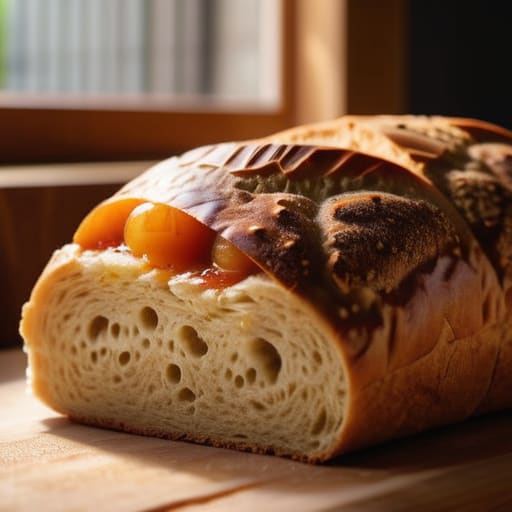
Walking through the residential neighborhoods of Setagaya, I’ve noticed that the local bakeries operate with a precision that rivals any logistics hub I once managed. These small storefronts are the quiet architects of daily life, specializing in a curated selection of Japanese bakery specialties that prioritize texture and temperature. It isn’t just about sustenance; it is about a specific kind of ritual. You see the locals, often in their morning commute, selecting a single item wrapped in simple paper, moving with a practiced, rhythmic efficiency.
The true mastery lies in the structural integrity of the bread itself. A superior piece must possess a distinctive, crispy panko crust that provides a sharp, audible contrast to the softness within. This textural duality is what elevates these items from mere snacks to essential Japanese comfort food. When I sit on a park bench to sketch, I find myself observing how the steam rises from a fresh pastry—a brief, fleeting moment of warmth that serves as a reminder that even in a sprawling metropolis, the most profound experiences are often found in the simplest, most well-executed details.
A Logistical Approach to Finding the Perfect Kare Pan
- Seek out the neighborhood bakeries rather than the polished chains; the best curry bread is often found in the small, steam-fogged windows of shops tucked away from the main transit arteries.
- Pay attention to the crust’s structural integrity; a superior kare pan should have a distinct, slightly coarse crunch that provides a necessary contrast to the soft dough and molten center.
- Time your visits for the mid-morning lull; observing the bakeries during these quiet hours allows you to see the rhythm of the morning bake and ensures you catch the batch that hasn’t yet been softened by the humidity of the street.
- Look for the golden-brown hue that indicates a proper deep-fry; if the color is too pale, the oil hasn’t done its job of sealing the spice inside, and if it’s too dark, the delicate balance of the bread is lost.
- Don’t be afraid to follow the scent through the narrowest alleys; in my experience, the most authentic flavors aren’t advertised on bright signs, but are instead carried on the wind through the backstreets of the city.
Lessons from the Crust and the Core
True flavor is often found in the simplest logistics; a well-executed curry bread relies on the precise timing between the deep-fryer and the cooling rack to achieve that perfect, non-greasy crunch.
Look past the neon lights of the main thoroughfares; the most authentic versions of these staples are usually found in the small, neighborhood bakeries that serve the morning commuters.
Understanding a food’s history—like the evolution of Kare Pan—allows you to appreciate it not just as a snack, but as a functional piece of Japan’s changing urban culinary landscape.
The Geometry of a Perfect Bite
There is a certain logistical elegance to a well-made curry bread; the way the golden, fried crust provides a structural barrier against the heavy, spiced warmth of the center. It isn’t just a snack, but a small, reliable constant in the frantic rhythm of a Tokyo morning.
Rurik Salonen
The Last Bite and the Long View
As I sit here by the window of a small station-side cafe, watching the commuters rush toward the Yamanote line, I find myself reflecting on the sheer efficiency of the kare pan. It is more than just a convenient snack for a person on the move; it is a masterclass in culinary logistics. From its historical evolution as a localized adaptation to its modern status as a staple of the Japanese bakery, the curry bread represents a perfect marriage of form and function. It manages to be portable, structurally sound, and deeply satisfying, all while maintaining that distinctive, golden-brown crust that signals a job well done by the baker.
In my years of managing supply chains, I learned that the most resilient systems are often the simplest ones. The curry bread is much the same. It doesn’t demand your undivided attention like a Michelin-starred meal, yet it provides a steady, reliable comfort that anchors you to the city. If you find yourself wandering through the labyrinthine streets of Osaka or Tokyo, I encourage you to look past the neon lights and the grand landmarks. Instead, seek out the small, steaming windows of a neighborhood bakery. Sometimes, the most profound way to understand the rhythm of a culture is through the simple, honest warmth of a single, well-made pastry.
Frequently Asked Questions
What is the ideal texture to look for when distinguishing a truly well-made kare pan from a mass-produced one?
A truly well-made kare pan is a study in structural contrast. When I bite into one, I look for a distinct, audible crunch from the exterior—a golden, slightly oily crust that holds its shape. It shouldn’t be hard, but rather a thin, crisp shell that gives way to a soft, pillowy interior. If the bread feels uniform or spongy throughout, it’s likely mass-produced. The magic lies in that tension between the crispness and the steam.
How does the spice profile of the curry filling typically differ between a traditional neighborhood bakery and a modern cafe?
In my experience, the difference lies in the intention behind the heat. At a traditional neighborhood bakery, the curry filling is often more robust and unapologetic—a savory, deeply spiced concoction designed to stand up to a thick, fried crust. It feels grounded, almost like a home-cooked meal. Modern cafes, however, tend to lean toward a gentler, more curated profile. They often favor milder, sweeter notes and aromatic spices that won’t overwhelm a delicate espresso.
Are there specific regions or cities in Japan where a particular style of curry bread is considered a local specialty?
While most curry bread follows a standard template, I’ve noticed subtle regional shifts during my travels. In Osaka, the crust tends toward a denser, more fried texture—almost a snack meant to sustain you through a long walk. Meanwhile, in certain coastal towns, you might encounter versions using local seafood in the curry base. It isn’t a strictly codified tradition, but rather a quiet expression of local pantry logic that reveals itself if you look closely.
