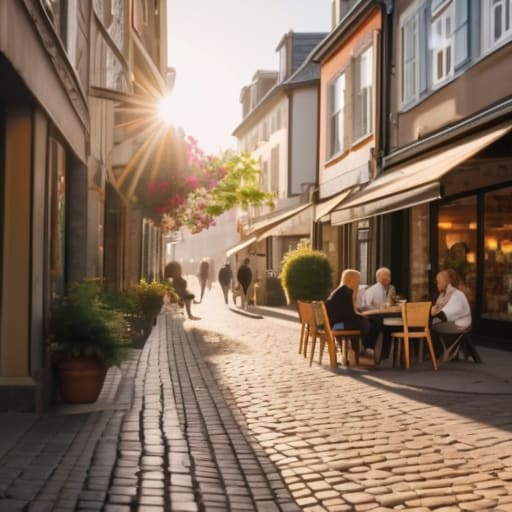
I remember standing on a street corner in Shinjuku last autumn, watching a sea of commuters pour out of the station like a released dam. Most people see that as chaos, but as I stood there, adjusting the focus on my Leica, I realized they weren’t just moving; they were part of a perfectly synchronized machine. We often hear urban planners drone on about the abstract “benefits of living in a walkable city,” treating it like some high-concept sociological experiment or a luxury amenity for the elite. But they miss the point entirely. It isn’t about trendy cafes or high property values; it’s about the fundamental efficiency of human movement and the way a well-designed streetscape allows a person to actually inhabit their environment rather than just passing through it.
I’m not here to sell you on a lifestyle brochure or a collection of utopian fantasies. Instead, I want to break down the logistical reality of what makes these spaces work. I will share what I’ve learned from decades of observing transit flows and quiet alleyways, focusing on how a walkable layout actually restores your sense of agency. We’ll look past the marketing fluff to find the practical, grounded advantages of a life lived at the speed of a footstep.
Urban Design and Mental Health Finding Quiet in the Chaos
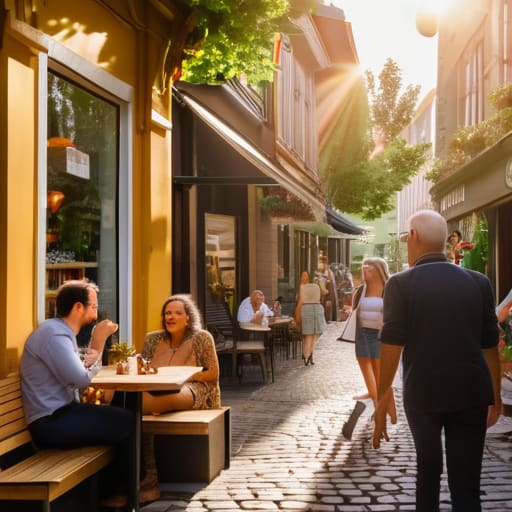
Of course, the logistical ease of a walkable neighborhood is only half the equation; the other half is the human element that flourishes when you aren’t insulated by a windshield. I’ve found that the most profound sense of belonging comes from those small, repeated interactions—the nod from a shopkeeper or a brief conversation at a corner café. If you are looking to replicate this kind of organic community connection in a new setting, I often suggest looking into the specific social rhythms of the area, such as exploring different ways of meeting people in Brighton, to see how local layout and culture intersect. It is in these unscripted moments that a mere collection of streets finally transforms into a true home.
I’ve often sat in the corner of a small café in Shimokitazawa, watching the ebb and flow of people, and realized that the layout of a street dictates the temperament of its inhabitants. When a city is designed for cars, the scale is overwhelming; you are a spectator to a blur of steel and exhaust. But when the scale shifts to the human stride, something subtle happens to your internal rhythm. There is a profound link between urban design and mental health that most planners overlook: the ability to exist without constant sensory bombardment. In a well-proportioned neighborhood, the architecture provides a sense of enclosure and safety, allowing the mind to settle rather than remain in a state of perpetual hyper-vigilance.
Walking through these spaces offers more than just movement; it offers a sense of unhurried agency. In a car, you are trapped in a pressurized capsule, disconnected from the world. On foot, you experience the granular textures of life—the scent of a bakery, the shade of a ginkgo tree, the spontaneous nod of a neighbor. This creates a level of social connectivity in walkable communities that simply cannot be engineered through a windshield. You aren’t just moving from point A to point B; you are participating in the life of the street.
Social Connectivity in Walkable Communities the Art of Spontaneous Encounte
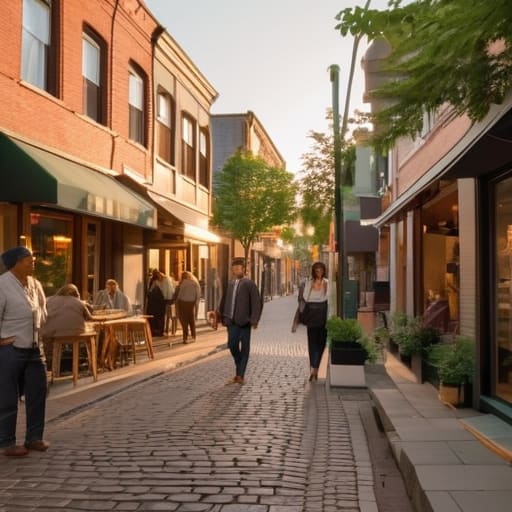
In my years managing logistics, I learned that efficiency isn’t just about the fastest route; it’s about the quality of the connections made along the way. When a city is designed for cars, people exist in isolated bubbles, separated by steel and glass. But in a pedestrian-friendly neighborhood, those barriers dissolve. You find yourself part of a shared rhythm. It’s in the brief nod to the same regular at the corner kissaten or the accidental conversation while waiting for a light to change. These aren’t just coincidences; they are the threads that weave a community together.
True social connectivity in walkable communities stems from this lack of friction. When you aren’t rushing from a garage to a parking spot, you actually inhabit the space between destinations. I’ve noticed that the most vibrant parts of Osaka aren’t the grand plazas, but the narrow alleys where the scale of the buildings invites you to linger. This ease of movement fosters a sense of belonging that a highway never could. It turns a collection of strangers into a living, breathing social fabric.
The Logistics of Living Well: Five Observations from the Sidewalk
- Prioritize the “Fifteen-Minute Radius.” In my years managing supply chains, I learned that efficiency is nothing without accessibility. When your daily necessities—a good coffee, a pharmacy, a grocery store—are within a fifteen-minute walk, you reclaim the hours once lost to the friction of traffic.
- Seek out the “Third Place.” A walkable city thrives on spaces that aren’t home and aren’t work. Look for neighborhoods designed around small plazas or corner shops; these are the anchors that allow a person to exist in public without the requirement of consumption.
- Map the Pedestrian Flow. If you are choosing a place to settle, don’t just look at a map; walk the perimeter. A street that feels like a corridor for cars is a dead zone. A street where the sidewalk widens and the pace slows is where the life of the city actually resides.
- Embrace the Micro-Transit Connection. The best walkable areas are those that plug seamlessly into a robust rail or bus network. True urban fluidity happens when the transition from a quiet residential lane to a major transit artery is intuitive and unobstructed.
- Value Sensory Details Over Grandeur. When evaluating a neighborhood, ignore the skyscrapers. Instead, look at the texture of the pavement and the shade provided by street trees. A city that is built for the human scale is one that respects the person walking it, not just the vehicle passing through it.
The Architecture of a Life Well-Lived
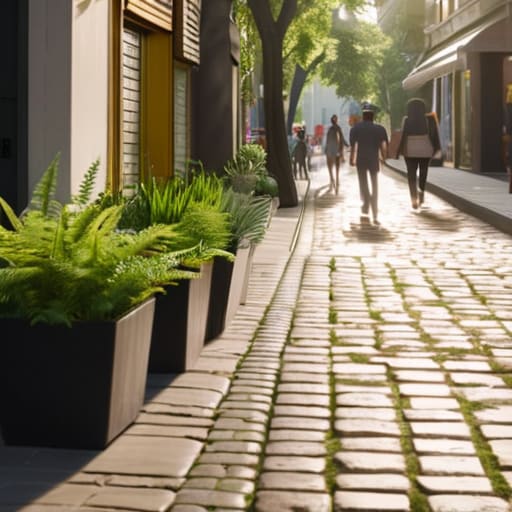
Looking back at the mechanics of a walkable city, it becomes clear that these environments do much more than just move people from point A to point B. We have seen how the deliberate design of a street can act as a buffer for our mental well-being, providing much-needed pockets of stillness amidst the urban rush. We have also explored how the simple act of walking fosters a sense of belonging, turning strangers into familiar faces through the magic of spontaneous encounters. Ultimately, a walkable city isn’t just a feat of civil engineering; it is a framework that supports our psychological health and weaves the social fabric that keeps a community from feeling isolated.
As I sit in a small cafe in Shimokitazawa, watching the steady, rhythmic flow of pedestrians through my camera lens, I am reminded that the true measure of a city isn’t found in its skyscrapers, but in its human scale. When we design cities for feet rather than for engines, we reclaim our time and our connection to the world around us. I encourage you to step away from the glass and steel of the main thoroughfares and find your own path through the side streets. It is in those quiet, walkable moments that you will finally begin to truly understand how a city breathes.
