Blog

  • Daily Rituals of Urban Living in Japan

    Daily Rituals of Urban Living in Japan

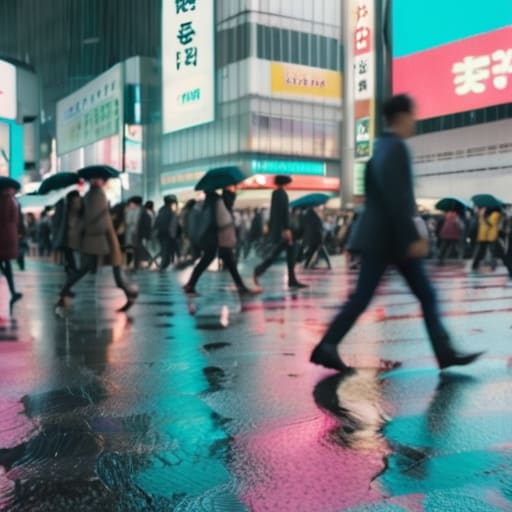
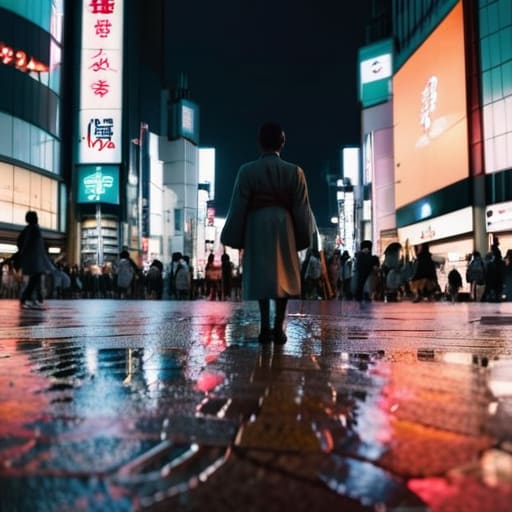
    I was sitting on a bench in Shinjuku Station last Tuesday, watching the morning rush, when I realized how much most travel guides get wrong. They’ll point you toward a grand festival or a neon-lit parade and call it the “essence” of a place, but that’s just performance. To me, the true city rituals aren’t found in the choreographed spectacles designed for tourists; they are found in the rhythmic, almost invisible patterns of the people who actually keep the gears turning. It’s the way a salaryman bows slightly to a vending machine, or the specific, silent choreography of commuters stepping onto a crowded train without ever touching shoulders.

    I’m not here to give you a checklist of monuments or tell you which expensive rooftop bar has the best view. Instead, I want to show you how to actually see the pulse of a metropolitan landscape. My goal is to help you identify those small, functional habits that reveal how a city truly breathes. We are going to look past the surface-level hype and focus on the quiet, steady patterns that make an urban environment feel alive.

    Table of Contents

    The Rhythms of Metropolitan Living in Transit

    The Rhythms of Metropolitan Living in Transit.

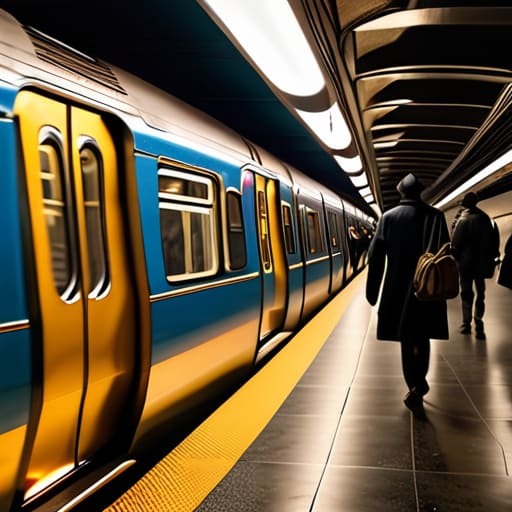
    I’ve always found that you can learn more about a culture from its subway transfers than from any museum exhibit. In Tokyo, the efficiency is staggering, but it’s the unspoken rules that truly fascinate me. There is a specific, almost meditative silence maintained during the morning rush; it is a collective agreement to respect the shared space of others. Observing these commuter habits in big cities reveals a profound level of social coordination. People move in a synchronized dance, navigating the labyrinthine corridors of Shinjuku or Umeda without ever making eye contact, yet they never collide.

    To the untrained eye, it looks like mere chaos, but if you look closer, you see the rhythms of metropolitan living at play. There is a predictable cadence to how the crowds swell and recede with the arrival of each train. I often sit on a bench with my notebook, sketching the flow of movement, trying to map out the invisible currents of urban sociology and behavior. It isn’t just about getting from point A to point B; it is about the way a million individual lives intersect for a fleeting, silent moment before dispersing back into the city’s veins.

    Tracing Urban Sociology and Behavior Through Motion

    Tracing Urban Sociology and Behavior Through Motion.

    If you watch a crowd long enough, you stop seeing a mass of people and start seeing a series of predictable, almost choreographed movements. This is where the study of urban sociology and behavior becomes practical rather than academic. In Tokyo, for instance, there is a specific, silent agreement among commuters—a way they tilt their shoulders to navigate a narrow platform or the precise, rhythmic cadence of footsteps during the morning rush. These aren’t just random actions; they are the invisible rules that keep the machine from grinding to a halt.

    I often find myself sketching these patterns in my notebook, trying to map the way metropolitan lifestyle patterns manifest in the smallest gestures. It’s in the way a salaryman adjusts his briefcase before stepping onto an escalator, or how a student instinctively creates a pocket of personal space in a crowded car. These micro-behaviors are the real pulse of the city. They reveal how people negotiate the tension between extreme density and the profound need for individual autonomy, turning a chaotic transit hub into a finely tuned ecosystem of shared, unspoken intent.

    A Logistical Guide to Observing the Unseen

    • Pack a notebook and a pen, not just a camera. There is a certain rhythm to a city that a lens can capture, but only a hand-drawn sketch or a few scribbled notes can truly map. I find that when I stop trying to frame the perfect shot, I start noticing the way a salaryman adjusts his tie at the exact same station every morning.
    • Seek out the “off-peak” hours. If you want to see how a city breathes, don’t go when it’s gasping for air during the rush. Sit in a station café at 10:30 AM or 2:00 PM. The rituals change; the frantic energy of the commute settles into something more deliberate and quiet.
    • Follow the flow, but don’t get swept away. To understand a city’s movement, you have to be part of the current, yet remain an observer. Walk the same route as the locals, use their transit cards, and stand where they stand. You can’t understand the mechanics of a system if you’re always watching it from the outside.
    • Look for the small, repetitive gestures. A city is built on micro-habits—the way a vendor sets out their wares at dawn, or how commuters instinctively shift their weight when the train slows. These aren’t just movements; they are the small, functional gears that keep the urban machine running smoothly.
    • Embrace the silence of the periphery. The most telling rituals rarely happen in the neon-lit centers of Shibuya or Dotonbori. They happen in the narrow alleys and the quiet residential stations. If you want to find the truth of a place, walk until the noise fades and the local patterns begin to emerge.

    The Quiet Logic of the Urban Pulse

    To truly understand a city, you must look past the landmarks and observe the flow of its transit systems; the way people move through a station tells you more about a culture than any museum ever could.

    There is a profound, functional beauty in the small, repetitive rituals of commuters—the shared silence, the precise movements, and the unspoken rules that keep a massive metropolis from collapsing into chaos.

    Real travel requires slowing down enough to notice the details most people ignore, finding the soul of a place in its quietest corners and the steady, predictable rhythms of its daily life.

    The Unseen Architecture of Habit

    Most people see a crowd as mere friction, but if you look closely enough, you’ll see that a city is actually held together by a thousand tiny, unspoken agreements—the way a salaryman tilts his umbrella, the precise silence of a morning train, or the ritualistic nod of a shopkeeper. These aren’t just habits; they are the invisible gears that keep the urban machine from grinding to a halt.

    Rurik Salonen

    The Quiet Architecture of Routine

    The Quiet Architecture of Routine in Shinjuku.

    As I close my notebook and watch the commuters flow like a predictable tide through Shinjuku Station, I am reminded that these rituals are not mere repetitions. We have explored how the synchronized dance of the morning rush and the subtle, unspoken rules of transit behavior form the invisible scaffolding of the city. These patterns—the way a crowd parts for a single traveler or how a station falls into a specific, heavy silence after midnight—are the true indicators of a metropolis’s health. To understand a city, one must look past the neon signage and the grand architecture to see the functional grace found in the way millions of people navigate their shared existence. It is in these unseen logistics of human connection that the soul of a place truly resides.

    Ultimately, I have learned that looking for the “spectacle” is a fool’s errand if you want to know the truth. If you want to understand how a city breathes, you must be willing to slow down and observe the small, repetitive motions that most people consider mundane. Don’t just pass through a terminal; sit there. Watch the light shift against the concrete and notice the quiet dignity in a stranger’s routine. When you stop treating travel as a checklist of monuments and start viewing it as an observation of living systems, the world opens up in ways a guidebook never could. The most profound stories aren’t written in history books; they are etched into the pavement by the very feet of those just passing through.

    Frequently Asked Questions

    How can a traveler distinguish between a meaningful local ritual and a choreographed performance meant for tourists?

    You look for the lack of an audience. A choreographed performance is designed to be seen; it has a certain polished, performative tension. A true ritual, however, is indifferent to your presence. It’s the salaryman bowing slightly to a specific shrine on his way to the station, or the way a vendor sets up their stall with practiced, rhythmic efficiency. If the action feels like it belongs to the person doing it, rather than the person watching, you’ve found the truth.

    Are these urban rhythms predictable enough to map out, or is their beauty found specifically in their unpredictability?

    It’s a bit of both, really. If you look at the data—the way a crowd surges at Shinjuku Station at 8:00 AM—it is entirely predictable. There is a logistical elegance to that repetition. But the beauty? That lives in the deviations. It’s the single person standing still in a sea of rushing commuters, or the way a sudden rainstorm shifts the entire tempo of a street. The pattern provides the structure, but the unpredictability provides the soul.

    How do these small, repetitive city habits change when you move from a hyper-efficient place like Tokyo to a more chaotic metropolitan center?

    In Tokyo, the rituals are choreographed; there is a silent, collective agreement to minimize friction. You see it in the way a crowd parts for a single person or how silence is maintained on the Yamanote line. But move to a place like Bangkok or even parts of New York, and that friction becomes the ritual itself. The efficiency gives way to negotiation. People don’t just move through the space; they actively contend with it.

  • Principles of Japanese Urban Design

    Principles of Japanese Urban Design

    I was sitting on a wooden bench near the Shinjuku station exit last Tuesday, watching a sea of salarymen navigate the intersection with a precision that would make any logistics manager weep with joy. Most travel guides will try to sell you on the neon lights of Shibuya or the towering glass monoliths of Roppongi, but that isn’t where the real story lies. To truly grasp the essence of japanese urban design, you have to stop looking up at the skyscrapers and start looking down at the rhythmic flow of the sidewalk. It’s not about the grand architecture; it’s about how a thousand tiny, seemingly insignificant decisions—the placement of a vending machine, the width of a pedestrian crossing, the way a subway exit feeds into a narrow alley—work together to create a functioning organism.

    I’m not here to give you a lecture on municipal planning or a list of tourist landmarks you can find on any smartphone app. Instead, I want to walk you through the unseen mechanics of these cities. I’ll be sharing what I’ve learned from years of observing these streets, focusing on the practical logic that keeps Japan moving and the quiet, functional beauty that most people simply walk right past.

    Table of Contents

    Transit Oriented Development the Arteries of Nippon

    Transit Oriented Development the Arteries of Nippon.

    In my years managing logistics, I learned that a system is only as strong as its weakest link. In Tokyo or Osaka, the “links” aren’t just connections; they are the very foundation of how people exist. What we see here is a masterclass in transit-oriented development in Japan, where the station isn’t just a place to catch a train, but the gravitational center of the entire community. Everything—the grocery stores, the clinics, the tiny offices—is pulled inward toward these hubs. It creates a rhythm that feels almost biological.

    When you step out of a station like Shinjuku or Umeda, you aren’t met with the sprawling, car-dependent emptiness I grew used to in the West. Instead, you encounter the compact city model in Nippon, a way of life that prioritizes proximity over distance. It’s a dense, layered reality where high-density urban living is made manageable through sheer efficiency. You don’t need a car when the city is designed to meet your feet at every turn. It is a disciplined, functional way of breathing that turns a massive metropolis into something that feels, strangely enough, quite intimate.

    High Density Urban Living Finding Space in the Crowd

    High Density Urban Living Finding Space in the Crowd

    In my years managing logistics, I learned that efficiency is often a matter of how much you can squeeze into a single unit of space without breaking the system. In Tokyo or Osaka, you see this mastery of the compact city model nippon in every neighborhood. It isn’t just about building upward; it is about the seamless integration of life. You’ll find a tiny, three-generation family living in a structure no wider than a narrow alley, yet they are never truly isolated. The architecture respects a certain traditional japanese spatial organization, where every square centimeter serves a purpose, from the sliding shoji screens to the way a single potted plant is positioned to catch the morning light.

    Walking through these dense wards, you realize that high-density urban living in Japan isn’t the claustrophobic experience many Westerners fear. Instead, it feels intentional. Because the residential blocks are so tightly knit with commerce, the streets become remarkably pedestrian-friendly. You don’t need a car to navigate the grocery store, the pharmacy, or the local shrine; they are all part of the same continuous, breathing organism. It is a delicate, functional dance of proximity.

    The Observer’s Toolkit: How to Read the City

    • Look for the “Micro-Interstitials.” Don’t just stare at the neon signs of Shinjuku; look at the narrow gaps between buildings. The way a tiny, three-seat cafe fits perfectly into a leftover sliver of land tells you more about Japanese spatial efficiency than any textbook ever could.
    • Follow the pedestrian flow, not the car. In many Western cities, the car is the protagonist. In Japan, the sidewalk is the stage. Pay attention to how the paving stones change texture or color to signal a transition from a thoroughfare to a quiet residential zone; it’s a subtle, tactile way of managing human movement.
    • Study the verticality of the storefronts. In Tokyo, a building might house six different businesses stacked on top of one another, each with its own tiny entrance. To understand the urban density, you have to train your eyes to look up, realizing that the “ground level” is often just the beginning of a much deeper ecosystem.
    • Note the integration of the “Convenience Anchor.” Notice how a 7-Eleven or a FamilyMart isn’t just a shop, but a logistical node. They are placed with surgical precision at transit junctions to serve as the connective tissue between the high-speed world of the train and the slow-speed world of the home.
    • Listen for the acoustic boundaries. A well-designed Japanese neighborhood uses sound to define space. You’ll notice how the roar of the expressway abruptly gives way to the rhythmic, muffled chime of a local station or the silence of a temple garden. These aren’t accidents; they are the invisible walls that make high-density living bearable.

    The Quiet Lessons of the Concrete Jungle

    True urban efficiency isn’t found in grand architectural statements, but in the seamless, almost invisible handoff between a train platform and the street level.

    Living in high-density spaces doesn’t require sacrificing peace; it simply requires finding the intentional, small-scale design choices that create pockets of stillness amidst the movement.

    To understand a city’s character, look past the neon-lit landmarks and study the logistics of its daily flow—the way people move, the way space is utilized, and how the infrastructure supports the rhythm of life.

    The Geometry of Quietude

    “Most people see a crowded metropolis and think of friction, but when you look closely at the way a Japanese street is laid out, you see a masterclass in flow; it is a delicate, unspoken agreement between the massive scale of the rail lines and the intimate, silent logic of the side street.”

    Rurik Salonen

    The Geometry of Living

    The Geometry of Living in Japanese urbanism.

    When you step back and look at the sheer complexity of it all, the logic becomes clear. It isn’t just a collection of concrete and steel; it is a masterclass in intentionality. We have looked at how the transit-oriented development acts as a circulatory system, feeding the lifeblood of the city into every district, and how high-density living manages to maintain a sense of dignity within the squeeze of the crowd. From the seamless handoff between a Shinkansen and a local subway line to the way a tiny apartment can still feel like a sanctuary, Japanese urban design succeeds because it prioritizes functionality without sacrificing humanity.

    Ultimately, understanding these cities requires more than just a map or a guidebook; it requires a willingness to slow down. If you only chase the bright lights of Shibuya or the grandeur of Osaka Castle, you will miss the true essence of the place. The real magic happens in the quiet transitions—the moment you turn off a bustling thoroughfare into a narrow lane where the only sound is the hum of a vending machine. I’ve learned that a city’s true character is found in its rhythmic reliability and its ability to provide stillness amidst the motion. Don’t just travel through these spaces; let them teach you how to breathe.

    Frequently Asked Questions

    How do these dense, transit-focused neighborhoods manage to maintain a sense of quiet and privacy for the people actually living there?

    It’s a paradox, isn’t it? You’d think the proximity would breed constant noise, but there is a deliberate, almost respectful silence in how these spaces are layered. It comes down to the “micro-zoning” of the streetscape. You’ll walk past a bustling station, turn into a narrow side street, and suddenly the city’s volume drops. It’s the clever use of buffer zones—tiny residential pockets, sound-dampening greenery, and even the way buildings are oriented to shield interiors from the main thoroughfares.

    Is the seamlessness of the rail network a result of centralized planning, or is it something more organic that developed over decades?

    It’s a bit of both, really. You can’t deny the hand of heavy-duty, centralized planning—the sheer scale of the coordination required to keep Tokyo moving is staggering. But to me, the “seamlessness” feels more organic. It’s the result of decades of incremental, almost obsessive refinement. It’s less about a master blueprint and more about a culture of continuous, disciplined improvement that has layered itself onto the tracks over generations.

    Beyond the major hubs like Shinjuku or Umeda, how does this design philosophy translate to the smaller, aging provincial towns?

    It’s a different rhythm entirely. In the provinces, that efficiency isn’t found in sprawling hubs, but in the stubborn persistence of the local line. You see it in the way a single bus route becomes the lifeline for an entire aging community, or how a small station remains the town’s singular, functional heart. It’s less about grand integration and more about a quiet, necessary cohesion that keeps the shadows of depopulation at bay.

  • Supporting Local Artisans in Japanese Cities

    Supporting Local Artisans in Japanese Cities

    I was sitting in a cramped workshop in the backstreets of Yanaka last Tuesday, watching an elderly man shave a sliver of cedar so thin it was nearly translucent. There was no neon sign, no polished marketing copy, and certainly no gift shop selling overpriced trinkets. Most people think that finding true local craftsmanship requires a pilgrimage to a high-end gallery or a heavy price tag, but they couldn’t be more wrong. In my years managing global logistics, I learned that the most reliable systems aren’t the loudest; they are the ones that function with quiet, repetitive precision. Real quality isn’t a luxury brand—it is a standard of living.

    I am not here to guide you through the curated boutiques of Ginza or sell you on the romanticized myth of the “artisan lifestyle.” Instead, I want to show you how to spot the functional truth in the objects that actually endure. I will share my observations on where the real work is being done, focusing on the makers who prioritize utility and longevity over trend and hype. This is about understanding the soul of a city through the hands that build it, one unassuming workshop at a time.

    Table of Contents

    Finding Truth in Small Batch Handmade Items

    Finding Truth in Small Batch Handmade Items

    I found myself tucked away in a narrow alleyway in Yanaka last Tuesday, watching an elderly man shape indigo dye into fabric. There was no neon sign, no digital countdown, just the rhythmic, heavy scent of fermented plant matter. In these cramped spaces, you realize that small-batch handmade items aren’t just products; they are physical records of time. Unlike the sterile, mass-produced goods that clutter our modern logistics chains, these pieces possess a weight and a deliberate imperfection that tells you exactly who made them and why.

    To me, the value lies in the friction between the maker and the material. When you invest in supporting local makers, you aren’t just buying a tool or a garment; you are participating in a quiet form of cultural heritage preservation. I watched his hands—calloused and steady—and thought about how much of our modern world we lose when we prioritize speed over substance. There is a profound, grounding truth in an object that was made to last a lifetime, rather than a season.

    The Slow Breath of Authentic Craft Techniques

    The Slow Breath of Authentic Craft Techniques

    I found myself tucked away in a narrow alleyway in Yanaka last Tuesday, watching an elderly man work with tempered steel. There was no roar of machinery, only the rhythmic, hypnotic strike of a hammer against an anvil. This is the essence of authentic craft techniques—a process that refuses to be hurried by the frantic pace of the neon-lit streets just a few blocks away. In my years in logistics, I dealt with speed and efficiency as the ultimate metrics, but here, time is measured by the patience required to master a single, repetitive motion.

    It is easy to overlook these workshops when you are focused on the grand scale of a metropolis, yet these spaces are the lungs of the city. By observing the way a potter shapes clay or a weaver pulls thread, you realize that cultural heritage preservation isn’t a museum concept; it is a living, breathing practice. These artisans aren’t just making goods; they are maintaining a delicate equilibrium between tradition and the modern world, ensuring that the city’s soul doesn’t get lost in the rush toward mass production.

    The Logistics of Authenticity: How to Spot Real Craft in a Mass-Produced World

    • Look for the imperfections in the joinery; a machine-cut edge is too perfect to be honest, whereas a hand-planed surface tells you exactly where the artisan’s pressure was applied.
    • Follow the scent of the workshop, whether it’s the sharp tang of cedar or the heavy musk of tanned leather, rather than following the polished signage of a department store.
    • Ask about the provenance of the materials, not just the finished product—a true craftsman can tell you which forest the wood came from or which tannery processed the hide.
    • Observe the tools left on the workbench; a workspace that is organized but shows signs of frequent, rhythmic use is far more reliable than a pristine showroom.
    • Prioritize the “repairability” of an object, choosing items designed to be mended rather than replaced, which honors both the maker’s labor and the long-term logic of the item.

    The Quiet Lessons of the Maker

    True quality isn’t found in a brand name, but in the subtle, tactile evidence of a craftsman’s intent—the slight irregularity in a hand-thrown bowl or the way a seam is stitched to endure decades of use.

    To understand a city’s resilience, look to its artisans; their commitment to slow, repetitive mastery provides a necessary counterweight to the frantic, disposable pace of modern urban life.

    Real connection to a place requires slowing down enough to notice the small details, recognizing that a single handmade object often carries more history and truth than any polished tourist monument.

    The Weight of Intent

    “In a world obsessed with the frictionless speed of mass production, there is a profound, grounding dignity in an object that bears the slight, intentional imperfections of a human hand—a reminder that true quality isn’t measured by how fast something is made, but by the quiet patience required to make it right.”

    Rurik Salonen

    The Lasting Imprint of the Maker

    The Lasting Imprint of the Maker.

    As I sit here in a small café near Shinjuku, sketching the intersection of the Yamanote line and the local streets, I realize that craftsmanship is more than just a collection of objects. It is the structural integrity of a culture. We have looked at how small-batch production preserves the essential character of a neighborhood, and how the slow, deliberate techniques of traditional artisans act as a necessary counterbalance to the frantic pace of modern logistics. These items—whether a hand-forged blade or a piece of hand-dyed indigo fabric—serve as the connective tissue between a city’s history and its future. They are the tangible evidence of a human hand navigating the complexities of material and time.

    In the end, seeking out these makers is an act of intentionality. It requires us to slow our transit, to step off the main thoroughfares, and to look closely at the textures that define our surroundings. When we choose to value the flawed, beautiful precision of a handmade tool over the sterile perfection of a mass-produced one, we are choosing to honor the human element within the urban machine. I hope that next time you find yourself navigating the dense, rhythmic chaos of a metropolis, you take a moment to look past the neon and the steel. Look instead for the quiet, steady pulse of the maker, for that is where the true soul of the city resides.

    Frequently Asked Questions

    How can I tell the difference between a truly handmade piece and something that has simply been mass-produced to look traditional?

    Look for the slight, honest imperfections. Mass production aims for a sterile, mathematical symmetry that feels hollow to the touch. A truly handmade piece—be it a ceramic bowl or a leather wallet—carries the subtle rhythm of a human hand. You’ll see it in a microscopic variation of texture or a stitch that isn’t mathematically perfect, yet is structurally sound. If it feels too flawless, it likely lacks a soul.

    Is it possible to find these small-scale workshops without getting lost in the more tourist-heavy districts?

    It is, provided you stop looking at the maps designed for tourists. The best workshops aren’t signaled by neon; they hide in the residential pockets between major hubs, like the narrow alleys of Yanaka or the quiet backstreets of Nakano. I find that if you follow the secondary transit lines and walk toward the areas where the commuters transition into neighbors, you’ll stumble upon them. Look for the signs of utility, not spectacle.

    Does investing in these local, artisanal goods actually help preserve the neighborhood's character, or is it just a fleeting trend?

    It isn’t a trend; it’s a matter of structural integrity. In my years in logistics, I learned that if you stop maintaining the core components of a system, the whole thing collapses. The same applies to a neighborhood. When we buy from a local potter rather than a mass-market retailer, we aren’t just purchasing an object; we are funding the continued existence of that shop’s physical footprint and the specialized knowledge held within its walls.

  • Different Varieties of Miso Soup

    Different Varieties of Miso Soup

    I was sitting in a cramped, steam-filled corner of a basement eatery near Shinjuku Station last Tuesday, watching a salaryman nurse a bowl of broth with a focus usually reserved for high-stakes negotiations. Most travel guides will try to sell you on the “exotic” complexity of different miso soup varieties, treating them like fine wines to be swirled and sniffed. But that’s nonsense. To me, the real distinction isn’t about pretension; it’s about the functional soul of the bowl—how a dark, heavy red miso can anchor a cold morning, while a pale, delicate white variety acts as a gentle palate cleanser after a heavy meal.

    I have no interest in the polished, tourist-friendly versions of these recipes you find in glossy magazines. Instead, I want to walk you through the logistics of flavor—the actual, grounded differences in fermentation, color, and character that define the various miso soup varieties you’ll encounter in the real Japan. My goal is to give you a practical map of these subtle shifts, so you can stop looking for the “best” soup and start recognizing the right one for the moment.

    Table of Contents

    Decoding the Umami Flavor Profile in Every Spoonful

    Decoding the Umami Flavor Profile in Every Spoonful

    To understand the depth of a good broth, one must look past the steam and focus on the foundation. In my years of logistics, I learned that the strength of a system lies in its base components; the same is true here. The true complexity of the umami flavor profile begins long before the paste hits the pot. It starts with the choice of dashi. I often find myself weighing the subtle, sea-scented clarity of kombu dashi against the more aggressive, smoky punch of bonito dashi. While the former offers a cleaner, more minimalist canvas, the latter provides a structural weight that anchors the entire bowl.

    The character shifts dramatically once you introduce the fermented elements. Understanding the white vs red miso differences is essential for anyone trying to map the culinary landscape of a neighborhood. White miso, or shiro miso, is lighter and carries a delicate sweetness that feels appropriate for a quiet morning. Red miso, conversely, is fermented longer, yielding a saltier, more robust profile that commands attention. When these are paired with thoughtful tofu and seaweed additions, the soup ceases to be mere sustenance and becomes a study in balance.

    White vs Red Miso Differences a Study in Fermentation

    White vs Red Miso Differences a Study in Fermentation

    To understand the nuances of these pastes, one must look past the color and see the clock. In my years of managing logistics, I learned that timing dictates everything; fermentation is no different. White miso, or shiro miso, is the product of a shorter, gentler aging process. It possesses a subtle, almost creamy sweetness that feels light on the palate. I often find it paired with delicate tofu and seaweed additions during a quiet morning, providing a soft introduction to the day without overwhelming the senses.

    In contrast, red miso—aka miso—is a study in patience and intensity. It has been left to mature in wooden vats for months, perhaps even years, resulting in a deep, salty complexity that commands attention. When I encounter this variety in a small izakaya, it feels more substantial, more grounded. The white vs red miso differences aren’t just about hue; they represent a spectrum of fermentation that dictates how a dish breathes. While white miso offers a fleeting, bright note, red miso provides a heavy, resonant bassline that anchors the entire meal.

    A Logician’s Guide to Navigating the Miso Landscape

    • Respect the dashi foundation. Just as a global supply chain relies on its primary arteries, a miso soup is only as strong as its base broth. If you are dining in a neighborhood shop, pay attention to whether they use katsuobushi (bonito) or kombu (kelp); the broth is the silent architecture upon which the miso rests.
    • Match the weight of the paste to the density of the ingredients. If you find yourself in a stall serving hearty, chunky vegetables or thick tofu, look for a darker, more robust red miso. For lighter, more delicate seasonal greens, a pale white miso will preserve the subtle nuances without overwhelming them.
    • Observe the seasonal rhythm. In my travels through Osaka, I’ve noticed that the varieties often shift with the weather. Heavy, fermented pastes feel more grounding during the damp, humid summer months, while lighter, clearer broths offer a necessary clarity during the biting chill of winter.
    • Don’t rush the infusion. If you are preparing this at home, never boil the miso paste itself. High heat destroys the delicate enzymes and the complex soul of the fermentation. Whisk it in at the very last moment, much like the final calibration of a complex logistical plan.
    • Look for the “hidden” varieties in regional specialties. Don’t limit your search to the standard supermarket labels. Some of the most profound experiences I’ve had involve local, artisanal pastes found in small, non-descript shops near transit hubs—pastes that carry the specific salinity and character of their home prefecture.

    The Logistics of a Perfect Bowl

    Understanding that miso is not a monolith, but a spectrum of fermentation where the color and saltiness dictate the dish’s role in a meal’s rhythm.

    Recognizing that the true soul of the soup lies in the quality of the dashi, the invisible foundation that carries the miso’s character through the broth.

    Learning to seek out the regional variations found in neighborhood stalls, where the specific blend of paste often tells the story of the local terrain.

    The Logistics of Flavor

    “Much like a well-oiled transit network, a perfect bowl of miso is a study in balance; it isn’t just about the salt or the grain, but how the specific depth of the fermentation interacts with the broth to create a momentary, quiet equilibrium in the middle of a frantic day.”

    Rurik Salonen

    The Final Sip

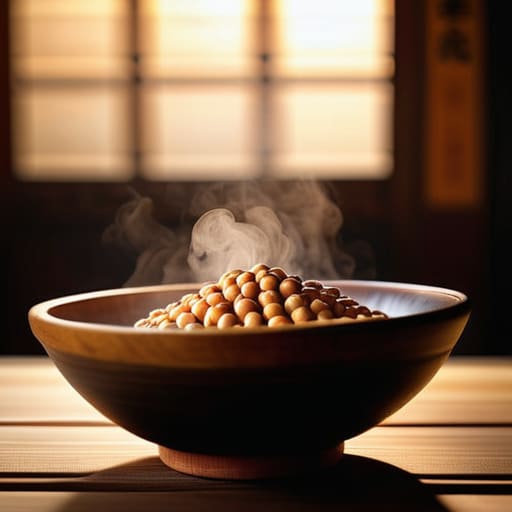
    Steaming miso ramen, The Final Sip.

    As I sit here in this small corner of Shimokitazawa, watching the steam rise from my bowl, the complexity of what we have discussed becomes clear. Whether it is the delicate, slightly sweet notes of a white miso or the deep, fermented intensity of a red variety, each bowl is a result of careful, patient timing. We have looked at how the salinity, the color, and the specific fermentation process dictate the character of the broth. To truly understand miso is to understand that there is no single “correct” way to enjoy it; rather, there is a vast spectrum of flavor that responds to the ingredients paired with it, from the subtle crunch of tofu to the earthy depth of dried seaweed.

    Ultimately, my time spent navigating these narrow streets has taught me that the most profound lessons aren’t found in the grand architecture, but in these small, steaming vessels. A bowl of miso soup is more than just a morning ritual or a simple side dish; it is a quiet testament to the beauty of precision. When you stop rushing through the transit hubs and start paying attention to the subtle shifts in flavor, you begin to see how a city truly breathes. I encourage you to look past the tourist menus and find your own quiet corner, where the broth tells a story that no guidebook could ever capture.

    Frequently Asked Questions

    How does the choice of dashi—whether it's kombu, bonito, or something more obscure—change the way the specific miso variety expresses itself?

    The dashi is the foundation upon which the miso performs. If I use a clean, kelp-based kombu dashi, the delicate, sweet notes of white miso are allowed to sing without distraction. However, when I pair a robust, smoky bonito dashi with a deep red miso, the flavors engage in a heavy, structural dialogue—much like the interplay of steel and stone in a city terminal. The broth doesn’t just carry the miso; it dictates its character.

    Are there certain regional miso styles in Japan that are better suited for specific times of the year or particular seasonal ingredients?

    In my travels, I’ve noticed the Japanese palate shifts with the seasons, much like the changing light for my film photography. During the biting chill of winter, I find myself gravitating toward the robust, saltier red misos of Aichi; they offer a grounding warmth that feels necessary. Conversely, as spring arrives, the lighter, sweeter white misos pair beautifully with delicate seasonal greens, mirroring the subtle, fleeting freshness of the city as it wakes.

    When navigating a local market or a small neighborhood eatery, what are the subtle visual cues that distinguish a freshly fermented miso from one that has been sitting on a shelf?

    When I’m browsing a local market, I look for life in the texture. Freshly fermented miso rarely looks uniform; it possesses a certain luster and a slight, moist sheen. If it looks dull, dusty, or unnaturally smooth, it’s likely been sitting too long. I pay close attention to the surface—a vibrant, slightly uneven grain suggests a living culture. It’s a small detail, but in a city of precision, these subtle textures tell the real story.

  • Shopping in Koenji

    Shopping in Koenji

    Most travelers arrive in Tokyo with a checklist of neon-lit landmarks and towering skyscrapers, but they often miss the city’s actual heartbeat. They seek the grand spectacle, yet they overlook the quiet, rhythmic life that exists in the residential pockets between the major hubs. To truly understand the local character, you have to step off the main thoroughfares and wander into the narrow, sun-dappled streets of the western wards. This is where I find my best subjects for film photography, particularly when navigating the labyrinthine alleys of Koenji. Finding the right koenji vintage shops isn’t just about a quick shopping trip; it is about navigating a specialized ecosystem of curated history and secondhand soul that most tourists simply walk right past.

    In the following notes, I’ve distilled my recent wanderings into five specific locations that represent the true essence of the neighborhood. I won’t be pointing you toward the flashy, overpriced boutiques designed for social media feeds. Instead, I am sharing a curated selection of shops that offer a sense of functional beauty and genuine character. By the time you finish reading this, you will have a roadmap to the most meaningful corners of the district, allowing you to find pieces of the past that feel entirely your own.

    Table of Contents

    The Curated Calm of Flamingo

    The Curated Calm of Flamingo vintage shop.

    There is a specific kind of efficiency in how Flamingo organizes its chaos. Unlike the cluttered dens you might expect in this neighborhood, this shop feels like a well-oiled machine, where every piece of Americana and vintage denim has its rightful place. I often find myself standing near the entrance just to observe the flow of customers; it is a study in how style can feel both effortless and highly intentional.

    Sifting Through Soul at Kinji

    Sifting Through Soul at Kinji labyrinth.

    If Flamingo is the precision of the neighborhood, Kinji is its raw, unbridled energy. It is a massive, sprawling labyrinth that requires a certain amount of logistical patience to navigate. You don’t just walk into Kinji; you embark on an expedition. I usually bring my notebook here, not to sketch, but to keep track of the sheer volume of inventory that seems to shift with every passing hour.

    The Quiet Craft of Chicago

    The Quiet Craft of Chicago boutique interior.

    Tucked away from the main thoroughfares, Chicago offers a much more intimate experience. The lighting is dim, the air is still, and the selection feels deeply personal, as if the owner has hand-picked every item based on a very specific aesthetic philosophy. It is the kind of place where the noise of the Chuo Line feels miles away, replaced by the soft rustle of high-quality cotton and silk.

    Retro Echoes at New York Joe Exchange

    You cannot talk about the Koenji ecosystem without mentioning New York Joe Exchange. It functions much like a marketplace of ideas, where the cycle of consumption is constantly being renegotiated. There is a restless rhythm to this shop; it is a hub where subcultures collide, and the inventory reflects the diverse, often eccentric, tastes of the local youth.

    Timeless Textures at Small Finds

    There is a small, unassuming shop near the tracks that I have come to rely on during my afternoon walks. It doesn’t shout for your attention with neon signs or massive window displays; instead, it waits for the discerning eye to wander in. The selection is modest, but the curation is impeccable, focusing on pieces that possess a certain structural integrity.

    Reflections on the Koenji Hunt

    Don’t aim for a checklist; allow yourself the luxury of getting lost in the side streets, as the best finds rarely sit on the main thoroughfares.

    Look past the curated storefronts and pay attention to the texture of the shops tucked under the railway tracks—that is where the real history of the neighborhood lives.

    Patience is your most valuable tool; the soul of Koenji isn’t found in a quick transaction, but in the slow process of observing how these spaces breathe.

    The Texture of Time

    “In the curated boutiques of Ginza, you buy a brand; but in the cramped, dust-mote-filled corners of Koenji, you find a history. There is a certain logistical honesty in a well-worn denim jacket or a faded film camera—they aren’t just objects, they are the tangible remains of lives lived before our own.”

    Rurik Salonen

    The Rhythms of Koenji

    Navigating the labyrinthine streets of Koenji requires more than just a map; it requires a willingness to let the tide of old denim and faded silk pull you in. From the curated precision of the high-end boutiques to those dusty, treasure-filled corners hidden beneath the overhead train tracks, this neighborhood proves that style isn’t about the new, but about the enduring. We’ve looked at how each shop serves a different purpose in the local ecosystem, whether you are hunting for a specific era of Americana or simply seeking a piece of clothing that has already lived a full life. It is this interconnected web of history and commerce that gives the district its unique, unpretentious character.

    As I sit here at a small corner cafe, watching the commuters rush toward Shinjuku, I am reminded that the best way to experience a city is to slow down. The vintage shops of Koenji are more than just retail outlets; they are the quiet custodians of memory in an increasingly disposable world. Don’t be afraid to wander off the main thoroughfares or follow a scent of old leather down a narrow alleyway. You might not find a landmark, but you will certainly find the authentic pulse of the city. That is where the real journey begins.

    Frequently Asked Questions

    Is it worth trying to navigate Koenji's smaller shops during the weekend rush, or is it better to visit on a weekday morning?

    If you value the rhythm of the shop over the rush of the crowd, go on a Tuesday or Wednesday morning. During the weekend, the narrow alleys feel congested, and that quiet, contemplative atmosphere I look for gets lost in the noise. A weekday allows you to actually breathe, observe the textures of the vintage finds, and speak with the owners without feeling like you’re obstructing a human conveyor belt.

    How much cash should I actually carry when ducking into these smaller, more tucked-away vintage boutiques?

    Don’t rely on your phone or a sleek travel card here. In these narrow, dimly lit shops, the digital world often fades away. I’ve learned the hard way that many of the best finds—the ones tucked behind a heavy curtain or down a flight of stairs—only accept yen. I usually keep about 10,000 to 15,000 yen in loose bills on me. It’s better to have the weight in your pocket than to miss a perfect find because of a lack of coins.

    Are there specific areas near the station that are better for beginners, or should I just wander the back alleys to find the real gems?

    If you’re just starting out, stick to the main thoroughfares near the North Exit. The shops there are more organized and less intimidating. However, don’t stay on the main road too long. The real character of Koenji lives in the capillaries—those narrow, dim-lit alleys where the shops feel more like personal collections than businesses. My advice? Start on the main drag to find your bearings, then let yourself get lost. That’s where the soul is.

  • Modes of Urban Mobility in Japan

    Modes of Urban Mobility in Japan

    I was standing on the Shinjuku platform last Tuesday, the kind of hour where the air feels thick with the collective intent of a million commuters, when it hit me. Most travel guides will tell you that the secret to navigating the country is a shiny, overpriced rail pass or a complex app that promises to solve everything. They sell you the idea that japan urban mobility is a puzzle to be solved with technology, but they miss the point entirely. To me, it isn’t about the gadgets; it’s about understanding the unspoken choreography of the crowd and the mechanical precision that keeps the entire organism from collapsing under its own weight.

    I have no interest in giving you a sanitized list of tourist shortcuts or marketing fluff. Instead, I want to show you how to actually read the city. My goal is to pull back the curtain on the logistical reality of these streets, offering you a grounded perspective on how to move through these sprawling metropolises with purpose and ease. I’ll share what I’ve learned from years of observing these patterns, focusing on the practical nuances that turn a chaotic commute into a seamless, almost meditative, experience.

    Table of Contents

    The Precision of Tokyo Transit Infrastructure

    The Precision of Tokyo Transit Infrastructure.

    I spent decades looking at flow charts and bottleneck analyses, but no spreadsheet can capture the sheer physical grace of the Tokyo transit infrastructure. When you stand in Shinjuku Station, you aren’t just looking at a hub; you are witnessing a masterclass in public transportation efficiency. There is a silent, unspoken choreography to the way millions of commuters navigate these subterranean arteries. It isn’t the chaotic rush one might expect, but rather a highly disciplined movement where every second is accounted for, and every transfer is a testament to meticulous logistical planning.

    As I sit on a platform, sketching the overlapping lines of the Yamanote and Chuo routes in my notebook, I am struck by how the system manages the tension between scale and precision. It isn’t just about the heavy rail; it is about how the city handles the smaller gaps. I’ve noticed a quiet evolution in last mile connectivity as well, with well-organized bus feeder lines and a growing integration of shared bicycles that bridge the distance between the station and the doorstep. This seamlessness is what allows the city to breathe without choking on its own density.

    Public Transportation Efficiency in Japans Arteries

    Public Transportation Efficiency in Japans Arteries.

    If you look closely at the logistics of a morning commute in Osaka or Tokyo, you realize it isn’t just about speed; it is about the seamless handoff between systems. The true hallmark of public transportation efficiency in Japan lies in how the heavy rail arteries feed into the smaller, more localized networks. I often sit in the station, sketching the flow of commuters in my notebook, and I am struck by how little friction exists. There is a profound, silent choreography in the way a passenger moves from a high-speed Shinkansen to a local line, and finally to the bus or the walking path that completes their journey.

    However, the real magic happens when you step away from the major hubs and examine the last mile connectivity that keeps these massive machines running. In the narrower residential streets, the integration of small-scale solutions—be it the ubiquitous bicycle or the meticulously timed local bus—ensures that no neighborhood is left isolated. This layered approach to movement is what allows a city of millions to function without collapsing under its own weight. It is a masterclass in sustainable urban planning that prioritizes the movement of people over the storage of vehicles.

    • Invest in a physical IC card—Suica or Pasmo—the moment you land. While the digital versions on your phone are convenient, there is a certain tactile reliability to the card that allows you to move through gates with a practiced, rhythmic efficiency that mirrors the locals.
    • Master the art of the “silent commute.” In the density of a Tokyo morning, the most profound way to respect the city’s flow is to embrace the quiet. Keep your phone on silent and your voice low; the collective stillness is what allows the system to function without friction.
    • Do not fear the complexity of the station maps. Instead of fighting the labyrinth, use it as a study. I often find that the most interesting, quiet corners—the small coffee stalls or forgotten shrines—are tucked away in the secondary corridors of the larger hubs like Shinjuku or Umeda.
    • Study the timetables, but don’t let them dictate your soul. The precision of Japanese rail is a marvel of logistics, but the real magic happens when you use that reliability to give yourself permission to linger. If you know the next train is exactly seven minutes away, you can afford to spend those seven minutes watching the light hit a platform.
    • Download a reliable transit app, but keep your eyes up. Technology is a tool for navigation, but if you stare at a screen, you will miss the subtle shifts in the city’s movement. Use the app to find your way, but use your eyes to understand where you actually are.

    The Quiet Logic of the Urban Pulse

    True mobility in Japan isn’t just about speed; it’s about the seamless, almost invisible synchronization between massive transit networks and the individual’s daily rhythm.

    To understand the city, one must look past the crowded stations and observe the silent discipline that keeps the entire logistical machine from collapsing under its own weight.

    The most profound connections to a metropolitan landscape are found not in the grand terminals, but in the predictable, functional grace of the local lines that stitch the neighborhoods together.

    The Pulse Beneath the Pavement

    The Pulse Beneath the Pavement: Tokyo transit.

    “Most travelers see a train schedule as a mere utility, but to me, it is the city’s circulatory system; when you observe the seamless choreography of a Tokyo transfer, you aren’t just seeing logistics, you are seeing the silent, disciplined heartbeat of a civilization in motion.”

    Rurik Salonen

    The Pulse Beneath the Pavement

    Looking back at the sheer scale of what we have discussed, it becomes clear that Japan’s urban mobility is far more than a feat of engineering or a triumph of scheduling. It is a delicate, interconnected ecosystem where the precision of the Tokyo rail networks and the seamless flow of the arterial transit lines work in concert to sustain the life of the nation. We have seen how efficiency is not merely about speed, but about the reliability of the connection—the way a city manages to move millions of souls without losing its sense of order. To understand these systems is to understand the very logistical backbone that allows the Japanese metropolis to thrive amidst its own density.

    As I sit in a small cafe near Shinjuku, watching the commuters move with a quiet, practiced grace, I am reminded that the true beauty of travel lies in these subtle movements. We often spend our lives rushing toward a destination, oblivious to the intricate machinery that carries us there. But if you take a moment to step back, to observe the rhythm of the arrivals and the silent choreography of the platforms, you realize that the transit system is the city’s true circulatory system. Do not just ride the train; listen to the city breathe through its tracks, for it is in these functional details that the soul of Japan is most clearly revealed.

    Frequently Asked Questions

    How do the smaller, regional lines manage to maintain such seamless connectivity with the massive metropolitan networks?

    It comes down to a masterclass in logistical integration. While the massive networks feel like monoliths, they function through seamless “through-services.” Many regional lines don’t just meet the metropolitan tracks at a terminal; their trains actually transition directly onto the larger lines, flowing into the city center without the passenger ever needing to change cars. It is a synchronized handoff that turns a fragmented map into a single, breathing organism.

    Beyond the efficiency of the trains, how much does the walking infrastructure and pedestrian flow impact the overall rhythm of the city?

    Efficiency is only half the story. If the trains are the arteries, the sidewalks are the capillaries. I’ve found that the true rhythm of a city reveals itself in how people move between the stations. In Tokyo, the seamless transition from a crowded platform to a wide, unobstructed pedestrian crossing allows the city to breathe. It’s that deliberate, unobstructed flow—the way a sidewalk respects the traveler—that prevents the urban machinery from feeling overwhelming.

    For someone who prefers a slower pace, are there specific transit patterns or quieter routes that allow for a more observant experience of the urban landscape?

    If you want to slow down, step away from the Yamanote line. I find the most clarity on the smaller, private railway lines—take the Odakyu toward Setagaya or the Keio lines. These routes move with a gentler cadence. Instead of rushing through tunnels, you’ll see the architecture of residential neighborhoods shift through the window. It’s in these quieter transitions, away from the terminal hubs, where you truly see how the city breathes.

  • A Guide to Tokyo Neighborhoods

    A Guide to Tokyo Neighborhoods

    Most travel brochures will try to sell you a version of Tokyo that exists only in high-budget commercials—a relentless, neon-soaked fever dream of Shibuya crossings and Harajuku crowds. They hand you a generic tokyo neighborhood guide that treats the city like a series of disconnected theme parks, ignoring the connective tissue that actually makes this place function. I’ve spent enough time navigating complex global supply chains to know that a system is only as good as its quietest components. If you only chase the landmarks, you aren’t actually seeing the city; you’re just watching the surface tension of a very deep ocean.

    I have no interest in helping you check boxes on a tourist checklist. Instead, I want to show you how to read the city’s map through its transit veins and its residential pockets. My goal is to provide a practical, no-nonsense framework for understanding where to settle your feet and where to find the stillness amidst the movement. We will look past the hype to find the neighborhoods that offer genuine rhythm, logistical ease, and that rare, functional beauty that defines the true soul of Tokyo.

    Table of Contents

    Navigating Tokyo Subculture Hubs Through the Station Gates

    To understand Tokyo’s subcultures, you have to stop looking at the street level and start looking at the terminal maps. Most travelers see a station as a mere waypoint, but for those of us who study the city’s flow, these hubs are the valves of its cultural heart. Take Shimokitazawa, for instance. It isn’t just a collection of vintage shops; it is a specific ecosystem born from the way the Odakyu Line feeds into a dense, labyrinthine network of narrow alleys. When I sit in a small cafe there, watching the commuters transition from the frantic pace of the main lines to the slower, more intentional gait of the locals, I see the true mechanics of urban identity at work.

    Navigating these Tokyo subculture hubs requires a willingness to get lost between the gates. While many newcomers obsess over a Shibuya vs Minato comparison—weighing the neon noise against the polished corporate sheen—the real magic happens in the friction between the two. It is found in the way a single train transfer can shift you from a high-octane commercial center into a pocket of niche creativity. I find that the most profound insights come when you stop following the signs and start following the rhythm of the crowd.

    The Rhythm of Transit Oriented Living in the City Core

    The Rhythm of Transit Oriented Living in the City Core.

    To understand how a city functions, one must look at how people move between their private lives and the public machine. In the central wards, life isn’t lived in houses, but in the seamless flow of Tokyo transit-oriented living. I’ve spent many afternoons watching the commuters at Shinjuku or Ebisu, noting how the architecture itself seems to bend toward the station gates. For those seeking the best areas to live in Tokyo, the proximity to a major line isn’t just a convenience; it is the very heartbeat of your daily routine.

    When I compare the heavy, commercial gravity of a place like Shibuya to the more polished, diplomatic air of Minato, the distinction becomes clear. A Shibuya vs Minato comparison reveals more than just different price points; it highlights two entirely different ways of breathing. While Shibuya offers a frantic, kinetic energy that feeds the city’s subcultures, Minato provides a more structured, quiet elegance. It is in these subtle shifts in transit density and pedestrian pace that you truly begin to grasp the city’s complex, layered anatomy.

    The Logician's Toolkit: Five Rules for Navigating the Urban Maze

    • Map the lines before the streets. In Tokyo, your sense of direction shouldn’t be tied to North or South, but to the color and name of your transit line. A neighborhood isn’t just a collection of buildings; it is a node on a circuit. Learn the transfer patterns of the Yamanote or Chuo lines first, and the geography will eventually reveal itself to you.
    • Seek the “Station-Adjacent” equilibrium. The most functional neighborhoods aren’t necessarily the ones right next to the massive hubs like Shinjuku, but those two or three stops away on a local line. You gain the efficiency of the network without the suffocating friction of the main terminal crowds.
    • Follow the scent of the morning commute. If you want to understand the true character of a district, arrive at its local station at 7:30 AM. Watch how the flow of people moves from the station to the small coffee kiosks and local bakeries. A neighborhood’s health is written in the efficiency and grace of its morning rush.
    • Carry a physical backup. While digital maps are convenient, they fail when you are deep in the concrete canyons of a residential ward or when a battery dies. I always keep my notebook and a paper map of the local rail lines. There is a specific, tactile clarity that comes from tracing a route with your finger that a glowing screen simply cannot replicate.
    • Look for the “Gap Spaces.” The real soul of a neighborhood is often found in the small, unmapped pockets between the major thoroughfares—the narrow alleys, the tiny shrines, and the single-story shops tucked behind high-rises. These are the lungs of the city; if you only stick to the main roads, you are only seeing the skin.

    The Logistical Soul of the City

    A neighborhood’s true character is defined not by its landmarks, but by the specific rhythm and flow of its local transit station.

    To find the city’s quietest corners, one must look for the functional spaces that exist in the gaps between the major commercial hubs.

    Understanding Tokyo requires observing the subtle intersection of high-efficiency infrastructure and the small, human details that make a district feel lived-in.

    The Logic of the Local

    “A neighborhood guide shouldn’t be a list of landmarks to be conquered, but a map of how a city functions; if you want to truly know Tokyo, stop looking at the skyscrapers and start watching how the commuters flow from a side street into a station platform.”

    Rurik Salonen

    The Map is Not the Territory

    Tokyo urban sketches: The Map is Not the Territory.

    As I sit here in a small cafe near the Yamanote line, reviewing my sketches, I am reminded that Tokyo is not a singular entity to be conquered, but a complex web of interconnected micro-worlds. We have looked at the high-energy hubs that define its subcultures and the efficient, transit-driven cores that keep the city’s heart beating. To truly understand this metropolis, one must move beyond the superficial landmarks and learn to appreciate how each neighborhood—from the neon-soaked streets to the quiet residential pockets—serves a specific function within the larger urban machine. It is the delicate balance between chaos and order that makes this city a masterclass in logistical elegance.

    My advice to those wandering these streets is simple: put down the digital map every once in a while. The most profound discoveries rarely happen when you are following a GPS coordinate; they happen when you take a wrong turn at a local station and find yourself in a neighborhood that feels like it belongs to another era entirely. Let the city reveal itself to you in the small, unscripted moments between the scheduled stops. After thirty years of managing moving parts in a global economy, I’ve learned that the most important truths are often found in the spaces between the lines.

    Frequently Asked Questions

    How do I determine which neighborhood is most efficient for my specific travel itinerary without getting lost in the complexity of the Yamanote Line?

    Don’t let the Yamanote Line intimidate you; think of it as a circular artery, not a maze. To find your base, map your “anchor points”—those specific sites you must see—and look for the station that sits on the most direct line between them. I prefer staying on the periphery of the loop; it offers more quiet breathing room while keeping the major transit lines just a short, predictable hop away.

    Beyond the major transit hubs, how can I identify those smaller, quieter residential pockets that still offer easy access to the city's essentials?

    Look for the “two-stop rule.” Find a neighborhood two or three stops away from a major terminal like Shinjuku or Shibuya on a local line. You’ll see the density drop, but the logistics remain sound. I often check the station maps for smaller, unbranded exits; they usually lead toward local shotengai—traditional shopping streets. These are the arteries that feed the quiet residential pockets, offering everything you need without the frantic pace of the central hubs.

    When exploring these diverse districts, what are the practical logistical considerations for someone who prefers a slower, more observant pace of travel?

    To move with intention, you must master the art of the “buffer zone.” Avoid the rush-hour crush at Shinjuku or Shibuya; instead, plan your movements for the mid-morning lull. I always carry a physical map and a heavy notebook—not just for navigation, but to force myself to stop and sit when the data becomes overwhelming. Don’t aim for three districts a day. Aim for one station, one street, and a deep understanding of its flow.

  • Experiencing Seasonal Changes in Japanese Cities

    Experiencing Seasonal Changes in Japanese Cities

    I was sitting on a wooden bench near the Shinjuku station platform last Tuesday, watching the humidity lift from the tracks, when it hit me. Most travel guides treat seasonal changes like a curated museum exhibit—something you go to see, like the cherry blossoms or the autumn leaves, as if they were static displays behind glass. They sell you a version of the seasons that is polished, expensive, and frankly, exhausting. They miss the reality that a change in weather isn’t just a color shift in the trees; it’s a fundamental recalibration of how a city moves, how the air smells in a crowded subway tunnel, and how the very tempo of the sidewalk shifts under your feet.

    I have no interest in helping you chase the perfect, postcard-ready sunset. Instead, I want to show you how to actually live through these transitions without getting lost in the tourist frenzy. In this series, I’ll be sharing my observations on how to navigate the practicalities of a shifting climate—from the subtle logistical shifts in urban transit to finding those quiet, overlooked corners that only reveal themselves when the temperature drops. My goal is to provide you with a grounded perspective on how to read the city’s pulse as it turns.

    Table of Contents

    The Annual Cycle of Nature in Hidden Corners

    The Annual Cycle of Nature in Hidden Corners.

    I often find myself ducking into narrow alleyways in Setagaya or the quiet backstreets of Namba, looking for where the concrete gives way to something more organic. It is in these small, neglected pockets that you truly observe the phenology of seasonal shifts. While the tourists are clustered around the grand cherry blossom parks, I am more interested in the way a single moss-covered stone in a temple courtyard deepens in hue as the humidity climbs, or how the sudden impact of temperature fluctuations in early November sends a premature cascade of maple leaves onto a damp sidewalk.

    There is a specific, quiet dignity in how these micro-ecosystems respond to the passing months. I’ve spent many afternoons sketching how the light hits a particular patch of ferns, noting how the annual cycle of nature dictates their slow, rhythmic unfolding. In these hidden corners, the city doesn’t just change color; it changes its very breath. You see it in the way the shadows lengthen against a weathered wooden gate or how the scent of the air shifts from the crispness of winter to the heavy, damp promise of a Tokyo summer.

    Tracking Seasonal Biodiversity Changes Through Transit Lines

    Tracking Seasonal Biodiversity Changes Through Transit Lines.

    I’ve often found that the most reliable way to observe the phenology of seasonal shifts isn’t by looking at a calendar, but by watching the view from a moving train window. As the Chuo Line cuts through the outskirts of Tokyo, the transition is palpable. In early spring, the skeletal branches along the tracks begin to blur with a soft, pale green, a subtle signal that the dormant winter landscape is finally waking up. I find myself leaning toward the glass, noting how the specific timing of these buds seems to react to the micro-climates created by the concrete corridors of the rail lines.

    By late summer, the rhythm changes entirely. The heavy, humid air seems to slow the movement of the commuters, and the greenery becomes a dense, suffocating wall of deep emerald. I’ve noticed that the seasonal biodiversity changes are most evident in the small, neglected patches of earth between the sleepers and the gravel. Even in these highly engineered environments, the impact of temperature fluctuations is visible in the way certain wildflowers retreat or flourish, providing a quiet, biological counterpoint to the relentless mechanical precision of the schedule.

    Practical Observations for the Seasonal Voyager

    • Carry a physical notebook, not just a phone. There is a specific way the light hits the ginkgo trees in late autumn that a digital photo can’t quite capture, and sketching the shift in shadows helps you actually process the change.
    • Watch the commuters, not just the scenery. You can tell exactly when winter is settling into Tokyo by the way people adjust their posture and the sudden, rhythmic appearance of heavy scarves on the Yamanote Line.
    • Follow the vending machines. They are the most reliable indicators of the micro-seasons; the shift from chilled barley tea to steaming canned coffee is the city’s most honest signal that the temperature has dropped.
    • Use the transit maps as your guide to seasonal light. I find that certain stations, due to their depth or orientation, offer a specific quality of morning light during the equinoxes that makes the concrete feel almost alive.
    • Slow your pace at the edges of the city. The transition of seasons is often most visible in the small, neglected patches of greenery near the freight lines, where the wilder elements of nature react more sharply to the change than the manicured parks.

    Lessons from the Urban Shift

    True seasonal change isn’t found in the grand parks, but in the subtle way light hits a specific subway platform or how the air feels different in a narrow alleyway.

    To understand a city’s rhythm, one must look past the tourist landmarks and observe how the transit systems and local flora adapt to the turning year.

    Slowing down to notice these transitions allows us to see the functional beauty in the chaos, turning a mere commute into a moment of quiet observation.

    The Geometry of Change

    Most people see the seasons as a change in weather, but if you watch the way the light hits a concrete platform in November versus June, you realize it’s actually a shift in the city’s very architecture. The seasons don’t just change the temperature; they change the way the city holds its breath.

    Rurik Salonen

    The Quiet Constant

    Shinjuku commuters and The Quiet Constant.

    As I sit in a small cafe near Shinjuku Station, watching the commuters hurry through the changing light, I am reminded that these seasonal shifts are more than just aesthetic shifts in color. We have seen how the transition from the humid weight of summer to the crisp clarity of autumn alters everything from the density of the crowds on the platforms to the very way the light hits the station tiles. Whether it is the subtle migration of birds along the Yamanote Line or the way a sudden frost changes the mechanical rhythm of the city, these patterns reveal the underlying heartbeat of the metropolis. To ignore these changes is to miss the true mechanics of how a city lives and breathes.

    In my years of managing logistics, I learned that efficiency is nothing without context. A city is not just a machine of steel and concrete; it is a living, breathing organism that responds to the tilt of the earth. My advice to those wandering these streets is simple: do not just move through the space, but observe the transitions. Stop looking at the landmarks and start looking at the way the shadows lengthen in December or how the scent of spring arrives on a subway breeze. When you learn to read these small, quiet signals, the city stops being a labyrinth and starts becoming a home.

    Frequently Asked Questions

    How do these seasonal shifts specifically impact the efficiency and flow of the major transit hubs?

    When the heavy rains of June hit, or the biting winds of January settle over Shinjuku, the friction in the system becomes palpable. It isn’t just about delays; it’s a shift in human density. In winter, people huddle closer, their movements more jagged and hurried to escape the cold. In summer, the humidity slows the collective pace. I’ve noticed that even the most efficient hubs must recalibrate their rhythm to accommodate these subtle, seasonal shifts in human flow.

    Are there particular times of year when the quiet, hidden corners become more difficult to find due to crowds?

    The short answer is yes. During the peak of cherry blossom season in spring and the vibrant maple shifts in autumn, the city’s breathing becomes labored. The quiet corners I seek—those small, moss-covered shrines or tucked-away alleyways—often lose their solitude to the swell of visitors. If you want to find the stillness, aim for the “in-between” months. Late February or early June offer a certain structural clarity that the crowds simply strip away.

    Which specific analog film stocks do you find best capture the changing light of the seasons in the city?

    For the biting clarity of winter or those crisp, high-contrast spring mornings, I find myself reaching for Kodak Ektar 100. Its fine grain handles the harsh urban shadows beautifully. However, when the humid, heavy light of a Tokyo summer sets in, I prefer Fujifilm Pro 400H. It has a way of softening the glare off the concrete and capturing those subtle, verdant greens that define the city’s changing pulse.

  • Spending Time in Osaka Castle Park

    Spending Time in Osaka Castle Park

    I remember sitting on a weathered stone bench near the outer moat last autumn, my Leica hanging heavy around my neck, watching a single salaryman methodically peel an orange. While the crowds were busy jostling for the perfect selfie in front of the main tower, I found myself captivated by the mechanical precision of the stone walls and the way the light hit the water. Most people approach osaka castle park like they’re checking a box on a tourist itinerary, rushing toward the reconstructed keep as if it were a destination in itself. They miss the point entirely. They see a monument, but they fail to see the living circulatory system of the city that pulses around these ancient fortifications.

    I’m not here to tell you which gift shops are the most photogenic or how to navigate the souvenir stalls. Instead, I want to show you how to actually inhabit the space. I’ll guide you through the peripheral paths and the quiet transit nodes that allow you to bypass the noise, focusing on the structural elegance and the subtle rhythms that define the park. My goal is to help you find the functional beauty hidden in plain sight, far away from the frantic pace of the typical sightseeing loop.

    Table of Contents

    Tracing the Tokugawa Era Architecture Japan Left Behind

    Tracing the Tokugawa Era Architecture Japan Left Behind

    Standing before the massive stone ramparts, you realize quickly that these walls weren’t built for aesthetics; they were built for survival. As I traced the rough texture of the granite blocks with my eyes, I was struck by the sheer logistical audacity of the construction. This is a masterclass in tokugawa era architecture japan left behind, where every curve of the stone and every angle of the defensive walls served a singular, uncompromising purpose. The scale is meant to intimidate, a physical manifestation of the power required to hold a territory in the seventeenth century.

    I found myself drifting away from the main reconstruction to look at the smaller, peripheral structures that still cling to the perimeter. While many visitors rush toward the central keep, the real story lies in the way the older stone foundations interact with the surrounding terrain. If you follow the less-trodden osaka castle park walking trails, you can find sections where the masonry feels more intimate, less like a monument and more like a living part of the landscape. There is a certain quiet dignity in how these weathered edges have held their ground against centuries of urban expansion.

    Finding Peace on the Osaka Castle Park Walking Trails

    Finding Peace on the Osaka Castle Park Walking Trails.

    Most people arrive here with a singular objective: the main keep. They rush toward the stone walls, driven by a checklist, but they miss the connective tissue of the grounds. If you step away from the paved arteries and follow the osaka castle park walking trails that wind through the periphery, the noise of the city begins to dampen. I find that the true character of the park reveals itself in these secondary paths, where the canopy of ancient trees creates a natural buffer against the urban sprawl.

    There is a specific cadence to these trails that changes with the light. I often find myself pausing near the smaller stone basins, sketching the way the shadows fall across the moss. While many travelers hunt for the best time to visit osaka castle for cherry blossoms, I prefer the quieter, off-peak hours when the wind is low. In those moments, you aren’t just a spectator of history; you are part of the park’s slow, steady respiration. It is in these unscripted, silent stretches that the city finally feels manageable.

    Logistics for the Observant Traveler: Five Ways to Navigate the Grounds

    • Avoid the main plaza during the midday heat; the stone walls retain a significant amount of thermal mass, and the lack of shade in the central courtyard can be draining. Instead, aim for the periphery where the canopy is thicker.
    • If you are carrying a film camera, the light tends to turn harsh and unforgiving around the main keep by 2:00 PM. I find the best textures—the moss on the stone foundations and the grain of the older trees—are captured most effectively in the soft, directional light of the early morning.
    • Do not rely solely on the primary signage. The park is a complex network of secondary paths that often lead to much quieter vantage points. I suggest carrying a physical map or a notebook; sometimes, the best way to understand the layout is to trace the pedestrian flow yourself.
    • Use the Tanimachi Line to arrive at Tanimachi Yonchome Station rather than the more crowded routes near the main gate. It allows you to enter the park through a more gradual transition from the urban grid into the green space, rather than being thrust directly into the tourist center.
    • Watch the way the local residents use the space after 5:00 PM. While the historical sites may feel like a museum, the park itself functions as a vital lung for the city. Observing these daily patterns provides a much clearer picture of Osaka’s social rhythm than any guidebook can offer.

    Lessons from the Grounds

    Look past the reconstructed towers and focus on the stone walls; the true history of the site is written in the precision of the masonry and the way the landscape manages the flow of people.

    The park’s value isn’t in its scale, but in its utility as a breathing space where the city’s frantic energy is forced to slow down to the pace of a walking trail.

    To truly understand Osaka, you must observe the intersection of the historical and the mundane—how a centuries-old fortification now serves as a quiet backdrop for the daily rhythms of modern commuters.

    The Logistics of Stillness

    “Most people see the castle as a monument to the past, but if you sit long enough by the moat, you realize it is actually a study in movement—the way the modern city surges around these stone walls while the park itself maintains a steady, unhurried breath.”

    Rurik Salonen

    The Quiet Geometry of Memory

    The Quiet Geometry of Memory at Osaka.

    As I sit here on a weathered bench, sketching the intersection of a stone rampart and a modern walkway, I realize that Osaka Castle Park is far more than a collection of historical relics. It is a study in layered coexistence. We have looked at the heavy, intentional weight of the Tokugawa-era stonework and the way the winding trails offer a necessary reprieve from the city’s frantic logistics. To understand this park is to understand how Osaka balances its immense, historical gravity with the need for a functional, breathing green space for the millions who live in its shadow. It is not just a destination; it is a vital organ in the city’s sprawling anatomy.

    Most travelers will leave here with nothing but a digital photo of the main keep, but I hope you find something more substantial. I hope you find the moment where the noise of the traffic fades into the background and you notice the deliberate stillness of a single courtyard. Don’t rush to the next landmark on your list. Instead, allow yourself to sit, to observe, and to simply witness how the past continues to anchor the present. In the end, the true value of a place isn’t found in its grandest monuments, but in the quiet rhythm it leaves behind in your mind long after you’ve departed.

    Frequently Asked Questions

    If I'm looking to capture the interplay of light and shadow on the stone walls, what is the best time of day to visit with a film camera?

    If you’re looking to capture those massive stone walls, aim for the late afternoon, perhaps an hour before sunset. The low-angle light creates long, dramatic shadows that emphasize the texture and scale of the masonry—it’s where the history really feels heavy. If you’re using film, that golden hour provides the perfect contrast without blowing out your highlights. Just watch your shutter speed; the shadows can get deep quite quickly.

    Beyond the main paths, are there specific quiet corners or smaller shrines within the park grounds that offer a reprieve from the larger crowds?

    If you drift away from the main thoroughfares, look for the smaller stone lanterns tucked near the peripheral groves. I often find myself lingering near the minor shrines scattered along the eastern edge; they lack the grandiosity of the central monuments, but they possess a stillness that the main paths lack. There is a certain dignity in these overlooked corners. They offer a chance to observe the park’s true mechanics, away from the tourist currents.

    How does the park's accessibility and layout change once the sun begins to set, and is it worth staying for the evening atmosphere?

    As the light fades, the park’s logistical flow shifts. The daytime crowds of tourists dissipate, replaced by a more purposeful movement of locals using the paths for evening exercise. The layout feels less like a destination and more like a transit corridor for the neighborhood. It is absolutely worth staying; the illumination of the stone walls against the darkening sky creates a stark, structural beauty that my film camera struggles to capture, but my eyes find deeply grounding.

  • Incorporating Nature Into Japanese Cities

    Incorporating Nature Into Japanese Cities

    I was sitting on a cramped bench near Shinjuku Station last Tuesday, watching a businessman struggle to find a moment of peace amidst the rhythmic pulse of the city, when I realized how much we get wrong about this place. Most guidebooks will point you toward the manicured, high-budget botanical gardens or the famous temple groves, treating japanese urban greenery as if it were something you have to pay an entrance fee to experience. They sell you a polished version of nature that feels almost staged. But if you’re looking for the real pulse of the city, you won’t find it in a tourist brochure; you’ll find it in the way a single, resilient maple tree leans over a concrete drainage ditch, or how a small patch of moss claims a corner of a subway exit.

    I’m not here to give you a list of the most “Instagrammable” parks in Tokyo. Instead, I want to show you how to recognize the functional beauty of the city’s hidden lungs. I will share my observations on where the greenery actually provides a sense of relief, from the accidental gardens tucked between skyscrapers to the quiet, overlooked pockets of shade that make this concrete labyrinth breathable. My goal is to help you navigate the city not just as a commuter, but as an observer of its quietest rhythms.

    Table of Contents

    Biophilic Design in Tokyo How the City Breathes

    Biophilic Design in Tokyo How the City Breathes

    I’ve spent my career looking at how things move—how goods flow through ports and how people flow through stations. But in Tokyo, there is a different kind of flow: the way nature is being intentionally woven back into the gray. It isn’t accidental. What I see when I walk through districts like Azabudai Hills is a sophisticated application of biophilic design in Tokyo, where the architecture doesn’t just sit alongside nature, but actively invites it in. It’s a calculated attempt to soften the hard edges of the skyline, using greenery to regulate temperature and, more importantly, to soothe the human psyche.

    You see it most clearly in the way modern developers are looking toward vertical forests in Japanese cities. Instead of just planting a few trees at street level, they are scaling the greenery upward, turning concrete facades into living, breathing lungs. This isn’t just about aesthetics; it’s a logistical response to the density of the metropolis. By integrating plant life into the very skin of the buildings, the city manages to mitigate the heat island effect while offering a visual reprieve for the millions of eyes passing by every day.

    Vertical Forests in Japanese Cities Reclaiming the Skyline

    Vertical Forests in Japanese Cities Reclaiming the Skyline

    When I look up from the pavement in districts like Roppongi or Shibuya, the skyline no longer feels like a sheer wall of glass and steel. There is a growing, deliberate attempt to soften these edges. I’ve spent my afternoons sketching the way newer developments integrate vertical forests in Japanese cities, where cascading greenery spills over concrete balconies like a slow-motion waterfall. It isn’t just decoration; it feels like a calculated effort to reintegrate nature into a landscape that was once purely industrial.

    What strikes me most is how these high-rise gardens seem to borrow from traditional Japanese garden aesthetics. Even at a hundred meters above the street, you see the same emphasis on texture, seasonal change, and the careful placement of stone and leaf. This isn’t the sprawling, untamed forest of the countryside, but a highly disciplined version of nature. It is sustainable urban planning in Japan applied to the vertical plane, proving that even in a hyper-dense metropolis, we can still find a way to let the city breathe upward.

    • Seek out the “pocket” gardens. Don’t look for massive parks; instead, look for the tiny, three-meter-wide shrines nestled between office towers. These small gaps in the concrete are where the city’s microclimate actually functions.
    • Use the transit maps as a guide. Often, the most intentional greenery follows the rail lines, creating green corridors that act as lungs for the commuters. If you follow the Yamanote line, watch for where the greenery thickens near the residential transitions.
    • Observe the seasonal shifts in the “managed” greenery. In Japan, the greenery isn’t just there to exist; it is curated. Pay attention to how the pruning and the seasonal plantings change the way a street feels from April to October.
    • Look upward, not just outward. In dense districts like Shinjuku, the most significant greenery is often on the fourth or fifth floor. A rooftop garden isn’t just an amenity; it’s a vital structural component of the urban ecosystem.
    • Respect the silence of the greenery. When you find a mossy courtyard or a small grove, treat it with the same quiet respect you would a library. These spaces aren’t for loud socializing; they are for the quiet observation I’ve come to value.

    The Logistics of Quietude: Lessons from the Concrete

    True urban vitality isn’t found in massive, centralized parks, but in the strategic, microscopic integration of nature into the transit corridors we use every day.

    Modern Japanese architecture is moving away from fighting the environment and toward a symbiotic design where greenery serves as both a visual relief and a functional component of the building’s ecosystem.

    To truly understand a city’s health, one must look past the grand skylines and observe how much effort is being made to preserve the small, mossy, and unpolished pockets of life between the steel.

    The Geometry of Peace

    “In a city built on the relentless efficiency of steel and concrete, the presence of a single, well-tended maple tree isn’t just an aesthetic choice; it’s a necessary valve that releases the pressure of the urban machine.”

    Rurik Salonen

    The Living Pulse of the Concrete

    The Living Pulse of the Concrete greenery.

    Looking back at the layers we have peeled away, it becomes clear that Japanese urban greenery is not merely an aesthetic choice or a luxury for the elite. From the calculated integration of biophilic design in high-rise corridors to the ambitious, sky-bound reach of vertical forests, these green interventions serve a vital logistical purpose. They act as the city’s circulatory system, regulating temperature and offering psychological relief to the millions who navigate these streets daily. We have seen that the greenery isn’t just decorating the city; it is actively working to mitigate the harshness of the concrete, ensuring that the metropolitan machine doesn’t simply overheat and stall, but continues to function with a certain organic grace.

    As I sit here in a small cafe near Shinjuku, watching the commuters rush toward the station, I am reminded that the true value of these spaces lies in their ability to force a pause. You don’t need to climb a mountain to find nature in Japan; sometimes, you only need to look up at a treelined balcony or step into a shaded alleyway between two steel giants. The city is a living, breathing organism, and its survival depends on these small, green lungs. My advice is to stop looking for the grand vistas and start noticing the quiet resilience of a single fern growing in a crack of a subway entrance. That is where you will find the real soul of the urban landscape.

    Frequently Asked Questions

    How do these pockets of greenery actually impact the noise levels and the general flow of the crowds in high-traffic transit hubs?

    It’s a matter of acoustic dampening and psychological pacing. In stations like Shinjuku, the sheer volume of human movement creates a frantic, jagged energy. When you introduce structured greenery—planters or living walls—it acts as a soft buffer. The foliage absorbs the sharpest edges of the mechanical roar, and more importantly, it forces a subconscious deceleration in the crowd. People don’t rush quite as violently when they’re passing through a pocket of life.

    Is it possible to find these quiet, natural spaces without following a specific guide, or are they mostly tucked away in private developments?

    You don’t need a guide, though you will need a keen eye and a bit of patience. While some lush pockets are indeed part of new private developments, the most rewarding spaces are often unintentional. Look for the gaps between the concrete—a small shrine tucked behind a convenience store or a narrow alleyway where ivy has claimed the walls. If you follow the sound of wind through leaves rather than the glow of neon, you’ll find them.

    How does the maintenance of such dense, vertical vegetation work in a city where space and resources are already so tightly managed?

    It’s a logistical puzzle, really. In a city where every square centimeter is accounted for, you can’t afford waste. These vertical gardens rely on highly integrated, automated systems—think precision drip irrigation and sensor-driven nutrient delivery built directly into the building’s skeleton. It’s not just gardening; it’s sophisticated resource management. They use reclaimed greywater and smart monitoring to ensure nothing is lost. It’s efficient, quiet, and perfectly suited to the Japanese ethos of precision.