Author: Rurik Salonen

  • How to Use Public Baths and Onsens

    How to Use Public Baths and Onsens

    The steam in a traditional bathhouse is thick enough to hide a multitude of sins, but it cannot hide a lack of awareness. I remember my first visit to a small, cedar-scented bath in Hakone; I was so preoccupied with my camera gear and my mental map of the local rail lines that I nearly committed a cardinal sin by stepping into the water without a proper scrub. It wasn’t a grand mistake, but in the delicate ecosystem of a communal bath, even a small lapse in onsen etiquette feels like a disruption to the rhythmic stillness that everyone else has worked so hard to maintain.

    I have no interest in giving you a list of rigid, suffocating rules designed to make you feel like a trespasser. Instead, I want to share the logic behind the ritual. My goal is to strip away the anxiety of the unknown and replace it with a functional understanding of how these spaces actually work. I will provide you with a grounded, no-nonsense guide to navigating the bathhouse with grace, ensuring you can focus on the heat and the quiet rather than worrying about whether you’ve offended the room.

    Table of Contents

    Mastering the Sacred Pre Bath Washing Procedure
    Mastering the Sacred Pre Bath Washing Procedure.

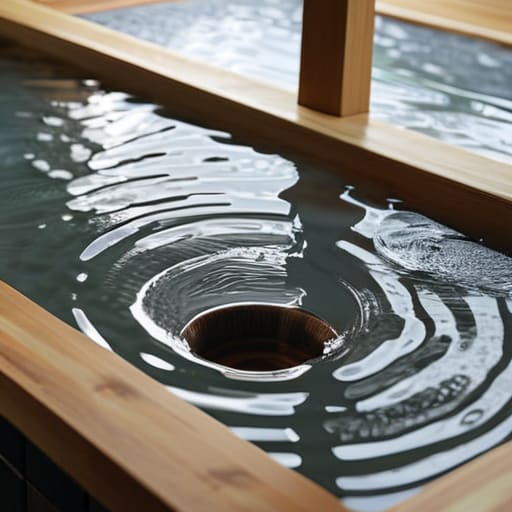
    Before you even consider the warmth of the mineral water, you must attend to the stool and the basin. In my years of logistics, I learned that any efficient system relies on a clean starting point, and the pre-bath washing procedure is the foundational ritual of the bathhouse. You will find a row of low stools and small plastic buckets; this is your workspace. It is not merely about personal hygiene, but about a collective responsibility to ensure the communal pool remains pristine. Scrub every inch of your skin thoroughly before stepping toward the spring.

    There is a specific rhythm to these japanese bathing customs that can feel daunting if you are watching the clock, but it is actually quite meditative. I find that sitting low, focused on the task of rinsing away the day, allows one to settle into the environment. If you rush this stage, you disrupt the flow of the space. Remember, the goal is to arrive at the water’s edge completely clean, leaving nothing behind but the quiet intention of your presence.

    Understanding the Unspoken Onsen Social Norms
    Understanding the Unspoken Onsen Social Norms.

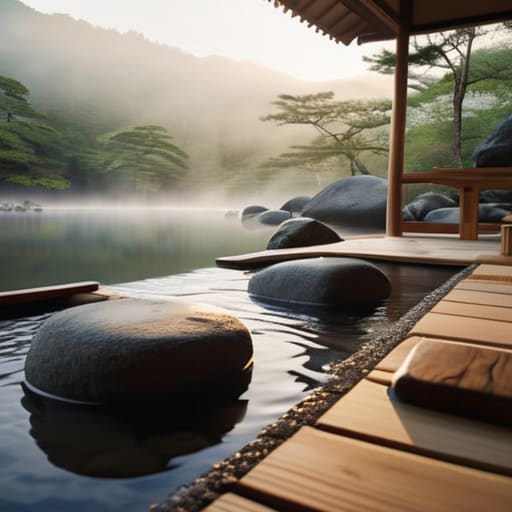
    Once you have finished your initial scrubbing, you enter a space governed by a subtle, collective rhythm. There is no loud instruction manual for these onsen social norms; instead, you must learn to read the room. It is a dance of spatial awareness. You’ll notice people rarely sit directly next to one another if a stool is available elsewhere, maintaining a respectful distance that preserves the shared solitude. It isn’t about being cold; it is about providing each person with a private pocket of peace within a communal setting.

    I have often sat on a small wooden stool, watching the steam rise, and realized that the most important rule is one of unobtrusive presence. This extends to the small things, like the specific onsen towel rules regarding where to place your cloth—never letting it touch the bathwater, but rather resting it atop your head. For those traveling with visible ink, it is worth noting that while attitudes are shifting, the conversation around tattoos in japanese hot springs remains a delicate one. It is always best to check the specific facility’s stance beforehand to ensure your presence remains harmonious with the quietude of the bath.

    The Small Nuances of the Bathing Ritual

    • Keep your towel away from the water; it is a tool for drying, not a companion for the bath. I usually fold mine small and rest it atop my head, a practical way to keep it clean while staying cool in the steam.
    • Respect the silence of the shared space. An onsen isn’t a place for loud conversation or boisterous laughter; it is a communal meditation where the only acceptable sounds are the gentle splash of water and the low hum of the building.
    • Manage your moisture with care. When moving from the hot spring to the changing area, use your small towel to wipe yourself down as much as possible. Leaving a trail of water on the floor disrupts the flow and the cleanliness of the shared space.
    • Observe the temperature with patience. Do not rush into the deepest, hottest pools immediately. Like a well-oiled machine, your body needs time to calibrate to the heat; start with the shallower or cooler sections to avoid overwhelming your system.
    • Mind the hair and the waterline. If you have longer hair, ensure it is tied back or tucked away. The goal is to leave the water exactly as you found it—pristine, undisturbed, and free of any trace of your presence.

    The Quiet Geometry of the Onsen

    Respect the ritual of the wash; it is the essential boundary between the chaos of the outside world and the purity of the water.

    Listen more than you speak; the onsen is a shared space of silence where the true atmosphere is felt, not discussed.

    Observe the flow of the room; a successful visit relies on a subtle awareness of others’ space, moving with a steady, unobtrusive grace.

    ## The Rhythm of the Water

    “Etiquette in an onsen is rarely about a list of rigid prohibitions; rather, it is a shared, unspoken choreography designed to preserve the stillness that everyone has come there to find.”

    Rurik Salonen

    The Quiet After the Steam
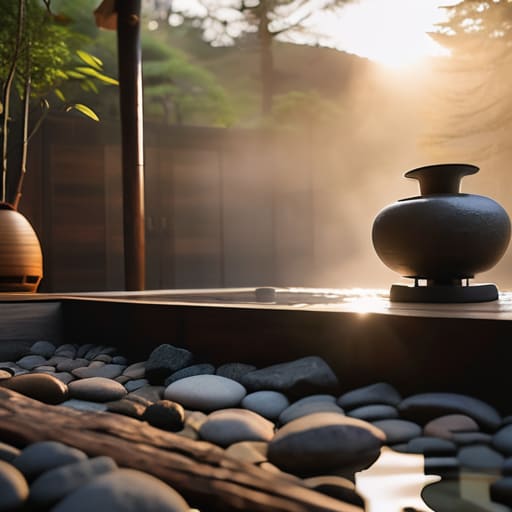
    The Quiet After the Steam in onsen.

    Ultimately, navigating an onsen is less about memorizing a rigid list of prohibitions and more about mastering the art of spatial awareness. Whether it is the meticulous ritual of scrubbing yourself clean before entering the communal pool or the silent, respectful distance maintained between bathers, these actions serve a singular purpose: preserving the sanctity of the space. When you respect the pre-wash protocols and honor the unspoken social boundaries, you aren’t just following rules; you are ensuring that the equilibrium of the bath remains undisturbed for everyone involved. It is a delicate, logistical dance of cleanliness and consideration.

    As I sit in my local café after a long soak, sketching the transit lines of the Shinjuku station in my notebook, I am reminded that these rituals are what allow a city to breathe. We often think of urban life as a series of collisions, but the onsen offers a rare, structured pause. It is a lesson in how we can exist in close proximity to strangers without encroaching on their peace. If you approach the hot springs with a spirit of quiet observation rather than a checklist of demands, you will find that the true warmth of the experience has nothing to do with the temperature of the water, and everything to do with the shared stillness of the moment.

    Frequently Asked Questions

    What should I do if I have a small bandage or a minor skin condition that might conflict with the communal bathing rules?

    It’s a common point of friction for the uninitiated. In my experience, the rule is simple: transparency is your best tool. If you have a small bandage, it’s often best to cover it with a waterproof, skin-colored patch, but even then, some traditional establishments may ask you to skip the communal pool. If it’s a minor skin condition, I find it’s best to check with the front desk first. Honesty preserves the shared stillness.

    Is it considered rude to bring a book or a camera into the changing area, or is that strictly reserved for the baths themselves?

    Leave the camera in your locker. The changing area is a space of transition, a place where people are shedding their public personas along with their clothes. Bringing a camera or a book into that vulnerability feels intrusive, a disruption of the communal privacy. As for books, while less taboo, they tend to clutter the shared space. Best to leave them in your bag; the onsen is for presence, not for distraction.

    How do I navigate the etiquette of a crowded bath when I feel like I'm intruding on someone else's quiet moment?

    The key is to embrace the concept of “kuki wo yomu”—reading the air. In a crowded bath, silence isn’t an absence of connection; it’s a shared respect for privacy. I find that if I move with intention, keeping my movements slow and my gaze soft, I become part of the room’s natural rhythm rather than a disruption. Find a corner, settle into the warmth, and simply exist alongside them. You aren’t intruding; you are participating in the stillness.
  • Exploring the City of Fukuoka

    Exploring the City of Fukuoka

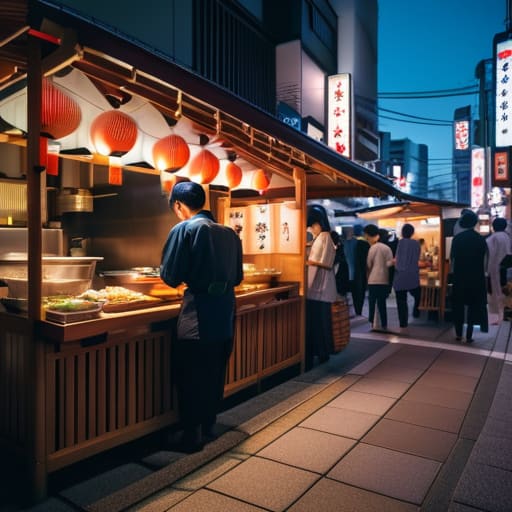
    I sat on a wooden stool in a cramped, steam-filled yatai stall near Nakasu last Tuesday, the smell of rich tonkotsu broth cutting through the humid evening air. While most travelers arrive in Kyushu looking for the polished, high-speed spectacle they’ve seen in glossy brochures, I found myself watching the way the local commuters transitioned seamlessly from the subway platforms to these tiny, open-air kitchens. Most people approach a fukuoka city guide expecting a list of shiny landmarks and overpriced tourist traps, but they miss the actual mechanics of the city—the way the rhythm of the Hakata Line dictates the flow of the evening crowds.

    I have no interest in giving you a checklist of monuments that you could find on any generic travel site. Instead, I want to show you how this city actually breathes, from the efficiency of its transit nodes to the quiet, narrow side streets where the real soul of the neighborhood hides. This isn’t a collection of hype; it is a logistical map for the observant traveler. I promise to guide you through the functional beauty of Fukuoka, focusing on the details that most people simply walk right past.

    Table of Contents

    Navigating the Rails a Kyushu Travel Itinerary.

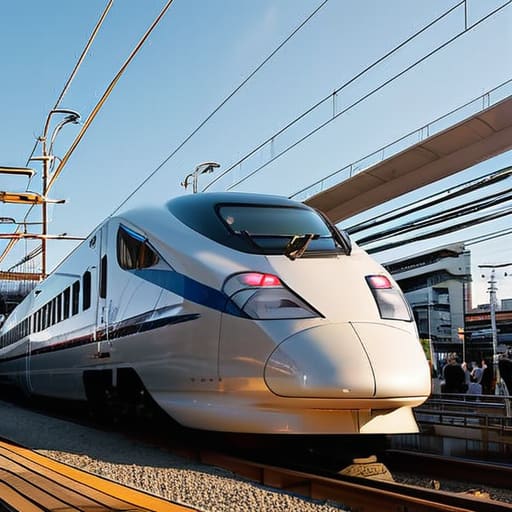
    When planning a Kyushu travel itinerary, I find it best to treat the rail network not just as a means of transport, but as the skeletal structure of the region. For a three-day stint in the city, I suggest starting at Hakata Station. It is the central nervous system of the area. From here, you can easily pivot between the heavy commercial energy of the Tenjin shopping district and the more meditative spaces of the city. I often find myself sketching the complex junctions at Hakata, marveling at how the Shinkansen lines integrate so seamlessly with the local commuter tracks.

    On your second day, I recommend moving toward the periphery to find a different pace. A trip toward the Fukuoka coastal attractions offers a necessary reprieve from the concrete. If you prefer something more grounded, a slow loop around Ohori Park allows you to observe how the locals interact with the water. There is a certain functional elegance in how the city transitions from the frantic pace of the business hubs to these pockets of stillness. It isn’t about how fast you move, but how well you understand the flow.
    The Best Time to Visit Fukuokas Changing Seasons

    The Best Time to Visit Fukuokas Changing Seasons

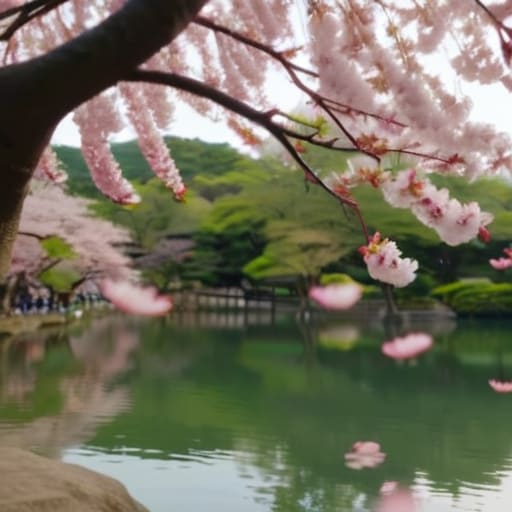
    Timing a trip to this part of Kyushu is less about avoiding rain and more about matching your internal tempo to the city’s atmosphere. If you prefer clarity and mild temperatures, the spring months offer a gentle transition. I often find myself sitting near the water for some Ohori Park sightseeing, watching the cherry blossoms drift onto the surface of the lake; there is a certain logistical grace to how the city settles into spring.

    However, if you are looking for the city’s most vibrant, albeit humid, energy, the summer brings a different kind of life. The heat is real, but it drives the locals toward the Fukuoka coastal attractions and creates a specific, feverish buzz in the evening. For me, the humidity is a small price to pay for the ritual of the night. There is nothing quite like the sensory overload of a late-night Fukuoka street food yatai session, where the steam from the stalls mingles with the heavy air, creating a sense of communal warmth that you simply won’t find in the cooler, more reserved months.

    Small Details for a Smoother Transit

    • Don’t bother with individual tickets for every leg of your journey; pick up an IC card like Suica or Hayakaken immediately. In a city that moves this fast, the few seconds you save at the turnstile add up to a much more seamless experience.
    • Use the subway to find your bearings, but use the walking paths to find the city’s character. Fukuoka is surprisingly compact, and some of the best logistical observations I’ve made were while walking between the Hakata and Tenjin districts.
    • Pay close attention to the Yatai food stalls in the evenings. They aren’t just for eating; they are the city’s social capillaries. If you want to understand the local social fabric, sit at a stall, keep your elbows in, and just observe the ebb and flow of the evening crowd.
    • Download a reliable transit app, but keep a physical map or a hand-drawn sketch in your notebook. Digital tools are excellent for efficiency, but a physical map helps you understand the spatial relationship between the coast and the urban core in a way a screen cannot.
    • Learn the rhythm of the pedestrian crossings. In Fukuoka, the flow of people is remarkably disciplined. If you match the pace of the locals—neither rushing nor lagging—you’ll find you move through the city with much less friction.

    Finding the Core of the City

    Look beyond the major landmarks; the true character of Fukuoka is found in the seamless flow of its transit lines and the quiet, unhurried corners of its residential neighborhoods.

    Timing is everything—align your visit with the shifting seasons to witness how the city’s atmosphere and pace transform alongside the natural landscape.

    Master the logistical rhythm of the Kyushu rail network to move with purpose, allowing you to spend less time navigating and more time observing the details that define the region.

    The Logic of the Labyrinth

    A guide to Fukuoka shouldn’t just list its landmarks; it should teach you how to read the city’s movement, from the synchronized hum of the subway lines to the way the evening light settles into the narrow, salt-scented lanes of the waterfront.

    Rurik Salonen

    The Quiet Geometry of Fukuoka

    The Quiet Geometry of Fukuoka city streets.

    As I sit here in a small café near Hakata Station, watching the commuters move with a practiced, rhythmic efficiency, I am reminded that Fukuoka is more than just a transit hub for Kyushu. It is a city that balances its logistical prowess with a surprisingly gentle soul. Whether you are navigating the complex web of the subway lines to reach the coast, timing your visit to catch the soft bloom of the cherry blossoms, or simply tracing the path of a local street vendor, you are engaging with a living, breathing organism. To understand this city, you must look past the bright lights of the shopping districts and focus on the functional harmony that keeps everything in motion. It is in these structured transitions—the way a train arrives exactly on time or how a narrow alleyway opens into a quiet shrine—that the true essence of Fukuoka reveals itself.

    My advice to you is simple: do not rush to see everything. A city is not a checklist to be completed, but a series of moments to be observed. Leave room in your schedule for the unplanned detour, the slow walk through a neighborhood park, or the hour spent simply watching the city’s pulse from a window seat. If you approach Fukuoka with a sense of patient curiosity, you will find that the most profound discoveries aren’t found in the guidebooks, but in the quiet details that most people are too busy to notice. Travel well, and keep your eyes open.

    Frequently Asked Questions

    How efficient is the local transit system for someone wanting to explore the outer wards without relying on taxis?

    If you’re looking to push beyond the central hubs, you won’t need a taxi, provided you respect the map. The subway handles the core, but the true utility lies in the Nishitetsu lines and the local bus networks. They are remarkably disciplined. I’ve found that if you time your movements around the rail schedules, you can reach the outer wards with surgical precision. It requires a bit of patience and a good transit app, but the efficiency is undeniable.

    Are there specific quiet pockets or lesser-known neighborhoods where I can escape the heavy tourist crowds?

    If you want to escape the crush of Hakata Station, head toward Ohori Park, but don’t stop at the main promenade. Wander into the residential streets of Ropponmatsu; it has a quiet, scholarly dignity and excellent small bookstores. Alternatively, the area around Maizuru Park offers a stillness that feels worlds away from the neon. These are the places where the city’s breathing slows down, far from the frantic pace of the tourist trail.

    What is the most practical way to manage luggage and logistics if I'm moving between Fukuoka and other cities in Kyushu?

    Don’t make the mistake of hauling a heavy suitcase through crowded stations. If you’re moving between cities, use the Takkyubin luggage forwarding service. It’s a logistical lifesaver. You can drop your bags at your hotel front desk or a convenience store, and they’ll arrive at your next destination by the next day. It allows you to travel light, keeping your hands free for a camera or your notebook, moving through the stations with actual ease.

  • The Teppanyaki Dining Experience in Japan

    The Teppanyaki Dining Experience in Japan

    The rhythmic, metallic clack-clack of a spatula hitting a seasoned steel surface is a sound I first truly appreciated not in a restaurant, but while observing the loading docks of a shipping terminal in Osaka. Most people approach a teppanyaki dining experience expecting a theatrical circus—flaming onions, flying shrimp, and loud, performative gestures designed to mask a lack of substance. They look for the spectacle, but they often miss the mechanical precision of the craft. To me, the real magic isn’t in the fire; it’s in the way a chef manages heat distribution across a massive iron plane with the same steady, calculated efficiency I once used to manage global freight routes.

    I have no interest in reviewing restaurants that rely on gimmicks to justify a premium price tag. Instead, I want to show you how to identify the places where the logistics of flavor are handled with genuine mastery. In the following pages, I will guide you through the subtle indicators of a superior meal—from the temperature of the steel to the timing of the sear—so you can find the quiet, functional beauty in a meal that is as much about disciplined technique as it is about the ingredients.

    Table of Contents

    Mastering the Language of Japanese Iron Griddle Techniques

    Mastering the Language of Japanese Iron Griddle Techniques.

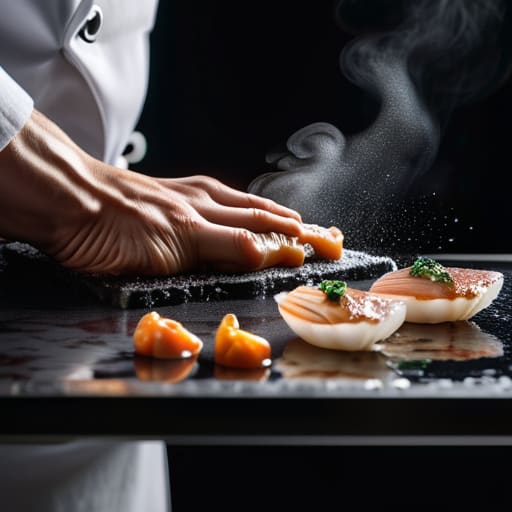
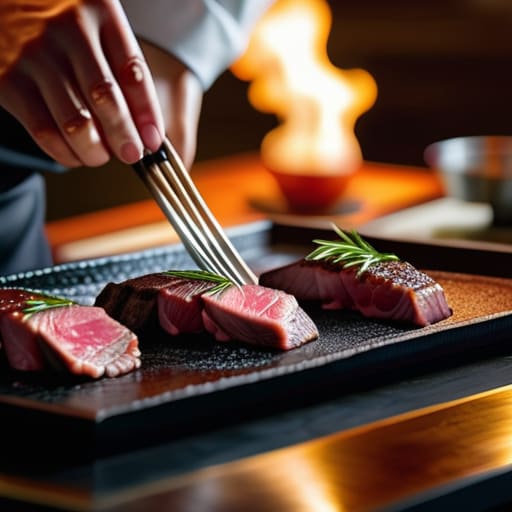
    To truly appreciate the meal, one must look past the steam and focus on the mechanics of the heat. There is a precise, almost mathematical discipline to Japanese iron griddle techniques that reminds me of the logistical precision I once demanded in my professional life. The chef does not merely cook; they manage a micro-environment of thermal zones. They move with a calculated economy of motion, shifting from the high-intensity sear required for a premium wagyu beef selection to the gentle, indirect warmth needed to preserve the delicate sweetness of seasonal scallops.

    It is a silent dialogue between metal and ingredient. Watching the way a chef manipulates the spatula to deglaze the surface with a splash of sake is a lesson in timing. Unlike the more boisterous hibachi style cooking often found in Westernized versions, the high-end experience is far more restrained. Here, the entertainment is found in the subtle shifts of color and the rhythmic, percussive sound of steel against iron. It is an intimate study of heat control, where every movement serves a specific, functional purpose in the pursuit of flavor.

    The Quiet Art of an Omakase Teppanyaki Menu

    The Quiet Art of an Omakase Teppanyaki Menu.

    There is a specific kind of trust required when you sit before an omakase teppanyaki menu. In my years of logistics, I learned that the most efficient systems are those where you relinquish control to a master of the craft. Here, you aren’t just ordering a meal; you are surrendering your evening to the chef’s intuition. You watch as they curate a sequence that feels less like a menu and more like a carefully timed transit schedule, where each course arrives exactly when the palate demands it.

    The progression is often a study in balance. A chef might begin with delicate seafood and vegetable pairings, perhaps a scallop seared just long enough to hold its sweetness, before moving into the heavy hitters. When the premium wagyu beef selection finally arrives, the transition is seamless. It isn’t about the spectacle of flames, though that exists; it is about the deliberate pacing of flavors. You find yourself leaning in, not just to eat, but to witness the quiet, focused rhythm of a professional who knows exactly how to navigate the heat.

    The Logistics of the Counter: Five Observations for a Seamless Evening

    • Position yourself with intention. While a corner table offers privacy, the true essence of teppanyaki is found at the counter. To understand the choreography of the chef and the heat of the steel, you must be part of the audience, not a distant observer.
    • Respect the rhythm of the service. Much like a well-managed supply chain, a teppanyaki meal operates on a precise sequence. Avoid interrupting the chef’s flow with premature questions; instead, let the sounds of the spatula and the aroma of the searing proteins guide your pace.
    • Trust the seasonal logistics. If you are dining omakase-style, do not fight the menu. The chef is sourcing based on what is most efficient and vibrant at that exact moment. The best meals are those where you surrender your preferences to the chef’s expertise.
    • Observe the subtle cues of seasoning. Pay attention to when the chef applies salt or soy. In high-end teppanyaki, these aren’t just condiments; they are calculated interventions designed to balance the fat content of the specific cut of meat being served.
    • Engage with the sensory details, not just the flavor. A teppanyaki experience is a multi-modal event. Notice the temperature of the air, the specific percussion of the metal on the iron, and the visual geometry of the plating. It is a holistic study in precision.

    The Logistics of a Perfect Meal

    True teppanyaki is a study in synchronized movement; look for the chef’s ability to manage heat, timing, and spatial awareness as if they were orchestrating a complex transit network.

    The value of the experience lies in the dialogue between the chef and the iron, where the rhythm of the tools tells a story more profound than any printed menu.

    To truly appreciate the meal, one must embrace the stillness of the counter, allowing the sensory details—the hiss of the sear and the scent of charcoal—to anchor you in the moment.

    The Choreography of the Counter

    Watching a master work the steel is less like watching a meal being prepared and more like observing a well-oiled logistics network in motion; there is a profound, quiet dignity in the way heat, timing, and precision converge to turn raw ingredients into a momentary masterpiece.

    Rurik Salonen

    The Final Note on the Griddle

    The Final Note on the Griddle performance.

    To sit at a teppanyaki counter is to witness a masterclass in logistical precision and culinary timing. We have explored how the specific language of heat and steel dictates the texture of the meal, and how the omakase structure allows a chef to curate a narrative that flows as smoothly as a well-timed transit line. It is not merely about the premium cuts of Wagyu or the freshness of the seafood; it is about the seamless integration of technique, timing, and the seasonal rhythm of the ingredients. When these elements align, the meal ceases to be a mere service and becomes a choreographed performance of efficiency and grace.

    As I close my notebook and prepare to step back out into the neon-lit hum of the city, I am reminded that the most profound experiences often happen in these small, focused spaces. We spend so much of our lives rushing through the grand corridors of the world, often overlooking the quiet brilliance of a single, well-executed moment. Whether you are navigating a sprawling subway network or sitting before a glowing iron griddle, there is a profound truth to be found in the deliberate mastery of one’s craft. Seek out these pockets of intentionality; they are where the true soul of a city resides.

    Frequently Asked Questions

    How can I best navigate the etiquette of seating and interaction when dining at a crowded teppanyaki counter?

    At a crowded counter, think of yourself as a passenger on a well-oiled transit line. Respect the flow. Keep your personal belongings tucked away to avoid encroaching on your neighbor’s space. When the chef begins their performance, offer a subtle nod of acknowledgment rather than loud commentary. It is a shared, rhythmic experience; maintain a quiet presence that respects the chef’s focus and the collective silence of the surrounding diners.

    Are there specific seasonal ingredients I should look for to truly understand the chef's connection to the local landscape?

    To understand the landscape, watch the menu shift with the seasons. In spring, look for tender bamboo shoots or sea bream to catch that fleeting freshness. Summer demands the brightness of unagi or seasonal vegetables to combat the humidity. Autumn brings the earthy weight of matsutake mushrooms, while winter is defined by the rich, fatty decadence of snow crab. A chef’s skill is best measured by how they honor these brief, natural windows.

    For someone traveling with a minimalist mindset, is it better to book a formal omakase or seek out more casual, localized griddle shops?

    If you travel light and value efficiency, I’d suggest the casual griddle shops. A formal omakase is a choreographed performance—beautiful, but it requires time and a certain mental stillness you might not always have. For the minimalist, there is a pragmatic elegance in the local spots. They offer high-quality sustenance without the ritualistic weight, allowing you to eat, observe the local rhythm, and get back to the streets.

  • Living in Smaller Japanese Cities

    Living in Smaller Japanese Cities

    I was sitting in a cramped, fluorescent-lit station in Okayama last Tuesday, watching a single elderly man meticulously organize his grocery bags before boarding a local train, when it hit me. Most travel blogs treat small city living japan like some sort of curated, Zen-like fever dream—all cherry blossoms and silent tea ceremonies. They sell you a version of rural life that is polished, predictable, and frankly, entirely hollow. They ignore the logistical friction, the quiet loneliness of a shrinking neighborhood, and the sheer, unvarnished reality of navigating a town where the convenience store is the social hub.

    I’m not here to sell you on a postcard fantasy. Instead, I want to talk about the mechanics of actually existing in these spaces. I will share what I’ve learned from years of observing how these smaller hubs actually function, from the reliability of local bus routes to the subtle social codes of the neighborhood bathhouse. My goal is to provide a grounded perspective on the practicalities of life outside the Tokyo sprawl, focusing on the functional beauty that only reveals itself when you stop looking for monuments and start looking at the streets.

    Table of Contents

    Decoding the Cost of Living in Regional Japan

    Decoding the Cost of Living in Regional Japan.

    When I first retired, I approached the idea of relocation like a logistics problem: I needed to balance the variables of square footage against the overhead of daily life. In Tokyo, you pay a premium for the privilege of proximity, but once you move toward the prefectural borders, the math changes significantly. The cost of living in regional Japan isn’t just about cheaper rent; it’s about the shift in how you allocate your resources. You trade the high-speed convenience of the Yamanote line for a life where a car becomes a non-negotiable tool, adding fuel and maintenance to your monthly ledger.

    However, the spreadsheet doesn’t capture everything. While your grocery bills might drop as you source more from local markets, you must account for the nuanced lifestyle differences that come with a slower pace. There is a profound sense of value found in the seasonal rhythms of a smaller town—buying produce when it is actually in season, rather than when it is most convenient. It is a different kind of economy, one built on stability and local connection rather than the constant, expensive friction of the metropolis.

    Mapping the Japanese Prefecture Lifestyle Differences

    Mapping the Japanese Prefecture Lifestyle Differences.

    When I look at a map of Japan, I don’t just see administrative boundaries; I see distinct logistical ecosystems. One cannot simply decide to move to a “small city” without understanding the profound Japanese prefecture lifestyle differences that dictate everything from the pace of the morning commute to the local social fabric. Moving from the hyper-efficient, almost clinical precision of Tokyo to a prefectural hub like Okayama or Shizuoka isn’t just a change in scenery—it is a shift in how you interact with the world around you.

    In the larger prefectural capitals, you still find the structural reliability I’ve come to appreciate, yet the rhythm of the streets feels less like a race and more like a steady pulse. You begin to notice the nuances of Japanese regional culture and traditions manifesting in the way local markets operate or how the seasonal festivals dictate the town’s energy. In these spaces, the infrastructure serves the community rather than just moving massive volumes of people. It is a subtle, vital distinction that defines whether a place feels like a mere transit point or a true home.

    The Logistics of Settling In: Five Practical Realities

    • Master the local bus schedule before you rely on the train. In regional cities, the rail lines might be efficient, but the bus is the true circulatory system of the community. If you miss the 4:15 PM loop, you aren’t just late; you’re stuck, and you’ll quickly learn how much the rhythm of the town depends on those specific timings.
    • Learn the geography of your local grocery stores, not just the convenience stores. The 7-Elevens are fine for a quick coffee, but understanding the weekly cycles of your local supermarket—when the fresh produce arrives or when the discounts hit—is where you’ll actually feel integrated into the local economy.
    • Invest in a high-quality bicycle and a sturdy lock. In smaller Japanese cities, the distance between your home, the station, and the local clinic is often too long to walk comfortably, yet too short to justify a car. A bicycle is the most efficient logistical tool for navigating the narrow, winding streets that cars can’t reach.
    • Don’t ignore the “Gomi” (trash) rules. It sounds trivial, but in a small community, your ability to sort your recyclables according to the strict local calendar is a silent way of showing respect. It is the most immediate way to signal that you are a functional part of the neighborhood rather than a transient observer.
    • Build a relationship with your local “Koban” (police box) officer. You don’t need to be in trouble to introduce yourself. In smaller municipalities, these officers are more than just law enforcement; they are the human nodes of the local information network. Knowing who they are can make the transition from stranger to resident much smoother.

    The Logistical Reality of Regional Living

    Prioritize proximity to local rail lines over central city prestige; in smaller prefectures, your quality of life is dictated by the reliability of the local bus or train schedule rather than the density of the neighborhood.

    Understand that cost savings in regional areas are often offset by a “convenience tax,” where specialized goods and services require more planning and logistical effort to acquire than they would in a major hub like Tokyo.

    Success in a smaller Japanese city requires a shift from a consumer mindset to a community mindset, where navigating social nuances and local rhythms is just as important as managing your monthly budget.

    The Logistics of Belonging

    Moving to a regional Japanese town isn’t a matter of simple arithmetic or comparing rent prices; it is a recalibration of your internal clock to match the slower, more deliberate pulse of a place that doesn’t feel the need to perform for anyone.

    Rurik Salonen

    The Quiet Logic of the Move

    The Quiet Logic of the Move.

    Moving away from the neon-soaked frenzy of Tokyo or Osaka isn’t a retreat; it is a strategic recalibration. We have looked at how the cost of living shifts when you trade skyscraper views for local markets, and how the distinct personality of each prefecture dictates the pace of your daily routine. To live well in regional Japan, you must balance the logistical realities of infrastructure and accessibility with the desire for a slower tempo. It requires a willingness to trade the convenience of a massive transit hub for the functional simplicity of a well-run local line and a community that knows its own rhythm.

    Ultimately, finding your place in a smaller Japanese city is less about the destination on a map and more about how you choose to observe the world. It is found in the steady hum of a morning commute on a single-car train or the way the light hits a quiet street corner at dusk. Don’t just look for a place that fits your budget; look for a place that allows you to truly see. If you approach the transition with a patient eye and a steady heart, you will find that the most profound beauty often resides in the spaces between the landmarks.

    Frequently Asked Questions

    How much does the lack of a major subway network impact daily logistics when moving away from Tokyo or Osaka?

    In Tokyo, your life is dictated by the rhythmic pulse of the Yamanote line. In regional Japan, that pulse disappears. Without a sprawling subway network, your logistical reality shifts from “walking to the station” to “managing a vehicle.” You stop thinking in terms of transit transfers and start thinking in terms of radius and road networks. It’s a fundamental change in how you navigate your day; mobility becomes a matter of planning, not just stepping outside.

    What are the practical realities of finding reliable high-speed internet and modern amenities in more rural prefectures?

    Don’t let the postcards fool you; connectivity in the countryside is a logistical puzzle. While Tokyo’s fiber optics feel like breathing, moving to a rural prefecture requires a tactical approach. You’ll often find that while major hubs are well-served, the “last mile” of infrastructure can be patchy. I’ve learned to always verify the specific provider’s footprint before signing a lease. It’s a trade-off: you gain silence, but you must manage your digital bandwidth with more intention.

    How do the social rhythms and community expectations change when transitioning from a metropolitan hub to a smaller regional town?

    In Tokyo, you are a ghost; you can disappear into a crowd of thousands and remain entirely anonymous. But in a regional town, the rhythm shifts from anonymity to visibility. There is a quiet, unspoken expectation of participation. You aren’t just a resident; you are a component of the local machinery. People notice your absence at the local market or the neighborhood shrine. It’s a shift from the efficiency of isolation to the weight of being known.

  • Guide to Living in a Tokyo Apartment

    Guide to Living in a Tokyo Apartment

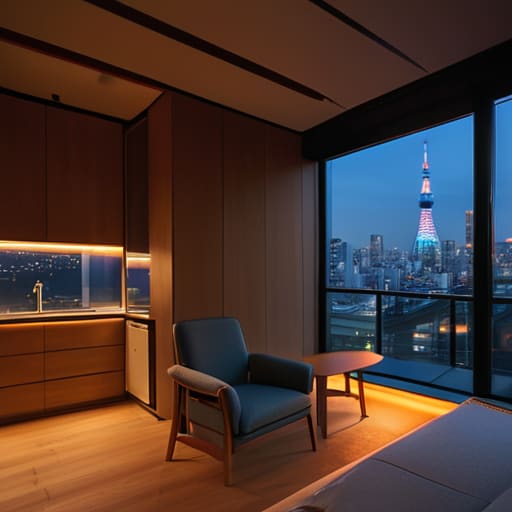
    I remember sitting on a milk crate in a cramped, sixth-floor studio in Setagaya, the late afternoon sun hitting the dust motes dancing above my single, narrow desk. Through the thin walls, I could hear the muffled, rhythmic percussion of a neighbor’s sliding door and the distant, metallic sigh of the Odakyu line. Most travel guides will sell you a glossy fantasy of high-rise luxury and neon-soaked convenience, but they completely ignore the sensory reality of true Tokyo apartment living. They don’t tell you about the specific geometry of living in a space designed for efficiency rather than expansion, or the way you learn to navigate the delicate social contract of shared walls and narrow hallways.

    I’m not here to show you curated real estate brochures or list the most expensive zip codes. Instead, I want to offer a logistical breakdown of what it actually means to inhabit this city. We are going to look past the marketing fluff to understand the mechanics of space, the nuances of neighborhood transit, and how to find a functional sanctuary amidst the urban rush. This is about finding your own quiet corner in the machine.

    Table of Contents

    Navigating Tokyo Real Estate Trends From the Station Edge

    I have always found that if you want to understand the shifting tides of a city, you don’t look at the skyscrapers; you look at the commuters pouring out of the ticket gates. In my years of logistics, I learned that movement dictates value. Currently, Tokyo real estate trends are being dictated by the friction between convenience and cost. As the central hubs become increasingly congested, there is a palpable migration toward the periphery—not out of necessity alone, but as a calculated move toward breathing room.

    The data tells one story, but the streets tell another. I see more people opting for the efficiency of a 1K layout in neighborhoods that were once considered “too far” for the salaryman. There is a growing sophistication in how people handle these constraints. It isn’t just about surviving in a small box; it is a masterclass in minimalist interior design Japan has perfected. You see it in the way a single, well-placed shelf or a piece of compact furniture for studio flats can transform a cramped room into a functional sanctuary. People aren’t just renting space anymore; they are curating it.

    The Quiet Geometry of Living in a 1k Apartment

    The Quiet Geometry of Living in a 1k Apartment

    There is a specific, almost mathematical precision required when you are living in a 1K apartment. In my years of logistics, I learned that efficiency isn’t just about speed; it’s about the intelligent use of every cubic centimeter. When your entire world is contained within ten to fifteen square meters, you quickly realize that minimalist interior design Japan isn’t just an aesthetic choice—it is a survival strategy. Every object must earn its place on your floor.

    I find myself sketching the layout of these units in my notebook, marveling at how a single room can function as a kitchen, bedroom, and office simultaneously. It requires a disciplined approach to small space organization tips, such as utilizing verticality or choosing multifunctional pieces. You don’t just inhabit these rooms; you curate them. There is a profound, quiet satisfaction in finding the perfect balance where nothing feels cluttered, yet nothing feels empty. It is a lesson in intentionality that most people, rushing toward the next big monument, completely overlook.

    Practical Realities: Five Observations from the Ground

    • Prioritize the walk, not just the station. A five-minute walk from a major hub is a luxury, but pay attention to the route. I’ve learned that a steep incline or a poorly lit stretch of road between the station and your front door can turn a daily commute into a chore you’ll eventually resent.
    • Master the art of vertical storage. In a 1K, floor space is your most precious commodity. Don’t just look at the square footage; look at the walls. If there isn’t room for shelving that reaches toward the ceiling, you’ll find yourself living in a landscape of clutter rather than a curated sanctuary.
    • Learn to read the soundscape before signing a lease. A neighborhood can look serene on a Saturday afternoon, but the logistics of urban life change at night. Visit the street at 11:00 PM. You need to know if that “quiet corner” is actually adjacent to a late-night izakaya or a ventilation shaft for a nearby commercial kitchen.
    • Respect the shared boundaries of “Mansion” living. In Tokyo, you aren’t just renting a box; you are entering a delicate ecosystem of neighbors. Check the thickness of the walls and the placement of the utility meters. A well-managed building is defined by how effectively it manages the invisible lines between private and communal space.
    • Factor in the “Hidden” logistics of moving. The rent is only one part of the equation. Between the key money, the agency fees, and the mandatory fire insurance, the upfront cost of entry is a significant logistical hurdle. Budget for the friction of the transition, not just the monthly cost of the space.

    The Logistics of Living: Three Lessons from the Ground Up

    Proximity to the station is a trade-off, not just a convenience; you aren’t just paying for shorter walks, you are paying for the specific acoustic landscape and the pulse of the neighborhood that comes with it.

    Space in a 1K apartment is a puzzle of efficiency, where the quality of your life depends entirely on how well you respect the boundaries of your few square meters.

    To find the right home, look past the shiny brochures and observe the flow of the streets at dusk; a neighborhood’s true character is revealed in how its residents move between the transit hubs and their front doors.

    The Architecture of Intimacy

    “In a city of fourteen million, a Tokyo apartment isn’t just a square footage calculation; it is a carefully curated sanctuary where the boundary between the frantic pulse of the street and the stillness of one’s own thoughts is measured in mere centimeters of drywall.”

    Rurik Salonen

    Finding Your Own Center

    Finding Your Own Center in city living.

    Choosing a home in this sprawling megalopolis is rarely about finding the most square footage; it is an exercise in understanding the delicate balance between accessibility and solitude. We have looked at how the proximity to a transit hub dictates the pulse of your daily life, and how the compact, efficient geometry of a 1K unit requires a certain disciplined intentionality. Whether you are navigating the shifting tides of real estate trends or learning to find comfort within a few dozen square meters, remember that your apartment is more than just a logistical base of operations. It is the anchor point from which you experience the rest of the city.

    In the end, a Tokyo residence is less about the walls themselves and more about the rhythm they allow you to cultivate. You might find that the most profound sense of home comes not from a sprawling view, but from the way the morning light hits your desk or the predictable, comforting hum of the city settling into its evening groove. Don’t rush the process of settling in. Allow yourself the time to observe the patterns, to learn the local convenience store’s schedule, and to find that small, quiet corner where the chaos of the metropolis finally fades into the background.

    Frequently Asked Questions

    How much does the proximity to a major transit hub actually impact the daily noise levels and sense of privacy in a residential building?

    It’s a trade-off between convenience and a certain kind of stillness. If you’re within a five-minute walk of a major hub like Shinjuku or Shibuya, you aren’t just buying proximity; you’re buying a constant, low-frequency vibration. Even with double-paned glass, the city’s pulse leaks in. You gain time, but you lose that absolute privacy of silence. I’ve found that retreating just two or three stations further out offers a much more profound sense of seclusion.
    When evaluating a small-scale apartment, what are the subtle logistical cues that indicate whether a building is well-maintained or simply masking its age?

    Don’t let a fresh coat of paint deceive you; look at the joints. Check the seals around the windows and the caulking in the bathroom. If they are cracked or discolored, the building is struggling with moisture. Then, listen. A well-maintained building has a predictable, quiet mechanical hum. If you hear erratic clanging from the pipes or the elevator struggles with a rhythmic shudder, the internal logistics are failing, regardless of how clean the lobby looks.

    Is it truly possible to find a sense of stillness in a neighborhood that sits right on the edge of a high-traffic commercial district?

    It is, though it requires a certain discipline of observation. I’ve found that stillness isn’t the absence of noise, but the presence of a predictable rhythm. You might live mere steps from a neon-lit thoroughfare, yet find absolute silence behind a heavy, soundproofed door or down a narrow residential alleyway that the crowds simply overlook. It’s about finding those pockets where the city’s frantic pulse slows into a steady, manageable hum.

  • Enjoying Matcha in Kyoto

    Enjoying Matcha in Kyoto

    I sat in a polished, overpriced tea room near Kiyomizu-dera last Tuesday, watching a tourist pay a premium for a bowl of bright green liquid that tasted more like lawn clippings than tradition. It’s the same logistical error I see in so many travel guides: they direct you toward the spectacle rather than the substance. Most people think finding authentic matcha in kyoto requires a reservation at a temple or a heavy price tag, but that’s just marketing noise designed to capture the casual passerby.

    I’m not interested in the performative side of tea culture. My goal here is to strip away the fluff and show you how to find the real thing—the kind that tastes of earth and quiet intention. I will guide you toward the small, functional tea shops tucked behind the transit hubs and the unassuming stalls where the masters actually work. This isn’t a list of monuments; it is a practical map to the quiet, bitter, and beautiful reality of Kyoto’s tea soul.

    Table of Contents

    Decoding Uji Matcha Quality in Hidden Alleys

    Decoding Uji Matcha Quality in Hidden Alleys

    Decoding Uji Matcha Quality in Hidden Alleys

    To the untrained eye, the vibrant green powder in a shop window looks identical to what you find in a supermarket. But after years of analyzing complex supply chains, I’ve learned that the truth lies in the nuances of production. When evaluating Uji matcha quality, I look past the marketing and focus on the color and the “bloom” of the powder. A truly superior tea will possess a deep, electric emerald hue, lacking the dull, yellowish tint that signals oxidation or lower-grade processing.

    As I navigate the narrow corridors away from the main thoroughfares, I often find myself comparing ceremonial grade matcha vs culinary grade by simply observing the texture. The ceremonial variety is an exercise in precision; it is milled so finely that it feels like silk against the skin, designed to dissolve seamlessly into water without a trace of grit. In these quiet, back-alley establishments, you aren’t just buying a product; you are witnessing the result of a meticulous, centuries-old logistical dance between the shaded tea fields and the stone mill.

    Ceremonial Grade Matcha vs Culinary the Truth in Detail

    Ceremonial Grade Matcha vs Culinary the Truth in Detail

    In my years managing complex logistics, I learned that a label rarely tells the whole story; you have to look at the source and the process. The same applies to the distinction between ceremonial grade matcha vs culinary varieties. When you are sitting in one of the more refined tea houses, you aren’t just paying for a powder; you are paying for the meticulous shade-growing process and the first harvest of the season. Ceremonial grade is characterized by a vibrant, electric green hue and a natural sweetness that lacks any trace of bitterness. It is designed to be whisked into a froth, meant to be experienced as a singular, meditative moment.
    Culinary matcha, by contrast, is a different beast entirely. It is often harvested later in the season, resulting in a more muted, olive-toned powder with a sharper, astringent edge. While it lacks the elegance required for a traditional tea ceremony experience, it is the backbone of the city’s sweeter side. If you find yourself on a spontaneous Kyoto matcha dessert tour, you will see this grade working hard in parfaits and soft-serve. It isn’t “inferior”—it simply serves a different functional purpose in the city’s culinary ecosystem.

    • Ignore the bright, neon-lit storefronts near the main gates of Kiyomizu-dera; they are designed for the rapid turnover of tourists. Instead, follow the local commuter lines toward the smaller stations where the tea shops lack English signage but possess the heavy, quiet dignity of true craftsmanship.
    • When selecting a shop, look at the hands of the practitioner. A true master doesn’t rush the whisking process to meet a queue; they move with a rhythmic, logistical precision that respects the temperature of the water and the aeration of the powder.
    • Do not be afraid of the “off-menu” experience. If you find a small shop tucked behind a residential block, ask for their seasonal blend. The best matcha often follows the subtle shifts in the local climate, much like the changing light I look for when I’m out with my Leica.
    • Pay attention to the vessel, not just the liquid. In Kyoto, the tea is an extension of the ceramic. A well-made matcha should feel balanced in a bowl that has a weight and texture suited to the season—heavier and warmer in the winter, lighter and more delicate in the humid summer months.
    • Carry a small amount of cash and a sense of patience. The most profound tea experiences in this city are often found in spaces that operate on a different clock than the rest of the world—places where the transaction is secondary to the ritual, and where the digital world simply cannot intrude.

    The Logistics of a Perfect Bowl

    Ignore the glossy storefronts on the main thoroughfares; the highest quality matcha is often found in the smaller, more specialized shops tucked away near the local rail lines, where the focus is on the leaf rather than the foot traffic.

    Understanding the distinction between ceremonial and culinary grade isn’t about marketing—it’s about the functional reality of how the powder interacts with water and temperature to produce a specific, unadulterated flavor profile.

    To truly experience Kyoto, you must look past the ritualized performance and focus on the sensory details—the specific shade of green and the temperature of the steam—which reveal the true character of the tea.

    The Geometry of a Single Bowl

    “Most travelers chase the spectacle of the tea ceremony, but the true essence of Kyoto isn’t found in the performance; it’s in the quiet, precise logistics of a single whisked bowl of matcha, served in a room where the only sound is the city breathing outside the paper screens.”

    Rurik Salonen

    Beyond the Whisk

    Finding authentic matcha Beyond the Whisk.

    As I sit here in a small corner near the Uji river, watching the commuters move with practiced efficiency, I realize that finding the perfect matcha isn’t about following a tourist map. It is about understanding the distinction between the superficial and the substantive. We have looked at how to navigate the subtle hierarchies of Uji’s production and why the distinction between ceremonial and culinary grades matters more than most travelers realize. To find the truth in your cup, you must look past the bright green powders sold in station kiosks and seek out the quiet, intentional craftsmanship found in those back-alley tea houses where the steam tells a story of lineage and patience.

    In the end, Kyoto is a city of layers, much like the whisked froth of a well-prepared bowl. If you rush through the transit hubs and the neon-lit streets, you will only ever taste the surface. But if you slow your pace—if you allow yourself to wander into the side streets where the logistics of tradition still hold sway—you will find that a single sip can ground you in the history of this place. Do not just seek a beverage; seek the rhythmic stillness that a perfect bowl of matcha offers amidst the urban rush. That is where the city truly breathes.

    Frequently Asked Questions

    How can I tell if a small, family-run shop is serving authentic Uji matcha or just a tourist-grade blend?

    Don’t look at the signage; look at the tools. A shop peddling tourist blends will often keep their matcha in large, open tins or plastic containers to catch the eye. Authentic Uji tea is sensitive—it demands darkness and airtight seals. If you see the proprietor whisking from a small, unassuming ceramic jar and the powder is a vibrant, electric green rather than a dull, brownish hue, you’ve found the real thing.

    Is it worth seeking out a traditional tea ceremony in a temple, or do I lose the "quiet truth" of the tea in such a formal setting?

    The temple ceremony is a study in choreography, not necessarily connection. While the ritual is beautiful, it can feel like a performance—a logistics of movement designed for observers. If you seek the “quiet truth,” you might find it more effectively in a small, unpretentious tea house where the only sound is the whisk hitting the bowl. Don’t mistake formality for depth; sometimes, the most profound moments happen in the spaces between the rituals.

    Beyond the tea itself, what are the best quiet corners or transit-accessible spots to sit and observe the city while enjoying a bowl?

    Skip the riverfront terraces; they’re too loud for true observation. Instead, take the Keihan Line toward the outskirts of Uji. There are small, nameless tea stalls near the local stations where the rhythm of the commuters provides a steady, grounding backdrop. If you prefer the city’s pulse, find a bench near a temple garden accessible by the Eizan Railway. There, with your matcha, you can watch the city breathe without being part of its rush.

  • Photographing the Urban Landscapes of Japan

    Photographing the Urban Landscapes of Japan

    I was standing on a platform at Shinjuku Station last Tuesday, watching a sea of commuters move with a precision that would make a logistics manager weep, when I realized how much we get wrong about japan urban photography. Most people arrive here with a checklist of neon-soaked landmarks, convinced that the “soul” of the city is found in the blinding glare of a Shibuya crossing. They chase the saturation, looking for a cinematic spectacle that often feels more like a postcard than a reality. But if you only aim for the bright lights, you’re missing the actual heartbeat of the metropolis—the way the light hits a rusted handrail in a quiet station or the stillness of a narrow alleyway just after a rainstorm.

    I’m not here to sell you on expensive lenses or the latest digital gimmicks. My goal is to share what I’ve learned from years of walking these streets with nothing but a film camera and a notebook. I want to show you how to look past the tourist traps to find the functional beauty in the chaos. We are going to focus on the rhythm of the transit systems and the quiet, shadowed corners where the real story of Japan lives.

    Table of Contents

    Finding Stillness in Tokyo Street Photography Locations

    Finding Stillness in Tokyo Street Photography Locations.

    I’ve often found that the most profound images aren’t captured in the frantic scramble of a major intersection, but in the moments where the city seems to catch its breath. While many travelers rush toward the neon chaos of the scramble, I prefer to seek out the pockets of silence that define the true character of the metropolis. In the narrow residential lanes of Yanaka or the shadowed corridors of old Shitamachi, the Japanese urban architecture photography takes on a different weight. Here, the textures of weathered wood and the precise geometry of utility poles offer a stillness that the high-rise districts simply cannot provide.

    When the sun dips below the skyline, the challenge shifts from finding space to managing light. I tend to avoid the predictable glare of the main thoroughfares, opting instead for the dim, amber-hued alleys of Golden Gai or the quiet underpasses of Yurakucho. This is where my focus shifts toward low light street photography gear and the patience required to wait for a single subject to break the gloom. There is a specific, quiet dignity in capturing a lone salaryman or a closed storefront under a flickering streetlamp; it is in these small, unscripted intervals that the city reveals its most honest face.

    Capturing the Cyberpunk Aesthetic Japan Offers at Dusk

    Capturing the Cyberpunk Aesthetic Japan Offers at Dusk.

    When the sun dips below the skyline, the city undergoes a structural transformation. The functional efficiency I spent my career admiring shifts into something more surreal. To capture the true cyberpunk aesthetic Japan offers, one must look past the primary neon signs and focus on how light bleeds into the damp pavement of narrow side streets. I often find that the most compelling shots aren’t found in the broad vistas, but in the way a single red lantern reflects off a puddle in a Shinjuku backalley, cutting through the heavy, blue-toned shadows of twilight.

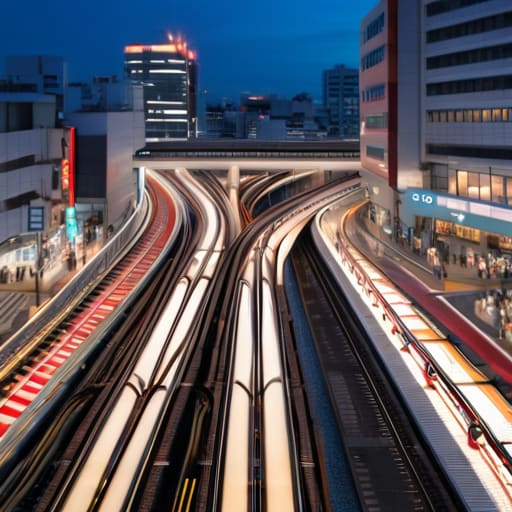
    For those attempting to document this transition, I recommend experimenting with long exposure cityscape techniques to soften the frantic movement of the crowds. While many flock to the main thoroughfares for quick snapshots, I prefer to find a steady vantage point overlooking a pedestrian bridge. This allows the light trails of the transit lines to weave through the heavy geometry of Japanese urban architecture photography, turning the city’s logistical skeleton into a glowing, interconnected web. It is in this intersection of light and steel that the city truly feels alive.

    The Logistics of the Lens: Five Practical Disciplines

    • Respect the silence of the transit system. When I’m shooting in a station, I keep my gear close and my movements quiet. There is a delicate social contract in Japanese public spaces; the moment you become a disruption to the flow of commuters, you lose the very authenticity you were trying to capture.
    • Lean into the grain of the twilight. Rather than chasing the cleanest, sharpest digital sensor performance, I often look for the grit. The way light bleeds from a vending machine into a damp alleyway is much more evocative when you allow for a bit of textural imperfection.
    • Study the maps before you pick up the camera. My habit of sketching subway layouts isn’t just a quirk; it’s a way to anticipate where light will hit a platform or where a crowd will bottleneck. A well-planned route saves your feet and ensures you aren’t just wandering aimlessly.
    • Watch the shadows, not just the subjects. In a city as dense as Tokyo, the architecture creates incredible geometric patterns of light and dark. I find that waiting for a shadow to bisect a street corner often yields a more compelling composition than any bright neon sign ever could.
    • Carry only the essentials. I’ve learned through years of logistics that excess weight is the enemy of observation. A single prime lens and a sturdy, unobtrusive camera allow you to blend into the urban fabric, making you a witness rather than a tourist.

    Lessons from the Lens and the Rail

    Stop chasing the landmarks; the true character of a Japanese city is revealed in the transitional spaces—the subway platforms, the narrow pedestrian corridors, and the way light hits a quiet vending machine corner at dusk.

    Respect the rhythm of the environment by observing the flow of commuters and the silence of the side streets before you even lift your camera; a good photograph requires an understanding of the city’s logistical pulse.

    Embrace the imperfections of the urban landscape, from the weathered textures of an old alleyway to the stark, functional geometry of a transit hub, as these details provide the authentic soul that polished tourist spots lack.

    The Lens and the Logistics of Light

    To photograph a Japanese city is not to capture its scale, but to document its precision—to find that singular, fleeting moment where the mechanical efficiency of a train station meets the soft, human stillness of a shadowed doorway.

    Rurik Salonen

    The Final Frame

    Urban photography capturing The Final Frame.

    As I sit in a small cafe near Shinjuku Station, flipping through my latest rolls of film, I am reminded that urban photography in Japan is a study of contrasts. We have explored the way the neon-soaked dusk can mimic a digital future, yet we must never lose sight of the quiet, shadowed corners that provide the necessary counterweight to that sensory overload. Whether you are chasing the high-energy aesthetic of a cyberpunk cityscape or seeking the meditative stillness of a side street in Yanaka, the goal remains the same: to document the tension between the machine and the human spirit. It is about recognizing that the logistical precision of the transit systems and the organic chaos of the alleyways are two sides of the same coin.

    If there is one thing my years in logistics taught me, it is that the most important details are often found in the transitions—the spaces between where we are and where we are going. Do not rush your walk through these cities. Put down the digital distractions, pick up your camera, and allow yourself to simply observe the rhythm of the street. You will find that the most profound images aren’t the ones that scream for attention, but the ones that whisper the truth of the city to those patient enough to listen.

    Frequently Asked Questions

    What kind of film stocks or camera settings do you recommend for capturing the low-light atmosphere of Tokyo's narrow alleys without losing the grain?

    For these narrow, shadowed corridors, I lean heavily on Kodak Portra 800. It handles the artificial tungsten glow of those tiny izakayas with a warmth that digital sensors often flatten. If you’re shooting color, don’t fight the grain—embrace it; it adds a necessary texture to the grit. I typically keep my aperture wide, around f/2.8, to pull light from the darkness while maintaining a slight, moody softness in the background.

    Are there specific etiquette or social norms I should be aware of when photographing commuters or people in more intimate urban spaces?

    In my years navigating corporate corridors, I learned that respect is the most vital currency. In Japan, privacy is paramount. Avoid long lenses that feel intrusive; they strip away the dignity of the subject. If you find yourself capturing a commuter, keep your distance and stay unobtrusive. If someone notices you, a small, polite nod goes a long way. In those quiet, intimate alleys, remember: you are a guest in their lived reality.

    How do you manage the logistical challenge of carrying heavy analog gear while navigating the crowded subway systems and long walks through the city?

    It’s a constant negotiation between weight and utility. I’ve learned that overpacking is a logistical failure. I stick to a single, well-worn leather messenger bag—nothing with too many compartments to fumble through in a crowd. I prioritize my most reliable prime lens and a sturdy roll of film, leaving the heavy zooms at the hotel. On long days, I rely on the rhythm of the subway to rest my shoulders, treating every transit leg as a necessary pause.

  • Navigating the Tokyo Public Transport System

    Navigating the Tokyo Public Transport System

    I remember sitting on a wooden bench at Shinjuku Station last autumn, the smell of damp concrete and roasted tea swirling around me, watching the sea of commuters move with a precision that felt almost choreographed. Most people see tokyo public transport as a daunting, labyrinthine nightmare of neon signs and overlapping lines, but they’re looking at it all wrong. They see the chaos, whereas I see a masterclass in logistics. If you stand still long enough, you realize the system isn’t just moving bodies; it’s the very heartbeat of the city, pulsing through a network that functions with a quiet, relentless grace.

    I have no interest in giving you a sanitized tourist brochure or a list of shiny landmarks. Instead, I want to show you how to actually navigate the flow. I’m going to pull back the curtain on the practical realities of the rails—from decoding the subtle etiquette of the Yamanote line to finding those rare, silent pockets of calm amidst the rush. My goal is to give you the tools to move through this city not as a confused outsider, but as someone who understands its rhythm.

    Table of Contents

    Decoding the Veins Tokyo Metro vs Jr Lines

    Decoding the Veins Tokyo Metro vs Jr Lines.

    To the uninitiated, the sprawling maps of Tokyo’s rail network can feel like a tangled web of impossible logic. But after several weeks of watching the commuters move with practiced precision, I’ve begun to see the underlying structure. The primary distinction lies in the battle of tokyo metro vs jr lines. The Metro and Toei lines are the intricate capillaries, threading through the dense, commercial heart of the city, while the JR lines act as the heavy arteries, circling the periphery and connecting major hubs like Shinjuku. Understanding this distinction is the first step toward moving with purpose rather than simply reacting to the crowd.

    Navigating these layers requires more than just a map; it requires a rhythm. I’ve found that while the JR lines offer incredible speed for long distances, the Metro is often superior for reaching those quiet, tucked-away neighborhoods where the real character of the city resides. When you are attempting to master navigating shinjuku station, don’t try to conquer it all at once. Instead, treat it like a logistical puzzle. Observe the signage, watch the flow of the crowd during peak hours, and remember that the goal isn’t just to arrive, but to understand the movement that carries you there.

    Mastering the Flow Peak Commuting Hours Tokyo

    Mastering the Flow Peak Commuting Hours Tokyo

    There is a specific, heavy stillness that precedes the morning rush, a momentary pause before the city’s circulatory system begins its frantic pumping. If you find yourself standing on a platform during the peak commuting hours in Tokyo, you aren’t just watching people move; you are witnessing a masterclass in synchronized logistics. Between 7:30 and 9:00 AM, the stations transform. The air grows dense, and the polite, rhythmic silence of the early morning is replaced by the mechanical urgency of thousands of lives intersecting at once.

    Navigating this tide requires more than just a map; it requires a certain spatial discipline. I’ve often found that the most successful way to move through the crush is to observe the flow rather than fight it. When you are attempting the daunting task of navigating Shinjuku Station during the height of the rush, the sheer volume of human movement can feel overwhelming. However, if you watch closely, there is a logic to the chaos. People move in predictable currents, guided by floor markings and the silent cues of the crowd. It is a delicate, high-stakes dance that, when understood, reveals the incredible efficiency of the city’s pulse.

    Practical Logics: Five Observations for the Mindful Traveler

    • Invest in a physical Suica or Pasmo card immediately. While digital versions exist, there is a certain tactile reliability in tapping a card that mirrors the rhythmic efficiency of the city; it removes the friction of decision-making when you are navigating complex transfers.
    • Study the station exits before you arrive. A single station like Shinjuku can be a labyrinth of dozens of exits; walking out of the wrong one can cost you twenty minutes of unnecessary backtracking through underground corridors.
    • Use the “Station Numbering” system to your advantage. Don’t rely solely on reading Kanji or even Romaji; look for the color-coded lines and the alphanumeric codes (like M17 for Marunouchi Line, station 17). It is a more logical, streamlined way to track your progress.
    • Observe the etiquette of the “Quiet Car” culture. In a city this dense, silence is a shared commodity. Keep your phone on silent and avoid calls; the collective calm of a train carriage is what allows the entire system to function without psychological friction.
    • Carry a lightweight, foldable map or keep a digital one cached. GPS can occasionally falter in the deep subterranean layers of the Tokyo Metro, and there is a quiet confidence found in knowing exactly where you are in relation to the surface.

    The Logistical Essentials

    Treat the distinction between JR and Metro lines as a matter of structural logic rather than mere convenience; understanding which network serves your specific quadrant of the city saves more than just time—it saves your composure.

    Respect the ebb and flow of the morning and evening surges; navigating the system during off-peak hours isn’t just a luxury, it’s the only way to actually observe the city’s mechanics without being swept away by the crowd.

    Embrace the digital tools but keep a mental map of the major hubs; a Suica card or a transit app gets you from point A to B, but knowing the layout of the stations allows you to move with intention rather than reactive panic.

    The Logic of the Labyrinth

    “To the uninitiated, the transit map looks like a tangle of impossible geometry, but once you stop fighting the complexity and start observing the flow, you realize it is actually a masterpiece of quiet, mechanical intention.”

    Rurik Salonen

    The Art of Moving Through the City

    The Art of Moving Through the City.

    Navigating this megalopolis requires more than just a Suica card and a basic map; it demands an appreciation for the distinct logic governing its movement. We have looked at how the intricate web of Metro and JR lines serves as the city’s skeletal structure, and we have acknowledged the sheer, overwhelming force of the morning rush. Understanding these layers—the distinction between the private lines and the public arteries, and the rhythmic ebb and flow of the commuters—is what transforms a frantic traveler into a seasoned observer. When you stop fighting the schedule and start reading the patterns, the complexity of Tokyo begins to feel less like a labyrinth and more like a finely tuned machine.

    Ultimately, I have found that the true value of the transit system isn’t found in how quickly it gets you to a landmark, but in the quiet moments of transition between stations. There is a certain, understated grace in a perfectly timed transfer or the silent, collective discipline of a crowded car at dusk. Don’t rush to reach your destination. Instead, allow yourself to sink into the tempo of the rails. If you watch closely enough, you will see that the transit system isn’t just a way to move people; it is the very heartbeat of the city, and to ride it is to truly understand Tokyo.

    Frequently Asked Questions

    How do I manage transfers between different private rail companies when my IC card doesn't seem to cover the whole journey?

    It’s a common friction point. Even with a Suica or Pasmo, you’ll occasionally hit a wall where one private line ends and another begins, requiring a separate fare. Don’t panic; it’s just a logistical hiccup. Most stations have automated gates that will deduct the first leg and prompt you for the next. If the gates won’t budge, head to the station office. I usually find it’s simpler to just top up my card slightly more than necessary to avoid the mental tax of constant math.

    Is it worth investing in a physical pass for a few days of sightseeing, or is the pay-as-you-go system more efficient?

    In my experience, the allure of a “magic pass” is often a logistical trap. Unless you are planning a relentless, cross-city marathon of subways and JR lines, the math rarely favors a fixed pass. I prefer the simplicity of a Suica or Pasmo card. It allows for spontaneity. You aren’t tethered to a specific route just to “get your money’s worth.” In Tokyo, efficiency is found in flexibility, not in rigid pre-planning.

    What is the best way to navigate the labyrinthine underground passages of major hubs like Shinjuku or Tokyo Station without losing my bearings?

    The secret isn’t in the map; it’s in the overhead signage and the floor. When I’m in Shinjuku, I ignore the crowds and look up. Follow the color-coded lines and the numbered exit signs—they are your anchors. Most importantly, don’t fight the current. If you feel lost, find a corner, pull out my notebook, and orient yourself before moving again. A moment of stillness prevents an hour of aimless wandering.

  • Celebrating Seasonal Festivals in Japanese Cities

    Celebrating Seasonal Festivals in Japanese Cities

    I remember standing on a crowded street corner in Kyoto last autumn, my Leica heavy around my neck, watching a sea of tourists surge toward a massive, neon-lit parade. They were chasing the “spectacle,” but all I could hear was the mechanical roar of the crowd and the frantic energy of people trying to capture something they weren’t actually feeling. Most people treat seasonal festivals like a checklist item—a loud, expensive, and often exhausting performance designed for a camera lens. They miss the point entirely by focusing on the grand scale, completely ignoring the way a festival actually functions as the circulatory system of a neighborhood.

    I have no interest in guiding you toward the overpriced souvenir stalls or the overcrowded viewing platforms. Instead, I want to show you how to find the quiet, functional rhythm of these celebrations by looking where others don’t. My goal is to provide you with a practical, logistics-minded approach to navigating seasonal festivals so you can find the genuine pulse of the city. We will bypass the hype and focus on the small, intentional moments that reveal how a community truly breathes when the seasons shift.

    Table of Contents

    The Quiet Resonance of Seasonal Solstice Rituals

    The Quiet Resonance of Seasonal Solstice Rituals.

    I’ve always found that the most profound shifts in a city’s atmosphere don’t happen during the grand, neon-lit parades, but during the subtle transition of the seasons. There is a specific weight to the air during seasonal solstice rituals, a quiet tension that settles over the neighborhoods of Tokyo and Osaka as the light begins to change. I often find myself sitting on a weathered wooden bench near a small neighborhood shrine, watching how the locals adjust their pace. It isn’t about the spectacle; it is about the way the community leans into the changing light, honoring a rhythm that has existed long before the skyscrapers arrived.

    These local holiday customs serve as a silent connective tissue between the past and the present. While the tourists are busy chasing the loudest celebrations, I prefer to observe the small, deliberate acts of devotion—the way a shopkeeper hangs a specific lantern or how a family gathers in a narrow alleyway to mark the turn of the year. These annual community gatherings are less about noise and more about a shared, unspoken understanding of time passing. In those moments, the city stops being a machine of logistics and starts feeling like a living, breathing entity.

    Tracing Cultural Heritage Celebrations Through Local Alleys

    Tracing Cultural Heritage Celebrations Through Local Alleys.

    I often find that the most profound cultural heritage celebrations don’t announce themselves with neon lights or loudspeakers. Instead, they reveal themselves through the subtle shift in a neighborhood’s atmosphere. Last Tuesday, while tracing a detour through a labyrinthine residential pocket in Setagaya, I stumbled upon a small group of neighbors preparing for their local holiday customs. There was no grand stage, just the rhythmic, methodical setup of wooden stalls and the scent of incense drifting from a nearby shrine. It was a reminder that the true pulse of a city is often found in these unscripted, micro-moments of connection.

    As I sat on a low stone wall, sketching the intersection in my notebook, I watched the logistics of the event unfold—the way the elderly residents moved with a practiced, silent efficiency to arrange the offerings. These annual community gatherings are the connective tissue of the urban landscape. They aren’t mere spectacles for tourists; they are the quiet mechanics of continuity, ensuring that even as the skyscrapers rise, the fundamental spirit of the district remains anchored to its past.

    • Don’t aim for the center of the crowd. The most profound moments of a festival rarely happen at the main stage; they occur in the periphery, where you can observe the locals’ quiet devotion without the crushing weight of the tourist surge.
    • Study the transit maps before you depart. Large-scale celebrations can turn a simple subway ride into a logistical nightmare; I prefer to identify smaller, secondary stations that allow for a more measured, walking-paced approach to the festivities.
    • Bring a physical notebook and a pen. Digital screens are too bright and too distracting when you’re trying to capture the specific way a lantern illuminates a weathered wooden gate or the precise rhythm of a neighborhood drum.
    • Watch the movement of the people, not just the spectacle. If you want to understand the true scale of a celebration, observe how the crowd flows through the narrow streets—the bottlenecks and the sudden openings tell you more about the city’s pulse than any guidebook.
    • Respect the silence between the noise. Every festival has its moments of high energy, but the true character of a seasonal ritual is found in the quiet transitions—the way the street settles back into its normal rhythm once the procession has passed.

    Lessons from the Sidelines

    Look past the grand processions; the true soul of a festival is often found in the smaller, unscripted moments in the narrow streets where the locals actually live.

    Observe the logistics of tradition—how a city’s ancient rhythms seamlessly weave themselves into the modern transit and movement of the metropolitan crowd.

    Use these seasonal shifts as a lens to understand the city’s breathing patterns, recognizing that a festival is not just an event, but a vital pulse in the urban landscape.

    The Pulse Beneath the Parade

    Most people look for a festival in the roar of the crowd or the height of the floats, but I’ve learned that the true rhythm of a season is found in the way the light hits a shrine after the visitors leave, and in the quiet, practiced precision of the locals who keep these rituals breathing.

    Rurik Salonen

    The Final Frame

    The Final Frame of seasonal city festivals.

    As I look back through the lens of my camera, I realize that these seasonal festivals are more than just dates on a calendar or organized spectacles for tourists. Whether it was the solemnity of a solstice ritual or the spontaneous joy found in a narrow backstreet procession, the common thread was the same: a profound connection to the rhythm of the seasons. We have seen how the grandest celebrations and the smallest, most intimate neighborhood gatherings serve as the vital connective tissue of the city. It is in these moments—the flicker of a lantern or the shared silence of a crowd—that the logistics of culture truly reveal themselves, showing us how a metropolis maintains its soul amidst the relentless movement of modern life.

    If there is one thing my years in logistics taught me, it is that the most important systems are often the ones you cannot see from the surface. A city breathes through its traditions, exhaling history and inhaling the energy of its people. I encourage you to step away from the bright lights of the main thoroughfares and seek out these smaller, more authentic pulses. Don’t just watch the festival; try to feel the way it settles into the pavement and the people. When you stop looking for the spectacle and start looking for the quiet truth, you will find that the city is no longer just a map of transit lines, but a living, breathing entity.

    Frequently Asked Questions

    How can I distinguish between the major tourist-centric festivals and the smaller, more intimate neighborhood rituals that offer a truer sense of the city's rhythm?

    Look for the scale of the logistics. Major festivals are choreographed spectacles; they are loud, heavily signaled, and designed for mass movement. You’ll see them on every English-language guidebook. To find the true rhythm, step away from the main arteries. Look for the shrines tucked between apartment blocks or the small processions winding through narrow lanes. If the crowd is composed of neighbors rather than spectators, you’ve found something real.

    Are there specific times of day or particular transit routes that make it easier to observe these celebrations without being swept up in the main crowds?

    The trick is to aim for the “shoulder hours.” If you arrive at a shrine or a local street festival just as the sun begins to dip, you catch the transition from the day’s bustle to the evening’s ritual. Logistically, I prefer the secondary transit lines—the smaller local loops rather than the main arteries like the Yamanote. They move slower, allowing you to watch the neighborhood’s preparation unfold through the window before you even step off.

    For someone who prefers a more observant, quiet approach, how much etiquette should I be aware of when photographing these local ceremonies in their more private, residential settings?

    In these residential pockets, discretion is your most valuable tool. I always treat a local ceremony like a delicate logistical operation: observe first, engage later. Never let your lens disrupt the natural flow of the ritual. If you find yourself in a private courtyard, a small, respectful nod to the residents goes much further than any formal apology. Keep your equipment minimal. The goal is to capture the atmosphere without becoming a disruption to it.

  • The Evolution of Japanese Urban Architecture

    The Evolution of Japanese Urban Architecture

    I was sitting on a weathered bench in a small corner of Yanaka last Tuesday, the smell of damp cedar and old rain heavy in the air, when I realized how much we get wrong. Most guidebooks treat japanese architecture like a museum exhibit—something static, something to be viewed from behind a velvet rope or a crowded temple gate. They talk about “grandeur” and “tradition” as if these things are frozen in time. But as I watched the light shift across the grain of a simple, unpainted wooden pillar, I realized that the real genius of these structures isn’t in their scale, but in their quiet utility.

    I’m not here to sell you on the aesthetic of a postcard or the expensive, curated views found in luxury magazines. My goal is to strip away the romanticized fluff and look at the bones of the country. I want to show you how a well-placed sliding screen or the deliberate flow of a narrow hallway dictates the very rhythm of life in a city. We are going to explore the functional elegance of these spaces, focusing on the structural logic and the small, intentional details that allow a building to breathe alongside its inhabitants.

    Table of Contents

    Mastering the Ma Concept in Spatial Design

    Mastering the Ma Concept in Spatial Design.

    In my years managing supply chains, I learned that the space between two points is just as vital as the points themselves. In the context of Japanese design, this isn’t just a logistical necessity; it is a deliberate, spiritual choice. This is the essence of the ma concept in spatial design. It is the intentional void, the pause in a musical score, or the empty expanse of a room that allows the mind to settle. When I sit in a small tea house in Kyoto, I realize the beauty isn’t in the furniture, but in the unoccupied air that gives the objects room to exist.

    This isn’t about emptiness for the sake of minimalism; it is about purposeful breathing room. You see it clearly in how a veranda connects a house to a garden, creating a transitional threshold that isn’t quite inside and isn’t quite outside. This interplay is deeply rooted in wabi-sabi architectural philosophy, where the beauty of imperfection and the significance of the “in-between” take center stage. To understand a space, you must learn to value the silence between the structures.

    The Quiet Logic of Wabi Sabi Architectural Philosophy

    The Quiet Logic of Wabi Sabi Architectural Philosophy.

    In my years managing supply chains, I learned that perfection is often a fragile, temporary state. In logistics, a system is only as good as its ability to withstand friction and wear. I find a similar, grounding truth in the wabi-sabi architectural philosophy. It is a rejection of the sterile, the polished, and the permanent. Instead, it embraces the beauty of things that are imperfect, impermanent, and incomplete. When I sit in a tea house, I am not looking for flawless surfaces; I am looking for the way a weathered timber beam tells the story of the seasons it has endured.

    This isn’t about decay, though; it is about a profound respect for the natural lifecycle of materials. You see it most clearly in the intricate wood joinery techniques used in traditional homes, where pieces fit together without a single nail, allowing the structure to breathe and shift with the humidity. There is a quiet dignity in a stone path that has been smoothed by decades of footsteps or a cedar wall that has silvered under the sun. It reminds me that true stability doesn’t come from resisting change, but from incorporating it into the design.

    The Logician’s Guide to Reading a Japanese Structure

    • Look for the threshold. In the West, we often treat a doorway as a mere transition, but in Japanese design, the genkan is a vital boundary. Pay attention to how the floor level shifts; it is a deliberate physical cue that tells your body to leave the chaos of the street behind and prepare for the stillness of the interior.
    • Observe the rhythm of the wood. Don’t just look at the shape of a building, but the grain and the joinery. I’ve spent many afternoons sketching how timber beams meet without a single nail. There is a profound, structural honesty in seeing how weight is distributed through interlocking joints—it is a masterclass in tension and grace.
    • Follow the light, not the walls. A room in a traditional Japanese house isn’t defined by its perimeter, but by how the light filters through shoji screens. The walls are often translucent, turning the entire structure into a soft lantern. If you want to understand the mood of a space, watch how the shadows move across the tatami mats as the sun dips.
    • Study the relationship between the inside and the outside. The engawa, that wooden veranda running along the edge of a room, is perhaps the most ingenious piece of urban engineering I’ve encountered. It isn’t quite inside and not quite outside; it is a buffer zone that allows a person to exist in the garden without truly leaving the shelter.
    • Respect the scale of the human element. Unlike the soaring, ego-driven cathedrals of Europe, Japanese architecture tends to scale itself to the person. Everything—from the height of a ceiling to the placement of a window—feels calibrated to the human eye and the human reach. It is architecture designed for living, not just for being looked at.

    The Architect’s Quiet Lessons

    True design isn’t about filling a space; it is about the intentionality of the gaps, where the concept of Ma allows a structure to breathe alongside its inhabitants.

    Beauty in Japanese architecture is found in the honest progression of time, embracing the weathered textures and imperfections that define the Wabi-Sabi philosophy.

    To understand a building, one must look past the facade and observe how it mediates the relationship between the rigid human world and the fluid, natural environment.

    ## The Architecture of Absence

    “Most people look at a Japanese building and see the wood, the stone, or the paper; they miss the most important element entirely—the space between them. True design isn’t about what is placed in a room, but how the emptiness allows the light to move and the spirit to settle.”

    Rurik Salonen

    The Architecture of Intent

    The Architecture of Intent in Japanese design.

    As I sit here in a small cafe near Shinjuku Station, sketching the way the light falls across the timber beams of the ceiling, I realize that Japanese architecture is less about the physical structures and more about the intentionality of space. We have explored how the concept of Ma provides a necessary breath between objects, and how the principles of Wabi-Sabi teach us to find dignity in the weathered and the imperfect. These aren’t just design trends; they are logistical solutions to the human condition, allowing us to find order and peace within the dense, kinetic energy of the modern metropolis. To understand these buildings is to understand the delicate equilibrium between the built environment and the natural world.

    Ultimately, I have found that you don’t need to be an architect to appreciate this discipline. You only need to be willing to slow down. The next time you find yourself navigating the labyrinthine streets of Tokyo or Osaka, I encourage you to look past the neon signs and the towering glass monoliths. Look instead for the way a sliding shoji screen modulates the morning light, or how a stone path guides your footsteps with quiet authority. When you stop rushing to reach a destination, you begin to see that true beauty isn’t found in the grand gestures, but in the quiet, functional elegance of a life designed with purpose.

    Frequently Asked Questions

    How does the integration of indoor and outdoor spaces actually function in a modern, cramped Tokyo apartment?

    In a Tokyo micro-apartment, the integration isn’t about sprawling gardens; it’s about the deliberate manipulation of sightlines. You’ll see it in the way a floor-to-ceiling window is positioned to frame a single, manicured bonsai or a sliver of sky, effectively pulling the “outside” into the room. It’s a logistical solution to a spatial problem—using light and borrowed scenery to trick the eye into perceiving depth where there is only a concrete wall.

    Beyond the aesthetic, what are the practical, structural reasons for using such lightweight materials like paper and wood?

    It isn’t just about the look; it’s about a sophisticated response to the environment. In a land defined by seismic activity, rigidity is your enemy. Wood provides the necessary flexibility to absorb tremors, while lightweight paper screens allow a structure to breathe and shift without catastrophic failure. From a logistical standpoint, these materials allow for modularity—the ability to reconfigure a space as needs change, ensuring the building evolves rather than becomes obsolete.

    If I want to experience this architectural philosophy today, should I be looking at preserved temples or contemporary urban design?

    It’s not an either-or proposition; it’s a matter of how you choose to observe. If you seek the purest, untouched expressions of these philosophies, the ancient temples are your baseline. But if you want to see how these principles survive the friction of modern life, look to contemporary urban design. Watch how a small, modern cafe manages light, or how a transit hub handles flow. That is where the philosophy truly breathes today.