Blog

  • The Blend of Tradition and Modernity in Kyoto

    The Blend of Tradition and Modernity in Kyoto

    Most people arrive in this city expecting a living museum, a static postcard of temples and tea houses frozen in time. They spend their entire trip fighting through crowds at Kinkaku-ji, completely oblivious to the actual logic of the streets. But if you want to understand kyoto urban design, you have to stop looking at the monuments and start looking at the flow. I remember sitting on a wooden bench near the Kamo River last autumn, sketching the way the narrow residential grids transition seamlessly into the wider commercial arteries. It wasn’t the gold leaf of the temples that caught my eye; it was the way the city’s ancient bones dictate the modern movement of every bicycle and bus.

    I’m not here to give you a curated list of tourist traps or a lecture on architectural history. Instead, I want to show you how this city actually breathes. I’ll be sharing my observations on how the transit networks and the subtle layout of the neighborhoods create a functional harmony that most travelers miss entirely. We are going to look past the hype and focus on the practical elegance of how Kyoto works.

    Table of Contents

    Traditional Machiya Preservation and the Citys Living Breath
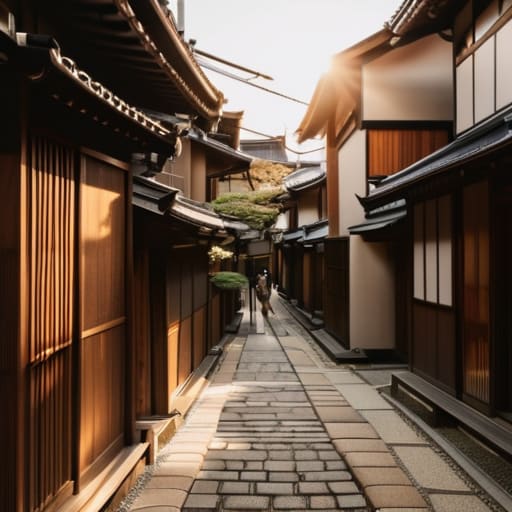
    Traditional Machiya Preservation and the Citys Living Breath.

    Walking through the narrow lanes of Gion or Nishijin, you realize that Kyoto’s true strength isn’t found in its grand scale, but in its granular density. The traditional machiya preservation efforts here aren’t just about saving old wooden facades for the sake of nostalgia; they are about maintaining a specific type of human-scale living. These long, narrow townhouses act as the connective tissue of the city, creating a rhythmic pattern of shadows and light that a modern skyscraper could never replicate.

    I often find myself sitting near these structures, sketching how they manage to coexist with the encroaching pressure of the 21st century. It is a delicate act of historical preservation vs modernization. When a machiya is repurposed into a small tea house or a quiet workshop rather than being razed for a concrete block, the city breathes easier. This careful cultural landscape integration ensures that the street level remains intimate and tactile. To me, this is the essence of a functional city: it honors its structural history while allowing the current generation to inhabit its bones without breaking the spell.

    Pedestrian Friendly City Planning in Narrow Ancient Alleys
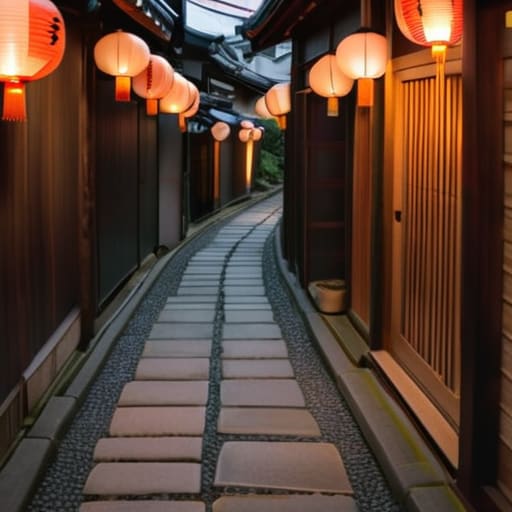
    Pedestrian Friendly City Planning in Narrow Ancient Alleys

    There is a specific kind of friction that occurs when you try to force modern scale into an ancient grid, and Kyoto manages it with a grace that most Western cities have long since lost. As I walked through the Gion district yesterday, I was struck by how the pedestrian-friendly city planning isn’t a result of modern zoning laws, but rather a stubborn adherence to a human-centric scale. These alleys weren’t designed for the throughput of vehicles; they were designed for the pace of a person.

    In my years in logistics, I learned that efficiency often comes at the cost of character, yet here, the narrowness of the streets serves a vital purpose. It creates a natural deceleration. You cannot rush through a space that demands you watch your footing or turn your shoulders to let a neighbor pass. This creates a seamless cultural landscape integration, where the transition from a bustling thoroughfare to a silent, stone-paved lane feels organic rather than forced. It is a delicate balance of historical preservation vs modernization, ensuring the city remains a functional living organism rather than a static museum.

    • Look past the temple gates and study the street layouts; the way the narrow lanes connect to larger arteries tells you more about the city’s historical flow than any guidebook will.
    • Pay attention to the height restrictions in older districts; the deliberate lack of skyscrapers isn’t just for aesthetics, it’s a functional way to preserve the sunlight and scale of the neighborhood.
    • Use the bus network as your primary lens for urban movement, but don’t just ride them—watch how the stops are integrated into the residential fabric to see how the city manages its daily logistics.
    • Seek out the intersection of old and new by finding where modern utility lines or subtle signage have been adapted to fit the traditional wooden architecture without disrupting the visual rhythm.
    • Slow your pace to a walking speed near the riverbanks; the transition from the dense, structured urban core to the more open, natural edges reveals how Kyoto balances its built environment with its geography.

    The Lessons of Kyoto's Urban Fabric

    True urban vitality isn’t found in grand monuments, but in the seamless way ancient residential structures, like the Machiya, continue to function within a modern logistical framework.

    The efficiency of a city is measured by its scale; Kyoto proves that human-centric, narrow alleyways can create a more intuitive and sustainable flow than sprawling, car-dependent grids.

    To understand a city’s soul, one must look past the tourist landmarks and observe the quiet intersections where historical preservation meets the practical necessities of daily transit.

    The Logic of the Labyrinth

    “Most people see Kyoto’s layout as a confusing maze of narrow lanes, but when you look closer, you realize it isn’t a mess—it’s a highly efficient, human-scaled machine designed to prioritize the flow of life over the speed of vehicles.”

    Rurik Salonen

    The Quiet Logic of Kyoto
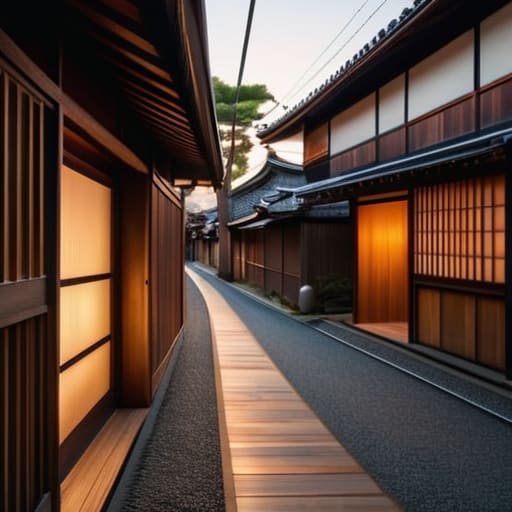
    The Quiet Logic of Kyoto urban design.

    Looking back at the layers we have peeled away, it becomes clear that Kyoto’s urban design is not a relic of the past, but a functioning, breathing organism. It is the delicate balance between the preservation of the Machiya and the modern necessity of a transit system that moves people without shattering the city’s soul. By prioritizing the pedestrian scale within those narrow, ancient arteries, Kyoto has managed to resist the sprawling, characterless expansion that plagues so many other global metropolises. The city doesn’t just exist; it operates through a calculated harmony of tradition and utility that most modern planners can only dream of achieving.

    As I sit here in a small corner cafe, sketching the way the sunlight hits the stone paths near the station, I am reminded that a city’s true value isn’t found in its grandest landmarks. It is found in the way a street corner invites you to slow down, or how a well-placed alleyway offers a momentary reprieve from the rush of the world. To understand Kyoto is to realize that intentionality is everything. When we design for the human scale and respect the history etched into the pavement, we create something more than just infrastructure—we create a place where a person can truly belong.

    Frequently Asked Questions

    How does the city balance the need for modern high-speed transit with the preservation of these fragile, narrow streetscapes?

    It’s a delicate logistical dance. Kyoto manages this tension by keeping the heavy lifting underground. The subway lines act as the city’s skeletal system, moving massive volumes of people beneath the surface, which allows the delicate capillary network of surface streets to remain pedestrian-focused. They don’t try to force modern throughput into ancient veins; instead, they use high-capacity transit hubs to funnel crowds toward the periphery, leaving the historic core to breathe at its own pace.

    In what ways are the zoning laws actually enforced to prevent modern high-rises from overshadowing the traditional machiya districts?

    It isn’t just a matter of polite suggestion; it’s a rigid, layered system of height restrictions and floor-area ratios. The city uses strict zoning classifications that essentially lock the traditional cores into low-rise zones. If a developer wants to build something substantial, they hit a wall of sunlight ordinances designed to protect the light reaching those narrow streets. It’s a logistical chess game where the preservation of the skyline is just as important as the streets themselves.

    Beyond the tourist-heavy areas, where can one find the most successful examples of modern urban planning that respects Kyoto's historical scale?

    If you want to see how Kyoto manages the tension between progress and heritage, head toward the area around the Kyoto Botanical Gardens or the quiet residential pockets of Sakyo-ku. Here, the scale remains human. You’ll notice how the modern road layouts and light rail access don’t overwhelm the landscape; instead, they weave around the existing greenery and low-rise structures. It’s a masterclass in subtle integration—modern functionality that refuses to shout over the city’s history.
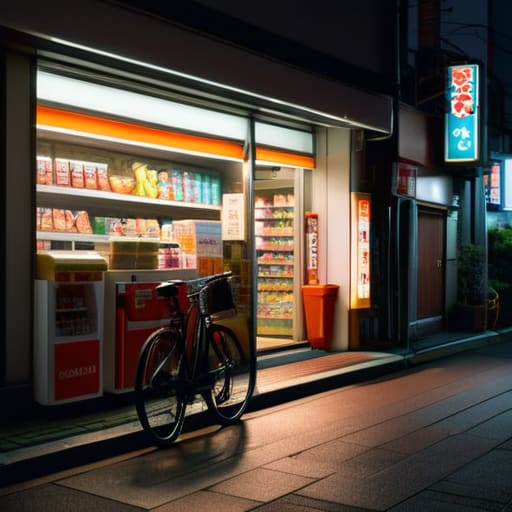
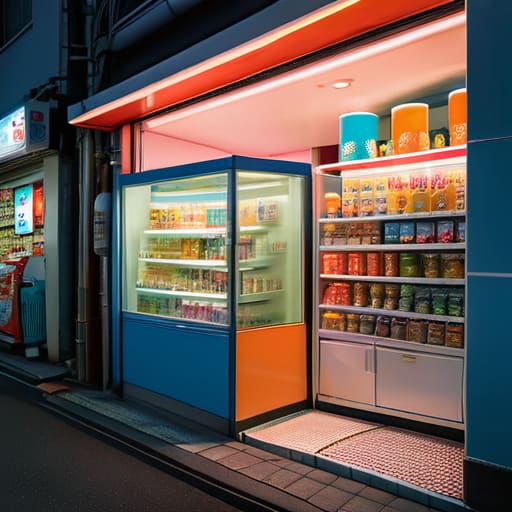
  • The Role of Convenience Stores in Urban Japan

    The Role of Convenience Stores in Urban Japan

    I was standing in the middle of Shinjuku Station last Tuesday, watching a sea of salarymen move with a terrifying, synchronized precision, when I realized I wasn’t hungry for a Michelin-starred meal; I was hungry for something functional. Most travel guides will try to sell you on the “magic” of Japanese convenience stores as if they are culinary shrines, but that’s a romanticized distraction. To me, the true essence of konbini culture isn’t found in the flashy seasonal sweets or the viral TikTok snacks, but in the unseen logistical perfection that allows a city of thirty million to keep breathing through the night.

    I’m not here to give you a list of trendy items to photograph for your social media feed. Instead, I want to pull back the curtain on how these small, brightly lit hubs actually serve as the lifeblood of the urban landscape. I will show you how to navigate them like a local, identifying the high-quality staples that actually sustain a person, and understanding the quiet efficiency that makes them indispensable. We aren’t looking for gimmicks; we are looking for the truth in the details.

    Table of Contents

    Japanese Urban Convenience the Citys Quietest Lifeline

    Japanese Urban Convenience the Citys Quietest Lifeline.

    To the uninitiated, a convenience store is merely a place to grab a quick snack. But to someone who has spent decades studying how systems move, I see them as the unseen circulatory system of the Japanese metropolis. They are the nodes that keep the city’s rhythm steady, even when the sun goes down. Whether it is a bright Lawson near Shinjuku Station or a tucked-away FamilyMart in a residential corner of Osaka, these spaces provide a level of Japanese urban convenience that feels almost mathematical in its precision. They are constant, reliable, and essential.

    I often find myself standing before the refrigerated cases, less interested in the flashy sweets and more drawn to the logistical perfection of the onigiri and bento selection. There is a quiet dignity in how a simple rice ball is wrapped, designed to be eaten on the move without a single grain falling out of place. Even the seasonal konbini limited editions follow a strict, predictable cycle that mirrors the shifting seasons outside. It isn’t just about food; it is about a seamless integration of service and survival that allows the city to keep breathing, one transaction at a time.

    The 24 Hour Service Lifestyle Where the Streets Breathe

    The 24 Hour Service Lifestyle Where the Streets Breathe.

    There is a specific kind of rhythm to a city that never truly sleeps, a steady, low-frequency hum that most people ignore. In Tokyo, this rhythm is regulated by the 24-hour service lifestyle that anchors every neighborhood. I’ve often found myself standing outside a brightly lit Lawson or FamilyMart at three in the morning, watching the ebb and flow of the streets. It isn’t just about the convenience of a quick snack; it is about the psychological safety of knowing that no matter how late the logistics of life run, the lights will remain on.

    When the rest of the world feels shuttered, the sheer variety within these small footprints is staggering. I recently spent twenty minutes just observing the precision of the onigiri and bento selection being restocked during a shift change. There is a quiet dignity in the way the staff manages the influx of salarymen and late-night travelers alike. It’s a microcosm of the city’s efficiency—a place where the complex machinery of urban life pauses for a moment of predictable, reliable sustenance.

    • Watch the rhythm of the entrance. There is a specific, unspoken choreography to the chime and the sliding doors; don’t rush the flow. Wait for the beep to subside before you approach the counter, much like waiting for a signal change at a busy intersection.
    • Look past the bright, branded displays. The true logistical marvels—the seasonal bento boxes and the precisely timed hot snacks—are often tucked in the corners. I’ve found that the best meals are the ones that feel like a quiet necessity rather than a marketing push.
    • Master the art of the “point card” question. When the clerk asks about a loyalty card, a simple, polite “nai desu” (I don’t have one) is all you need. It keeps the transaction efficient, maintaining the steady pace that makes these spaces work so well.
    • Utilize the multifunctionality. A konbini isn’t just a pantry; it’s a hub. Whether you need to print a document, ship a package, or withdraw yen, treat it as a vital node in your daily transit rather than just a place to grab a quick snack.
    • Observe the seasonal shifts. In my notebook, I track how the offerings change with the humidity and the light. A konbini in July feels fundamentally different from one in November. To understand the city’s breath, you must notice what it’s consuming at any given moment.

    The Quiet Logic of the Konbini

    Beyond mere retail, the konbini serves as a vital node in the city’s logistical network, providing a predictable, functional anchor for the restless urban rhythm.

    The true value of these spaces lies in their accessibility; they offer a rare, friction-less sanctuary that allows the city to function smoothly even in the dead of night.

    To observe a convenience store is to observe the local pulse, revealing the subtle shifts in a neighborhood’s energy through the simple ebb and flow of its patrons.

    The Logistics of Comfort

    “To the untrained eye, a konbini is merely a shop, but to those of us who study the flow of a city, it is the vital valve that regulates urban pressure—a small, brightly lit sanctuary that ensures the city’s complex machinery never truly grinds to a halt.”

    Rurik Salonen

    The Smallest Essential Gear

    The Smallest Essential Gear for urban life.

    Looking back at the intricate web of convenience we have discussed, it becomes clear that the konbini is far more than just a retail outlet. It is a vital node in the urban logistics of Japan, a reliable constant that stabilizes the frantic pace of Tokyo and Osaka. From the seamless integration of payment services to the way these stores act as unseen anchors for the late-night worker or the early-morning commuter, they provide a sense of structural predictability. They are the connective tissue that allows the city to function without pause, offering a steady rhythm in an otherwise unpredictable metropolitan landscape.

    As I sit here, sketching the layout of a nearby intersection in my notebook, I am reminded that we often overlook the most important parts of a journey. We chase the grand vistas and the famous temples, yet we find our true comfort in the small, dependable details. The next time you find yourself navigating a foreign street, don’t just look for the landmarks. Look for the quiet, glowing windows of the corner shop. It is in these modest, functional spaces that you will truly begin to understand how a city breathes.

    Frequently Asked Questions

    How do the different chains—like 7-Eleven, Lawson, and FamilyMart—actually differ in terms of their specific food offerings or atmosphere?

    To the untrained eye, they are identical. But once you watch the patterns, the distinctions emerge. I’ve found 7-Eleven to be the most reliable for high-quality, consistent staples—their coffee and egg sandwiches are logistical triumphs of freshness. Lawson feels a bit more indulgent, a go-to for those late-night sweet cravings or specialized desserts. FamilyMart, however, has a certain grit to it; their fried chicken is the quintessential companion for a quick meal on a subway platform.

    Is it practical to rely on konbini for daily meals, or does that eventually strip away the experience of authentic local dining?

    It’s a logistical trade-off. If you treat the konbini as your primary pantry, you’ll certainly master the art of efficiency, but you’ll miss the seasoning of the city. I use them for tactical fuel—a quick onigiri between subway transfers—but I make it a rule to seek out a small, steam-filled ramen shop or a neighborhood izakaya for my main meals. Convenience is a tool; don’t let it become a substitute for discovery.

    How do these stores manage to maintain such high levels of logistical precision and product freshness in high-density urban areas?

    It comes down to a relentless, synchronized dance of micro-logistics. These stores don’t rely on massive, infrequent deliveries; they live by a high-frequency, small-batch rhythm. I’ve observed that the replenishment cycles are timed almost to the minute, often occurring during the city’s quietest hours. It’s a sophisticated “just-in-time” system where data-driven forecasting meets hyper-local distribution, ensuring that even in a dense ward, the shelf never stays empty and the rice stays warm.

  • Exploring the Historic Streets of Kyoto

    Exploring the Historic Streets of Kyoto

    I was sitting on a wooden bench near the Gion district last Tuesday, watching a swarm of tourists shuffle toward a famous golden pavilion with the synchronized, mindless energy of a conveyor belt. It struck me then how much we miss when we chase the “must-see” lists. Most people treat Kyoto like a checklist of monuments, but if you spend your whole trip fighting through crowds at the major landmarks, you’ll never actually see the city. The real soul of the place isn’t found in the grand, gilded spectacles that dominate every guidebook; it’s tucked away in the kyoto urban temples that sit quietly between a convenience store and a narrow residential alley.

    I’m not here to sell you on the postcard versions of this city. Instead, I want to show you how to find the quiet, functional beauty that exists in the spaces most travelers walk right past. I’ll be sharing my own notes on the small, weathered shrines and tucked-away temple gardens that offer a genuine sense of peace without the logistical nightmare of massive crowds. My goal is to help you understand how this city actually breathes, one hidden corner at a time.

    Table of Contents

    Tracing Zen Buddhism Kyoto Through Narrow Backstreets

    Tracing Zen Buddhism Kyoto Through Narrow Backstreets

    To truly grasp the essence of Zen Buddhism in Kyoto, you have to abandon the idea of following a map. The most profound experiences don’t happen at the major gates where the tour buses idle; they happen when you intentionally lose your way in the labyrinthine alleys of the Higashiyama district. I often find myself ducking away from the main thoroughfares, following the faint scent of incense that drifts from a gap between two modern residences. It is in these hidden gems in Kyoto city—a tiny stone lantern here, a weathered wooden gate there—that the city’s spiritual history feels most tangible.

    As I navigate these narrow passages, I pay close attention to the nuances of Japanese Buddhist architecture. There is a deliberate, functional simplicity in the way a temple veranda meets the mossy earth, a design intended to foster stillness. Unlike the grander monuments, these smaller spaces require a different kind of attention. You aren’t just observing a structure; you are witnessing a carefully preserved rhythm of life that has remained unchanged while the rest of the world accelerated.

    The Quiet Architecture of Historic Temple Districts

    The Quiet Architecture of Historic Temple Districts.

    When you step away from the main thoroughfares of Higashiyama, the scale of the city shifts. You stop looking up at the towering skyline and start looking at the way wood and stone settle into the earth. In these historic temple districts, the architecture isn’t designed to dominate the landscape, but to exist in a state of perfect, calculated tension with it. I often find myself pausing to study the joinery of a weathered gate or the specific slope of a tiled roof; there is a profound, mathematical logic to Japanese Buddhist architecture that mirrors the efficiency I used to look for in a well-oiled supply chain.

    It is in these structural details—the way a heavy timber beam supports a sweeping eave—that the city’s history feels most tangible. While most visitors rush toward the famous golden pavilions, I prefer the weight of the silence found in a courtyard where the only sound is the rhythmic drip of a stone basin. These spaces are the true hidden gems in Kyoto city, offering a structural stillness that serves as a necessary counterweight to the relentless momentum of modern urban life.

    Logistics of the Soul: How to Navigate Kyoto’s Sacred Spaces

    • Forget the bus maps for a moment. The most rewarding way to encounter these urban sanctuaries is by walking the gaps between major transit hubs. When you step off the subway and veer away from the main thoroughfares, you’ll find the temples that haven’t been smoothed over by heavy foot traffic.
    • Timing is everything in a city that breathes through its rhythms. Aim for the hour just after the morning rush or the quiet lull before the midday heat. A temple at 8:00 AM offers a different, more honest texture than one crowded with tour groups at noon.
    • Look for the threshold, not just the shrine. Pay attention to the transition from the concrete sidewalk to the stone path of a temple courtyard. That shift in sound and air is where the true urban experience lies; it’s the city’s way of exhaling.
    • Bring a physical notebook, not just a smartphone. There is a specific kind of stillness required to sketch a weathered gate or map a courtyard’s layout. It forces you to slow your pace and actually observe the structural integrity and the way the moss claims the stone.
    • Don’t be afraid of the “in-between” spaces. Some of the most profound moments of clarity I’ve found weren’t inside a grand hall, but sitting on a wooden bench near a small, nameless roadside altar. If a space feels quiet and functional, stay a while.

    Lessons from the Kyoto Alleys

    Look past the grand, postcard-perfect shrines; the true character of the city reveals itself in the weathered, nameless temples tucked between modern storefronts and transit hubs.

    Pay attention to the logistical flow of the streets—understanding how a narrow alleyway connects a bustling station to a silent courtyard is how you truly grasp the city’s rhythm.

    Slow your pace to observe the small, functional details, like the placement of a stone lantern or a mossy step, as these are the quiet anchors that keep the city’s history from being swept away by modern life.

    The Pulse Beneath the Pavement

    “Most travelers chase the grand silhouettes of the great temples, but the true soul of Kyoto isn’t found in the spectacle; it’s tucked into those small, weathered sanctuaries that sit quietly between a convenience store and a bus stop, breathing in rhythm with the city’s daily commute.”

    Rurik Salonen

    The Geometry of Stillness

    The Geometry of Stillness in Kyoto architecture.

    As I sit here in a small café near the Sanjo line, looking over my sketches, I realize that Kyoto’s urban temples aren’t just historical sites; they are the essential pressure valves of the city. We have traced the path from the grand, structured architecture of the historic districts to the weathered, unassuming shrines tucked into the narrowest backstreets. What we’ve found is that the true essence of Kyoto doesn’t reside solely in the gold leaf of Kinkaku-ji, but in the way a stone lantern catches the morning light between two modern apartment blocks. It is the seamless integration of the sacred and the mundane that allows this city to maintain its equilibrium despite the relentless march of modernization.

    If you find yourself overwhelmed by the neon and the crowds, I suggest you stop looking for the landmarks on your map. Instead, look for the gaps—the small, quiet corners where the transit lines fade into pedestrian alleys and the temple gates beckon. When you stop trying to conquer the itinerary and start observing the way the city breathes through these pockets of stillness, you will find something far more valuable than a photograph. You will find the quiet, functional beauty that defines a life well-lived. Keep your eyes low, your pace steady, and let the rhythm of the streets guide you to the truth.

    Frequently Asked Questions

    How can I tell which smaller, neighborhood temples are actually worth a detour versus those that are just part of the tourist flow?

    Look for the signs of local maintenance rather than polished marketing. A temple worth your time usually lacks a flashy English signboard but possesses a well-tended moss garden or a small, weathered stone Jizo statue that locals clearly care for. If you see a neighborhood elderly resident pausing to bow or leave a small offering, you’ve found a place that still breathes. Avoid the ones with souvenir stalls; seek the ones with silence.

    Is there a specific time of day when the transit-adjacent temples feel the most peaceful, away from the midday rush?

    If you want to catch these places at their most honest, aim for the early morning, just as the first trains are beginning to hum. There is a specific stillness around 7:00 AM when the temple grounds are still catching the light, but the city’s commuters are just starting their ascent. You avoid the midday swell of tourists and find the temple in its natural state—a quiet, functional anchor before the urban rush takes hold.

    What should I look for in the architectural details to understand the practical way these temples were integrated into the older city layout?

    Look at the threshold between the temple walls and the street. You’ll notice how the gates aren’t just ceremonial; they act as structural anchors for the surrounding neighborhood. Pay attention to the drainage channels and the way the stone paths transition seamlessly into the public alleys. These aren’t accidental. They reveal a sophisticated, centuries-old logistical dance, ensuring that sacred spaces and bustling commerce could coexist without disrupting the city’s vital flow.

  • Finding Spiritual Peace in Japanese Cities

    Finding Spiritual Peace in Japanese Cities

    The scent of incense always hits me first, cutting through the heavy, metallic tang of the Shinjuku subway station. I remember standing there last Tuesday, my Leica hanging heavy around my neck, watching a salaryman pause for exactly three seconds before a tiny, weathered stone altar tucked between two vending machines. Most people see these urban shrines as mere clutter or architectural leftovers, something to be navigated around in their rush to catch the next train. They miss the fact that these pockets of stillness are the only things keeping the city’s frantic pace from becoming entirely inhuman.

    I’m not here to give you a curated list of the most “Instagrammable” landmarks or the high-traffic tourist spots that have lost their way. Instead, I want to show you how to spot the real ones—the quiet, functional spaces that actually serve the neighborhood. I’ll share my notes on how to recognize the authentic pulse of a district through its smallest altars, helping you find that rare, meditative silence that exists right in the middle of the concrete chaos.

    Table of Contents

    Miniature Shrines and Street Altars the Citys Secret Breath

    Miniature Shrines and Street Altars the Citys Secret Breath

    I was walking through a narrow alleyway in Setagaya last Tuesday, my Leica heavy around my neck, when I spotted one. It wasn’t a grand temple with sweeping eaves, but a tiny stone Jizo statue tucked between a vending machine and a concrete utility pole. These miniature shrines and street altars are the city’s true connective tissue. They exist in the margins, occupying the few inches of space that the relentless march of urban development hasn’t quite managed to pave over. To the salaryman rushing toward the Chuo Line, they are invisible obstacles; to me, they are the pauses in a frantic sentence.

    There is a profound, quiet logic to how these sites function. They represent a seamless integration of shinto rituals and modern life, where a small offering of water or a fresh sprig of greenery sits undisturbed amidst the hum of air conditioners and passing scooters. Finding these pockets of stillness provides a unique way of finding peace in busy environments. You don’t need to find a mountain retreat to experience a sense of the sacred; sometimes, you just need to look down at the base of a telephone pole to see where the city actually breathes.

    Finding Peace in Busy Environments Through Small Devotions

    Finding Peace in Busy Environments Through Small Devotions

    I often find myself standing on a crowded corner in Shinjuku, the neon lights blurring into a frantic smear of color, feeling the sheer weight of the city’s momentum. It is in these exact moments of sensory overload that I seek out the small, stone-carved sentinels tucked between glass skyscrapers. There is a profound, quiet logic to how these sacred spaces in metropolitan areas function; they don’t compete with the surrounding noise, but rather offer a silent counterpoint to it.

    When I stop to observe a salaryman pausing for a brief, respectful bow before a tiny roadside altar, I am reminded that finding peace in busy environments isn’t about escaping the chaos, but about finding the friction points where stillness persists. These moments of Shinto rituals and modern life aren’t grand spectacles; they are micro-adjustments to the soul. They allow a person to recalibrate, if only for a second, before being swept back into the relentless flow of the crowd. It is a necessary, rhythmic breathing room that keeps the city from feeling entirely mechanical.

    A Logistical Guide to Approaching the Sacred

    • Don’t rush the entrance. Even if you’re just passing through a crowded corridor in Shinjuku, take a moment to acknowledge the boundary. A small, respectful nod as you pass the torii gate is all it takes to honor the space without disrupting the flow of the street.
    • Watch the locals for the rhythm of ritual. You don’t need to be a scholar of Shinto to participate; simply observe how the neighborhood regulars bow or toss a coin. There is a quiet, functional choreography to these small altars that is best learned through watching rather than reading.
    • Keep your eyes at street level. The most profound shrines aren’t the massive complexes with sprawling grounds; they are the ones tucked between a vending machine and a concrete pillar. If you only look up at the skyscrapers, you’ll miss the city’s actual heartbeat.
    • Carry a few small coins, preferably clean ones. There is something grounding about the tactile sensation of dropping a five-yen coin into a wooden offering box. It’s a small, physical transaction that connects your personal movement to the stillness of the shrine.
    • Respect the silence of the micro-environment. These tiny pockets of sanctity act as pressure valves for the city’s chaos. Even if you are only standing there for thirty seconds to capture a frame on my Leica, keep your voice low and your movements steady. Let the shrine breathe.

    The Logistics of Stillness

    True urban exploration isn’t measured by the landmarks you photograph, but by the quiet, functional spaces—like street-side altars—that allow a city to pause and breathe.

    Learning to notice the small, tucked-away shrines amidst the transit rush is a way of understanding the city’s true rhythm and its underlying social architecture.

    Finding peace in a metropolis requires a shift in perspective; you must look past the chaos of the crowd to find the steady, enduring details that most people simply walk right past.

    The Geometry of Silence

    A city’s true rhythm isn’t found in the roar of the Yamanote line, but in the sudden, profound stillness of a roadside altar—a small, sacred pause in the middle of a relentless logistical machine.

    Rurik Salonen

    The Architecture of Stillness

    The Architecture of Stillness in urban spaces.

    Looking back at the maps I’ve sketched and the routes I’ve walked, it becomes clear that these urban shrines are more than just religious relics. They are the essential pressure valves of the metropolis. Whether it is a tiny stone Jizo statue tucked between two vending machines or a weathered wooden gate nestled against a skyscraper, these spaces provide a necessary counterweight to the relentless momentum of the street. We have seen how they offer a moment of reprieve for the hurried salaryman and how they anchor the neighborhood in a way that no grand monument ever could. To understand a city like Tokyo or Osaka, you cannot simply look at the skyline; you must look at the gaps between the buildings.

    As I pack my Leica and close my notebook, I am reminded that the true rhythm of urban life isn’t found in the roar of the subway, but in the quiet pauses that happen in between. The next time you find yourself swept up in the frantic current of a crowded sidewalk, I encourage you to slow your pace. Don’t just navigate the transit lines; look for the small, uncelebrated altars that demand nothing but a moment of your attention. In those tiny, overlooked corners, you might just find the true pulse of the city breathing right alongside you.

    Frequently Asked Questions

    How do I distinguish between a private family altar and a public community shrine when I encounter them on a sidewalk?

    It’s a subtle distinction, but one you’ll catch if you watch the details. A community shrine usually feels “anchored”—it might have a small stone boundary, a communal offering box, or even a sign indicating its name. It’s meant for the neighborhood. A private altar, however, feels more intimate and transient. You’ll often see them tucked into a small niche in a residential wall or near a doorway, serving as a quiet, personal bridge between a family and the street.

    Is there a specific etiquette I should follow when approaching these small spaces to avoid being intrusive to the locals?

    When you encounter these spaces, remember you are a guest in someone’s private rhythm. I always keep a respectful distance; these aren’t tourist attractions, they are living lungs of the neighborhood. If someone is praying, wait. Avoid loud conversation or blocking the path. A simple, silent bow is enough. If you’re photographing, do it quietly. My rule is simple: observe the flow, don’t disrupt it. Respect the silence, and the city will open up to you.

    Are these shrines maintained by the city, or are they kept alive by the small businesses and residents living right next to them?

    It’s rarely the municipal government looking after these spots. In my experience, the city provides the pavement, but the people provide the soul. Most of these little altars are kept alive by the shopkeepers next door or the families living in the apartments above. A local florist might leave fresh blossoms, or a neighbor might sweep the stone base every morning. It’s a grassroots stewardship—a quiet, collective agreement to keep the sacred tucked within the mundane.

  • Exploring the Food Culture of Osaka

    Exploring the Food Culture of Osaka

    I sat on a cramped wooden stool last Tuesday, tucked into a corner of an alleyway so narrow I had to turn my shoulders just to breathe, watching the steam rise from a single, battered takoyaki pan. There was no neon signage, no English-language menu, and certainly no influencer-ready plating. Yet, as I watched the vendor work with a rhythmic, practiced efficiency that would satisfy any logistics professional, I realized that most people completely misunderstand osaka food culture. They chase the bright lights of Dotonbori and the massive, overpriced storefronts, thinking that’s where the city’s heart beats. In reality, the true pulse of this city is found in the unassuming steam and the quiet, grease-stained corners that most tourists walk right past in their rush to find something “iconic.”

    I have no interest in giving you a curated list of “must-visit” tourist traps that prioritize aesthetics over substance. Instead, I want to show you how to navigate this city’s culinary landscape with a bit of logistical precision. I will guide you through the backstreets to find the stalls where the ingredients are respected and the traditions are lived, not performed. This isn’t a guide to the most famous dishes, but a map to the authentic flavors that define the soul of Osaka.

    Table of Contents

    Finding Truth in the Chaotic Dotonbori Food Scene

    Finding Truth in the Chaotic Dotonbori Food Scene.

    Most travelers arrive in Dotonbori expecting a sensory assault, and they certainly get it. The neon signs are loud, the crowds move in a frantic, uncoordinated surge, and the smell of frying batter hangs heavy in the humid air. It is easy to get lost in the spectacle, but if you stand still for a moment, you can see the logistics of the chaos. There is a rhythm to how the vendors manage the endless queue of hungry pedestrians, a well-oiled machine of heat and steel.

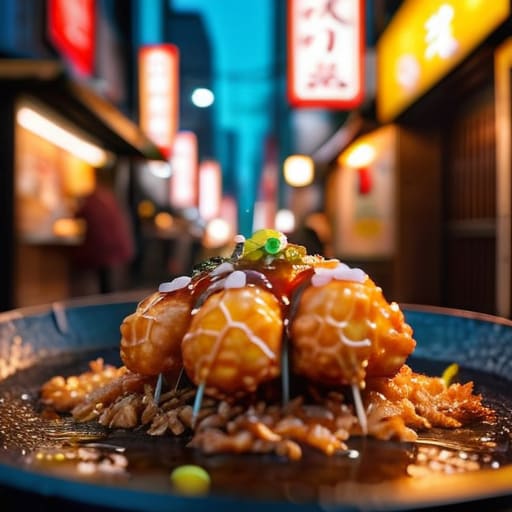
    To truly understand this place, you have to look past the giant mechanical crabs and find the takoyaki and okonomiyaki traditions that form the neighborhood’s backbone. I often find myself leaning against a concrete pillar, watching a vendor flip octopus balls with a precision that would make a logistics manager weep. It isn’t just street food; it is a manifestation of the kuidaore philosophy—the idea of eating oneself into ruin. While the lights are designed to dazzle, the real truth lies in that singular, focused movement of a spatula against a hot griddle, serving a city that never seems to stop hungry.

    The Kuidaore Philosophy and the Art of Eating to Excess

    The Kuidaore Philosophy and the Art of Eating to Excess.

    To understand Osaka, one must move past the mere consumption of calories and grasp the kuidaore philosophy. It is a concept that translates roughly to “eating oneself into ruin,” but to me, it feels less like recklessness and more like a profound commitment to sensory indulgence. In my years managing logistics, I dealt in efficiency and lean operations; here, the logic is inverted. There is a deliberate, beautiful wastefulness in the way a local might navigate three different stalls in a single hour, driven by nothing more than the pursuit of the perfect bite.

    This spirit is most palpable when you step away from the heavy crowds and find a small, wood-paneled space practicing traditional izakaya culture. Here, the pace slows. You aren’t just fueling up; you are participating in a rhythmic social ritual. Whether it is the precise, crispy execution of osaka kushikatsu specialties or the communal warmth of a shared plate, the city demands your full attention. It isn’t about the speed of the transaction, but the quality of the presence. In Osaka, to eat is to live loudly, even in the quietest corners.

    Logistical Lessons for the Osaka Palate

    • Ignore the queues for the neon-lit giants. If a stall has a line of twenty tourists holding smartphones, keep walking. Look instead for the place where the salarymen stand in a tight, efficient cluster, focused entirely on their bowls. That is where the quality is consistent.
    • Master the art of the “stand-and-eat.” In Osaka, some of the most profound flavors are found at narrow counters or standing-only stalls near major transit hubs. Don’t view a lack of seating as an inconvenience; view it as a way to experience the city’s kinetic energy without the friction of a formal reservation.
    • Carry small denominations of yen. While Japan is modernizing, the true heart of Osaka’s food culture—the small, family-run stalls in the narrowest alleys—often operates on a cash-only rhythm. A logistical failure in currency can cost you a meal you didn’t even know you were looking for.
    • Observe the rhythm of the meal. Eating in Osaka isn’t just about sustenance; it’s a social mechanism. Watch how the locals move through their courses. There is a specific, unhurried grace to how they navigate the transition from a savory takoyaki snack to a heavier ramen, and mimicking that pace will make your experience feel less like a tourist excursion and more like a local ritual.
    • Use your senses to map the flavor profiles. Don’t just eat; observe the steam, the scent of dashi, and the texture of the batter. I find that if I sketch the layout of a food stall in my notebook, I can better remember the precise balance of salt and umami that defined the dish. Treat your palate like a navigator.

    The Logistical Soul of Osaka's Flavors

    True culinary depth in Osaka is found by looking past the neon-lit main drags and following the subtle rhythms of the side streets, where the food serves a functional, communal purpose rather than just a spectacle.

    The concept of ‘Kuidaore’ is more than mere indulgence; it is a cultural commitment to the sensory experience of a city, demanding that you engage with its flavors with both passion and presence.

    To understand Osaka’s food culture, one must observe the intersection of its transit-driven accessibility and its localized, often nameless, eateries that provide the steady heartbeat of the metropolitan landscape.

    The Rhythm of the Kitchen

    “To understand Osaka, you must look past the spectacle of the neon signs and watch the hands of the street vendors; there is a profound, rhythmic precision in the way they flip takoyaki, a silent logistics of flavor that proves even in the midst of culinary excess, there is a deeply disciplined soul at work.”

    Rurik Salonen

    The Rhythms of a Flavorful City

    The Rhythms of a Flavorful City.

    To understand Osaka, one must accept that its culinary identity is a study in contradictions. It is found in the frantic, neon-soaked energy of Dotonbori, yet it is equally present in the disciplined, rhythmic steam of a quiet takoyaki stall tucked away near a subway exit. We have looked at the sheer intensity of the kuidaore spirit—that unapologetic drive to eat until one collapses—and how it serves as the heartbeat of this metropolis. Ultimately, the food here isn’t just sustenance; it is a logistical masterpiece of tradition and impulse, woven into the very transit lines and alleyways that define the city’s movement.

    As I sit here in a small corner cafe, sketching the intersection of two train lines in my notebook, I am reminded that the best meals are rarely the ones you plan with a spreadsheet. They are the ones that find you when you stop looking for the landmarks and start looking for the humanity in the details. Don’t just chase the famous signs; follow the scent of dashi and the sound of local laughter. If you approach Osaka with a sense of curiosity rather than a checklist, you will find that the city doesn’t just feed your hunger—it teaches you how to truly live.

    Frequently Asked Questions

    How do I navigate the etiquette of eating at a crowded standing stall without disrupting the local rhythm?

    To navigate a standing stall, you must treat it like a well-oiled machine. Observe the flow before you commit. Don’t linger over your phone; the space is transient by design. Order, eat, and move with purpose. If you’re unsure, watch the salaryman next to you. It’s a rhythmic exchange of space and sustenance. Respect the tempo, keep your footprint small, and you’ll find you aren’t an intruder, but part of the city’s steady breath.

    Beyond the famous street foods, where can I find the quiet, long-standing establishments that locals frequent away from the tourist crowds?

    To find the real rhythm of Osaka, you have to leave the main thoroughfares. I find myself drifting toward the Tenma district or the residential pockets around Nakazakicho. Look for the small shokudo tucked behind subway exits—the ones with handwritten wooden signs and a single, weathered curtain. There is no fanfare there, just the steady, unhurried service of people who have been feeding the same neighborhood for forty years. That is where the city breathes.

    Is there a specific way to time my visits to the various food districts to avoid the peak rush while still experiencing the city at its most vibrant?

    To master Osaka’s rhythm, you must treat it like a logistics problem. Avoid the midday rush and the post-work surge between 6:00 and 8:00 PM when the salarymen descend. Instead, aim for the “golden gap”—around 3:30 PM. The light is better for my Leica, the crowds thin out, and you can claim a stool without the frantic energy. If you crave the true midnight pulse, wait until 11:00 PM; the city breathes differently then.

  • Visiting the Most Significant Temples in Kyoto

    Visiting the Most Significant Temples in Kyoto

    I was sitting on a damp wooden bench near the Kinkaku-ji perimeter last Tuesday, watching a tour group of forty people surge toward the Golden Pavilion like a broken supply chain. They were all jostling for the same mediocre photo angle, completely oblivious to the rhythmic clack-clack of a bamboo water fountain just twenty feet behind them. It struck me then that most people approach kyoto temples as if they are items on a checklist, rushing from one gilded monument to the next without ever actually seeing anything. They chase the postcard, but they miss the pulse of the city.

    I’m not here to sell you on the crowded landmarks or the overpriced souvenir stalls that line the main thoroughfares. My goal is to show you how to navigate the city’s spiritual architecture with a bit more intentionality. I’ll be sharing the specific, quiet corners where the incense actually lingers in the air and the stone paths haven’t been worn smooth by thousands of frantic footsteps. We are going to look past the hype to find the functional beauty of these sacred spaces, focusing on the small, steady details that make Kyoto truly breathe.

    Table of Contents

    Tracing the Lines of Traditional Japanese Architecture

    Tracing the Lines of Traditional Japanese Architecture.

    When I sit on the wooden veranda of a temple in the Higashiyama district, I find myself less interested in the scale of the structures and more captivated by the joinery. There is a profound logic to traditional Japanese architecture that resonates with my old logistics brain; it is a system of interlocking parts designed to breathe with the seasons. Unlike the rigid steel of a modern subway station, these timber frames allow for a subtle, necessary movement. You see it in the way the eaves extend to shield the paper screens from the summer rains, a calculated response to the environment that has remained unchanged for centuries.

    Navigating these spaces requires more than just a map; it requires a certain rhythm. While many travelers rush toward the famous UNESCO World Heritage sites in Kyoto, I prefer to watch how the light hits the grain of a weathered cedar pillar. There is a quiet, mathematical elegance in the proportions. It isn’t just about aesthetics; it is about a structural philosophy where every beam serves a purpose, ensuring the building survives the humidity and the weight of time.

    Finding the Best Time to Visit Kyoto Temples

    Finding the Best Time to Visit Kyoto Temples.

    Most people arrive in Kyoto with a checklist of UNESCO World Heritage sites and a rigid schedule, only to find themselves fighting through a sea of selfie sticks. If you want to actually feel the weight of the history here, you have to respect the rhythm of the city. For me, the best time to visit Kyoto temples isn’t a specific month, but rather a specific hour. I’ve found that arriving at the gates just as they open—often around 8:00 or 9:00 AM—allows you to catch the morning light hitting the cedar wood before the crowds descend. There is a profound, heavy silence in those early hours that no guidebook can replicate.

    Seasonality matters, certainly. The cherry blossoms are a spectacle, but they bring a frantic energy that disrupts the contemplative nature of these spaces. I prefer the biting clarity of late autumn or the hushed, grey stillness of a rainy February morning. When the crowds thin, you can finally observe the subtle nuances of traditional Japanese architecture without distraction. It is in these quiet, off-peak moments that the spiritual landmarks of the city truly begin to speak.

    The Logistics of Stillness: Practical Advice for the Observant Traveler

    • Leave the major landmarks to the tour groups. If you want to actually see the architecture without a sea of selfie sticks, aim for the smaller, neighborhood temples. They lack the grand marketing, but they offer the quietude required to actually notice the grain of the wood.
    • Master the local bus network before you step foot outside your hotel. Kyoto’s transit isn’t as seamless as Tokyo’s subway, but if you understand the rhythm of the bus lines, you can reach the outskirts where the temples feel less like museums and more like living spaces.
    • Carry a physical map and a small notebook. GPS is a fine tool, but it pulls your eyes toward a screen. To truly understand how a temple complex is laid out, you need to look up, observe the path, and perhaps sketch the way the light hits a specific roofline.
    • Respect the silence, not just as a rule, but as a way of seeing. When you enter a temple precinct, lower your volume and slow your pace. The stillness isn’t just for the monks; it’s a tool that allows you to hear the wind through the cedars and the subtle creak of the floorboards.
    • Pack for transitions. Moving from a humid street into a cool, shaded temple interior, or from a bright courtyard into a dim hall, requires a certain level of preparedness. A lightweight layer is essential if you intend to spend hours observing the interplay of shadow and light.

    Essential Observations for the Mindful Traveler

    Prioritize the rhythm of the transit lines over the density of the itinerary; a temple is best experienced when you aren’t rushing to catch the next bus.

    Look past the polished facades to find the structural integrity and quiet purpose in the smaller, weathered wooden joints that hold these spaces together.

    Seek out the periphery of the major landmarks, as the true character of Kyoto often resides in the stillness of the outskirts rather than the crowds of the center.

    The Architecture of Stillness

    “Most travelers come to Kyoto to see the gold leaf and the grand timber frames, but I find the true design of these temples lies in the intentionality of the empty space—the way a single stone or a carefully raked patch of gravel dictates the rhythm of your breath and forces the chaos of the modern world to simply fall away.”

    Rurik Salonen

    The Quiet After the Crowd

    The Quiet After the Crowd in Kyoto.

    As I close my notebook and pack away my Leica, I’m reminded that Kyoto isn’t a checklist of gilded pavilions or famous names. It is a delicate balance of structural precision and seasonal rhythm. We have looked at the way the timber frames hold the weight of centuries, the way the light shifts through the temple gardens, and how to time your arrival to avoid the heavy, suffocating tide of the midday crowds. To truly understand these spaces, you have to respect their logistics—knowing when to move and when to simply stand still. It is in that intentional stillness that the architecture finally begins to speak.

    Ultimately, my time spent navigating these sacred grounds has taught me that the most profound travel experiences aren’t found in the center of the spectacle, but in the margins. Don’t be afraid to take a wrong turn at a bus stop or wander into a temple that lacks a famous landmark. Often, it is the unremarkable corner of a minor shrine that offers the most clarity. If you approach Kyoto with a sense of patience rather than a sense of urgency, you will find that the city doesn’t just show you its history—it allows you to feel its pulse.

    Frequently Asked Questions

    How can I navigate the temple districts without getting caught in the main tourist crowds?

    The secret lies in the transit nodes. Most people swarm the bus lines leading to Kinkaku-ji, creating a bottleneck of noise. Instead, I prefer to walk the secondary arteries. If you use the local subway to reach a peripheral station and then navigate the residential backstreets on foot, you’ll find the smaller, unlisted sub-temples. They aren’t on the major maps, but they offer the silence necessary to actually observe the architecture.

    Are there specific temples that offer a more contemplative experience for someone interested in the architectural details?

    If you want to study the joinery and the way light hits cedar without a crowd of selfie sticks in your frame, head to Honen-in. It’s tucked away near the Philosopher’s Path and feels remarkably still. For pure structural integrity and spatial rhythm, Nanzen-ji is unmatched; the scale of its Sanmon gate is a masterclass in balance. These aren’t just sites to see; they are blueprints of intentionality you can actually feel.

    What is the most efficient way to use the local bus and rail lines to reach the quieter, outlying sanctuaries?

    To reach the outskirts, skip the central bus loops; they’re too prone to congestion. Instead, rely on the Eizan Electric Railway for the northern hills or the Hankyu lines for the western fringes. Once you disembark at the smaller stations, the real work begins. I usually find that a short, purposeful walk from a local bus stop is better than waiting an hour for a connection. Efficiency in Kyoto is about movement, not just speed.

  • Exploring Japanese Convenience Store Food

    Exploring Japanese Convenience Store Food

    I was standing in the Shinjuku station mezzanine last Tuesday, the fluorescent lights humming a low, steady B-flat, when I realized I had missed my connection. Instead of the usual frustration, I found myself drawn to the soft, amber glow of a nearby FamilyMart. There is a specific, quiet dignity in the way the staff handles a transaction, a rhythmic efficiency that mirrors the very transit systems I spent my career studying. Most travelers treat convenience store food japan as a mere fallback—a desperate, last-resort meal when the high-end izakayas are closed. But if you actually stop to look, you’ll see that these brightly lit hubs are the true lifeblood of the city’s nocturnal economy, offering a level of precision and quality that defies their humble plastic packaging.

    I have no interest in giving you a curated list of “must-try” snacks designed for social media clout. Instead, I want to walk you through the functional reality of what is actually worth your yen. I will show you how to navigate the aisles like a local, identifying the reliable staples and the seasonal gems that offer genuine sustenance without the tourist markup. This isn’t about luxury; it’s about understanding the efficient, delicious logistics of urban survival.

    Table of Contents

    The Quiet Ritual of Onigiri Varieties in Japan

    The Quiet Ritual of Onigiri Varieties in Japan.

    There is a specific, rhythmic efficiency to the way a person selects an onigiri. I often find myself standing in the aisle of a FamilyMart, notebook in hand, observing the sheer logistical precision of the packaging. It isn’t just about hunger; it’s about the selection. The onigiri varieties in Japan range from the humble, salt-dusted shio musubi to more complex fillings like pickled plum or grilled salted salmon. Each triangle is a masterclass in structural integrity, designed to keep the seaweed crisp until the very moment the plastic film is pulled.

    For me, the real charm lies in the seasonal konbini limited editions. As the seasons shift in Tokyo, so does the inventory. In spring, you might find delicate sakura-infused rice; by autumn, it’s chestnut or roasted sweet potato. These aren’t just quick snacks; they are small, edible markers of time passing. Whether you are grabbing one of the many japanese convenience store breakfast options before a long commute or sitting on a park bench to watch the morning rush, the onigiri offers a moment of grounded, reliable sustenance amidst the urban blur.

    Mastering the Art of Eating on the Go in Japan

    Mastering the Art of Eating on the Go in Japan

    There is a specific, unspoken etiquette to eating on the go in Japan that a newcomer might miss. In my years managing logistics, I learned that efficiency is nothing without order, and nowhere is this more evident than at a crowded station platform. You don’t see people wandering the streets with open containers; instead, there is a choreographed movement toward the benches or the quiet corners of a park. If you find yourself needing a quick fuel stop between transit lines, look for the seasonal konbini limited editions—often a matcha-flavored pastry or a peach-infused jelly—that offer a momentary, high-quality respite from the rush.

    For a more substantial meal, the real mastery lies in selecting the right balance of textures. I often find that the most reliable best japanese konbini meals are the bento boxes that prioritize temperature control and structural integrity. A well-constructed salmon fillet over rice, wrapped with precision, allows you to eat with dignity even if you are sitting on a cramped subway bench. It isn’t just about calories; it is about the seamless integration of nourishment into a fast-moving urban life.

    A Logistician’s Guide to Navigating the Konbini Landscape

    • Timing is everything; if you arrive at a FamilyMart or 7-Eleven during the mid-afternoon lull, you’ll find the freshest bento boxes and the most intact seasonal specials before the evening rush depletes the shelves.
    • Look for the “Limited Time” (Kikan Gentei) labels on packaging; in a culture driven by seasonal precision, these items are often the most interesting expressions of the current month’s culinary rhythm.
    • Don’t overlook the hot food counter; the steamed buns (manju) and fried chicken (famichiki) are often more satisfying than the pre-packaged sandwiches if you are looking for something with actual substance.
    • Pay attention to the packaging engineering; Japanese convenience stores excel at functional design, so use the built-in tear strips and dividers to keep your meal clean while navigating crowded subway platforms.
    • Always carry a small amount of physical yen for the smaller, neighborhood-focused stores; while the giants in Shinjuku are seamless, the true character of a local konbini often reveals itself in these smaller, cash-reliant pockets.

    Observations from the Counter

    Don’t look for a meal; look for a rhythm. The true value of a konbini lies in its ability to provide a reliable, high-quality anchor during the chaotic transitions of urban travel.

    Texture is as important as taste. In the world of Japanese convenience, the structural integrity of a rice ball or the precise temperature of a seasonal bento tells you more about the local standard of care than any guidebook can.

    Use the convenience store as your tactical base. A well-chosen selection of small, functional items allows you to navigate the city’s transit systems without the heavy burden of formal dining, keeping your focus on the streets rather than the menu.

    The Logistics of Comfort

    “There is a profound, understated efficiency in a FamilyMart at 2:00 AM; it is more than just a supply chain of calories, but a steady, reliable heartbeat that sustains the city when everything else has gone to sleep.”

    Rurik Salonen

    The Logistics of a Perfect Meal

    The logistics of a perfect meal.

    When I look back at the sheer efficiency of these tiny, brightly lit hubs, I am struck by how they serve as the vital organs of the city. We have discussed the delicate construction of the onigiri, the necessity of mastering the etiquette of eating while navigating a crowded station, and the reliable quality that defines every shelf. Whether it is a quick bento during a frantic transfer at Shinjuku or a late-night snack after a long day of photography, these convenience stores provide a predictable excellence that is rare in the chaotic world of global logistics. They are more than just shops; they are the essential infrastructure of daily survival in the modern Japanese metropolis.

    Ultimately, I have learned that you don’t need a Michelin star to understand the heartbeat of a place. Sometimes, the most profound connection to a culture happens in the fluorescent glow of a FamilyMart, standing alone with a hot coffee and a steamed bun. If you stop rushing and simply observe, you will see that there is a profound, quiet dignity in how these small moments are managed. Don’t just eat for fuel; eat to witness the rhythm of the streets. The true soul of Tokyo isn’t always found in a temple; sometimes, it is sitting right there in a plastic container, waiting to be discovered.

    Frequently Asked Questions

    How do I navigate the subtle differences in quality and selection between the major chains like 7-Eleven, Lawson, and FamilyMart?

    Think of it like supply chain logistics: each chain has its own specialized niche. 7-Eleven is the gold standard for consistency; their egg salad sandwiches are engineered for perfection. Lawson feels a bit more curated, often leaning into dessert-heavy selections and higher-end sweets. FamilyMart, however, is your go-to for fried goods—their FamiChiki is a reliable staple. I usually scout the local selection first; the quality often reflects the specific neighborhood’s rhythm.

    Are there specific seasonal items or limited-time offerings I should look for to experience the changing flavors of the year?

    The seasons in Japan don’t just change the weather; they rewrite the inventory of every FamilyMart and 7-Eleven. In spring, look for the subtle, floral notes of sakura-infused sweets. By autumn, the shelves shift toward earthy chestnuts and sweet potatoes. I always keep an eye out for these limited runs. They are fleeting, much like the light in a film photograph, and catching them is how you truly taste the passage of time.

    How can I manage food waste or disposal when eating on the move, given the strict etiquette of Japanese public spaces?

    The logistics of waste in Japan can be daunting if you aren’t prepared. Public bins are notoriously scarce, a deliberate design to keep streets pristine. My rule of thumb: never discard anything until you reach a convenience store or your hotel. I usually tuck my wrappers into a small, reusable pouch in my satchel. It’s a minor inefficiency in my workflow, but it respects the quiet order that makes these cities so functional.

  • The Fundamentals of Japanese Tea Culture

    The Fundamentals of Japanese Tea Culture

    I was sitting in a cramped, neon-lit corner of Shinjuku last Tuesday, watching a group of tourists fumble with a thousand-dollar ceremonial set they’d clearly bought for the wrong reasons. They were treating japanese tea culture like a museum exhibit—something to be performed with rigid, performative precision—rather than a living, breathing practice. It’s a common mistake, fueled by glossy brochures and overpriced gift shops, that suggests you need a mountain retreat and a master to truly experience the ritual. In reality, the most profound moments don’t happen behind a velvet rope; they happen in the unscripted quiet of a neighborhood stall.

    I’m not here to sell you on the spectacle or the high-priced porcelain. My goal is to strip away the pretension and show you how to find the genuine pulse of this tradition in the everyday. I’ll guide you through the practicalities of what actually matters—the temperature of the water, the weight of the bowl, and the quiet logistics of a single, perfect pour. We’re going to look past the tourist traps to find the functional beauty that makes this culture endure.

    Table of Contents

    Zen Buddhism and Tea the Silence Between Sips

    Zen Buddhism and Tea the Silence Between Sips

    I found myself sitting on the edge of a tatami mat in a small temple near Uji, watching the steam rise in the dim light. It struck me then that the connection between Zen Buddhism and tea isn’t just a historical footnote; it is a physical sensation. In the logistics world, we are obsessed with efficiency and the elimination of wasted movement. But here, the stillness is the entire point. The ceremony isn’t about quenching thirst; it is about the intentionality of every gesture, a way to anchor oneself in the present moment when the rest of the world feels like it’s moving too fast.

    As I watched the practitioner move, I realized that the chanoyu ritual steps are less like a performance and more like a meditation in motion. There is a profound, heavy silence that settles over the room—a silence that doesn’t feel empty, but rather full of purpose. Even the way a piece of traditional wagashi sweets is placed on the tray feels calculated to balance the bitterness of the tea. It is a study in equilibrium, teaching you to find clarity in the pauses between the noise of daily life.

    Sencha vs Matcha Differences Decoding the Leafs True Character

    Sencha vs Matcha Differences Decoding the Leafs True Character

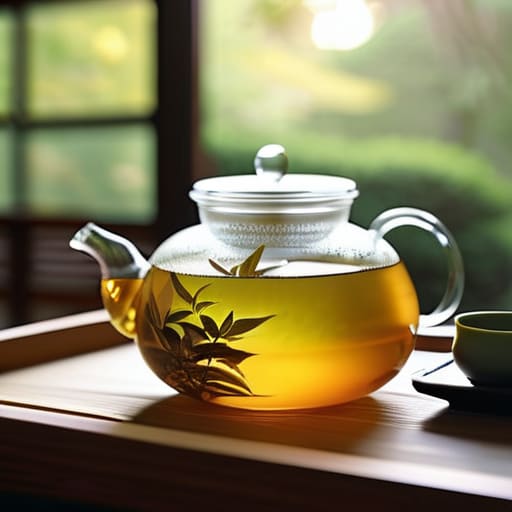
    In my years of mapping out logistics, I’ve learned that the most profound distinctions often lie in the processing. When you look at the sencha vs matcha differences, you aren’t just looking at two types of tea; you are looking at two entirely different philosophies of extraction. Sencha is the reliable workhorse of the Japanese daily routine. It is prepared by steeping whole leaves in hot water, yielding a clear, amber liquid that tastes of grass and sunlight. It is honest, efficient, and unpretentious—much like a well-run transit system.

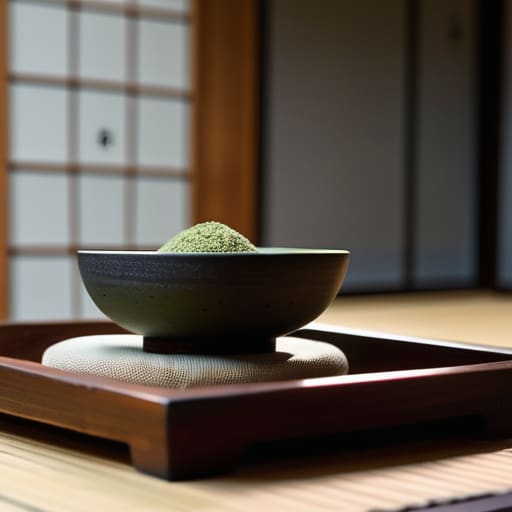
    Matcha, however, demands a different kind of presence. Because the leaves are stone-ground into a fine powder, you are consuming the entire leaf, suspended in water. This creates a thick, vibrant emulsion that coats the palate. While sencha is a moment of clarity, matcha is an immersion. Often served alongside traditional wagashi sweets to balance its inherent bitterness, the powdered tea requires a certain rhythmic precision to whisk correctly. One offers a refreshing pause, while the other invites a deep, meditative stillness.

    Practical Wisdom for the Observant Traveler

    • Don’t rush the pour. If you find yourself in a traditional tea house, resist the urge to check your watch or reach for your phone. The ritual is designed to slow your internal clock; let the steam settle before you take your first sip.
    • Pay attention to the vessel. In my years of logistics, I learned that the container is as vital as the cargo. In Japan, the weight, texture, and temperature of the ceramic bowl are part of the sensory experience. Hold it with both hands and feel the craftsmanship.
    • Learn the etiquette of the turn. When you are served tea in a formal setting, you’ll notice the bowl is often presented with its “front” facing you. A subtle, respectful rotation of the bowl before drinking is a way of showing humility and acknowledging the host’s effort.
    • Seek out the “tea-adjacent” moments. You don’t always need a formal ceremony to experience the culture. Sometimes, the most authentic connection comes from a simple, well-steeped cup of sencha at a neighborhood stand near a train station.
    • Respect the silence. Much of the beauty in Japanese tea culture is found in what isn’t said. If you are sharing a space with others, allow the quiet to exist. The absence of noise allows you to actually hear the water simmering and the whisk hitting the bowl.

    The Logistics of the Leaf: Three Lessons Learned

    Tea is less about the beverage itself and more about the intentionality of the ritual; it is a deliberate pause in an otherwise frantic world.

    Understanding the distinction between Sencha and Matcha isn’t just about flavor profiles, but about recognizing the specific way each leaf demands your attention.

    To truly grasp Japanese tea culture, you must look past the ceremony and observe the quiet, functional harmony between the vessel, the water, and the space it occupies.

    The Logistics of Stillness

    Most people rush through these tea houses looking for a souvenir, but if you watch the way the steam settles or how the host moves with such deliberate, unhurried precision, you realize tea isn’t just a beverage; it is a masterclass in operational grace.

    Rurik Salonen

    The Last Steep

    Zen tea ritual, The Last Steep.

    When you strip away the commercialized gift shops and the polished tourist brochures, what remains is a profound understanding of balance. We have looked at how the spiritual discipline of Zen informs the very way a bowl is held, and how the distinct profiles of Sencha and Matcha represent different paths of the same journey. Whether it is the bright, astringent clarity of a well-steeped leaf or the deep, meditative weight of powdered green, tea is not merely a beverage in Japan; it is a logistical masterpiece of intention. It is a system of ritual designed to slow the momentum of a world that rarely stops to breathe.

    As I sit here in this small corner of an Osaka alleyway, sketching the way the light hits my ceramic cup, I am reminded that the most meaningful experiences aren’t found in the grand gestures. They are found in the quiet, functional beauty of a single, well-executed moment. Don’t rush through your travels looking for the next landmark to photograph. Instead, find a small shop, order a cup, and simply observe. If you learn to appreciate the steam rising from a simple bowl, you might just find that you have finally learned how to truly see.

    Frequently Asked Questions

    If I’m looking for a truly authentic experience, should I seek out a formal tea ceremony or just find a local shop that serves loose-leaf sencha?

    If you want to see the machinery of tradition, go for the ceremony. It is a choreographed study in precision—something my logistics brain finds fascinating. But if you want to feel how the city actually breathes, find a local shop. Sit at a wooden counter, watch the steam rise, and listen to the quiet hum of the neighborhood. The ceremony is a performance; the local shop is the pulse. Go for the latter.

    How much does the specific water temperature and the vessel used actually change the character of the tea?

    It’s the difference between a controlled operation and total chaos. In my old life, a single degree of deviation could ruin a shipment; here, it ruins the cup. Scalding water strips the delicate sweetness from a green tea, leaving only a harsh, astringent bite. Similarly, a thick ceramic bowl retains heat, coaxing out deep, earthy notes, whereas a thin porcelain cup allows the tea to cool rapidly, highlighting its brighter, more fleeting aromatics.

    Beyond the tea itself, are there specific etiquette rules I should keep in mind to avoid being a disruptive presence in a quiet tea house?

    In a tea house, silence is as much a part of the service as the water itself. It isn’t about being stiff; it’s about respect for the shared atmosphere. Keep your voice low, and if you’re using a bowl, handle it with intention—never rush. Avoid checking your phone; the glow of a screen is a jarring intrusion in a space designed for stillness. Just observe, breathe, and let the ritual dictate your pace.

  • Finding the Best Food in Osaka

    Finding the Best Food in Osaka

    I was standing near the Shinsaibashi station exit last Tuesday, watching a group of tourists huddled around a glowing tablet, looking utterly lost amidst the sea of commuters. They were searching for the “perfect” osaka food tour, the kind promised by glossy brochures and influencers with curated feeds, yet they seemed entirely disconnected from the actual rhythm of the city. To me, the idea that you need a pre-packaged, expensive itinerary to find decent takoyaki is a logistical absurdity. Most of those high-priced tours are just inefficient ways to visit the same three crowded stalls that have already been stripped of their local character by sheer volume.

    I’m not here to sell you on a polished, commercialized experience. Instead, I want to show you how to navigate the city’s culinary landscape using a bit of observation and a lot of common sense. My goal is to help you bypass the tourist traps and find the authentic pulse of Osaka’s food culture—the kind found in the steam-filled alleys and the quiet, functional stalls near the transit hubs. This isn’t about checking boxes; it’s about understanding how this city feeds itself, one osaka food tour of your own making.

    Table of Contents

    Navigating Local Food Markets Osaka for Authentic Bites

    If you want to understand the rhythm of this city, you have to step away from the polished storefronts and head toward the markets. I’ve always found that the most efficient way to map a culture is through its supply lines, and nowhere is that more evident than in the local food markets Osaka offers to the curious traveler. Kuromon Ichiba is the primary artery here. While it can feel overwhelming to the uninitiated, there is a profound, quiet logic to the way the vendors operate. I often find myself standing near the periphery, sketching the flow of foot traffic in my notebook, watching how a single crate of seasonal uni moves from a vendor’s hand to a hungry commuter.

    To find the true essence of the city’s palate, look for the stalls that prioritize speed and simplicity over presentation. You aren’t looking for a seated meal; you are looking for the best street food in Osaka served on a stick or a small paper plate. There is a specific kind of beauty in a perfectly grilled scallop, seasoned only with a pinch of sea salt, consumed while standing amidst the morning rush. It is unpretentious, functional, and entirely honest.

    A Curated Osaka Food Tour Itinerary Beyond the Crowds

    A Curated Osaka Food Tour Itinerary Beyond the Crowds

    If you want to truly understand the rhythm of this city, you have to move beyond the sensory overload of the main thoroughfares. A well-planned Osaka food tour itinerary shouldn’t be a frantic sprint through the neon; it should be a calculated movement from one pocket of authenticity to the next. I suggest starting your morning in the quieter residential stretches of Tennoji. Here, the steam from a small takoyaki stand feels less like a tourist spectacle and more like a communal ritual. It is in these unhurried moments that you encounter the true essence of Osaka’s culinary identity.

    As the afternoon wanes, avoid the heavy crowds of the central districts and instead steer your course toward the narrow lanes of Shinsekai. While many travelers chase the loud, bright lights, I find more value in the small, weathered izakayas that sit tucked beside the subway exits. This is where you find the best street food in Osaka, served without the performative flair found in the major hubs. By focusing on these transit-adjacent corners, you experience the city’s flavor through its most functional, unpretentious layers.

    Logistical Essentials for a Seamless Culinary Expedition

    • Prioritize the subway over taxis. Osaka’s food hubs are densely clustered around specific stations like Namba and Umeda; navigating the Midosuji Line is far more efficient than sitting in gridlocked traffic when you should be eating.
    • Carry small denominations of yen. While Japan is modernizing, the most soulful, narrow-alleyway stalls—the kind that actually define the city’s character—often operate on a cash-only basis. Don’t let a lack of change stall your momentum.
    • Time your movements to avoid the rush. Just as I learned in logistics, peak hours are for transit, not tasting. Aim to hit the popular markets mid-morning or early afternoon to avoid the crushing crowds and the frantic energy that obscures the food’s true quality.
    • Use your eyes as much as your palate. In a city this vibrant, the best indicators of quality aren’t on a flashy sign, but in the rhythm of the kitchen and the focused, steady movement of the staff. If the workflow is disciplined, the food usually follows suit.
    • Keep a physical map or a reliable digital one ready for the “lost” moments. The most rewarding bites often happen when you intentionally wander one street too far from the main thoroughfare. Being able to find your way back to the transit line ensures your exploration remains a pleasure rather than a logistical headache.

    Lessons from the Streets: A Logistical Approach to Eating in Osaka

    Prioritize the periphery; the most meaningful culinary encounters rarely happen under the brightest neon signs, but rather in the quiet, functional stalls located just a few minutes’ walk from the main transit hubs.

    Observe the rhythm of the locals; a food stall’s true quality is best measured by the steady, efficient flow of its patrons and the unpretentious way the food is served.

    Use the transit system as your guide; the best way to avoid tourist traps is to follow the subway lines to the residential fringes, where the city’s true flavors are preserved for those who take the time to look.

    The Logistics of Flavor

    “A true Osaka food tour isn’t found by following the brightest neon signs; it’s found by following the rhythm of the city—tracing the scent of dashi through a crowded subway transfer or finding that one, nameless stall where the chef’s movements are as precise and disciplined as a well-oiled supply chain.”

    Rurik Salonen

    The Rhythm of the City

    The Rhythm of the City in Osaka.

    As you plan your own journey through Osaka’s culinary landscape, remember that the most rewarding bites rarely come from a glossy brochure. We’ve looked at how the local markets serve as the city’s heartbeat, how a well-structured itinerary can lead you away from the tourist traps, and why the most profound flavors are often found in those unassuming, transit-adjacent stalls that most travelers overlook. Success in Osaka isn’t about finding the most famous restaurant; it is about mastering the logistics of curiosity—knowing when to follow the crowd and, more importantly, when to step into a quiet alleyway to see where the locals are actually eating.

    Ultimately, a food tour is more than just a sequence of meals; it is a study of how a city sustains itself. When you sit on a cramped stool, listening to the rhythmic hiss of a takoyaki grill and the muffled announcements of the nearby subway line, you aren’t just eating—you are witnessing the functional beauty of urban life. Don’t rush your way through the menu. Instead, allow yourself the luxury of being an observer. If you move with intention and keep your eyes open to the small, steaming details, you will find that Osaka doesn’t just feed your hunger; it reveals its true character one bite at a time.

    Frequently Asked Questions

    Is it better to navigate these food districts by foot, or should I rely on the subway system to jump between different neighborhoods?

    If you’re looking for efficiency, the subway is your backbone; it’s the only way to bridge the gap between Namba and the quieter corners of Tennoji without losing half your day. However, don’t rely on it for everything. The real texture of Osaka is found in the short, unplanned walks between stations. Use the trains to jump neighborhoods, but once you arrive, put the map away and walk. That’s where you’ll find the best stalls.

    How much cash should I carry for the smaller, tucked-away stalls that don't accept credit cards?

    In my years managing logistics, I learned that the most efficient systems often rely on the simplest tools. In Osaka’s narrowest alleys, the most reliable tool is physical yen. While major stations are seamless, those tucked-away stalls—the ones that truly define the city’s character—rarely touch a credit card. I suggest carrying at least 10,000 yen in small denominations. It ensures you aren’t caught short when you find that perfect, steam-filled corner.

    Are there specific times of day when these local markets are less crowded and more conducive to actually observing the local rhythm?

    If you want to observe the rhythm rather than just being swept up in the tide, aim for the early morning. Around 9:00 AM, the markets are waking up; the vendors are setting their displays, and the air is filled with purposeful, quiet energy rather than tourist chaos. By mid-afternoon, the frantic pace of lunch rushes fades, leaving a lull that is perfect for sketching or simply watching the ebb and flow of the city.

  • The Daily Rhythm of Life in Tokyo

    The Daily Rhythm of Life in Tokyo

    I was sitting in a cramped corner of a Shinjuku station café last Tuesday, watching a sea of salarymen move with a precision that would make a logistics manager weep, when I realized how much the guidebooks get wrong. Most people come here chasing the neon-soaked fever dream of Shibuya Crossing, thinking they’ve grasped the essence of tokyo urban life just because they’ve stood in a crowd. But that’s just the surface tension. If you only look at the bright lights and the massive landmarks, you aren’t actually seeing the city; you are merely being blinded by its glare.

    I have no interest in telling you which themed cafes are worth your yen or which skyscraper offers the best view for a selfie. Instead, I want to show you how this massive, complex machine actually functions. My goal is to guide you through the rhythmic logic of the transit veins and the quiet, functional beauty of the side streets that most travelers bypass entirely. We are going to look past the spectacle to understand the true, steady pulse of the city, one station and one narrow alleyway at a time.

    Table of Contents

    Japanese Urban Infrastructure and the Rhythm of the Rails

    Japanese Urban Infrastructure and the Rhythm of the Rails

    To understand the true mechanics of this city, one must look past the neon signage and study the steel. The backbone of the japanese urban infrastructure isn’t just the trains themselves, but the uncanny, clockwork precision with which they dictate the movement of millions. I often find myself sitting in a station terminal, notebook in hand, tracing the intersecting lines of the various private and public railways. There is a profound, almost meditative logic to it; the way the Yamanote loop acts as a centrifugal force, pulling the city’s energy inward while pushing the quiet residential pockets toward the periphery.

    When you are navigating Shibuya and Shinjuku, the sheer scale of human throughput can feel overwhelming, yet there is a hidden order beneath the surface. It is a choreographed dance of commuters, each a single gear in a massive, living machine. You begin to notice how the stations serve as more than just transit hubs; they are the vital organs of the city, pumping life through subterranean arteries that never truly sleep. It is in this constant, rhythmic flow that you find the real heartbeat of the metropolis.

    Navigating Shibuya and Shinjukus Human Currents.

    If the rail lines are the arteries of this city, then Shibuya and Shinjuku are its beating, frenetic hearts. To anyone else, the Scramble Crossing might look like a breakdown in order, but after years of managing complex logistics, I see a different story. There is a silent, unspoken choreography at play; thousands of bodies moving in a synchronized dance that avoids collision without a single word exchanged. Navigating Shibuya and Shinjuku requires more than just a map; it requires a certain surrender to the flow. You cannot fight the current here; you must learn to read the micro-shifts in the crowd’s momentum to find your way through the surge.
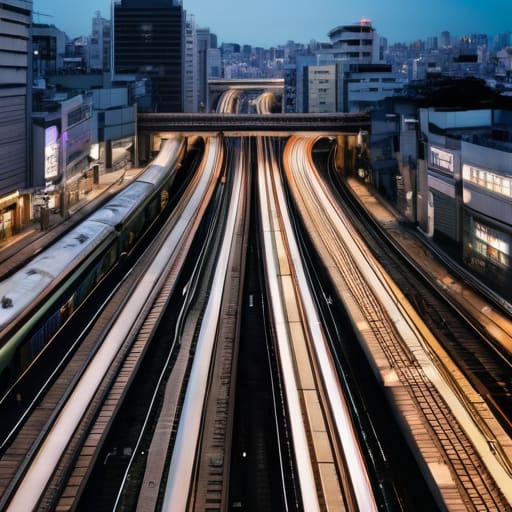
    Once you step away from the neon-soaked main thoroughfares, the character of metropolitan living in Japan shifts entirely. I often find myself ducking into the narrow side streets just a few meters from the station exits, where the roar of the crowd fades into a low, distant hum. Here, the scale changes. The towering skyscrapers give way to tiny, two-story buildings housing single-person ramen shops or quiet stationery stores. It is in these pockets of stillness that I find the most honest version of the city—a quiet, functional grace tucked between the chaos.

    The Logistics of Living: Five Observations for Navigating the Metropolis

    • Master the art of the Suica or Pasmo card immediately. In my years of logistics, I learned that friction is the enemy of efficiency; having a seamless, digital tap-and-go system for every train, bus, and even your morning coffee at a Lawson’s removes the unnecessary cognitive load of navigating a foreign economy.
    • Learn to read the topography of the stations, not just the signs. The major hubs like Shinjuku are multi-layered labyrinths; don’ve just look at the digital displays, but watch the flow of the commuters. If you follow the densest stream of people, you’ll find your exit, but if you look for the stairwells where the flow thins, you’ll find the quietest path.
    • Carry a small, portable power bank and a physical map of the most essential lines. Technology is a wonderful tool, but even the most advanced smartphone is a liability when the battery dies in the middle of a subterranean maze. A hand-drawn sketch in my notebook has saved me more times than a GPS signal ever could.
    • Respect the unspoken social contracts of the transit carriage. The silence on a Tokyo train isn’t empty; it’s a functional, collective agreement to maintain public order. Keep your phone on silent, avoid calls, and keep your physical footprint minimal. Understanding these micro-etiquettes is how you transition from a disruptive tourist to a respected observer.
    • Seek out the “Depachika” for your evening provisions. The basement food halls of major department stores are marvels of urban distribution. Instead of fighting the crowds in a neon-lit restaurant, head to these subterranean hubs at dusk. You’ll witness a masterclass in organized retail and find high-quality, quiet sustenance that allows you to retreat to a park or a small hotel room to reflect on the day.

    The Quiet Logic of the Metropolis

    The Quiet Logic of the Metropolis, Tokyo.

    True urban mastery comes from observing the transit networks not as mere tools for movement, but as the very circulatory system that dictates the city’s daily temperament.

    Beyond the neon-lit intersections of the major hubs, the real character of Tokyo is found in the stillness of the residential side streets and the predictable, comforting cadence of the local lines.

    To understand a city like Tokyo, one must look past the grand monuments and instead find meaning in the functional details—the seamless handoffs of a commuter transfer or the way a small alleyway offers sanctuary from the crowd.

    ## The Architecture of Motion

    “Most people see Tokyo as a frantic rush toward a destination, but if you look closer—past the neon and the crowds—you see a city that functions like a masterfully tuned engine, where the true beauty lies not in the grand stations, but in the silent, seamless precision of a thousand small movements working in perfect unison.”

    Rurik Salonen

    The Quiet Logic of the Metropolis

    Looking back at the layers we have peeled away, it becomes clear that Tokyo is not merely a collection of skyscrapers and neon signs, but a masterclass in coordinated complexity. We have seen how the seamless precision of the rail networks provides the skeletal structure for the city, and how the overwhelming human currents of Shibuya and Shinjuku are actually governed by an unspoken, collective discipline. To understand this city, one must respect the tension between the massive scale of its infrastructure and the meticulous smallness of its daily rituals. It is a place where high-velocity logistics and profound stillness exist in a delicate, functional equilibrium.

    As I close my notebook and pack away my Leica, I am reminded that the true soul of Tokyo isn’t found in a guidebook’s highlight reel. It is found in the moments when you stop fighting the crowd and simply allow yourself to be carried by the city’s natural flow. If you look closely enough, past the glare of the advertisements and the rush of the commuters, you will find that even in the most crowded intersection, there is a hidden geometry of peace. Don’t just visit Tokyo; learn to listen to its mechanical heartbeat and find your own quiet corner within the machine.

    Frequently Asked Questions

    How do the smaller, non-major transit lines connect the quiet residential pockets to the main urban hubs?

    It’s the feeder lines—the Chuo-Sobu or the small Odakyu branches—that act as the city’s capillaries. While the Yamanote is the heavy artery, these smaller lines gently pull the quiet, residential life of Setagaya or Nerima into the central hubs. They provide a necessary transition, slowing the pace from the frantic station plazas to the rhythmic, predictable stillness of a neighborhood street. Without them, the city’s heart wouldn’t be able to pump.

    Where can one find the most reliable spots for analog photography when the neon lights of the main districts become overwhelming?

    When the neon glare of Shinjuku starts to feel like static, I head toward Yanaka or Nezu. These “shitamachi” neighborhoods offer a different kind of light—softer, more intentional. There’s a stillness in the way the sun hits the wooden lattices of old tea houses that a digital sensor struggles to capture. For my Leica, the muted tones of a quiet temple garden or a narrow residential lane provide the clarity that the main districts simply drown out.

    Beyond the major hubs, what are the logistical nuances of navigating Tokyo's smaller, more intricate alleyway networks?

    In these smaller arteries, the logic shifts from the macro to the micro. Google Maps often fails here; it lacks the intuition required for a labyrinth of narrow passages. I’ve learned to rely on physical landmarks—a specific vending machine or the angle of a utility pole—rather than digital pings. Keep your eyes upward. The real wayfinding is found in the subtle signage and the way the light hits a particular corner, guiding you through the quiet, functional veins of the city.