Blog

  • How to Navigate the Tokyo Subway System

    How to Navigate the Tokyo Subway System

    I remember standing at the mouth of Shinjuku Station last autumn, clutching my notebook and feeling the sheer, overwhelming weight of ten thousand souls moving in unison. Most people see the labyrinthine tunnels and the flashing digital displays as a source of anxiety, but to me, they represent the most sophisticated circulatory system ever designed. If you search for a tokyo subway guide online, you’ll likely find a dizzying array of colorful maps and overpriced transit passes that promise to “simplify” your life, yet they often miss the logistical reality of how this city actually functions.

    I’m not here to sell you on the tourist-friendly highlights or the most expensive way to get from point A to point B. Instead, I want to offer you a way to navigate these veins with precision and calm. My goal is to provide a practical, no-nonsense framework for understanding the lines, the transfers, and the quiet logic beneath the concrete. We aren’t just looking for directions; we are looking for the rhythm of the city, ensuring you move through Tokyo not as a confused spectator, but as a seasoned observer.

    Table of Contents

    Navigating the Veins Tokyo Metro vs Toei Subway.

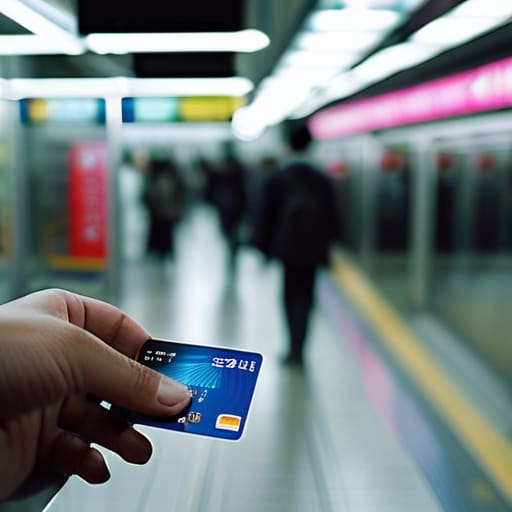
    To the uninitiated, the sheer density of the underground network can feel like a logistical fever dream. However, the first hurdle is distinguishing between the two primary operators: Tokyo Metro vs Toei Subway. While they share the same tracks in some stretches, they are distinct entities with different fare structures. I’ve found that the most seamless way to manage this complexity is through consistent Suica or Pasmo card usage; these rechargeable smart cards act as a universal key, smoothing over the friction of switching between the two systems without the need to fumble for individual tickets at a kiosk.

    Navigating these layers requires more than just a glance at a screen. While I often rely on Google Maps for Tokyo transit to plot my most efficient routes, I find that truly mastering the system comes from understanding subway color coding. Each line possesses a distinct hue and letter designation—a visual shorthand that prevents you from wandering aimlessly through a labyrinth of concrete. When you are transferring between train lines, look for those colored markers on the floor and pillars; they are the quiet, functional signals that keep the city’s massive circulatory system from collapsing into chaos.

    The Silent Language of Understanding Subway Color Coding
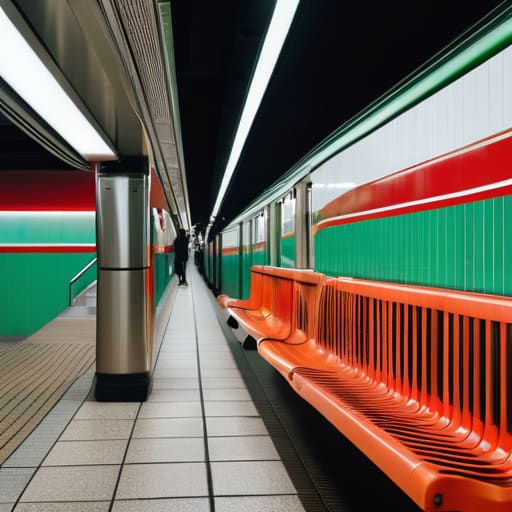
    The Silent Language of Understanding Subway Color Coding

    When I first stepped into Shinjuku Station, the sheer volume of signage felt less like a guide and more like a sensory assault. It was only after sitting on a wooden bench, watching the commuters move with practiced precision, that I realized the system isn’t meant to be read—it’s meant to be felt. Understanding subway color coding is the first step toward finding your rhythm in this labyrinth. Each line carries a distinct visual identity, from the deep crimson of the Marunouchi Line to the vibrant green of the Ginza Line. These aren’t just aesthetic choices; they are the shorthand of the city, allowing you to navigate complex interchanges without ever having to break your stride.

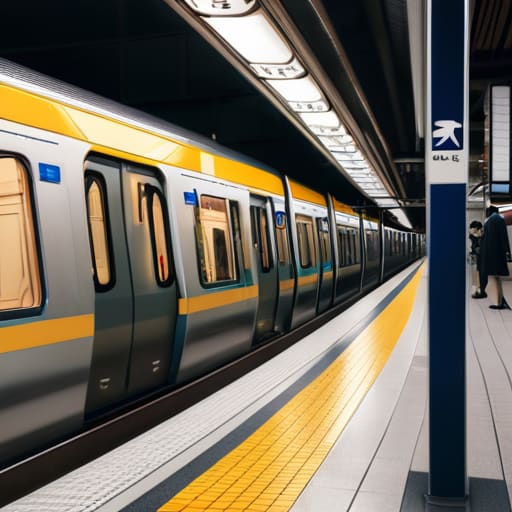
    I’ve found that once you stop squinting at the kanji and start looking for those specific hues on the floor tiles and pillar wraps, the anxiety of transferring between train lines begins to dissipate. It turns a chaotic scramble into a predictable, almost meditative, flow. You learn to watch for the colored strips on the platform edges, letting the visual cues guide you toward the correct carriage before the doors even slide open.

    The Logistics of Flow: Five Practical Rules for the Discerning Traveler

    • Don’t bother with paper tickets for every single leg of your journey; they are a logistical headache. Get an IC card—Suica or Pasmo—and let the contactless sensor do the work. It turns the friction of fare calculation into a seamless transition, allowing you to focus on the architecture rather than the vending machine.
    • Learn to respect the rhythm of the platform. There are markings on the ground for a reason; they dictate where the queue begins and ends. In my years of managing supply chains, I learned that efficiency is born from order. If you stand behind the line and wait for the crowd to exit before you board, you’ll find the commute much more civil.
    • Download an offline map, but keep your eyes up. While Google Maps is an indispensable tool for calculating transfer times, it can make you a walking obstacle. I prefer to study the station layout for a moment, find my bearings, and then move with intention rather than wandering aimlessly while staring at a glowing screen.
    • The “Last Train” is a real deadline, not a suggestion. Unlike many Western cities where transit might run sporadically through the night, Tokyo’s system has a definitive heartbeat that stops around midnight. If you miss that final connection, you aren’t just late—you’re looking at an expensive taxi ride or a long night in a station cafe.
    • Embrace the quietude of the off-peak hours. If you can, schedule your major movements between 10:00 AM and 4:00 PM. The rush hour is a masterclass in density, but the midday lull offers something better: a chance to observe the subtle details of the station design and the quiet, functional beauty of a city in motion.

    Lessons from the Platform

    Don’t let the complexity intimidate you; view the different operators not as a single confusing web, but as distinct, specialized systems that require a bit of mental compartmentalization.

    Master the visual shorthand of color and letter coding early on, as it allows you to navigate by instinct rather than constantly squinting at a digital screen.

    Use the transit rhythm to your advantage by observing the flow of the crowd, letting the collective movement of the city guide you toward your destination.

    ## The Logic of the Labyrinth

    “A map tells you where the lines go, but it doesn’t tell you how to feel the rhythm of the city; you don’t truly master the Tokyo subway until you stop fighting the complexity and start listening to the flow of the crowd.”

    Rurik Salonen

    Beyond the Ticket Gate
    Navigating Tokyo transit Beyond the Ticket Gate.

    As you prepare to step into the labyrinth, remember that mastery of this system isn’t just about knowing whether you are boarding a Tokyo Metro or a Toei line. It is about respecting the logic of the color coding and understanding how these various networks intersect to form a single, breathing organism. Don’t let the sheer scale of the stations intimidate you; instead, treat the maps as a blueprint for discovery. Once you grasp the basic mechanics of the transfers and the subtle differences in the operators, the friction of navigation begins to melt away, leaving you free to focus on what actually matters.

    In the end, I have found that the most profound moments in Tokyo rarely happen at the surface level of the neon-lit crossings. They happen in the quiet pauses between transfers, or in the steady, predictable rhythm of a train gliding toward a residential suburb at twilight. Don’t just use the subway to get from point A to point B; use it to observe the unspoken choreography of a city in constant motion. If you look closely enough, you’ll realize that the transit system isn’t just a way to travel—it is the very heartbeat of the metropolis, and once you find its rhythm, you are no longer a stranger, but a witness to its truth.

    Frequently Asked Questions

    How do I handle the physical transition between the different subway operators without getting lost in the station transfers?

    The transition between operators is where most travelers lose their footing, but it’s manageable if you stop rushing. When you exit a Metro gate to enter a Toei zone, treat it as a fresh start. Don’t just follow the crowd; look upward. The overhead signage is your lifeline. I’ve learned to pause at the transfer junctions, consult my notebook, and find the specific color-coded path before moving again. Slow down, and the way will reveal itself.

    Is it more efficient to rely on a physical map in my notebook or should I trust the digital navigation apps for real-time updates?

    I’ll give you a straight answer: use both, but for different reasons. Digital apps are indispensable for real-time updates—delays and platform changes happen in a heartbeat, and you need that data. However, don’t abandon the notebook. Relying solely on a screen makes you a passenger; sketching the lines in your own hand makes you a navigator. Use the app to stay on schedule, but use the map to understand where you actually are.

    What is the most practical way to manage fare payments to avoid the friction of individual ticket machines during rush hour?

    If you find yourself standing before a ticket machine while the rush-hour crowd surges behind you, you’ve already lost the battle. To maintain your composure, skip the machines entirely. Get an IC card—Suica or Pasmo—and load it with a bit more yen than you think you’ll need. The seamless tap of a card against the reader is the only way to move with the city’s rhythm rather than fighting against it.
  • Finding the Best Ramen in Tokyo

    Finding the Best Ramen in Tokyo

    Most travelers arrive in Japan with a checklist of temples and neon-soaked districts, but they often miss the city’s true pulse. They wander through Shinjuku or Shibuya, overwhelmed by the sensory overload, searching for a meal that feels authentic rather than manufactured for the masses. Finding the best ramen in tokyo isn’t actually about following a viral trend or standing in a three-hour queue just because a social media influencer suggested it. It is about understanding the logistics of flavor—knowing which narrow, steam-filled alleyways hold the secrets to a perfect broth and which quiet basement stalls offer a moment of genuine stillness amidst the urban rush.

    In the following entries, I am stepping away from the bright lights to share five specific establishments that have earned my respect through precision and soul. I won’t be pointing you toward the flashy tourist traps; instead, I will guide you toward the shops where the craftsmanship is as disciplined as a well-run transit line. You will discover five distinct bowls that represent the true spectrum of Tokyo’s culinary landscape, from rich, heavy tonkotsu to the most delicate, clear shio broths.

    Table of Contents

    The Precision of Shinjuku’s Hidden Tonkotsu

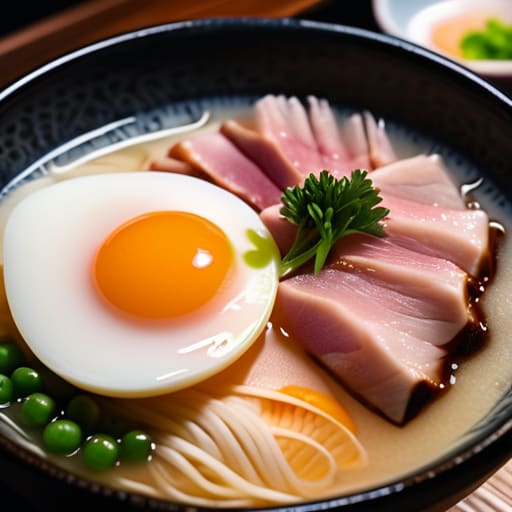
    The Precision of Shinjuku’s Hidden Tonkotsu broth.

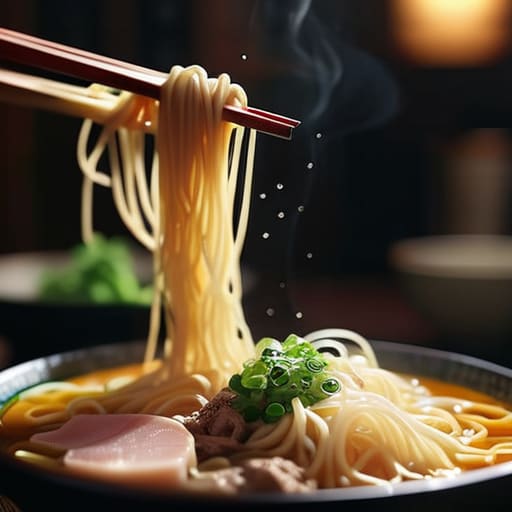
    Most people stumble into Shinjuku looking for the bright lights, but I find myself drawn to the narrow, dim corridors where the scent of simmering pork bone acts as a silent guide. There is a particular shop near the station’s western exit that operates with the efficiency of a well-oiled machine. The broth is thick, creamy, and carries a depth that only comes from hours of patient reduction—a process I deeply respect from my years in logistics.

    A Study in Simplicity at Nakano’s Shoyu Stall

    A Study in Simplicity at Nakano’s Shoyu Stall.

    If you want to understand the backbone of Tokyo’s culinary identity, you must seek out the Shoyu ramen tucked away in the residential folds of Nakano. This isn’t about culinary excess or experimental toppings; it is about the perfectly balanced soy sauce base that tastes of tradition and restraint. The clarity of the broth is remarkable, almost translucent, yet it carries a complex umami that lingers long after the bowl is cleared.

    The Intense Geometry of Tsukemen in Ebisu

    The Intense Geometry of Tsukemen in Ebisu.

    For those who find standard ramen too predictable, the dipping noodles, or Tsukemen, found in the backstreets of Ebisu offer a different kind of complexity. The separation of the cold, chewy noodles from the scalding, concentrated dipping broth is a brilliant logistical solution to the problem of texture. It allows you to control the experience, dipping each strand to achieve the exact ratio of starch to soup that you desire.

    Finding Stillness in Asakusa’s Miso Bowls

    Asakusa is often a whirlwind of tourists heading toward the temple, but if you veer just two blocks off the main thoroughfare, you’ll find a shop specializing in a hearty Miso ramen that feels like a warm embrace. The miso used here is fermented with a specific local character, providing a salty, earthy foundation that feels deeply grounding. It is the kind of food that makes you feel anchored to the earth.

    The Refined Minimalist Approach in Ginza

    Even in the high-end district of Ginza, where everything feels polished to a mirror sheen, you can find a ramen shop that celebrates the art of the understated. This particular establishment focuses on a light, refined salt-based broth, or Shio ramen, which requires an extraordinary level of skill to execute. Without the heavy fats of Tonkotsu to hide behind, every single ingredient must be of the highest possible quality.

    Finding the Rhythm of the Bowl

    Don’t let the crowds at major hubs dictate your palate; the most profound flavors often reside in the unassuming stalls tucked between the transit arteries of the smaller wards.

    Respect the ritual of the shop, from the precise timing of the noodle pull to the quiet etiquette of the counter, as these small details are what define the experience.

    Use your transit maps as a guide to exploration, knowing that a single subway transfer can lead you away from the tourist circuits and directly into the city’s authentic culinary heart.

    The Logistics of Flavor

    “A truly great bowl of ramen isn’t found by following a crowd or a glowing sign; it’s found by observing the rhythm of a neighborhood—the way a steam-fogged window sits at the end of a quiet alley, or how a single, steady line of locals forms outside a door that most people simply walk past.”

    Rurik Salonen

    The Final Sip

    Finding the perfect bowl in a city of fourteen million people isn’t about following a viral trend or standing in a line that stretches around a skyscraper. It is about recognizing that whether you are sitting on a wooden stool in a cramped Shinjuku basement or enjoying a refined tonkotsu near a quiet station in Setagaya, each shop offers a unique piece of the city’s puzzle. We have looked at everything from the heavy, salt-rich broths that demand your full attention to the lighter, more delicate varieties that mirror the precision of a Tokyo morning. Ultimately, the “best” ramen is less a fixed destination and more a matter of timing and temperament.

    As I close my notebook and prepare to navigate my way back to the Yamanote line, I am reminded that these small, steaming stalls are the true lifeblood of the metropolis. They are the quiet intervals between the frantic rush of the morning commute and the neon-soaked chaos of the evening. Don’t be afraid to wander down an alleyway that looks too narrow or to enter a shop where you cannot read the menu. The most profound discoveries are rarely found on a map; they are found when you allow yourself to simply sit, observe, and taste the rhythm of the city one spoonful at a time.

    Frequently Asked Questions

    How do I navigate the ticket vending machines without feeling like I'm disrupting the flow of the shop?

    The machine can feel like a bottleneck, especially when the lunch rush begins to swell behind you. My advice: don’t rush, but don’t linger. Step up, observe the screen for a few seconds to orient yourself, and have your yen ready. If you find yourself stuck in a menu loop, take a breath. The rhythm of a Japanese shop is built on efficiency, but it’s also built on patience. Just be decisive once you’ve made your choice.

    Is it worth seeking out the Michelin-starred spots, or is the true character found in the smaller, unlisted stalls?

    If you’re looking for technical perfection, by all means, book the Michelin-starred table. There is a certain logistical elegance in their precision. But if you want to understand how Tokyo actually breathes, look to the unlisted stalls. The true character of this city isn’t found in a curated guide; it’s found in the steam-fogged windows of a six-seat shop near a quiet station, where the rhythm of the broth matches the city’s pulse.

    How much should I expect to spend on a proper bowl if I want to avoid the tourist traps?

    If you’re steering clear of the flashy, English-menu establishments in Shinjuku, you won’t need a massive budget. For a standard, high-quality bowl of shoyu or tonkotsu, expect to pay between 800 and 1,400 yen. It’s a modest sum, but it buys you authenticity. I’ve found that the places where the salarymen congregate—often tucked near station exits—offer the best value. If a shop is charging well over 2,000 yen for a basic bowl, you’re likely paying for the view, not the broth.

  • Exploring Different Neighborhoods in Tokyo

    Exploring Different Neighborhoods in Tokyo

    I was sitting in a cramped corner of a Shinjuku station cafe last Tuesday, watching a sea of tourists scramble toward the bright lights of Shibuya, clutching their glossy guidebooks like shields. They were all looking for the same neon-soaked landmarks, completely oblivious to the fact that they were missing the actual soul of the city. Most people treat tokyo neighborhoods like a checklist of famous intersections and shopping districts, but that’s a logistical error. If you only chase the hype, you aren’t traveling; you’re just participating in a highly choreographed performance that leaves you feeling more exhausted than inspired.

    I have no interest in selling you on the polished, postcard version of this metropolis. Instead, I want to show you how to read the city’s map through its rhythms and its quiet, functional corners. In the following pages, I will skip the tourist traps and focus on the underlying logic of where people actually live, work, and breathe. My goal is to provide you with a grounded, no-nonsense guide to navigating different tokyo neighborhoods based on their character, their transit connectivity, and the small, steady truths they offer to those willing to look closer.

    Table of Contents

    The Transit Veins Navigating Shibuya vs Shinjuku Lifestyle

    The Transit Veins Navigating Shibuya vs Shinjuku Lifestyle

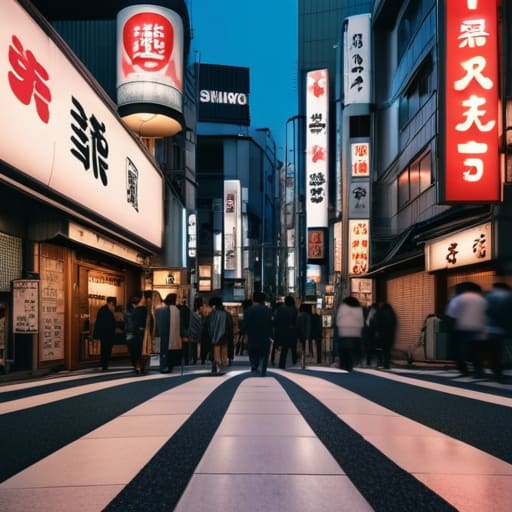
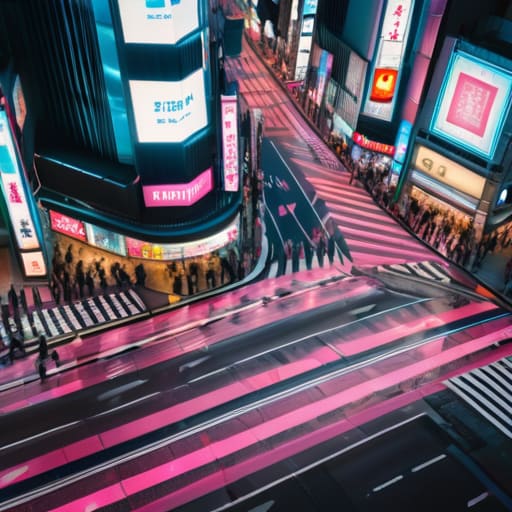
    To understand the friction between Shibuya and Shinjuku, you have to stop looking at the skyscrapers and start looking at the flow of the people. In my years managing logistics, I learned that a hub is defined by its exits and its velocity. Shibuya is a tidal force; it is a place of constant, swirling movement where the Shibuya vs Shinjuku lifestyle becomes immediately apparent. It feels youthful, almost frantic, driven by a consumerist energy that never quite settles. If you stand at the Scramble, you aren’t just watching pedestrians; you are watching a complex, living organism struggle to find its rhythm amidst the neon.

    Shinjuku, conversely, operates with a more structured, layered intensity. While Shibuya feels like a single, loud note, Shinjuku is a symphony of disparate zones—from the high-octane business corridors to the cramped, shadowed alleys of Golden Gai. When studying Tokyo urban planning and cityscape, I find that Shinjuku offers a more complex logistical puzzle. It manages to balance massive commercial density with pockets of intense, localized activity. One moment you are navigating a sprawling transit cathedral, and the next, you are stepping into a quiet street that feels worlds away from the terminal’s roar.

    Urban Planning and the Cityscapes Hidden Rhythms

    Urban Planning and the Cityscapes Hidden Rhythms.

    When I look at a city through the lens of a logistics consultant, I don’t see mere clusters of buildings; I see a complex, living organism. Tokyo urban planning and cityscape are defined by a fascinating tension between extreme density and meticulous organization. Unlike the sprawling, often chaotic expansion seen in Western metropolises, Tokyo’s growth feels intentional, almost rhythmic. There is a specific logic to how the high-rise commercial cores bleed into the lower-density pockets, creating a gradient of noise and movement that dictates the pace of daily life.

    I often find myself sketching the way these zones intersect in my notebook. You can feel the shift in energy as you move from the frantic, neon-soaked intersections toward the quiet residential Tokyo suburbs that sit just a few stops away. These pockets aren’t just escapes from the noise; they are the essential lungs of the city. Understanding this ebb and flow—the way the city breathes between the frantic commercial hubs and the stillness of the side streets—is the only way to truly grasp the structural soul of this place.

    The Logistics of Belonging: Five Principles for Choosing Your Corner of Tokyo

    • Prioritize the station over the street name. In a city this vast, your proximity to a reliable line—specifically the Yamanote or a major subway artery—dictates your quality of life. I’ve learned that a neighborhood is only as good as its transit connections; if you’re stuck on a single, infrequent line, you aren’t living in Tokyo, you’re just waiting for it.
    • Seek the “Second-Tier” stations. Everyone gravitates toward the chaos of Shinjuku or Shibuya, but the real character resides one or two stops away. Look for the neighborhoods where the commuters disembark and the pace slows just enough to hear the hum of a vending machine rather than the roar of a crowd.
    • Map the local “Shotengai.” A true neighborhood is defined by its covered shopping streets. These arteries provide more than just groceries; they offer a sense of scale and human rhythm that high-rise districts lack. If a district lacks a functional local market, it’s likely a transient zone, not a community.
    • Observe the evening transition. I often sit near a station exit around 6:00 PM with my notebook. Watch how the flow of people changes. Is it a frantic rush of salarymen, or is there a steady, relaxed movement of residents? The way a neighborhood handles the transition from work to rest tells you everything about its soul.
    • Factor in the “Walkability of Utility.” Don’t just look at how close you are to a cafe; look for the presence of a 24-hour pharmacy, a small laundromat, and a reliable convenience store. A neighborhood’s beauty is found in its functionality, and a lack of basic infrastructure will quickly turn a “charming” area into a logistical nightmare.

    The Logistics of Living: Lessons from the Tokyo Streets

    To truly understand a neighborhood, stop looking at the landmarks and start looking at the transit lines; the way people move between stations tells you more about a district’s soul than any guidebook.

    The most authentic urban experiences aren’t found in the bright lights of the main thoroughfares, but in the quiet, functional spaces—the narrow alleys and small corner shops—that keep the city breathing.

    A successful city isn’t just a collection of buildings, but a complex, living system of rhythms and flows that requires a patient observer to truly decode.

    The Geometry of Belonging

    A neighborhood in Tokyo isn’t defined by its landmarks, but by the way the crowd thins out at a specific station exit, or how the scent of a small ramen shop anchors a street that, on paper, shouldn’t exist at all.

    Rurik Salonen

    Finding Your Own Rhythm

    Finding Your Own Rhythm in Tokyo streets.

    Looking back at the sprawling map of this metropolis, it becomes clear that Tokyo is not a single entity, but a collection of distinct, breathing ecosystems. Whether you find yourself caught in the high-velocity currents of Shinjuku’s transit hubs or seeking the deliberate, slower pace of a residential side street, each neighborhood offers a different lesson in urban equilibrium. Understanding these districts requires more than just a subway pass; it demands an appreciation for how the heavy lifting of logistics and the delicate nuances of local life intersect to create something entirely unique. To truly know Tokyo, you must learn to read the unspoken patterns of its streets.

    As I sit here in a small café, sketching the intersection of two lines in my notebook, I am reminded that the best way to experience a city is to stop trying to conquer it. Don’t rush to see everything; instead, allow yourself the luxury of getting lost in the transitions between the neon and the quiet. The true magic of Tokyo doesn’t live in the guidebooks or the famous landmarks, but in those fleeting moments of stillness found between the stations. My advice is simple: leave room in your itinerary for the unexpected, and let the city reveal its hidden truths to you on its own terms.

    Frequently Asked Questions

    If I'm looking for a sense of quietude, which neighborhoods offer a reprieve from the constant movement of the major transit hubs?

    If you’re looking to escape the centrifugal force of the major hubs, look toward Yanaka or Sangenjaya. Yanaka feels like a preserved memory; its narrow lanes and low-rise architecture offer a stillness that’s rare in Tokyo. Sangenjaya, while closer to the action, possesses a more human scale. It’s a place where the transit lines feel secondary to the local rhythm of small coffee shops and quiet residential pockets.

    How much does the proximity to a specific Yamanote Line station dictate the daily rhythm and cost of living in a particular district?

    In my years managing logistics, I learned that proximity is everything. In Tokyo, the Yamanote Line is the city’s heartbeat; being within a ten-minute walk of a station dictates your entire tempo. If you’re near a major hub like Ebisu, you pay a premium for that seamlessness. Move just a few stops out, or even a few streets away from the station, and the cost drops significantly, but you trade that instant access for a slower, more deliberate pace.

    For someone who prefers exploring on foot, which areas possess the kind of intricate, walkable street layouts that reveal more than a subway map ever could?

    If you want to truly feel the texture of the city, leave the major hubs behind and head toward Yanaka or Shimokitazawa. In Yanaka, the narrow, winding lanes feel less like a grid and more like a living organism, preserving a scale that modern planning often erases. Shimokitazawa offers a different kind of density—a labyrinth of pedestrian-friendly alleys where the commerce is human-sized. These are the places where the sidewalk tells a better story than any map.